Why California Avocado Trees Produce Less Fruit Every Year And How To Fix It
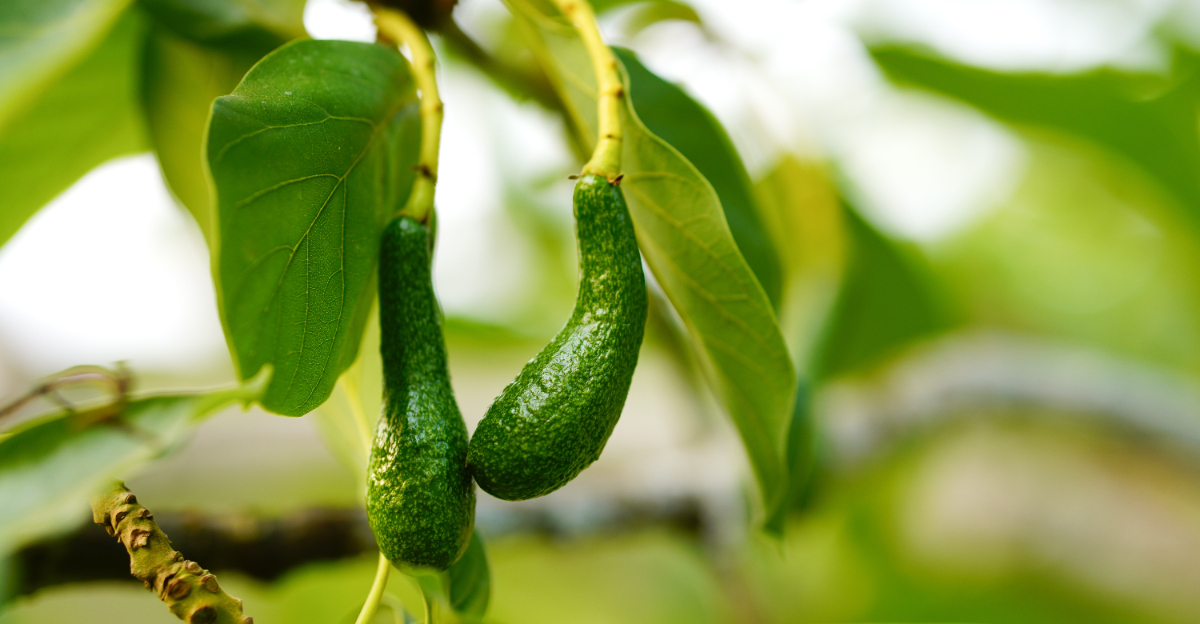
An avocado tree can look perfectly healthy in a California yard and still leave you wondering where the fruit went. The leaves look lush, the branches keep growing, and the tree seems happy enough, yet each year the harvest gets a little lighter.
That slow drop can be frustrating, especially when the tree used to produce much more without seeming to struggle.
The tricky part is that avocado trees rarely make the problem obvious right away. A small watering issue, poor pollination, too much nitrogen, crowded roots, or even a badly timed weather swing can quietly chip away at fruit production over time.
By the time the lower harvest becomes hard to ignore, the cause may have been building for a while.
The good news is that a disappointing avocado tree is not always headed in the wrong direction for good. With the right adjustments, California gardeners can often help it get back to stronger, steadier fruiting.
1. When Heavy Crop Years Backfire
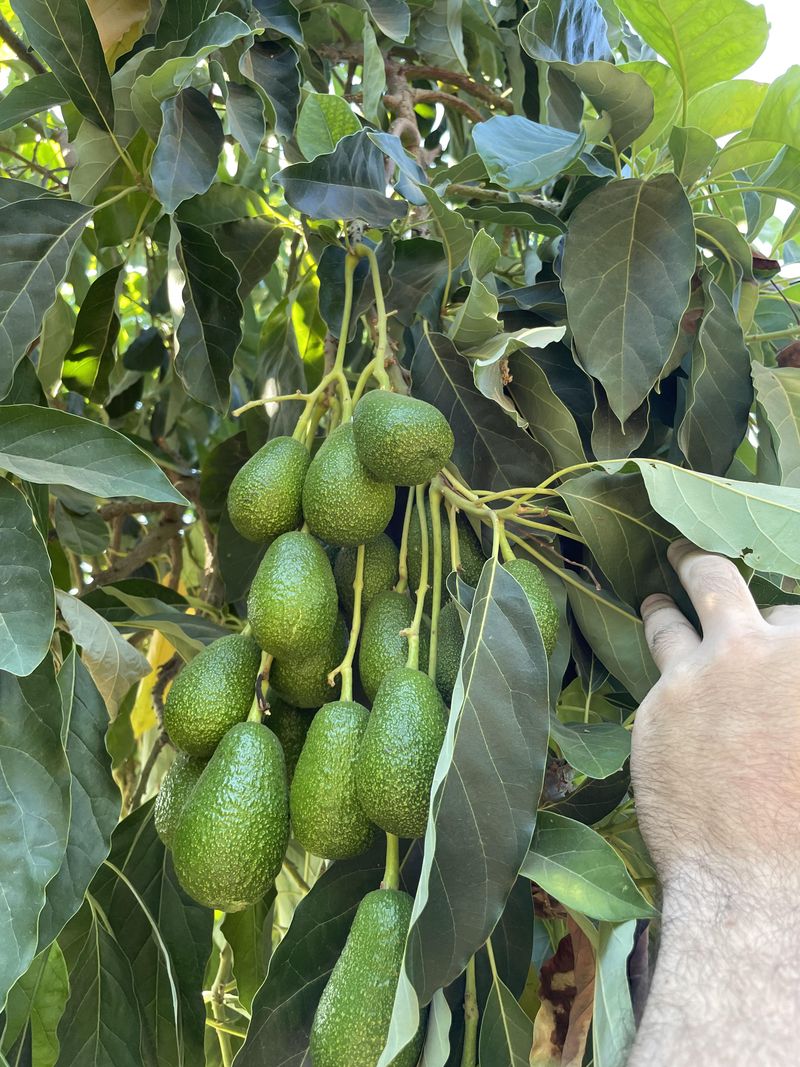
A bumper crop feels like a win, but it can actually set your tree up for a rough year ahead. Avocado trees in California follow what growers call “alternate bearing.” One year the tree pushes out a massive harvest, and the next year it barely produces anything at all.
This is not a disease or a pest problem. It is simply the tree running out of energy.
When a tree carries a heavy load of fruit, it uses up most of its stored carbohydrates. Those carbohydrates are what fuel next season’s flower and fruit development.
Without enough reserves, the tree skips a strong fruiting year to recover. Growers in Ventura County and San Diego County see this pattern constantly.
The fix is to thin the fruit during heavy crop years. Removing some fruit early in the season allows the tree to hold onto more energy.
It sounds counterintuitive, but picking less now means getting more later. Keeping detailed records of your harvest each year also helps you spot the on-and-off cycle early.
Once you recognize the pattern, you can manage irrigation and feeding around it to soften the swing between heavy and light years.
2. The Watering Mistake That Cuts Fruit Set
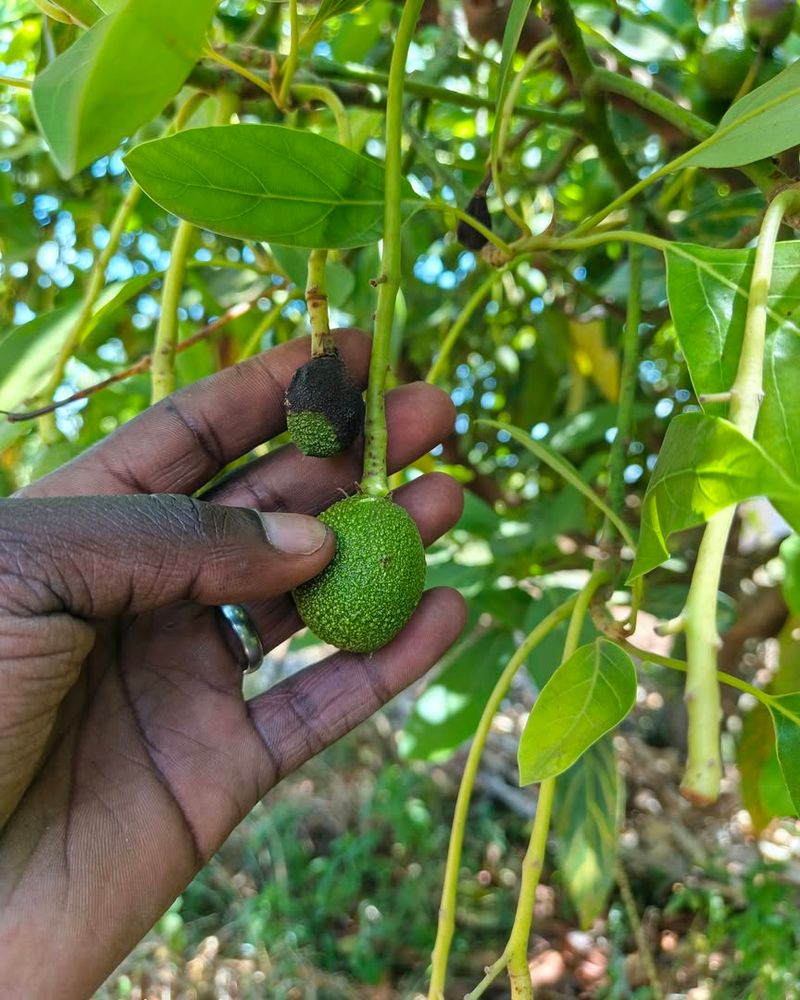
Watering seems simple until you realize how easy it is to get it wrong with avocado trees. Too little water and the tree sheds its flowers before they can become fruit.
Too much water and the roots suffocate, making it impossible for the tree to absorb the nutrients it needs. Both extremes lead to the same result: fewer avocados on the branch.
California growers deal with this challenge constantly, especially during the dry summer months and in areas with sandy or clay-heavy soil. Avocado roots are shallow and sensitive.
They need consistent moisture, but they absolutely cannot sit in waterlogged ground. Overwatering is actually one of the most common mistakes made by home growers across Los Angeles and Santa Barbara counties.
The best approach is to water deeply and then allow the top few inches of soil to dry out slightly before watering again. Drip irrigation works well because it delivers moisture slowly and evenly.
Your California Garden Changes Every Week. Your Plan Should Too.
Gardening in California changes quickly throughout the season. Every Friday you’ll receive a simple weekly plan showing exactly what to plant, prune, fertilize, harvest, and protect so you never miss the right timing.
Mulching around the base of the tree also helps hold moisture in the soil and keeps root temperatures stable. Checking soil moisture with a simple probe or even your finger can save you from both extremes and keep fruit set on track all season long.
3. How Salt Stress Slows Trees Down
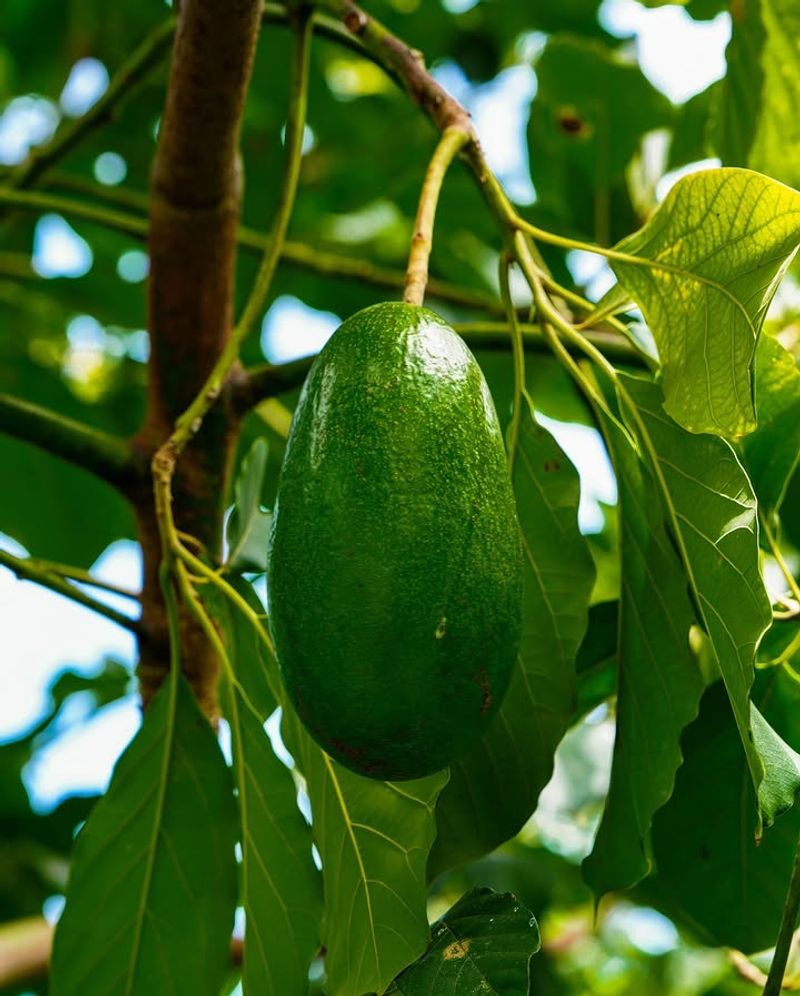
Salt buildup in the soil is one of those quiet problems that sneaks up on California growers. The state’s water supply, especially in Southern California, naturally carries higher salt levels than avocado roots prefer.
Over time, those salts accumulate in the soil and start to interfere with the tree’s ability to take up water and nutrients properly.
The first sign of salt stress is usually brown, crispy leaf tips. Growers often mistake this for drought or a nutrient shortage, but the real culprit is salt.
As stress builds, the tree puts less energy into flowering and more into simply surviving. Fruit set drops, and the tree may start shedding young fruitlets earlier than normal.
In areas like Riverside and San Diego, this is a widespread issue.
Flushing the soil with deep, slow watering several times a year helps push salts down below the root zone. Using high-quality water when possible also makes a difference.
If your local water is particularly salty, a soil test can confirm the problem and guide your next steps. Applying gypsum to the soil is another tool many California growers use to help displace sodium and improve overall soil structure around their trees.
4. What Bad Bloom Weather Can Do
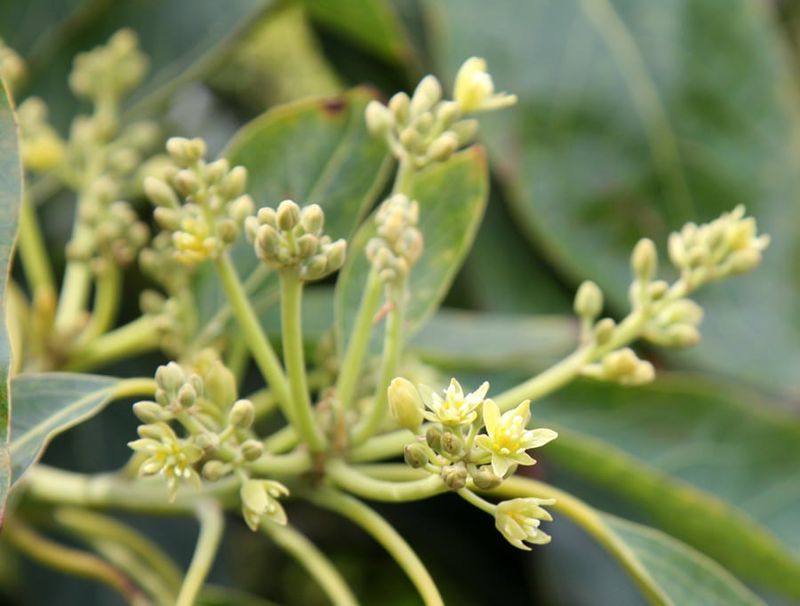
Avocado trees have a very specific window when their flowers open, and if the weather does not cooperate during that window, the whole season can suffer. California’s coastal regions often get cool, foggy springs that reduce pollinator activity right when the trees need bees the most.
Inland valleys can swing the other way, hitting the trees with early heat that shortens the bloom period and reduces pollen viability.
Avocado flowers are unusual because each flower opens twice. The first time it opens as female, and the second time as male.
These two openings happen at different times of day, and temperature plays a big role in keeping that timing on track. When nights are too cold or days are too hot during bloom, the male and female stages stop lining up correctly.
Pollination drops, and so does your fruit set.
Planting both a Type A and a Type B avocado variety near each other helps improve cross-pollination. Hass is the most common Type A in California, and pairing it with a Fuerte or Bacon variety nearby can make a real difference.
Protecting trees from strong winds during bloom also helps keep pollinators working. Even a simple windbreak of shrubs or a fence can improve conditions enough to lift fruit set noticeably.
5. Why Hard Pruning Reduces Fruit
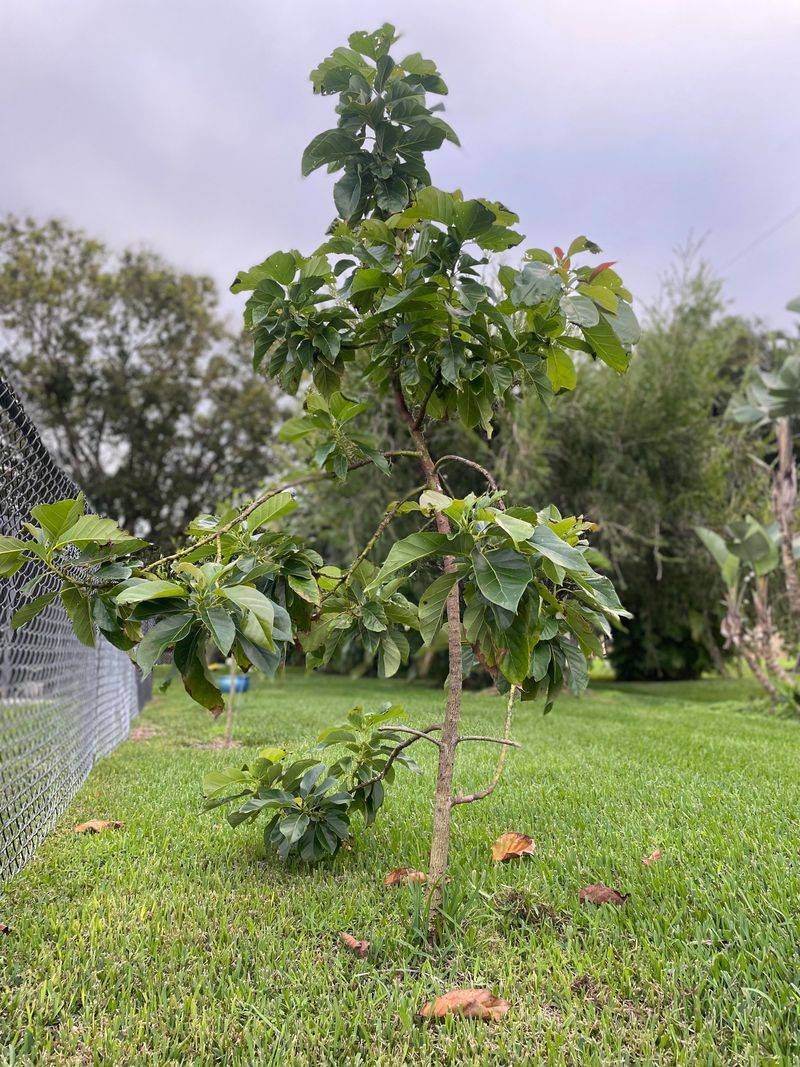
Grabbing the pruning shears and cutting back a struggling avocado tree feels productive, but aggressive pruning at the wrong time can actually make the problem worse. Avocado trees produce fruit on wood that is one or two years old.
When you remove large portions of that wood, you are essentially cutting away the branches that would have carried next season’s crop.
Hard pruning also triggers a strong vegetative response. The tree shifts all of its energy into pushing out new shoots and leaves rather than setting flowers and fruit.
Growers in California sometimes notice this after a heavy trim, wondering why the tree looks lush and full but produces almost nothing the following season. The tree is simply redirecting its resources.
Light, targeted pruning is the smarter approach. Focus on removing branches that cross each other, branches that are crowded in the center of the canopy, or any that show signs of damage.
Keeping the canopy open improves light penetration and air movement, which supports better flowering. Timing matters too.
Prune after harvest and before the next bloom cycle begins. Avoid cutting during or just before bloom season, as this can stress the tree and reduce the number of flowers it opens successfully.
6. The Feeding Gaps That Hurt Production
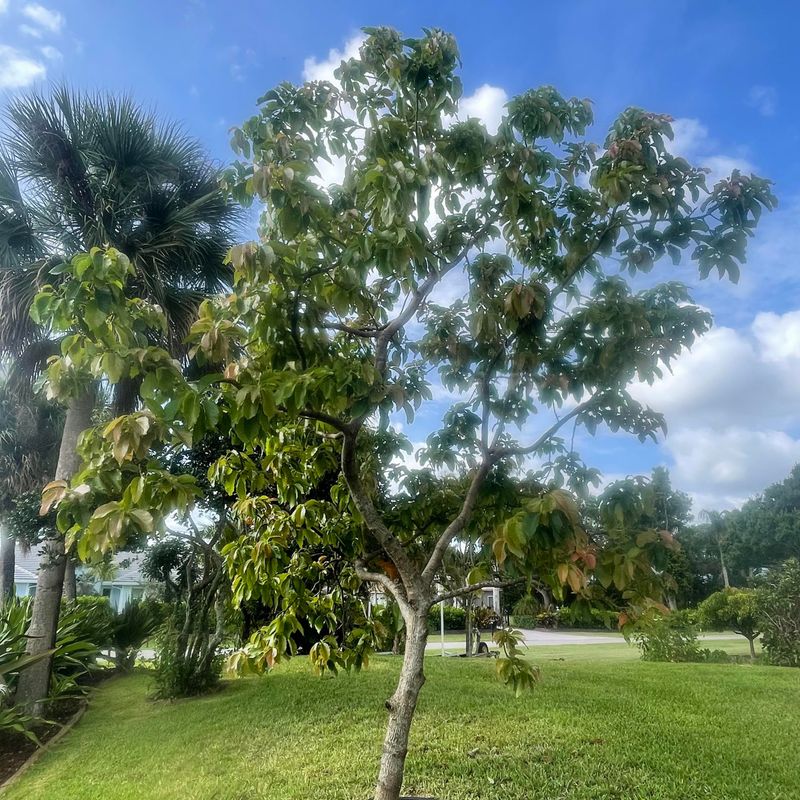
Avocado trees are heavy feeders, and skipping fertilizer applications at the wrong time can quietly tank your harvest. Nitrogen is the nutrient growers focus on most, but the timing of when you apply it matters just as much as the amount.
Putting down a large dose of nitrogen right before or during bloom pushes the tree into a growth spurt that favors leaves over flowers.
Zinc, boron, and potassium are also critical for avocado fruit development and are often overlooked. Zinc deficiency shows up as small, pale leaves and can reduce fruit size significantly.
Boron helps with pollination and early fruit development. Without enough potassium, the tree struggles to size up fruit properly, and you end up with smaller avocados even in good years.
Growers across California’s prime avocado regions, from Fallbrook to Carpinteria, deal with these deficiencies regularly.
A soil test and a leaf tissue analysis done together give you the clearest picture of what your tree actually needs. Apply nitrogen in split doses, with the largest application going in after fruit set in late spring.
Use a fertilizer blend designed specifically for avocados or subtropical fruit trees. Foliar sprays of zinc and boron during bloom can also give the tree a quick boost right when it needs those nutrients the most.
7. The Fixes That Help Trees Bounce Back
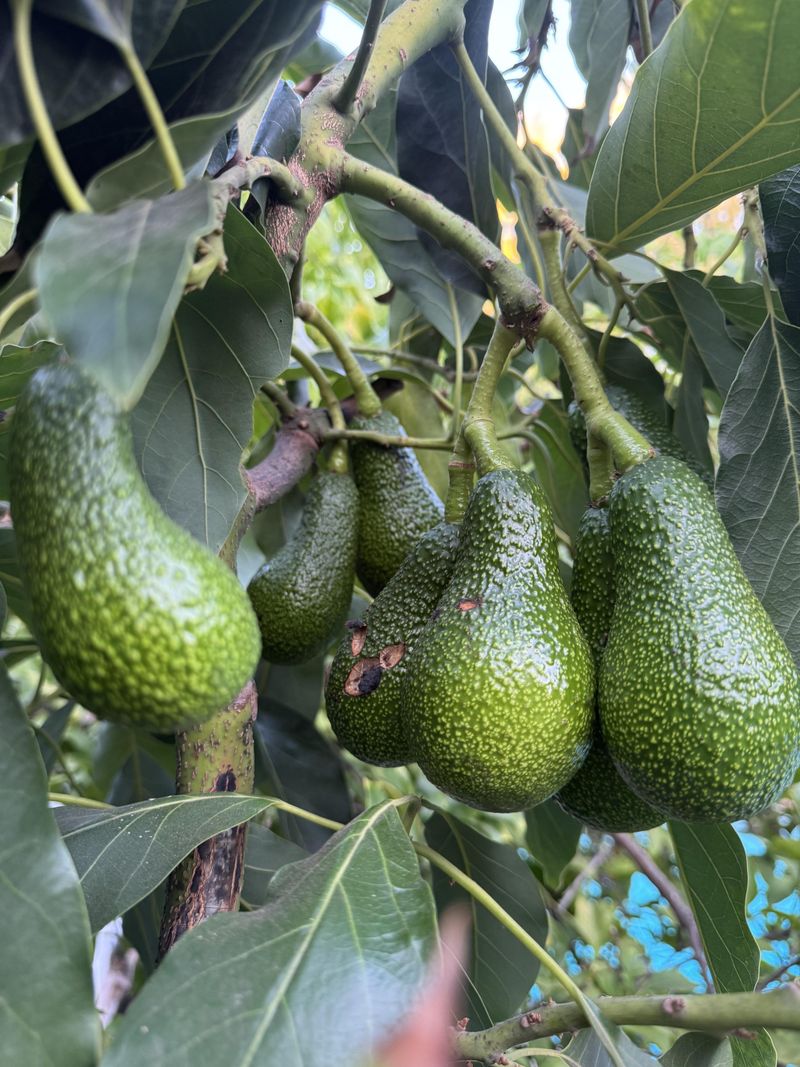
Getting a struggling avocado tree back on track takes patience, but the results are absolutely worth it. Start by pulling together a full picture of what has been going wrong.
Look at your watering schedule, your fertilizer timing, your pruning history, and the weather patterns during the last bloom season. Most underperforming trees in California have more than one issue going on at the same time.
Once you identify the main problems, tackle them one growing season at a time. Adjust irrigation first, since water stress affects almost every other function in the tree.
Then review your fertilizer program and make sure you are feeding at the right times. If salt buildup is a concern, schedule a deep soil flush before the next bloom cycle.
These small corrections add up quickly.
Mulching is one of the most underrated tools available to California avocado growers. A thick layer of wood chip mulch around the base of the tree regulates soil temperature, holds moisture, improves soil biology, and slowly feeds the tree as it breaks down.
Paired with consistent irrigation and a well-timed fertilizer program, mulching alone can noticeably improve fruit set within a single season. Give your trees the right conditions, and they will respond with the kind of harvest that makes all the effort feel worthwhile.