10 Vegetables That Grow Surprisingly Well In Oregon Shade
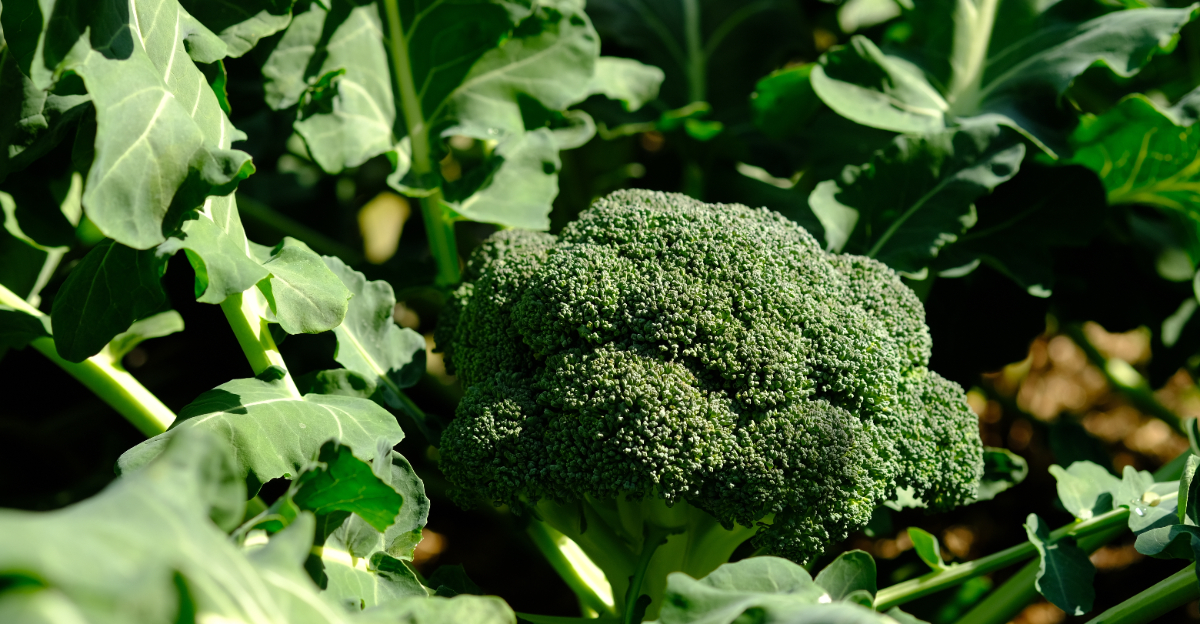
Shade can make Oregon gardeners feel like they are working with less, but that is not always true in the vegetable patch.
A yard with tall trees, fences, or a house casting long shadows may seem limiting at first, especially when so many garden photos are packed with full sun and perfect rows.
Still, some vegetables are far more flexible than people expect, and a few actually appreciate a break from intense afternoon light.
That can be a real advantage in Oregon, where spring starts cool and summer conditions vary a lot across the state.
A shadier growing spot often holds moisture longer, stays a little cooler, and gives certain crops a better shot at staying tender instead of rushing through growth.
So no, a sunny backyard is not the only way to grow something worth picking. With the right vegetables, even a partly shaded space can turn into a productive little corner that keeps surprising you as the season moves along.
1. Leaf Lettuce
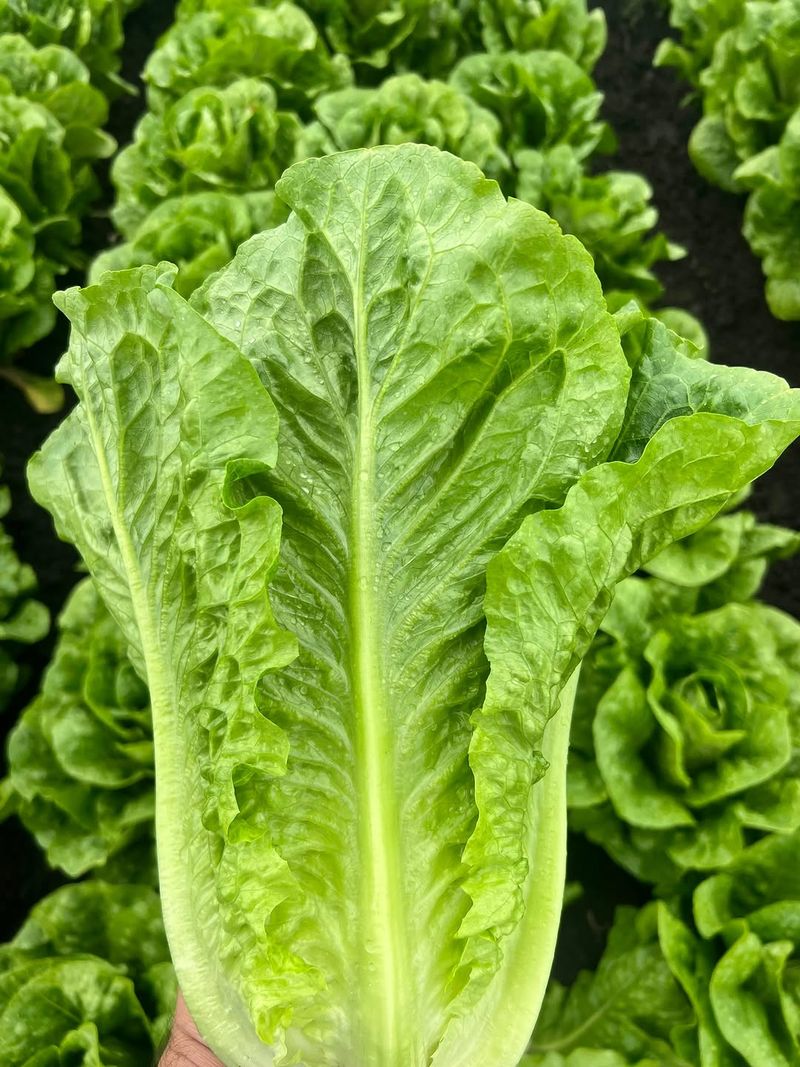
Few vegetables are as forgiving and rewarding as leaf lettuce, especially in a shady Oregon garden. Unlike head lettuce, the leaf varieties grow fast, stay tender, and bounce back after you snip a few leaves.
That makes them perfect for gardeners who want fresh salad greens without a lot of fuss.
Leaf lettuce loves cool soil and filtered light. In Oregon, shaded beds under trees or along a north-facing fence are actually ideal spots.
Too much direct afternoon sun can make lettuce taste bitter and cause it to bolt, which means it sends up a flower stalk and stops producing good leaves. Shade slows that process down significantly.
Plant seeds directly in the ground in early spring or fall. Keep the soil consistently moist but not waterlogged.
Varieties like ‘Black Seeded Simpson,’ ‘Oak Leaf,’ and ‘Red Sails’ all do well in Oregon’s lower-light conditions. You can harvest outer leaves as the plant grows, which keeps production going for weeks.
Raised beds with compost-rich soil give even better results. With just a little care, a shady corner of your Oregon yard can produce enough fresh lettuce to keep your salad bowl full all season long.
2. Arugula
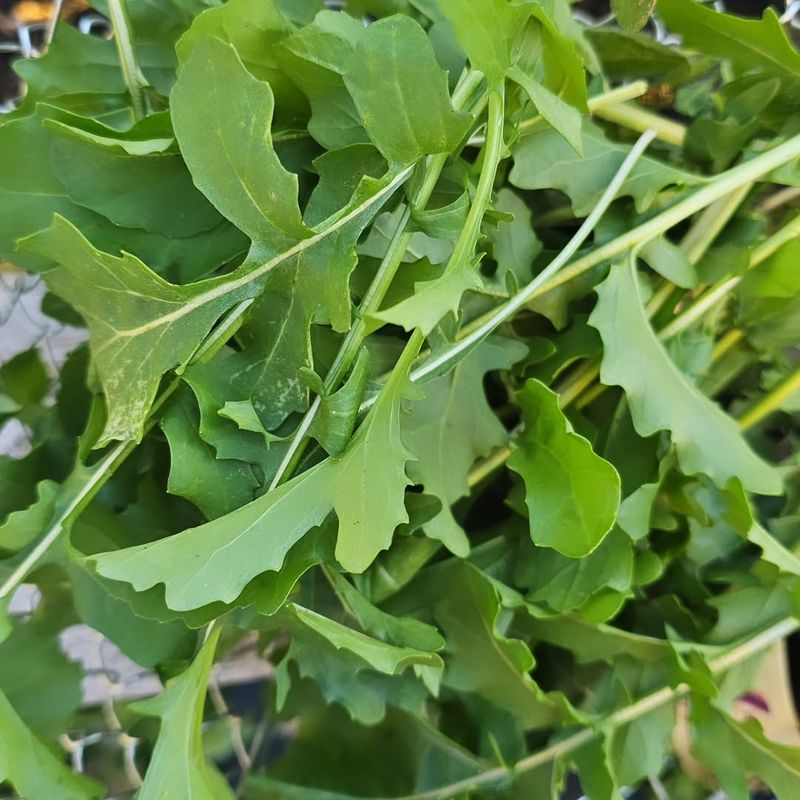
This veggie has a bold, peppery flavor that many people love in salads and on sandwiches. What surprises most gardeners is how much better it tastes when grown in partial shade.
Full sun can make arugula overly spicy and cause it to bolt quickly, but a shaded spot in your Oregon garden slows everything down in the best possible way.
Growing arugula in Oregon is almost effortless. The state’s cool, rainy climate matches almost perfectly with what this plant needs.
It prefers temperatures between 45 and 65 degrees Fahrenheit, which is pretty much a standard Oregon spring or fall day. Plant seeds directly in the soil about a quarter inch deep and thin seedlings to about six inches apart once they sprout.
Shaded beds under deciduous trees work wonderfully because the light changes with the seasons. In early spring, more light gets through bare branches, helping seeds germinate.
Your Oregon Garden Changes Every Week. Your Plan Should Too.
Gardening in Oregon changes quickly throughout the season. Every Friday you’ll receive a simple weekly plan showing exactly what to plant, prune, fertilize, harvest, and protect so you never miss the right timing.
As summer arrives and trees leaf out, the shade protects arugula from bolting. Harvest leaves when they reach about three inches long for the mildest flavor.
Varieties like ‘Astro’ and ‘Rocket’ are excellent choices for Oregon gardens. Regular watering and a layer of mulch will keep your arugula productive for weeks.
3. Spinach
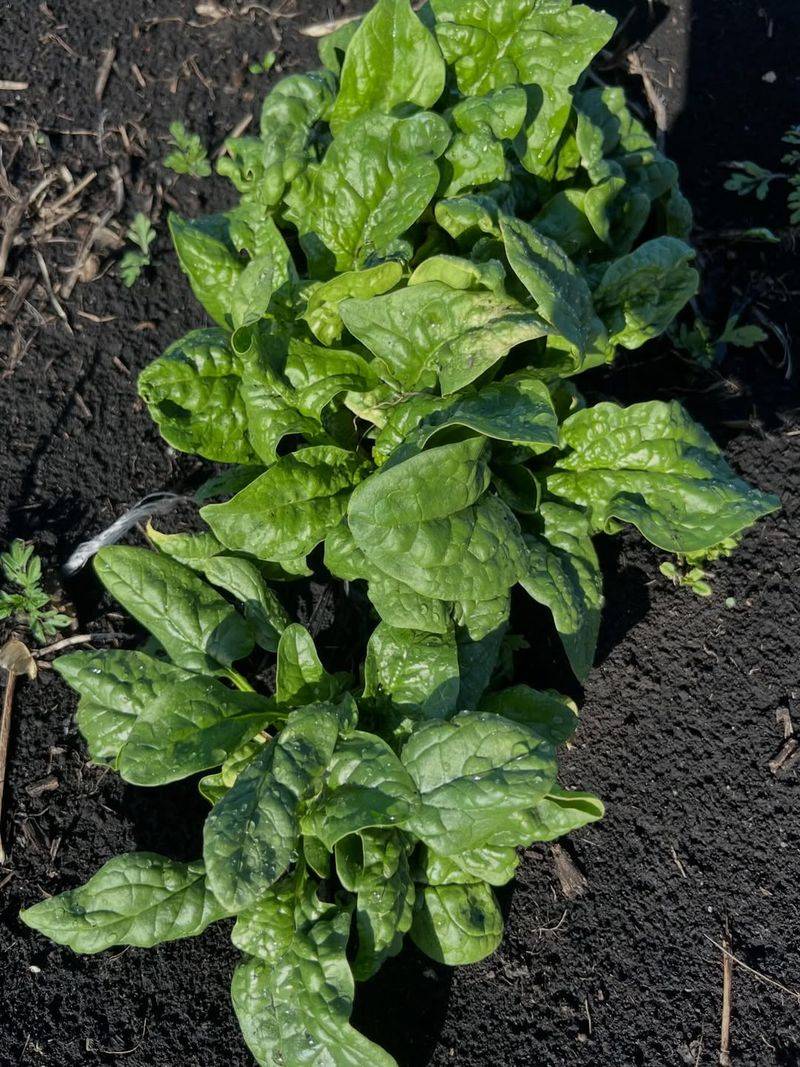
It loves cool weather, tolerates frost, and actually prefers a bit of shade during the warmer months. When spring days get longer, spinach can bolt quickly in full sun.
But a shaded bed gives you several extra weeks of harvest before that happens, which is a huge win for Oregon gardeners.
Plant spinach seeds in early spring, as soon as the soil can be worked. You can also plant in late summer for a fall harvest.
Shaded spots under tall shrubs or on the north side of a building work great. The soil should be rich in organic matter and drain well.
Spinach does not like sitting in waterlogged ground, even though it needs consistent moisture.
Varieties like ‘Bloomsdale Long Standing’ and ‘Space’ are known for their bolt resistance, making them great picks for Oregon shade gardens. Fertilize lightly with a nitrogen-rich fertilizer to encourage leafy growth.
Harvest outer leaves regularly to keep the plant producing. Spinach is packed with iron, vitamins, and antioxidants, so every harvest is a nutritional bonus.
If you want a vegetable that practically thrives on neglect in a shady Oregon yard, spinach is your answer.
4. Swiss Chard
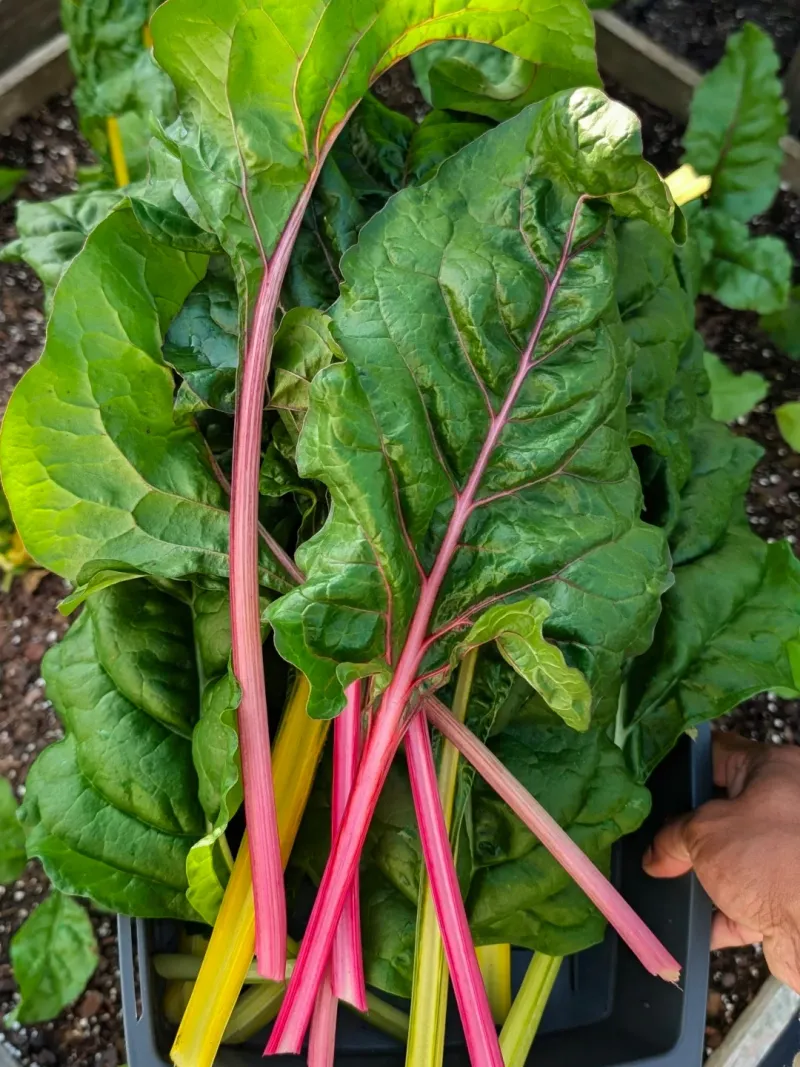
Swiss chard might just be the most beautiful vegetable you can grow in an Oregon shade garden. The stems come in vivid shades of red, yellow, orange, and white, making it look almost like a flower bed.
The ‘Bright Lights’ variety is especially popular because it adds serious color to any garden space while still being completely edible and delicious.
Shade actually helps Swiss chard stay productive longer into Oregon’s warmer months. Without the stress of full afternoon sun, the leaves stay tender and mild.
Morning sun with afternoon shade is the sweet spot for this vegetable. Plant seeds about half an inch deep and thin plants to about a foot apart once they are established.
Swiss chard is remarkably easy to grow in Oregon’s climate. It tolerates both cool spring temperatures and mild summer warmth, especially when protected by shade.
The leaves taste great sauteed, added to soups, or used fresh in wraps. You can harvest outer leaves continuously without pulling the whole plant.
Rich, well-draining soil with compost mixed in will give you the best results. Water consistently and watch out for slugs, which are common in Oregon’s moist environment.
A ring of crushed eggshells around each plant can help keep those garden pests away naturally.
5. Kale
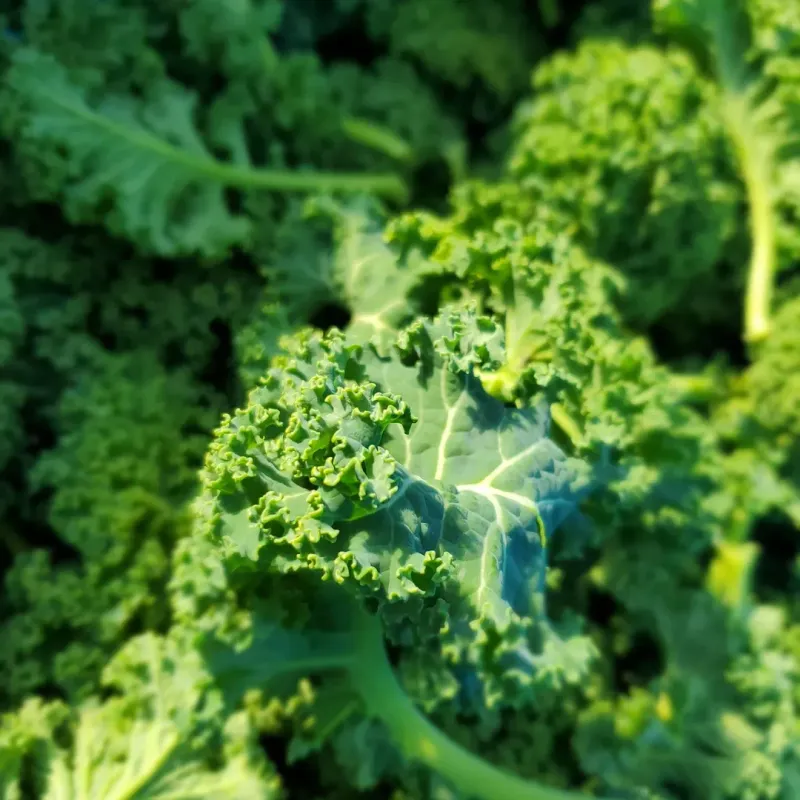
Kale is one of the toughest vegetables you can grow, and Oregon gardeners have known that for a long time. It handles frost, tolerates poor soil, and grows well with just three to four hours of filtered sunlight per day.
In fact, kale grown in partial shade often tastes less bitter than kale grown in full sun, which is a pleasant surprise for anyone who has found kale a bit too intense in the past.
Oregon’s mild, rainy climate is almost perfect for kale. Plant transplants or seeds in early spring or late summer.
Shaded garden spots along fences or under open tree canopies work well. Kale plants can grow fairly large, so space them about 18 inches apart.
They also make great companion plants alongside other shade-tolerant vegetables.
Varieties like ‘Lacinato’ (also called dinosaur kale), ‘Winterbor,’ and ‘Red Russian’ all perform well in Oregon’s lower-light conditions. Harvest the lower, older leaves first and leave the center growth intact to keep the plant producing.
After a light frost, kale actually gets sweeter because the cold converts some of its starches into sugars. That means Oregon’s cool fall weather is actually an advantage for kale growers.
Add compost each season to keep the soil fertile and productive.
6. Broccoli
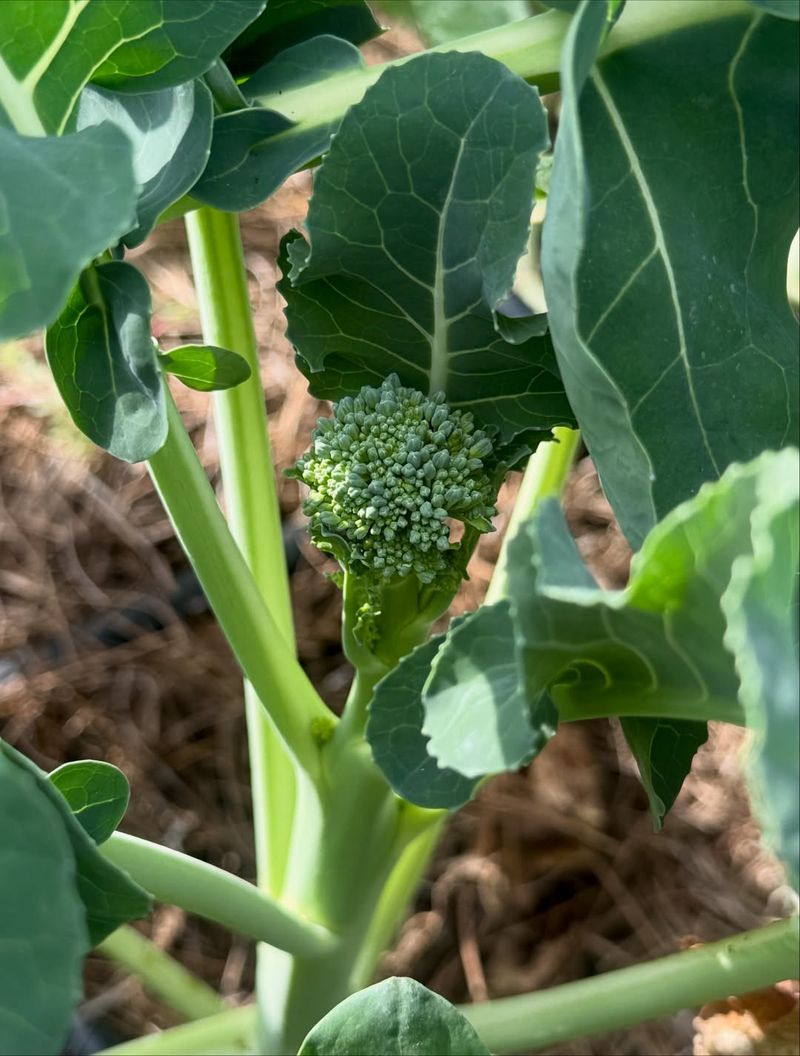
Broccoli and shade might not seem like a natural pair, but Oregon gardeners who have tried it know the secret: afternoon shade actually helps broccoli form tighter, better-tasting heads. Heat stress causes broccoli to rush through its development, which often leads to loose, bitter crowns.
Shade slows things down and gives the plant time to develop properly.
Oregon’s cool, wet springs are already great for broccoli. Adding a bit of afternoon shade extends that ideal growing window even further into summer.
Start seeds indoors about six weeks before your last frost date, then transplant seedlings into a partially shaded garden bed. Space plants about 18 to 24 inches apart to allow good airflow.
Varieties like ‘Calabrese,’ ‘Belstar,’ and ‘Green Magic’ are well-suited for Oregon’s climate and do well with reduced sun exposure. Keep the soil consistently moist and fertilize with a balanced fertilizer every few weeks.
Watch for cabbage worms, which are common in Oregon and love broccoli. Row covers can protect young plants without blocking too much light.
Once you harvest the main head, smaller side shoots will continue to grow for weeks, giving you an extended harvest. Broccoli grown in Oregon shade is genuinely worth the effort.
7. Cauliflower
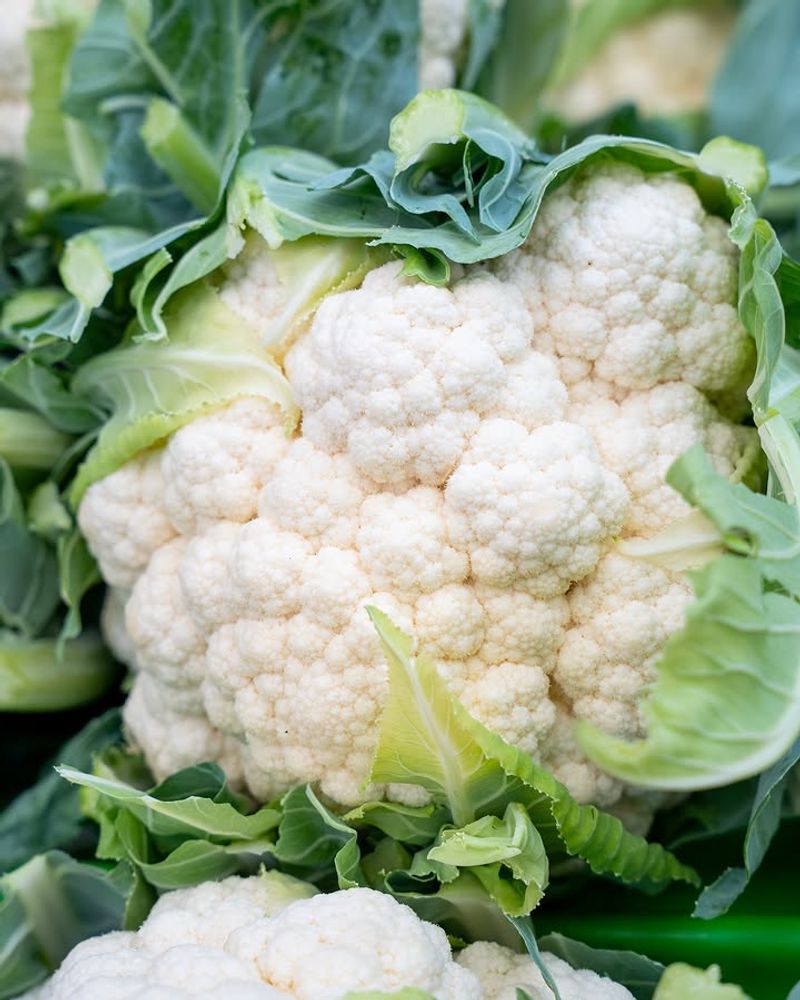
Cauliflower has a reputation for being one of the more challenging vegetables to grow, but shade can actually make it easier. One of the biggest problems with cauliflower is that sunlight turns the white head yellow or causes it to develop an off-flavor.
In a shaded Oregon garden, that problem mostly takes care of itself because the large outer leaves naturally shield the developing head.
Oregon’s cool climate is a natural advantage for cauliflower growers. The plant prefers temperatures between 60 and 70 degrees Fahrenheit, which is common during Oregon’s spring and early fall.
Start seeds indoors and transplant them to a shaded bed once they have a few sets of true leaves. Keep the soil rich and moist throughout the growing season.
Varieties like ‘Snowball,’ ‘Amazing,’ and ‘Cheddar’ (which produces orange heads) all grow well in Oregon with partial shade. Consistent watering is especially important because uneven moisture can cause the heads to crack or develop unevenly.
Once the head reaches about two to three inches across, you can tie the outer leaves together over the top to help keep it white and tender, a technique called blanching. Harvesting at the right time makes a big difference in flavor, so check your plants every few days once the heads start forming.
8. Peas
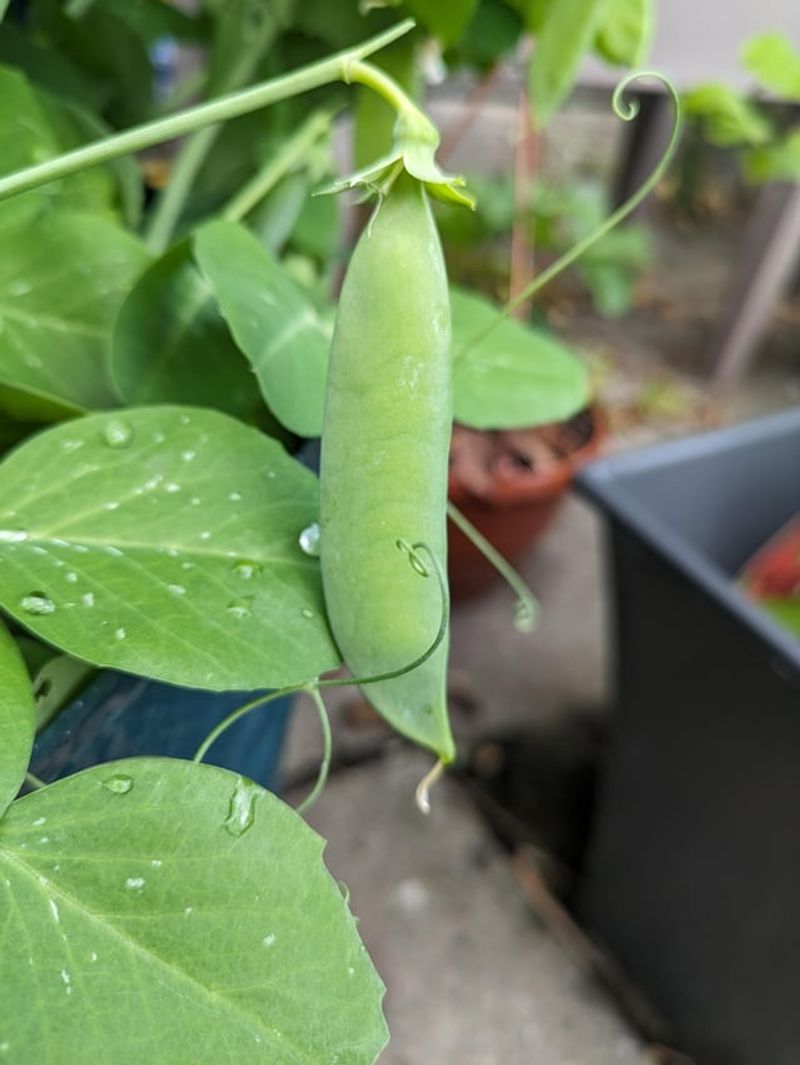
There is something almost magical about growing peas in Oregon. They sprout in cold soil, climb happily up a trellis, and produce sweet, crunchy pods that taste nothing like the ones from a grocery store.
Best of all, peas are one of the few vegetables that genuinely prefer cooler, shadier conditions, making them a perfect fit for Oregon’s many partially shaded gardens.
Plant peas as early as February in western Oregon, where winters are mild. They can handle frost and actually need cool temperatures to produce well.
A spot that gets morning sun and afternoon shade is ideal. Install a trellis or some chicken wire before planting so the vines have something to climb right away.
Sugar snap peas, snow peas, and shelling peas all do well in Oregon’s shaded spots. Varieties like ‘Oregon Sugar Pod’ (named right here in Oregon!) and ‘Sugar Snap’ are classic choices.
Avoid overwatering once pods begin to form, as too much moisture can cause mildew. Harvest pods regularly to encourage the plant to keep producing.
Peas fix nitrogen in the soil, which means they actually improve your garden bed for whatever you plant next. After the vines stop producing, chop them into the soil to add organic matter and nutrients back to your Oregon garden.
9. Radishes
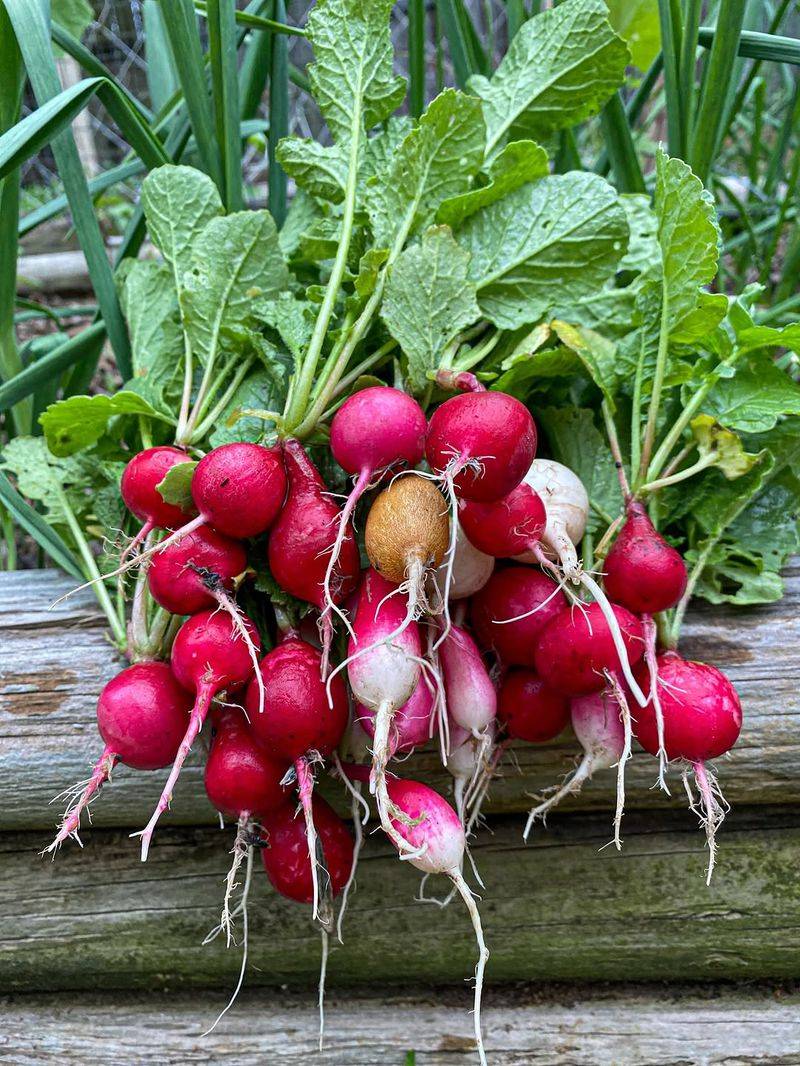
Radishes are the sprinters of the vegetable world. Most varieties go from seed to harvest in just 25 to 30 days, which makes them one of the most satisfying vegetables to grow, especially for beginners.
In Oregon’s shaded garden spots, radishes develop a crisp texture and mild flavor that full-sun radishes sometimes lack. Too much heat can make radishes woody and overly spicy, but shade keeps things just right.
Sow radish seeds directly in the ground in early spring or fall. They do not transplant well, so skip the seed starting and just scatter them about half an inch deep and an inch apart.
Thin seedlings to about two inches once they sprout. Shaded spots along the base of taller plants or under open tree canopies work perfectly for radishes in Oregon.
Varieties like ‘Cherry Belle,’ ‘French Breakfast,’ and ‘Watermelon’ radish are fun to grow and taste great. Keep the soil evenly moist to prevent splitting, which can happen when dry periods are followed by heavy watering, something Oregon gardeners know well during summer dry spells.
Radishes also work as great companion plants because they deter certain pests. Interplant them with slower-growing vegetables to make the most of your shaded garden space throughout the season.
10. Beets
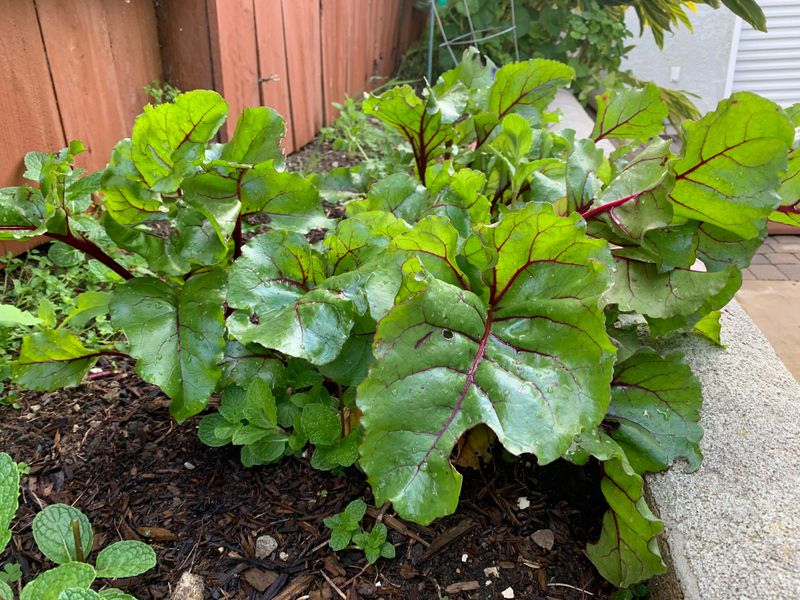
Beets are one of those vegetables that surprise people when they learn how well they grow in shade. Most root vegetables need full sun, but beets are different.
They develop sweet, tender roots with just four to five hours of filtered sunlight per day, and Oregon’s shaded garden beds provide exactly that kind of environment. The leafy tops, called beet greens, are also edible and taste similar to Swiss chard.
Plant beet seeds directly in the soil in early spring or late summer. Each beet seed is actually a cluster of seeds, so thin the seedlings to about three to four inches apart once they emerge.
This step is important because crowded beets will not develop proper roots. Shaded raised beds with loose, deep soil work best since roots need room to expand downward.
Varieties like ‘Detroit Dark Red,’ ‘Chioggia,’ and ‘Golden’ beets all perform well in Oregon’s cooler, shadier conditions. The cooler soil temperatures found in shaded beds actually promote more even root development and better sweetness.
Mulch around the plants to retain moisture and keep soil temperatures stable. Harvest beets when they reach about one to two inches in diameter for the best flavor.
Leaving them in the ground too long can cause them to become tough, so check regularly once they start sizing up in your Oregon garden.