Why Some Evergreen Hedges Fail After Tough Michigan Winters
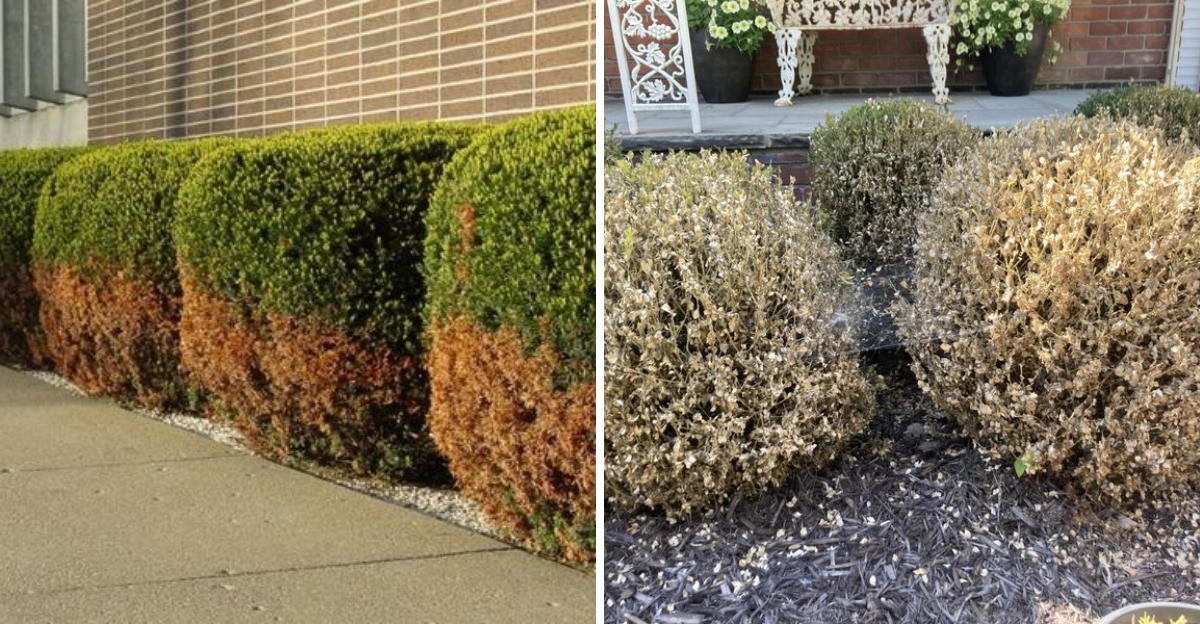
Evergreen hedges can look strong and reliable, but tough Michigan winters often tell a different story. After months of cold, wind, and snow, it is not unusual to see sections turn brown, thin out, or struggle to recover in spring.
Many homeowners are surprised when plants that looked healthy in fall come back looking uneven or stressed. The problem is not always one single cause.
Michigan winters bring a mix of conditions that can dry out foliage, damage roots, and weaken plants over time. Some evergreens handle these challenges better than others, while certain planting spots make the damage worse.
Understanding why hedges fail after winter can help you spot early warning signs and make better choices going forward. With the right knowledge, you can protect your plants and keep your hedge looking full, green, and strong through every season.
1. Winter Burn From Sun And Wind Exposure
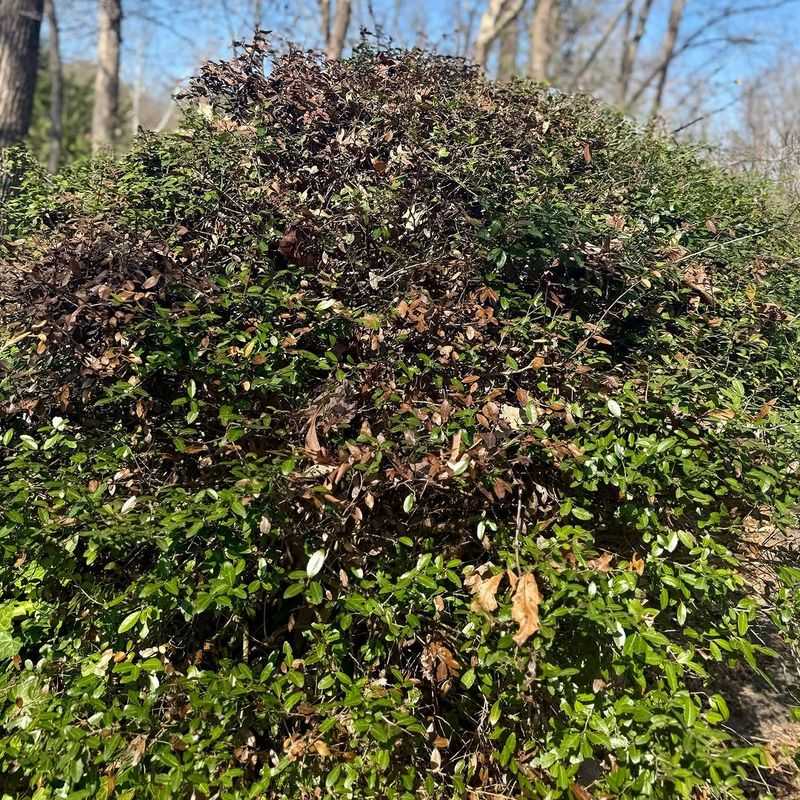
Picture stepping outside on a bright February morning in Michigan and noticing your once-green hedge is turning a crispy, orange-brown color. That is classic winter burn, and it happens more often than most people expect.
Cold winter winds pull moisture straight out of the needles and leaves faster than roots can replace it, leaving foliage looking scorched and dried out.
The tricky part is that the sun actually makes things worse. On clear winter days, sunlight warms up the foliage and speeds up moisture loss even more, while the frozen ground below keeps roots from doing anything about it.
South and west-facing hedges in Michigan tend to take the hardest hit because they get the most sun and wind exposure throughout the season.
Protecting your hedges from this kind of damage is totally possible with some planning ahead. Burlap screens placed on the windward side of the hedge can block harsh winds and reduce moisture loss significantly.
Applying an anti-desiccant spray like Wilt-Pruf in late fall gives foliage an extra protective coating that holds moisture in through the coldest months. Even choosing a planting spot near a natural windbreak, like a fence or building, can make a noticeable difference.
Taking these steps before winter hits is far more effective than trying to fix the damage once spring arrives.
2. Frozen Soil Prevents Water Uptake
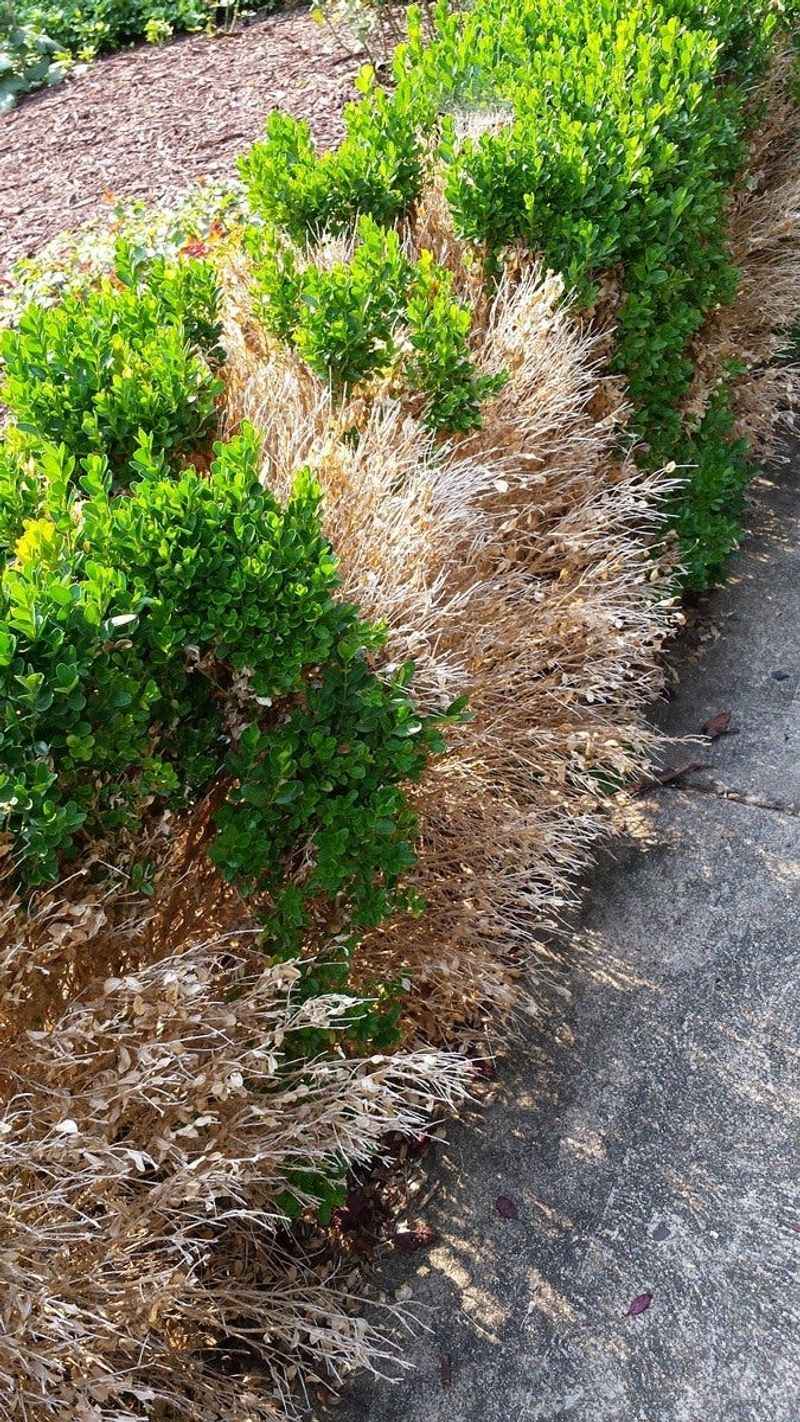
Most people assume that snow means plants have plenty of water nearby, but that thinking misses a critical piece of the puzzle. When soil freezes solid during Michigan winters, roots simply cannot absorb moisture no matter how much water surrounds them.
The plant is essentially cut off from its water supply for weeks or even months at a time. Evergreens are especially vulnerable to this problem because they never fully go dormant the way deciduous trees do.
Their needles and leaves keep losing small amounts of moisture all winter long through a process called transpiration, and when roots cannot keep up, the plant starts showing signs of serious stress.
You might notice browning tips, wilting foliage, or branches that look weak and dull by late winter.
Your Michigan Garden Changes Every Week. Your Plan Should Too.
Gardening in Michigan changes quickly throughout the season. Every Friday you’ll receive a simple weekly plan showing exactly what to plant, prune, fertilize, harvest, and protect so you never miss the right timing.
One of the best things Michigan gardeners can do is water their evergreen hedges deeply and thoroughly right before the ground freezes in late fall.
Getting as much moisture into the root zone as possible before temperatures drop gives plants a much better reserve to draw from during the long freeze.
Adding a thick layer of mulch, around three to four inches, over the root zone also helps slow down how deeply the ground freezes.
Organic mulch like wood chips or shredded bark works great and breaks down over time to improve soil health too, giving your hedge a stronger foundation heading into the next season.
3. Late Fall Drought Weakens Plants Before Winter
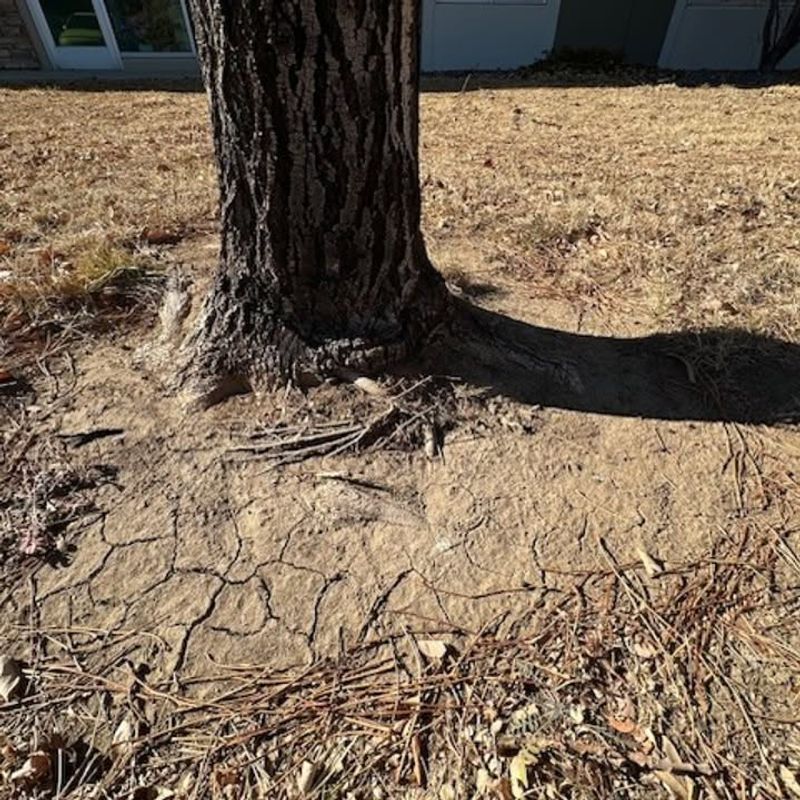
Fall in Michigan can sneak up on gardeners fast, and watering schedules often get dropped the moment temperatures start cooling down.
The problem is that evergreens heading into winter with dry roots are already fighting an uphill battle before the first snowflake even falls. A dry plant going into a Michigan winter is a plant that is set up to struggle.
Late summer and early fall droughts are more common across Michigan than many people realize, and they can quietly drain moisture reserves from the soil before anyone notices.
Evergreen hedges that look perfectly fine in October might already be under significant stress by the time November rolls around.
Those moisture deficits carry straight into winter and make every other challenge, from wind to freezing temps, hit even harder.
Keeping up with watering through September and October is one of the simplest and most effective things you can do for your hedge. Aim to water deeply at least once a week during dry spells, soaking the soil down to the full root depth rather than just wetting the surface.
Stop watering only after the ground has actually frozen, not just when the air gets cold. A soil moisture meter can be a handy tool for checking whether your hedge is getting enough water before winter sets in.
A little extra effort in fall pays off enormously when spring finally arrives and your hedge bounces back healthy and strong.
4. Sudden Temperature Swings Cause Tissue Damage
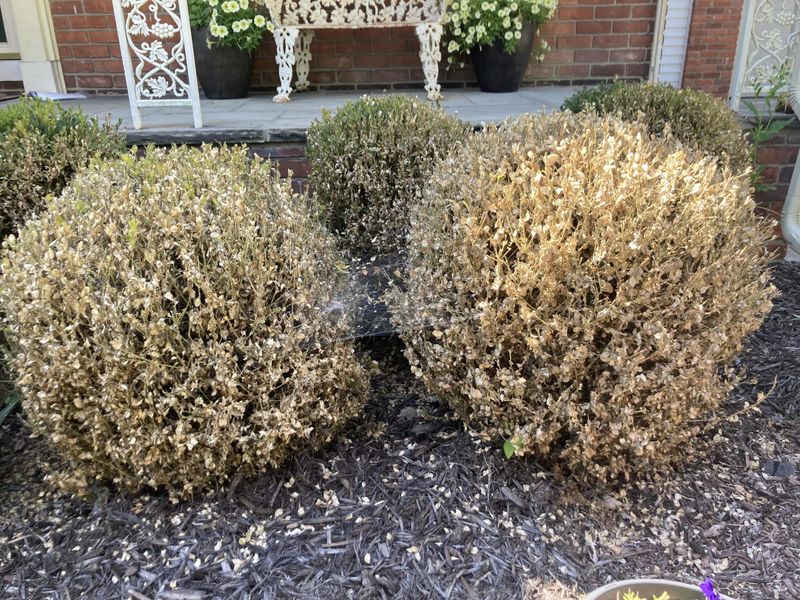
Michigan weather has a reputation for being wildly unpredictable, and that unpredictability is one of the biggest reasons some evergreen hedges come out of winter looking rough.
A warm spell in January that pushes temperatures into the 40s can trick plants into easing out of their hardened winter state, and then a sudden drop back below zero hits them completely off guard.
These freeze-thaw cycles cause real physical damage inside plant tissue. When water inside plant cells freezes, thaws, and then freezes again rapidly, the cell walls can break down, leading to browning, wilting, and sections of the hedge that never recover.
The outer branches that face the open sky tend to experience the most dramatic temperature swings and often show the worst damage.
Protecting your Michigan hedge from these swings starts with choosing varieties that are rated for USDA hardiness zones 4 or 5, which covers most of the state.
Arborvitae varieties like Emerald Green and North Pole are solid options because they are bred to handle exactly this kind of wild temperature fluctuation.
Wrapping vulnerable hedges in burlap during particularly unstable stretches of winter weather can provide a buffer against the most extreme swings. Avoid pruning in late fall, since new growth triggered by pruning is far more sensitive to cold snaps.
Letting your hedge fully harden off naturally before the cold season arrives gives it the best fighting chance against Michigan’s famously unpredictable winters.
5. Salt Damage From Roads And Sidewalks
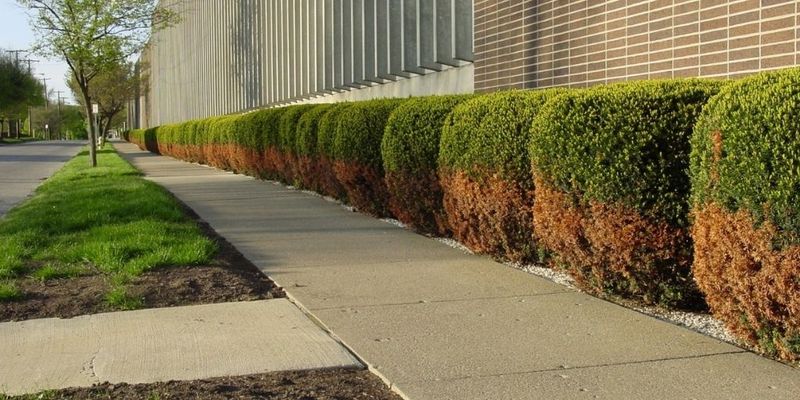
Road salt is a fact of life in Michigan, where crews spread thousands of tons of deicing material every winter to keep roads and sidewalks safe.
For evergreen hedges planted near streets, driveways, or walkways, that salt can cause serious and lasting damage that shows up most clearly in spring.
Brown tips, sparse growth near the pavement, and struggling lower branches are all classic signs of salt injury.
Salt harms hedges in two main ways. First, salt spray from passing vehicles or shoveling lands directly on foliage and burns the needles and leaves.
Second, salt that washes into the soil builds up over time, interfering with the plant’s ability to absorb water and nutrients properly. The roots essentially get tricked into thinking the soil is drier than it actually is, which causes dehydration stress even in wet conditions.
If your Michigan yard has hedges near any salted surface, a few smart strategies can reduce the risk significantly. Installing a physical barrier like a burlap fence between the hedge and the road blocks most of the spray before it reaches the foliage.
Choosing salt-tolerant species like juniper or Austrian pine for those high-exposure spots gives you a much better starting point.
Flushing the soil around the base of the hedge with large amounts of fresh water in early spring helps wash excess salt deeper into the ground and away from the root zone, giving plants a cleaner start heading into the growing season.
6. Heavy Snow And Ice Break Branches
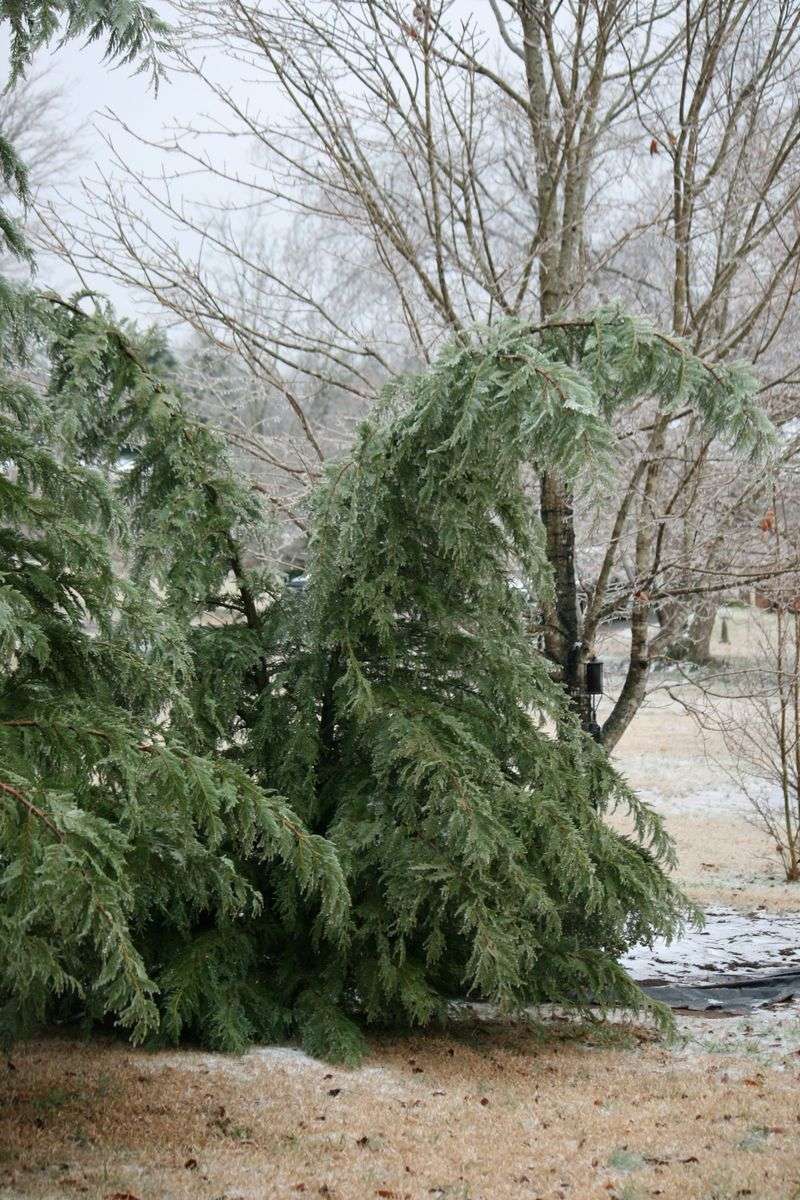
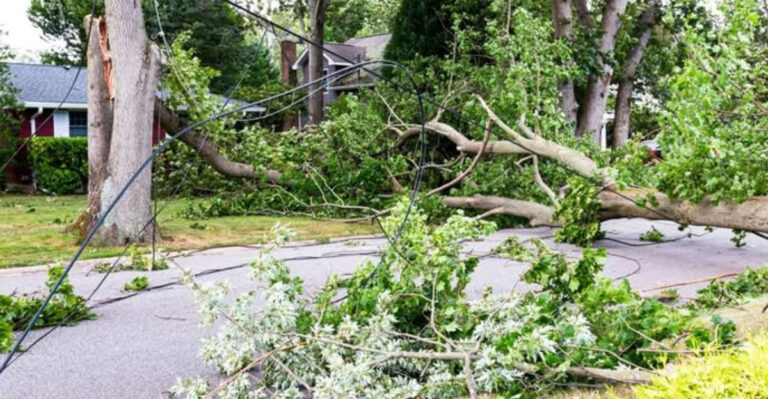
Anyone who has lived through a Michigan winter knows that snowstorms here do not mess around. A single heavy snowfall can dump a foot or more of wet, dense snow onto evergreen hedges, and the weight adds up quickly.
Branches that might look sturdy during the growing season can snap or bend permanently under that kind of pressure, leaving ugly gaps and a lopsided shape that takes years to fill back in.
Ice storms are even more dangerous for hedges than heavy snow. A thin coating of ice might look beautiful sparkling in the sunlight, but it adds enormous weight to every single branch and needle.
Branches that bend too far under ice often do not spring back to their original position, and some snap entirely.
Hedges with upright, columnar growth habits like arborvitae are particularly prone to splitting apart at the center when ice and snow accumulate between their branches.
The good news is that prevention is pretty straightforward once you know what to do. Gently brushing snow off branches with a broom right after a storm, working from the bottom of the hedge upward, reduces weight before it can cause lasting harm.
For tall or wide hedges in Michigan, loosely tying the branches together with soft twine before winter keeps them from spreading apart under heavy loads. Avoid shaking branches to remove ice, since frozen wood is brittle and breaks far more easily than people expect.
A little proactive care after each storm goes a long way toward keeping your hedge looking full and healthy all the way through to spring.
7. Poor Plant Selection For Michigan Climate
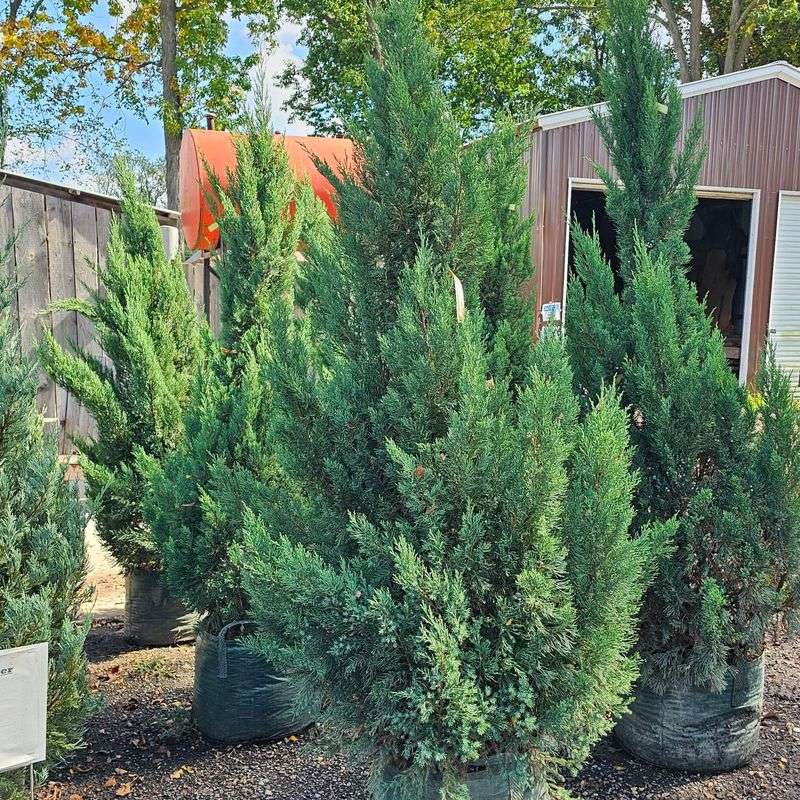
Walk into almost any garden center in Michigan and you will find a wide variety of evergreen shrubs for sale, but not all of them belong in a Michigan yard.
Some species that look gorgeous in the store are actually suited to milder climates further south and simply are not built to handle the kind of cold, wind, and ice that Michigan winters regularly deliver.
Buying the wrong plant is one of the most common and costly mistakes Michigan gardeners make.
Certain popular choices like Leyland cypress or Italian cypress are frequently sold across the Midwest, yet they are not reliably cold-hardy in USDA zones 4 and 5, which cover most of Michigan.
When an early cold snap hits in November or a polar vortex rolls through in January, these plants take damage that hardier species would shrug off without a problem. The result is a hedge that limps along for a few years before failing altogether.
Sticking with species that have proven records in Michigan’s climate is the smartest move. Emerald Green arborvitae, American holly, and inkberry holly are all excellent choices that handle Michigan winters with confidence.
Boxwood varieties like Wintergreen and Green Mountain are also solid performers for hedging in the state. Always check the USDA hardiness zone rating before purchasing any evergreen, and look for varieties specifically marketed for cold climates.
A plant that is right for your zone will reward you with years of reliable, low-maintenance beauty instead of constant winter headaches.
8. Young Or Newly Planted Hedges Are More Vulnerable
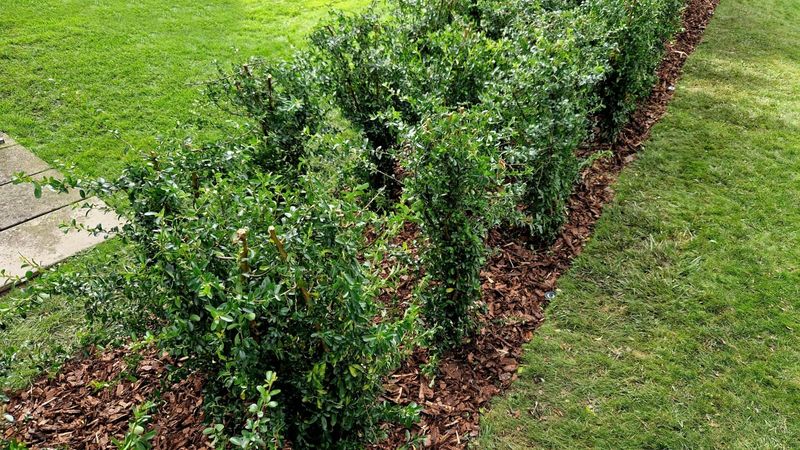
There is a reason experienced Michigan gardeners always say to give a new plant at least one full growing season before expecting it to handle a tough winter on its own.
Young and newly planted evergreen hedges have not yet developed the deep, wide root systems that help established plants pull through cold weather stress.
Their roots are still shallow and limited, which makes every winter challenge hit harder and faster than it would for a mature hedge.
A newly planted hedge going into its first Michigan winter is working with a fraction of the root capacity it will eventually have.
It cannot access moisture from deep in the soil, it has less stored energy to draw on during long cold stretches, and it has not yet had time to fully adapt to the specific conditions of your yard.
Even a relatively mild Michigan winter can cause significant browning and setbacks in plants that are less than two years old.
Giving new hedges extra support heading into their first and second winters makes a real difference in how well they come through. Water them deeply and consistently all the way through late fall, right up until the ground freezes.
Apply a generous layer of mulch around the base to protect shallow roots from the worst of the cold. A simple burlap wrap on the windward side cuts down on moisture loss from winter wind.
Checking on newly planted hedges after major storms and clearing any heavy snow off their branches quickly keeps stress levels manageable and gives young plants the best possible start in Michigan’s challenging climate.