Native Shrubs That Work Better Than Non Native Evergreens In Western North Carolina
In western North Carolina, evergreen shrubs are often used to add year round structure and privacy, but many non native choices struggle more than people expect.
Some deal poorly with heavy rain, mountain soils, changing temperatures, or local pests, which can leave homeowners with plants that need extra care just to look decent.
Native shrubs often handle these conditions far better because they already belong here. They are adapted to the region’s climate, support local wildlife, and usually settle into the landscape with less effort.
Many also offer more than just green leaves. Some bring flowers, berries, rich texture, or seasonal color that makes a yard feel more alive.
If you want shrubs that look good and work with the natural setting instead of fighting it, native options are worth a serious look.
These plants can bring beauty, strength, and lasting value to western North Carolina landscapes.
1. Mountain Laurel (Kalmia latifolia)
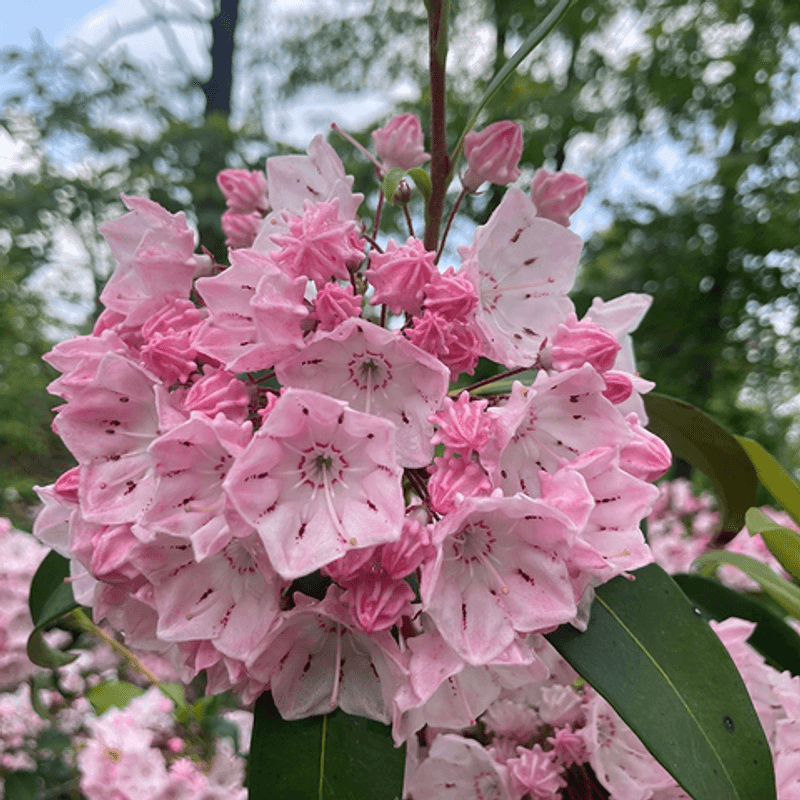
Few plants capture the wild beauty of Western North Carolina quite like Mountain Laurel.
Its twisted branches and glossy, deep green leaves look like something straight out of an Appalachian fairy tale, and when those clusters of pale pink blooms open in late spring, even seasoned gardeners stop and stare.
It is one of the most iconic native plants in the entire region, growing naturally along mountain slopes, forest edges, and stream banks.
Unlike non-native evergreens such as English laurel or cherry laurel hybrids, Mountain Laurel evolved right here in the Southern Appalachians.
That means it already knows how to handle the region’s acidic soils, cold winters, and humid summers without much help from you.
It thrives in partial shade, making it a perfect fit beneath the tall hardwoods common to WNC yards.
You will spend far less time watering, fertilizing, or babying it compared to exotic alternatives.
Mountain Laurel also supports local wildlife in ways non-native plants simply cannot match.
Native bees, especially bumblebees, are drawn to its unique, spring-loaded flowers that release pollen in a burst when triggered.
Birds use its dense branches for shelter throughout the year. Growing this shrub means adding real ecological value to your yard, not just good looks.
For homeowners in Western North Carolina who want beauty, toughness, and a true sense of place, Mountain Laurel is an unbeatable starting point.
2. Catawba Rhododendron (Rhododendron catawbiense)
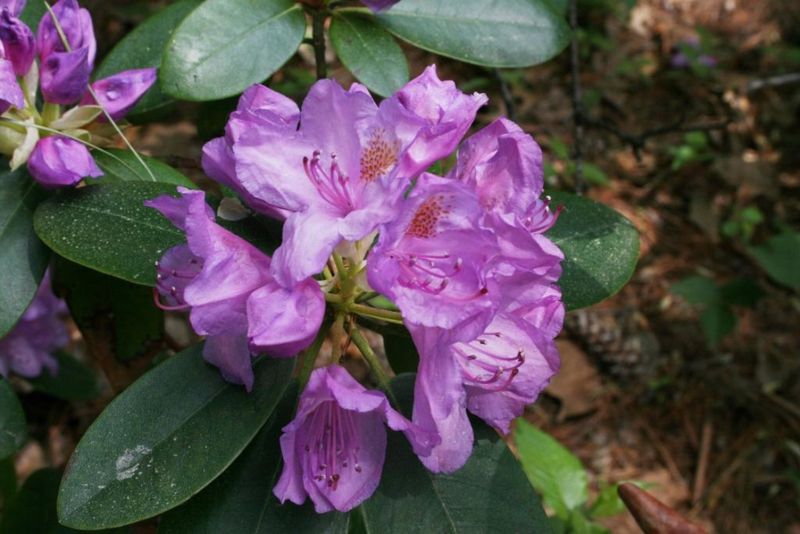
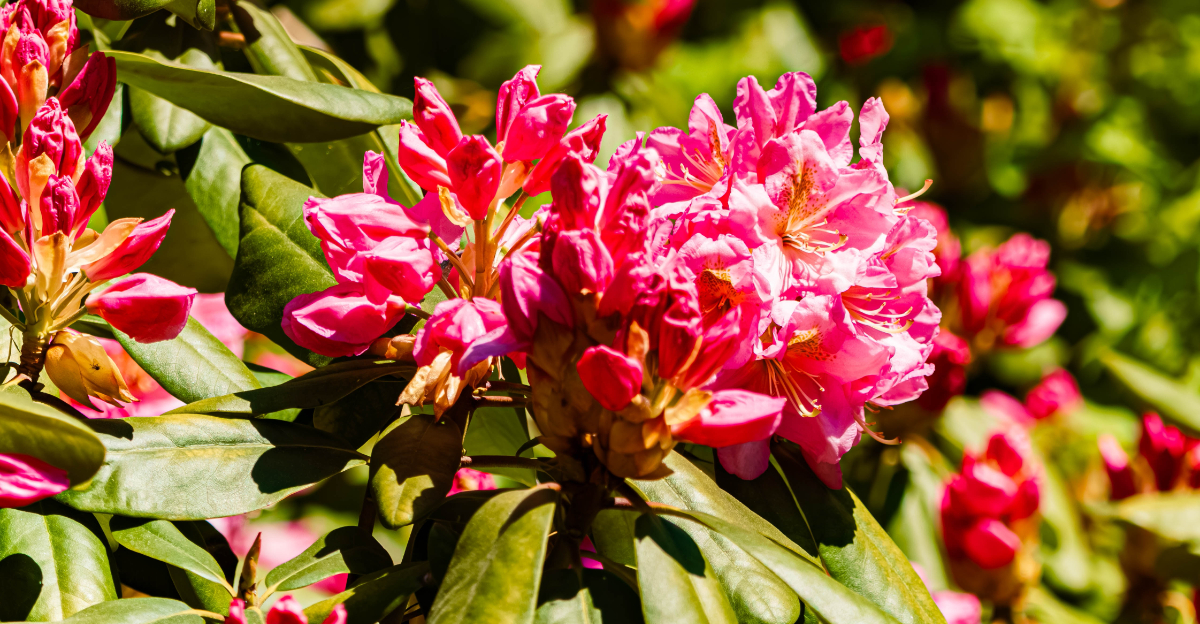
The Catawba Rhododendron is basically the crown jewel of Western North Carolina’s native plant world, and it earns that title every single spring.
When its bold purple and lavender flower clusters burst open across the mountain ridges, entire hillsides transform into something almost unreal. This shrub is not just beautiful, though.
It is tough, adaptable, and deeply connected to the ecology of the Southern Appalachians in ways that non-native evergreens like Japanese holly or English boxwood simply are not.
Catawba Rhododendron grows naturally at higher elevations throughout the Blue Ridge and Great Smoky Mountains, which means it handles WNC winters with ease.
Its large, leathery leaves stay green all year long, providing excellent screening and privacy even when temperatures drop well below freezing.
Your North Carolina Garden Changes Every Week. Your Plan Should Too.
Gardening in North Carolina changes quickly throughout the season. Every Friday you’ll receive a simple weekly plan showing exactly what to plant, prune, fertilize, harvest, and protect so you never miss the right timing.
Non-native evergreens often struggle or look ragged after harsh mountain winters, but this native powerhouse shrugs them off without missing a beat.
From a wildlife perspective, Catawba Rhododendron offers dense nesting cover for birds and early nectar for native pollinators.
It prefers well-drained, acidic soil with good organic content, which is exactly what most forested WNC yards naturally provide.
Plant it along a property border, near a shaded slope, or as a dramatic focal point in a woodland garden.
Once established, it asks for very little while giving back an enormous amount of year-round beauty and ecological richness to your landscape.
3. Rosebay Rhododendron (Rhododendron maximum)
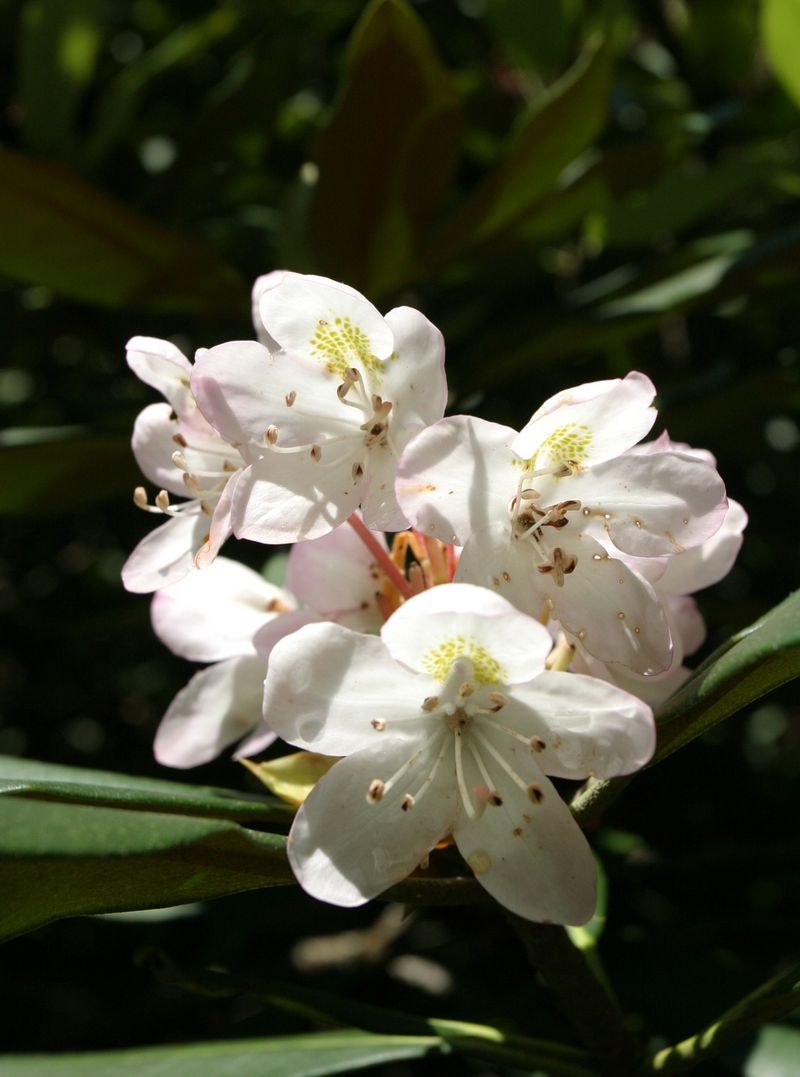
If you have ever hiked through a deep, shaded hollow in Western North Carolina and found yourself surrounded by enormous, arching shrubs with leaves the size of your hand, you have almost certainly walked through a Rosebay Rhododendron thicket.
Locals sometimes call these dense tangles “rhododendron hells” because they are nearly impossible to push through, but in a garden setting, that same density becomes one of its greatest strengths.
Rosebay Rhododendron is the largest of the native rhododendrons in the region, capable of reaching 15 feet or more when given enough time and space.
Its white to soft pink flower clusters bloom in early summer, slightly later than Catawba Rhododendron, which extends the flowering season nicely if you plant both.
The massive, dark green leaves provide year-round screening that outperforms most non-native evergreen hedges in sheer density and visual impact.
What really sets this shrub apart in Western North Carolina is its ability to thrive in deep shade and moist, acidic soils, conditions where many non-native evergreens struggle badly.
It is a natural fit along creek banks, under mature hardwoods, or in low-lying areas that stay consistently damp.
Wildlife benefits are significant too, as the thick canopy provides critical cover for birds and small animals throughout all four seasons.
Rosebay Rhododendron is genuinely one of the most rewarding native evergreens you can add to a mountain landscape.
4. Inkberry (Ilex glabra)
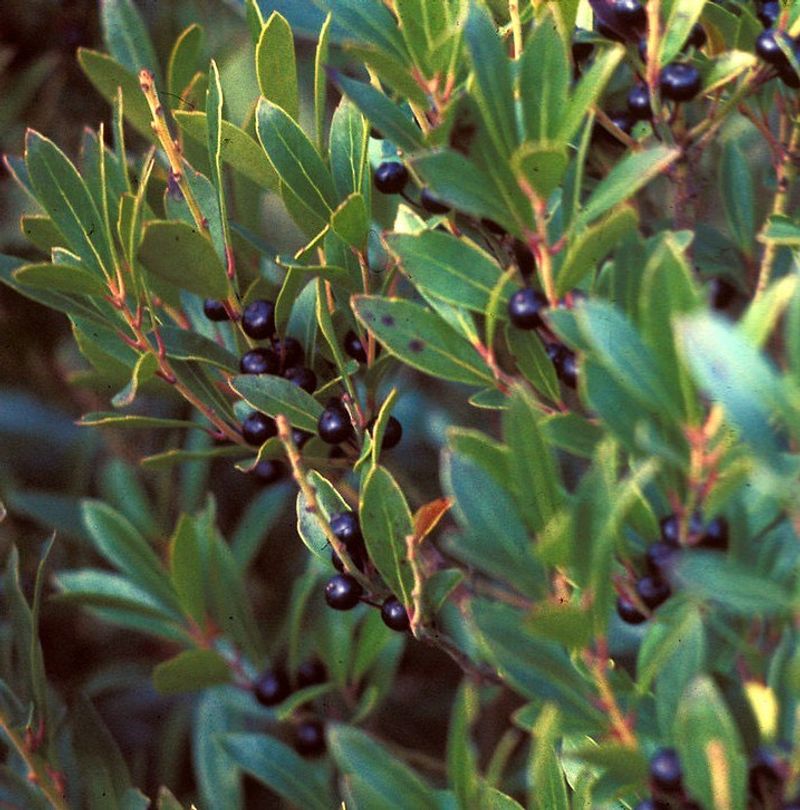
Inkberry might not be the flashiest shrub on this list, but it is one of the most quietly impressive native evergreens you can plant in Western North Carolina.
Gardeners who have tried to grow non-native hollies like Japanese holly in poorly drained or clay-heavy mountain soils know the frustration of watching those plants slowly struggle.
Inkberry, on the other hand, actually welcomes those challenging conditions and grows stronger because of them.
This compact, rounded shrub belongs to the holly family and keeps its small, smooth, dark green leaves all year long.
In fall and winter, it produces clusters of small black berries that songbirds absolutely love, making it a fantastic choice for anyone hoping to attract more wildlife to their yard.
The berries persist well into winter, providing food during the months when birds need it most. That kind of ecological contribution is something no non-native evergreen can replicate.
Inkberry typically grows between 5 and 8 feet tall, making it ideal for foundation plantings, low hedges, or naturalistic groupings along woodland edges.
It tolerates both full sun and partial shade, and it handles the wet winters and humid summers of WNC without complaint.
For gardeners who want a low-maintenance, wildlife-friendly evergreen that genuinely belongs in this landscape, Inkberry checks every box.
Plant it in groups of three or five for the most natural-looking and visually satisfying effect in any mountain yard.
5. Carolina Cherry Laurel (Prunus caroliniana)
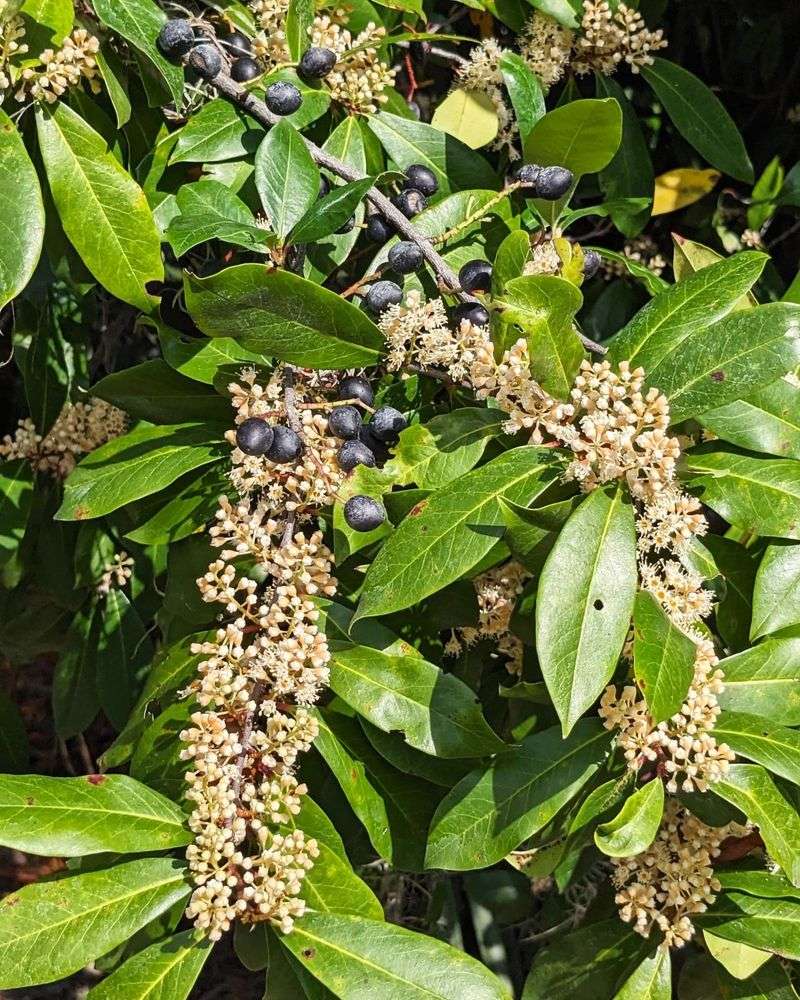
Carolina Cherry Laurel is a native evergreen that often gets overlooked in favor of its non-native lookalikes, but that is a mistake worth correcting.
With its glossy, deep green leaves and naturally dense branching habit, it forms one of the most effective privacy screens you can grow in Western North Carolina.
It responds beautifully to pruning if you want a formal hedge, but left to grow naturally, it develops into a graceful, full-figured shrub or small tree with real presence.
Unlike non-native cherry laurels imported from Europe, the Carolina Cherry Laurel is genuinely at home in the Southern Appalachian region.
It handles the region’s clay soils, occasional ice storms, and humid growing seasons far better than exotic alternatives.
It grows quickly once established, typically putting on 3 to 4 feet of new growth per year under good conditions, which means you get privacy and screening faster than you might expect from a native plant.
The small white flower clusters that appear in early spring are fragrant and attract native bees before most other plants have even leafed out.
By late summer, dark berries ripen and become a valuable food source for mockingbirds, cedar waxwings, and other native birds that call Western North Carolina home.
If you need a tough, attractive, fast-growing evergreen screen that supports local wildlife and fits the mountain landscape naturally, Carolina Cherry Laurel is one of the best choices available to you.
6. Leucothoe (Leucothoe fontanesiana)
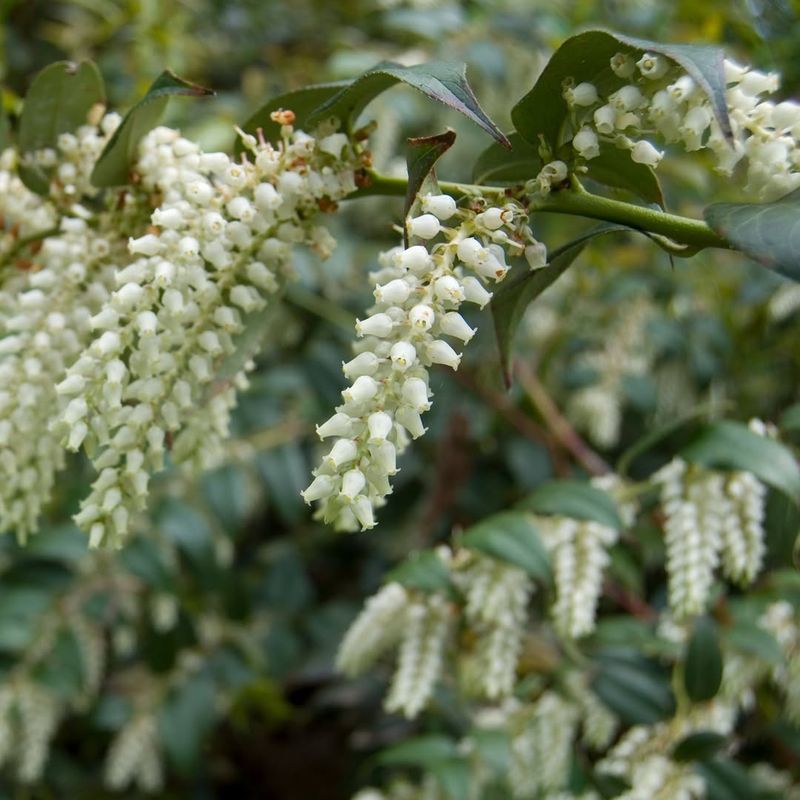
There is something almost sculptural about Leucothoe fontanesiana, the drooping leucothoe native to the Southern Appalachians.
Its long, arching branches sweep outward and downward in graceful curves, creating a layered, cascading effect that no boxwood or Japanese holly could ever replicate.
In spring, tiny white bell-shaped flowers hang in delicate clusters beneath the leaves, adding a soft charm that feels completely at home in a WNC shade garden.
Leucothoe thrives in the moist, acidic, humus-rich soils found throughout forested areas of Western North Carolina, which is exactly why it outperforms so many non-native evergreens in shaded spots.
While plants like Otto Luyken laurel or Skip laurel often thin out and look stressed under dense tree canopies, Leucothoe positively glows in those same conditions.
Its leaves shift from glossy green in summer to deep burgundy and bronze in fall and winter, giving it genuine four-season appeal.
From a practical standpoint, Leucothoe is a superb choice for slopes, stream banks, and areas beneath established trees where erosion can be a concern.
Its spreading root system holds soil effectively while adding visual beauty at the same time. It stays relatively compact, usually reaching 3 to 6 feet tall, which makes it easy to fit into smaller garden spaces.
For anyone landscaping a shaded mountain yard in Western North Carolina and wanting something truly elegant, Leucothoe fontanesiana is a plant that consistently delivers beyond expectations.
7. American Holly (Ilex opaca)
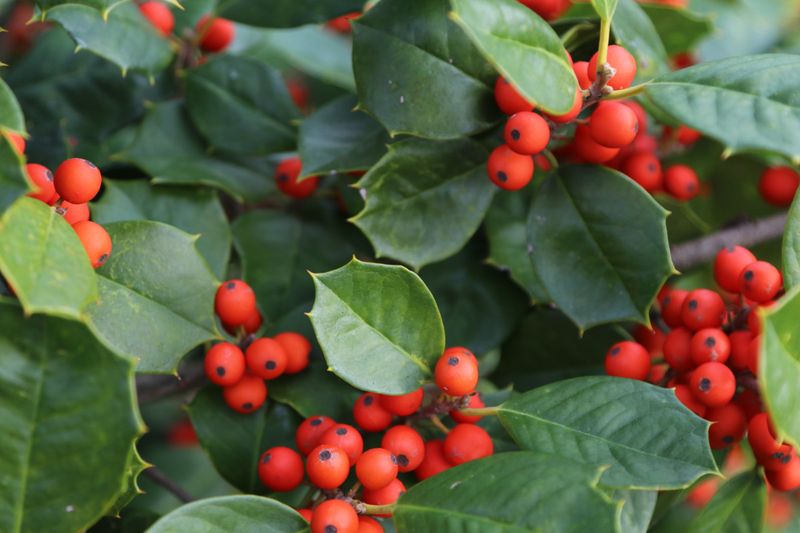
Ask anyone who has spent a winter in Western North Carolina what makes the season feel special, and there is a good chance the image of bright red berries against dark green leaves comes to mind.
That is the American Holly, and it has been brightening mountain landscapes for centuries.
While non-native alternatives like Chinese holly or Nellie Stevens holly have their fans, American Holly brings something they simply cannot offer: a deep, genuine connection to this region’s natural history and ecology.
American Holly grows as either a large shrub or a small to medium tree, depending on how you manage it, giving you real flexibility in how you use it in your yard.
Its spiny, dark green leaves stay sharp and beautiful all year, and when the female plants load up with red berries in fall, they become one of the most striking sights in any WNC garden.
You will need both a male and female plant nearby for berry production, but the payoff is absolutely worth it. The wildlife value of American Holly is exceptional and well-documented.
Over 18 species of birds, including bluebirds, robins, and mockingbirds, regularly feed on the berries during winter months when other food sources are scarce. The dense branching also provides excellent nesting and roosting cover.
For homeowners in Western North Carolina who want an evergreen that looks stunning in every season and actively supports the local food web, American Holly stands out as one of the very best native choices available.