These Growing Tips Keep American Wisteria Healthy In Georgia
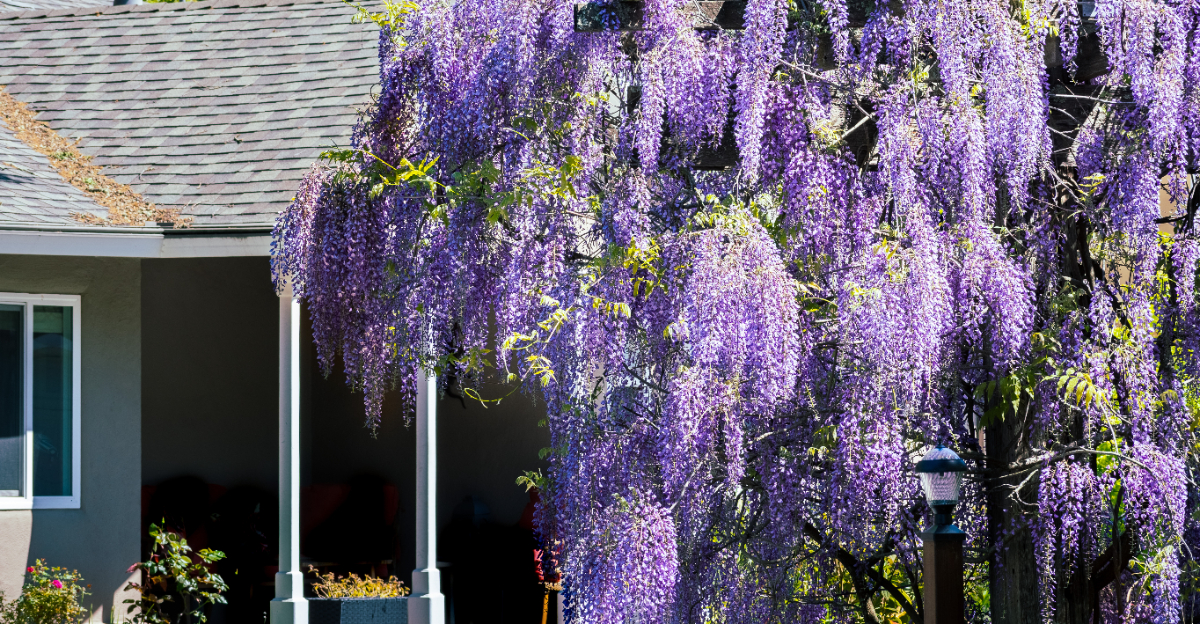
American wisteria can look strong in a Georgia garden, yet it does not always stay that way without the right care through the season. Growth can take off quickly, then lose balance, and the plant may not perform the way you expected once it fills out.
At first, everything seems fine, especially when new shoots appear and the vine starts to climb. Over time, small details begin to matter more, and the plant responds to how it is handled as it develops.
You can see the difference between a vine that stays full and controlled and one that becomes harder to manage or does not bloom the way it should.
The right approach helps keep growth steady and supports a healthier, more reliable plant through Georgia conditions.
1. Plant In Full Sun For Strong Growth And Blooms
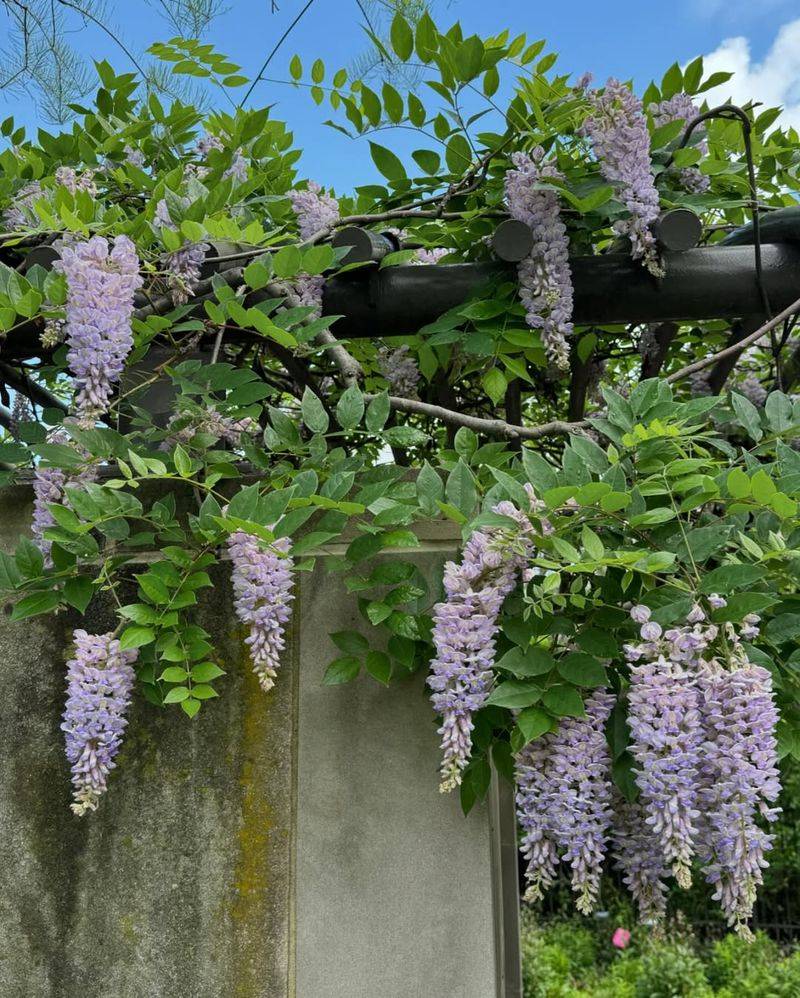
Sunlight is not optional for American wisteria. If you want those long, draping clusters of purple flowers, you need to plant this vine somewhere it gets at least six full hours of direct sun every day.
Shady spots might keep the vine alive, but blooms will be sparse or nonexistent.
Georgia summers are intense, and that actually works in your favor with wisteria. Full sun locations in Georgia heat up quickly in spring, which is exactly when wisteria starts pushing out new growth and flower buds.
A south-facing wall, an open arbor, or a sunny fence line are all solid choices.
Reflected heat from a brick wall or paved surface can also give the vine a little extra warmth that encourages earlier blooming. Just make sure air can still move around the plant so moisture does not sit on the leaves for too long.
Planting in a shaded corner because it looks like a nice spot is one of the most common mistakes Georgia gardeners make with wisteria. Spend a day watching where sunlight falls in your yard before you commit.
A spot that gets afternoon shade might seem bright, but wisteria wants that direct, unfiltered sun for most of the day to deliver its best performance.
Repositioning a mature vine is a real hassle, so getting the location right from the beginning saves a lot of frustration down the road.
2. Use Well Drained Soil To Prevent Root Issues
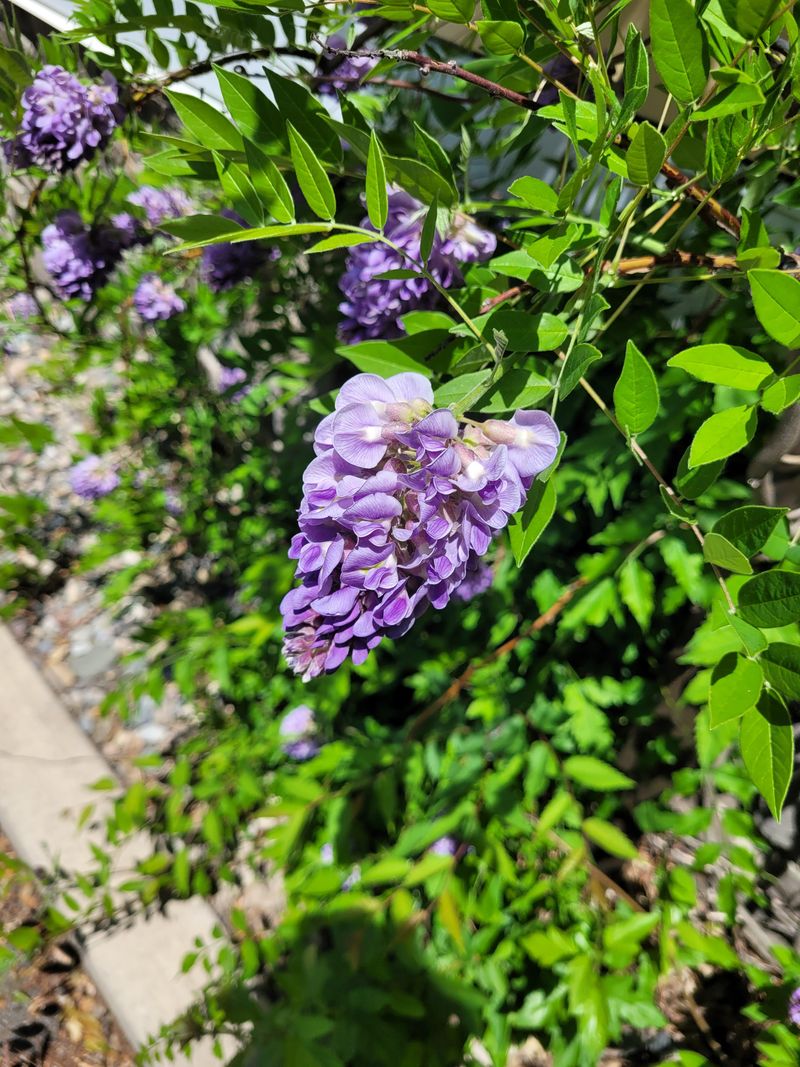
Wet feet are trouble for wisteria roots. Standing water around the root zone can cause serious problems over time, including root rot that slowly weakens the whole plant.
Georgia clay soil is notoriously slow to drain, so it pays to check your drainage before you plant.
A simple test works well here. Dig a hole about twelve inches deep and fill it with water.
If it drains within an hour or two, you are in decent shape. If water is still sitting there several hours later, you need to either amend the soil or choose a different location.
Mixing in compost or coarse sand can help break up heavy clay and improve drainage. Raised beds or slightly elevated planting spots also give roots a better environment in low-lying areas of your Georgia yard.
Your Georgia Garden Changes Every Week. Your Plan Should Too.
Gardening in Georgia changes quickly throughout the season. Every Friday you’ll receive a simple weekly plan showing exactly what to plant, prune, fertilize, harvest, and protect so you never miss the right timing.
Avoid planting in spots where rainwater naturally collects after a storm.
American wisteria is adaptable to a range of soil types, but it performs noticeably better when roots are not sitting in soggy ground. Slightly acidic to neutral soil, somewhere in the pH range of 6.0 to 7.0, tends to work well in most Georgia gardens.
Adding a layer of mulch around the base helps regulate soil moisture, keeping things from swinging between bone dry and waterlogged. Keep the mulch a few inches away from the main stem to allow air circulation right at the crown of the plant.
3. Water Deeply While The Plant Establishes
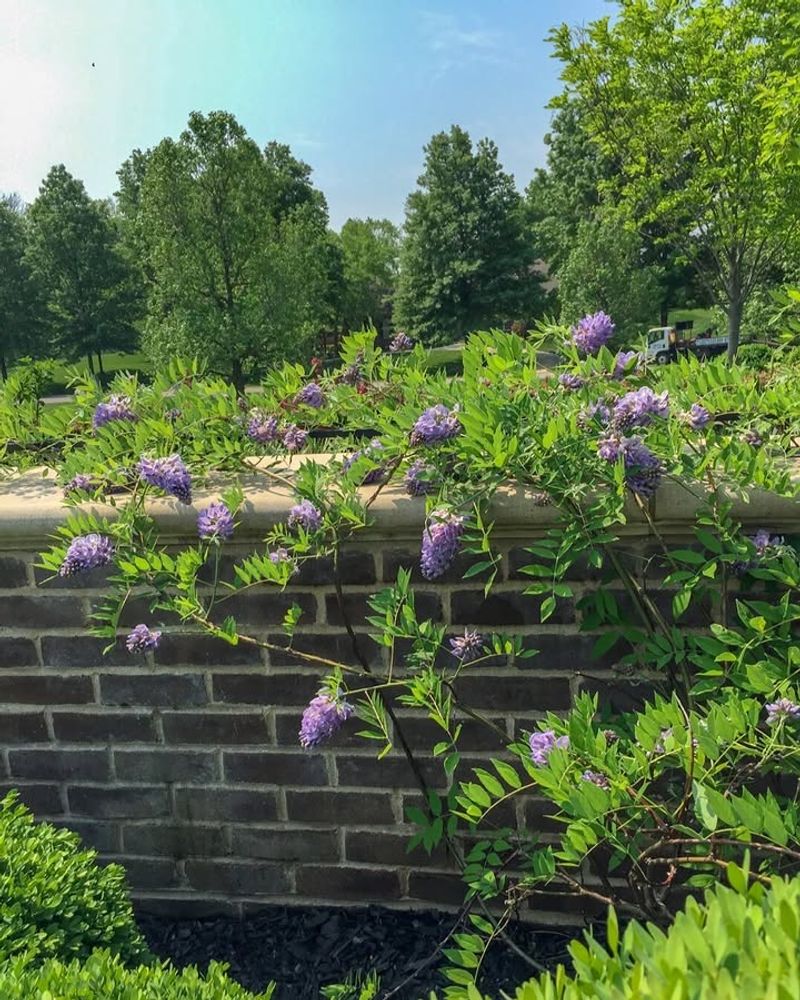
Newly planted wisteria needs consistent moisture to get roots anchored and growing. Shallow, frequent watering tends to keep roots near the surface where they are more vulnerable to heat and drought.
Deep, slow watering encourages roots to push down into cooler, more stable soil.
During the first growing season in Georgia, plan on watering deeply about once a week when rainfall is not covering it. In the peak of Georgia summer, you might need to water twice a week during extended dry stretches.
Stick your finger a few inches into the soil near the plant. If it feels dry that far down, it is time to water.
A slow trickle from a soaker hose for thirty to forty-five minutes works better than a quick blast from a sprinkler.
Soaker hoses deliver water directly to the root zone without splashing leaves, which helps reduce the chance of fungal problems during Georgia’s humid summers.
Once the vine has been in the ground for a full season and roots have spread out, it becomes much more tolerant of dry spells. At that point, supplemental watering during prolonged droughts is still helpful, but you will not need to monitor it as closely.
Avoid watering late in the evening during humid stretches. Morning watering gives foliage a chance to dry before nightfall, which matters in Georgia where humidity can linger for days at a time.
4. Prune After Blooming To Control Growth
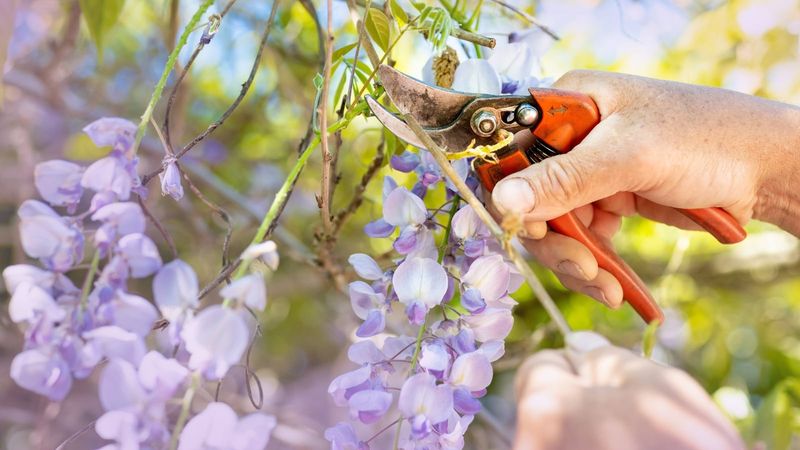
American wisteria can put on a surprising amount of growth in a single season, especially in Georgia’s long, warm growing period. Without regular pruning, vines get tangled, heavy, and harder to manage each year.
Pruning is not just about keeping things neat, it actually influences how well the plant blooms.
Right after the main spring bloom finishes, cut back those long, whippy new shoots to about five or six leaves. This tidies up the plant and redirects energy back into the woody framework rather than into endless new vine growth.
Some gardeners in Georgia see a light second flush of blooms later in summer after this post-bloom pruning.
A second round of pruning in late winter, before new growth begins, is also worth doing. At that point, cut last year’s growth back to just two or three buds.
It sounds aggressive, but wisteria responds well to this kind of hard cutback. The buds left behind are what will produce your spring flowers.
Skipping the winter pruning is probably the most common reason wisteria stops blooming reliably. Overgrown vines put energy into producing more vine rather than flowers.
Getting in there with sharp loppers in late February or early March, before Georgia temperatures really start climbing, makes a real difference come spring.
Always use clean, sharp tools to make smooth cuts that heal quickly. Ragged cuts invite problems, especially in the humid Georgia climate where moisture lingers.
5. Provide Strong Support For Climbing Vines
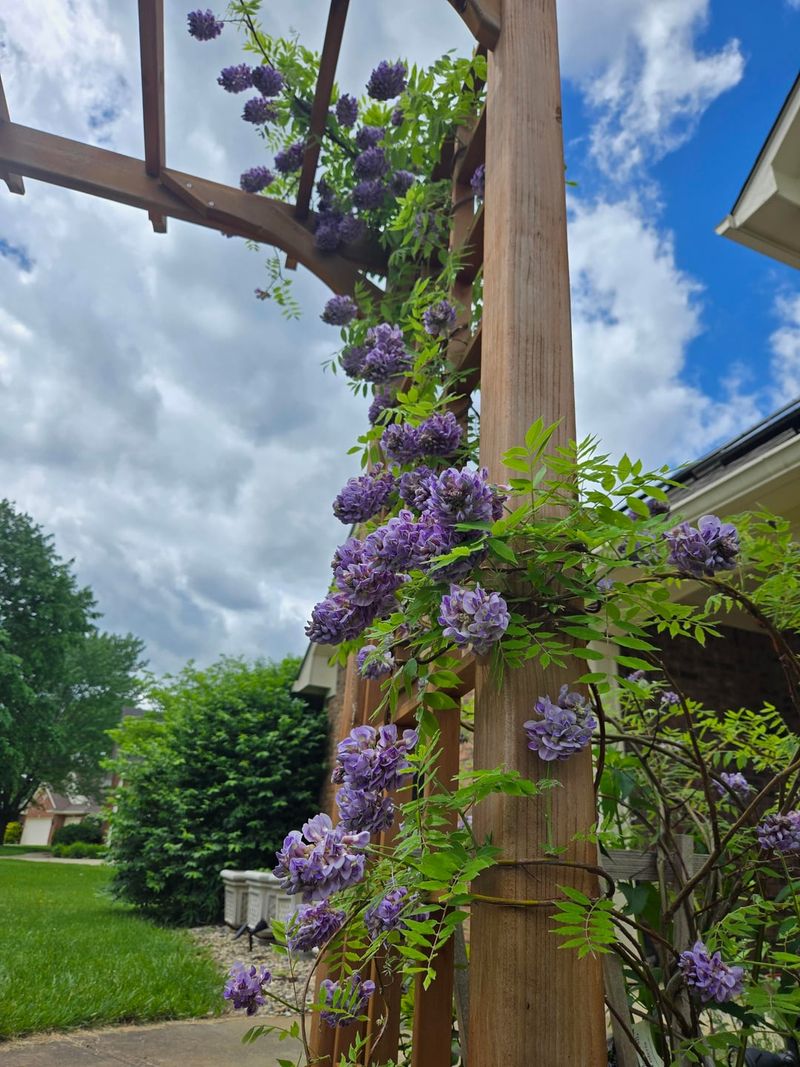
Wisteria is not a delicate climber. A mature American wisteria vine can get heavy, especially when it is loaded with foliage and wet from rain.
Lightweight trellises and thin wire panels are not going to hold up over time. Whatever structure you choose needs to be built solid from the start.
Thick wooden pergolas, heavy-gauge metal arbors, and sturdy fences made from treated lumber are all reasonable options for Georgia gardens. Avoid attaching wisteria directly to your home’s gutters, wood siding, or downspouts.
The vine can work its way into gaps and cause damage over time as it grows and thickens.
Posts should be set deep enough to resist the weight of the vine plus wind load. Georgia gets its share of summer thunderstorms with strong gusts, and a vine-covered structure acts like a sail in high winds.
Concrete footings at least two feet deep give pergola posts a stable base.
As the vine grows, loosely tie new shoots to the support structure with soft garden ties or strips of old fabric. Wisteria twines on its own, but guiding new growth in the right direction early keeps the plant from getting tangled or growing where you do not want it.
Check the structure every year or two for signs of rot, rust, or loosening hardware. Catching a small repair early is much easier than dealing with a collapsed structure under a fully grown vine.
6. Avoid Heavy Fertilizing To Encourage More Flowers
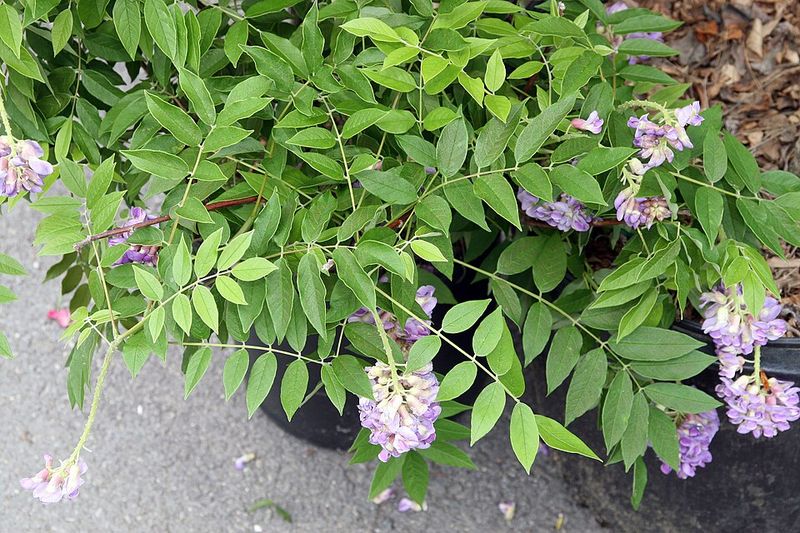
Piling on fertilizer sounds like a logical way to boost a plant, but with wisteria, it often backfires.
American wisteria fixes its own nitrogen from the soil, which means adding more nitrogen through fertilizer pushes the plant to grow lush, dark green foliage at the expense of flowers.
You end up with a beautiful green vine and almost no blooms.
If your Georgia soil is already reasonably fertile, wisteria may not need any supplemental fertilizer at all. A soil test from your local UGA Extension office can tell you exactly what your soil has and what it might be lacking.
That information is far more useful than guessing and over-applying.
If you do decide to fertilize, choose a product with low nitrogen and higher phosphorus and potassium numbers. Something like a 5-10-10 blend applied lightly in early spring is a more measured approach.
Phosphorus supports root development and flowering, which is what you actually want from wisteria.
Avoid fertilizing in late summer or fall in Georgia. Late-season feeding can push tender new growth that gets damaged when temperatures drop in November and December.
That soft growth is also more attractive to certain insects, creating an unnecessary problem heading into the cooler months.
Compost worked into the soil at planting time gives the vine a gentle nutrient foundation without the risk of overfeeding. After that, restraint is often the better strategy with this particular vine.
7. Watch For Pests And Trim Damaged Growth Early
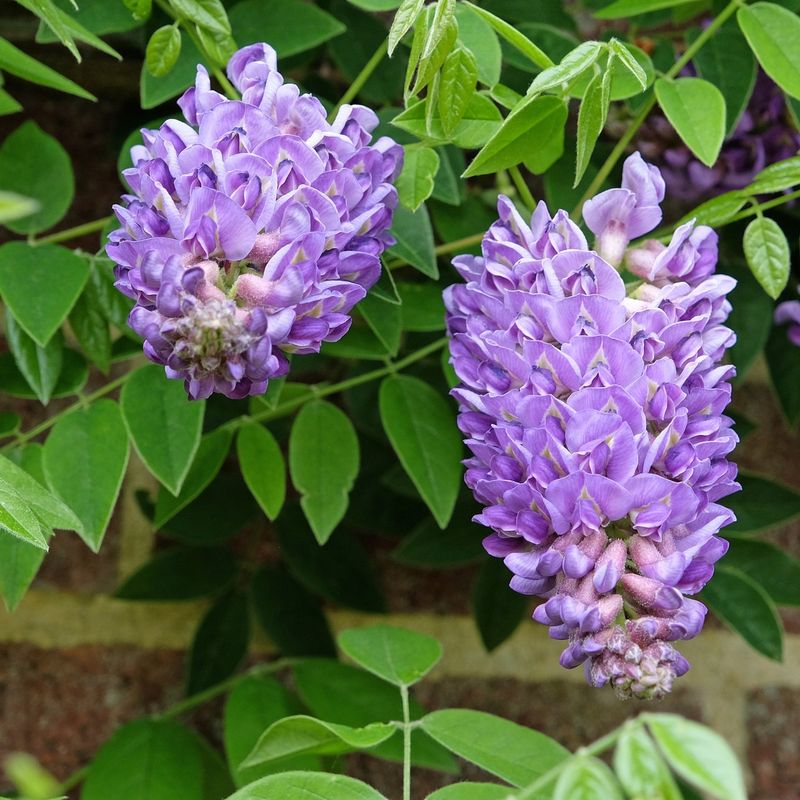
American wisteria holds up well against most common garden pests, but that does not mean problems never show up. Aphids occasionally cluster on new growth, especially during the flush of spring shoots in Georgia.
Scale insects can also settle onto stems and go unnoticed until a branch starts looking dull and sticky.
Catching pest problems early makes a real difference in how much effort it takes to manage them. Walk through your garden regularly during the growing season and take a close look at the undersides of leaves and along the stems.
Aphids are soft-bodied and easy to knock off with a strong stream of water from a hose. Scale insects may need a horticultural oil spray applied when temperatures are below 90 degrees to avoid leaf burn.
Fungal issues can pop up in Georgia during stretches of humid, wet weather. Brown spots on leaves or powdery residue on stems are signs worth paying attention to.
Improving air circulation around the vine by removing crossing branches and dense interior growth helps reduce how often these issues develop.
Any branch that looks discolored, feels hollow, or has obvious damage should be cut back to healthy wood.
Dispose of trimmed material away from the garden bed rather than leaving it on the ground beneath the vine. Keeping the base of the plant clean is a simple habit that pays off over time in Georgia’s warm, moist climate.