The Spring Lawn Habits That Make Ohio Yards Look Thin By Summer
A lot of Ohio lawns look pretty decent in spring, at least from the porch. Everything turns green again, mowing season begins, and it is easy to think the yard is on the right track.
Then summer rolls in, and those same lawns start looking sparse, tired, and strangely worn out.
What throws people off is how often the problem starts with a habit that feels completely normal. It is something many homeowners do every year without a second thought, usually while trying to make the lawn look neat and under control after winter.
By the time patchy spots show up, the damage is already playing out.
That is why this issue catches so many people by surprise across Ohio. The lawn does not usually fail all at once.
It slowly loses density while the season heats up. The habit behind it seems harmless at first, but it changes more than most gardeners realize.
1. Cutting Grass Too Short In Spring
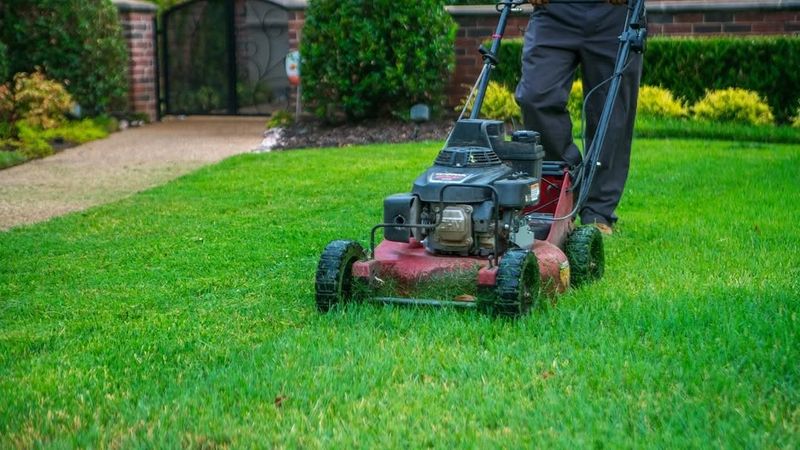
Walk through almost any Ohio neighborhood in April and you will spot it right away: lawns that have been mowed down so low the soil is nearly visible. Cutting grass too short in spring is one of the most widespread habits that homeowners repeat year after year without realizing the long-term damage it causes.
It might look neat at first, but the consequences show up fast once summer arrives.
When you cut cool-season grasses like Kentucky bluegrass or tall fescue too short, you are removing a large portion of the leaf blade that the plant uses to absorb sunlight. Less leaf surface means less energy produced through photosynthesis.
That directly weakens the plant and reduces its ability to grow thick, strong roots before the dry summer months hit Ohio hard.
Short grass also heats up much faster. Without enough height to shade the soil, moisture evaporates quickly, and the ground dries out in ways that stress the grass even further.
Weeds love this environment and will rush in to fill the bare spots left behind.
Lawn care experts across Ohio consistently recommend keeping cool-season grasses at a height of at least three to four inches during spring. That extra length acts like a natural umbrella, keeping the soil cooler and holding in moisture longer.
It also forces the grass to develop deeper, stronger roots that can handle the stress of hot Ohio summers.
Raising your mower deck just one or two notches can completely change your lawn’s outcome by August. Small adjustments in spring lead to noticeably thicker, healthier turf all season long.
2. Breaking The One Third Rule
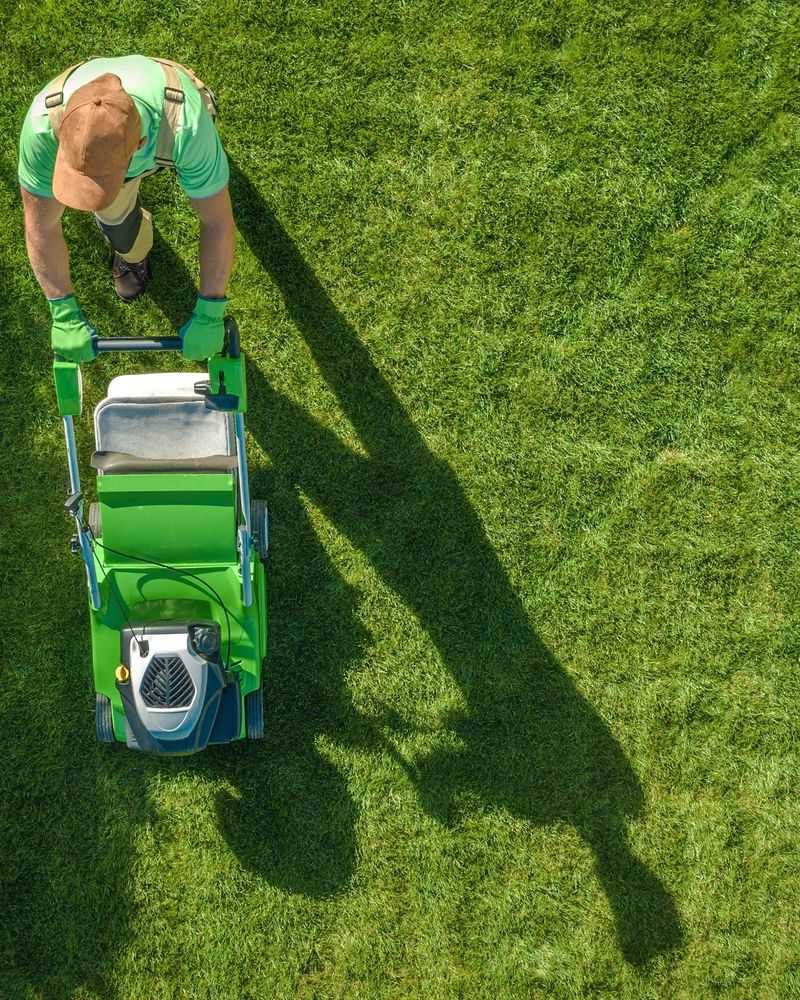
Most Ohio homeowners have never heard of the one-third rule, but turf professionals consider it one of the most important guidelines in lawn care. Simply put, you should never remove more than one-third of the grass blade in a single mowing session.
Breaking this rule, especially in spring when grass is actively growing, puts serious stress on the plant at the worst possible time.
Here is why it matters so much. Grass blades are the food factories of the plant.
Your Ohio Garden Changes Every Week. Your Plan Should Too.
Gardening in Ohio changes quickly throughout the season. Every Friday you’ll receive a simple weekly plan showing exactly what to plant, prune, fertilize, harvest, and protect so you never miss the right timing.
When you cut off too much at once, the plant goes into recovery mode. Instead of pushing energy down into the roots, it redirects everything toward regrowing the lost leaf tissue.
That means your roots stay shallow and weak just when they need to be building strength for Ohio’s hot and dry summer conditions.
Spring in Ohio brings fast growth, and many homeowners let the lawn get a little shaggy before finally mowing. Then they cut it all the way down in one pass, which is exactly the wrong approach.
That single mowing event can set the lawn back by weeks in terms of root development and overall health.
A better approach is to mow more frequently during the spring growth surge, even if that feels like extra work. If the grass has gotten too long, bring it down gradually over two or three mowing sessions spaced a few days apart.
This keeps the plant from going into shock and allows it to continue growing steadily without interruption.
Across Columbus, Cincinnati, and Cleveland, lawn care professionals point to this habit as one of the top reasons Ohio yards look thin and patchy by mid-summer.
3. Letting Growth Get Too Tall Then Scalping It
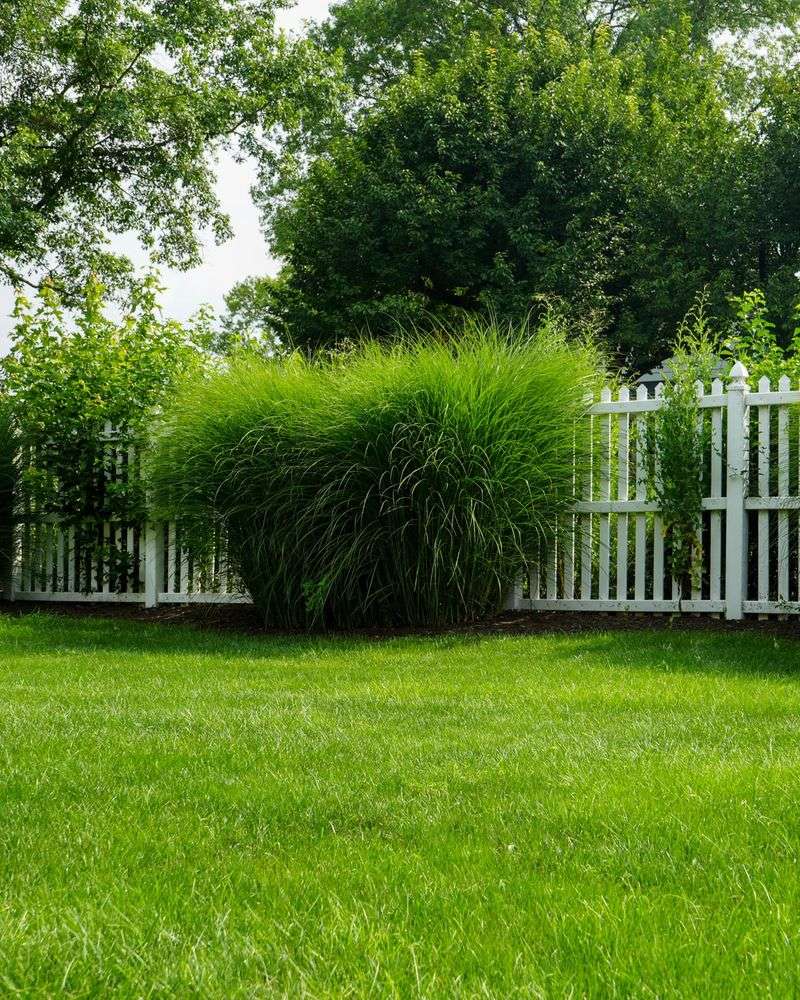
Spring in Ohio is unpredictable. Rain keeps coming, temperatures swing up and down, and before you know it, the grass is a foot tall and you have not mowed in three weeks.
It happens to almost everyone. The real problem comes when homeowners respond by scalping the entire lawn in one session, trying to catch up all at once.
Scalping means cutting grass so short after a long growth period that you expose the crown of the plant, which is the part that sits just above the soil and controls new growth. Once the crown is exposed and damaged, the grass struggles to recover.
In Ohio’s spring climate, where temperatures can still drop unexpectedly, that exposed crown is also vulnerable to late cold snaps that can cause additional stress to already weakened turf.
Beyond the physical damage, scalping removes nearly all of the leaf surface the plant depends on for energy. The grass is essentially left with nothing to work with, and it burns through whatever energy reserves it has stored in the roots just to survive.
By the time summer heat arrives in Ohio, those roots are depleted and the lawn has no buffer against drought or heat stress.
The fix is straightforward but requires patience. If the lawn has gotten away from you, bring the height down in stages.
Mow once to remove the top layer, wait four or five days, then mow again slightly lower. Repeat until you reach your target height.
This gradual approach keeps the plant functioning normally throughout the process.
Skipping the urge to scalp the lawn saves Ohio homeowners from spending the rest of the summer watching their turf thin out and struggle.
4. Keeping Cool Season Turf Below 3 Inches
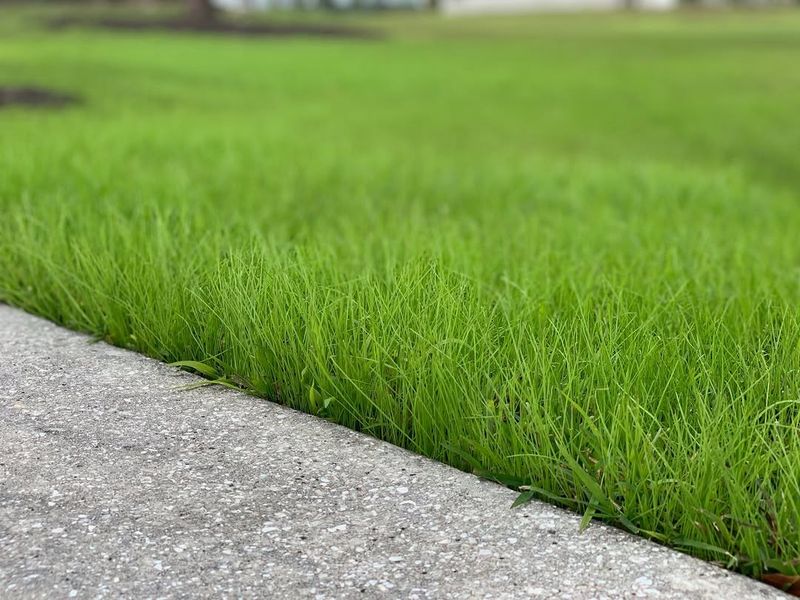
Cool-season grasses thrive across Ohio, including popular varieties like tall fescue, Kentucky bluegrass, and perennial ryegrass. These grasses are well-suited to the state’s climate, but they have specific needs when it comes to mowing height.
Keeping them too short during spring is a habit that can quietly set the stage for a thinner, patchier lawn by summer, especially when cool-season grasses are kept below their recommended mowing range.
When cool-season turf is maintained too low, the root system never gets a chance to go deep. Shallow roots mean the grass depends heavily on surface moisture, which disappears quickly once Ohio summers heat up in June and July.
A lawn with shallow roots is the first to show signs of stress, turning brown and sparse at exactly the time of year when you want it to look its best.
Three inches is considered the minimum healthy height for most cool-season grasses in Ohio, and many turf experts actually recommend pushing toward three and a half to four inches during the warmer spring days leading into summer. At that height, the leaf canopy shades the soil, reducing evaporation and keeping soil temperatures lower so roots can keep growing even as air temperatures rise.
Taller grass also naturally crowds out weeds. When the lawn is thick and full at the right height, weed seeds have less opportunity to find bare soil and sunlight to germinate.
That is free weed control that requires no chemicals and no extra effort.
Ohio homeowners who make this one simple change, raising the mower deck to keep turf above three inches, often notice their lawns staying greener and fuller well into August without extra watering or treatments.
5. Weakening Roots Before Summer Stress Arrives
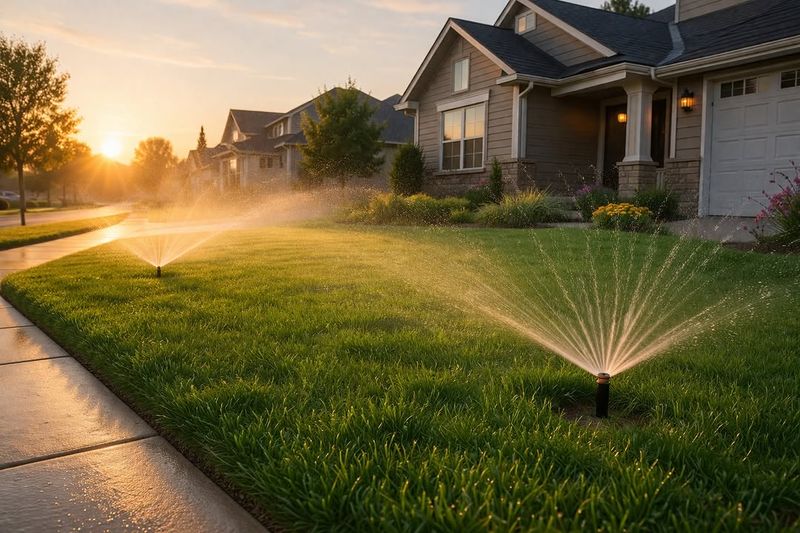
Roots are the real foundation of any healthy lawn, and everything you do in spring either builds them up or breaks them down. Many Ohio homeowners focus on what the lawn looks like above the surface without thinking much about what is happening underground.
By the time summer arrives and the stress begins, it is too late to fix roots that were never given the chance to grow deep and strong.
Several common spring habits weaken roots before summer even starts. Mowing too short, watering too frequently with too little water, and applying too much fast-release nitrogen fertilizer all push the grass toward fast, lush growth at the surface while neglecting root development below.
The lawn looks great in April and May, then falls apart in June when the heat turns on.
Watering is a big part of this equation. Light, frequent watering encourages roots to stay near the surface where moisture is always available.
Deep, infrequent watering, about one inch of water per week, helps roots grow deeper into the soil where moisture is more stable during dry spells. That extra depth is what keeps a lawn alive and thick when summer temperatures climb.
Fertilizer timing also plays a role. Heavy nitrogen applications in early spring push a lot of top growth quickly, but that rapid shoot growth comes at the expense of root development.
A balanced, slow-release fertilizer applied at the right time gives the grass steady nutrition without pushing excessive top growth.
Strong roots built in spring are what carry Ohio lawns through the toughest summer months looking full and healthy.
6. Opening The Lawn To Dandelions And Other Weeds
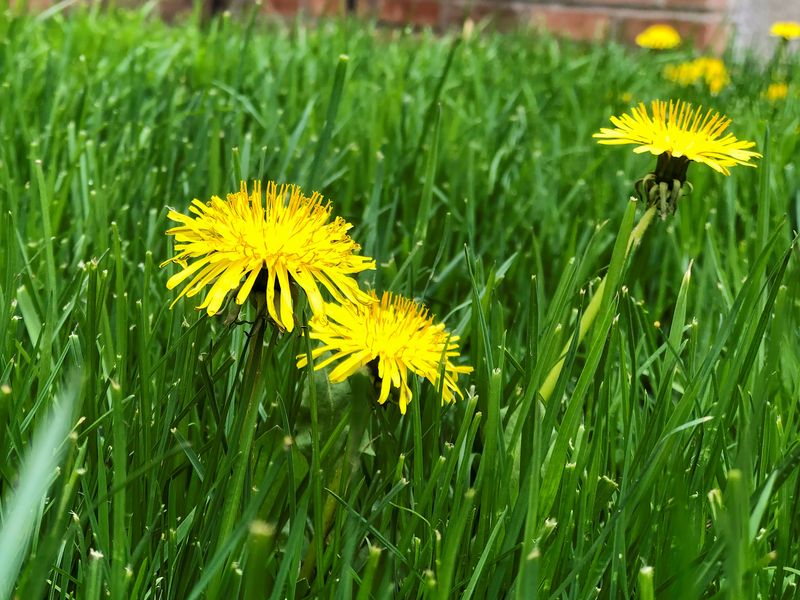
Dandelions seem to appear overnight in Ohio. One warm week in March and suddenly the yard is dotted with yellow blooms that turn into white puffballs ready to spread thousands of seeds across your lawn.
But dandelions and other broadleaf weeds do not just show up randomly. They move into lawns that have already been weakened by poor spring habits, especially low mowing and thin turf.
Short grass creates exactly the conditions weeds love most: open soil, direct sunlight at ground level, and reduced competition from turf. When the lawn is mowed too short or scalped in spring, bare patches open up and weed seeds rush in to claim the space.
By the time summer arrives in Ohio, those weeds have established deep roots of their own and are nearly impossible to remove without serious effort.
Pre-emergent herbicides are a useful tool for Ohio homeowners who want to get ahead of weeds in spring. Applied at the right spring timing, pre-emergents are mainly used to stop annual grassy weeds like crabgrass and can also help with some annual broadleaf weeds, but they are not the main treatment for established dandelions.
Timing is everything with this treatment, and missing the window means the weeds get a head start that is hard to overcome.
But the best long-term defense against weeds is a thick, healthy lawn. Dense turf physically blocks weed seeds from reaching the soil and outcompetes any seedlings that do manage to sprout.
Every good spring mowing habit you build directly reduces the number of weeds you will fight in summer.
Across Ohio, from Dayton to Akron, homeowners who maintain proper mowing height consistently report far fewer weed problems throughout the growing season.
7. Bagging Clippings Instead Of Returning Nutrients
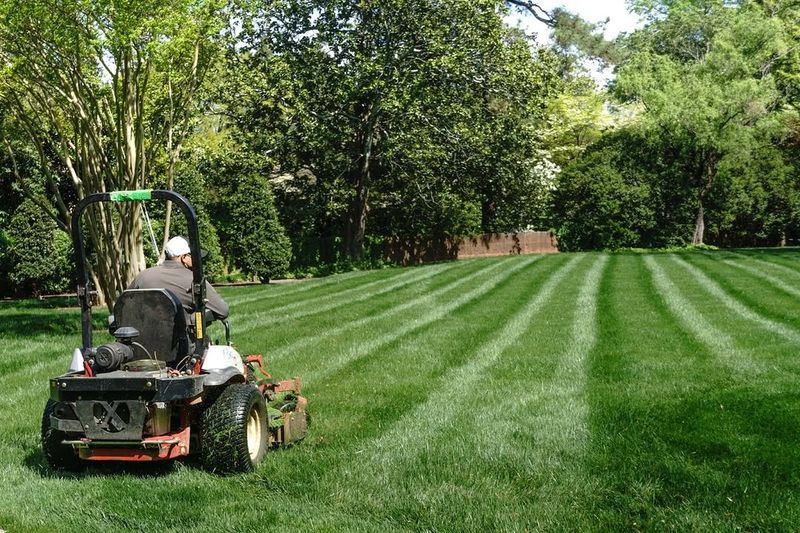
Grabbing the bag attachment for the mower feels like the tidy, responsible thing to do. The lawn looks cleaner right after mowing, and there are no clippings sitting on top of the grass.
But bagging clippings in spring is one of the most overlooked ways Ohio homeowners accidentally starve their own lawns of free, valuable nutrition.
Grass clippings are made up of roughly 80 to 85 percent water, and the rest is packed with nitrogen, potassium, and other nutrients that the lawn needs to stay thick and green. When you leave clippings on the lawn after mowing, they break down quickly and return those nutrients directly to the soil.
Lawn researchers have found that returning clippings can supply the equivalent of one full fertilizer application per season, completely free of charge.
A common worry is that clippings will contribute to thatch buildup, but that concern is mostly a myth when the lawn is mowed at the right frequency. Clippings from a properly timed mowing session are short enough to filter down through the grass and decompose within a week or two.
They do not sit on top and smother the turf the way many people fear.
For Ohio lawns dealing with the transition from cool spring weather to hot summer conditions, every bit of organic matter returned to the soil helps build a stronger, more resilient turf. Clippings also help retain soil moisture by acting as a light mulch layer at the base of the grass blades, which is especially useful during dry stretches in June and July.
Leaving clippings on the lawn is one of the easiest, most cost-effective changes any Ohio homeowner can make this spring to support a thicker, healthier yard all summer long.