The Fruit Tree Blossoms Oregon Gardeners Should Protect From Rainy Spring Disease
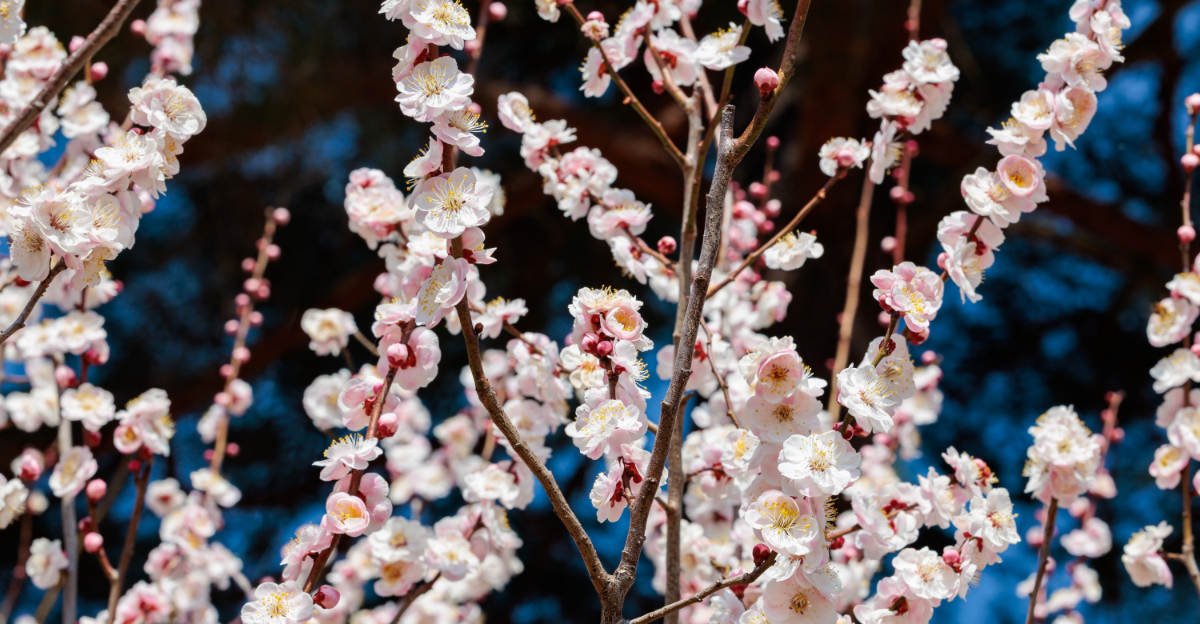
Oregon spring has a way of keeping gardeners hopeful and nervous at the same time. Fruit trees burst into bloom, the yard suddenly looks alive, and then another stretch of cool rain moves in just when everything seems to be going right.
That is the moment many gardeners start paying closer attention to their trees. Blossoms may look beautiful from across the yard, but wet spring weather can create trouble fast, especially on certain fruit trees that are more vulnerable during bloom.
A healthy-looking tree in spring can tell a very different story by harvest season.
For anyone growing fruit at home, this part of spring matters more than it first appears. The blossoms are not just pretty.
They are the starting point for the crop you want later on. Some Oregon fruit trees need extra watching during rainy spells, and the ones ahead deserve a closer look first.
1. Peach Needs Extra Care In Wet Spring Weather
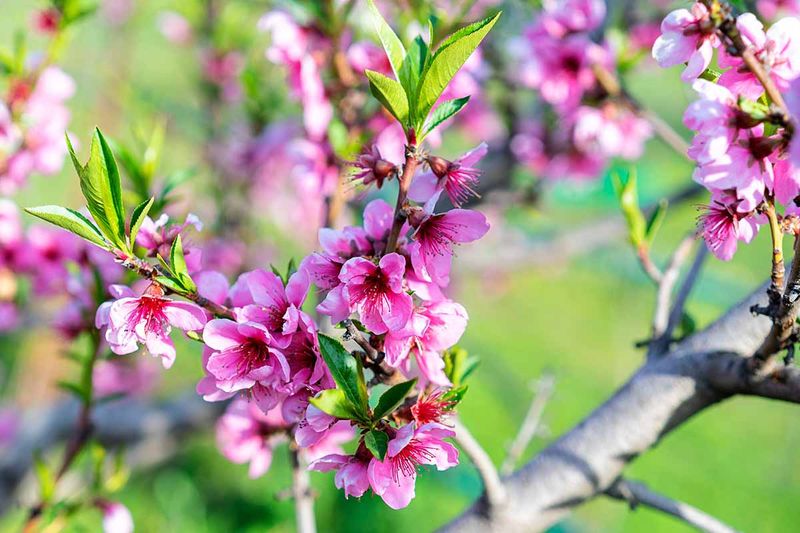
Few sights are as hopeful as a peach tree covered in soft pink blossoms at the start of spring. But in Oregon, that beauty can be short-lived if you are not careful.
Peach trees are highly vulnerable to a fungal disease called peach leaf curl, which thrives in the cool, wet conditions that Oregon springs are famous for.
Peach leaf curl causes leaves to blister, pucker, and turn reddish before eventually dropping off the tree. When it strikes during bloom time, it weakens the tree significantly and reduces fruit production for the entire season.
The good news is that prevention is straightforward if you act before the buds begin to swell.
Applying a copper-based fungicide spray in late winter, before any bud break, is one of the most effective ways to protect your peach blossoms. Oregon State University guidance recommends applying a dormant spray before bud break, and in many western Oregon areas a fall application after leaf drop is also used.
One well-timed application can make a dramatic difference.
Pruning your peach tree to open up the canopy also helps by improving airflow, which reduces the moisture that fungi love. Remove any crossing branches and aim for a vase-like shape that lets light and air reach every part of the tree.
Good sanitation matters too, so always clean up fallen leaves around the base of the tree in autumn. Keeping the area tidy removes overwintering spores before they get a chance to cause trouble in the new growing season.
With a little preparation, your Oregon peach tree can reward you with a gorgeous and productive summer harvest.
2. Nectarine Blossoms Need Watching When Rain Lingers
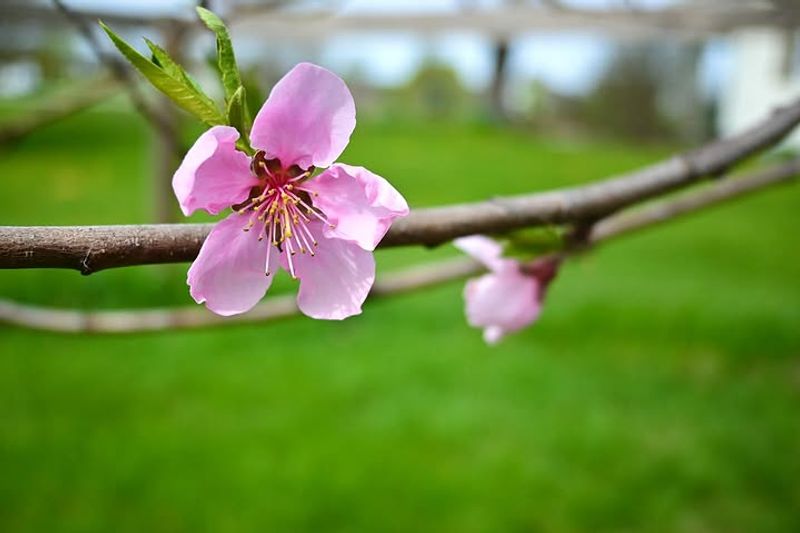
Basically smooth-skinned peaches, nectarines share nearly all the same disease risks when spring arrives in Oregon. Nectarines share many of the same disease risks as peaches during Oregon’s wet spring weather.
Gardeners in the Pacific Northwest who grow nectarines need to be especially alert once temperatures start climbing above 50 degrees Fahrenheit.
Peach leaf curl hits nectarines just as hard as it hits peaches, and brown rot is another serious threat during bloom time. Brown rot is caused by a fungus that spreads rapidly in rainy, humid conditions, attacking blossoms first before moving into developing fruit and twigs.
Your Oregon Garden Changes Every Week. Your Plan Should Too.
Gardening in Oregon changes quickly throughout the season. Every Friday you’ll receive a simple weekly plan showing exactly what to plant, prune, fertilize, harvest, and protect so you never miss the right timing.
Once it takes hold, it can spread through a tree surprisingly fast.
Timing your fungicide applications correctly is the single most important thing you can do for nectarines in Oregon. Apply a copper fungicide or lime sulfur spray before the buds break, ideally during a dry stretch in late winter.
If spring rains are heavier than usual, a follow-up application during early bloom may be necessary to keep brown rot in check.
Thinning the canopy through careful winter pruning also gives nectarine blossoms a better chance of staying dry between rain showers. Avoid overhead watering at all costs, since wet foliage invites fungal growth.
Instead, use drip irrigation or soaker hoses to deliver water directly to the roots. Removing mummified fruit from the previous season is another smart habit, since those dried-up remnants harbor brown rot spores.
Oregon nectarine growers who stay consistent with these simple steps tend to enjoy far healthier trees and more reliable harvests year after year.
3. Apricot Flowers Can Struggle In Damp Spring Conditions
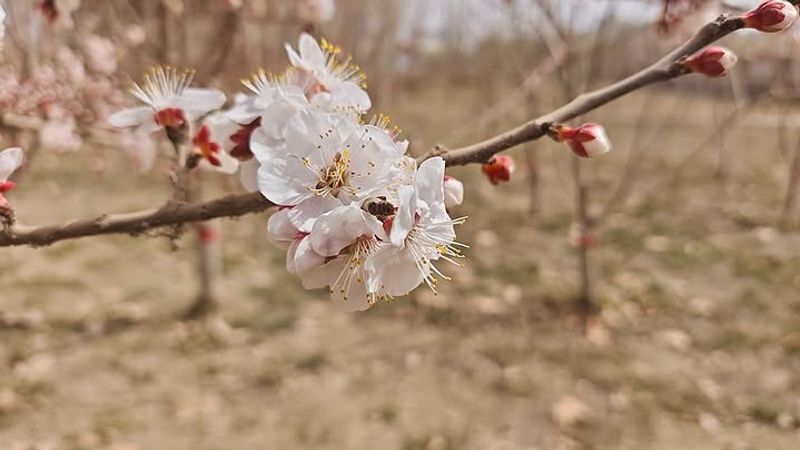
Apricot trees bloom earlier than almost any other fruit tree in Oregon, which puts their delicate blossoms right in the path of the heaviest late-winter and early-spring rains. That early timing is both exciting and nerve-wracking for Oregon gardeners, because the weather during apricot bloom season is about as unpredictable as it gets.
A single week of cold rain can cause serious problems if the tree is not protected.
Brown rot and a bacterial infection called bacterial canker are the two biggest threats to apricot blossoms in the Pacific Northwest. Bacterial canker causes sunken, oozing lesions on branches and can wipe out entire limbs if left untreated.
It enters through wounds and natural openings in the bark, spreading easily during wet weather when the tree has little natural defense.
Copper sprays applied during the dormant season are the standard recommendation for managing bacterial canker on apricots. Oregon State University Extension advises applying copper in the fall after leaf drop and again in late winter before bud swell.
Sticking to this schedule can significantly reduce infection rates even in years with unusually wet springs.
Choosing the right planting location also makes a big difference for apricot trees in Oregon. Planting on a slight slope or in a raised area improves drainage and reduces the amount of time water sits around the roots and lower trunk.
South-facing slopes tend to dry out faster after rain, which cuts down on fungal pressure. Avoiding frost pockets is equally important, since late frosts can damage open blossoms and make them more vulnerable to disease.
With thoughtful site selection and proactive spraying, apricots can thrive beautifully across many parts of Oregon.
4. Sweet Cherry Blossoms Need Protection In Soggy Spells
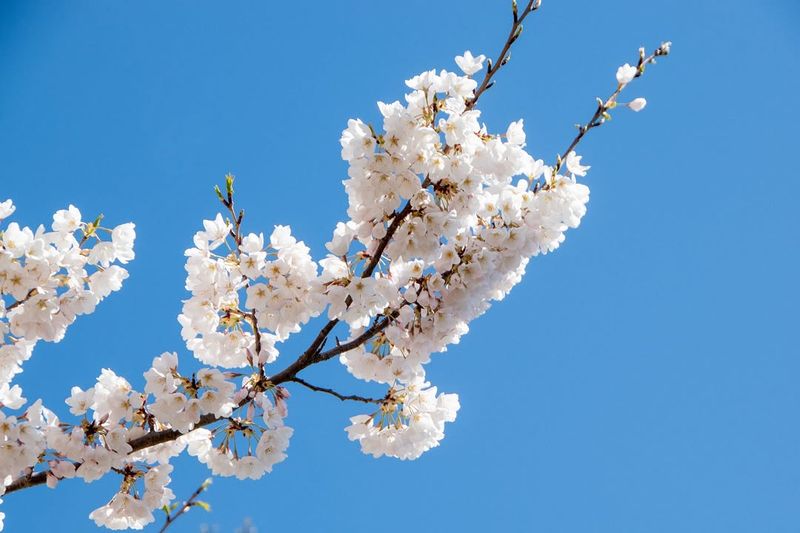
Oregon is actually one of the top cherry-producing states in the country, so protecting these blossoms is serious business for both home gardeners and commercial growers. The challenge is that cherries bloom right when Oregon weather is at its most unpredictable.
Brown rot blossom blight is the primary disease concern for sweet cherries during bloom. The fungus responsible for brown rot thrives when temperatures range between 60 and 77 degrees Fahrenheit and moisture is present on the flowers.
In a typical Oregon spring, those conditions show up with frustrating regularity, making proactive management essential.
Fungicide sprays containing captan or sulfur can be applied at early bloom and again during full bloom to reduce the risk of blossom blight. Always check the weather forecast before applying, and try to spray during a window of dry weather so the product has time to dry on the blossoms.
Reapplication may be needed after heavy rain events.
Air circulation is another key factor for cherry trees. Dense canopies hold moisture longer after rain, creating conditions that fungal spores absolutely love.
Regular pruning to open up the center of the tree helps blossoms dry faster after wet weather. Removing any mummified cherries left over from the previous season is also critical, since these are a primary source of brown rot spores.
Oregon cherry growers who combine good pruning habits with timely fungicide applications give their trees the strongest possible foundation for a productive and healthy season.
5. Plum Blooms Face Trouble When Spring Stays Wet
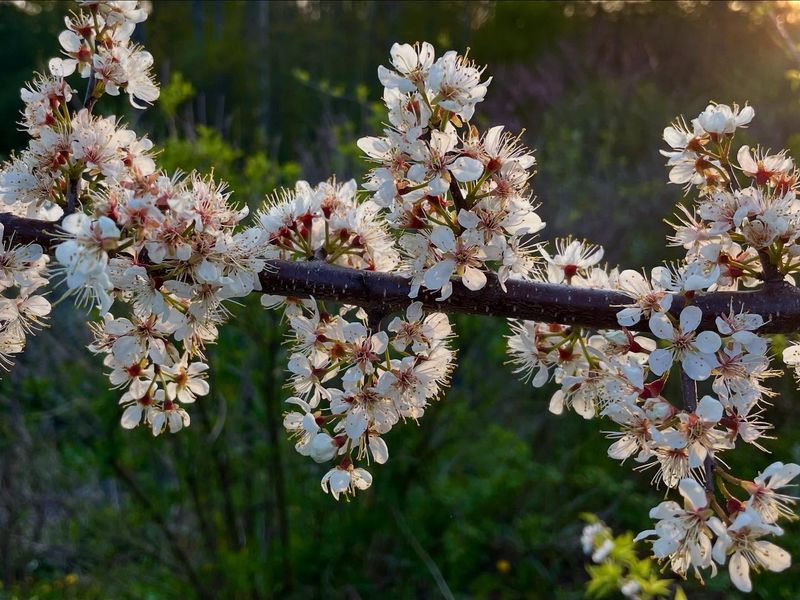
In Oregon home gardens, plum trees are a popular choice because they are generally considered tougher than peaches or apricots. Still, tough does not mean invincible.
Oregon’s wet springs create real challenges for plum blossoms, particularly when it comes to a disease called brown rot blossom blight and a condition known as plum pocket.
Plum pocket is a fungal disease unique to plums and closely related trees. It causes developing fruit to balloon into hollow, distorted shapes that drop from the tree before ripening.
The fungus overwinters on old diseased fruits clinging to the tree or lying on the ground, then infects new growth during cool, wet weather as buds break in spring. Once it infects the blossoms, there is no reversing the damage for that season.
Lime sulfur or copper fungicide applied at bud swell, before the flowers open, is the most reliable way to stop plum pocket before it starts. Oregon gardeners should mark their calendars for late February or early March, depending on the variety and local conditions.
Waiting too long means the window for prevention has already closed.
European plum varieties tend to be somewhat more resistant to plum pocket than Japanese types, so variety selection is worth considering if you are planning a new planting. Removing and bagging any infected fruit you find on the tree or on the ground is also important because those spores will be back next year if given the chance.
Keeping the orchard floor clear of debris through the growing season reduces the overall disease pressure significantly. Oregon gardeners who treat their plum trees with respect during blossom season are almost always rewarded with a much more satisfying harvest by midsummer.
6. Apple Blossoms Can Run Into Problems In Rainy Springs
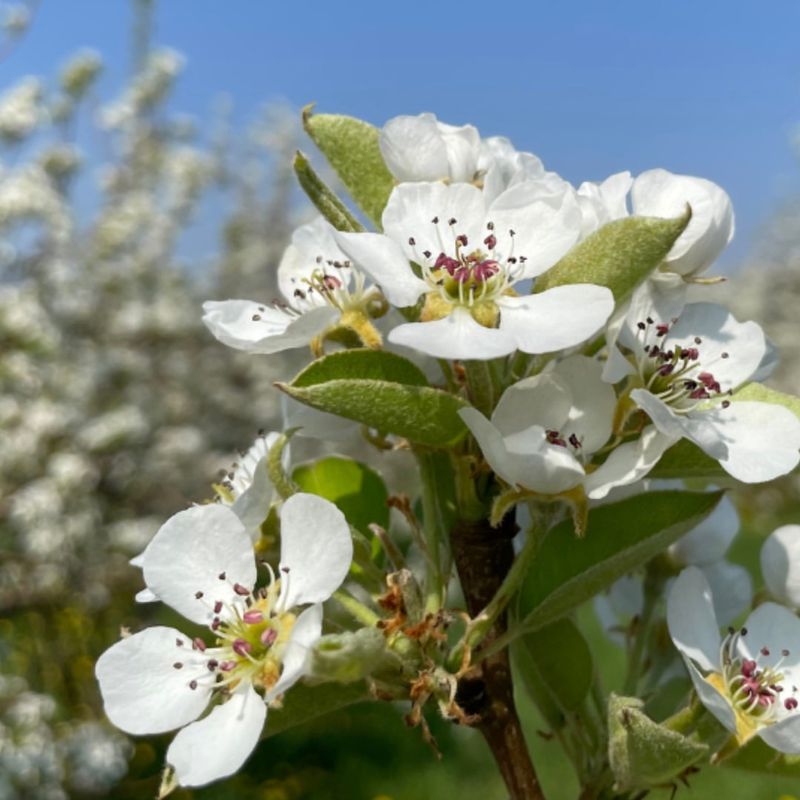
For Oregon apple growers, apple scab is one of the biggest spring problems, and it does its worst damage during the blossom and early leaf stages. Caused by a fungus called Venturia inaequalis, apple scab spreads through spores that are released from infected leaves left on the ground over winter.
When those spores land on wet blossoms or young leaves, infection can happen in as little as a few hours if temperatures are right.
Oregon’s Willamette Valley is particularly prone to apple scab outbreaks because the combination of mild temperatures and persistent spring rain creates near-perfect conditions for the fungus. Gardeners in this region should start monitoring for infection risk as early as late February and be ready to spray as soon as bud break begins.
Missing that early window can mean playing catch-up for the rest of the season.
Fungicides like captan, myclobutanil, or sulfur-based products are commonly used to manage apple scab in Oregon home orchards. Spraying on a regular schedule from green tip through petal fall gives the best protection.
Always follow label directions carefully and rotate between different fungicide classes to avoid resistance buildup.
Choosing disease-resistant apple varieties is one of the smartest long-term strategies available to Oregon gardeners. Varieties like Liberty, Goldrush, and Enterprise were specifically bred to resist apple scab, which means far less spraying and far less stress every spring.
Raking up fallen leaves in autumn and composting them away from the orchard is another simple but powerful practice. Reducing the amount of fungal inoculum on the ground before spring arrives gives your apple blossoms a much cleaner start to the season.
7. Pear Flowers Need A Little Help Through Oregon Rain
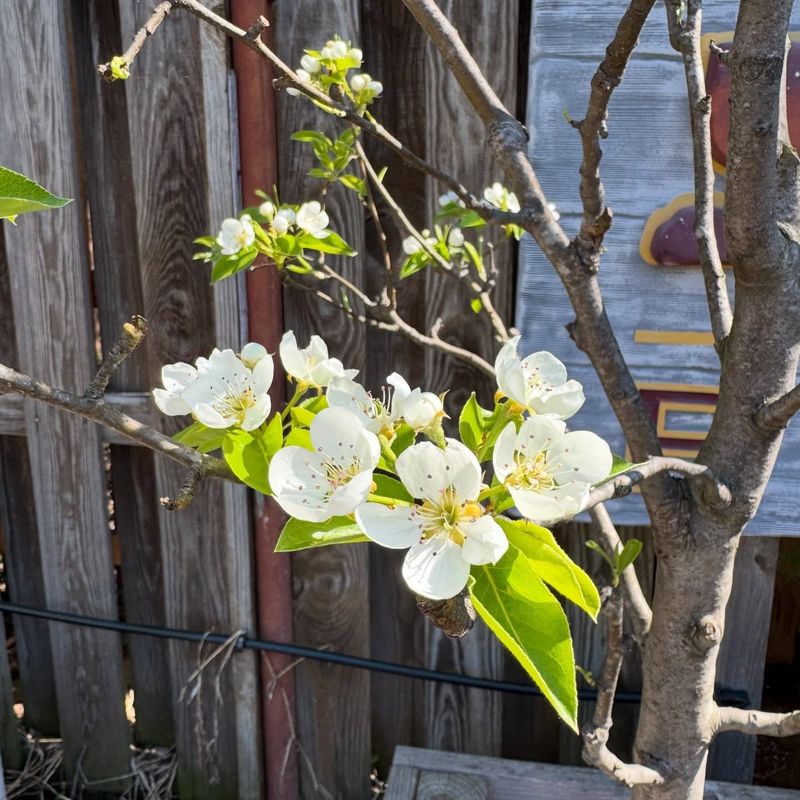
Fire blight is the disease that keeps Oregon pear growers up at night, and for good reason. Caused by a bacterium called Erwinia amylovora, fire blight can spread with alarming speed during bloom time when warm, wet weather arrives.
Infected blossoms turn brown and wilt rapidly, giving branches the appearance of having been scorched by fire. That is exactly how the disease got its name.
Oregon pear orchards, especially in Hood River County where pears are grown commercially on a large scale, face serious fire blight pressure every spring. The bacterium spreads through rain splash, insects, and even pruning tools if they are not properly sanitized between cuts.
Once it enters a tree through the open blossoms, it can move into the branches and trunk surprisingly quickly if conditions stay warm and wet.
Copper-based bactericides applied at early bloom can help reduce fire blight infections, though they are most effective when used preventively rather than after symptoms appear. Some Oregon growers also use biological controls containing a competing bacterium called Bacillus subtilis, which colonizes blossoms and blocks fire blight from getting a foothold.
Timing these applications around rain events and warm temperatures is key to making them work.
Pruning out infected wood as soon as you spot it is critical for slowing fire blight spread. Always cut at least 12 inches below the visible edge of the infection, and sterilize your pruning tools between every single cut using a bleach solution or rubbing alcohol.
Selecting fire-blight-resistant pear varieties like Harrow Sweet or Moonglow is a smart move for Oregon gardeners who want to reduce their workload while still enjoying a generous pear harvest each fall.