What Your Ohio Daylilies Need In April For A Longer Bloom Season
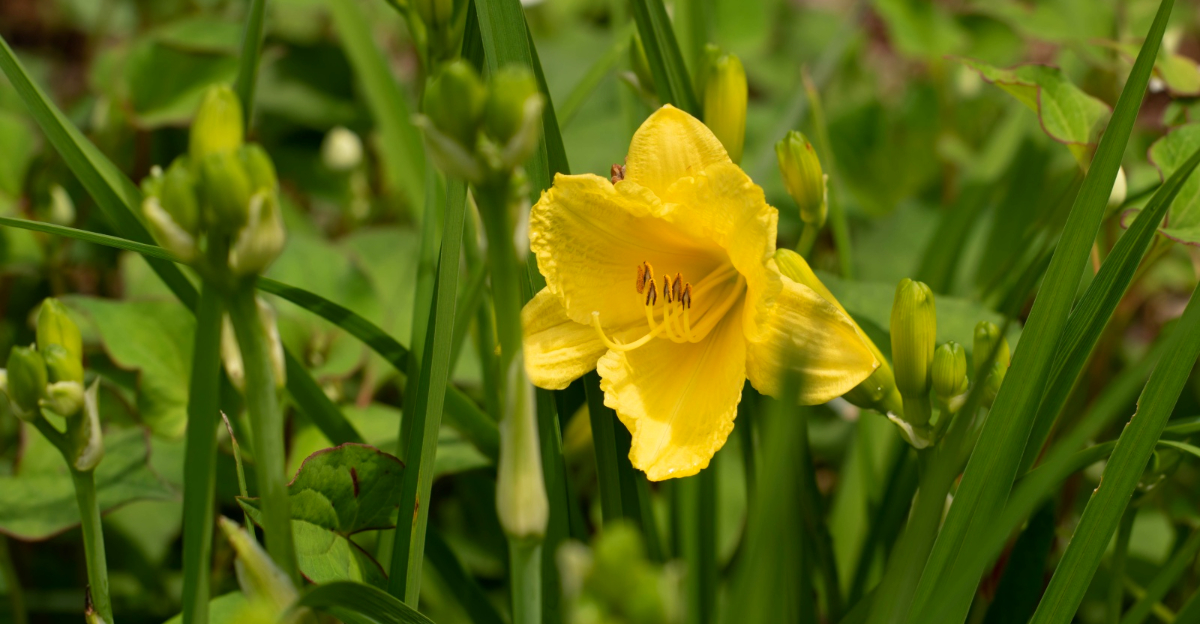
Ohio gardeners know that daylilies are among the most dependable plants in the landscape, returning each spring with fresh green shoots and the promise of vibrant color.
April is a critical month for these hardy favorites as they shift from winter dormancy into active growth, and the care you provide now truly shapes the upcoming bloom season.
With Ohio’s spring bringing warming soil, steady rainfall, and temperatures that swing from chilly mornings to warm afternoons, this window is your best chance to build a strong foundation.
Taking time to tend your daylilies now ensures they produce more flowers, bloom longer, and stay healthy all the way through the summer heat.
1. Clean Up Old Foliage And Debris
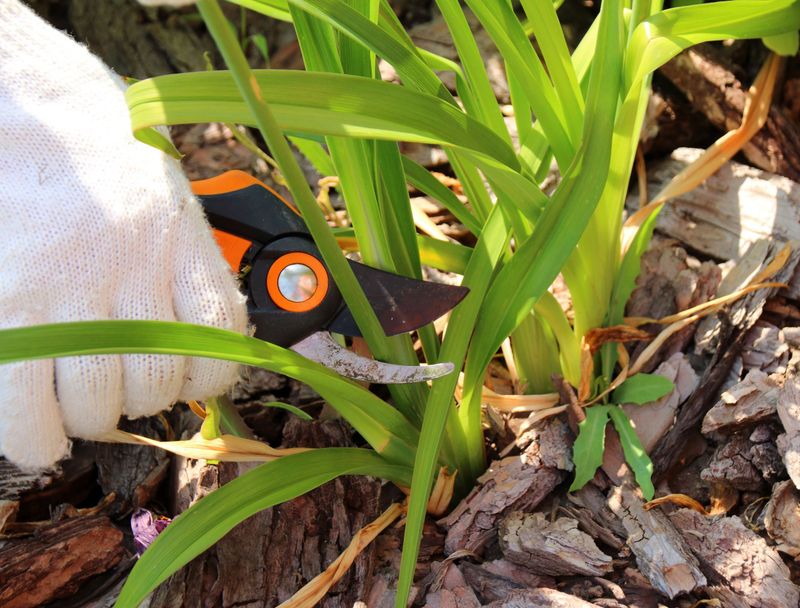
Walking through an Ohio garden in early April, one of the first things you notice is the tangle of old, brown foliage left over from last season sitting right at the base of your daylilies.
That leftover material might look harmless, but it can actually slow your plants down in ways that are easy to prevent.
Old foliage traps moisture close to the crown, which creates a damp environment where fungal issues can develop as temperatures begin to rise.
Clearing it away lets air circulate freely and allows warming sunlight to reach the soil, which encourages those early green shoots to push up faster and stronger.
Use your hands or a pair of garden scissors to gently pull or cut away the old leaves, being careful not to disturb the new growth that may already be emerging at the base.
Rake out any matted leaves, spent mulch, or other debris that has settled around the clumps over winter.
Removing this material also eliminates hiding spots for insects and slugs that tend to become more active as Ohio soil warms in spring.
Dispose of the old foliage rather than composting it, especially if you noticed any disease or pest issues the previous season.
Starting April with a clean bed sets a healthier tone for everything that follows and gives your daylilies a noticeably better start.
2. Divide Overcrowded Clumps If Needed
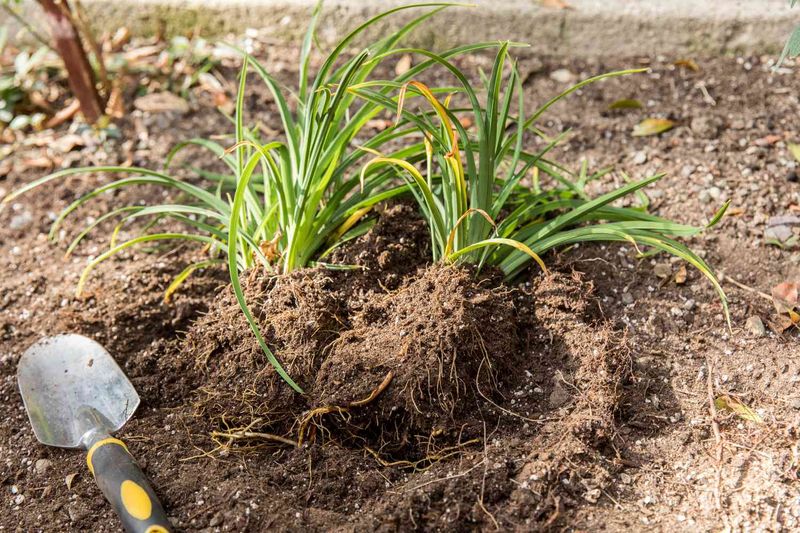
After three or four years in the same spot, daylily clumps in Ohio gardens tend to get crowded. You might notice that a clump that used to produce dozens of blooms is now putting out fewer flowers even though the plant looks full and leafy.
That is a reliable sign that division is overdue.
April is a good window for dividing daylilies in Ohio because the plants are just waking up, soil temperatures are rising, and the stress on the roots is lower than it would be in the heat of summer.
Start by using a garden fork to loosen the soil around the outside of the clump, then work the entire root mass out of the ground carefully.
Once the clump is free, you can pull sections apart by hand or use a sharp spade to cut through the root mass. Each division should have a healthy fan of foliage and a good section of roots attached.
Your Ohio Garden Changes Every Week. Your Plan Should Too.
Gardening in Ohio changes quickly throughout the season. Every Friday you’ll receive a simple weekly plan showing exactly what to plant, prune, fertilize, harvest, and protect so you never miss the right timing.
Replant divisions at the same depth they were growing before, spacing them about 18 inches apart to give each one room to spread.
Water the newly planted divisions thoroughly and keep the soil consistently moist for the first couple of weeks while they settle in. Ohio’s April rainfall can help with this, but check regularly if the weather turns dry.
Freshly divided plants often reward you with noticeably stronger blooms within a season or two.
3. Apply A Light Balanced Fertilizer If Soil Is Poor
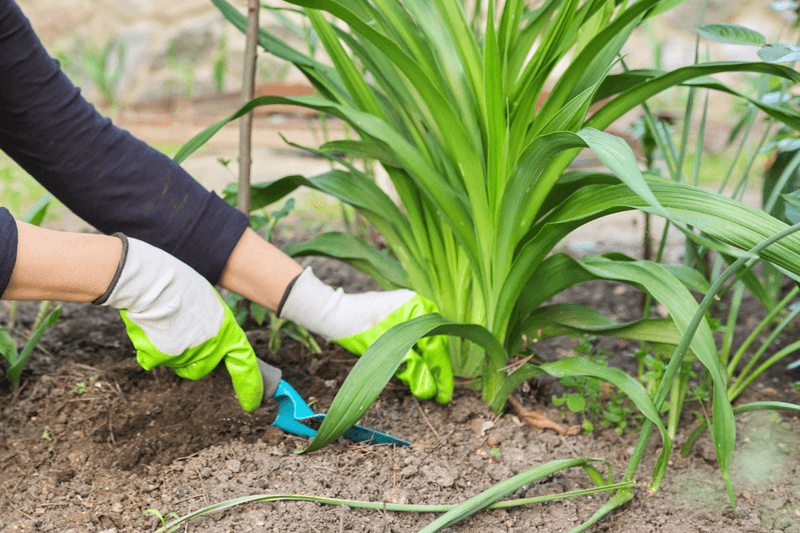
Not every Ohio garden has rich, fertile soil, and daylilies growing in thin or nutrient-depleted ground will show it through slower growth and fewer blooms.
April, when new foliage is just beginning to emerge, is a reasonable time to give those plants a gentle nutritional boost if your soil needs it.
A balanced granular fertilizer with roughly equal amounts of nitrogen, phosphorus, and potassium works well for daylilies in spring.
Some gardeners prefer a formula with slightly more phosphorus, since that nutrient supports root development and can lead to stronger flowering later in the season.
Scatter the fertilizer evenly around each clump, keeping it a few inches away from the crown to avoid any irritation to tender new growth.
Water the area well after applying the fertilizer so the nutrients can begin moving down into the root zone where they are actually useful.
Avoid the temptation to apply more than the label recommends, because too much nitrogen encourages lots of leafy green growth at the expense of flowers.
Ohio soils vary quite a bit from one county to the next, so if you are unsure whether your garden actually needs fertilizer, a basic soil test can give you a clearer picture.
Many daylilies growing in average Ohio garden soil do fine without heavy feeding, so a light, targeted application is usually more than enough to make a meaningful difference.
4. Ensure Full Sun For Best Blooming Performance
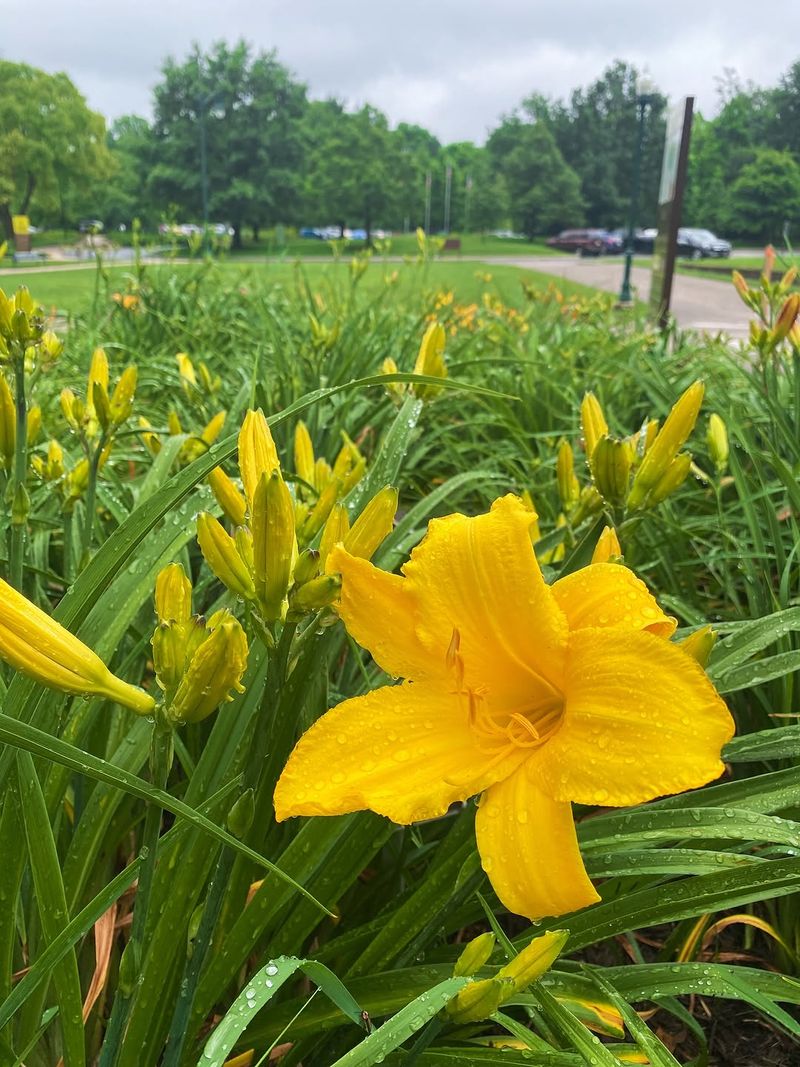
Sunlight is one of the most straightforward factors in how well your daylilies perform, and April is a good time to take an honest look at how much direct sun your plants are actually receiving.
Ohio’s trees begin leafing out through April and May, so a spot that seemed sunny last fall may end up shadier than expected once the canopy fills in.
Daylilies thrive with at least six hours of direct sunlight each day, and those growing in shadier spots tend to produce fewer blooms and develop taller, floppier foliage as they stretch toward the light.
If you notice that surrounding trees or shrubs have grown in ways that now block morning or afternoon sun, it may be worth considering whether a transplant to a sunnier location would help.
Morning sun is especially valuable in Ohio gardens because it dries dew off the foliage quickly, which reduces the chance of fungal issues developing during the humid stretches that often come with Ohio spring weather.
Afternoon shade from a building or fence can actually be beneficial during the hottest part of summer, but in April the goal is to maximize light exposure as the plants build energy.
Taking a quick look at your garden layout in early April, before trees fully leaf out, gives you a realistic picture of what your daylilies are working with and helps you make any adjustments before the growing season gets fully underway.
5. Keep Soil Evenly Moist As Growth Begins
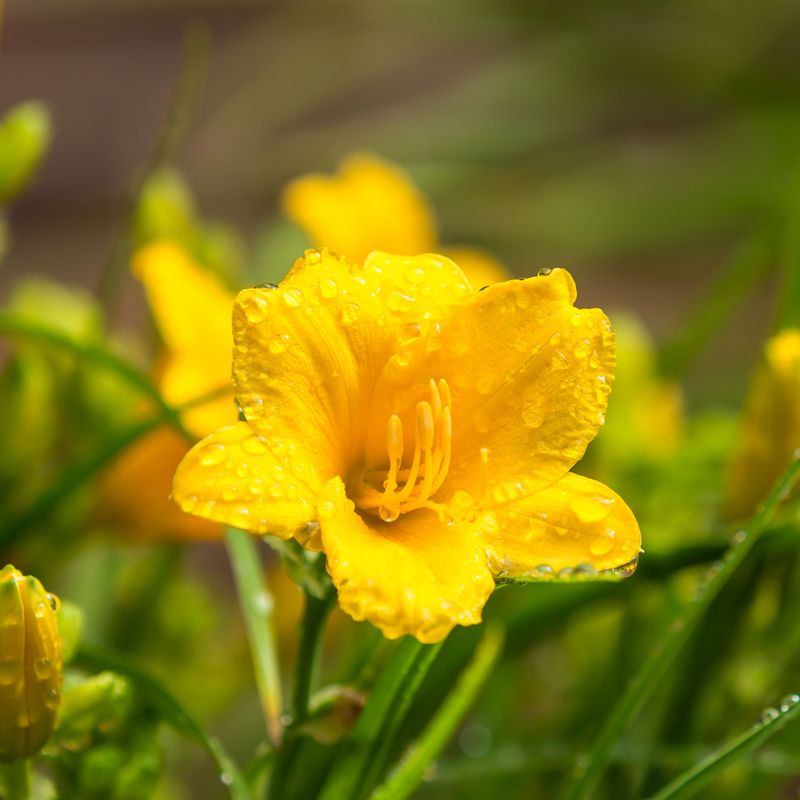
Early spring in Ohio brings a mix of rainy stretches and surprisingly dry spells, and the moisture your daylilies receive in April plays a real role in how strong their early growth turns out to be.
As the root system wakes up and begins actively drawing nutrients from the soil, consistent moisture helps that process run smoothly.
The goal is not to keep the soil soggy but to prevent it from drying out completely between rain events. A general guideline that works well in Ohio gardens is to provide about an inch of water per week when rainfall falls short.
Checking the soil a few inches down with your finger is a quick, reliable way to know whether it is time to water or whether the ground is still holding enough moisture from recent rain.
Watering in the morning is a sensible habit because it gives the foliage time to dry out before evening, which matters more as temperatures rise and humidity increases through late spring.
Soaker hoses or a gentle spray at the base of the plants keeps water where it belongs and reduces splashing, which can spread soil-borne issues onto the lower leaves.
Ohio’s April weather does a lot of the watering work on its own in most years, but keeping a close eye on soil moisture during any dry stretches ensures your daylilies are not struggling at the exact moment they need energy most to build strong stems and buds.
6. Improve Drainage In Heavy Soil Areas
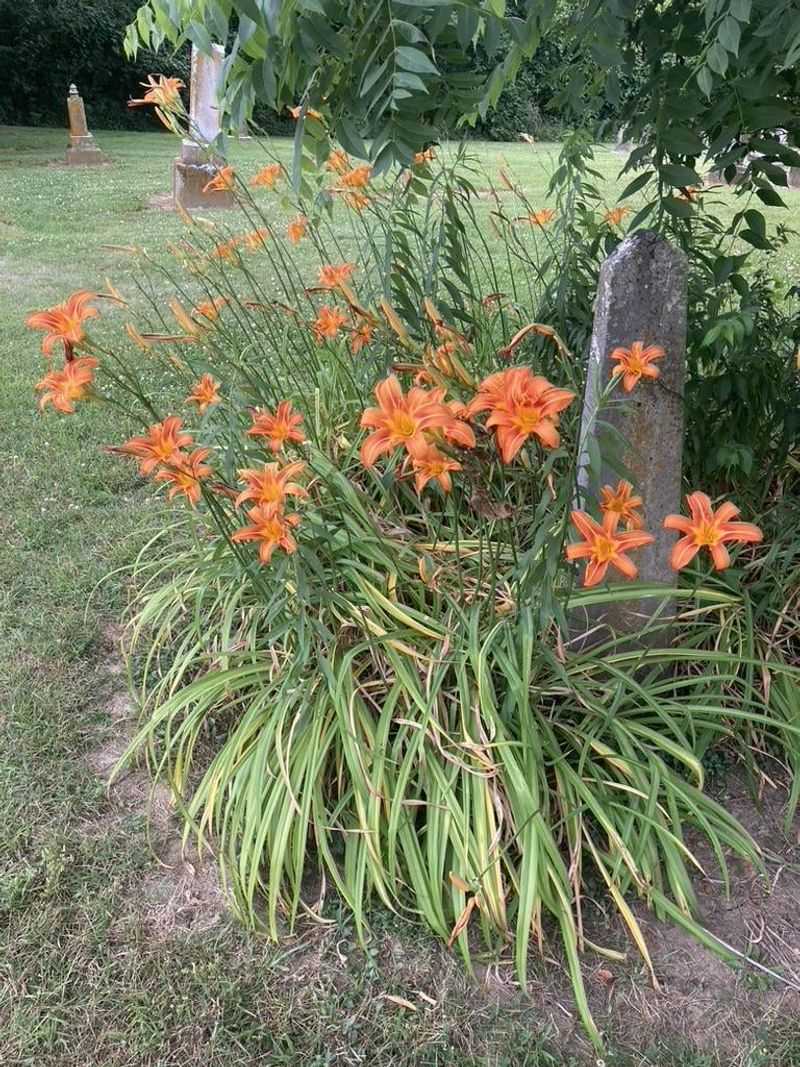
Ohio is home to a lot of heavy clay soil, particularly across central and western parts of the state, and that type of soil can hold water in ways that are not ideal for daylilies.
Standing water around the crown of the plant, especially during cool April weather, creates conditions that can weaken roots and limit how well the plant grows through the season.
If you notice water pooling in your garden bed after a rain and staying there for several hours or longer, that is a signal worth paying attention to.
Daylilies prefer soil that drains reasonably well between watering and rainfall events, allowing roots to breathe and access oxygen along with moisture.
One of the most effective ways to improve drainage in Ohio clay soil is to work compost or aged organic matter into the top several inches of the bed.
This loosens the soil structure over time and creates more space for water to move through rather than sitting on the surface.
Raised beds are another option that Ohio gardeners use with good results in areas where drainage is consistently poor.
Adding coarse sand is sometimes suggested, but it works best when combined with generous amounts of organic matter rather than added on its own to clay soil.
Making drainage improvements in April, before the heat of summer arrives, gives your daylilies a better growing environment right when active growth is ramping up and the root system is expanding most rapidly.
7. Add A Light Layer Of Mulch After Soil Warms
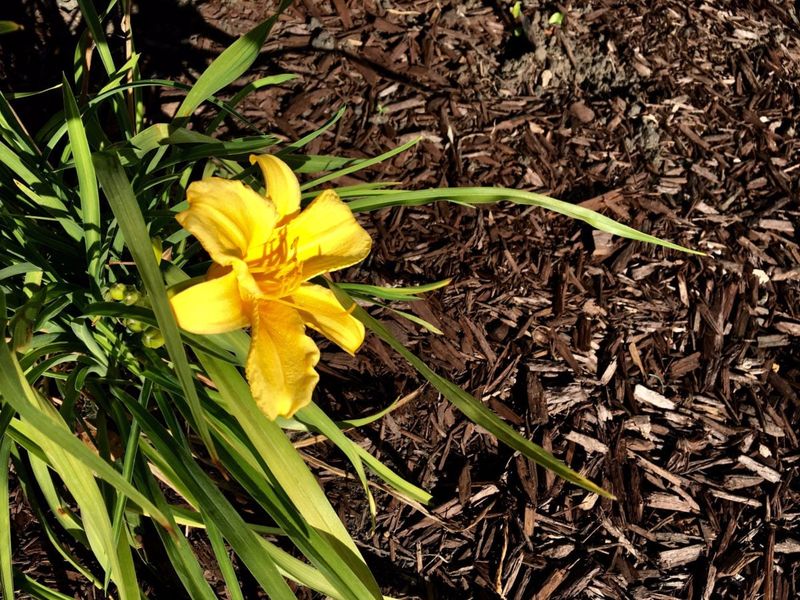
Timing matters when it comes to mulching daylilies in Ohio, and April offers a useful window once the soil has had a chance to warm up from winter.
Applying mulch too early, before the ground has shed its winter chill, can actually trap cold temperatures and slow down the emergence of new growth.
Once daytime temperatures are consistently climbing and the soil feels noticeably warmer to the touch, a light layer of mulch around your daylilies offers several practical benefits.
It helps the soil hold moisture more evenly between rain events, which reduces how often you need to supplement with hand watering during dry April stretches.
It also moderates soil temperature as Ohio weather continues to shift between warm and cool days through the spring.
A layer about two to three inches deep works well for most Ohio garden beds. Shredded bark, wood chips, or straw are all common choices that break down gradually and add organic matter to the soil over time.
Keep the mulch pulled back a few inches from the crown of each plant to allow air to circulate and avoid creating a damp zone right at the base where new shoots are emerging.
Mulch also reduces the number of weed seedlings that establish themselves in your daylily beds, which means less competition for water and nutrients as the season progresses.
That small step in April can save a noticeable amount of weeding time through the summer months ahead.
8. Watch For Early Signs Of Pests Or Disease
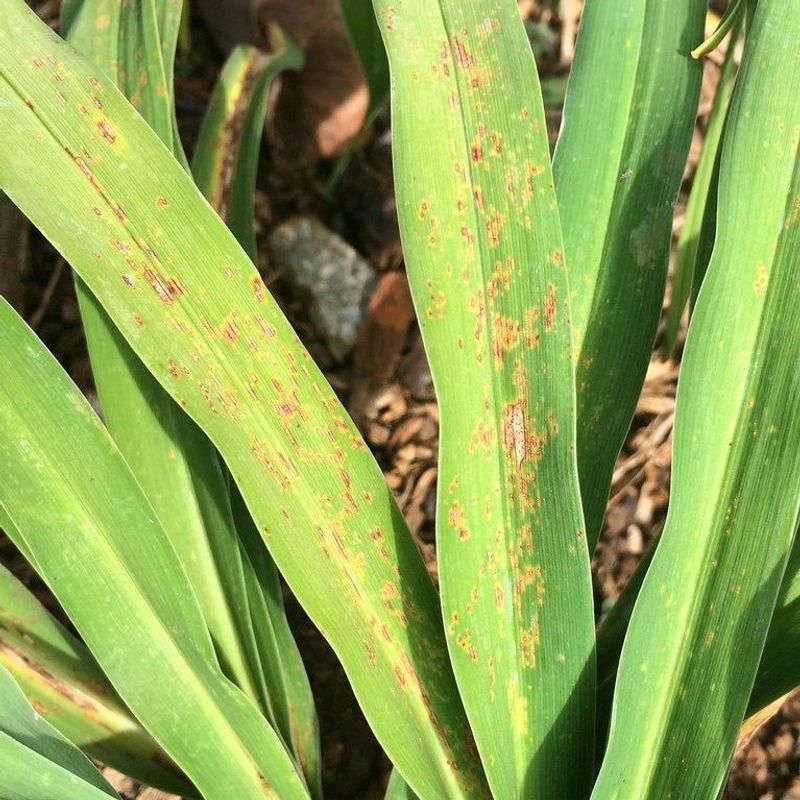
April is when a lot of garden pests and fungal issues begin making their first appearance in Ohio, and catching problems early gives you far more options for managing them than waiting until damage becomes obvious.
Daylilies are relatively sturdy plants, but they are not entirely trouble-free, and a quick look at your emerging foliage every week or so goes a long way.
Slugs are among the most common early-season visitors in Ohio gardens, and they tend to favor moist conditions, which April often provides in abundance. They feed at night and leave behind ragged edges or irregular holes in young leaves.
Checking around the base of plants in the morning and removing debris where slugs hide during the day can help keep their numbers manageable without reaching for anything stronger.
Daylily rust, a fungal issue that shows up as orange or yellowish streaking on the foliage, has become more common in Ohio in recent years. Catching it early and removing affected leaves promptly can slow its spread.
Good air circulation around your plants, which you encourage by not overcrowding clumps and by cleaning up debris, makes a meaningful difference in reducing conditions where fungal issues thrive.
Aphids occasionally appear on new growth as temperatures climb through April. A strong spray of water from a garden hose dislodges them effectively in most cases.
Staying observant through April means you address small issues before they grow into larger ones that affect bloom quality later in the season.