Texas Native Shrubs That Thrive In Front Yards When Planted In Spring
A front yard can say a lot before anyone even reaches the front door. In Texas, it also has to handle blazing sun, unpredictable rain, stubborn soil, and long stretches of heat that can wear down plants fast.
That is why choosing the right shrubs matters so much. You want something that looks good, holds up well, and does not turn into a constant project the minute temperatures climb.
Spring is one of the best times to get those shrubs in the ground. The weather gives roots a chance to settle in before summer gets intense, which can make a huge difference in how well plants perform later.
Even better, Texas native shrubs already know how to deal with local conditions. They are built for this climate, which means they often need less fuss once established.
If your front yard feels bare, tired, or hard to style, the right shrubs can change the whole look without making maintenance harder. Some bring color, some add shape, and some attract birds and pollinators while still looking polished from the street.
1. Texas Sage (Leucophyllum Frutescens)
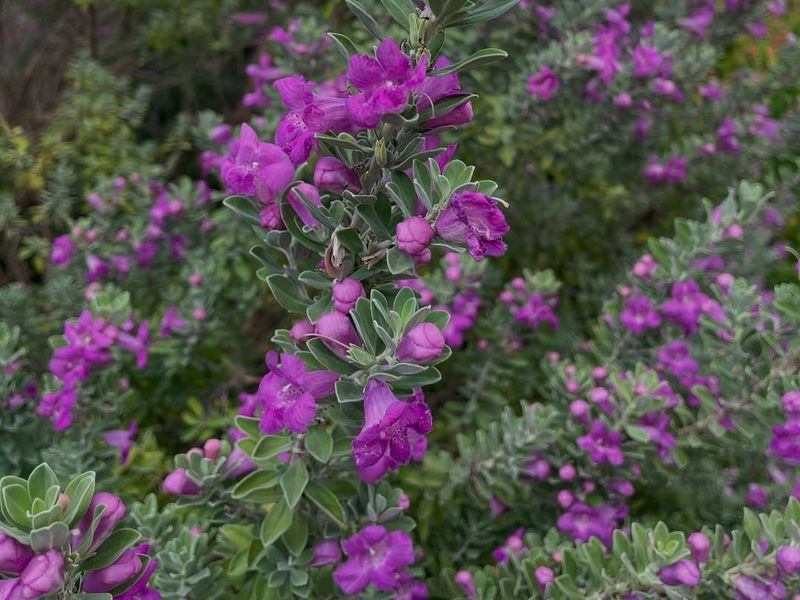
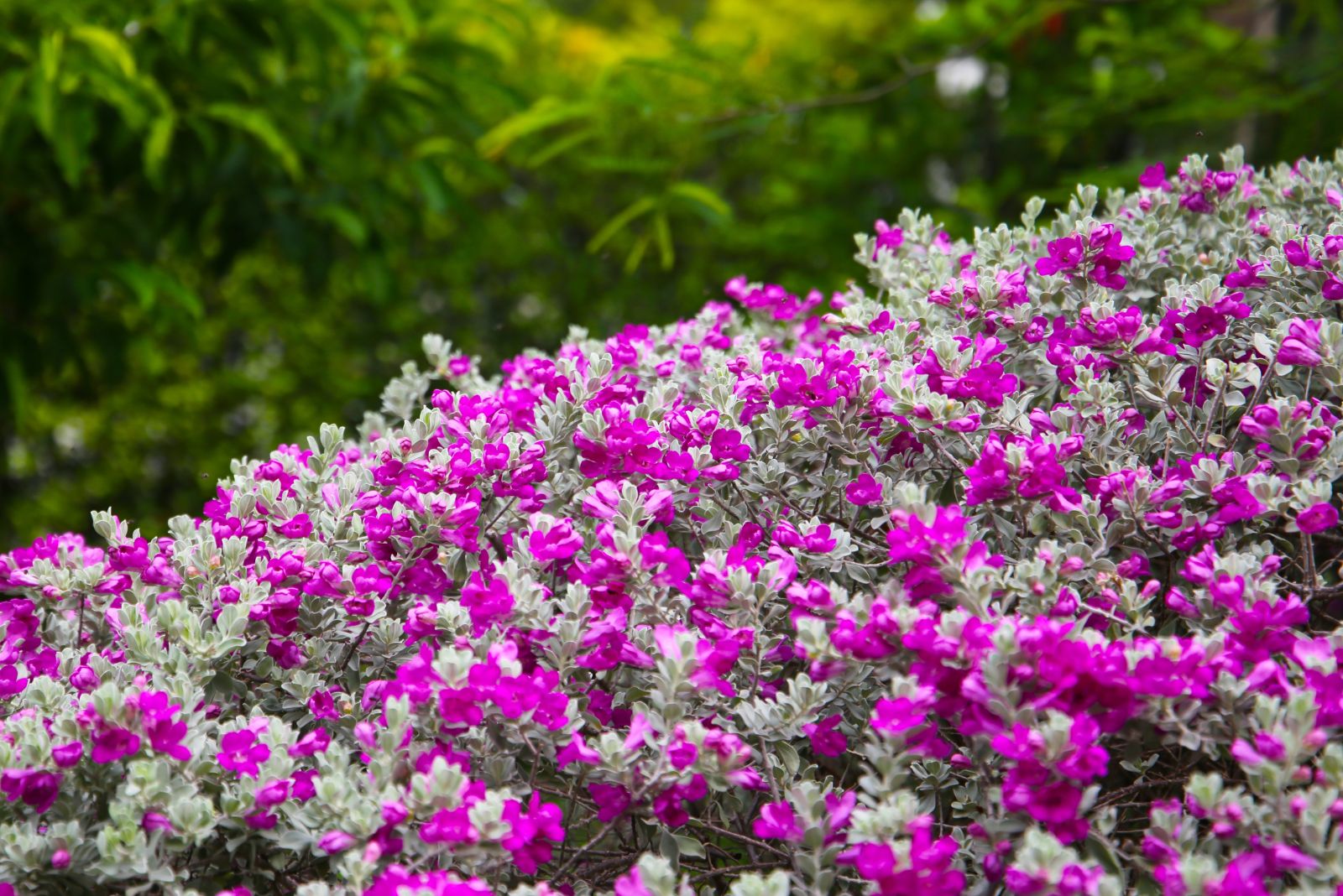
If you have ever driven through Central or West Texas and spotted a shrub with silvery leaves suddenly bursting into purple blooms after a rainstorm, you were probably looking at Texas Sage. Locals call it the “barometer bush” because it seems to sense rain coming before it even falls.
That quirky ability alone makes it one of the most talked-about native shrubs in Texas landscapes.
Texas Sage thrives in full sun and loves well-drained, rocky, or sandy soil. It grows between four and six feet tall and wide, making it a solid choice for framing your front entrance or lining a walkway.
Once it is established, it needs very little water, which is great news for Texas homeowners who want a beautiful yard without a huge water bill.
Planting in spring gives the roots time to settle in before summer arrives. Choose a spot with plenty of direct sunlight and avoid areas where water tends to pool.
The silvery foliage looks stunning year-round, and the purple, pink, or white blooms attract hummingbirds and butterflies throughout the warmer months.
Pruning is optional but can help keep the shape tidy. Many Texas gardeners prefer to let it grow naturally for a more relaxed, wild look.
Either way, this shrub is incredibly forgiving and rarely needs extra fertilizer or attention. For low-maintenance curb appeal across Texas, it is hard to beat this classic native beauty.
2. Turk’s Cap (Malvaviscus Arboreus Var. Drummondii)
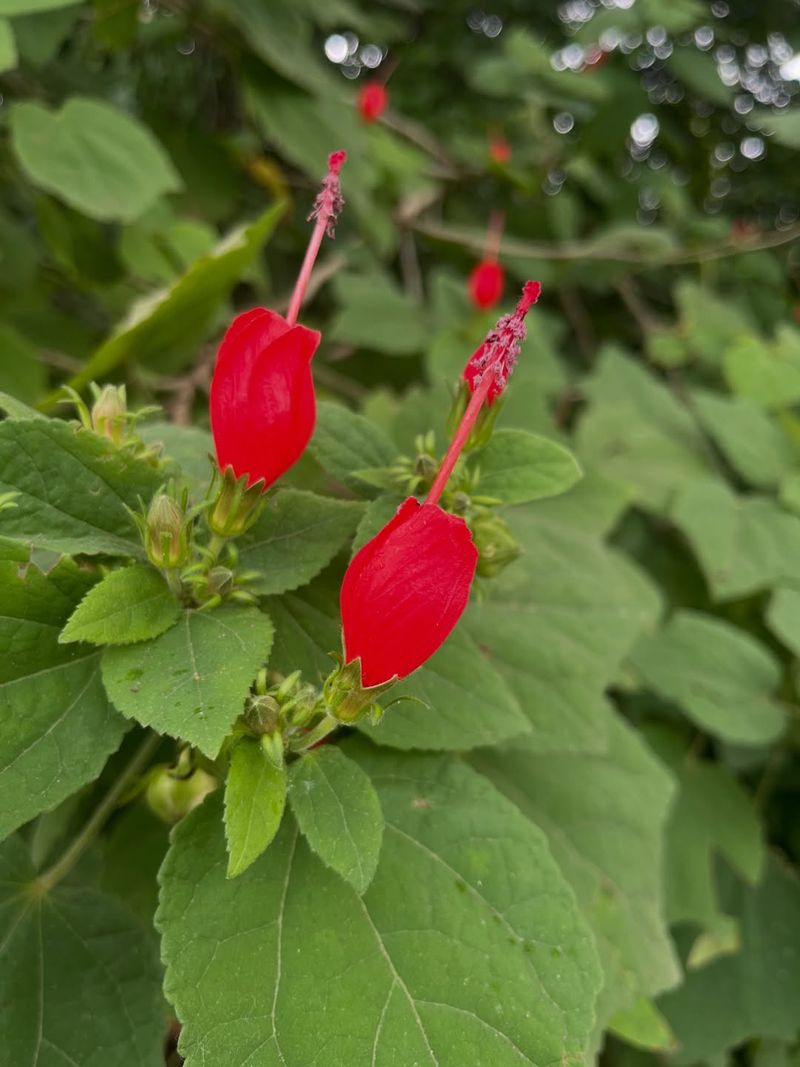
Not every front yard in Texas gets full sun all day, and that is exactly where Turk’s Cap steps in like a hero. This cheerful native shrub actually prefers shade or part sun, which makes it a rare and valuable find for gardeners dealing with trees or structures that block the light.
Its bold red flowers look like little swirled candy wrappers, and they bloom from spring all the way until the first frost.
Hummingbirds absolutely adore Turk’s Cap. Butterflies and bees are big fans too, so planting it in your Texas front yard essentially sets up a free wildlife show right outside your window.
Your Texas Garden Changes Every Week. Your Plan Should Too.
Gardening in Texas changes quickly throughout the season. Every Friday you’ll receive a simple weekly plan showing exactly what to plant, prune, fertilize, harvest, and protect so you never miss the right timing.
It grows anywhere from two feet to ten feet tall depending on how much sun and moisture it gets, so it can fill a small corner or become a dramatic focal point over time.
Spring planting works beautifully for this shrub because the mild temperatures help it ease into its new home without stress. It adapts well to different soil types, including clay and loam, which are common across many parts of Texas.
Watering regularly during the first season helps it get established faster. Once it finds its groove, Turk’s Cap is tough and reliable. It may cut back naturally in winter but bounces back strong each spring.
Trimming it back in late winter encourages fresh, vigorous growth. For a shaded Texas front yard that needs color and life, this native shrub delivers season after season.
3. Yaupon Holly (Ilex Vomitoria)
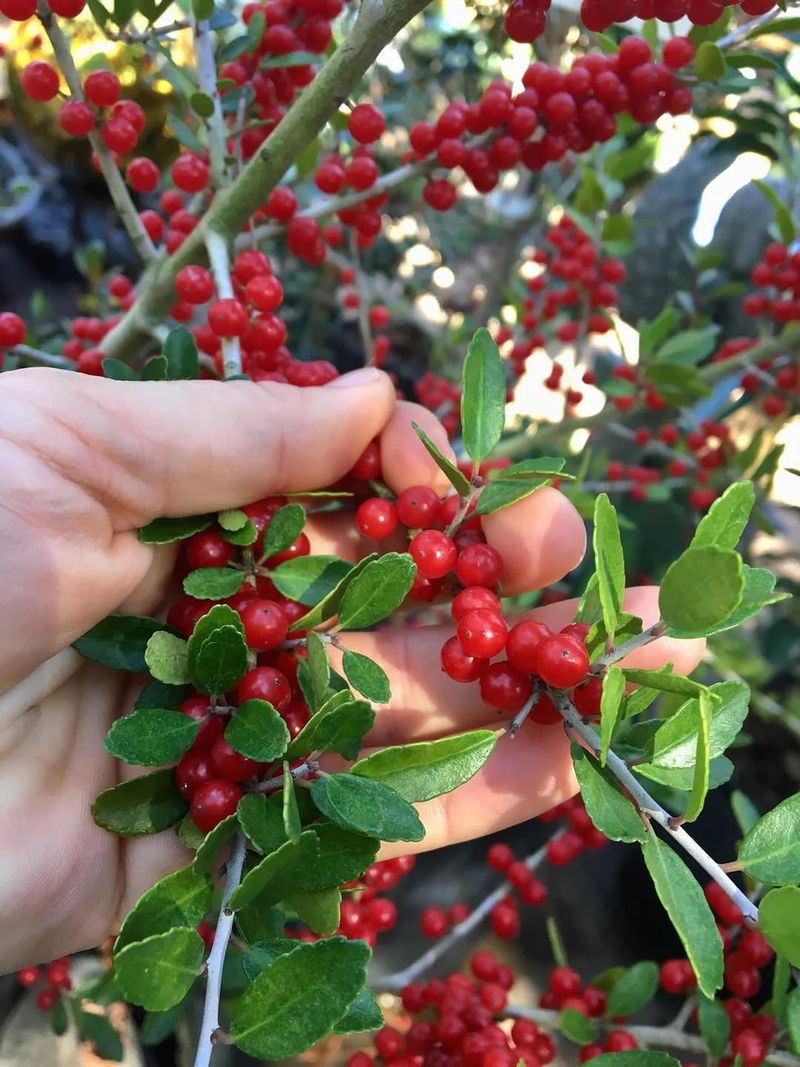
Yaupon Holly might have one of the most unfortunate scientific names in the plant world, but do not let that fool you. This evergreen native is one of the most adaptable and useful shrubs you can plant in a Texas front yard.
It grows in almost any soil type, from sandy coastal ground to heavy clay in North Texas, and it handles both drought and occasional flooding without complaint.
Female Yaupon Holly plants produce clusters of bright red berries that cling to the branches through winter, giving your front yard a festive, colorful look even when everything else looks bare.
Birds love these berries and will visit your yard regularly once the plant matures. The glossy, dark green leaves stay on the plant year-round, providing consistent structure and privacy.
One of the best things about Yaupon Holly is how flexible it is when it comes to shaping. You can trim it into a formal hedge, sculpt it into a small tree form, or simply let it grow into a full, natural mound.
It responds well to pruning and bounces back quickly. Planted in spring, it gets enough time to settle its roots before Texas summers heat things up.
Mature plants need very little supplemental watering, which makes them a smart choice for water-conscious Texas homeowners.
Whether you want structure, color, or wildlife support in your front yard, Yaupon Holly checks every box with minimal effort on your part. It truly earns its place in any Texas landscape.
4. American Beautyberry (Callicarpa Americana)
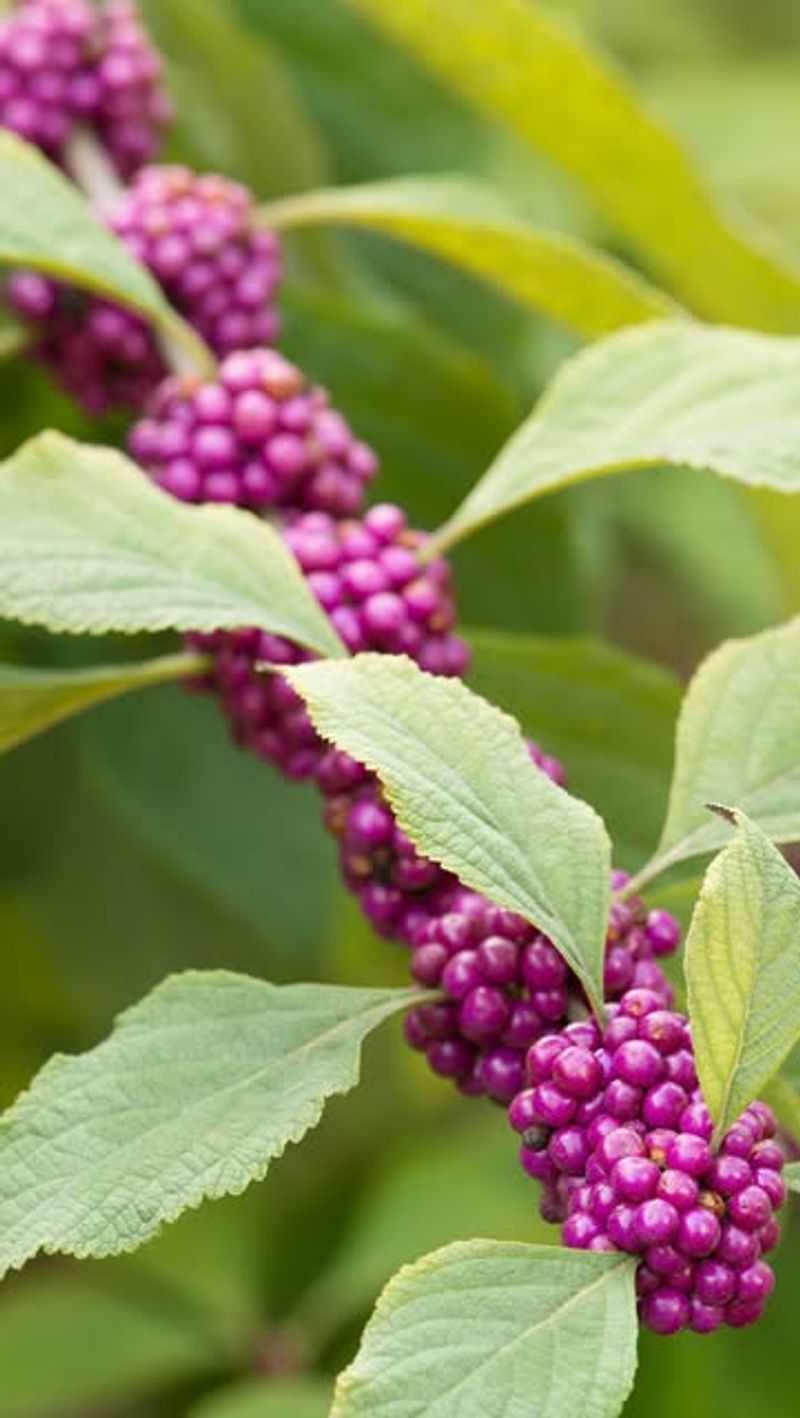
Few shrubs in Texas stop people in their tracks quite like American Beautyberry. In late summer and fall, its branches become lined with tight clusters of jaw-dropping magenta-purple berries that look almost too bright to be real.
Neighbors will ask what it is, and you will enjoy telling them it is a Texas native that practically takes care of itself.
American Beautyberry is native to East and Central Texas, where it grows naturally along roadsides and woodland edges. It thrives in partial shade, making it an excellent choice for front yards with afternoon shadow from trees or a covered porch.
The plant grows quickly, reaching four to eight feet tall, and its arching branches give it a graceful, natural appearance.
Spring is a great time to get it in the ground because the cooler temperatures help the roots establish without the shock of summer heat. It tolerates a range of soil types but does best with some organic matter mixed in.
Water it consistently during the first growing season, and it will reward you with strong growth by midsummer.
Beyond the berries, American Beautyberry produces small lavender flowers in summer that attract pollinators. Birds flock to the berries in fall and winter, turning your front yard into a lively natural habitat.
Cutting the plant back hard in late winter encourages vigorous new growth each spring. For any Texas yard that needs a showstopping, wildlife-friendly native, this shrub is a clear winner.
5. Dwarf Palmetto (Sabal Minor)
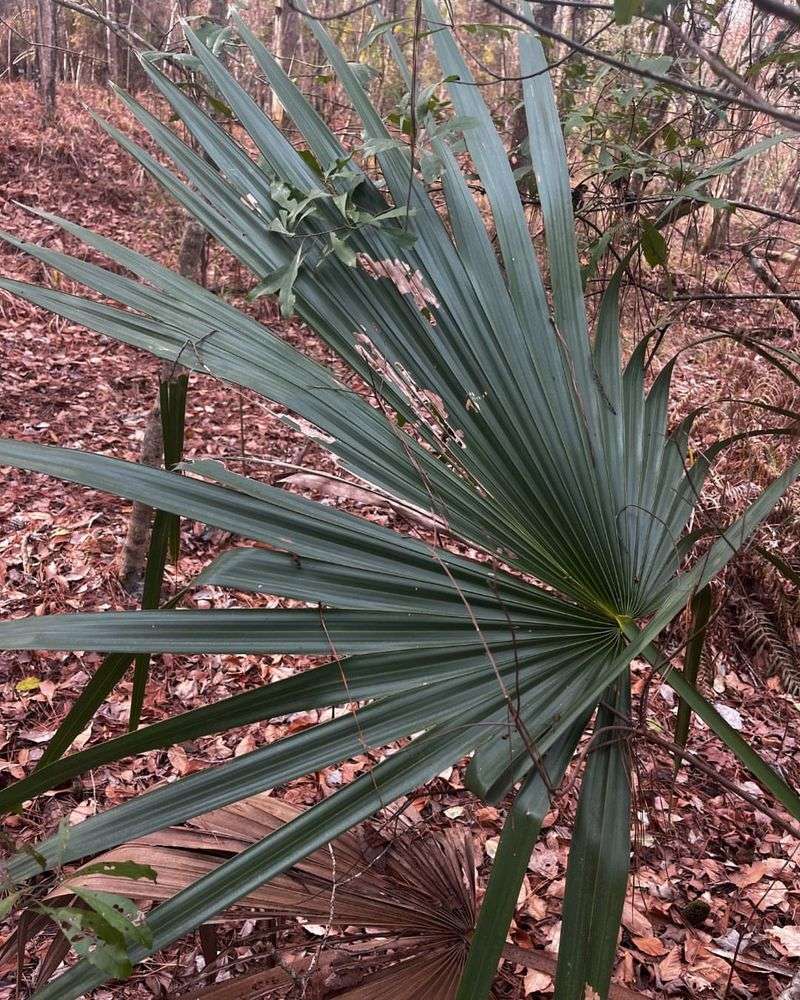
Want your Texas front yard to look like a tropical getaway without actually living in the tropics? Dwarf Palmetto brings that lush, vacation-worthy vibe with almost zero maintenance required.
Unlike its taller palm cousins, this low-growing native stays close to the ground, usually reaching only three to six feet tall, which makes it perfect for layering into a front yard design without overwhelming the space.
Dwarf Palmetto is native to Southeast Texas and thrives in areas with heat and humidity. What makes it truly impressive is its toughness.
It handles both extended drought and occasional flooding, which is a rare combination. It also grows well in shade or partial shade, so it works beautifully under large trees where other plants struggle to survive.
Planting in spring gives Dwarf Palmetto the warmth it needs to start pushing out new fronds. It prefers moist, well-drained soil but adapts to heavier clay soils common in many Texas regions.
Once established, it requires almost no additional care. No heavy pruning, no constant watering, and no fertilizing schedule to stress over.
The bold, fan-shaped fronds create a dramatic, year-round focal point that looks great paired with smaller flowering natives. Wildlife also benefits from this plant, as birds and small animals use the dense fronds for shelter.
For Texas homeowners who want a unique, low-effort statement plant that fits naturally into the local ecosystem, Dwarf Palmetto is an inspired and rewarding choice.
6. Flame Acanthus (Anisacanthus Quadrifidus Var. Wrightii)
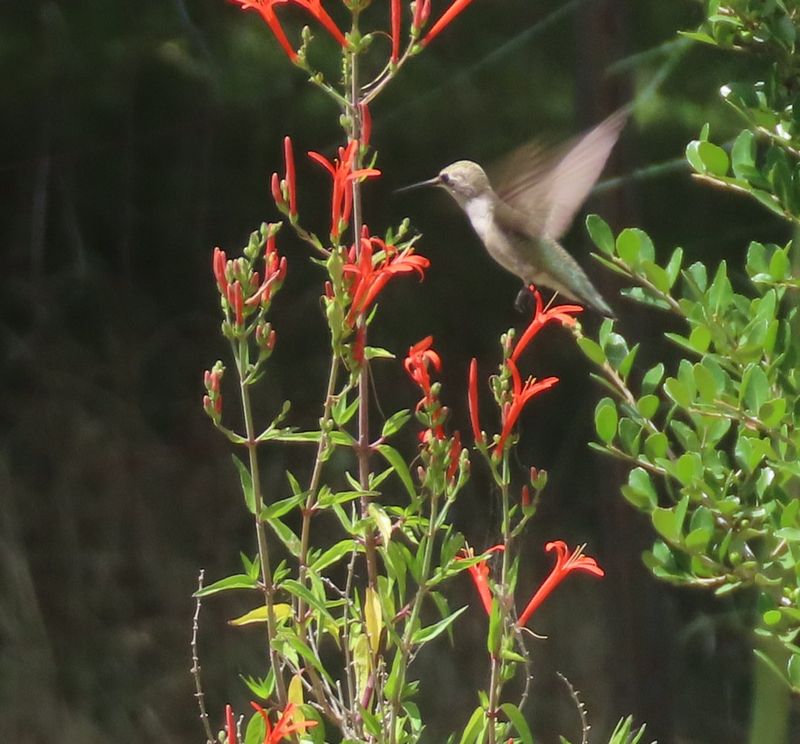
Picture a shrub that lights up your Texas front yard like a flame from summer straight into fall. That is exactly what Flame Acanthus does.
Its clusters of narrow, tubular flowers in vivid shades of red and orange are practically irresistible to hummingbirds, who dart back and forth between the blooms all season long. Watching that kind of action from your front porch never gets old.
Flame Acanthus is built for the Texas heat. It loves full sun and actually performs better in poor, dry, rocky soil than in rich garden beds.
Overwatering or overly fertile soil can cause it to produce more leaves than flowers, so less really is more with this shrub. It grows three to five feet tall and wide, making it a manageable size for most front yard spaces.
Spring planting sets this shrub up perfectly. As temperatures rise through late spring and into summer, Flame Acanthus hits its stride and begins producing its signature blooms.
It is drought-tolerant once established and rarely needs supplemental irrigation in most parts of Texas. This makes it a smart pick for water-wise landscaping across the state.
Cutting it back in late winter or early spring encourages fresh, bushy growth and even more flowers during the blooming season. Butterflies are also frequent visitors, adding even more life and movement to your yard.
For a Texas front yard that needs bold color, wildlife appeal, and genuine toughness, Flame Acanthus delivers without asking for much in return.
7. Agarita (Mahonia Trifoliolata)
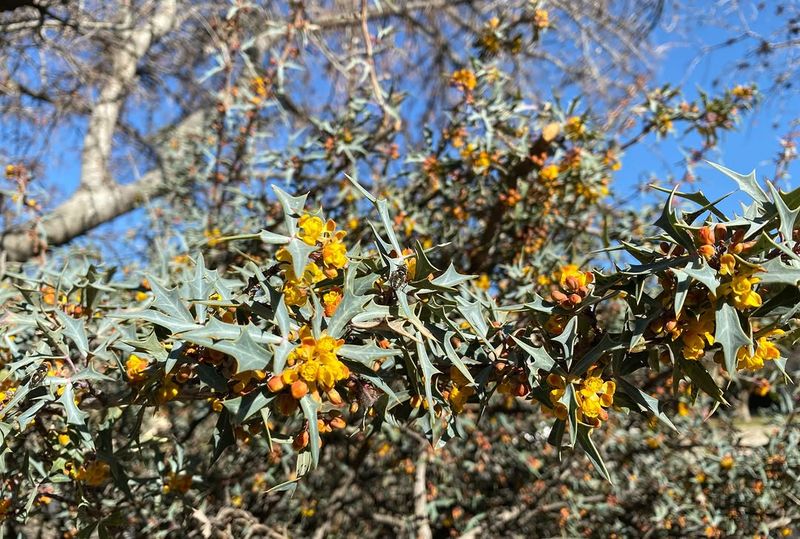
Agarita is the kind of plant that has been quietly thriving in Texas long before anyone started talking about native landscaping trends. This tough, spiny evergreen shrub is a fixture of the Texas Hill Country and grows across Central, West, and South Texas in rocky, limestone-rich soils.
In early spring, it erupts in clusters of small, intensely fragrant yellow flowers that fill the air with a sweet, honey-like scent.
After the flowers fade, Agarita produces small red berries that ripen by late spring or early summer. Birds love them, and they can even be used to make jelly, which is a fun tradition in many Texas households.
The spiny, blue-green leaves stay on the plant year-round, providing structure and texture even in the depths of winter when other shrubs look bare and dull.
Planting Agarita in spring works well because the mild conditions allow the roots to anchor into the soil before summer heat arrives. It strongly prefers well-drained soil and full to partial sun.
One of its biggest strengths is its extreme drought resistance. Once established, it rarely needs any supplemental watering, even during Texas summers.
The dense, prickly growth also makes Agarita a natural deterrent for unwanted foot traffic near foundations or property edges. It provides excellent erosion control on slopes and supports local wildlife throughout the year.
For Texas gardeners who want a no-fuss, four-season native shrub with real character and history, Agarita is a deeply satisfying and rewarding choice.