Simple Soil Fixes Oregon Raised Beds Need Before May Planting
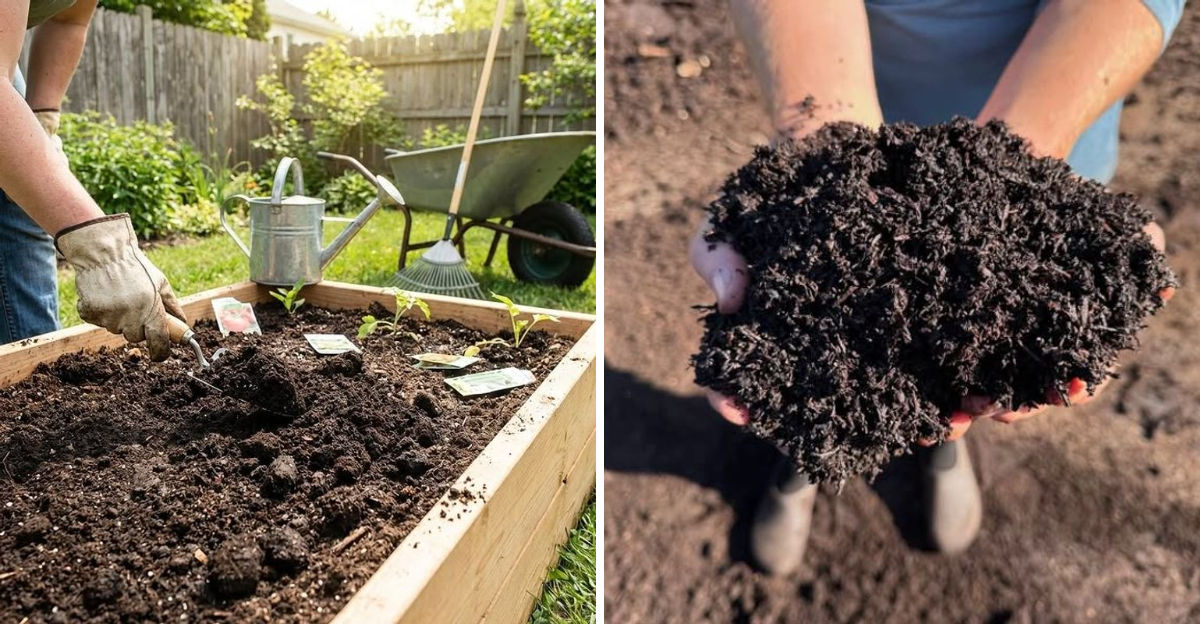
Is there anything more satisfying than seeing your raised beds soak up that first bit of Oregon spring sun? It’s true that these beds warm up faster than the ground, but here’s the catch: a head start only counts if your soil is actually ready for action.
Whether you’re gardening in the misty Willamette Valley or the high desert, lingering winter moisture and cool temps can quietly sabotage your May harvest before you even begin.
Luckily, prepping your soil doesn’t have to be a chore or a massive expense.
Most fixes are surprisingly simple and budget-friendly! By tackling these essential steps now, you’re giving your veggies the rock-solid foundation they need to thrive all summer long.
1. Test Soil pH Before Adding Lime Or Other Amendments
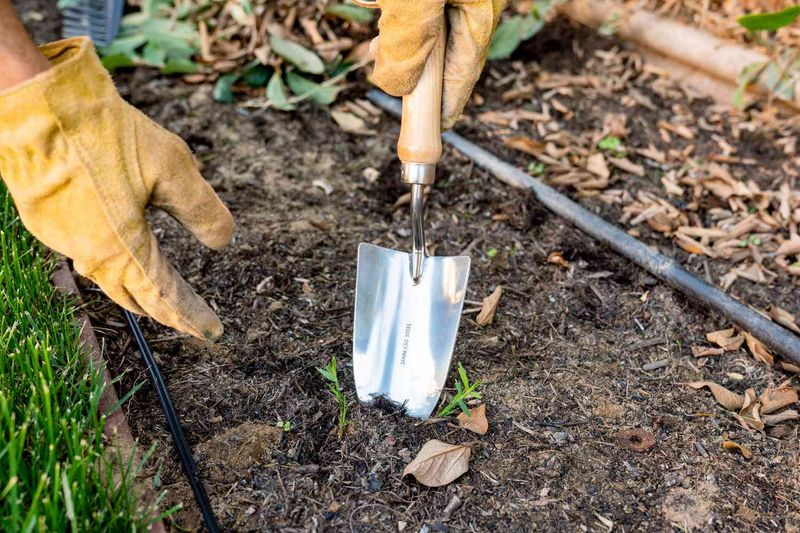
Raised beds in Oregon can develop surprisingly acidic soil over time, especially after wet winters that leach nutrients and shift pH levels without any visible warning signs.
Knowing your soil pH before you add anything else is one of the smartest moves you can make in early spring.
Most vegetables prefer a pH somewhere between 6.0 and 7.0, and even a small shift outside that range can limit how well plants absorb nutrients already present in the soil.
A basic soil test kit from a local garden center works well for a quick snapshot, though sending a sample to a lab provides more detailed information.
Many local services offer affordable testing options with tailored amendment recommendations for your region, helping take much of the guesswork out of the process.
If your pH reads too low, agricultural lime can help bring it up gradually. If it reads too high, elemental sulfur is a common fix.
The key word here is gradual – rushing pH correction by adding too much at once can cause more problems than it solves.
Testing first means you only amend what actually needs adjusting, which saves money and protects the soil biology you have already built up in your raised bed over previous seasons.
2. Mix In Finished Compost To Improve Texture And Organic Matter
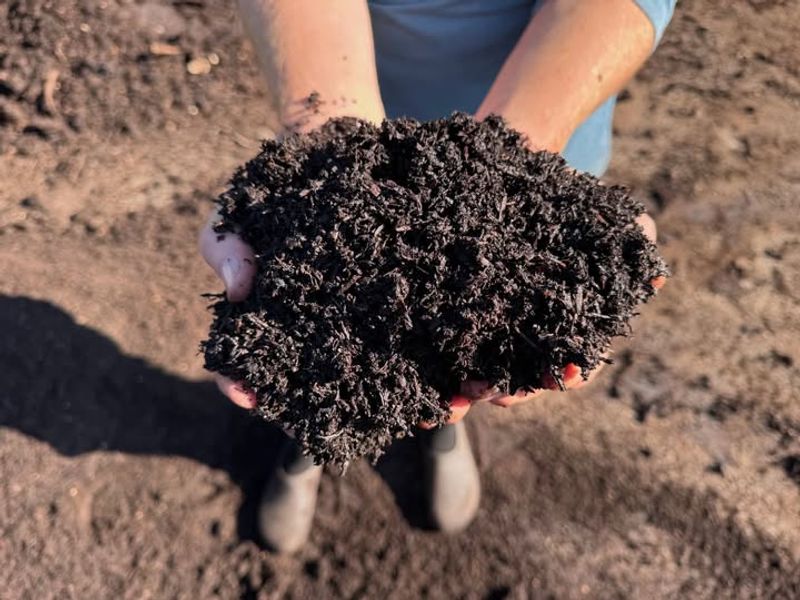
Few soil fixes deliver as much benefit as working finished compost into a raised bed before planting season begins.
Compost improves soil texture, feeds beneficial microbes, helps retain the right amount of moisture, and slowly releases nutrients that vegetables rely on during early growth.
In Oregon, where spring soils can swing between waterlogged and compacted depending on the week, compost acts as a kind of natural buffer that keeps conditions more stable.
Finished compost looks dark, crumbly, and earthy – not like recognizable food scraps or yard clippings.
Spreading a two to three inch layer across the surface of your raised bed and working it in with a fork or trowel is usually enough to make a noticeable difference.
You do not need to dig deeply or turn the entire bed to get results.
Homemade compost is a great option if you have it ready, but bagged compost from a garden center works just as well. Some Oregon gardeners also source compost through local municipal programs that offer yard debris compost at low cost.
Your Oregon Garden Changes Every Week. Your Plan Should Too.
Gardening in Oregon changes quickly throughout the season. Every Friday you’ll receive a simple weekly plan showing exactly what to plant, prune, fertilize, harvest, and protect so you never miss the right timing.
Whatever the source, the organic matter you add now will continue breaking down through the growing season, steadily improving the soil structure your plants root into.
Starting with a generous compost layer is one of the most reliable ways to set your raised bed up for a productive spring.
3. Loosen Compacted Soil So Roots Can Spread More Easily
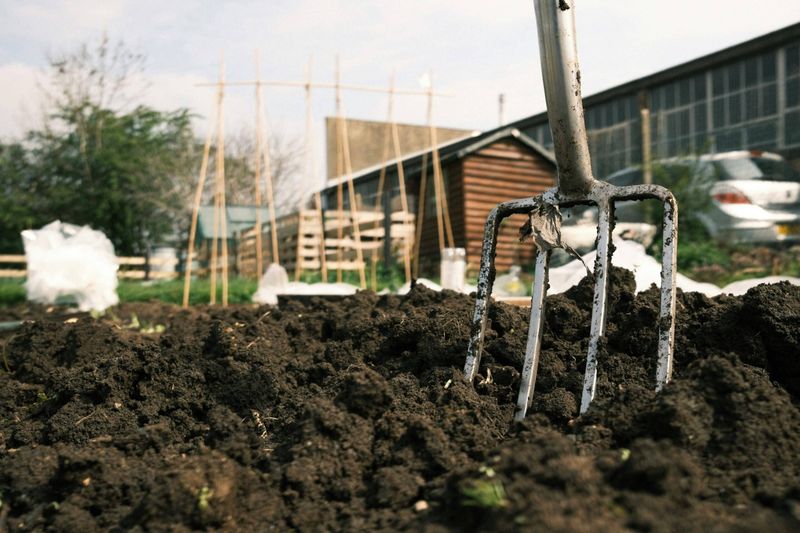
Walk past a raised bed that sat untouched through an Oregon winter and you might notice the soil surface looks a little sunken or unusually firm.
Repeated rain, gravity, and the natural settling of organic matter all contribute to compaction over time, even in beds that were fluffy and loose when first built.
Compacted soil makes it harder for seedling roots to push downward, and it can slow drainage just enough to create soggy pockets that stress young transplants.
Loosening the soil before May planting does not require heavy equipment or a full rebuild of the bed.
A garden fork pushed in about eight to ten inches and gently rocked back and forth is usually enough to break up most compaction without destroying the beneficial structure that already exists.
Working in rows across the bed and overlapping each pass slightly gives you even coverage.
The goal is to create a loose, airy texture that roots can move through without resistance. You are not trying to pulverize the soil into powder – just open it up enough so water drains evenly and roots have room to explore.
If you find dense clumps that resist the fork, mixing in a bit of compost or perlite as you loosen can help those spots hold a more open structure through the growing season.
A little loosening now pays off quickly once planting begins.
4. Improve Drainage In Beds That Stay Wet Too Long In Spring
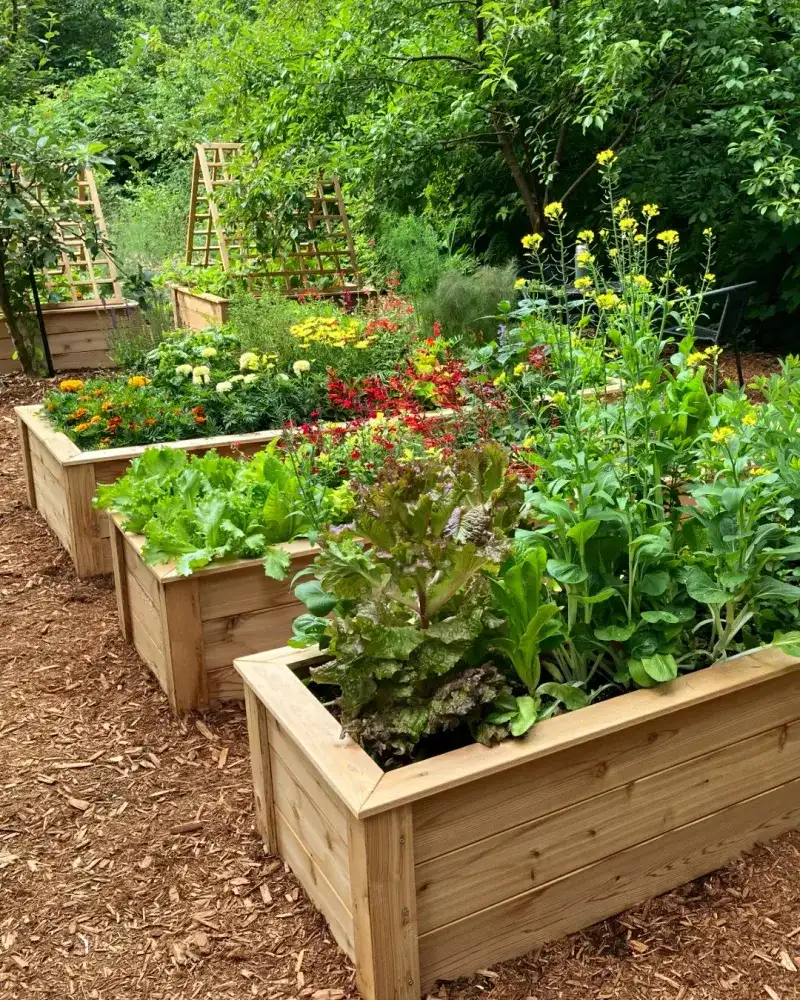
Oregon springs can be generous with rainfall, and while that moisture helps the landscape green up beautifully, it can also leave raised beds sitting wetter than ideal for weeks at a stretch.
Soil that stays saturated too long before planting pushes out the air pockets that roots depend on, and it creates conditions where certain soil pathogens become more active.
If your raised bed takes more than a couple of days to drain after a heavy rain, drainage improvement is worth addressing before May arrives.
One of the most practical fixes is mixing coarse materials directly into the top layer of soil.
Perlite and pumice are both popular choices among Oregon raised-bed gardeners because they open up the soil structure without adding nutrients that could throw off your balance.
A ratio of roughly one part amendment to four or five parts existing soil mix is a reasonable starting point for most beds.
Checking what sits beneath your raised bed also matters. If the bed rests on clay-heavy ground, even good drainage mix inside the bed can back up if water has nowhere to go underneath.
Raising the bed slightly or adding a layer of coarse gravel at the base during a rebuild can help in those situations.
For beds that drain reasonably well but just run slow, working in perlite and compost together often gives enough improvement to support healthy planting by May.
5. Skip Overworking Soil While It Is Still Too Wet
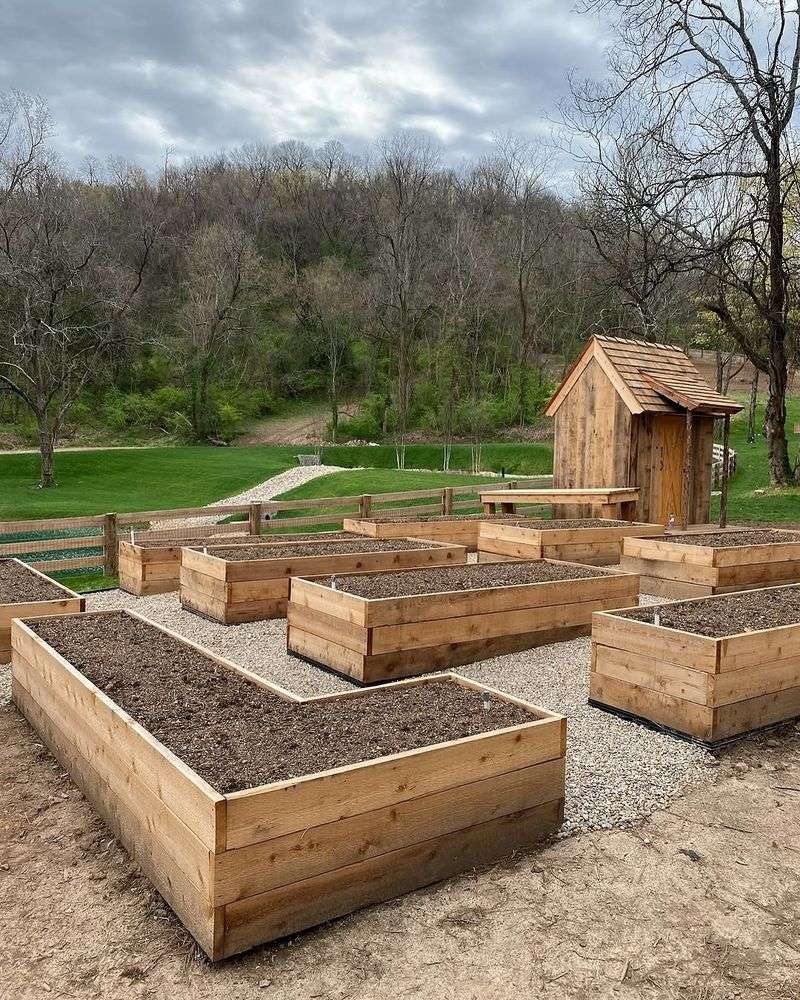
One of the most common spring mistakes Oregon raised-bed gardeners make is working soil too early when it is still holding too much moisture from winter rains.
The impulse to get out and start prepping beds as soon as February or March temperatures climb a little is completely understandable, but digging or tilling wet soil can cause lasting structural damage that takes months to correct on its own.
Wet soil compresses under pressure rather than crumbling, and that compression squeezes out the air pockets that plant roots need.
A simple squeeze test helps you decide whether the soil is ready to work. Grab a small handful and squeeze it firmly, then open your hand.
If the ball of soil holds its shape and feels sticky or smears when you press it with a finger, it is still too wet. If it crumbles apart easily, you are likely in good shape to start amending and loosening.
Patience here really does protect your investment in the bed.
Waiting even one or two extra weeks for soil to dry to the right moisture level can make a dramatic difference in how well it responds to amendments and how freely roots move through it later.
Covering the bed with a simple row cover or plastic sheet during wet stretches can help the surface dry a bit faster, giving you a better window to work before May planting begins.
6. Add Fertilizer Only If The Bed Actually Needs It
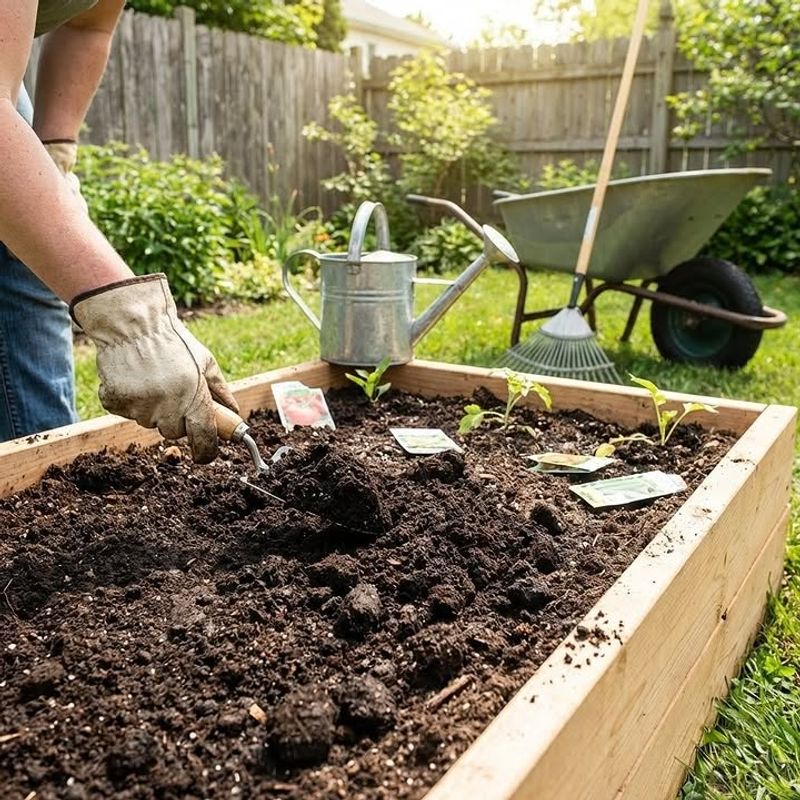
Fertilizer aisles at garden centers are tempting in spring, and it is easy to assume that adding more nutrients is always better for your raised bed. In reality, over-fertilizing can cause just as many problems as a nutrient shortage.
Too much nitrogen, for example, tends to push leafy growth at the expense of fruit and root development, and excess phosphorus can interfere with how plants take up other minerals they need.
Raised beds that receive fresh compost each season often already have enough nutrients to support early vegetable growth without additional fertilizer inputs.
Compost breaks down slowly and releases nutrients in a form that plants can access over time, which is a gentler and more balanced approach than a heavy dose of concentrated fertilizer right before planting.
If a soil test shows that your bed is genuinely low in nitrogen or another key nutrient, a light application of a balanced organic fertilizer worked into the top few inches of soil before planting is a reasonable response.
Granular organic options tend to release more slowly than synthetic versions, which reduces the risk of burning tender seedling roots.
In Oregon, where spring soils can still be cool and microbial activity is just starting to ramp up, slow-release organic fertilizers often perform more reliably than fast-acting synthetic blends during the transition into May planting season.
7. Blend In Phosphorus Or Potassium If A Soil Test Calls For It
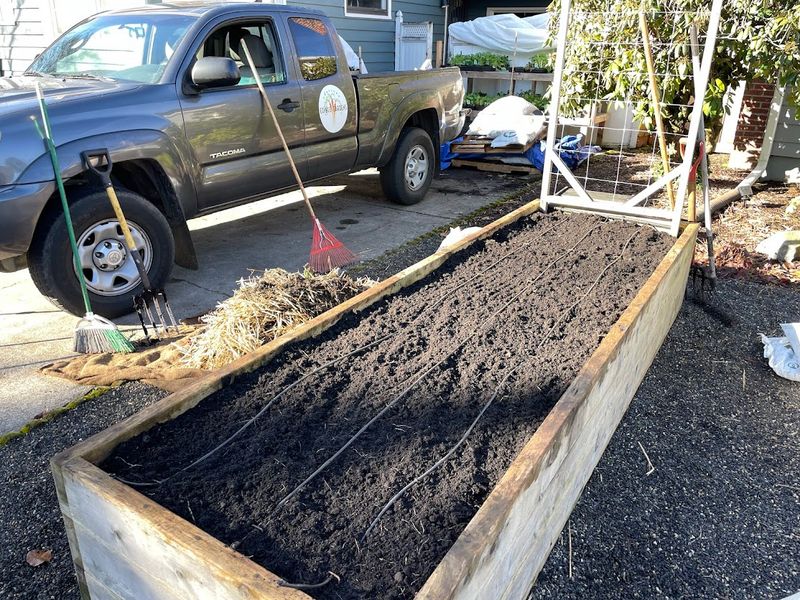
Soil tests sometimes reveal that a raised bed is short on phosphorus or potassium even when it looks healthy on the surface.
Both nutrients play important roles in plant development – phosphorus supports root establishment and early flowering, while potassium helps plants manage water, build strong cell walls, and resist stress during temperature swings.
Oregon’s cool, wet springs can make both nutrients harder for plants to access if soil conditions are not quite right.
Bone meal is a widely available organic source of phosphorus that works well in raised beds because it releases slowly as soil temperatures rise. Greensand and kelp meal are popular potassium sources among Pacific Northwest gardeners who prefer organic inputs.
Working these amendments into the top six to eight inches of soil before planting gives them time to begin breaking down before roots arrive.
The important thing is to let a soil test guide these decisions rather than guessing. Adding phosphorus to a bed that already has plenty can lock up zinc and iron, creating new deficiencies you did not have before.
Potassium overload is less common but still possible in beds that have received repeated heavy amendments over the years. Targeted corrections based on actual test results are far more effective than broad applications of multiple products.
In Oregon raised beds, where soil mixes can vary widely from bed to bed, testing before amending is genuinely the most practical approach.
8. Keep Foot Traffic Out Of Raised Beds To Protect Soil Structure
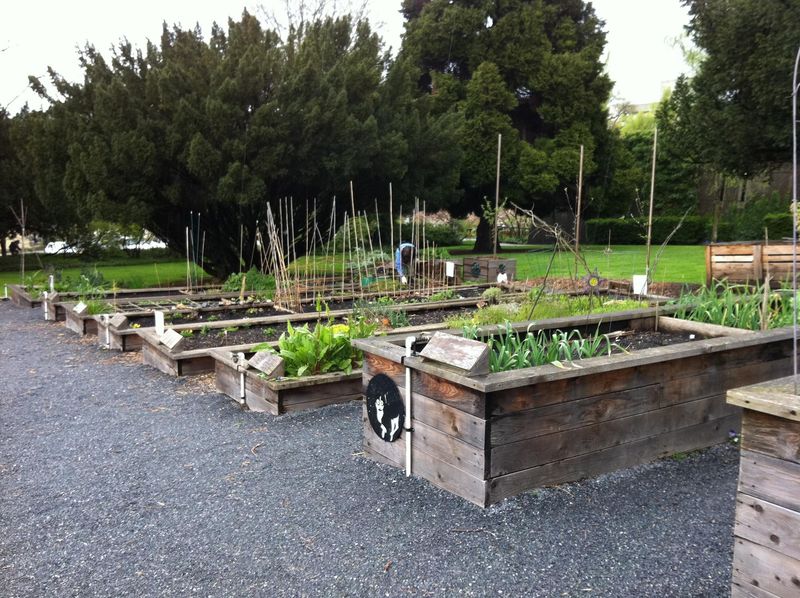
Raised beds have one structural advantage that in-ground garden plots often lack – they are designed to be worked from the sides, keeping feet off the growing area entirely.
That benefit only holds if gardeners actually stick to the paths and avoid stepping into the bed to reach plants or pull weeds.
Even one or two footsteps across damp spring soil can compress it noticeably, undoing some of the loosening and amending work you put in earlier.
In Oregon, where spring soil often holds more moisture than it appears to from the surface, foot traffic compaction can be especially stubborn.
Moist soil compresses more readily than dry soil, and once compressed it tends to stay that way until it dries out fully and gets worked again.
Keeping a simple stepping board or plank on hand for occasional access to the center of a wide bed is a low-effort way to distribute weight without damaging the soil underneath.
Building or reinforcing pathways between beds before the season starts is also worth the time. Solid, defined paths remind everyone in the household – kids included – where it is fine to walk.
If your raised beds are wider than about four feet, consider whether you can comfortably reach the center from either side without stepping in.
Protecting soil structure through the spring setup period means your May planting goes into ground that is genuinely ready to support strong root growth from the very first day.