Pennsylvania Plants That Attract Baltimore Orioles To Your Yard Every Spring
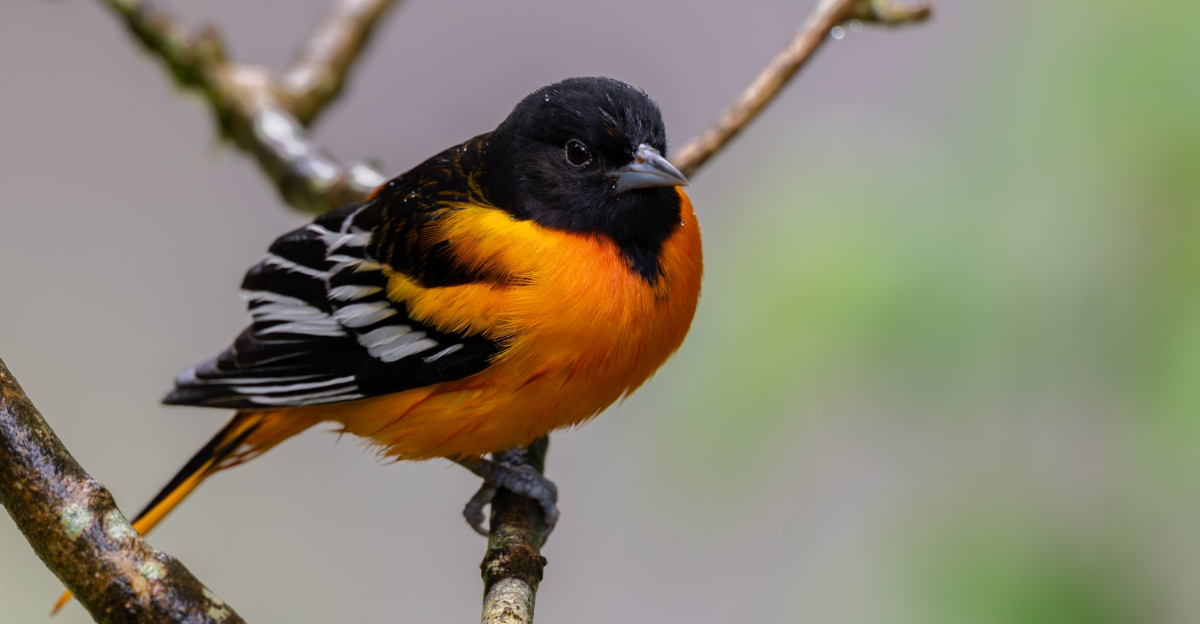
There is something special about spotting the first Baltimore oriole of the season in Pennsylvania. That flash of orange and black can stop you in your tracks, whether you are rinsing off gardening gloves, refilling the birdbath, or just looking out the kitchen window with your morning coffee still in hand.
A lot of people try to attract orioles with fruit feeders, and that can help, but plants play a bigger role than many homeowners expect.
The right flowers, shrubs, and trees can offer nectar, shelter, and insect activity that makes a yard more inviting during spring migration and nesting season.
That is where the garden starts doing more of the work for you.
Pennsylvania yards have real potential to draw these birds in when the planting choices line up with what they need. The plants ahead are the ones most likely to turn a hopeful glance outside into a repeat visit.
1. Serviceberry Brings Early Food And Spring Beauty
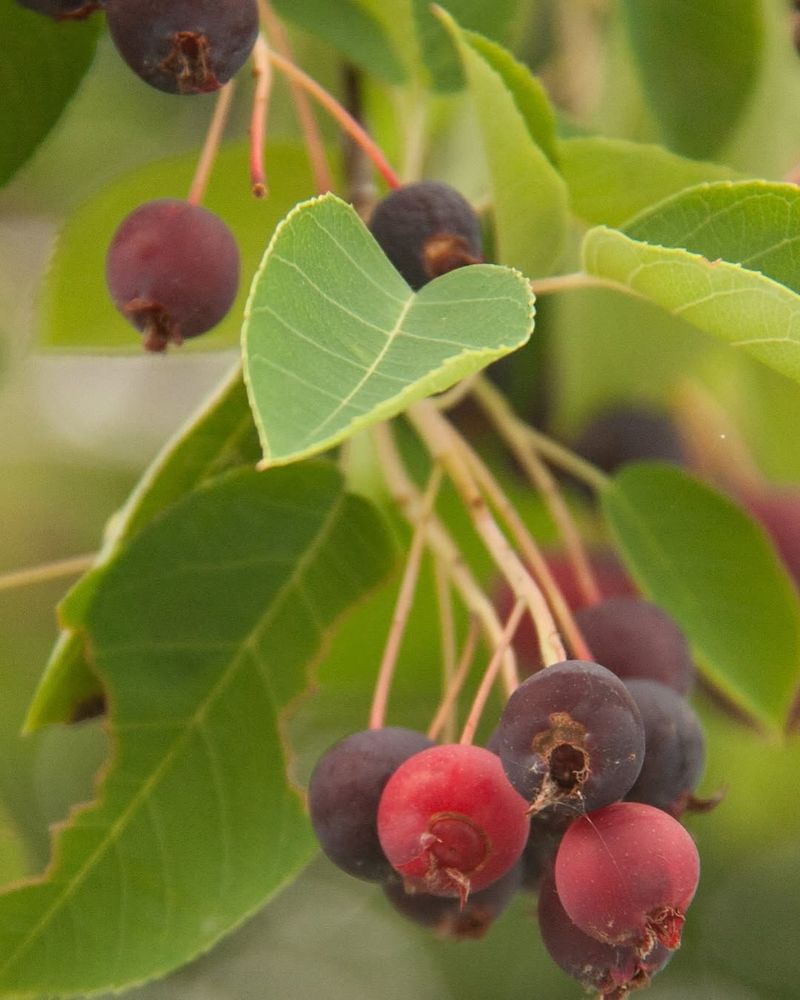
Few plants earn their place in a Pennsylvania yard quite like the Serviceberry. Known scientifically as Amelanchier spp., this native shrub or small tree bursts into bloom in early spring, right around the same time Baltimore Orioles begin arriving after their long migration north.
The timing is almost perfect, as if nature planned it that way.
Serviceberry produces small, sweet berries that ripen in early summer, turning from red to a deep purple-blue color. Orioles absolutely love these fruits, and you will often spot them hopping through the branches looking for the ripest ones.
The berries are also packed with energy, which is exactly what migrating birds need after a long journey.
Beyond feeding orioles, Serviceberry is a beautiful landscape plant that works well in Pennsylvania gardens of all sizes. It thrives in both full sun and partial shade, making it easy to place almost anywhere in your yard.
The tree also provides excellent nesting cover, which gives orioles even more reason to stick around.
Planting a Serviceberry near a window gives you a front-row seat to some incredible birdwatching action. Native plant nurseries across Pennsylvania carry several Serviceberry varieties, so finding one suited to your soil type is simple.
Once established, the tree requires very little maintenance, making it a smart, low-effort addition to any wildlife-friendly garden.
2. Flowering Dogwood Adds Bright Blooms And Backyard Appeal
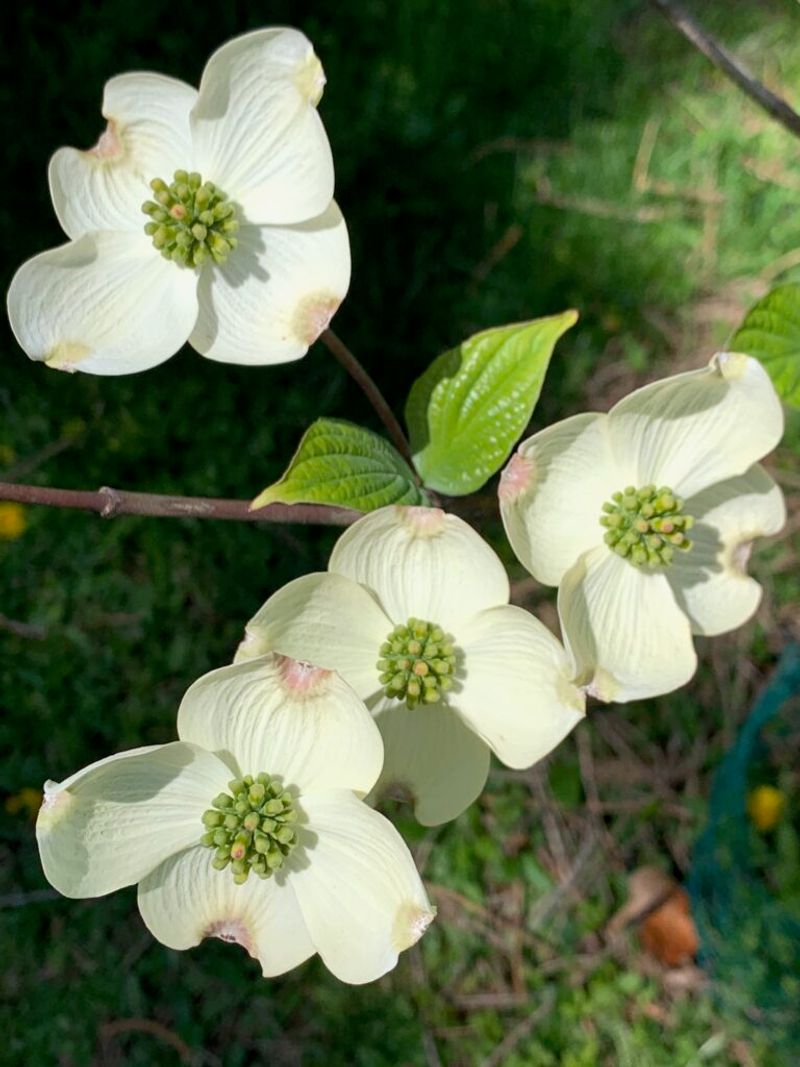
There is something almost magical about a Flowering Dogwood in full bloom. Cornus florida is one of Pennsylvania’s most beloved native trees, and its early spring flowers make it a showstopper in any yard.
But beyond its looks, this tree is also a fantastic resource for Baltimore Orioles passing through the region each year.
Flowering Dogwood produces clusters of small red berries that ripen in late summer and fall, giving orioles a reliable food source during key parts of the season. The berries are high in fat, which helps birds build up the energy reserves they need before and after long migrations.
Many Pennsylvania gardeners are surprised to learn just how many bird species a single Dogwood tree can support.
Your Pennsylvania Garden Changes Every Week. Your Plan Should Too.
Gardening in Pennsylvania changes quickly throughout the season. Every Friday you’ll receive a simple weekly plan showing exactly what to plant, prune, fertilize, harvest, and protect so you never miss the right timing.
The tree also provides dense branching that orioles and other songbirds use for shelter and nesting. Baltimore Orioles are known to weave their famous hanging nests high in deciduous trees, and Dogwood can still provide useful cover and structure in a yard.
Watching a pair of orioles raise their young in your yard is an experience you will not forget quickly.
Flowering Dogwood grows best in partial shade with moist, well-drained soil, which makes it a natural fit for many Pennsylvania landscapes. It stays relatively compact, usually reaching about 20 to 30 feet tall, so it works well even in smaller yards.
Plant one near a garden bed and enjoy both the beauty and the birdlife it brings.
3. Trumpet Honeysuckle Draws Orioles In Fast
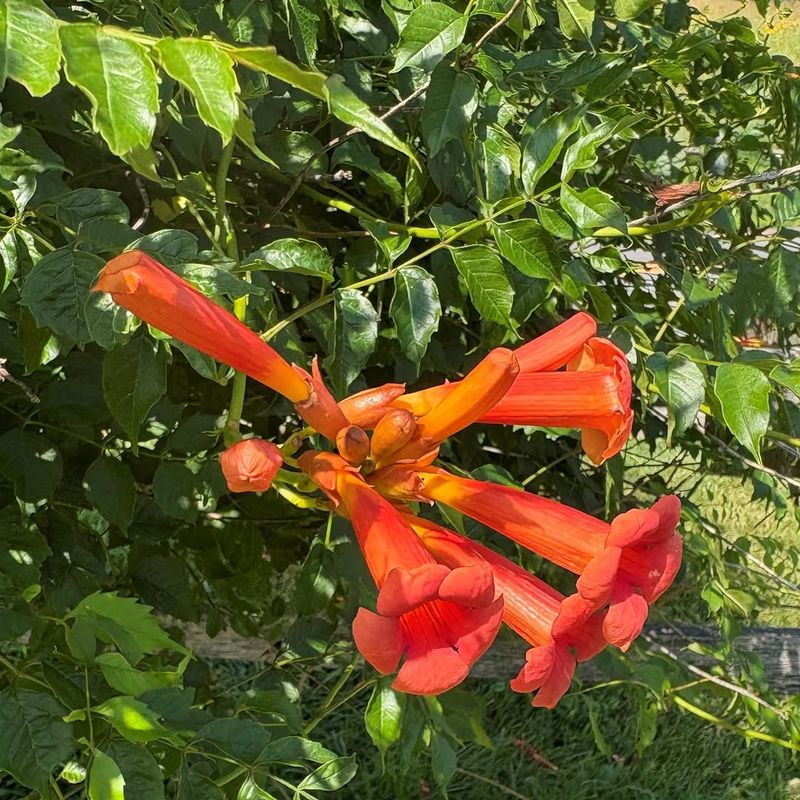
Bright, tubular, and packed with nectar, Trumpet Honeysuckle is basically a fast-food stop for Baltimore Orioles. Unlike the invasive Japanese Honeysuckle that causes problems in Pennsylvania woodlands, Lonicera sempervirens is a well-behaved native vine that pollinators and birds absolutely adore.
Growing it on a trellis, fence, or arbor adds both color and wildlife value to your yard.
The flowers bloom in shades of red, orange, and coral, which are colors that orioles are naturally drawn to. Their long, curved beaks are perfectly shaped to reach into the tubular blooms and sip the sweet nectar inside.
Planting Trumpet Honeysuckle near a patio or garden path means you will have a close-up view of orioles feeding just a few feet away.
This vine grows vigorously in full sun to partial shade and can handle a range of Pennsylvania soil types. Once established, it blooms from late spring through summer, giving orioles a long-lasting nectar source throughout their stay.
It also attracts hummingbirds, so your yard becomes a lively hub of activity during the warmer months.
Trumpet Honeysuckle is widely available at native plant nurseries and garden centers throughout Pennsylvania. It is also relatively drought-tolerant once it gets settled in, which makes it a practical choice for gardeners who do not want to water constantly.
Train it up a simple structure and let nature do the rest as the blooms multiply each season.
4. Spicebush Brings Shelter And Native Charm
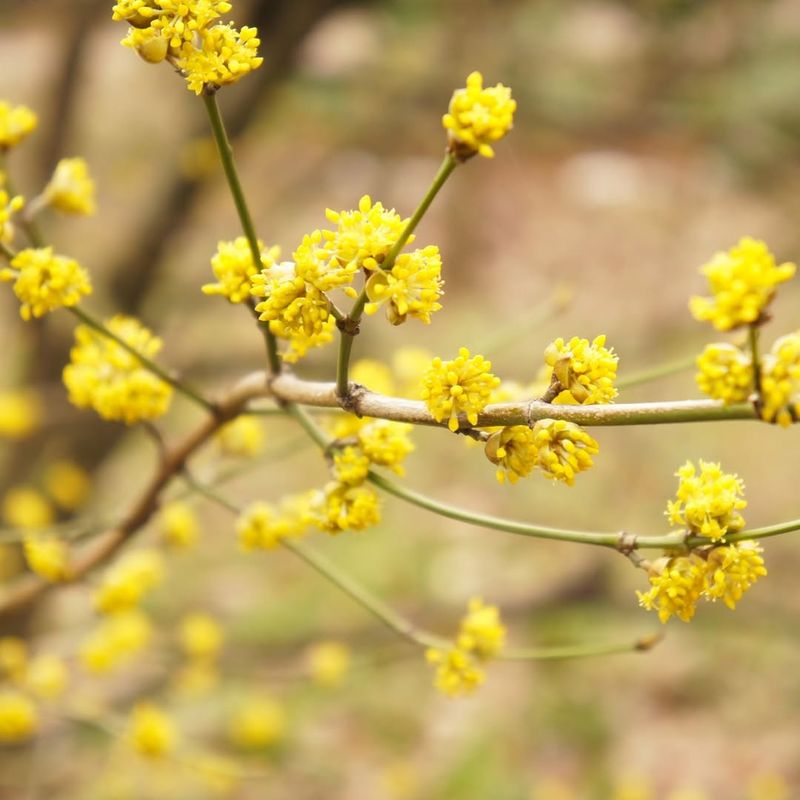
Walk past a Spicebush on a warm spring day and you will immediately understand why this native shrub is so special. Lindera benzoin releases a warm, spicy fragrance from its leaves, twigs, and berries that fills the air in a way few other plants can match.
But its appeal goes far beyond its scent, because Spicebush is also a powerhouse plant for wildlife, including Baltimore Orioles visiting Pennsylvania each spring.
The shrub produces small, bright red berries in late summer and fall that are rich in fat and highly nutritious. Orioles and other migrating birds rely on these berries to fuel up before heading south at the end of the season.
Having a Spicebush in your yard means you are supporting birds not just in spring, but throughout the entire year.
Spicebush thrives in shaded or partially shaded spots with moist soil, making it an ideal plant for Pennsylvania yards with tree cover. It grows into a rounded shrub about 6 to 12 feet tall and wide, providing both food and shelter for birds at the same time.
The yellow flowers it produces in early spring are also a welcome sign that warmer weather is on the way.
Beyond birds, Spicebush is the host plant for the beautiful Spicebush Swallowtail butterfly, which adds even more wildlife interest to your garden. Many native plant gardens in Pennsylvania include Spicebush as a foundational shrub because it is so easy to grow and so incredibly valuable to local ecosystems.
5. Eastern Redbud Lights Up The Yard In Spring
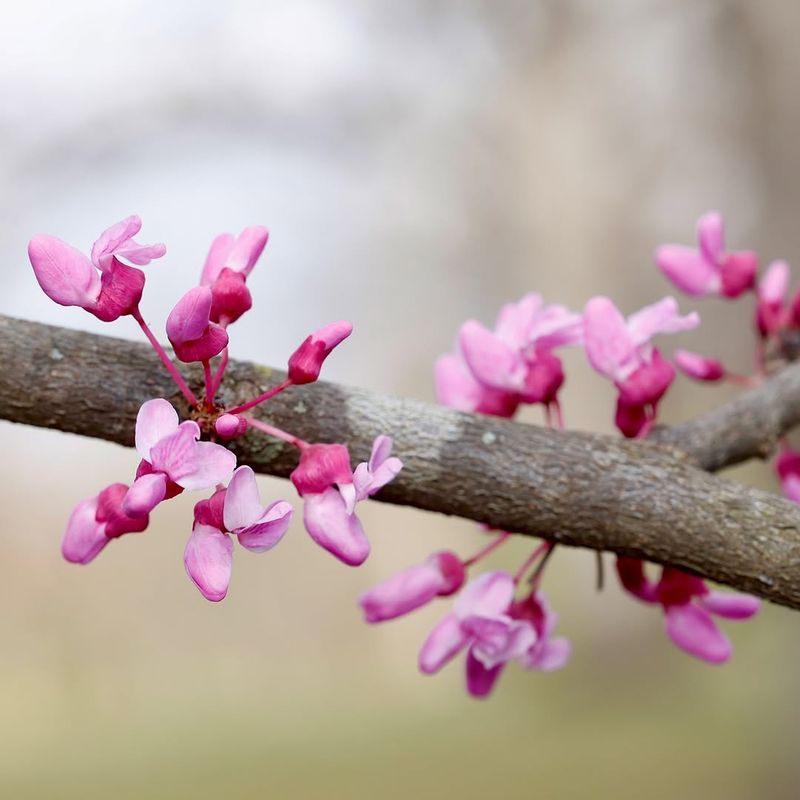
If you want a tree that stops traffic in spring, Eastern Redbud is your answer. Cercis canadensis explodes with vivid pink-purple flowers directly on its branches and trunk before a single leaf appears, creating one of the most dramatic early-spring displays in any Pennsylvania yard.
What many people do not realize is that those flowers are also a valuable food source for early-arriving Baltimore Orioles.
Orioles have been observed feeding on Redbud flowers, sipping nectar and occasionally eating the blooms themselves. Since Eastern Redbud flowers so early, it provides nutrition right when orioles first arrive after migration, giving them a warm welcome and a reason to linger in your yard.
Pairing a Redbud with other plants that bloom later in the season creates a food timeline that keeps orioles coming back repeatedly.
Eastern Redbud is a medium-sized tree, usually growing between 20 and 30 feet tall, with a graceful, spreading canopy that provides shade and nesting spots. It grows well across most of Pennsylvania in full sun to partial shade and tolerates a range of soil conditions.
Gardeners love it because it looks stunning even in small spaces and requires minimal care once established.
Beyond orioles, Eastern Redbud supports dozens of native bee species with its early nectar supply, making it a cornerstone plant for any pollinator-friendly garden. Look for locally sourced trees at Pennsylvania native plant sales, which are held at nature centers and arboretums throughout the spring season each year.
6. Wild Columbine Adds Color Orioles Notice
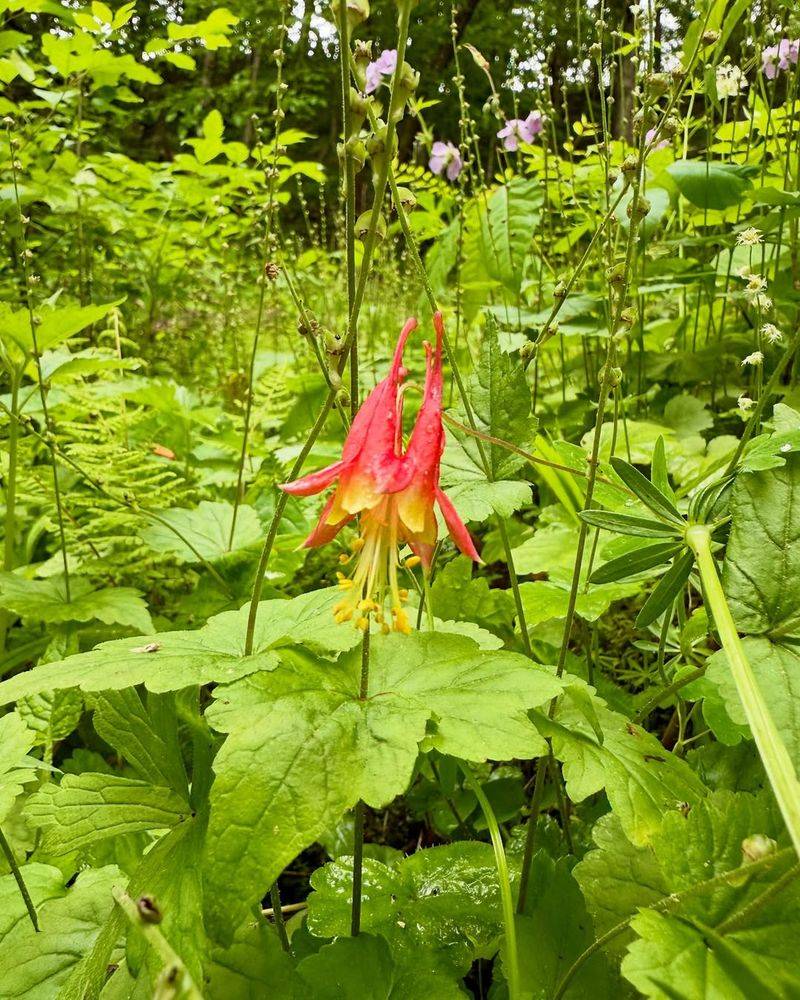
Aquilegia canadensis, commonly called Wild Columbine, is one of those plants that looks like it was designed with orioles in mind. The nodding, red and yellow flowers have long spurs filled with sweet nectar, and their color combination is practically irresistible to Baltimore Orioles.
Spotting an oriole hovering near a patch of Wild Columbine in a Pennsylvania garden is a moment that birdwatchers talk about for days.
Wild Columbine blooms in mid-spring, which lines up beautifully with oriole migration timing. The flowers dangle elegantly from slender stems, swaying in the breeze and catching the eye of passing birds.
Planting a mass of Wild Columbine along a garden border or woodland edge creates a colorful landing zone that orioles simply cannot resist exploring.
One of the best things about Wild Columbine is how easy it is to grow in Pennsylvania’s varied conditions. It thrives in rocky, well-drained soil and does well in both full sun and dappled shade, making it suitable for woodland gardens, rock gardens, and naturalized areas alike.
Once established, it self-seeds freely, so your colony of plants will spread naturally over time without much effort on your part.
Wild Columbine is also the host plant for the Columbine Duskywing skipper butterfly, adding extra ecological value to your garden. Many Pennsylvania nature centers recommend it as a starter plant for anyone building a native garden from scratch because it is reliable, beautiful, and packed with wildlife benefits from the moment it blooms.
7. Penstemon Brings Nectar And A Long Bloom Window
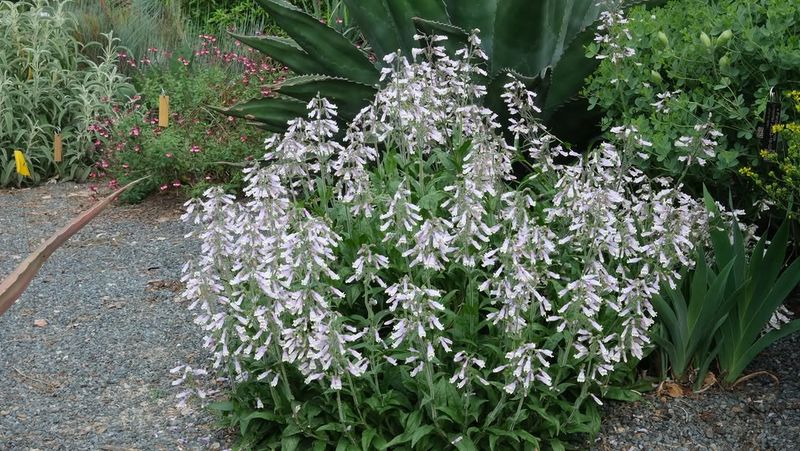
Tall, elegant, and absolutely buzzing with wildlife activity, Penstemon is a plant that earns serious admiration in any Pennsylvania garden. Penstemon digitalis, also known as Foxglove Beardtongue, sends up tall spikes of tubular white or pinkish flowers in late spring and early summer, right when Baltimore Orioles are actively feeding and setting up nesting territories.
The tubular shape of the blooms makes them perfectly accessible to orioles with their long, probing beaks.
Orioles may occasionally visit nectar-rich flowers, but Penstemon is more widely recognized for supporting hummingbirds, bees, and other pollinators. It is a great example of the mutual relationship between native plants and the birds that depend on them.
Watching an oriole work its way up a tall Penstemon spike, flower by flower, is one of those quiet garden moments that reminds you why planting native species matters so much.
Penstemon grows best in full sun with well-drained soil, and it is surprisingly drought-tolerant once established. It reaches about two to four feet tall, making it a striking mid-border plant that adds vertical interest to garden beds.
Several Penstemon species are native to Pennsylvania, so you have options when it comes to flower color and bloom time.
Gardeners who want to attract more wildlife to their Pennsylvania yards will find that Penstemon also brings in hummingbirds, native bees, and butterflies alongside orioles. It is a plant that works hard for your garden ecosystem without demanding much in return, making it a practical and rewarding choice for gardeners at every experience level.
8. Milkweed Supports A Livelier Spring Garden
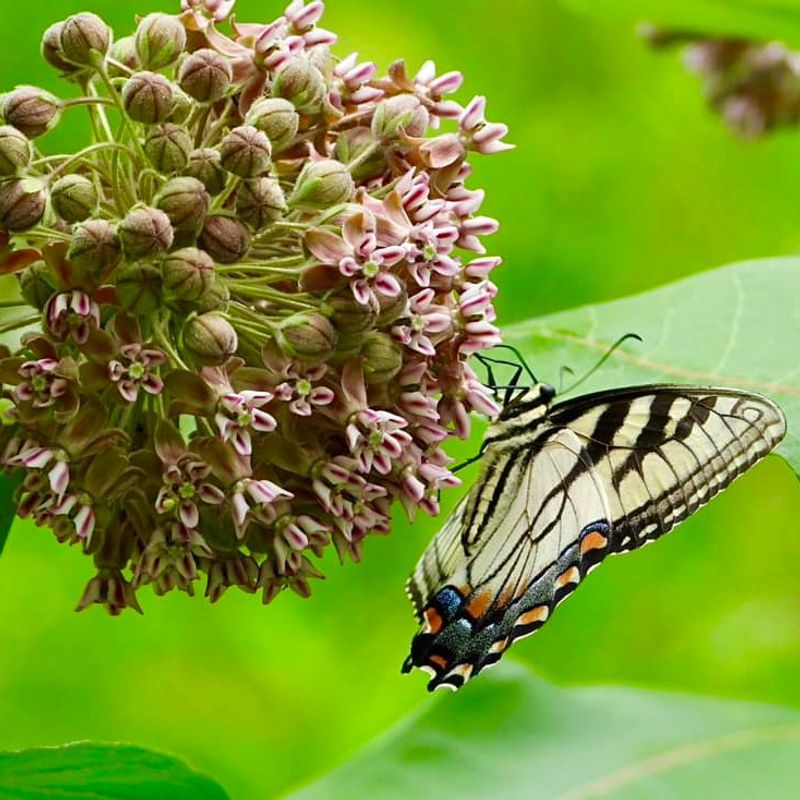
Most people think of Milkweed as the plant that saves Monarch butterflies, and while that reputation is well deserved, Milkweed has a secret second life as an oriole magnet. Baltimore Orioles visit Milkweed flowers for their abundant nectar, and the timing works out well since Common Milkweed blooms in early to midsummer when orioles are still active across Pennsylvania.
The fragrant pink-purple flower clusters are hard for any nectar-seeking bird to pass up.
Beyond nectar, Milkweed plays a fascinating role in oriole nesting. Baltimore Orioles are famous for weaving intricate hanging nests, and they actively seek out Milkweed fibers as a key building material.
The silky, strong fibers from Milkweed stems are ideal for nest construction, giving orioles another powerful reason to visit your Pennsylvania yard beyond just food.
Common Milkweed, Asclepias syriaca, grows easily in sunny spots with average to dry soil, and it spreads slowly through underground rhizomes to form a natural colony over time. It is incredibly low-maintenance once established and actually prefers to be left alone rather than fussed over.
Planting it along a garden border or in a naturalized meadow area gives it the space it needs to thrive.
For Pennsylvania gardeners who want maximum wildlife impact, combining Milkweed with other native plants like Wild Columbine and Trumpet Honeysuckle creates a layered habitat that supports orioles from arrival to departure each season. Adding Milkweed to your yard is one of the single best things you can do for both birds and butterflies in your neighborhood.