7 Signs You’re Overwatering Arizona Plants In Spring And How To Fix It
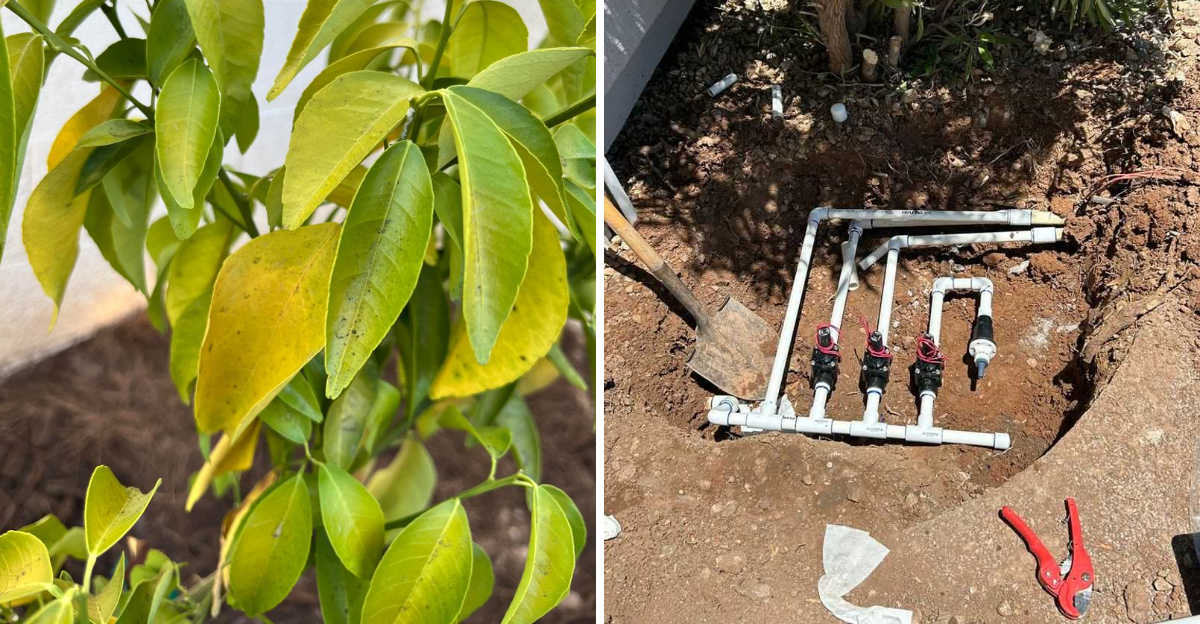
Spring in Arizona brings that moment when plants seem fine at a glance but something does not sit right. Growth loses its edge, color shifts, and it becomes hard to tell what changed.
Care stays the same, yet results do not match the effort.
Extra water feels like the safe move in a dry climate. It gives a sense of control when heat starts to build.
That small adjustment can quietly create a different kind of stress that shows up later in ways that do not point straight back to the cause.
This catches a lot of gardeners off guard each year. The signs are there, just not in the way most expect, and once they start stacking up, plants react fast.
1. Soil Stays Damp For Days Instead Of Drying Out Between Waterings
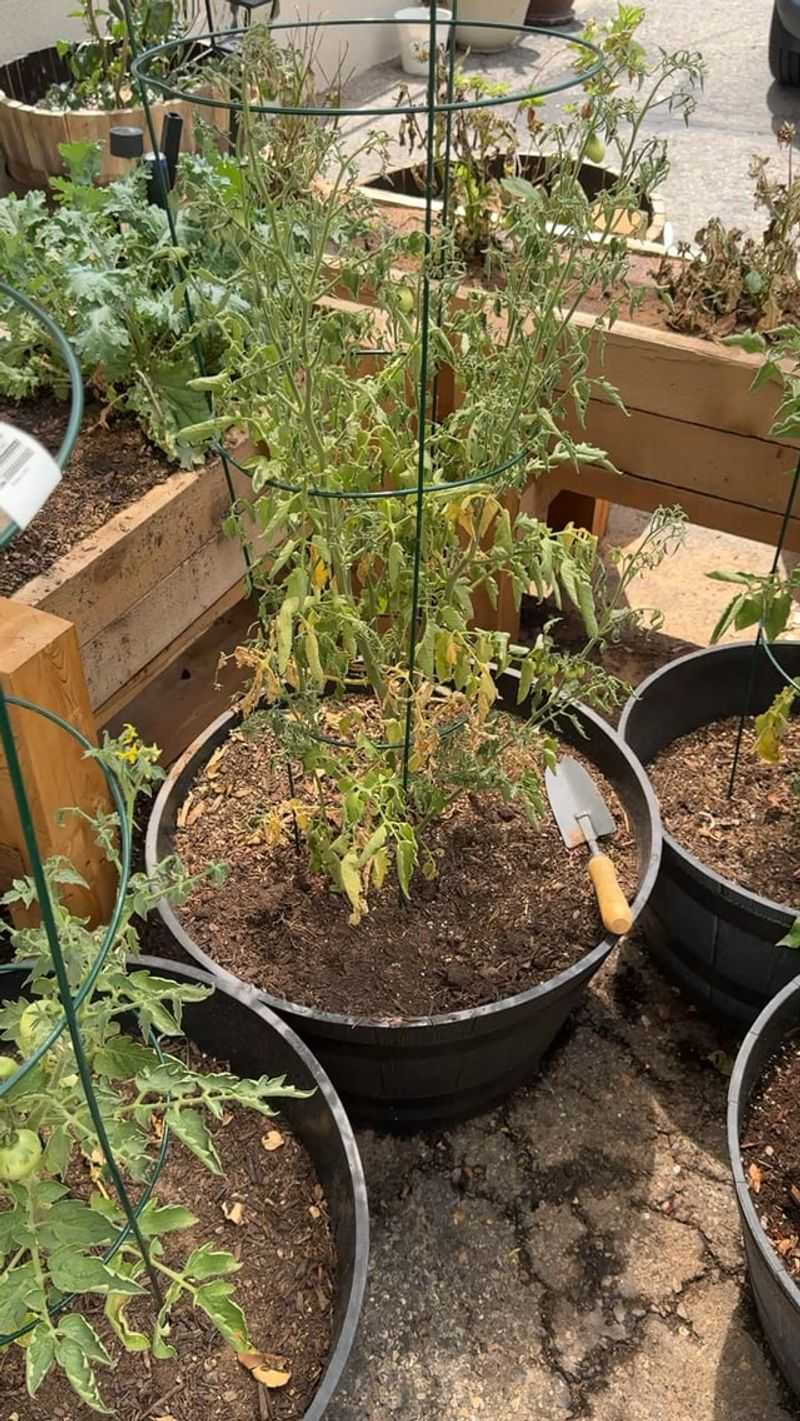
Wet soil that just never seems to dry out is one of the earliest red flags most Arizona gardeners overlook. In the Sonoran Desert climate, soil should cycle through wet and dry phases fairly quickly, especially in spring when temperatures are already climbing.
If you are pressing your finger two inches into the ground and still pulling it out damp three or four days after watering, something is off.
Arizona soil varies a lot depending on where you live. Caliche layers, heavy clay patches, and compacted ground in older neighborhoods can all slow drainage significantly.
Sandy desert soil, on the other hand, drains fast, which is why many plants here are wired to handle dry stretches without stress. When you water before the soil has had a chance to dry, you are stacking moisture on top of moisture.
A simple fix is to push a wooden chopstick or a screwdriver about three inches into the soil before you reach for the hose. If it comes out with soil clinging to it, hold off.
Moisture meters are inexpensive and take the guesswork out of the process entirely. They are widely available at local garden centers across the Phoenix and Tucson areas.
Spring watering schedules that worked in February often need scaling back by April. Longer days and warming soil mean evaporation speeds up, but plant roots in wet conditions cannot absorb water efficiently regardless.
2. Leaves Turn Yellow Even When The Plant Looks Full
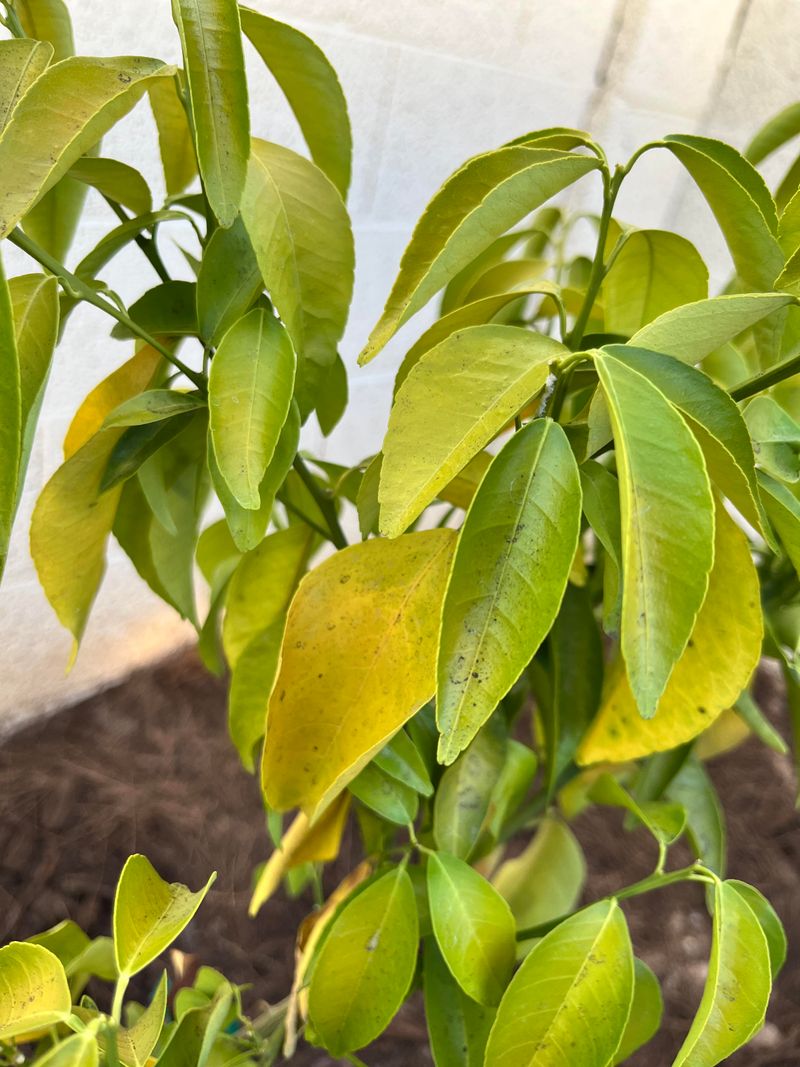
Yellow leaves showing up on a plant that otherwise looks bushy and full is a confusing sight, and it sends a lot of Arizona gardeners straight to the fertilizer bag. Nutrient deficiency is often blamed, but overwatering is actually a more common cause in spring.
When roots sit in wet soil too long, they cannot pull in oxygen, and that stress shows up first in the color of the leaves.
Yellowing from overwatering typically starts on the lower and inner leaves rather than at the tips or edges. Leaves may feel soft or slightly limp even before they drop.
If you are seeing this pattern on desert-adapted plants like lantana, bougainvillea, or desert willow, excess moisture is a strong suspect.
Before adjusting your fertilizer routine, check how often you have been watering. Pull back the mulch layer and feel the soil directly.
Your Arizona Garden Changes Every Week. Your Plan Should Too.
Gardening in Arizona changes quickly throughout the season. Every Friday you’ll receive a simple weekly plan showing exactly what to plant, prune, fertilize, harvest, and protect so you never miss the right timing.
Overwatered plants in Arizona often show yellowing even while the soil still feels damp to the touch, which is the clearest clue that water is the problem and not a lack of nutrients.
Cutting back on irrigation and letting the soil dry out completely for a week or two often helps the plant stabilize. New growth that comes in after the soil dries tends to look greener and healthier.
3. Soft Mushy Roots Signal Early Root Rot Problems
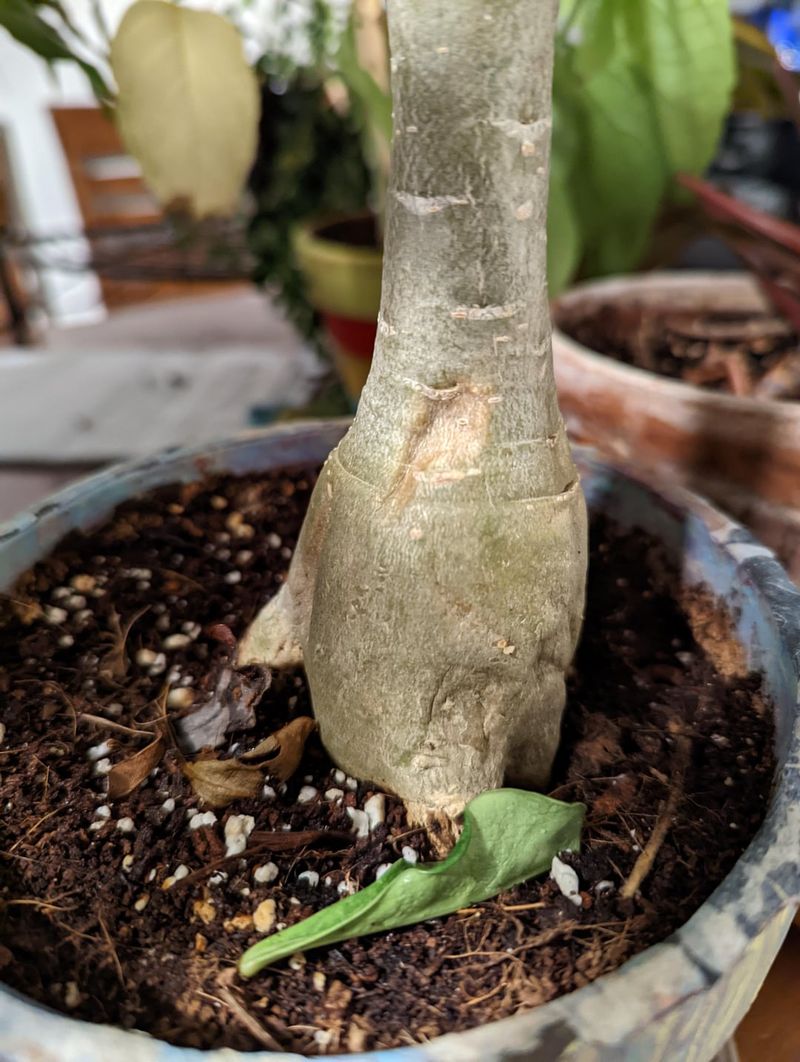
Root rot does not announce itself loudly. By the time you notice anything above ground, the damage underground may already be well underway.
Healthy roots on most Arizona plants should feel firm and look white or light tan. When you pull a plant from its container or gently dig around the root zone and find roots that are brown, black, or soft enough to squish between your fingers, that is root rot at work.
Fungi that cause root rot thrive in constantly wet, low-oxygen soil conditions, exactly what you create when you water too frequently.
Spring is a risky season in Arizona because gardeners sometimes carry over their winter watering habits without realizing that warming soil and longer daylight hours change how quickly plants use water.
Cacti, succulents, and native shrubs are particularly vulnerable because their root systems are not built to handle prolonged moisture.
Catching it early makes a real difference. If only a portion of the roots are affected, you can trim away the damaged sections with clean, sharp scissors, let the roots air out for a day, and replant in fresh, well-draining soil.
Adding perlite or coarse sand to your potting mix improves drainage and reduces the chance of it happening again.
For in-ground plants across the Tucson and Phoenix metro areas, improving drainage around the root zone by working in organic matter or raising the planting bed slightly can help. Do not rush back to watering after treatment.
4. Fungus Gnats Start Showing Up Around The Soil Surface
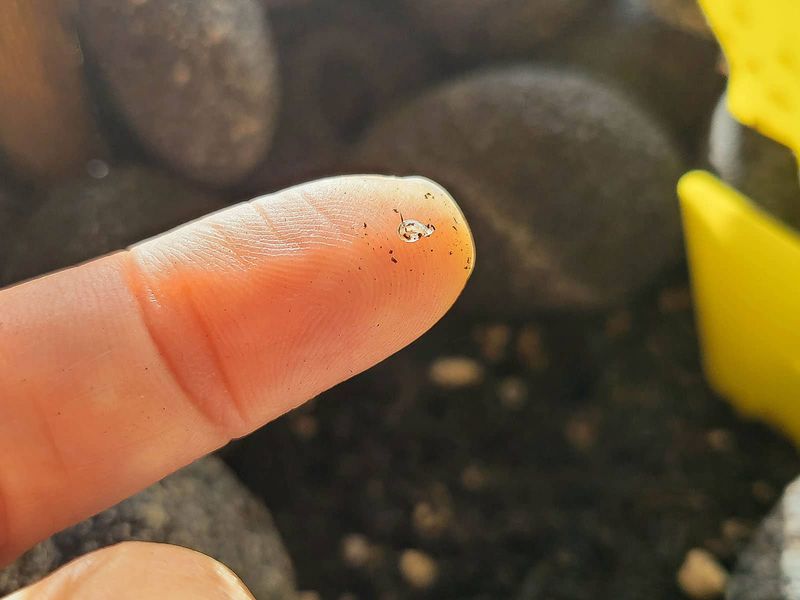
Spotting tiny flies hovering just above your soil is annoying, but it is also a useful warning sign. Fungus gnats are drawn to consistently moist soil where they lay eggs and where their larvae feed on organic matter and, in heavy infestations, plant roots.
Seeing them in your Arizona garden in spring almost always points to soil that is staying wet longer than it should.
Adult fungus gnats look like tiny mosquitoes and tend to fly up in small clouds when you disturb the soil or water a plant. They are weak fliers and usually stay close to the soil surface.
Their presence alone will not destroy a healthy plant, but their larvae can cause real stress to seedlings and plants already weakened by overwatering. Spotting them early is a prompt to check your watering schedule before the problem compounds.
Letting the top two inches of soil dry out completely between waterings is the most effective way to interrupt the fungus gnat life cycle.
They cannot reproduce successfully in dry soil, so adjusting irrigation frequency often clears the problem within a couple of weeks without needing any chemical treatment.
Yellow sticky traps placed near affected pots can help monitor and reduce adult populations while the soil dries out.
5. Wilting Happens Even Though The Soil Feels Wet
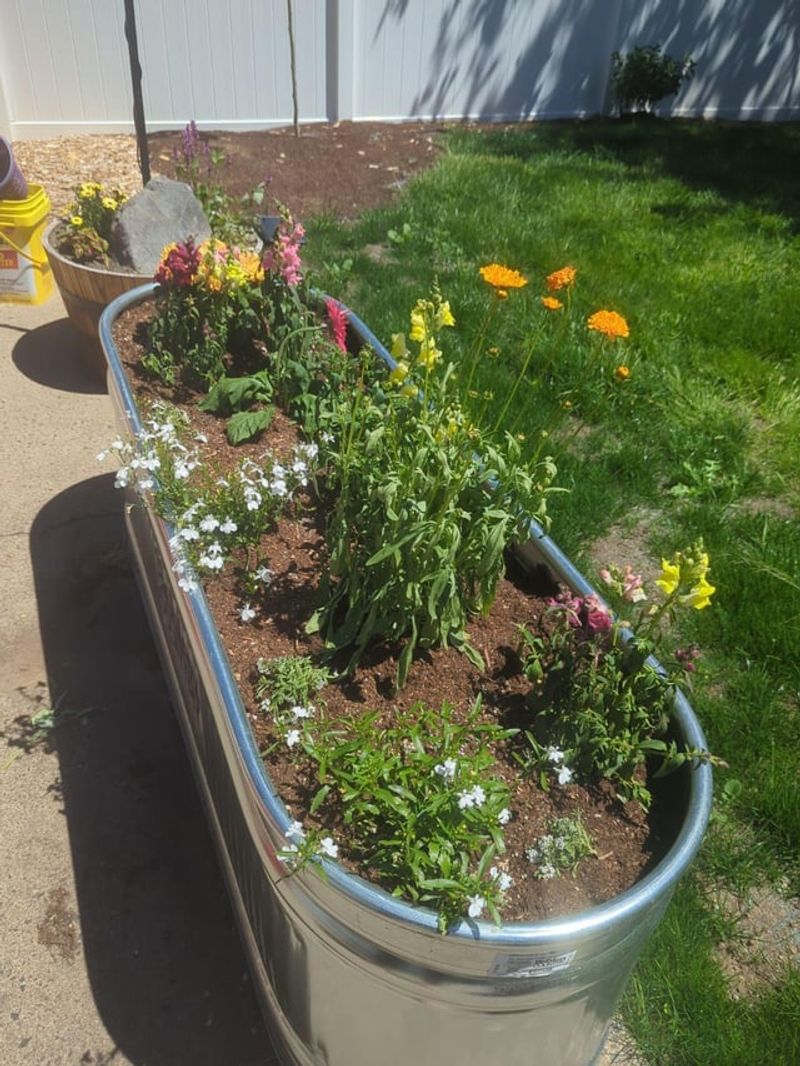
A wilting plant sitting in wet soil is one of the more puzzling things you can find in a garden. Every instinct says to water it, but adding more water is usually the worst move you can make at that point.
Wilting in wet soil happens because the roots have been sitting in saturated conditions long enough that they can no longer pull water up to the leaves, even though water is right there surrounding them.
Roots need oxygen as much as they need water. Waterlogged soil pushes out the air pockets that roots depend on to function.
Without oxygen, root cells begin to break down, and the plant loses its ability to transport moisture upward. The leaves respond by drooping, which looks exactly like drought stress even though the cause is the opposite.
Checking the soil before reacting is critical. Push a finger or a moisture probe two to three inches down.
If the soil feels wet and the plant is still wilting, stop watering immediately. Give the soil several days to dry out and see if the plant begins to recover on its own.
Shade cloth can help reduce heat stress on the plant while it recovers, which matters a lot during warm Arizona spring afternoons.
If the wilting is severe and the roots turn out to be mushy when you investigate, recovery depends on how much of the root system is still intact.
6. Flush Salt Buildup And Let Soil Dry Before Watering Again
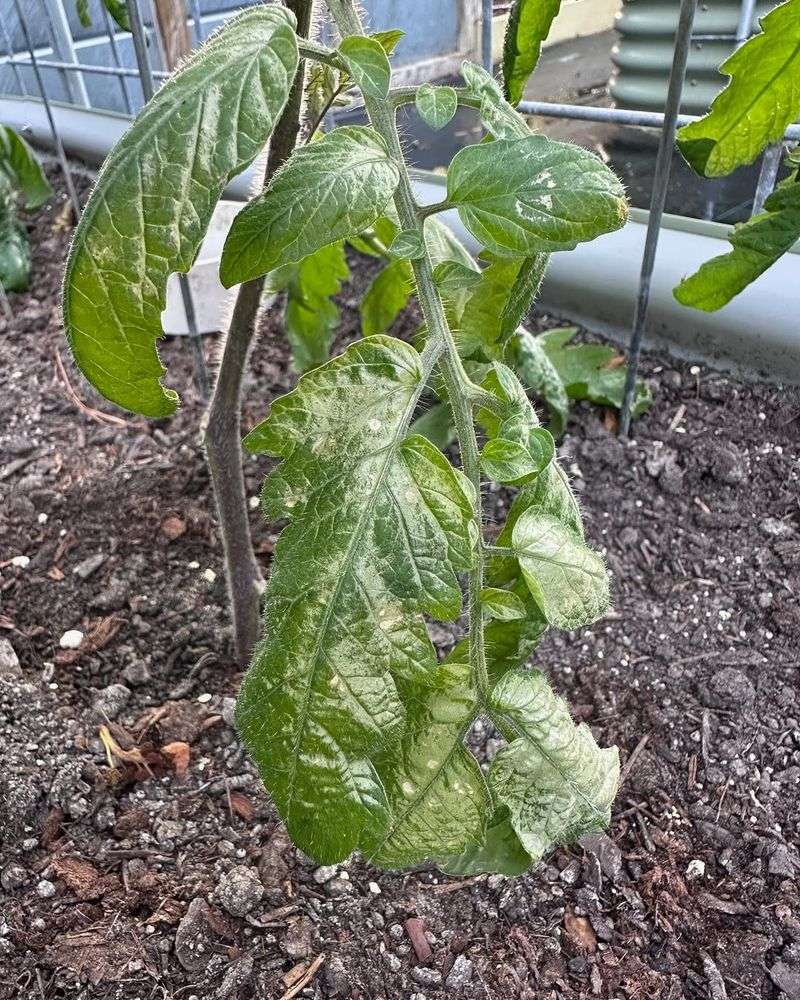
White crusty deposits on the soil surface or around the edges of containers are a sign that salts have been building up over time. Arizona water is naturally high in dissolved minerals, and every time you water, a small amount of those minerals stays behind in the soil.
Overwatering speeds up this accumulation and creates a layer that can actually pull moisture away from roots rather than helping them absorb it.
Salt buildup is not always visible, but when you spot that white crust forming on your soil, container rims, or even on the surface of clay pots, it is worth addressing before it gets worse.
High salt concentration in the root zone stresses plants and makes it harder for them to take up water and nutrients even when both are present in the soil.
Flushing is a straightforward fix. Water your plant slowly and deeply, allowing water to flow through the soil and drain out completely.
Do this two or three times in a single session. For container plants, flush until water runs clear from the drainage holes.
For in-ground beds around the Phoenix metro or Tucson areas, a slow, deep soak can help move salts below the root zone.
After flushing, let the soil dry out more than usual before your next watering session. This reset gives roots a chance to recover in a cleaner soil environment.
7. Adjust Spring Watering As Temperatures Start Rising
Spring in Arizona moves fast. What feels like mild weather in early March can shift into genuinely warm afternoons by late April, and your watering schedule needs to shift with it rather than stay locked into whatever worked during the cooler months.
Sticking to a fixed winter schedule into spring is one of the most common ways overwatering starts, even among experienced gardeners.
Plants use water at different rates depending on temperature, sunlight, and whether they are actively growing. In spring, most Arizona plants push out new growth, which does increase their water needs somewhat.
However, warmer soil also dries out faster near the surface, which can trick you into thinking plants need more water than they actually do. The key is checking soil moisture at depth, not just at the top inch.
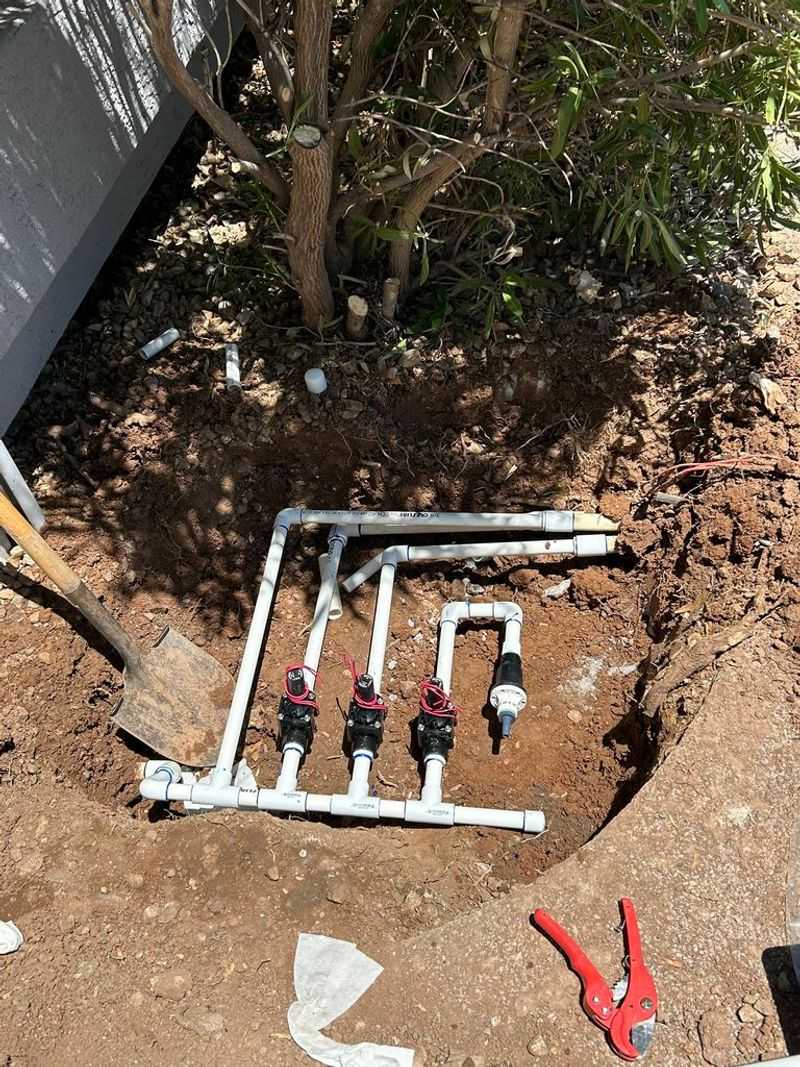
Adjusting your drip system timer by small increments rather than large jumps is a smarter approach. Add one extra day between cycles and observe how plants respond over a full week before making another change.
Most desert-adapted plants in Arizona prefer deep, infrequent watering over frequent shallow sessions regardless of the season.
Mulching around the base of plants with a two to three inch layer of organic mulch or gravel helps moderate soil temperature and slow evaporation, which reduces how often you actually need to water.
Revisit your irrigation schedule every few weeks through spring as conditions change.