Why North Carolina Gardeners Are Adding A Second Hydrangea Variety This Spring
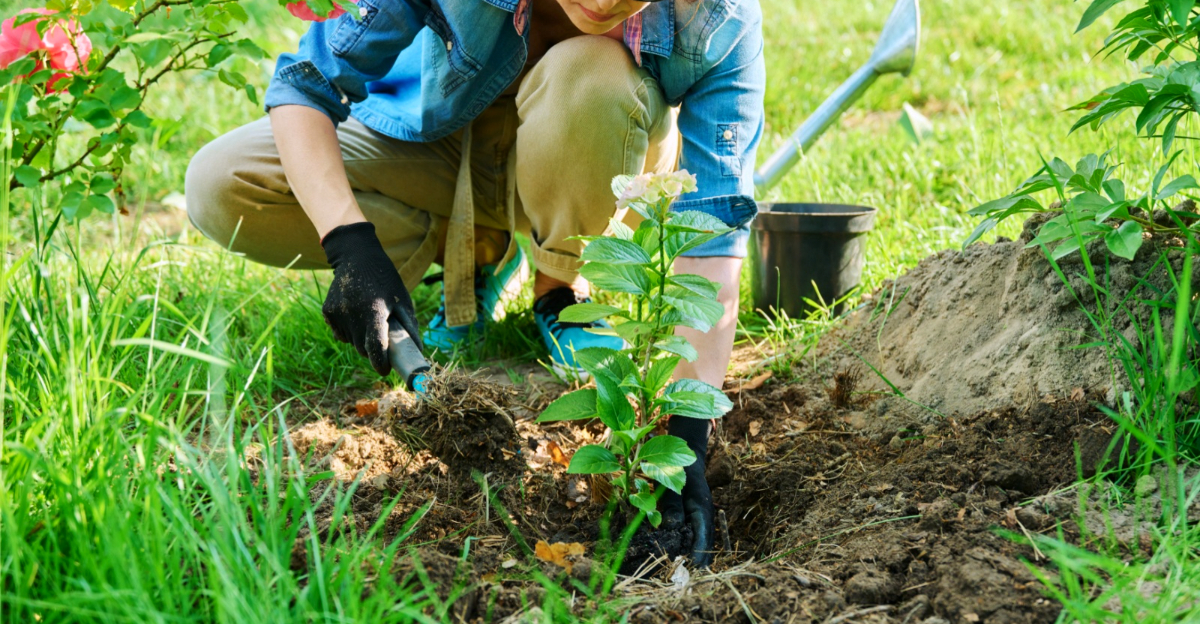
Have you ever watched a warm North Carolina February trick your hydrangeas into blooming, only for a surprise late frost to ruin everything?
It’s a heartbreak every local gardener knows, from the Blue Ridge Mountains to the coast.
Because our spring weather is so unpredictable, relying on just one type of hydrangea can be a gamble.
That’s why more gardeners this year are trying a clever “backup” strategy: pairing varieties that bloom on old wood with those that bloom on new wood.
By planting a second variety alongside your favorites, you create a more reliable, season-long display. No matter what wild weather North Carolina throws your way, your garden stays colorful and resilient.
1. Spring Frosts Can Damage Old-Wood Flower Buds
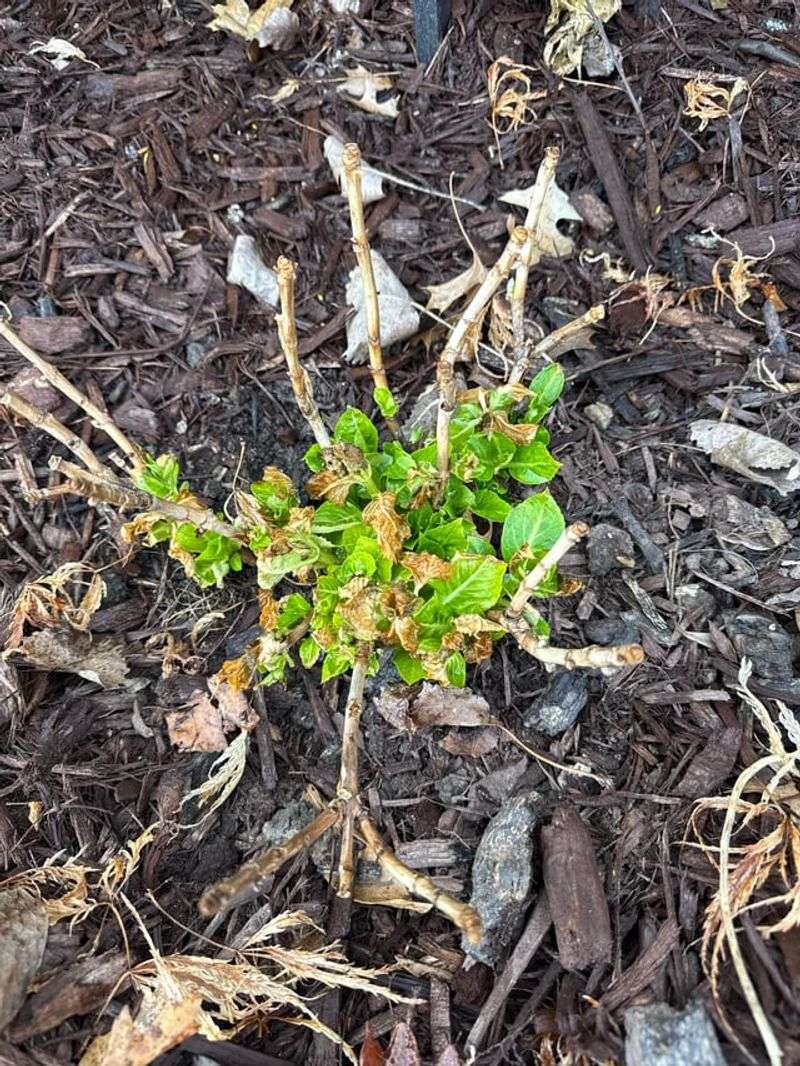
Late March in North Carolina can feel like full spring one week and then drop back into freezing temperatures the next.
For gardeners growing bigleaf hydrangeas, that unpredictable cold snap can quietly wipe out an entire season of blooms before a single flower ever opens.
Bigleaf hydrangeas, also called Hydrangea macrophylla, set their flower buds on old wood, meaning the stems that grew during the previous summer carry the buds that will bloom the following year.
When a late frost hits, those delicate buds sitting on old stems are extremely vulnerable. Even a brief dip below freezing can brown the buds and leave the plant looking healthy but bloomless all summer.
Many North Carolina gardeners have experienced the frustration of watching a lush, leafy hydrangea produce nothing but foliage after a cold April night.
This is one of the main reasons gardeners across the state are rethinking their planting strategy.
Knowing that old-wood bloomers carry this frost risk, many are now adding a second variety that does not rely on last year’s stems to produce flowers.
Understanding how your hydrangea blooms is the first step toward building a garden that does not leave you disappointed season after season. Recognizing this vulnerability early helps gardeners make smarter planting decisions going forward.
2. New-Wood Hydrangeas Still Bloom After Cold Snaps
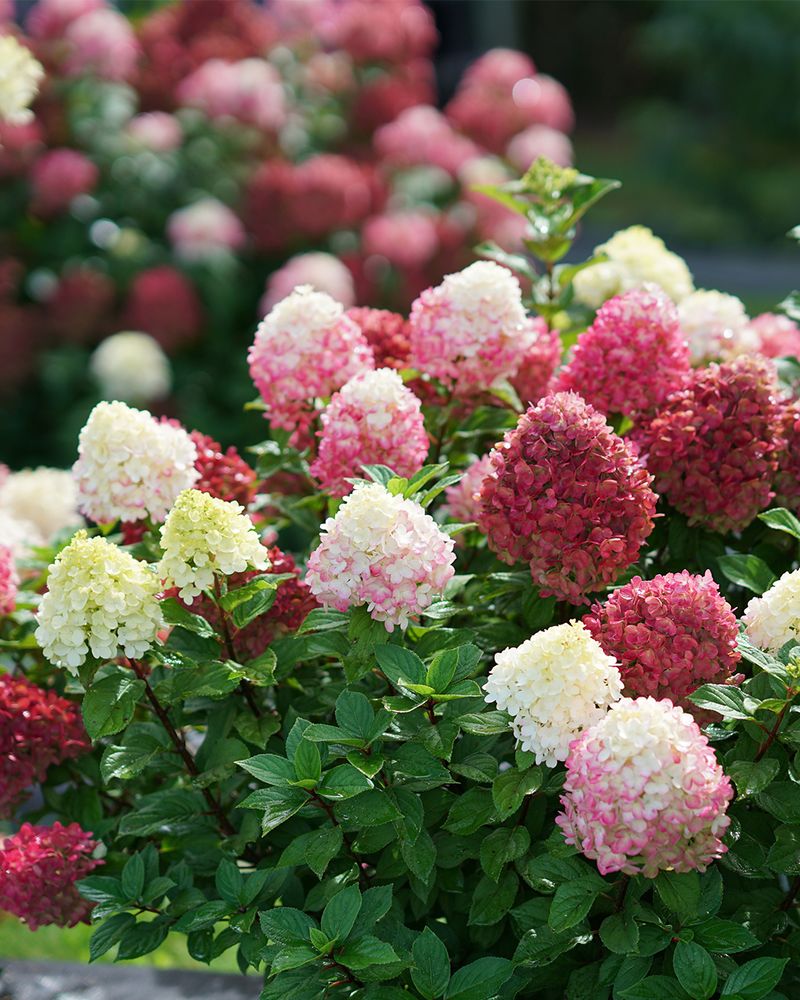
One of the most reassuring things about new-wood hydrangeas is that a late frost in April does not spell the end of their blooming season.
Varieties like panicle hydrangeas and smooth hydrangeas produce their flower buds on fresh growth that emerges each spring.
So even if old stems get nipped by cold temperatures, the plant simply pushes out new shoots and gets back on track.
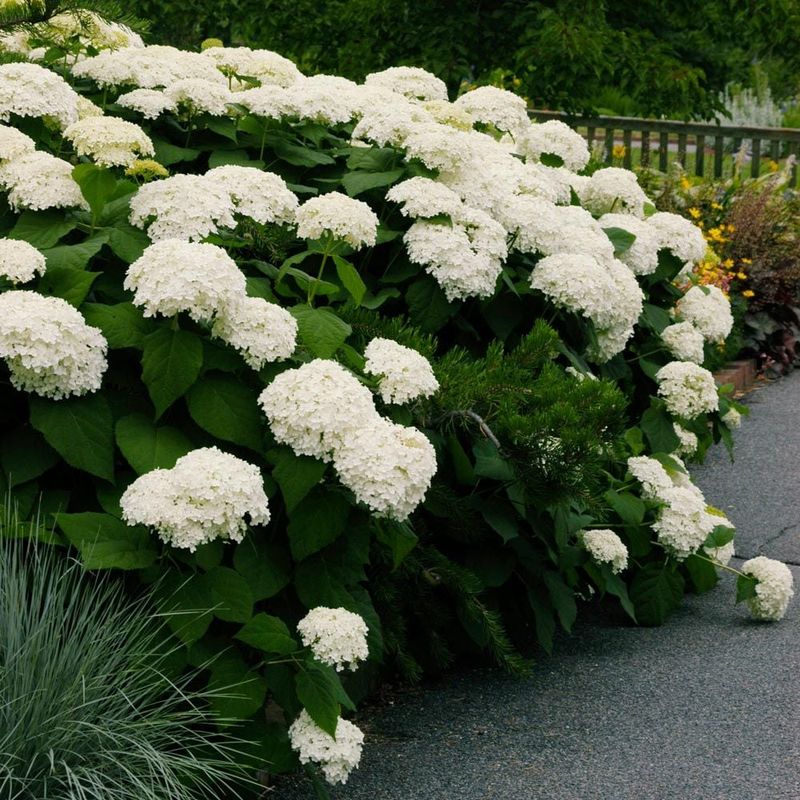
Smooth hydrangeas, such as the popular Annabelle and Incrediball varieties, are especially forgiving in North Carolina’s unpredictable spring climate.
They can be cut back hard in late winter and still come back strong with big, bold blooms by midsummer.
Panicle hydrangeas follow a similar pattern, producing their signature cone-shaped flower clusters on new stems that grow fresh each season.
For gardeners who have watched their bigleaf hydrangeas sit bloomless after a cold snap, adding a new-wood variety nearby can feel like a breath of fresh air.
It takes the pressure off and gives the garden a reliable source of color even in challenging years.
Your North Carolina Garden Changes Every Week. Your Plan Should Too.
Gardening in North Carolina changes quickly throughout the season. Every Friday you’ll receive a simple weekly plan showing exactly what to plant, prune, fertilize, harvest, and protect so you never miss the right timing.
Across North Carolina, from Piedmont suburbs to mountain foothill gardens, new-wood hydrangeas offer a practical solution to one of the most common hydrangea frustrations gardeners face each spring.
3. Combining Varieties Helps Ensure Reliable Summer Blooms
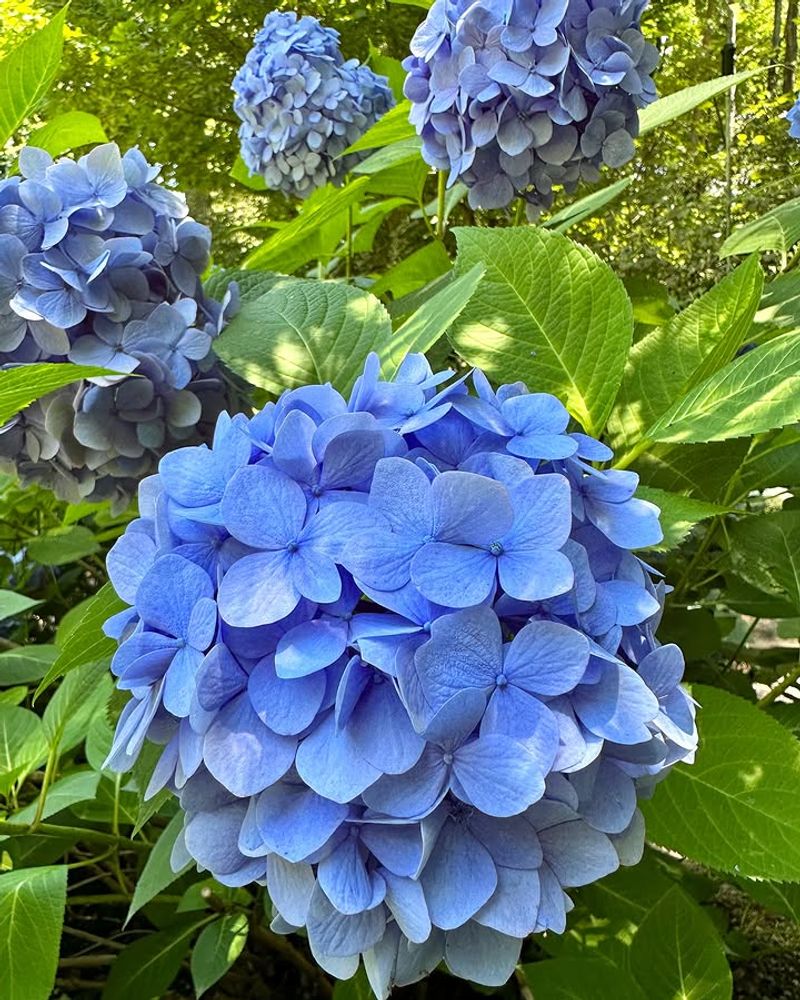
Planting just one hydrangea variety is a bit like putting all your eggs in one basket. If that variety has a bad year due to frost, drought, or poor pruning timing, the entire garden can end up lacking color right when you want it most.
Mixing varieties creates a natural backup system that keeps something blooming even when conditions are less than ideal.
A bigleaf hydrangea paired with a smooth or panicle hydrangea covers two very different blooming strategies. If the bigleaf gets hit by a late frost and skips its bloom, the smooth hydrangea steps up and fills the space with its large white flower heads.
The two plants complement each other without competing, and the garden maintains visual interest throughout the summer months.
North Carolina gardeners who have made this shift often say the combination feels like a much more dependable garden plan. Instead of crossing their fingers each spring, they have a layered approach that accounts for the state’s variable weather.
Choosing varieties with overlapping but slightly staggered bloom windows also means the garden transitions smoothly from one flush of color to the next.
For anyone who has been burned by a bloomless summer, combining varieties is one of the most practical steps toward a more satisfying hydrangea garden in North Carolina.
4. Different Types Bloom At Different Times For Longer Color
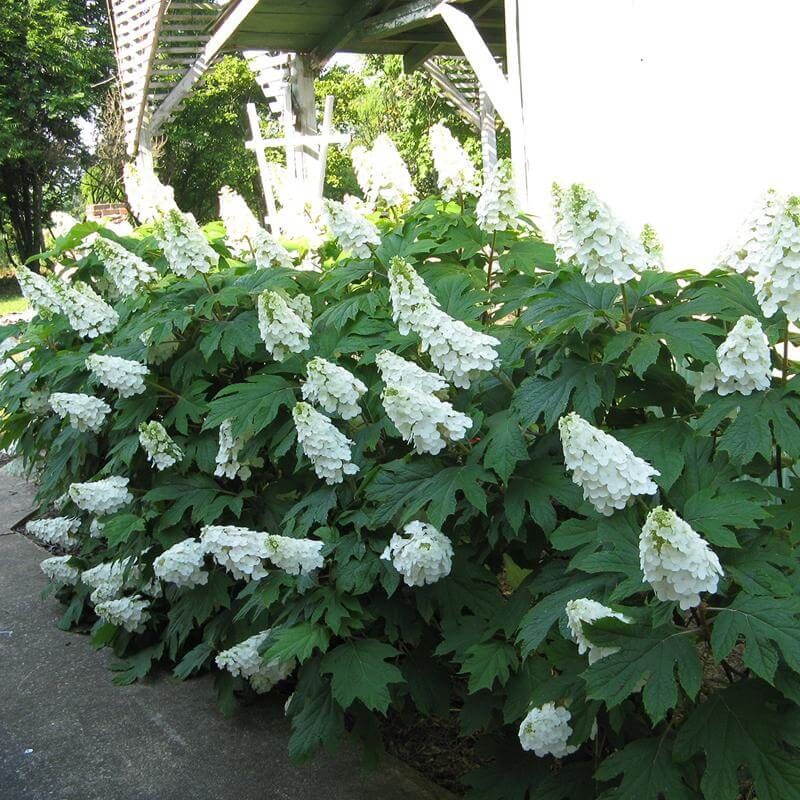
Oakleaf hydrangeas tend to open their creamy white blooms in late spring, often before the heat of summer fully settles in. Bigleaf hydrangeas follow shortly after, typically peaking in early to midsummer with their bold mophead or lacecap flowers.
Then panicle hydrangeas carry the show into late summer and even early fall, with their cone-shaped clusters turning from white to pink as temperatures begin to cool.
When you plant just one type, you get a concentrated burst of color that fades relatively quickly. Adding a second or even third variety stretches that bloom window from late May all the way through September in many parts of North Carolina.
That extended color is something most gardeners find genuinely exciting once they experience it firsthand.
Staggered bloom times also mean you have fresh material for cutting throughout the season, which is a bonus for anyone who enjoys bringing flowers indoors.
Each variety brings its own texture and shape, so the garden looks dynamic rather than repetitive.
Along the North Carolina coast, where summers are long and humid, late-blooming panicle hydrangeas are especially appreciated for their ability to keep the garden looking lively well into fall.
Thoughtful variety selection based on bloom timing is one of the simplest ways to get significantly more enjoyment out of your hydrangea plantings each year.
5. Panicle Hydrangeas Handle Sun And Heat Better
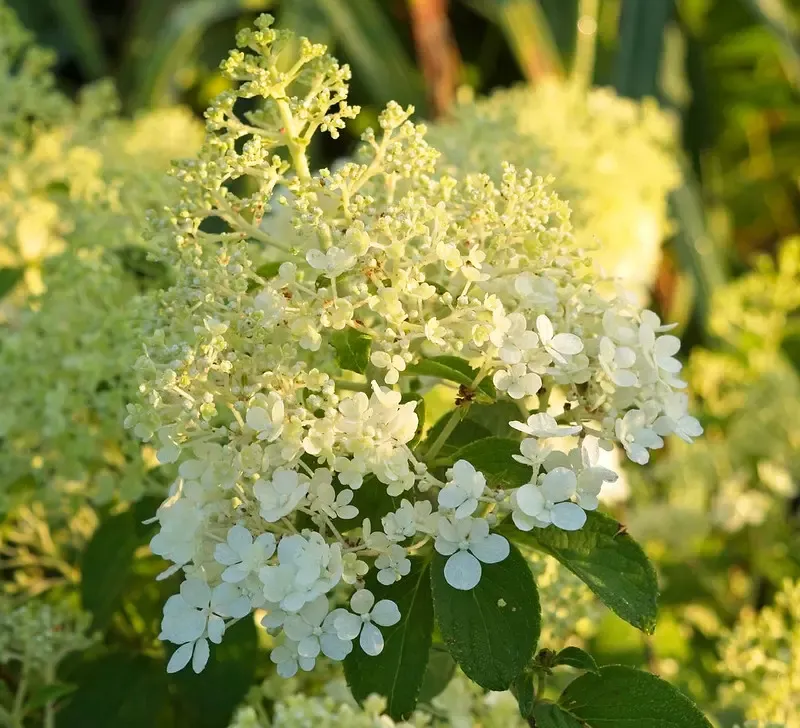
Summers in North Carolina can be intense. Piedmont cities like Charlotte and Raleigh regularly see stretches of 90-degree heat, and coastal areas deal with high humidity on top of strong afternoon sun.
Bigleaf hydrangeas, which prefer morning sun and afternoon shade, can struggle in these conditions, often wilting dramatically during the hottest parts of the day even when they have enough water.
Panicle hydrangeas handle those tougher conditions far more gracefully. Varieties like Limelight and Little Lime can tolerate full sun and still produce impressive blooms without looking stressed.
Their stems are also notably stronger, so they hold their flower heads upright even after summer rain showers, which is something bigleaf varieties sometimes struggle with.
For North Carolina gardeners with sunny, open planting areas that do not offer much shade, panicle hydrangeas are often the more sensible choice.
Planting one alongside a bigleaf hydrangea in a shadier spot gives the garden coverage in both sun and shade conditions.
The two varieties end up working in different microclimates within the same yard, making the overall planting much more versatile.
Panicle hydrangeas are also relatively low-maintenance once established, needing only light pruning in late winter to stay tidy and productive.
Their heat tolerance makes them a go-to second variety for many North Carolina gardeners each spring.
6. Reblooming Varieties Offer Multiple Bloom Cycles
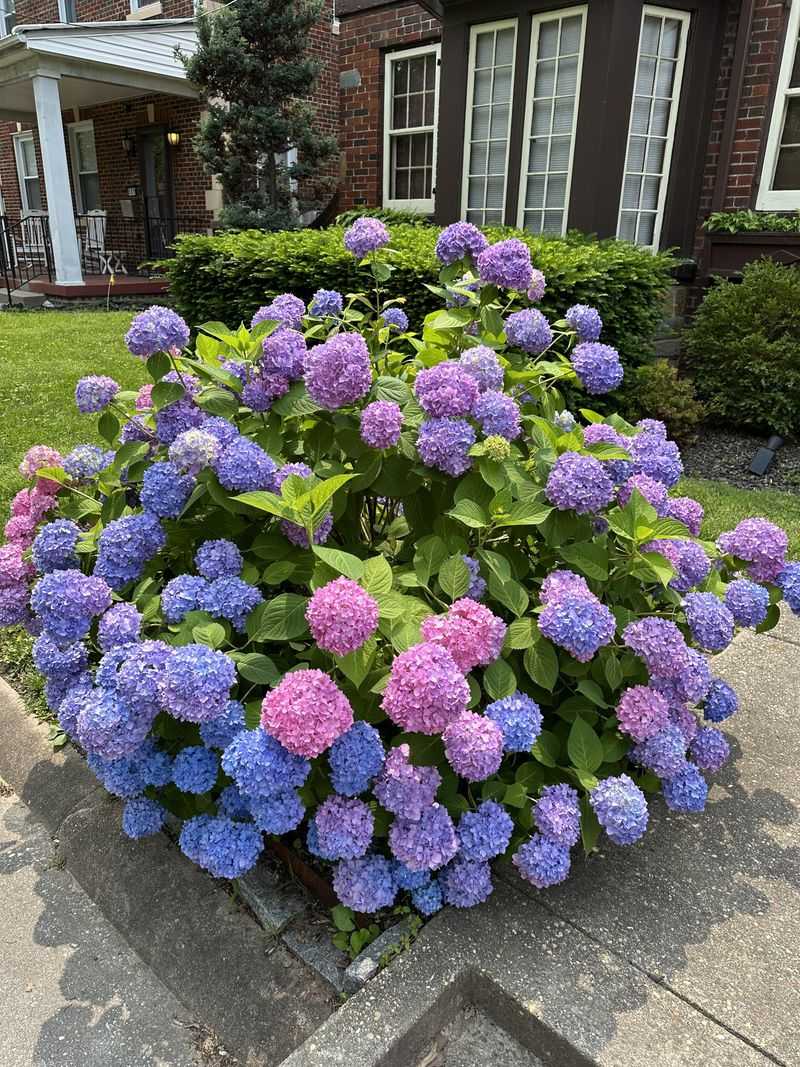
Reblooming hydrangea varieties changed the game for a lot of North Carolina gardeners when they first became widely available.
Cultivars like Endless Summer, Bloomstruck, and Let’s Dance series produce flowers on both old wood and new wood, which means even if late frost takes out the old-wood buds, the plant can still rebound and bloom again on fresh summer growth.
For gardeners in the North Carolina mountains, where late frosts can linger well into April and even early May at higher elevations, reblooming varieties offer meaningful protection against lost bloom seasons.
The plant essentially gets more than one shot at flowering, which dramatically improves the odds of having color in the garden regardless of spring weather patterns.
Pairing a reblooming bigleaf hydrangea with a panicle or smooth hydrangea creates a combination that covers both early and late bloom windows while also building in some frost resilience.
Many gardeners find that reblooming varieties perform especially well in the North Carolina Piedmont, where spring temperatures swing wildly but full frosts are less common than in the mountains.
Adding a reblooming variety as a second plant is a smart strategy for anyone who wants the classic mophead look but has been frustrated by inconsistent blooming in past seasons. The multiple bloom cycles make these varieties well worth the investment.
7. Diverse Varieties Perform Better Across North Carolina Regions
North Carolina is a geographically diverse state, and that diversity has a real impact on which hydrangeas thrive where.
The western mountains around Asheville experience cooler summers, earlier fall frosts, and late spring freezes that can challenge old-wood bloomers.
The Piedmont region runs warmer and drier in summer, while the coastal plain deals with high humidity, sandy soils, and milder winters.
Oakleaf hydrangeas, which are native to the southeastern United States, tend to perform exceptionally well across much of North Carolina, including the Piedmont and coastal plain.
Their tolerance for heat, humidity, and varying soil types makes them a strong candidate as a second variety for gardeners who already grow bigleaf hydrangeas.
In the mountains, smooth hydrangeas like Annabelle are especially reliable because they bloom on new wood and handle the shorter growing season well.
Matching the right variety to the right region within North Carolina is one of the most important decisions a gardener can make. A variety that thrives in Wilmington may struggle in Boone, and vice versa.
Understanding your local frost dates, summer heat levels, and soil conditions helps narrow down the best second variety for your specific location. Local nurseries and regional gardening resources are great starting points for location-specific guidance.
A well-matched second variety can make a noticeable difference in how your garden performs year after year.
8. Mixing Hydrangeas Adds Structure And Seasonal Interest
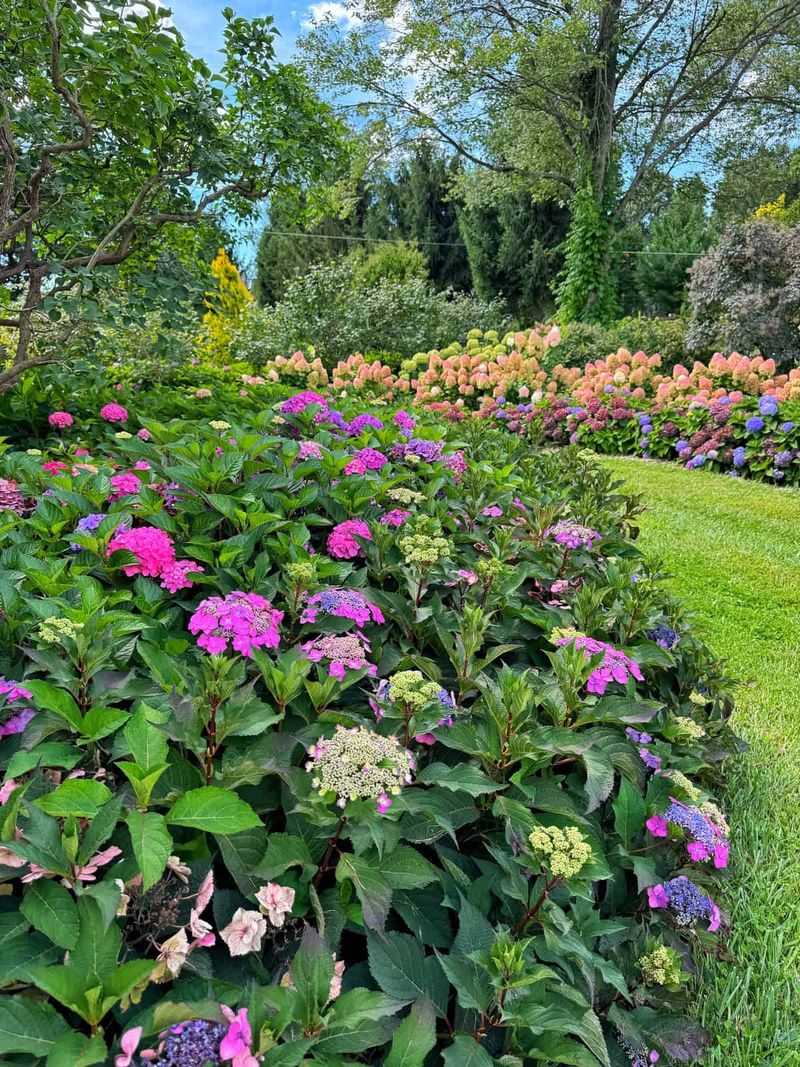
Beyond bloom reliability, there is a strong design case for growing more than one hydrangea variety. Each type brings a distinct silhouette, leaf shape, and flower form that adds layers of visual texture to a garden bed.
Oakleaf hydrangeas, for example, offer large lobed leaves that turn deep burgundy in fall, making them a standout plant long after their blooms have faded.
Panicle hydrangeas tend to grow upright and can reach considerable height, making them useful as informal hedges or back-of-border plants. Bigleaf hydrangeas stay more compact and mounded, which works well in front of taller shrubs or along walkways.
Smooth hydrangeas spread wider and lower, filling in gaps and providing a lush, rounded form that balances more upright plants nearby.
When these varieties are combined thoughtfully, the garden has something interesting to offer in every season. Spring brings fresh foliage and early blooms from oakleaf varieties.
Summer fills in with bigleaf and smooth hydrangea color. Fall sees panicle hydrangeas transitioning through shades of pink and dusty rose, while oakleaf foliage turns fiery.
Even winter has its moments, as dried flower heads and exfoliating bark on oakleaf varieties add subtle structure to the bare garden.
For North Carolina gardeners who want a landscape that looks intentional and layered throughout the year, mixing hydrangea varieties is one of the most rewarding choices they can make.