Turn Arizona Kitchen Scraps Into Garden Gold For Your Backyard
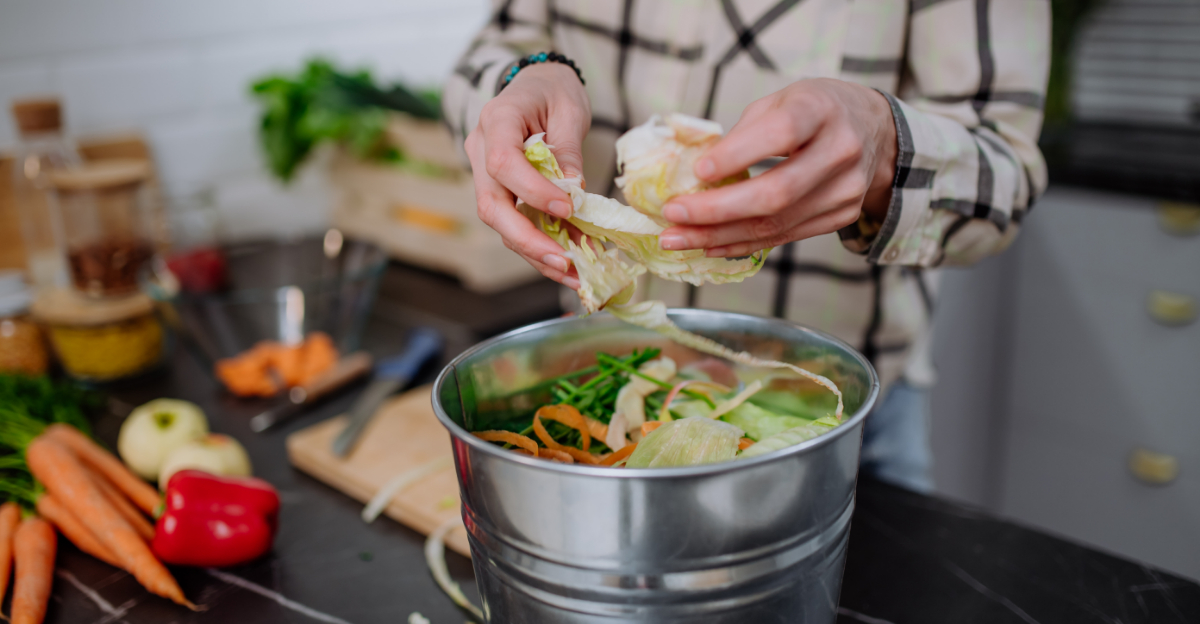
Most Arizona kitchens end up with the same small pile of scraps by the end of the day.
Coffee grounds, vegetable peels, eggshells, and bits of fruit usually head straight for the trash without much thought, especially when the yard outside looks dry and unforgiving.
But that dry climate is exactly why those scraps can matter more than people expect. Arizona soils often need extra help holding moisture and supporting plant growth, and everyday kitchen leftovers can play a bigger role in that than many gardeners realize.
It is not about complicated setups or perfect conditions, just small changes that add up over time.
For homeowners looking to get more out of their yard without adding extra cost, this is one of the easiest places to start. Some scraps work better than others in Arizona conditions, and a few can make a noticeable difference faster than expected.
1. Vegetable Peels Feed The Pile Fast
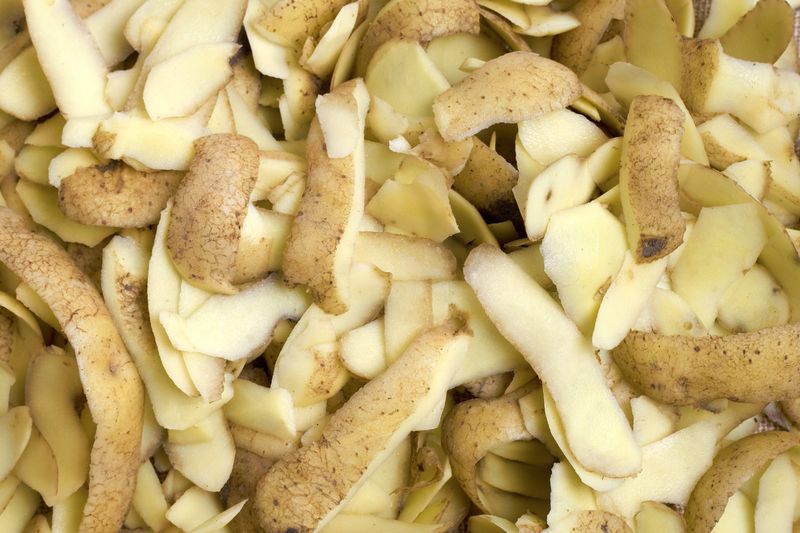
Every time you peel a carrot, potato, or zucchini in your Arizona kitchen, you are actually holding a tiny powerhouse of nutrients. Vegetable peels are packed with nitrogen, potassium, and phosphorus, which are exactly the kind of goodies that desert soil craves.
Instead of tossing them in the trash, start collecting them in a small bin on your counter.
Once you have a good amount, head out to your compost pile or bin and add those peels in. In Arizona’s warm climate, organic materials break down faster than in cooler states, which means your vegetable peels can turn into usable compost in just a few weeks.
That is a pretty sweet deal for almost zero effort.
Mix your peels with dry brown materials like shredded cardboard or dead leaves to keep the compost balanced. A good rule of thumb is three parts brown to one part green, and vegetable peels count as green.
Stir your pile every few days to keep air flowing through it.
Arizona gardeners often struggle with soil that drains too fast or lacks organic matter. Adding compost made from vegetable peels helps soil hold moisture longer, which means less watering during those scorching summer months.
Your tomatoes, peppers, and herbs will absolutely love it.
Even apartment dwellers in Phoenix or Tucson can get started with a small indoor worm bin. Red worms break down vegetable peels quickly and produce a super-rich compost called vermicompost that works wonders in container gardens.
2. Fruit Scraps Add Quick Kitchen Value
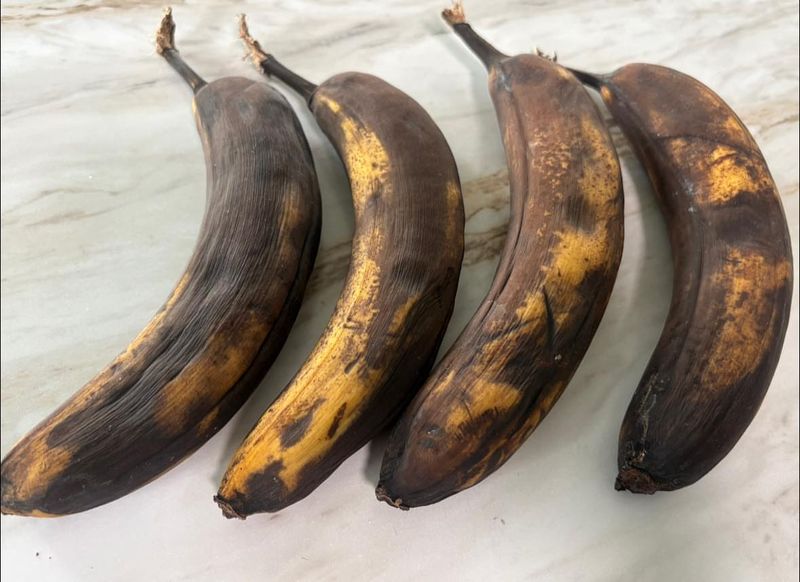
Strawberry tops, grape stems, overripe bananas, and mushy mangoes, all of these fruit scraps are pure treasure for your Arizona garden. Most people toss them without a second thought, but composting fruit scraps is one of the easiest ways to build rich, fertile soil in a region where organic matter is naturally scarce.
Fruit scraps are considered green compost materials, meaning they are high in nitrogen. Nitrogen helps microorganisms in your compost pile do their job faster, which speeds up the whole decomposition process.
In Arizona’s already warm temperatures, adding nitrogen-rich fruit scraps can seriously accelerate how quickly your pile turns into usable garden gold.
Your Arizona Garden Changes Every Week. Your Plan Should Too.
Gardening in Arizona changes quickly throughout the season. Every Friday you’ll receive a simple weekly plan showing exactly what to plant, prune, fertilize, harvest, and protect so you never miss the right timing.
One thing to watch out for is fruit flies. To keep them from taking over your compost bin, always bury fresh fruit scraps under a layer of dry browns like shredded paper or dry soil.
This simple trick makes a big difference, especially during Arizona’s hot summer months when pests are more active.
Fruit scraps also release natural sugars as they break down, which feeds beneficial bacteria and fungi in your compost. Those microorganisms are what create the rich, dark humus that transforms your sandy Arizona soil into something plants actually want to grow in.
Collect scraps in a sealed container in your fridge until you are ready to add them to your outdoor bin. This keeps odors down and makes the whole process feel manageable, even for beginners just starting their composting journey in the desert Southwest.
3. Fruit Rinds Break Down With A Boost
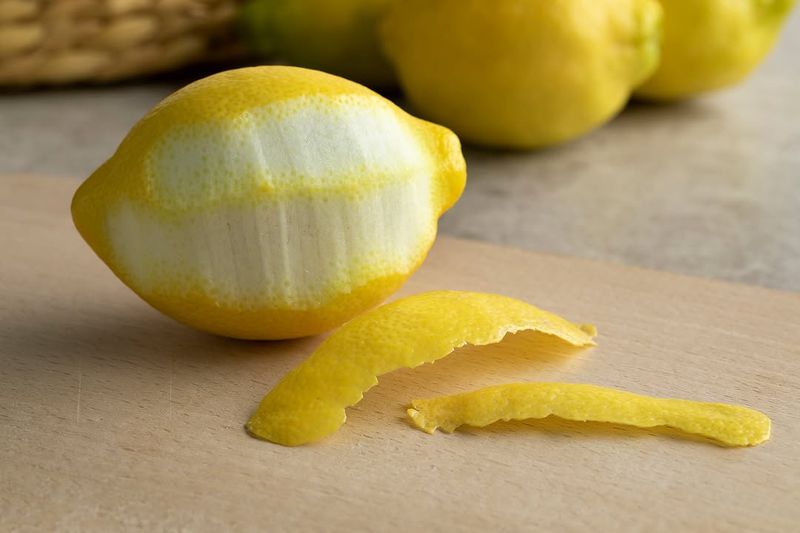
Arizona kitchens produce plenty of thick, fibrous rinds, from watermelon and cantaloupe shells to orange peels and lemon skins, especially during summer. Rather than sending them to the landfill, chop them up and add them to your compost pile.
They are loaded with nutrients and break down beautifully in the desert heat.
Citrus rinds in particular are rich in calcium, magnesium, and potassium. These minerals are essential for healthy root development and strong plant growth.
Many Arizona soils are already alkaline, and while citrus is also slightly acidic, when composted fully it balances out and adds overall nutritional value to your garden beds.
The trick with thick rinds is to chop or shred them before adding them to your bin. Larger pieces take much longer to decompose, and in a hot, dry Arizona climate, they can sometimes dry out before they break down properly.
Smaller pieces speed up the process significantly.
Watermelon rinds are especially fantastic because they hold a lot of moisture. In the summer heat of places like Mesa or Scottsdale, a compost pile can dry out quickly.
Adding juicy rinds helps maintain the moisture your pile needs to keep decomposing at a healthy rate.
You can also bury chopped rinds directly into your garden soil around plant roots, a technique called trench composting. It is simple, effective, and works especially well in raised beds or vegetable gardens across Arizona where you want to boost soil nutrition quickly and naturally.
4. Fruit Cores Turn Waste Into Compost Power
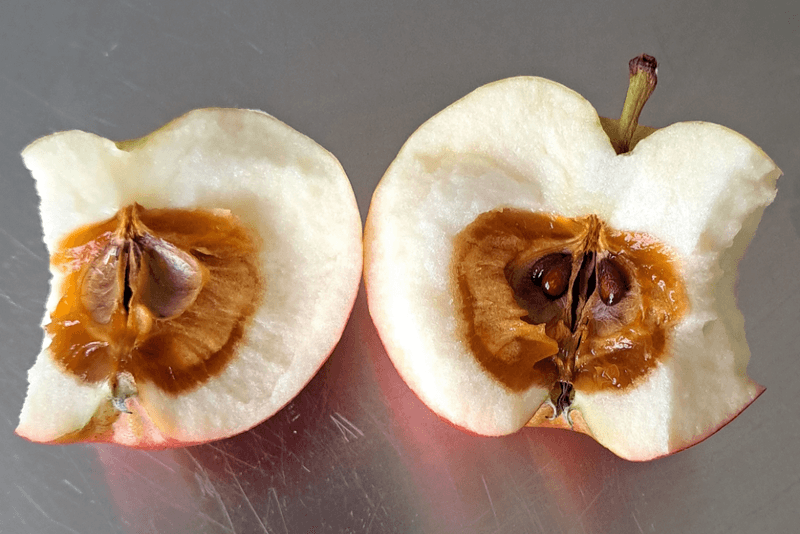
Apple cores, pear centers, pineapple cores, these often-overlooked scraps are some of the most compostable items you will find in your kitchen. People tend to throw them away without thinking, but fruit cores are soft, moist, and full of sugars and nutrients that compost microbes absolutely love to munch on.
In fact, the soft, fibrous texture of most fruit cores means they break down faster than many other kitchen scraps. For Arizona gardeners who want quick results, adding fruit cores regularly to a compost bin can help speed up the whole decomposition cycle.
More food for microbes means more finished compost for your garden, and sooner.
If you eat a lot of apples or pears, you might be surprised how quickly fruit cores add up. Keep a small collection jar near your fruit bowl so nothing goes to waste.
Over a week, even a small family in Tempe or Chandler can collect enough cores to make a meaningful addition to their compost pile.
One fun fact: apple cores contain traces of pectin, a natural compound that some researchers believe may help bind soil particles together. While it is not a miracle ingredient, every little bit helps when you are trying to improve the structure of Arizona’s often sandy or clay-heavy soils.
Mix fruit cores with dry leaves or cardboard strips to keep your compost pile balanced. The combination of moist, sugary cores and dry carbon materials creates the perfect environment for fast, efficient decomposition that your Arizona backyard will truly benefit from over time.
5. Coffee Grounds Give The Mix A Lift
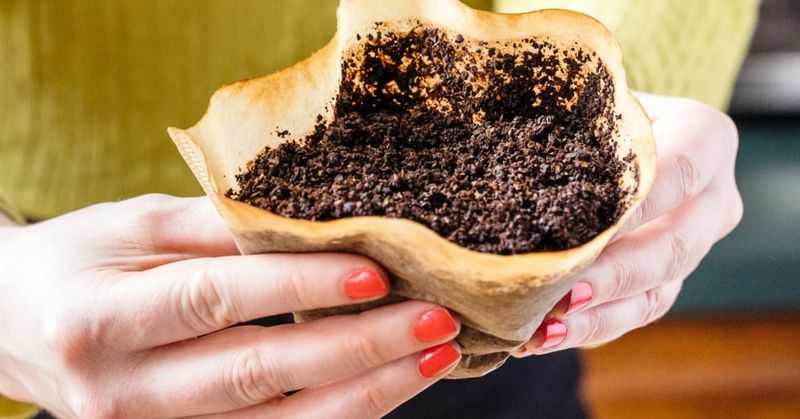
For the coffee lovers across Arizona, here is something worth knowing: those used coffee grounds sitting in your filter every morning are practically liquid gold for your garden. Coffee grounds are one of the most popular and effective compost additions you can make, and they are incredibly easy to collect.
Grounds are considered a green material in composting terms, meaning they are rich in nitrogen. They also contain small amounts of phosphorus and potassium, which round out their nutritional profile nicely.
When mixed into your compost pile or directly into garden soil, they feed plants and improve soil texture over time.
Arizona soil tends to be alkaline, and while coffee grounds are slightly acidic when fresh, they become more neutral after composting. This makes them a smart addition for gardeners trying to grow acid-loving plants like blueberries or certain herbs.
Tucson and Flagstaff gardeners especially enjoy using them in raised beds.
You can also sprinkle coffee grounds directly around the base of plants as a slow-release fertilizer. Just do not go overboard.
A thin layer works well, but a thick clump can repel water and create a barrier that roots struggle to push through in the dry Arizona climate.
Many local coffee shops in Arizona are happy to give away used grounds for free, often in large bags. It is worth asking your favorite cafe because what they toss in the trash could be exactly what your backyard garden needs to produce a bountiful harvest this season.
6. Coffee Filters Add Brown Balance
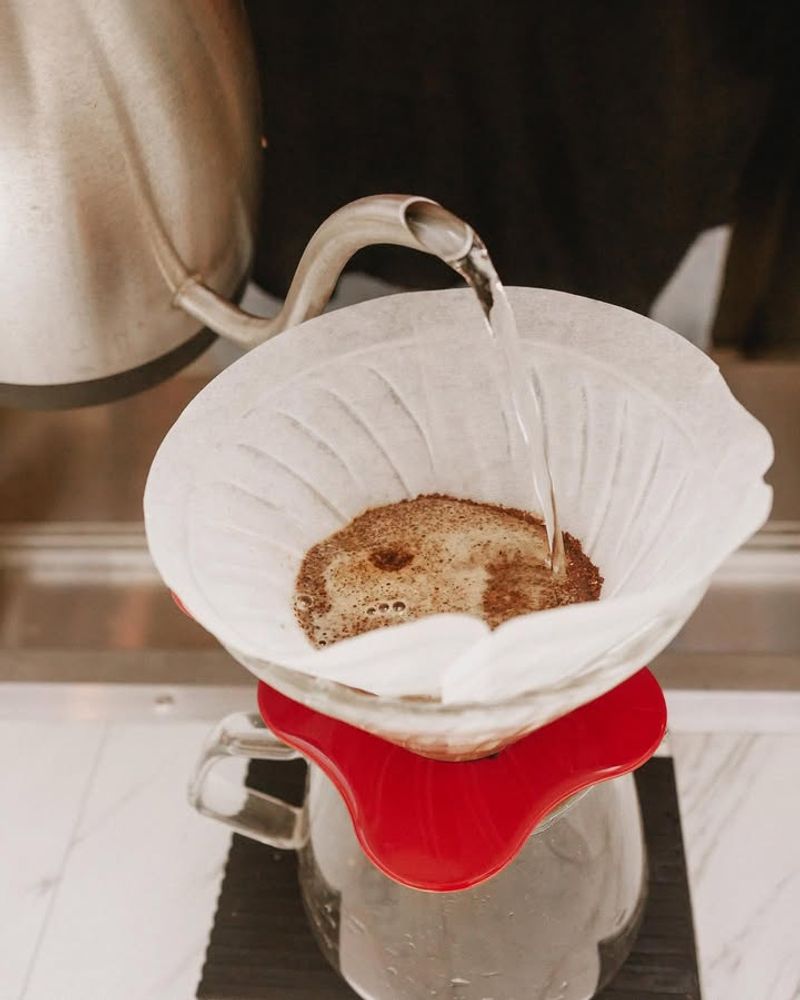
Most people know that coffee grounds are great for the garden, but the filter they come in is just as compostable and often overlooked. Paper coffee filters, both the white bleached kind and the natural brown unbleached kind, break down readily in a compost pile and add carbon to your mix.
Carbon-rich materials, often called browns, are essential for balancing out the nitrogen-heavy greens in your compost. Without enough browns, your pile can get slimy, smelly, and slow.
Tossing in your used coffee filter along with the grounds helps maintain that all-important carbon-to-nitrogen balance that makes composting work well.
In Arizona’s dry climate, maintaining moisture in your compost pile is always a challenge. Paper coffee filters help with this because they absorb and hold a small amount of moisture as they break down.
Over time, this contributes to a more evenly moist pile, which is something every Arizona composter knows can be tough to maintain during summer.
If you use a reusable metal filter, consider pairing your grounds with shredded newspaper or paper towels as a substitute carbon source. The goal is the same: keep your pile balanced so that microorganisms can do their work efficiently and produce rich, crumbly compost.
Composting coffee filters is also just a small but satisfying step toward reducing household waste. In a state like Arizona where sustainability efforts are growing in communities from Flagstaff to Yuma, every small action adds up.
Turning your morning routine into a garden-building habit feels really good when you see the results in your backyard.
7. Tea Bags Pull Double Duty In The Pile
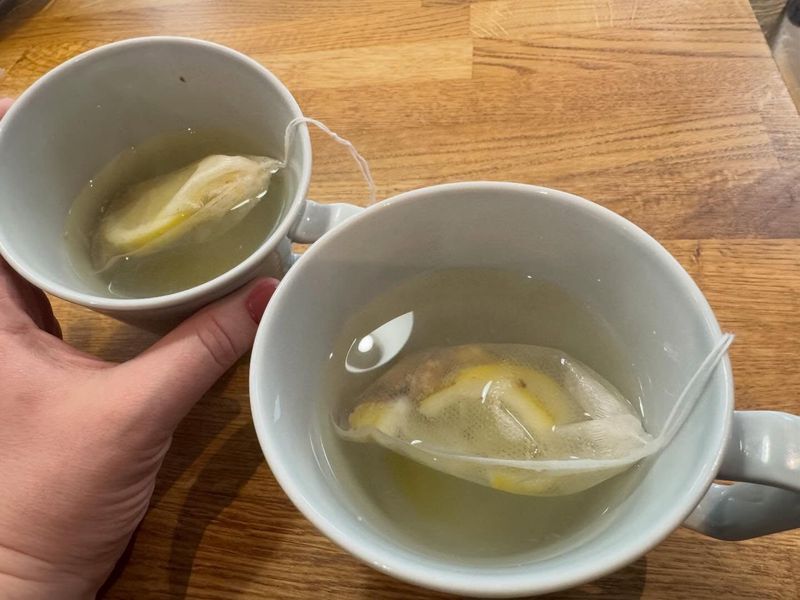
Whether you are a fan of chamomile, green tea, or classic black tea, those little bags you steep every morning are doing more than just flavoring your cup. Used tea bags are compostable, nutrient-rich, and surprisingly beneficial for Arizona garden soil when added to your compost pile or used directly in the garden.
Tea leaves contain tannins and other organic compounds that help feed soil microbes. They also add nitrogen to your compost, making them another great green material.
The paper or fabric of most tea bags breaks down along with the leaves inside, so you can toss the whole bag into your compost bin without any extra prep work.
There is one small catch to keep in mind: some tea bags are made with a tiny bit of plastic or nylon mesh that does not break down. Check the packaging before composting.
If your brand uses plastic, simply open the bag and empty the tea leaves into your compost while discarding the bag itself.
Loose-leaf tea users have it even easier. Just dump the used leaves directly into your compost bucket or sprinkle them around the base of plants in your garden.
In Arizona’s alkaline soil, the slightly acidic nature of tea leaves can help create a more balanced environment for a wider range of plants.
Burying used tea bags near plant roots is also a popular technique among gardeners in the Phoenix metro area. As the tea breaks down underground, it slowly releases nutrients and helps attract earthworms, which are fantastic natural helpers for improving soil quality in your Arizona backyard.
8. Eggshells Add A Crisp Kitchen Bonus
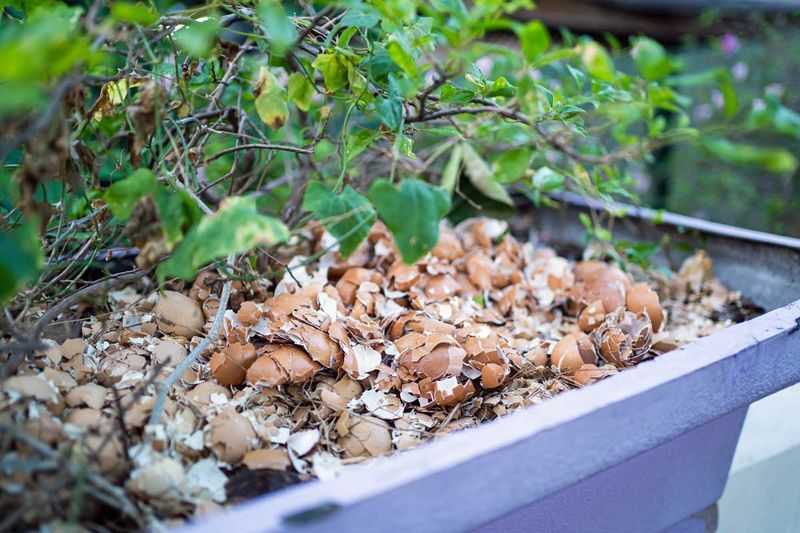
Crack open an egg and you have got breakfast sorted, but hold onto that shell because it is one of the most valuable things you can add to your Arizona garden. Eggshells are made up of about 95 percent calcium carbonate, which is a form of calcium that plants absolutely need for healthy growth and strong cell walls.
Calcium deficiency in plants often shows up as blossom end rot in tomatoes and peppers, a frustrating problem that many Arizona gardeners deal with. Crushed eggshells added to compost or worked directly into garden soil can help prevent this issue by gradually releasing calcium as they break down over time.
The key word is gradually. Eggshells take a while to decompose fully, so crushing them into small pieces before adding them to your compost bin speeds up the process considerably.
Some gardeners in Arizona even grind them into a fine powder using a blender and sprinkle the powder directly around plants for a faster nutrient boost.
Beyond calcium, eggshells also help improve drainage in dense or compacted Arizona soils. Their gritty texture creates tiny air pockets in the soil, which allows water and oxygen to move more freely around plant roots.
This is especially helpful in clay-heavy spots in yards across the Tucson or Prescott areas.
Eggshells also work as a natural pest deterrent. Sprinkling crushed shells around the base of plants can discourage soft-bodied insects from crawling over the sharp edges.
It is a simple, chemical-free way to protect your Arizona garden while also feeding your soil at the same time.