8 Native Arizona Plants That Handle Reflective Heat From Walls
Heat bouncing off a stucco wall can turn a planting spot into one of the toughest areas in an Arizona yard, yet some plants handle it far better than expected.
Leaves stay steady, color holds, and growth keeps moving even as temperatures climb higher each week.
Many yards have that one stretch where nothing seems to last, and it starts to feel like a losing battle no matter what gets planted there. Small differences in plant choice can completely change how that space behaves through late spring and into summer.
Native options often show a level of resilience that stands out once the heat reflects back day after day.
Choosing plants that already understand these conditions makes a visible difference before the harshest stretch even arrives. That shift becomes clear faster than most expect, especially in spots where failure used to feel guaranteed.
1. Desert Marigold Thrives In Intense Reflected Sun And Heat
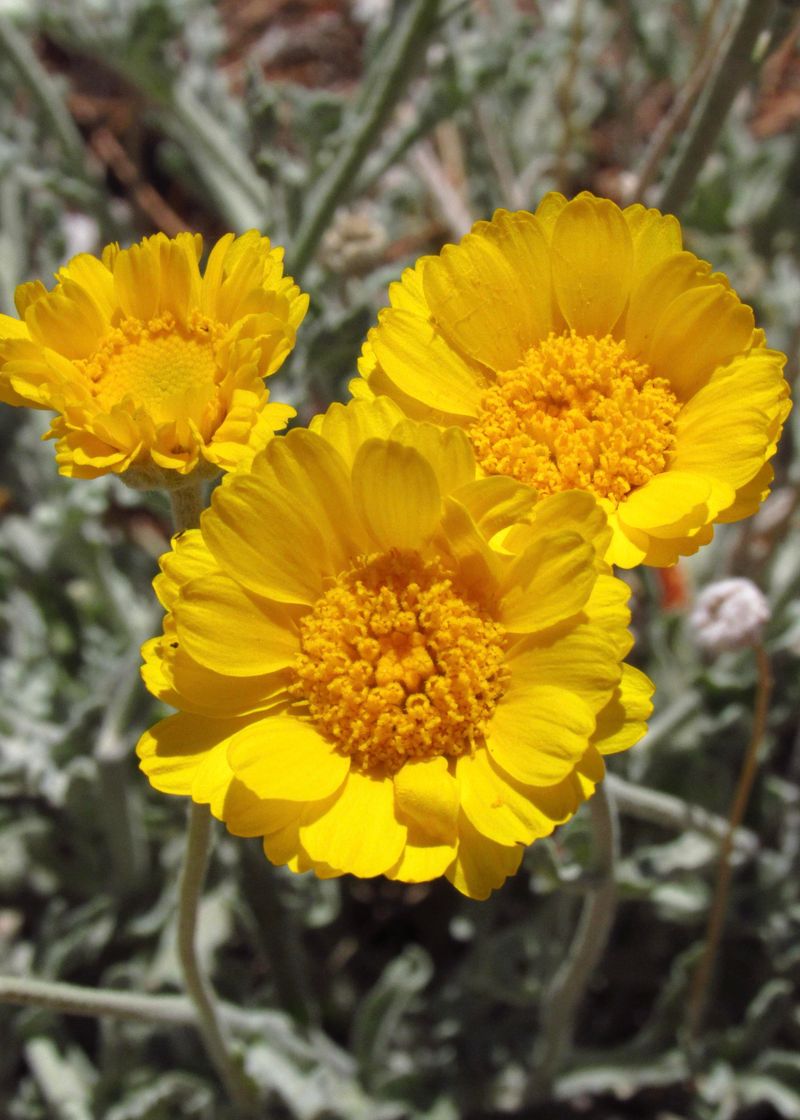
Bright yellow and completely unbothered by brutal afternoon heat — Desert Marigold earns its place in Arizona gardens through sheer toughness. Baileya multiradiata is a perennial wildflower that handles full sun and reflected heat from walls without showing much stress.
The woolly, silver-gray foliage is not just pretty; it actually reflects excess sunlight and slows down water loss from the leaves.
Blooms appear from spring through fall, and in mild Arizona winters, some plants keep flowering almost year-round. You will find it growing naturally along roadsides and rocky slopes across the state, which tells you a lot about what kind of conditions it can handle.
Near walls, where soil dries out fast and heat bounces back hard, it keeps on producing flowers while other plants struggle.
Seeds freely, so over a few seasons you may find new plants popping up in surrounding gravel areas. That spreading habit can actually help fill in bare spots along wall bases without any extra effort on your part.
Spacing plants about eighteen inches apart gives each one room to bush out properly.
Avoid overwatering because soggy roots are a real problem with this plant, especially in clay-heavy soil. In Phoenix and Tucson landscapes, Desert Marigold adds reliable color without demanding much in return.
Desert Marigold keeps performing through long dry stretches when other plants start to fade.
2. Angelita Daisy Stays Strong In Dry Radiating Border Areas
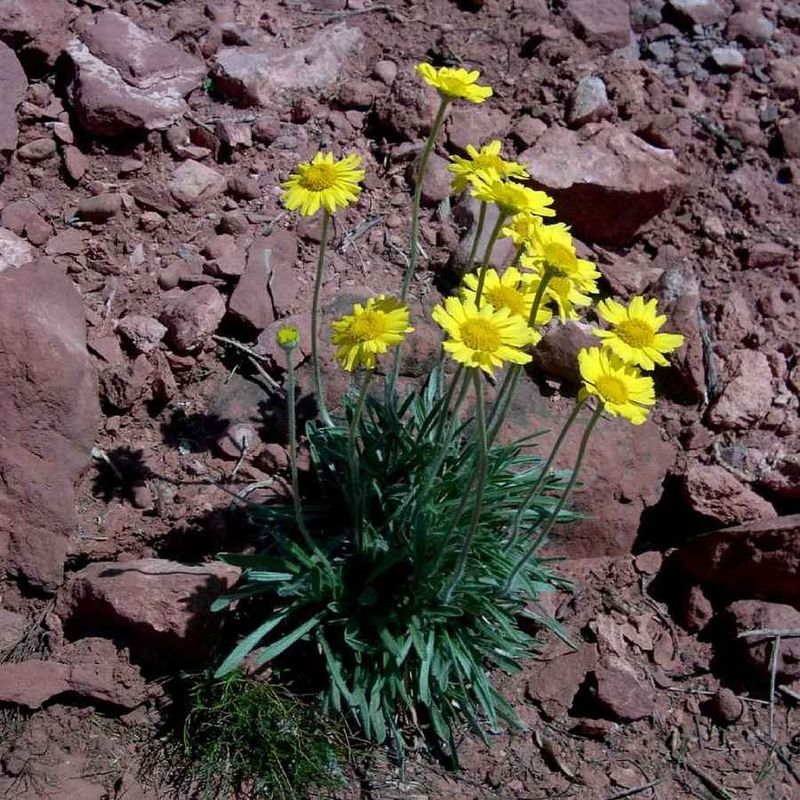
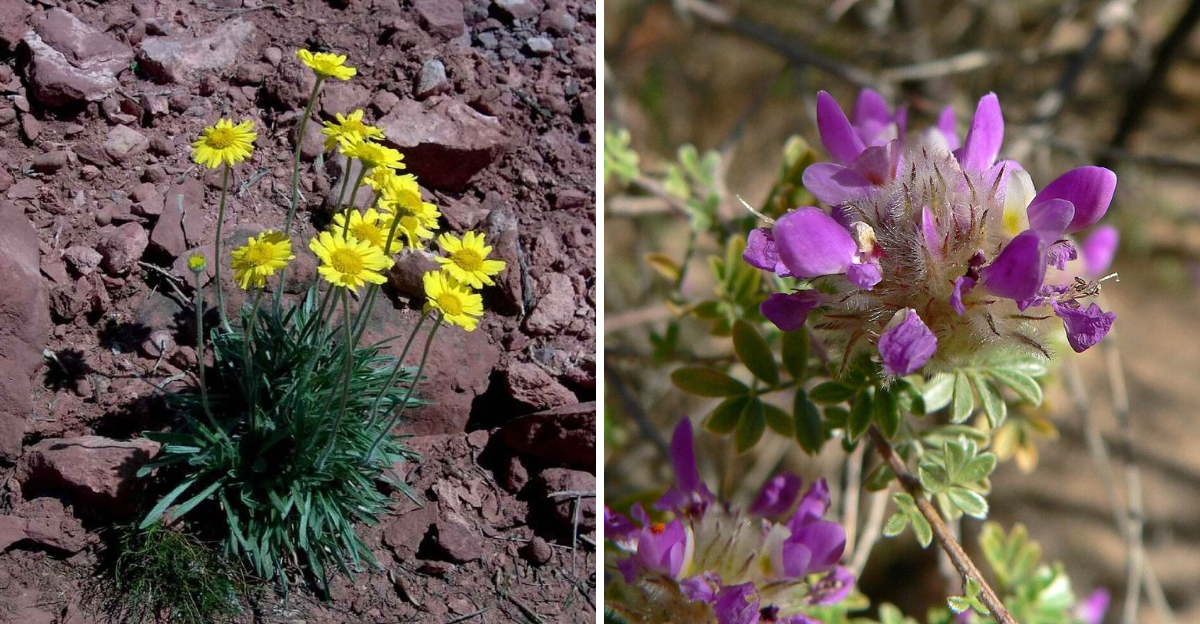
Tiny but seriously tough, Angelita Daisy packs a lot of performance into a compact plant that rarely gets taller than about a foot. Tetraneuris acaulis thrives in the kind of dry, radiant heat that builds up along wall borders in Arizona yards.
The cheerful yellow flowers bloom heavily in spring and often push out blooms again through fall, especially after monsoon moisture arrives.
What makes it useful near walls specifically is how well it handles soil that heats up fast and dries out between waterings. Gravel mulch around the base helps keep roots a bit cooler and reduces moisture loss, which is worth doing in exposed border spots.
The foliage stays evergreen in most Arizona locations, so even when it is not blooming, the plant still holds its ground visually.
Your Arizona Garden Changes Every Week. Your Plan Should Too.
Gardening in Arizona changes quickly throughout the season. Every Friday you’ll receive a simple weekly plan showing exactly what to plant, prune, fertilize, harvest, and protect so you never miss the right timing.
Planting in clusters of three or five creates a fuller, more natural look along wall bases than a single plant would. Each plant spreads slowly to about eighteen inches wide, so spacing them about a foot apart works well for quicker coverage.
Avoid heavy clay soil because drainage is critical for this plant to perform well. Regular deep watering every one to two weeks during summer keeps it healthy without overdoing moisture.
For borders along south or west-facing walls in Tucson and Phoenix, Angelita Daisy is a reliable, low-profile option.
3. Trailing Indigo Bush Spreads Along Hot Walls Without Stress
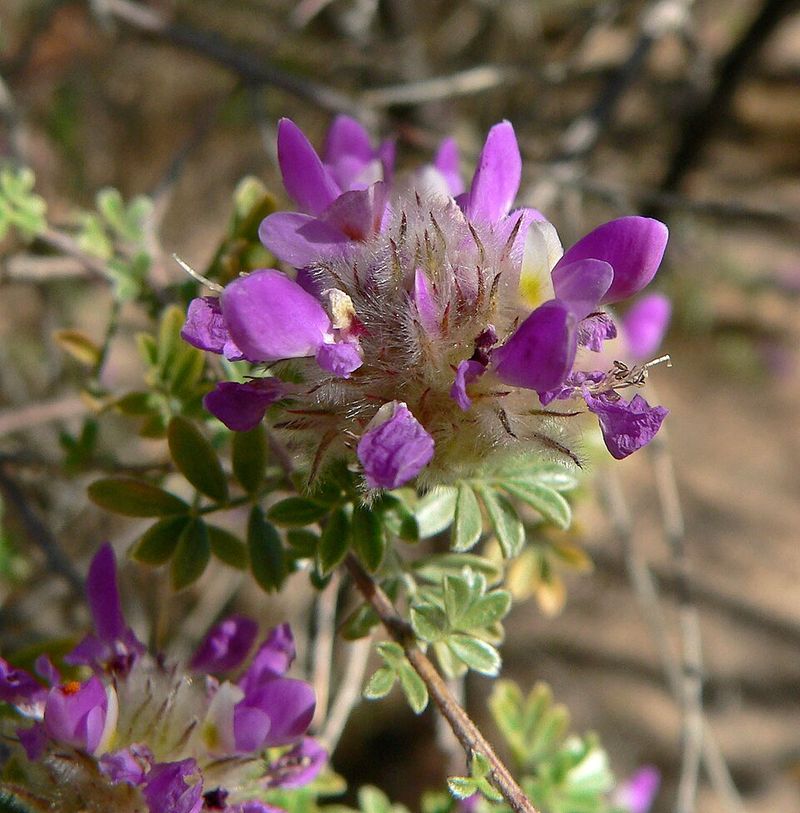
Purple flowers hugging a hot stucco wall in July — that is the kind of scene Trailing Indigo Bush pulls off with almost no fuss. Dalea greggii is a low-growing, spreading shrub that handles reflected heat from walls better than most plants you could put in that spot.
It stays close to the ground, which actually works in its favor when heat radiates off nearby surfaces.
In Arizona, it tends to spread outward rather than upward, filling in gaps along wall bases and rocky borders without crowding out everything around it.
The small, gray-green leaves have a soft texture that helps reduce water loss, which matters a lot when soil temperatures near walls can climb well above air temperature. Blooms appear in spring and sometimes again after monsoon rains roll through.
Planting it about two to three feet from a wall gives it enough room to spread naturally.
Sandy or gravelly soil drains fast, which suits this plant well since standing water near roots causes more problems than heat does. Hummingbirds and native bees visit the flowers regularly, so you get wildlife activity even in one of the harshest spots in the yard.
For anyone landscaping near walls in Tucson or Phoenix, this is a dependable, practical choice worth trying.
It keeps performing even as wall heat builds deeper into summer, when many other plants start to struggle.
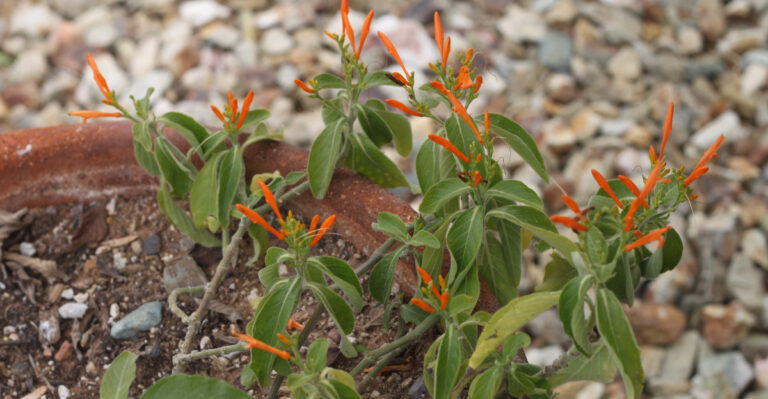
4. Desert Ruellia Handles Heat Buildup Near Stucco And Stone
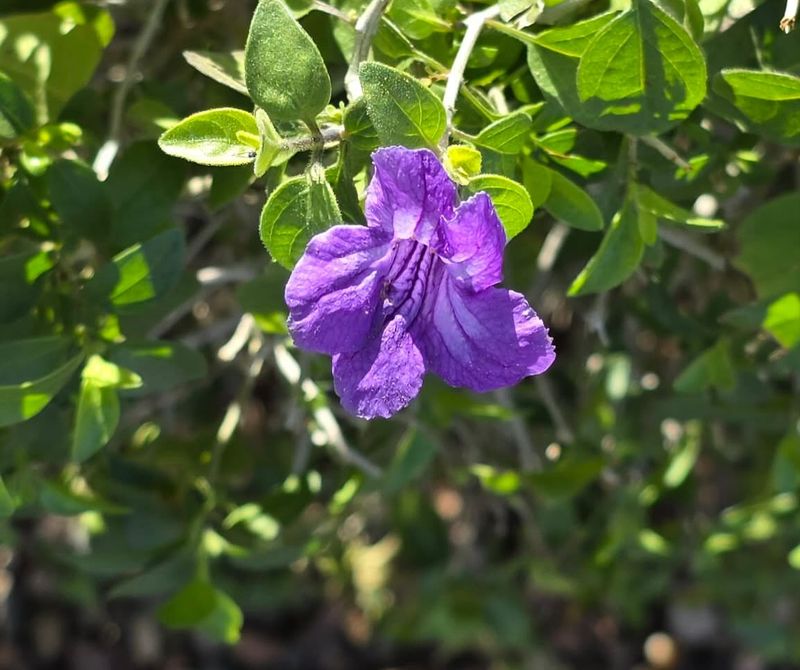
Few native plants match Desert Ruellia when it comes to pushing out color right next to a hot stucco or stone wall. Ruellia peninsularis produces purple, trumpet-shaped flowers almost continuously from spring through fall, and it barely slows down even when afternoon temperatures climb well above 100 degrees in Arizona.
That kind of heat tolerance comes from deep roots and a naturally efficient approach to water use.
Against walls, it tends to grow in a loose, rounded shape that softens hard edges without taking up too much space.
Height usually stays between two and three feet, making it a good fit for spots where taller shrubs would block windows or pathways.
The flowers attract hummingbirds and butterflies, which adds life to even the hottest corners of a yard.
Watering once a week during summer is usually enough once plants have settled in after the first season. Reflected heat from walls does not seem to bother it the way it affects many non-native plants, which tend to show leaf scorch or wilting in those same spots.
Pruning back lightly after the main bloom period keeps the shape tidy and encourages fresh growth. In Phoenix and Tucson neighborhoods, you will often spot Desert Ruellia planted along block walls and fence lines where it earns its keep season after season without a lot of intervention.
5. Globe Mallow Thrives In Harsh Sun And Hot Soil Conditions
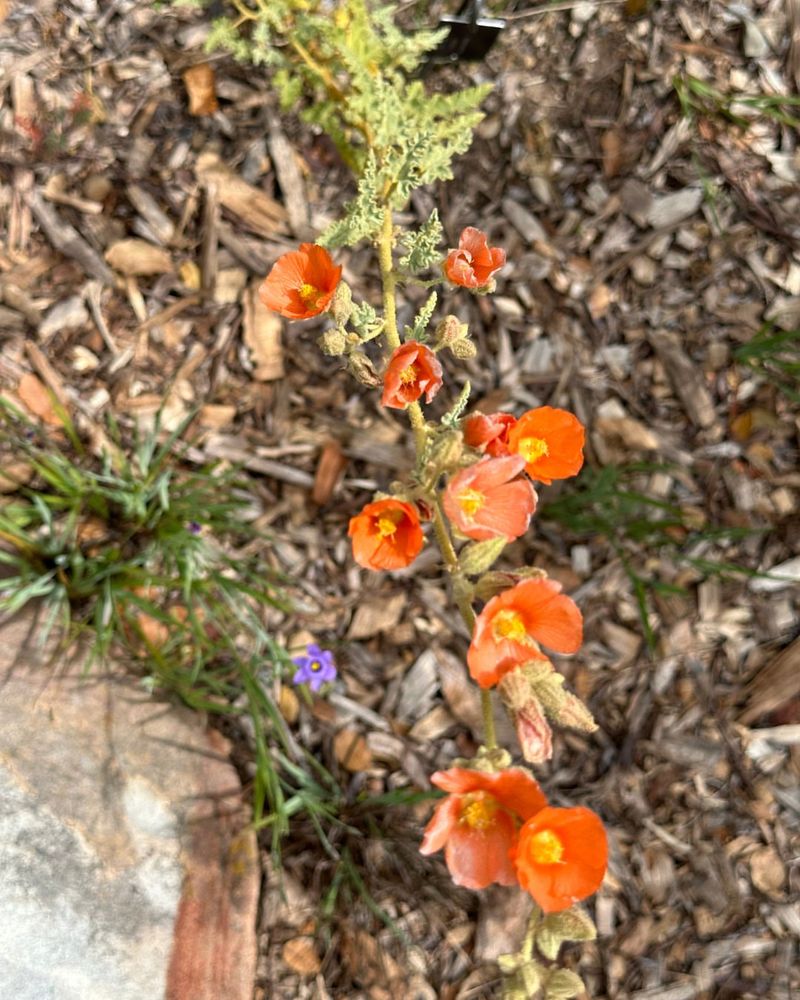
Orange flowers blazing against a hot gravel border — Globe Mallow looks like it was designed specifically for Arizona’s toughest garden spots. Sphaeralcea ambigua grows wild across much of the state, popping up along roadsides, rocky slopes, and desert washes where soil is poor and heat is relentless.
Planted near walls, it handles reflected heat and dry conditions without much complaint.
Blooms run from late winter through spring and often return after summer monsoon rains.
The soft, grayish leaves have tiny hairs that help slow water loss, which is a practical adaptation for spots where walls amplify heat and dry out soil faster than open areas. Flower colors range from the classic orange to shades of pink, red, and lavender depending on the variety.
One thing worth knowing is that the leaf hairs can cause mild skin irritation for some people, so wearing gloves when pruning or handling the plant is a smart habit.
Plants grow fairly fast, reaching two to three feet tall and wide within a season or two under good conditions.
Deep, infrequent watering encourages stronger root development compared to frequent shallow watering. In Phoenix and Tucson landscapes, Globe Mallow fits naturally into gravel gardens, rock borders, and dry planting strips along walls where other plants often struggle to hold on through summer heat.
6. Brittlebush Excels In Extreme Sun And Reflective Heat Zones
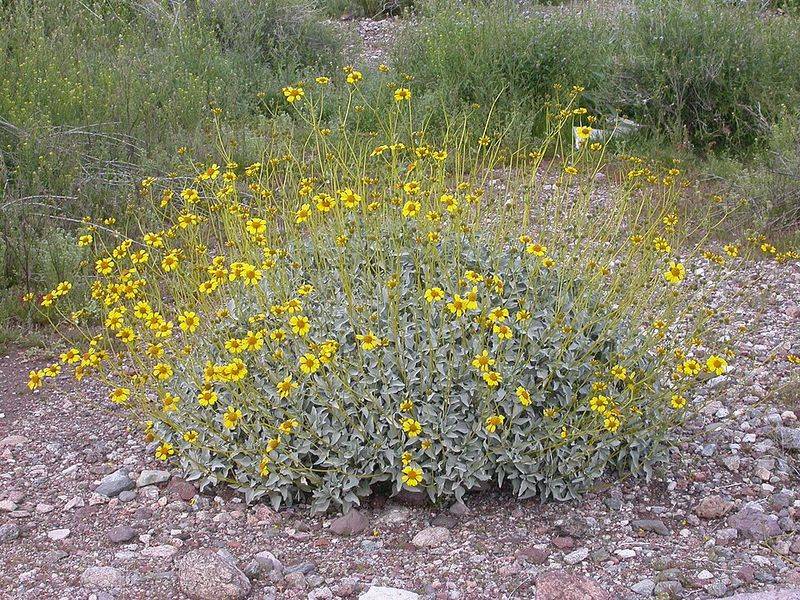
Walk past any sun-blasted hillside in the Sonoran Desert during spring and you will likely see Brittlebush lighting it up with golden yellow flowers. Encelia farinosa is one of the most heat-tolerant native shrubs in Arizona, and its silvery leaves are a big reason why.
That pale, reflective foliage bounces back some of the intense sunlight rather than absorbing all of it, which helps the plant manage extreme temperatures near walls.
During the hottest and driest parts of summer, Brittlebush sometimes drops its leaves to reduce water loss, then leafs back out when monsoon moisture arrives.
That is a natural response, not a sign that something is wrong. Near walls, where heat loads are highest, this adaptation is especially useful because it allows the plant to essentially pause and wait out the worst conditions.
Spring blooms are the real show, with masses of daisy-like yellow flowers rising above the mounded silvery foliage. Plants typically reach two to three feet tall and about as wide, fitting comfortably along wall bases without overwhelming the space.
Established plants handle drought well, though a deep watering every couple of weeks during summer helps maintain better appearance.
Brittlebush is a strong choice for south and west-facing wall exposures in Phoenix, Tucson, and other low-elevation Arizona locations where summer heat is most intense.
7. Creosote Bush Survives Constant Heat From Walls And Gravel
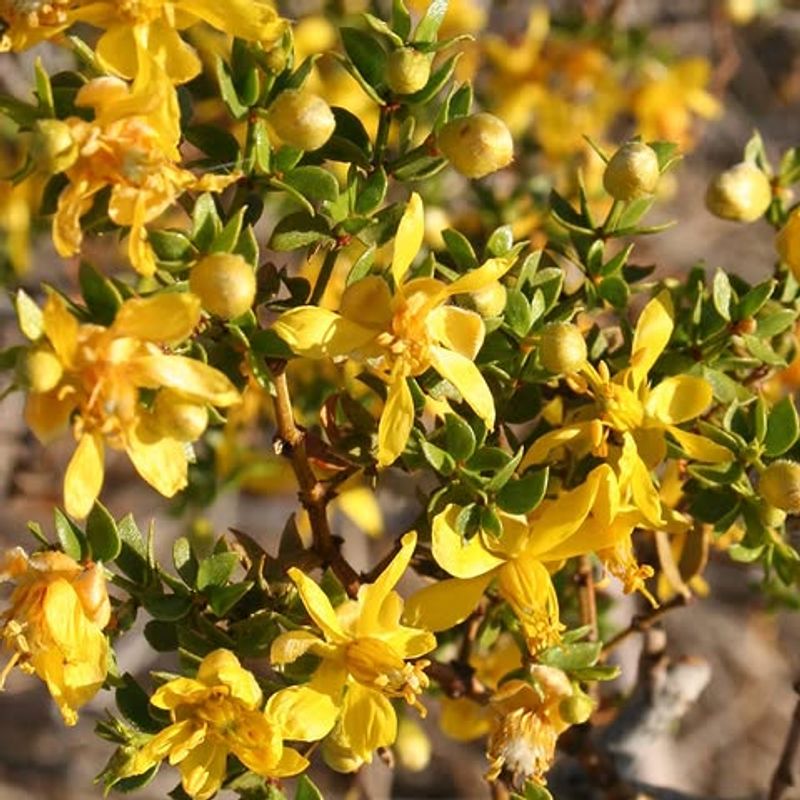
Creosote Bush has been handling Arizona heat for thousands of years, and a hot wall is not going to change that. Larrea tridentata is one of the most drought-adapted plants in North America, and its small, resin-coated leaves are a direct response to surviving in places where water is scarce and heat is constant.
That waxy coating limits moisture loss and helps the plant endure conditions that would stress most other species.
Near walls and gravel areas, Creosote Bush grows at a steady pace without getting out of control. It typically reaches four to eight feet tall depending on water availability, with an open, airy structure that lets heat and air move through rather than building up inside the canopy.
After rain, the leaves release that distinctive earthy, slightly medicinal scent that many Arizona residents immediately recognize as the smell of the desert.
Yellow flowers appear in spring and sometimes again after monsoon rains, followed by small fuzzy seed pods. Wildlife including native bees and certain butterfly species use Creosote Bush regularly.
Spacing plants six to eight feet apart gives each one room to develop its natural shape. Watering once or twice a month during summer is usually sufficient for plants that have been in the ground for a full season.
For gravel borders and wall-adjacent planting in Tucson and Phoenix, few plants are as well-suited as this one.
8. Desert Senna Handles Radiated Heat And Tough Dry Soil
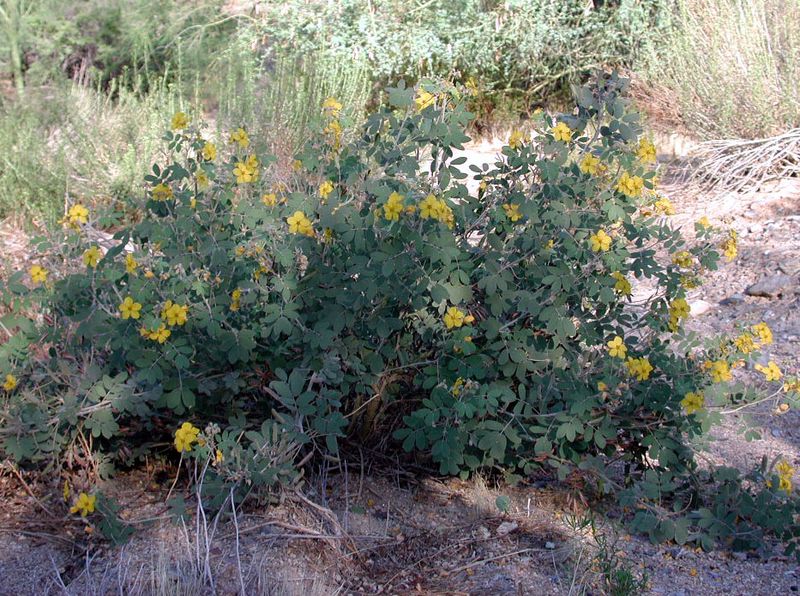
Bold yellow flowers on a shrub that actually enjoys baking against a hot wall — Desert Senna delivers exactly that kind of performance in Arizona landscapes.
Senna covesii is a native perennial shrub that grows naturally in rocky, dry desert terrain across the state, which makes it well-prepared for the radiated heat that builds up along walls and fences.
It does not need rich soil or regular fertilizing to put on a good show.
Blooms appear primarily in spring and sometimes push out again after monsoon season. The compound leaves have a soft, slightly blue-green color that pairs well with the bright flowers and stands out against the warm tones of stucco or stone walls.
Plants usually stay between two and four feet tall, which works well in spots where you want some height without blocking sightlines.
Dry, well-draining soil suits it best, and gravel mulch around the base helps keep roots from sitting in excess moisture during monsoon downpours.
Watering every ten to fourteen days during summer is a reasonable starting point, though established plants can stretch longer between waterings without serious problems. One practical note:
Desert Senna seeds freely, so expect some volunteer seedlings nearby over time. In Phoenix and Tucson yards, it fills wall-adjacent spots where reflected heat and poor soil would challenge most non-native plants, and it does so without requiring constant attention.