What Arizona Tomato Plants Need In April Before Heat Slows Growth
Arizona heat does not wait, and tomatoes feel that shift fast. Plants can look strong right now, full of growth and ready to push forward, yet something subtle begins to change as days get hotter.
Early success often gives a false sense of security, especially when everything still looks healthy on the surface. Many gardeners reach this point and assume the hard part is over.
That is usually when small details start to matter more than expected. Water, timing, and how roots handle rising soil temperatures all begin to shift in ways that are easy to miss.
Strong plants today do not always guarantee strong production later. Small adjustments made during this window can shape how tomatoes handle the stress ahead.
Getting this stage right makes a clear difference as the season moves toward intense heat.
1. Deep Watering Helps Roots Grow Before Extreme Heat Hits
Shallow watering is one of the fastest ways to set tomato plants up for a rough summer in Arizona. When water only reaches the top few inches of soil, roots stay near the surface where they get cooked once June arrives.
Deep watering pushes roots downward, where soil stays cooler and holds moisture longer.
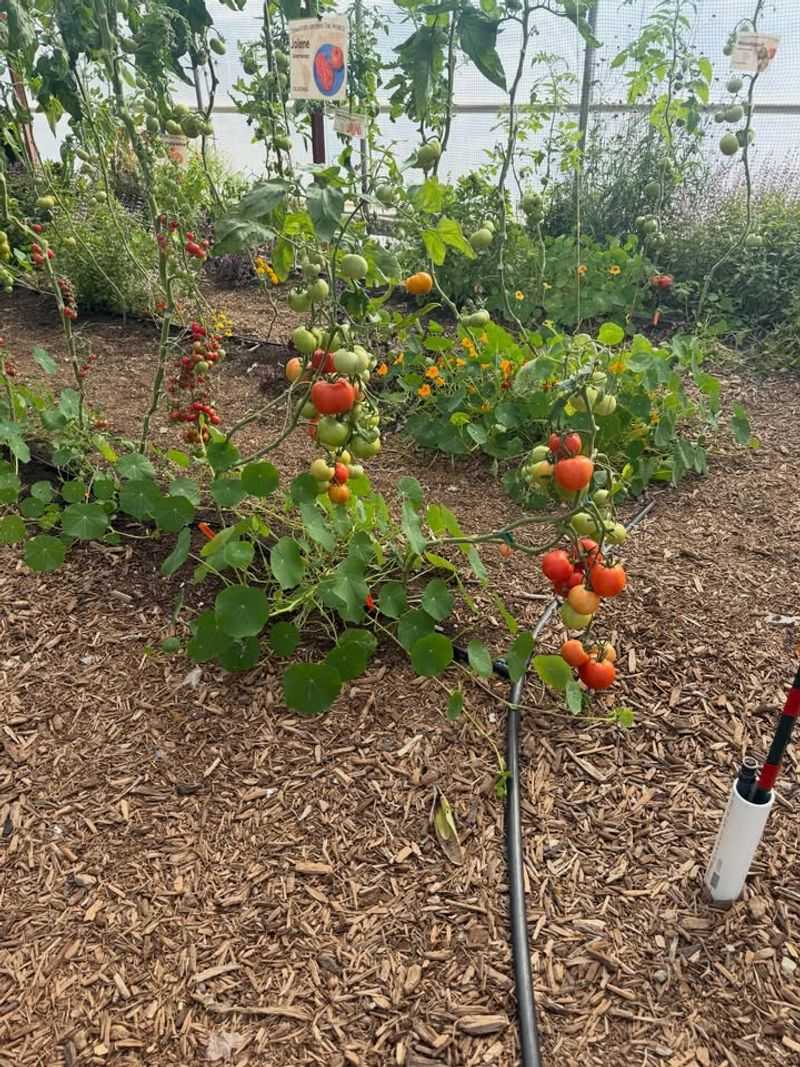
Aim to water slowly and thoroughly, letting moisture soak at least 12 inches into the ground. Drip irrigation works really well for this in Arizona because it delivers water directly to the root zone without wasting it to evaporation.
Watering two to three times per week in April is usually enough, but check soil moisture a few inches down before adding more water.
Avoid watering in the afternoon when the sun is strongest. Morning watering gives plants a good start and lets any surface moisture dry before the hottest part of the day.
Wet foliage sitting in heat can invite fungal problems, which Arizona gardeners don’t need on top of everything else.
Clay soils common in parts of the Phoenix area drain slowly, so water can pool instead of soaking in. If that’s your situation, water in shorter cycles with breaks in between to let the soil absorb what you’re giving it.
2. Morning Sun Matters More As Afternoon Heat Gets Stronger
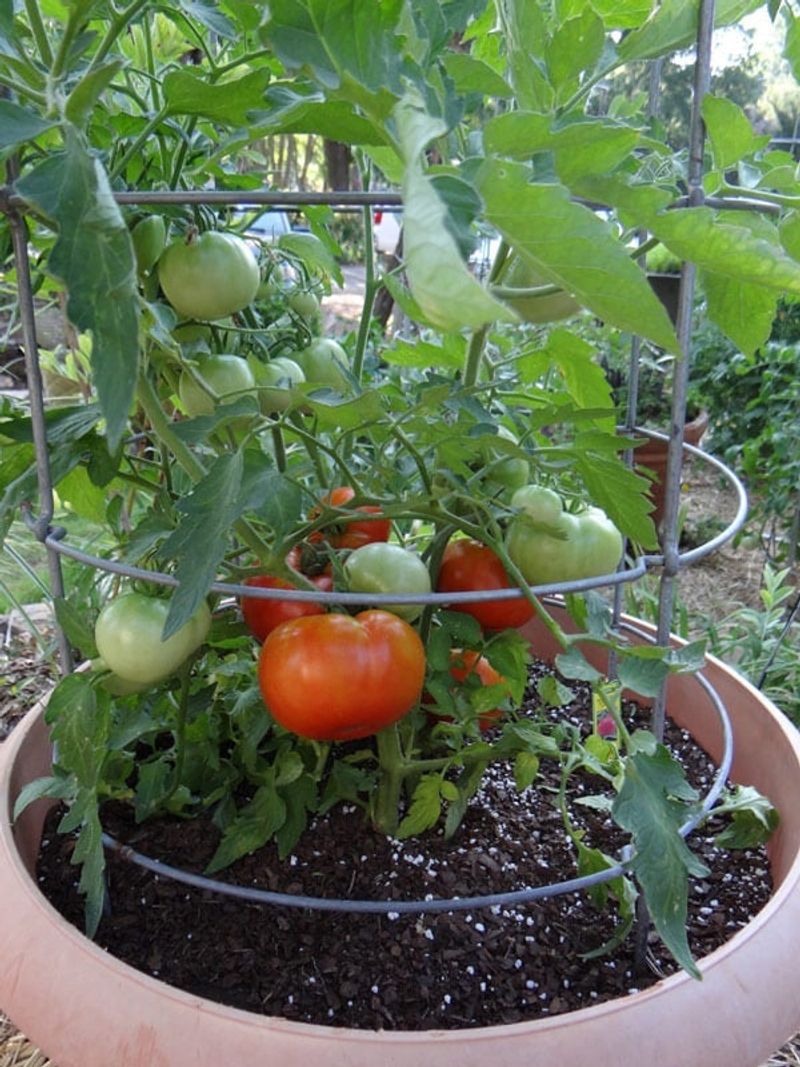
By mid-April in Arizona, afternoon sun stops being helpful and starts being a problem. Temperatures regularly hit the upper 90s, and direct sun exposure after 1 or 2 p.m. can cause blossom drop, sunscald on developing fruit, and general stress that slows plant growth.
Morning sun is where the real benefit happens.
Tomato plants need at least six to eight hours of sunlight daily, and getting that in the morning hours sets them up well without the punishment of peak afternoon heat. If you’re planning where to place containers or new plants, east-facing spots in your yard are worth considering.
Plants there catch strong morning light and get natural relief as the sun shifts west.
Blossom drop is a real concern in Arizona once daytime temperatures push consistently above 95 degrees. Flowers won’t set fruit when nights stay above 75 and days climb past that threshold.
Your Arizona Garden Changes Every Week. Your Plan Should Too.
Gardening in Arizona changes quickly throughout the season. Every Friday you’ll receive a simple weekly plan showing exactly what to plant, prune, fertilize, harvest, and protect so you never miss the right timing.
Maximizing morning sun while limiting afternoon exposure can help extend the window when fruit actually forms.
Some Arizona gardeners use strategic placement near block walls or fences that block western sun in the afternoon. That small adjustment can lower the heat load on plants noticeably.
You don’t need a complicated setup. Just paying attention to where the shade falls in your yard during the hottest hours gives you useful information for positioning plants.
April is the right time to make those adjustments before the real heat arrives and options become more limited.
3. Light Shade Prevents Stress As Temperatures Start Climbing
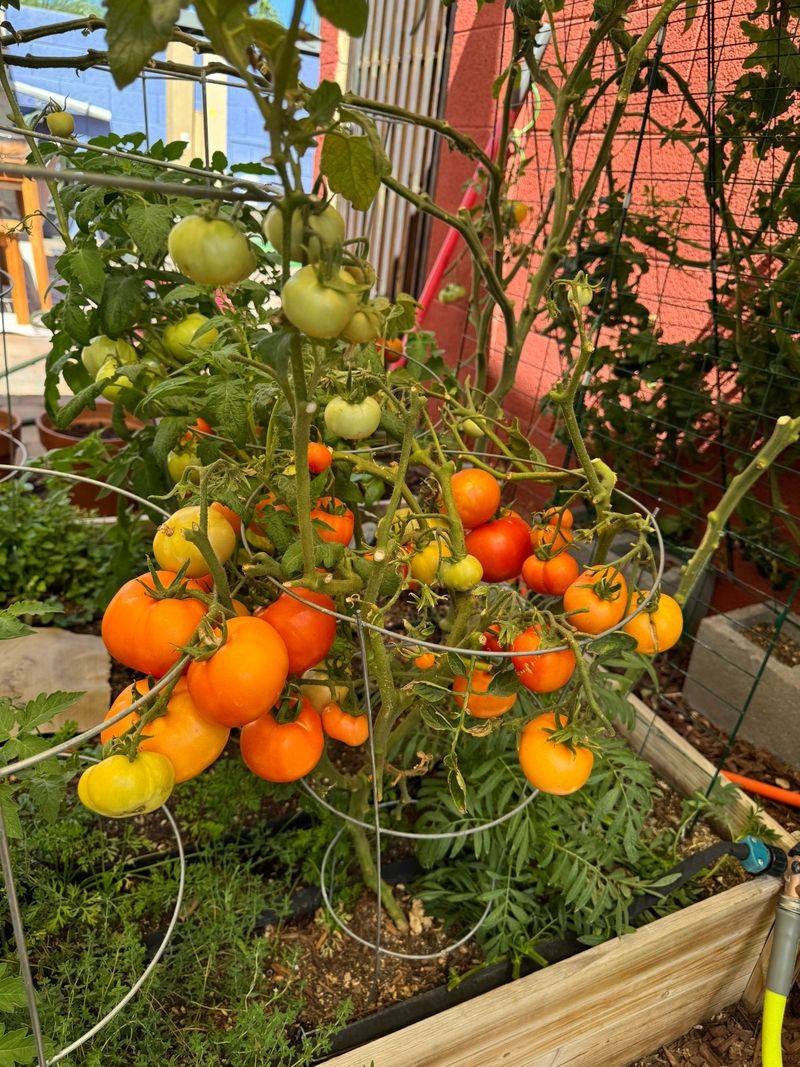
Shade cloth might sound counterintuitive for tomatoes, but in Arizona, it’s a practical tool that can keep plants productive longer into the season. A 30 to 40 percent shade cloth reduces heat load without cutting out enough light to slow growth.
That balance matters a lot as April temperatures climb toward and past 100 degrees.
Full sun works fine for tomatoes in cooler climates, but Arizona’s combination of intense radiation and low humidity creates conditions that overwhelm plants faster than temperature numbers alone suggest.
A shade cloth doesn’t lower air temperature dramatically, but it reduces the direct radiation hitting leaves and fruit, which makes a real difference in how plants handle the day.
Setting up a simple shade structure doesn’t require much. Shade cloth attached to stakes or an existing fence on the south and west sides of your plants can block the harshest afternoon angles.
Cloth is available at most garden centers in the Phoenix and Tucson areas and isn’t expensive for a small garden bed.
Watch how your plants respond after you add shade. Leaves that were curling or looking washed out often perk up within a few days.
Fruit that was showing light-colored patches from sun exposure may stop developing that problem once the direct afternoon radiation is reduced.
4. Mulch Keeps Soil Cooler And Slows Moisture Loss
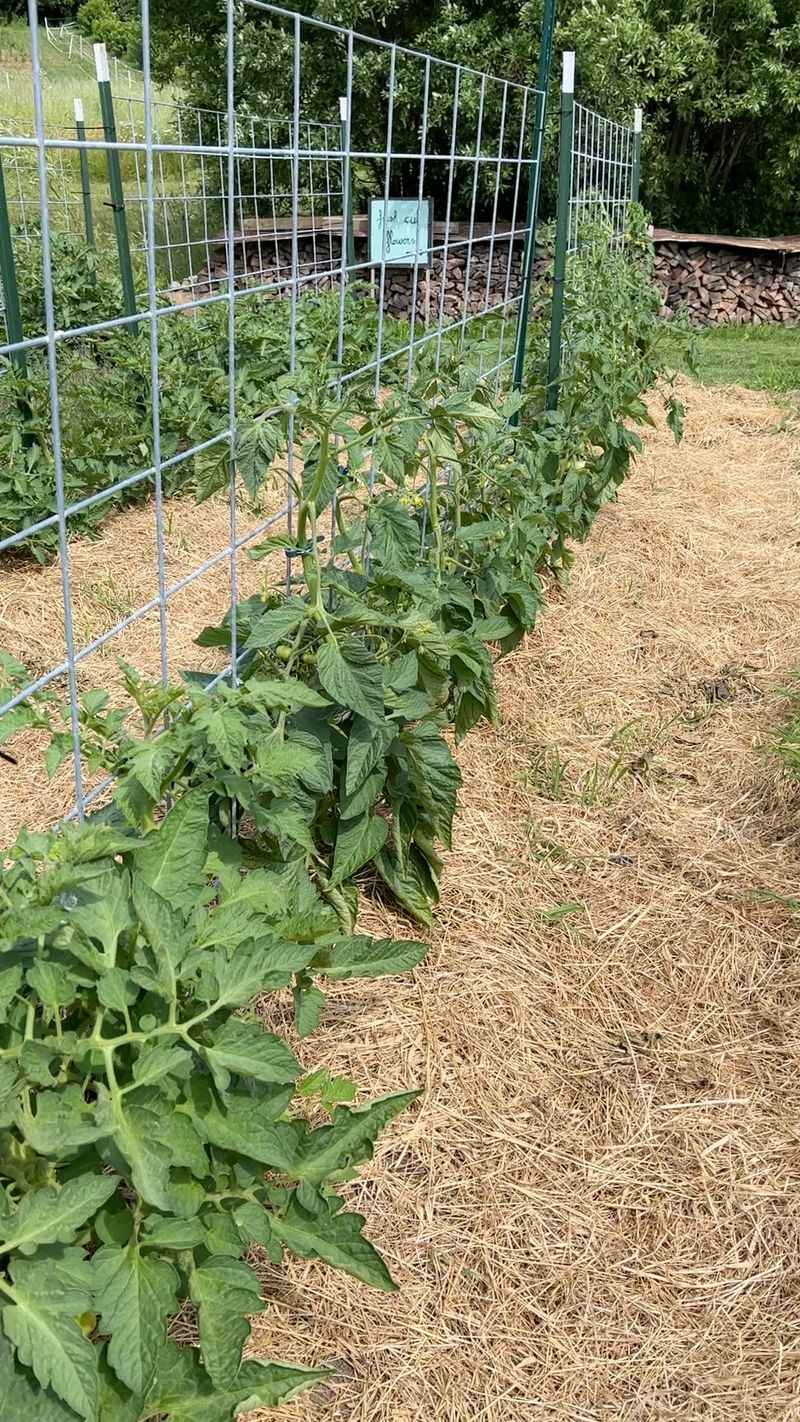
Bare soil in an Arizona garden bed in April absorbs heat fast. By midday, unprotected soil surface temperatures can reach well above 120 degrees Fahrenheit, which stresses roots even when air temperatures seem manageable.
A good layer of mulch changes that equation significantly.
Straw, shredded wood chips, or even dried grass clippings spread two to four inches thick around the base of tomato plants can reduce soil surface temperature by 10 to 20 degrees.
That range varies depending on material, thickness, and specific conditions, but the cooling effect is real and consistent.
Cooler soil also retains moisture longer, which means you water less frequently without leaving plants dry.
Keep mulch pulled back an inch or two from the main stem to avoid trapping moisture against the base of the plant. Constant moisture against the stem can cause rot over time, especially as Arizona humidity rises slightly during late spring.
A small gap around the stem is all it takes to avoid that issue.
Organic mulch also breaks down slowly and adds a small amount of organic matter to Arizona’s often nutrient-poor soils. It won’t replace fertilizer, but every bit of organic material helps in desert soils that tend to be alkaline and low in natural nutrients.
5. Balanced Feeding Supports Growth Without Forcing Weak Plants
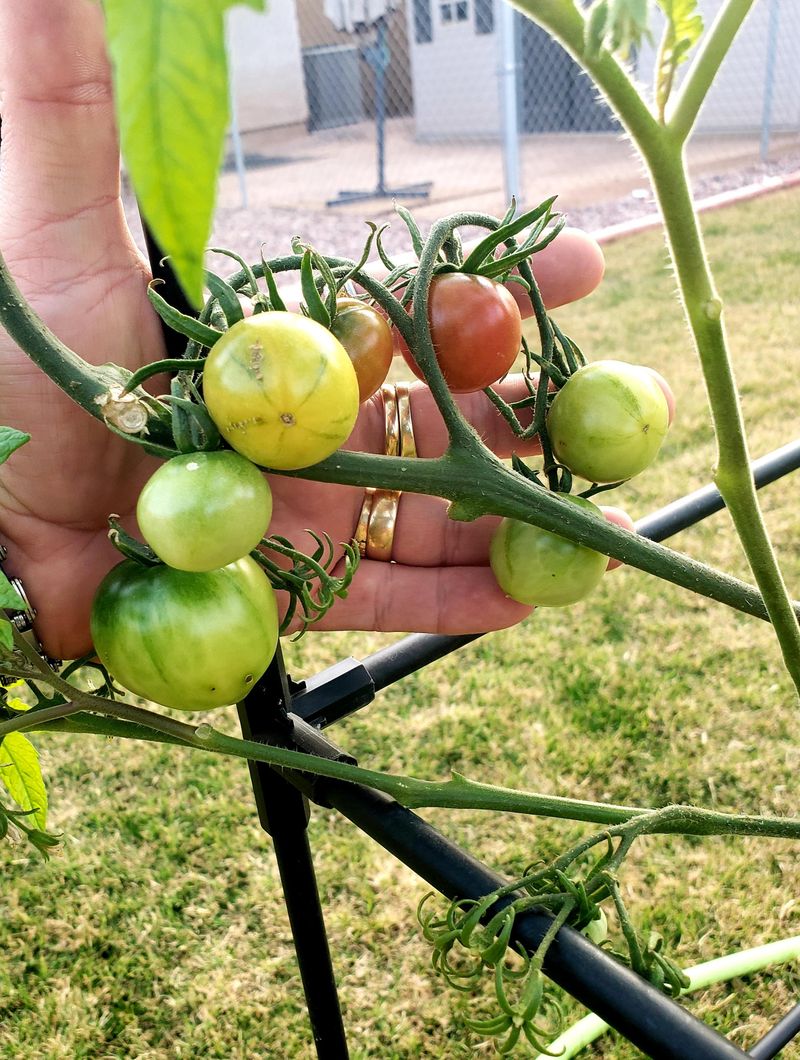
Fertilizing tomatoes in April requires some restraint. Pushing too much nitrogen into plants when heat is building encourages fast, leafy growth that looks healthy but can’t sustain itself once temperatures climb.
Soft, rapidly grown tissue tends to stress more easily in Arizona’s intense spring conditions.
A balanced fertilizer with roughly equal nitrogen, phosphorus, and potassium works well during this period.
Phosphorus supports root development and flower production, which is exactly what you want from plants that need to establish themselves and set fruit before June.
Look for a product labeled something like 10-10-10 or a tomato-specific blend that doesn’t lean too heavily on nitrogen.
Feeding every two to three weeks is a reasonable schedule for April in Arizona. More frequent applications don’t necessarily produce better results and can actually throw off soil chemistry over time, particularly in the alkaline soils common around Phoenix and Tucson.
Always water plants before applying fertilizer to avoid burning roots in dry soil.
Micronutrients matter in Arizona more than in many other states. Alkaline soil can lock up iron and other trace elements, leading to yellowing leaves even when plants are otherwise getting enough nutrition.
A fertilizer that includes chelated iron or a separate iron supplement can address that specific issue.
6. Pruning Improves Airflow And Reduces Heat Stress
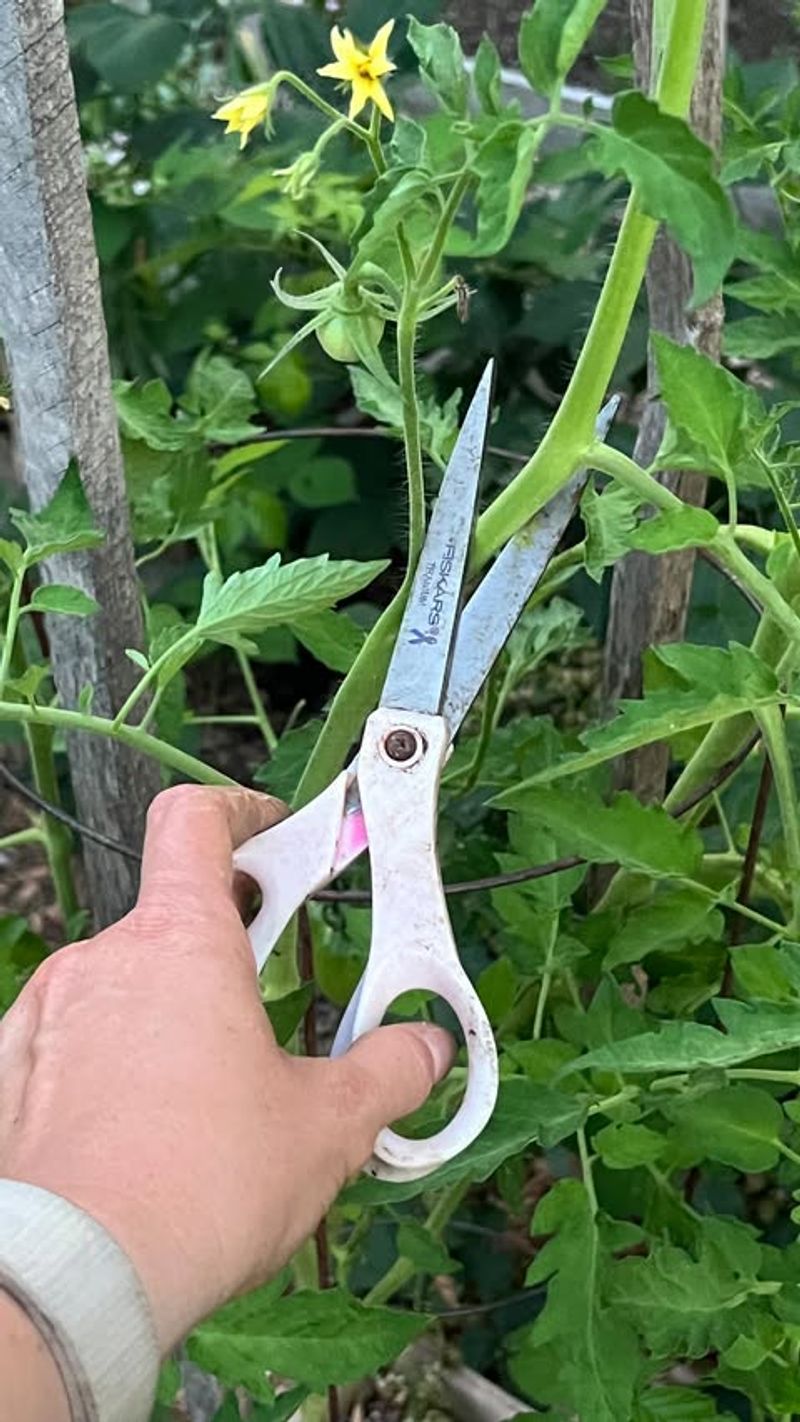
Overcrowded tomato plants trap heat and humidity between their leaves, which is not what you want heading into Arizona’s brutal late spring. Removing suckers and thinning dense growth opens up the plant structure, letting air move through more freely.
Better airflow means leaves dry faster and the plant’s internal temperature stays slightly lower.
Suckers are the small shoots that grow in the crotch between the main stem and a branch. Left alone, they turn into full branches and the plant becomes a dense, tangled mass.
In a place like Phoenix where heat is the primary challenge, a more open plant handles stress better than one with maximum foliage competing for the same water and nutrients.
Pruning in Arizona doesn’t mean stripping the plant bare. Leaving enough leaf coverage to protect fruit from direct sun is still important, especially for tomatoes developing in late April and May.
The goal is balance, not minimalism. Remove crowded or crossing branches, take off any yellowing or damaged leaves, and cut back suckers that are getting large.
Do your pruning in the morning when temperatures are cooler. Cuts made in the heat of the day can stress the plant more than the pruning itself helps.
Use clean, sharp scissors or pruning shears to make clean cuts and reduce the chance of introducing disease.
7. Early Harvesting Keeps Plants Producing Longer
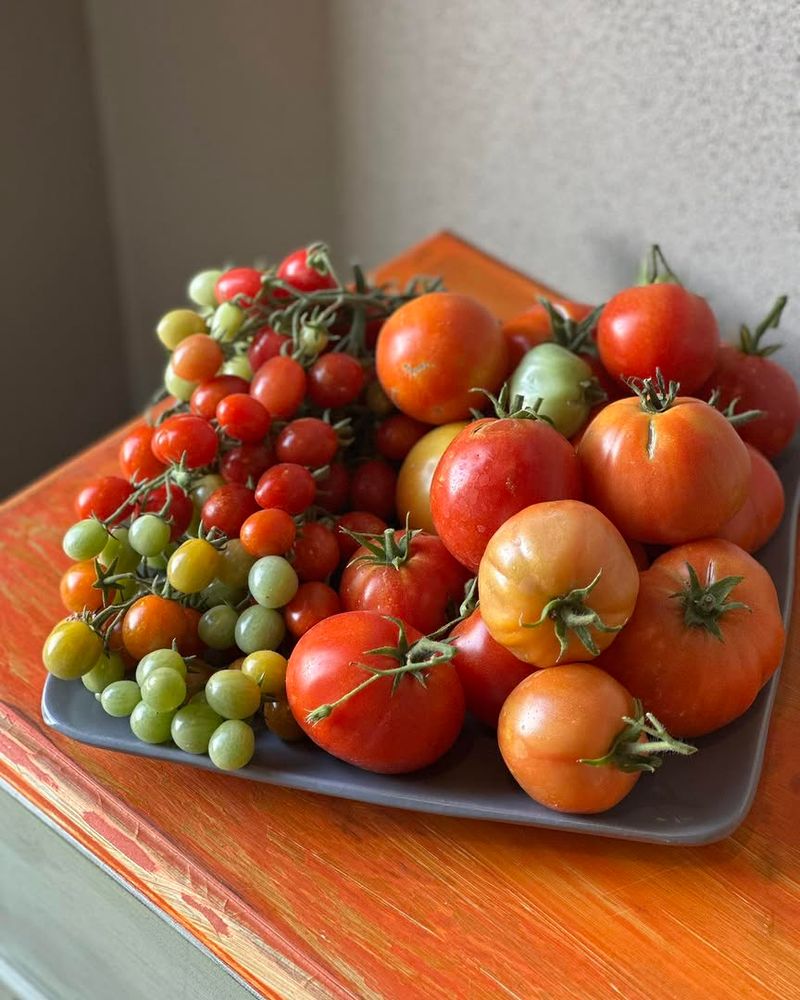
Leaving fully ripe tomatoes on the vine in April’s heat does the plant no favors. Fruit that’s been on the plant past peak ripeness draws energy and signals to the plant that its job is done.
Picking tomatoes as soon as they reach mature color encourages the plant to keep setting new flowers and fruit while conditions still allow it.
In Arizona’s low desert, the productive window can close faster than most gardeners expect. Once consistent daytime temperatures push above 95 to 100 degrees, blossom set slows or stops entirely.
That makes every fruit that’s already developing on the plant valuable. Harvesting promptly keeps the plant focused on the fruit still in progress rather than maintaining overripe tomatoes.
Tomatoes picked at the breaker stage, when they’ve just started showing color, will continue ripening indoors at room temperature.
Flavor develops well off the vine at this stage, and you protect the fruit from heat damage and cracking that can happen when temperatures swing dramatically between day and night.
Arizona spring nights can still be relatively cool in April, and that temperature swing sometimes causes skin cracking on fruit left outside.
Check plants every day or two once fruit starts coloring up. Regular harvesting also gives you a chance to spot problems early, including pest damage, cracking, or signs of disease on developing fruit.