The 8 Plants More Texas Gardeners Are Growing To Help Keep Ticks Away
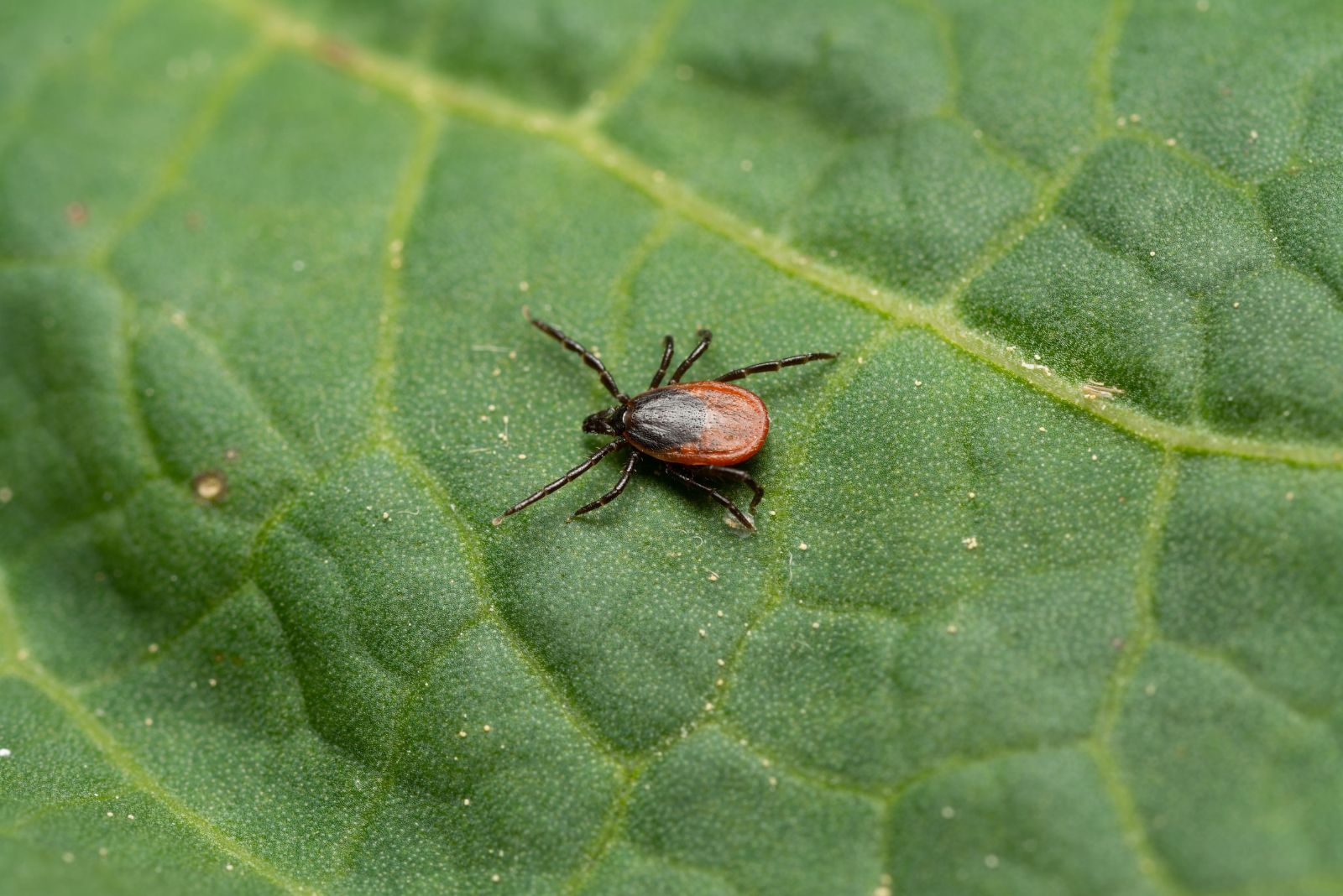
Ticks have a way of ruining the mood fast. One minute you are enjoying time in the yard, pulling weeds, watering flower beds, or watching the kids run around, and the next you are checking your socks and wondering what might be hiding in the grass.
In Texas, where warm weather keeps people outside for much of the year, that is a problem many gardeners take seriously.
More homeowners are starting to think beyond sprays and treatments and paying closer attention to the plants growing around their homes.
While no plant can magically make ticks disappear, some are becoming popular in Texas gardens because they may help create a space that feels less welcoming to pests when paired with smart yard care.
That makes them appealing for anyone who wants a yard that looks good and works a little harder behind the scenes.
For gardeners who want beauty with a practical side, this shift makes a lot of sense. The right mix of plants can add color, texture, and fragrance while also supporting a yard that feels more comfortable to spend time in.
1. American Beautyberry (Callicarpa Americana)
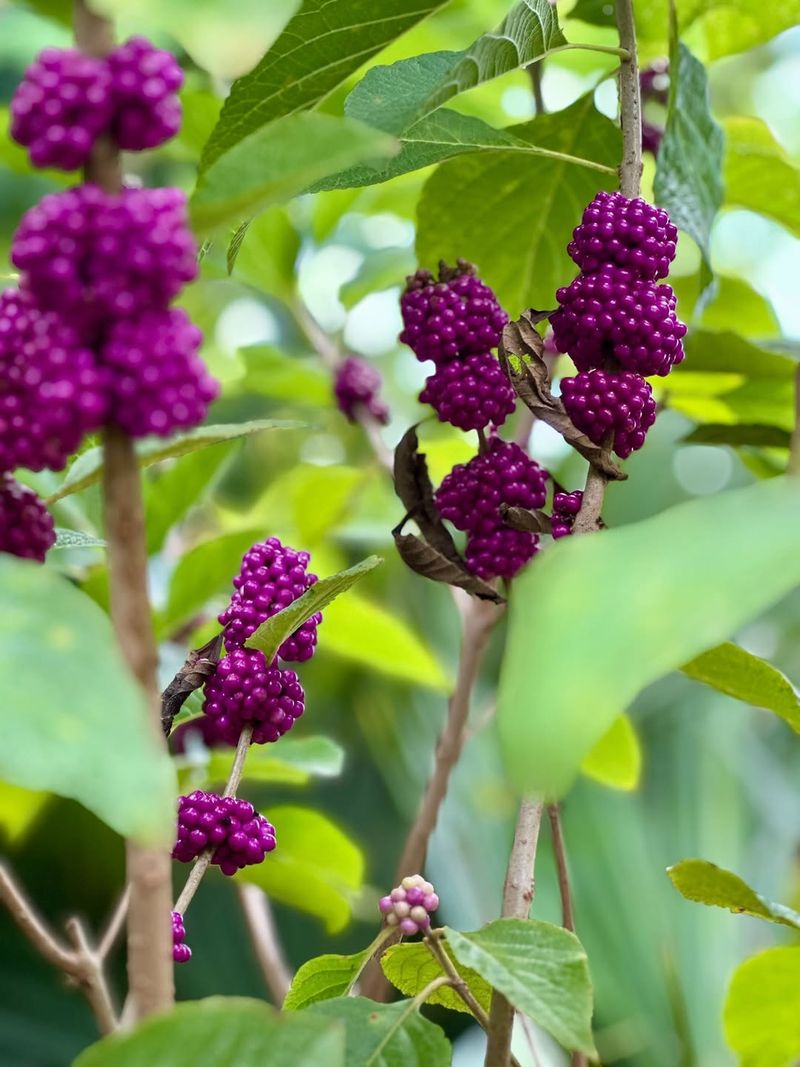
Walk through almost any Texas woodland in late summer, and you will likely spot the American Beautyberry before anything else. Those bold, electric-purple berry clusters are impossible to miss.
But this native shrub is not just a pretty face. Scientists at the USDA have actually studied its leaves and found compounds like callicarpenal and intermedeol that have real tick-repelling power.
Native plant lovers in Texas have been growing American Beautyberry for years, mostly for its stunning fall color. Now that the science is catching up, even more gardeners are planting it with purpose.
The leaves can be crushed and rubbed on skin as a natural repellent, which is something people in the South have known about for generations.
American Beautyberry grows well in partial shade, which makes it a great choice for spots under trees where grass struggles.
It can reach six to eight feet tall and wide, so it works well as a natural hedge or border plant. Birds absolutely love the berries too, so you get wildlife benefits on top of tick protection.
For Texas gardeners who want a low-maintenance, native plant that looks great and serves a real purpose, American Beautyberry is hard to beat. Plant it in well-drained soil, give it some room to spread, and let it do its thing.
2. Lavender (Lavandula Spp.)
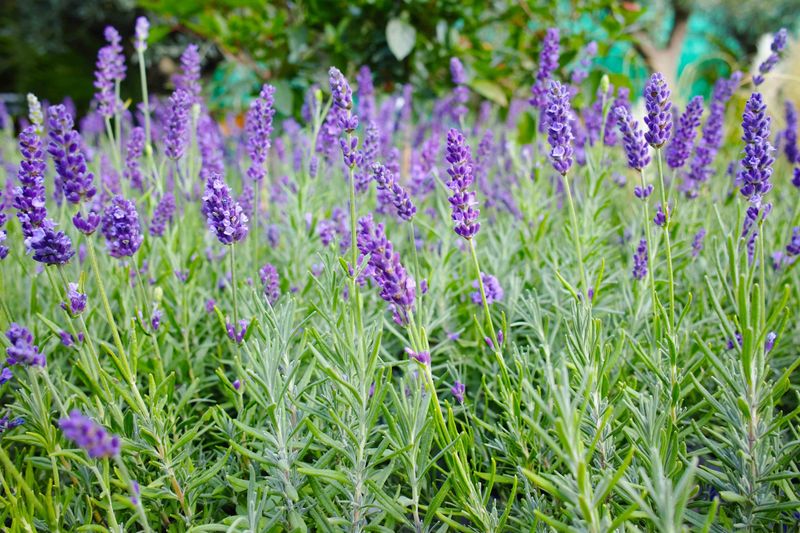
Few plants smell as amazing as lavender, and ticks absolutely cannot stand it. The strong floral fragrance that humans love comes from aromatic oils like linalool and camphor, which mess with a tick’s sensory system and send them looking elsewhere.
It is one of the most popular tick-repelling plants recommended by garden experts across the country.
Texas is actually a fantastic place to grow lavender. The hot, dry summers and well-drained soils found in many parts of the state are exactly what lavender needs to thrive.
Spanish lavender tends to do especially well in Texas heat compared to some other varieties. Plant it along walkways, near patios, or at garden borders where people and pets spend the most time.
Your Texas Garden Changes Every Week. Your Plan Should Too.
Gardening in Texas changes quickly throughout the season. Every Friday you’ll receive a simple weekly plan showing exactly what to plant, prune, fertilize, harvest, and protect so you never miss the right timing.
Once established, lavender is incredibly drought-tolerant, which is a huge bonus for Texas gardeners dealing with water restrictions.
It needs very little attention after the first season and will come back year after year with minimal care. Trim it back after blooming to keep it full and bushy.
Bonus tip: you can cut fresh lavender stems and place them near doorways or on outdoor tables to extend the repellent effect. Lavender also attracts bees and butterflies, making your garden a lively, beautiful space that naturally discourages ticks from settling in.
3. Rosemary (Salvia Rosmarinus)
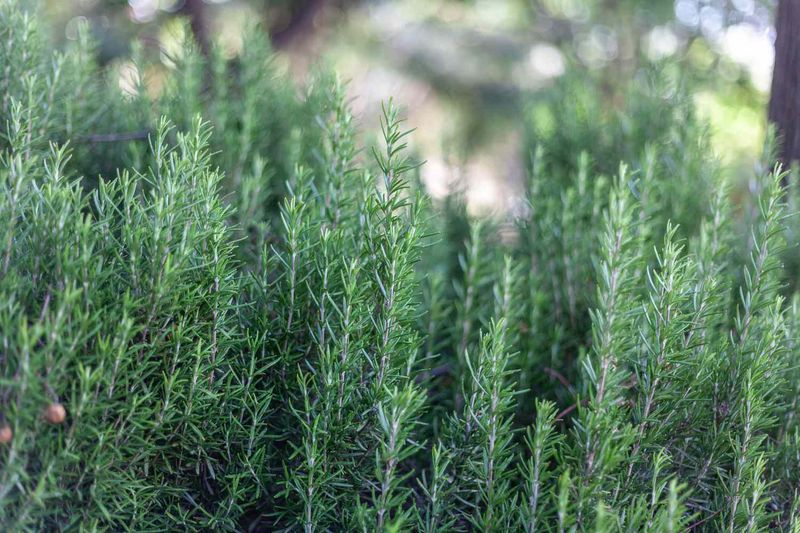
Rosemary is the kind of plant that earns its spot in the garden ten times over. You can cook with it, it looks great as a hedge, and it puts out a strong, piney scent that ticks and other pests find seriously off-putting.
The oils in rosemary interfere with tick sensory receptors, making it one of the most effective natural deterrents you can grow.
Hot, sunny Texas yards are practically made for rosemary. Once it gets established, this tough herb can handle drought, poor soil, and intense heat without much fuss.
That makes it a dream plant for gardeners in places like San Antonio, Dallas, or West Texas where summers are long and dry. It can grow into a full shrub if you let it, or you can trim it into a neat, formal hedge along a fence line or driveway.
Planting rosemary near outdoor seating areas, along garden paths, or around play spaces creates a natural barrier that ticks are reluctant to cross. Brushing against the plant as you walk by releases even more of those repellent oils into the air.
Rosemary is also evergreen in most parts of Texas, meaning it provides year-round protection and visual appeal. For gardeners who want a multi-purpose plant that pulls serious weight, rosemary is one of the smartest choices you can make.
4. Lemongrass (Cymbopogon Citratus)
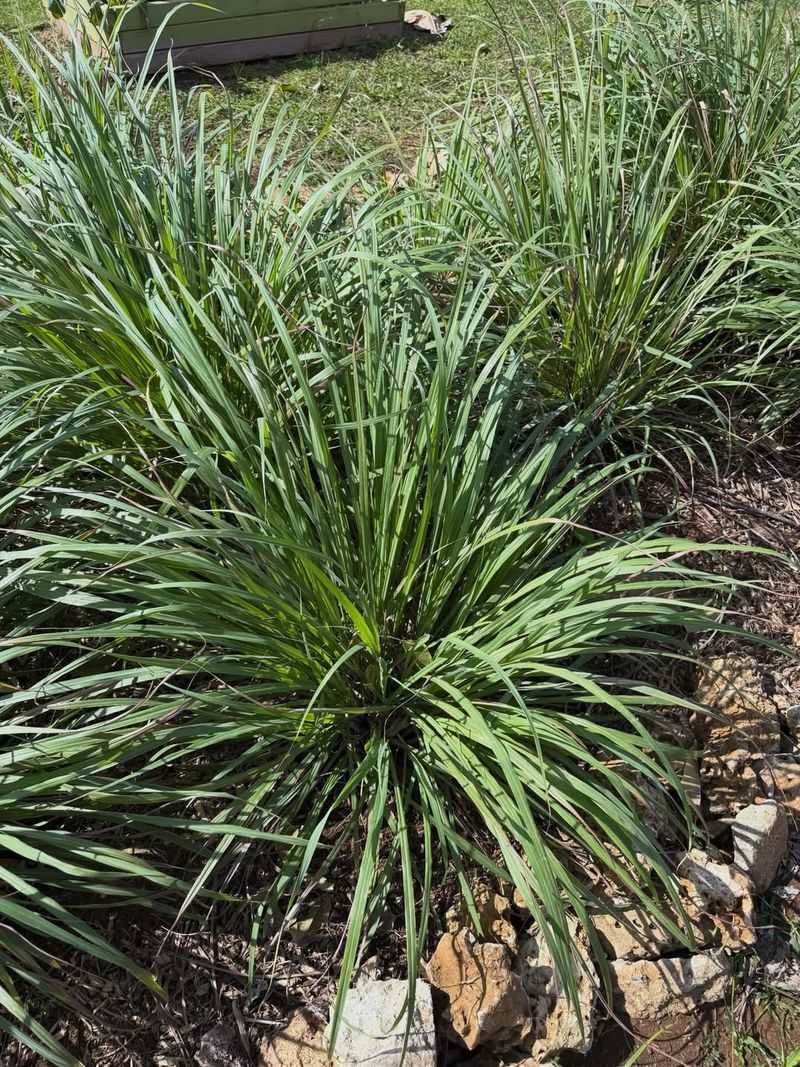
If you have ever seen a mosquito repellent candle or natural bug spray, there is a good chance citronella was listed as an ingredient. Citronella comes from lemongrass, and that same powerful compound does a great job of masking human scent and repelling ticks.
Gardeners across Texas are catching on and planting lemongrass in bigger numbers every season.
Lemongrass loves warm weather, and Texas has plenty of that. It grows fast in full sun and can reach four to six feet tall in a single season, creating a dramatic, tropical look that adds real visual interest to any landscape.
Plant it in large containers or directly in the ground along borders and near outdoor living spaces for maximum effect.
One thing to keep in mind is that lemongrass is a tender perennial in Texas. In South Texas and the Gulf Coast, it may survive winter outdoors.
In Central and North Texas, you might want to bring potted plants inside or mulch heavily around the base to protect the roots during cold snaps.
Crushing a few leaves and rubbing them on your skin before heading outside gives you an extra layer of natural protection.
Lemongrass also looks stunning next to shorter plants, so it works great as a background plant in mixed borders. It is a smart, stylish addition to any Texas tick-deterrent garden strategy.
5. Mint (Mentha Spp.)
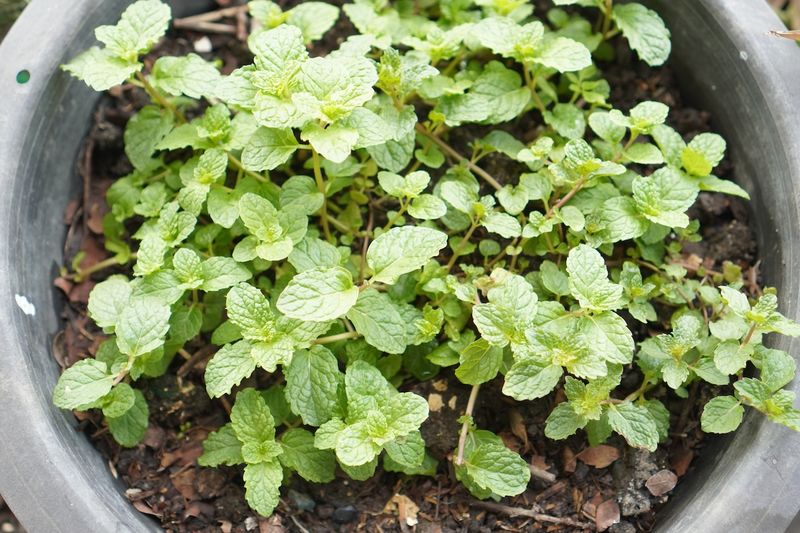
Mint is one of those plants that almost grows itself, which is both its greatest strength and its one quirk to manage. The essential oils in mint, especially peppermint, are highly aromatic and work to confuse and repel ticks by overwhelming their senses.
Many natural insect repellent sprays use peppermint oil as a key ingredient, and growing the real thing in your garden takes that concept to the next level.
Because mint spreads aggressively through underground runners, most Texas gardeners recommend growing it in containers rather than directly in the ground.
A few large pots of mint on a patio or near an entryway can create a fragrant, tick-deterring barrier without the risk of it taking over your whole garden bed.
You can also sink containers into the ground to keep the roots contained while still getting the benefits.
Mint grows well in partial shade, which makes it useful for spots in your yard that get a break from the intense Texas afternoon sun. It needs regular watering but is otherwise easy to maintain.
Pinching back the tops encourages bushier growth and keeps the plant producing fresh, aromatic leaves.
Beyond ticks, mint also helps deter fleas, mosquitoes, and ants, making it a multi-purpose pest deterrent. Fresh mint leaves can be used in cooking and drinks too, so it is a genuinely useful plant to have around any Texas home.
6. Thyme (Thymus Spp.)
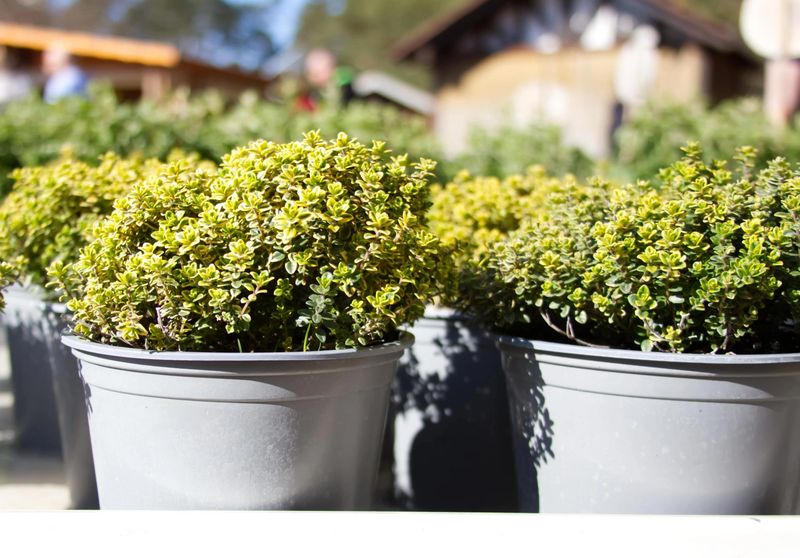
Thyme might be small, but do not underestimate what it can do. Research has shown that thyme contains compounds like thymol and carvacrol that have measurable tick-repelling properties.
In fact, thymol is used as an active ingredient in some commercial pest control products. Having it growing right in your garden is a natural, low-effort way to put it to work.
One of the best things about thyme for Texas gardeners is how well it handles heat and drought once it gets established. Plant it in a sunny, well-drained spot and it will practically take care of itself through hot Texas summers.
It works beautifully as a ground cover between stepping stones, along garden edges, or in rock gardens where other plants might struggle.
Walking on thyme releases its oils into the air, which helps boost its repellent effect right where you need it most. Creeping thyme varieties are especially popular for this purpose because they form a dense, low mat that fills in gaps and handles light foot traffic well.
Thyme is also a fantastic companion plant in vegetable gardens, where it can help protect nearby crops from pests while adding a culinary herb to your harvest.
For Texas gardeners looking for a tough, useful, and attractive ground cover that does more than just look good, thyme is a seriously underrated choice worth adding to your outdoor space.
7. Sage (Salvia Spp.)
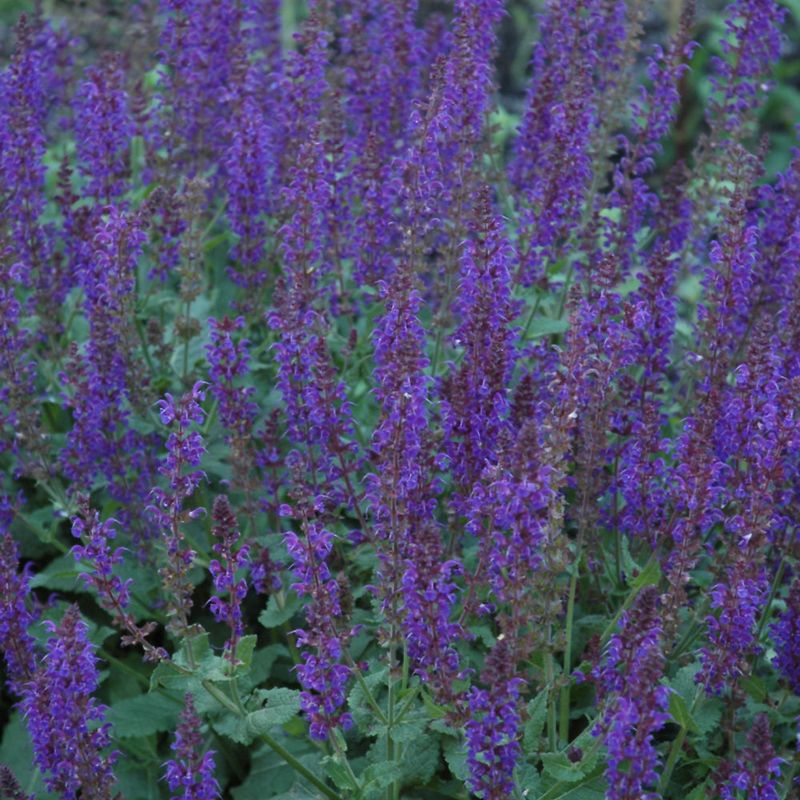
Sage has been used for centuries in cooking, medicine, and even spiritual practices, but its value as a natural pest deterrent is something Texas gardeners are paying more attention to right now.
The pungent, earthy aroma that makes sage so recognizable in the kitchen is the same thing that makes ticks want nothing to do with it.
Aromatic oils in the leaves interfere with tick sensory signals and help keep them at a distance.
Texas is home to several native and adapted sage species that thrive in the local climate. Texas sage, also called cenizo, is a beloved native shrub that blooms with brilliant purple flowers after rain.
Culinary sage and ornamental salvias also grow beautifully across the state, offering a wide range of colors, sizes, and textures to work with in the garden.
Most sage varieties have very low water needs once established, which fits perfectly with Texas water conservation efforts.
Plant them in full sun with good drainage and they will reward you with years of low-maintenance beauty and natural pest protection. They also attract hummingbirds and butterflies, adding life and movement to your yard.
Mixing different sage varieties throughout your garden creates a layered, textured look while spreading that tick-deterring fragrance across a wider area.
For gardeners in Texas who want native beauty with real benefits, sage is one of the most rewarding plants you can choose.
8. Mountain Mint (Pycnanthemum Spp.)
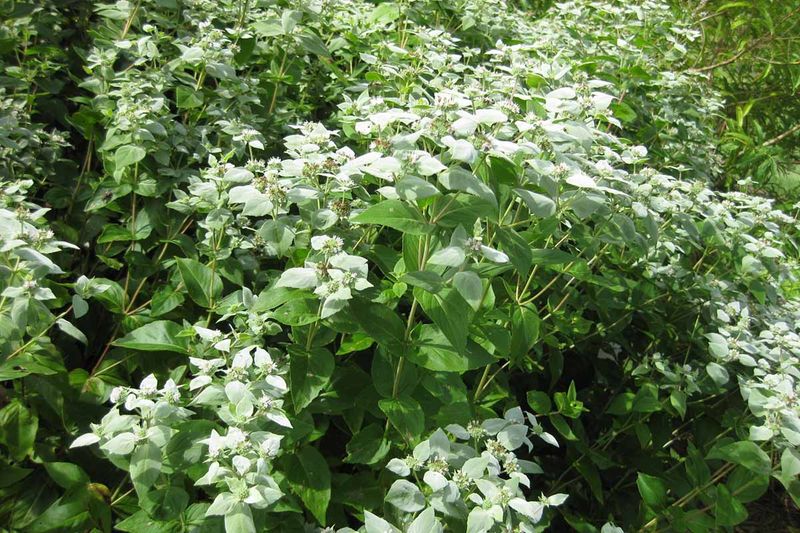
Mountain mint is one of those hidden gems that serious native plant gardeners in Texas are quietly raving about. It might not be as well-known as lavender or rosemary, but recent attention from entomologists and natural gardening communities has put it firmly on the radar.
Studies have found that mountain mint produces aromatic oils that are highly effective at repelling ticks, sometimes outperforming more commonly known repellent plants.
What makes mountain mint extra special is how much pollinators love it. Bees, butterflies, and beneficial insects flock to its small white flowers all summer long.
So while it is actively discouraging ticks from setting up camp in your yard, it is simultaneously supporting the local ecosystem. That is a pretty impressive combination for one plant.
Mountain mint grows naturally in meadows and open woodlands, which means it fits beautifully into naturalized garden designs and native plant landscapes. It spreads moderately through rhizomes, so giving it a defined space or using it as a border plant works well.
It handles Texas summers with good drainage and occasional watering, and it tends to be very forgiving for beginner gardeners.
If you are building a tick-deterrent garden in Texas and want something a little different that also supports wildlife, mountain mint deserves a serious look. Plant it near the edges of your yard or in garden beds that border wooded or grassy areas for the best results.