These Native Ohio Shrubs Attract More Pollinators Than Many Garden Center Picks
Walk through most garden centers in spring and it’s hard not to load up your cart. Big blooms, bold colors, everything looks like it belongs in a picture-perfect yard.
Then a few weeks later, something feels… quiet. Not much movement, not many visitors, just flowers doing their thing without much life around them.
That’s the part more Ohio gardeners are starting to notice. It’s not just about how a shrub looks, it’s about what it brings in.
Because some of those popular picks don’t offer much to pollinators once they’re in the ground.
So the focus is shifting. Native shrubs are stepping in with blooms that actually draw bees, butterflies, and more, turning a still garden into something active and alive.
And once that change happens, the yard doesn’t just look good. It starts to feel like it’s working the way it should.
1. Buttonbush Draws In Constant Pollinator Activity
Picture a midsummer afternoon in an Ohio backyard where a single shrub is buzzing so loudly you can hear it from the porch.
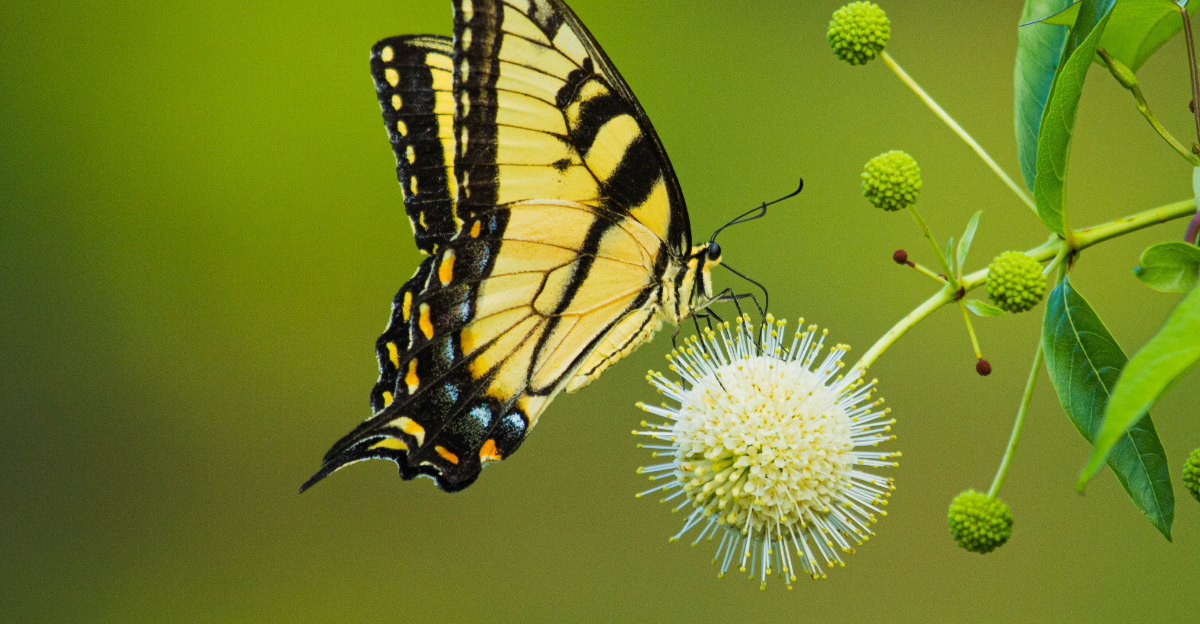
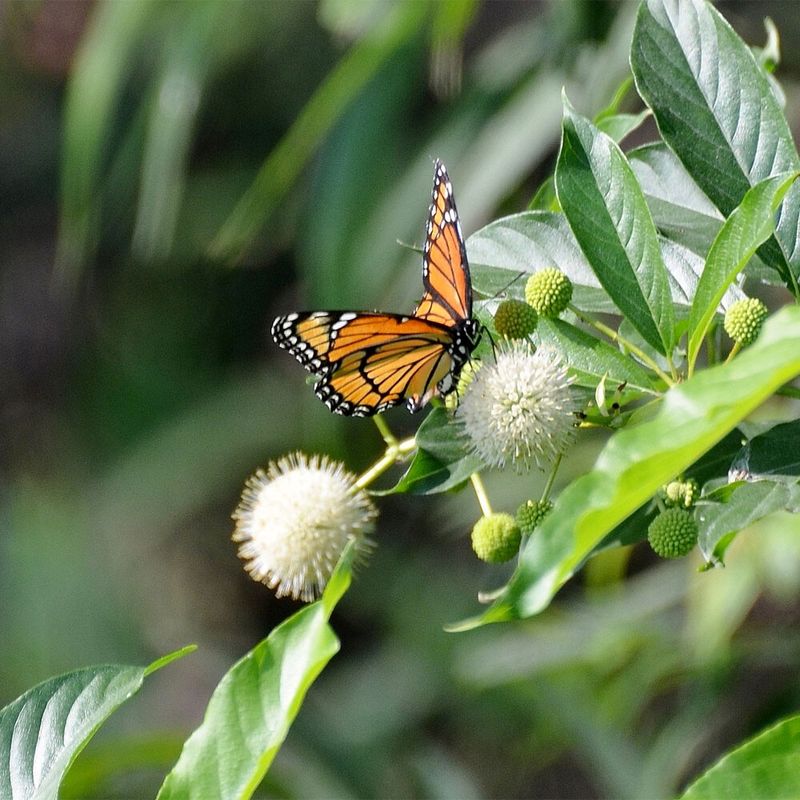
That shrub is almost certainly buttonbush (Cephalanthus occidentalis), one of the most reliably busy pollinator plants you can grow in the state.
Its round, spiky white flower heads bloom from July into August, and they draw in bees, butterflies, and even hummingbirds at a pace that most garden shrubs simply cannot match.
Compare that to double-flowered spirea cultivars, like some Spiraea japonica varieties sold widely at garden centers. Those double blooms may look full and lush, but the extra petals physically block access to the nectar and pollen inside.
Pollinators land, find nothing useful, and move on. Buttonbush has open, accessible flowers that give bees exactly what they came for.
Buttonbush thrives in moist to wet soil, making it a smart choice for low spots, rain gardens, or areas near ponds and streams in Ohio. It handles partial shade to full sun and typically grows six to twelve feet tall.
Plant it where water tends to collect and you will solve a drainage headache while building one of the most active pollinator hubs in your yard. Native bumblebees, honeybees, and swallowtail butterflies all visit regularly throughout its long bloom window.
2. New Jersey Tea Supports Native Bees In Early Summer
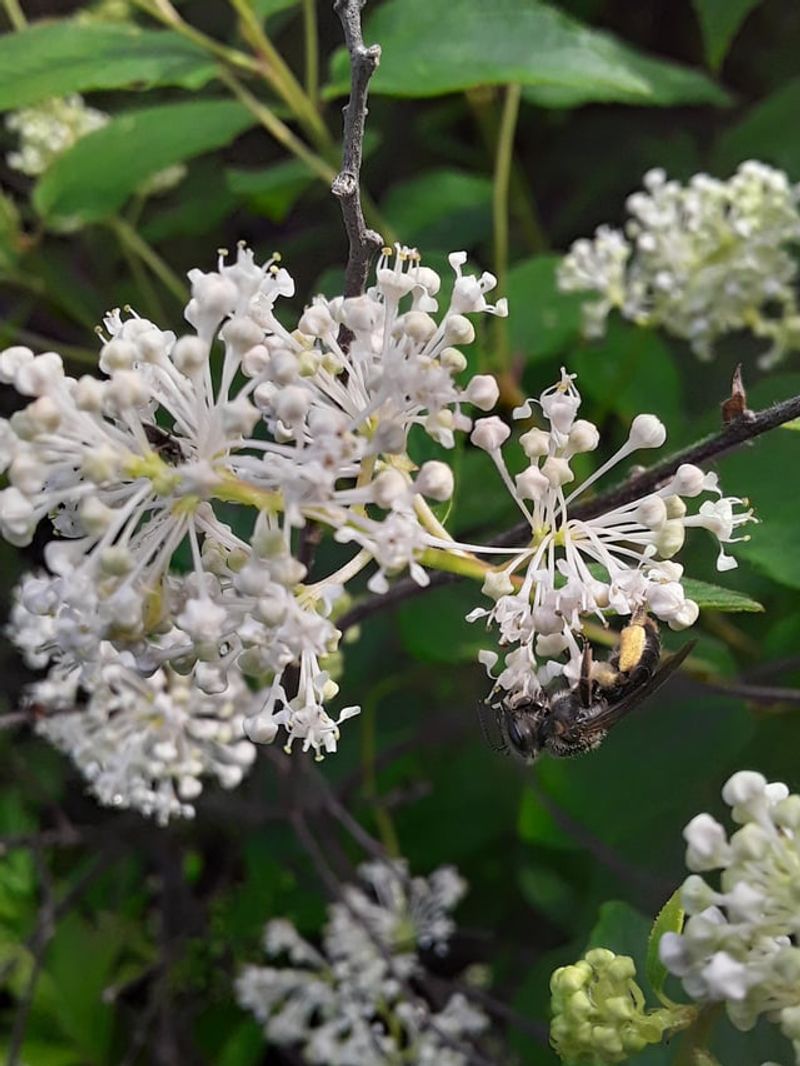
Not every great pollinator shrub needs to be tall or dramatic. New Jersey tea (Ceanothus americanus) tops out at around three feet, but what it lacks in size it more than makes up for in ecological punch.
This compact native shrub blooms in June and early July, producing dense clusters of tiny white flowers that are absolutely packed with nectar. Native bees, especially smaller specialist bees, flock to it during a period when many other shrubs have already finished blooming.
Boxwood (Buxus spp.) tells a very different story. It is one of the most commonly sold landscape shrubs in Ohio, and it does look tidy and structured in a garden bed.
But boxwood flowers are extremely small and provide minimal nectar and pollen value to pollinators. Bees have little reason to visit, and most simply skip right over it in favor of more rewarding plants.
Your Ohio Garden Changes Every Week. Your Plan Should Too.
Gardening in Ohio changes quickly throughout the season. Every Friday you’ll receive a simple weekly plan showing exactly what to plant, prune, fertilize, harvest, and protect so you never miss the right timing.
New Jersey tea grows well in full sun to light shade and actually prefers dry to medium, well-drained soils, which makes it a solid choice for areas of the yard that tend to dry out in summer. It is also notably drought-tolerant once established, requiring very little attention.
Plant it in a sunny border, along a path, or at the front of a mixed native shrub bed. Beyond bees, it also serves as a larval host plant for several native butterfly species found in Ohio.
3. Ninebark Offers Easy Blooms For A Wide Range Of Pollinators
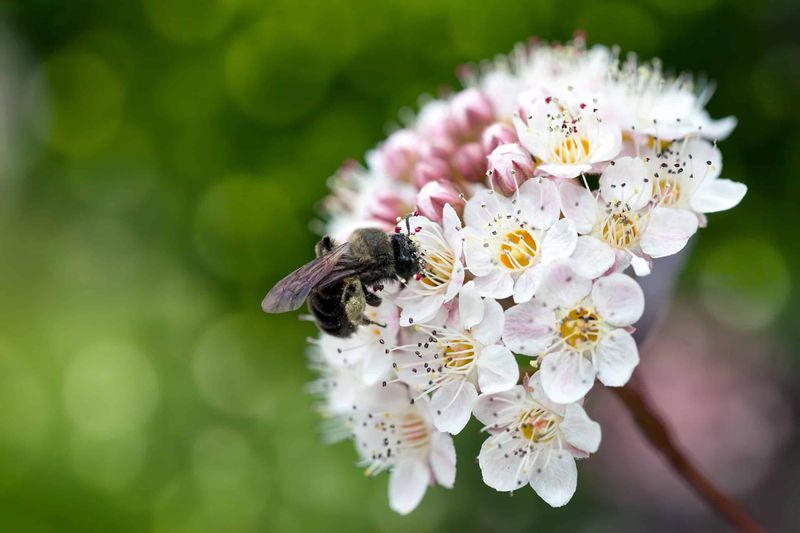
Some shrubs earn their spot in a pollinator garden by being reliably easy to grow and reliably full of visitors. Ninebark (Physocarpus opulifolius) is exactly that kind of plant.
It blooms in late spring, usually May into June, producing generous clusters of white to pale pink flowers that attract a wide variety of native bees, beetles, and butterflies. The open, cup-shaped flowers make nectar and pollen easy to reach, which is a bigger deal than most gardeners realize.
That accessibility matters a lot when you compare ninebark to some double-flowered viburnum cultivars sold at garden centers.
Breeding programs that produce extra-full flower heads often do so at the cost of reducing or eliminating the reproductive parts of the flower.
When nectar and pollen are reduced or blocked by extra petals, pollinators cannot get what they need, even if the blooms look impressive from a distance.
Ninebark is a flexible native shrub that grows in full sun to partial shade and tolerates a wide range of Ohio soil types, including clay-heavy soils that challenge many other plants.
It typically reaches six to ten feet tall and wide, so it works well as a screen, a border anchor, or a focal point in a rain garden.
After the flowers fade, the seed clusters provide food for birds into fall and winter. The peeling, layered bark also adds interesting texture during the colder months.
4. Black Chokeberry Feeds Pollinators And Wildlife
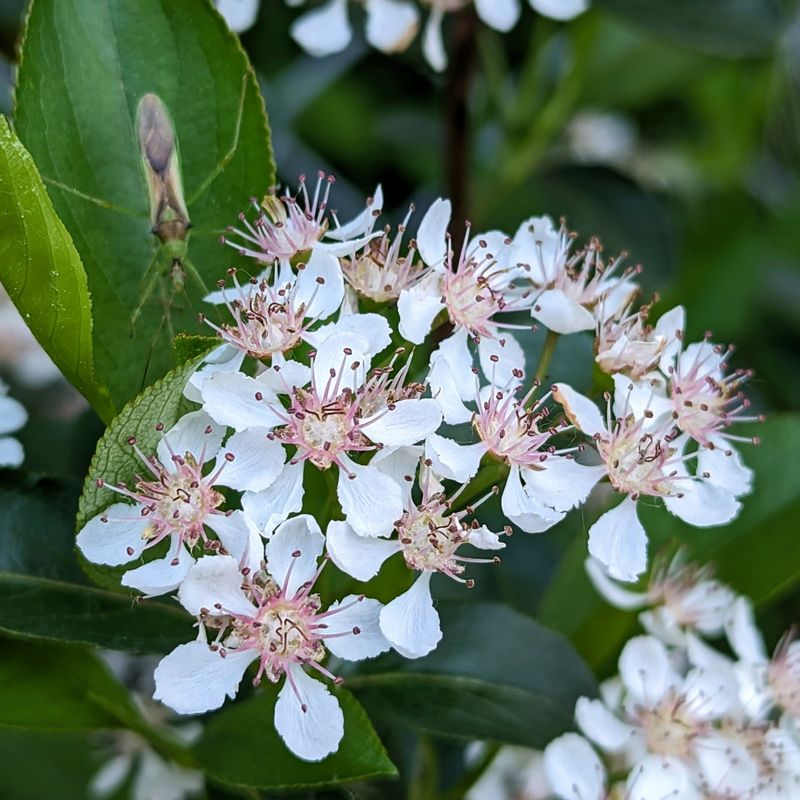
Gardeners who want a shrub that earns its keep from spring through winter should take a close look at black chokeberry (Aronia melanocarpa). It blooms in May with clusters of white flowers that attract native bees at a time when many other shrubs are still just leafing out.
By late summer, those flowers become deep purple-black berries that birds rely on heavily through fall migration. The whole seasonal arc of this plant is genuinely useful to wildlife.
Burning bush (Euonymus alatus) is one of the most commonly sold shrubs at Ohio garden centers, and its fall color is undeniably eye-catching.
But burning bush is listed as invasive in many parts of the eastern United States, including areas of Ohio, because birds spread its seeds into natural areas where it crowds out native vegetation.
Its flowers also provide minimal pollinator value, making it a plant that looks good but gives back very little to the local ecosystem.
Black chokeberry grows in full sun to partial shade and adapts well to moist, poorly drained soils, though it also handles average garden conditions without complaint.
It typically grows three to six feet tall and tends to spread slowly into a natural colony, which can work beautifully as a low-maintenance native hedge or mass planting.
The fall foliage turns a rich red-purple, so you get seasonal color without the ecological concerns tied to burning bush. It is a genuinely rewarding swap.
5. Red Chokeberry Extends Interest With Flowers And Fruit
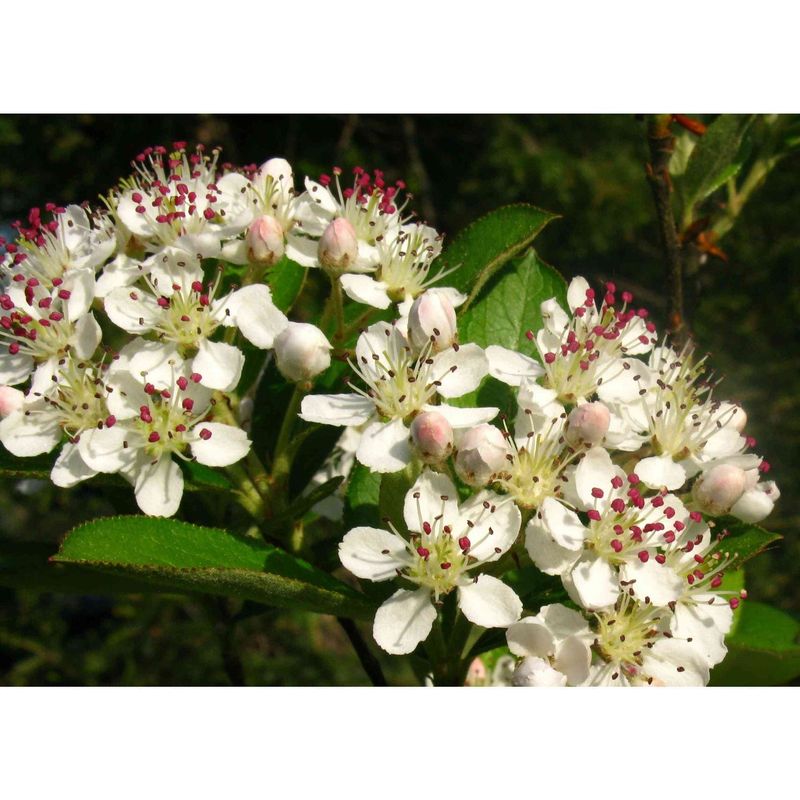
If you have ever watched a yard full of brilliant red berries draw in a whole flock of cedar waxwings on a November morning, you already have a sense of what red chokeberry (Aronia arbutifolia) can bring to an Ohio garden. But the berries are only part of the story.
In May, this native shrub produces clusters of white flowers with open, accessible centers that native bees visit actively. It delivers real value at both ends of the growing season.
Japanese barberry (Berberis thunbergii) is another widely sold garden center shrub that raises serious concerns.
It is considered invasive in many eastern states, spreading readily into woodlands and natural areas where it alters soil chemistry and outcompetes native understory plants.
Its small flowers offer limited pollinator benefit, and the ecological costs of planting it far outweigh its ornamental appeal.
Red chokeberry is a natural fit for Ohio landscapes because it handles both wet and dry soils, thrives in full sun to partial shade, and grows roughly six to ten feet tall.
Its fall foliage turns a vivid red-orange, and the clusters of bright red berries persist into winter, giving birds a food source long after most other plants have finished.
Plant it along a fence line, at the edge of a woodland garden, or in a mixed native border where its multi-season interest can really shine. It rewards patient gardeners with something beautiful at almost every time of year.
6. American Hazelnut Supports Early Season Pollinators
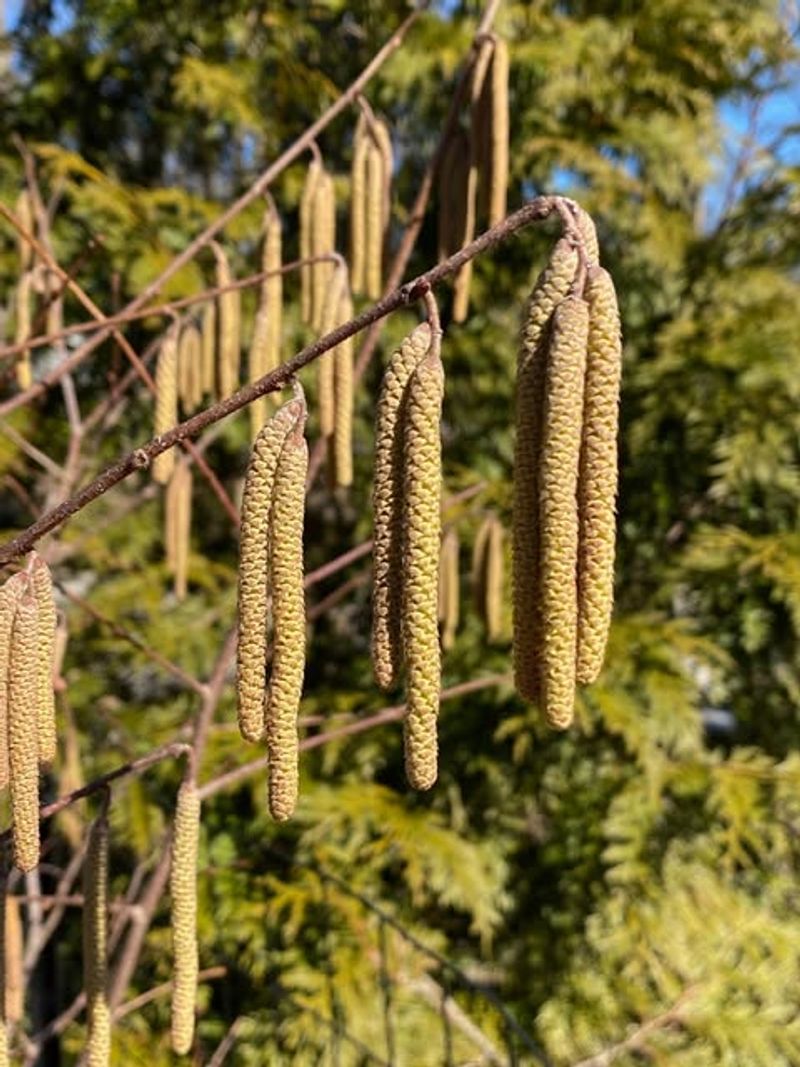
Early spring in Ohio can feel like a cruel tease for pollinators. A warm day arrives, bees emerge from overwintering, and then they face a landscape with almost nothing in bloom.
American hazelnut (Corylus americana) is one of the shrubs that shows up for them earliest, producing dangling yellow catkins as early as February or March, well before most other plants even think about leafing out.
That early pollen is genuinely critical for native bees rebuilding their colonies after winter.
Forsythia is everywhere in Ohio yards and neighborhoods, and it does bloom early with a burst of bright yellow that is hard to miss. But forsythia flowers produce very little usable nectar or pollen for native bees.
Research and observations from pollinator ecologists consistently show that bees land on forsythia and find little reward. It looks like spring food but mostly is not.
American hazelnut grows in full sun to partial shade and does well in a range of Ohio soil types, including clay and loam.
It typically reaches six to twelve feet and spreads into a multi-stemmed colony over time, which makes it excellent for naturalized areas, hedgerows, or the back of a large border.
Beyond its value to early pollinators, it also produces edible nuts that attract squirrels, turkeys, and other wildlife. The large, textured leaves offer a lush look through summer before turning soft yellow in fall.
It is a hard-working native shrub that rarely gets enough credit.
7. Bush Honeysuckle Provides Steady Nectar Through Summer
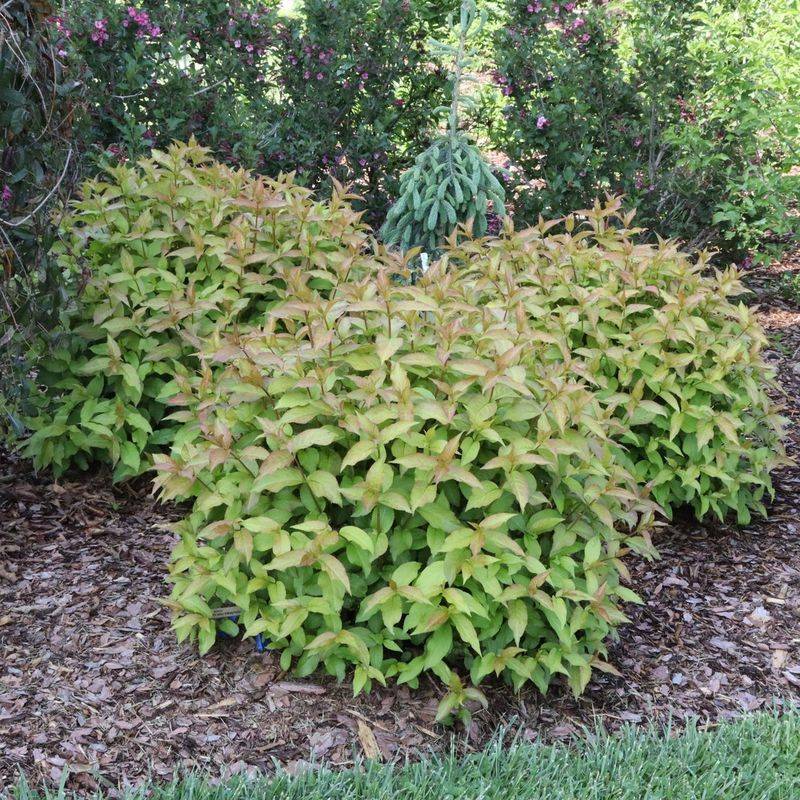
The name honeysuckle can cause some confusion in Ohio gardening circles, and for good reason.
The invasive honeysuckles, particularly Lonicera maackiiLonicera tatarica (Amur honeysuckle) and (Tatarian honeysuckle), have spread aggressively through Ohio woodlands and natural areas, crowding out native plants and reducing habitat quality for wildlife.
Those are plants to avoid entirely. But native bush honeysuckle, Diervilla lonicera, is a completely different plant with a very different ecological story.
Diervilla lonicera is a low-growing native shrub that reaches about two to four feet tall and blooms from June into August with small, tubular yellow flowers.
Those flowers are particularly attractive to bumblebees and other long-tongued native bees that can access the nectar efficiently.
The bloom period is long and steady, which gives pollinators a reliable mid-summer food source during a gap when many spring-blooming shrubs have already finished.
This native bush honeysuckle grows well in full sun to heavy shade, which makes it one of the more versatile native shrubs available for Ohio gardens.
It handles dry, rocky, or sandy soils with ease and spreads gradually by root suckers to form a low, weed-suppressing groundcover on slopes or shaded banks.
The foliage often develops a reddish tint in fall, adding a bit of late-season color. For difficult spots under trees or on dry hillsides where other shrubs struggle, Diervilla lonicera is one of the most practical and pollinator-friendly choices you can make.
8. Purple-Flowering Raspberry Brings In Bees With Large Open Blooms
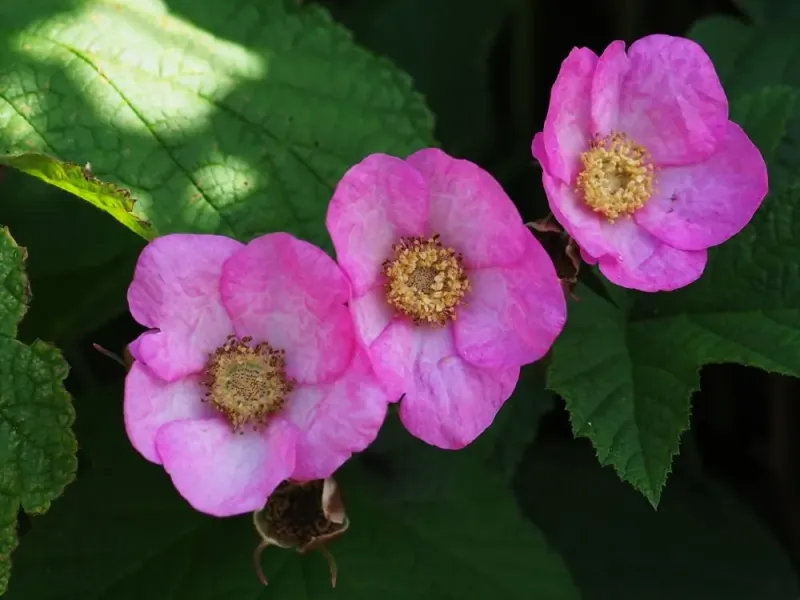
Most people think of raspberries as something you grow in a sunny vegetable patch, so purple-flowering raspberry (Rubus odoratus) tends to catch gardeners off guard.
The blooms are large, open, and a rich magenta-pink, looking more like a wild rose than anything you would expect from a raspberry relative.
They appear from June into August, and their wide, flat shape makes pollen and nectar completely accessible to a broad range of native bees, including bumblebees, sweat bees, and mining bees.
Rose of Sharon (Hibiscus syriacus) is a popular garden center shrub that puts on a genuinely showy late-summer display.
While it does attract some pollinators, research from native plant advocates and university extension programs suggests it provides less value to native bee communities compared to plants that evolved with local insects.
Many of its visitors are generalist species rather than the specialist native bees that need specific native plants to complete their life cycles.
Purple-flowering raspberry thrives in partial to full shade, which makes it a rare and valuable find for those tricky shaded corners of an Ohio yard where few flowering shrubs perform well.
It grows four to six feet tall, spreads gradually by root shoots, and works beautifully as a naturalized mass planting under a tree canopy or along a shaded fence.
The large, maple-like leaves add a bold texture to the shade garden. After the flowers finish, small red fruits form that birds and small mammals enjoy through late summer and early fall.