The One Fertilizing Mistake That Shows Up In April In Georgia
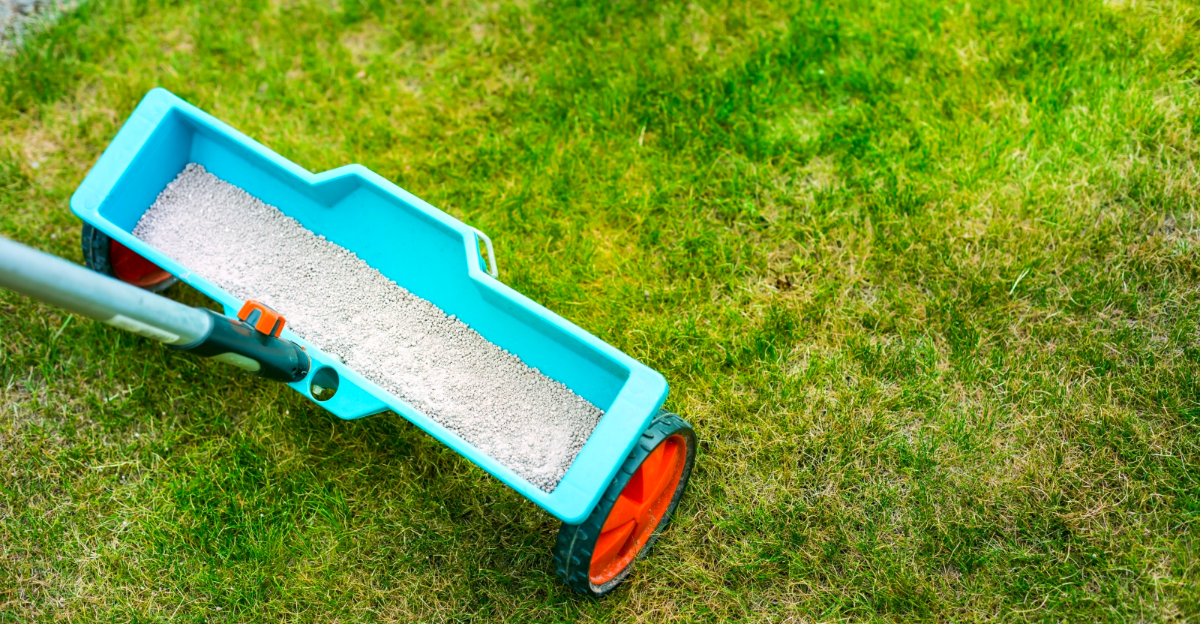
April in Georgia has a funny way of tricking even the most seasoned homeowners.
The afternoon sun feels great, the grass finally shows a hint of green, and the sudden urge to grab a bag of fertilizer becomes almost impossible to ignore.
However, this exact impulse leads to one of the most common lawn care mistakes in the state. Southern favorites like bermudagrass and zoysia need more than just a few warm days before they are ready for a heavy meal.
If you feed them too early, you actually risk set backs instead of growth. Your lawn needs to reach a specific stage of wakefulness before it can handle those nutrients safely.
1. Why Early April Fertilizing Causes Problems In Georgia
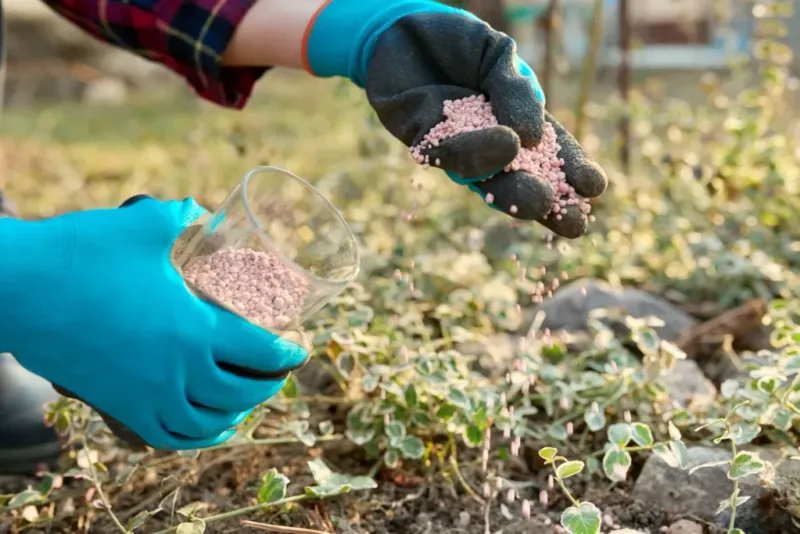
Plenty of Georgia homeowners head out to the garage in early April, grab the fertilizer spreader, and feel like they are getting a head start on the season.
It makes sense on the surface – the sun is out, temperatures are climbing, and the lawn is starting to show some green.
But that early enthusiasm often leads to one of the most common lawn care missteps seen across Georgia each spring.
Warm-season grasses do not wake up from dormancy all at once. Even when parts of the lawn look green and lively, the root system and the overall turf may not yet be actively growing in a way that allows the grass to absorb and use nitrogen efficiently.
When fertilizer is applied before the lawn reaches that stage, the nutrients do not go where you want them to go.
In Georgia, soil temperatures in early April can still be inconsistent, especially in the northern parts of the state where spring arrives a bit later.
Soil at a 4-inch depth needs to reach around 65 degrees Fahrenheit and stay there before warm-season grass is truly ready for feeding.
Applying nitrogen before that threshold is met means the fertilizer may wash away with rain, contribute to weed growth, or simply sit unused while the turf continues its slow emergence from dormancy.
Waiting feels uncomfortable, but it is the smarter move for a healthier Georgia lawn.
2. Warm-Season Lawns Are Not Ready As Soon As They Turn Green
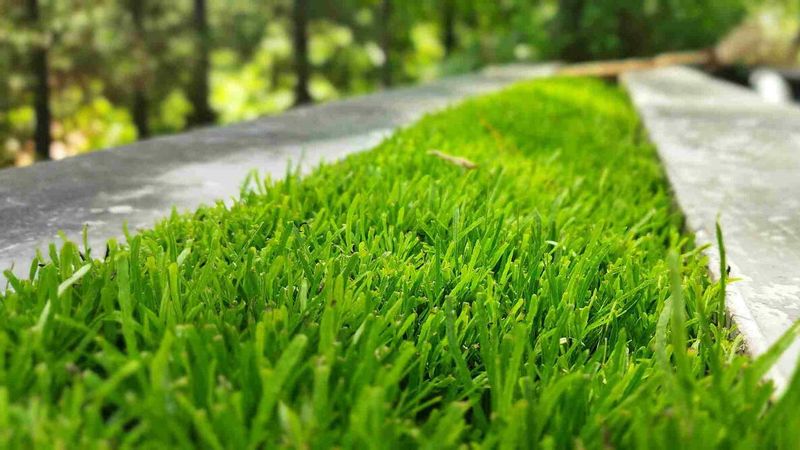
A little spring color can make a Georgia lawn look farther along than it really is.
Warm-season grasses such as bermudagrass, zoysiagrass, centipedegrass, and St. Augustinegrass often show early green blades before the whole plant has shifted into steady active growth.
That matters because fertilizer works best when the lawn is truly growing, not just waking up. In many Georgia yards, the top growth responds to a few warm afternoons before the root zone is warm enough to support efficient nutrient uptake.
A lawn may look greener near driveways, sidewalks, or sunny edges while shaded sections still lag behind, which can create the impression that the entire yard is ready for feeding.
In reality, early green-up and fertilizer readiness are not the same thing.
Feeding too soon can mean the grass is not prepared to use nitrogen well, which raises the chance of wasted nutrients and uneven results.
Your Georgia Garden Changes Every Week. Your Plan Should Too.
Gardening in Georgia changes quickly throughout the season. Every Friday you’ll receive a simple weekly plan showing exactly what to plant, prune, fertilize, harvest, and protect so you never miss the right timing.
A better signal is a lawn that has mostly or fully greened up across the yard and is growing steadily enough to need mowing on a regular basis.
In Georgia, that often happens later than impatient spring weather suggests, especially after fluctuating temperatures in March and April.
Waiting a bit longer usually lines up fertilizer with stronger root activity, more even top growth, and a smoother transition into the main growing season.
3. The Soil Temperature Sign Georgia Gardeners Often Miss
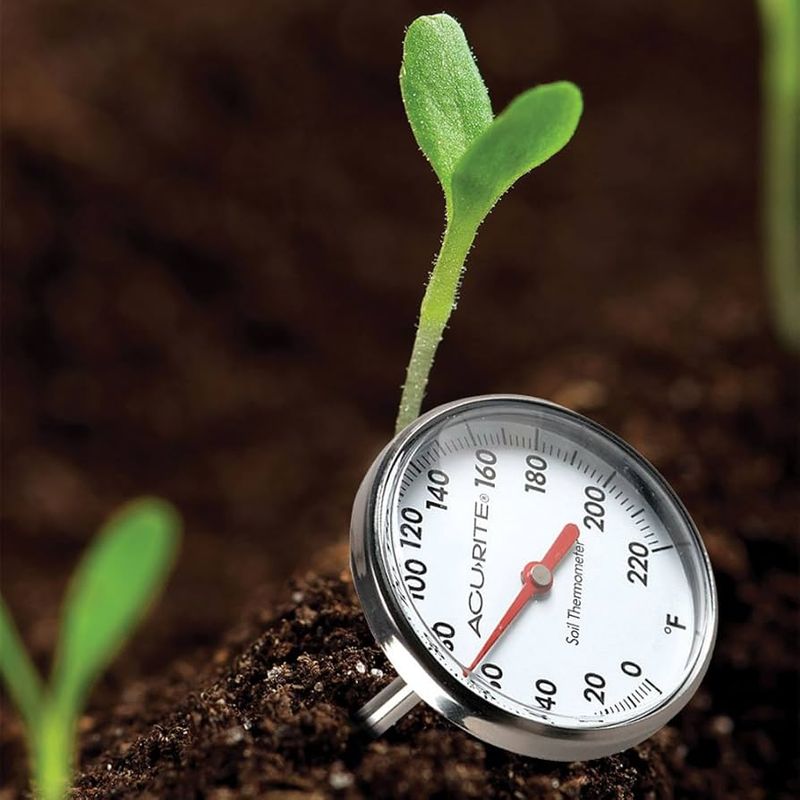
One of the most overlooked lawn clues in Georgia sits below the surface, not above it.
Air temperatures can feel warm enough for yard work, trees can leaf out, and patches of turf can start to green, yet the soil where lawn roots actually grow may still be too cool for spring nitrogen.
For warm-season lawns, the key sign is soil temperature at a 4-inch depth reaching about 65 degrees Fahrenheit and continuing to rise.
That threshold matters because root growth and nutrient uptake depend on the temperature in the root zone rather than the afternoon high on the weather app.
Many homeowners understandably judge by appearance, but spring color alone can be misleading after a few mild days. A lawn can look better on the surface while the soil still has not warmed enough for efficient feeding.
That is why a soil thermometer, or a reliable soil temperature report for your area, can be more useful than guessing by the calendar.
In Georgia, this detail can shift from one yard to another depending on sun exposure, nearby pavement, slope, shade, soil moisture, and region of the state.
North Georgia lawns may reach the window later than south Georgia lawns, and even within one property, sunny sections can move ahead of cooler spots.
Watching soil temperature gives a more dependable answer than chasing early spring color and helps line up fertilizer timing with active growth instead of wishful thinking.
4. Why Early Nitrogen Can Feed Weeds Instead Of Grass
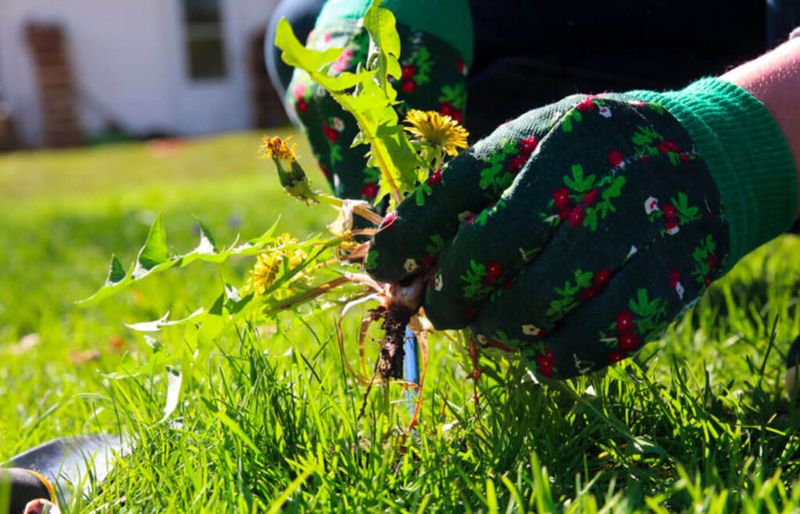
Spring fertilizer can do more for weeds than for turf when it is applied before a warm-season lawn is ready to grow strongly.
In Georgia, many common lawn weeds are already active while bermudagrass, zoysiagrass, centipedegrass, and St. Augustinegrass are still moving through spring transition.
If nitrogen goes down too early, those weeds may be in a better position to use it than the grass you were trying to help. Thin turf, patchy green-up, and stressed areas give weeds even more opportunity to respond.
That is one reason improper fertilizer timing is linked with heavier weed pressure in home lawns.
A greener yard right after an early feeding can look encouraging at first, but some of that fresh color may come from unwanted plants taking advantage of the added nutrients.
The lawn itself may still not be growing fast enough to compete well, especially if root activity remains limited by cooler soil temperatures.
Feeding at the wrong time can also work against the goal most homeowners actually have, which is a dense, healthy turf canopy that crowds out weeds naturally.
In Georgia lawns, strong turf competition depends on proper timing, mowing, watering, and species-appropriate care, not just on adding fertilizer early. Waiting until the grass is actively growing shifts the advantage back toward the lawn.
That timing helps nitrogen support the turf instead of helping weeds get a stronger foothold during the very part of spring when warm-season grasses are still catching up.
5. Spring Green-Up Can Be Misleading In Georgia Yards

Georgia lawns rarely wake up in one smooth, even motion, and that is exactly why spring green-up can lead homeowners in the wrong direction.
A few warm days can trigger visible color on the leaf blades long before the whole lawn has settled into dependable active growth.
Turf near brick, concrete, or south-facing exposures may turn green first because those spots warm faster, while shaded sections or heavier soils may stay behind for a while.
That uneven pattern can make a yard look ready from the street even though large parts of it are still transitioning.
The result is a common spring mistake: fertilizing based on surface color instead of the lawn’s actual growth stage. In many Georgia yards, early green-up is a visual tease rather than a reliable feeding signal.
What matters more is whether the lawn has mostly or fully greened up across the yard, whether it is growing steadily enough to mow regularly, and whether the soil has warmed enough in the root zone.
A lawn that is only partly green is still in transition, even if it looks promising after a warm weekend.
This is especially true during springs with temperature swings, when turf may advance and stall more than once.
Letting the lawn move beyond scattered green patches and into stronger, more even growth usually leads to better fertilizer response and a more consistent appearance later in the season.
6. Why Centipedegrass And Zoysiagrass Need More Patience
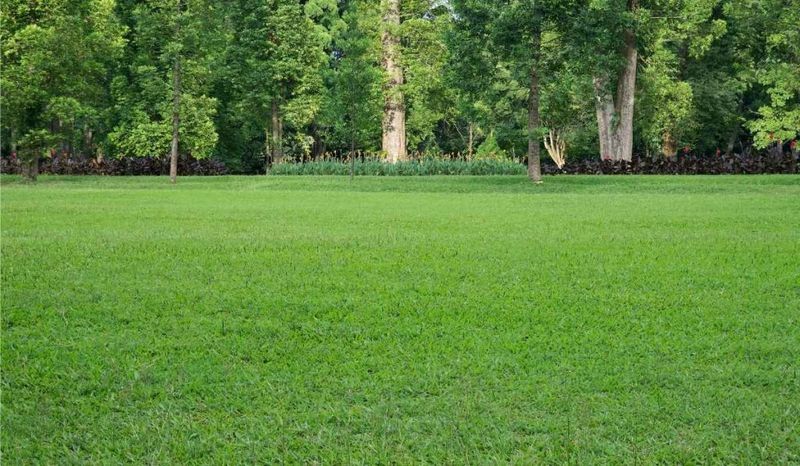
Some Georgia lawns need a slower spring schedule, and centipedegrass and zoysiagrass are two of the clearest examples.
Both grasses can green up gradually, which means they may look halfway ready before they are in a good position to use spring nitrogen efficiently.
With centipedegrass, patience matters even more because this grass is commonly pushed too hard. It typically needs less nitrogen than many homeowners expect, and early feeding can create avoidable stress instead of better performance.
Zoysiagrass also has a reputation for slower spring green-up, especially when weather conditions are uneven. A partly green zoysia lawn may simply be following its normal pace rather than asking for fertilizer.
In both cases, it makes more sense to wait until soil temperatures at a 4-inch depth are around 65 degrees Fahrenheit and rising, and until the lawn is clearly growing rather than just hinting at color.
Georgia gardeners sometimes compare one lawn to another and assume all warm-season grasses should move on the same schedule, but centipedegrass and zoysiagrass often need more time than a fast-greening bermudagrass lawn in a sunny site.
That extra patience can help reduce wasted fertilizer, support steadier growth, and keep spring care more in line with what these grasses actually need.
The goal is not to rush them into motion but to feed them when their roots and shoots are ready to respond more effectively.
7. What To Do Instead Of Fertilizing Too Soon
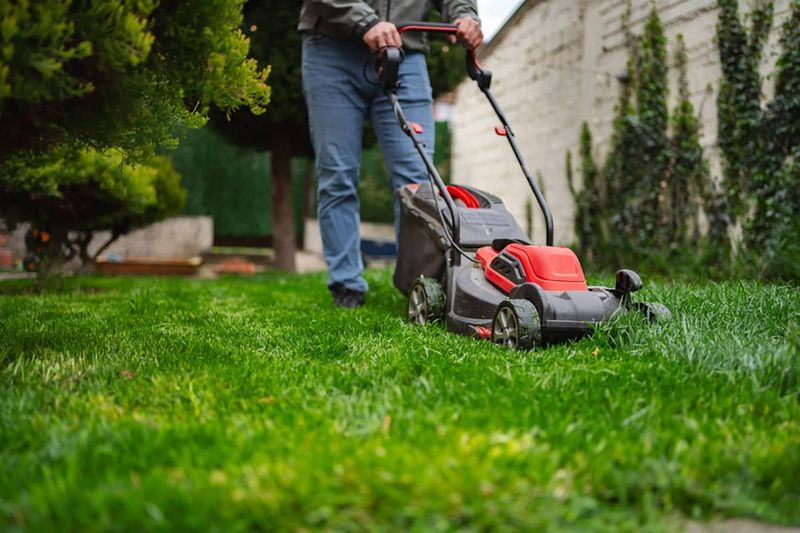
April still offers plenty to do in a Georgia lawn, even when nitrogen needs to wait. One of the smartest moves is starting with a soil test so any future fertilizer or lime decisions match what the soil actually needs rather than what the bag suggests.
That helps avoid unnecessary products and can make later feeding more targeted. Mowing is another important step once the lawn begins growing, because proper height supports denser turf and better competition against weeds.
Watering habits also matter. Established lawns usually perform better with moderate, measured watering rather than frequent light sprinkling, and weekly totals should account for rainfall rather than adding irrigation on top of a wet week.
This is also a good time to watch the yard closely for thin spots, drainage issues, compaction, shade-related weak areas, or mowing habits that may be making the turf less competitive.
If weeds are present, addressing them with the right strategy at the right growth stage can be more useful than trying to push the lawn with fertilizer before it is ready.
Spring is also a good time to compare different parts of the yard and notice where green-up is faster or slower, since those differences often explain later performance.
In other words, Georgia homeowners do not have to rush into fertilizer to make progress.
Observation, testing, correct mowing, and smart watering can set the lawn up for a better response once the true feeding window arrives.
8. How To Tell When Your Georgia Lawn Is Ready For Feeding
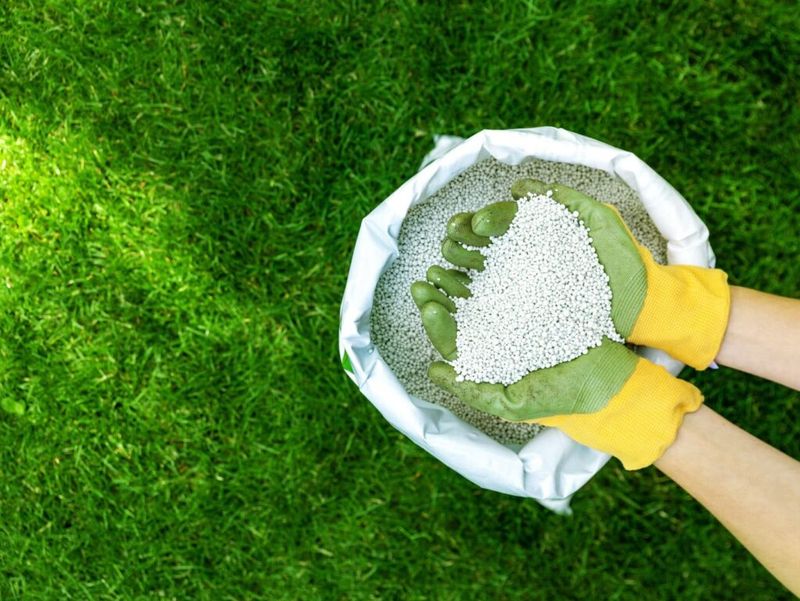
The best time to feed a Georgia warm-season lawn comes from a combination of signs rather than one quick glance across the yard. First, the grass should be mostly or fully greened up, not streaky, patchy, or still carrying large dormant areas.
Second, growth should be steady enough that regular mowing is becoming necessary, which shows that the lawn is moving beyond early transition and into active growth.
Third, the soil temperature at a 4-inch depth should be around 65 degrees Fahrenheit and still rising, because that indicates the root zone is warm enough for the grass to use nitrogen more efficiently.
When those signals come together, fertilizer timing is usually much better than it is during the first wave of spring color.
In Georgia, that window may arrive earlier in warmer southern areas and later in cooler northern areas, and it can also vary within one yard depending on shade, slope, soil type, and nearby hard surfaces.
That is why calendar dates alone can be misleading. One lawn may be ready while another just a few miles away still needs time.
A good rule is to look for sustained growth, even color, and warm soil rather than reacting to a single warm weekend.
Feeding during that more settled stage helps align nutrients with the lawn’s natural momentum and tends to support a more even, stronger start to the main growing season across Georgia landscapes.