The Mulching Mistakes Oregon Gardeners Make That Invite Slugs And Rot
Mulch is supposed to be the helpful part of the garden. It keeps soil cooler, slows moisture loss, and makes beds look tidy enough to fool people into thinking everything is under control.
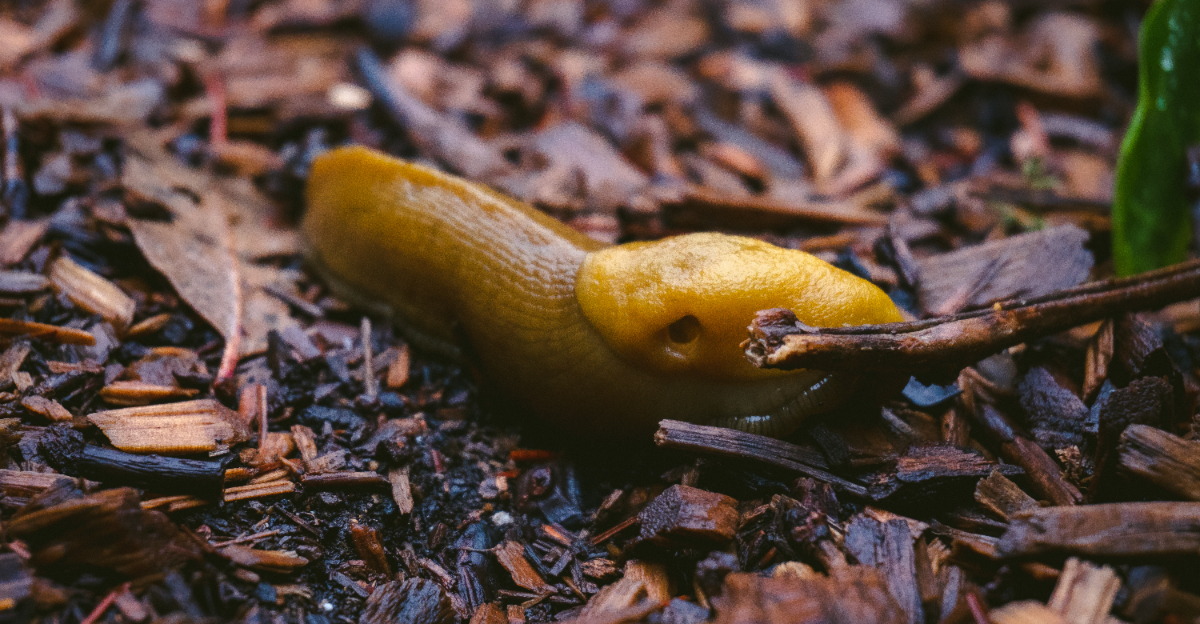
Then Oregon gardeners lift a layer of mulch and find a damp little slug hangout party underneath, plus stems and crowns that look far too soggy for comfort.
Not exactly the garden surprise anyone wants. The problem is usually not mulch itself. It is how it gets used.
Piling it too thick, pressing it right up against plants, or letting it stay wet and compacted through Oregon’s cool, damp stretches can create the exact conditions slugs and rot love most. That is what makes this mistake so easy to miss.
It starts as good garden maintenance and quietly turns into a welcome mat for trouble. A mulch layer should protect your plants, not turn the root zone into a slimy little resort with terrible consequences.
1. Mulching Too Early
Timing matters more than most gardeners think. Spreading mulch too early in the season is a surprisingly common mistake in Oregon, and it can cause real problems for your plants.
When you mulch before the soil has had a chance to warm up, you trap cold temperatures right where plant roots need warmth the most.
Oregon springs are already cool and wet. Adding a thick layer of mulch on top of cold, damp soil makes things worse.
Slugs absolutely love this setup. They thrive in cold, moist environments, and early mulch gives them a cozy place to hide and feed on your plants.
A smarter move is to wait until the soil temperature reaches at least 55 degrees Fahrenheit before you mulch. Let the sun warm the ground first.
You can use a simple soil thermometer to check. Pull back any old mulch from last year to help the soil warm faster.
Once temperatures are right, then go ahead and apply a fresh layer. This small timing change can make a huge difference in how healthy your garden stays throughout the growing season in Oregon.
2. Mulching Too Thickly
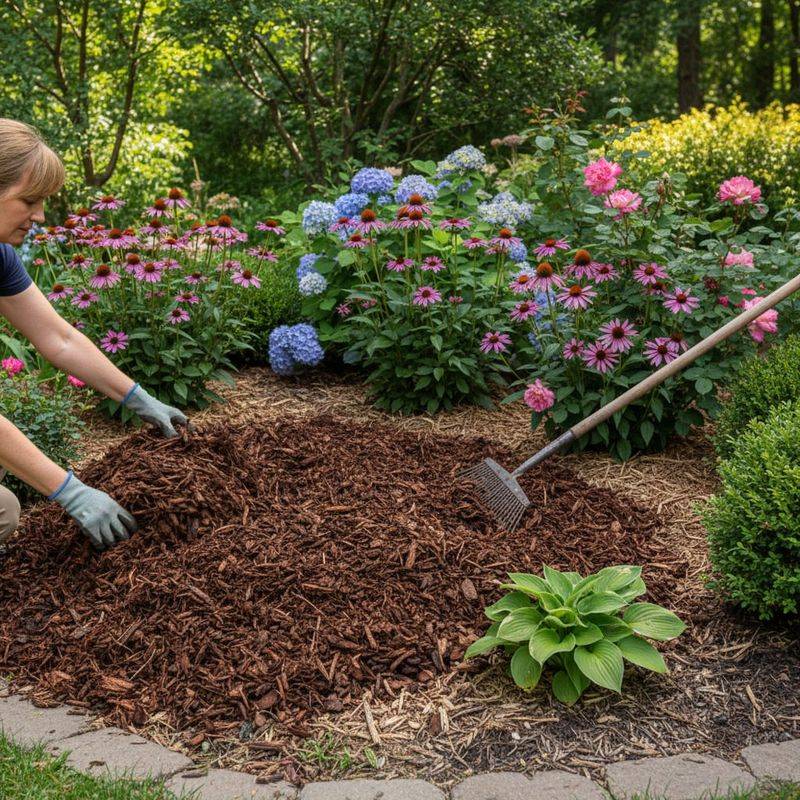
More is not always better when it comes to mulch. Piling it on too thick is one of the most widespread mulching mistakes Oregon gardeners make, and it creates the perfect storm for rot and slug problems.
A layer that is too deep blocks air from reaching the soil and holds way too much moisture.
Roots need to breathe. When mulch is piled four, five, or even six inches deep, it suffocates the soil and keeps it wet for too long after rain.
In a state like Oregon, where rainfall is already generous, that extra moisture has nowhere to go. Slugs find these soggy, dark conditions irresistible.
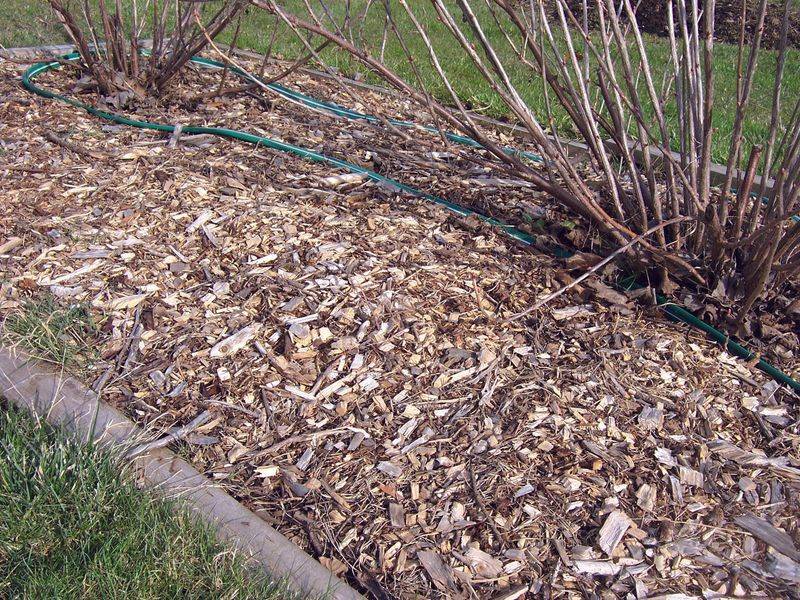
The right depth for most garden mulch is just two to three inches. That amount is enough to hold moisture and block weeds without causing problems.
If your mulch layer has built up over several seasons, take time to rake some of it away before adding more. Keeping the depth in check is a simple habit that protects your plants and makes your Oregon garden a much less inviting place for slugs and fungal rot to take hold.
Your Oregon Garden Changes Every Week. Your Plan Should Too.
Gardening in Oregon changes quickly throughout the season. Every Friday you’ll receive a simple weekly plan showing exactly what to plant, prune, fertilize, harvest, and protect so you never miss the right timing.
3. Piling Mulch Against Stems
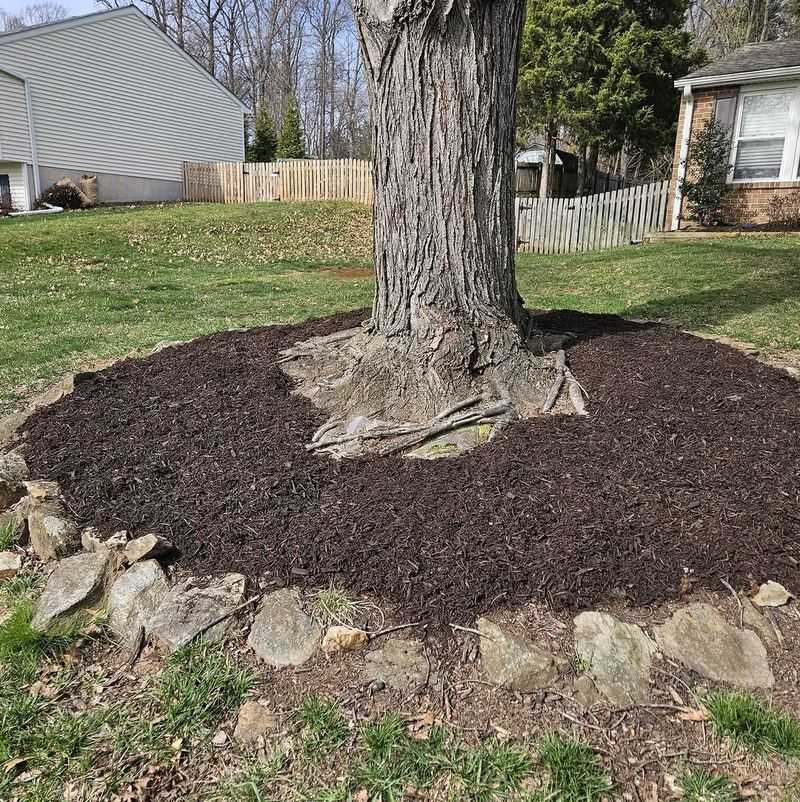
Walk through almost any neighborhood in Oregon and you will spot it right away: mulch piled up high against plant stems and tree trunks like a little volcano. It looks neat and tidy, but it is actually one of the most harmful mulching habits a gardener can have.
Pressing mulch directly against stems traps moisture right where plants are most vulnerable.
That constant dampness softens the outer layer of stems and bark. Over time, rot sets in and weakens the plant from the base up.
Fungal diseases also love wet, dark conditions, and a mulch volcano provides exactly that. Slugs are not far behind either.
They hide under the mulch and snack on soft, damaged stem tissue overnight.
The fix is simple and takes only a few minutes. Pull mulch back so there is a clear gap of at least three to six inches between the mulch and the base of your plants.
Think of it as giving your plants a little breathing room. This small adjustment improves air circulation, reduces rot risk, and removes the hiding spots slugs rely on.
Oregon gardeners who break this habit often notice a big improvement in plant health right away.
4. Creating Slug Hiding Spots
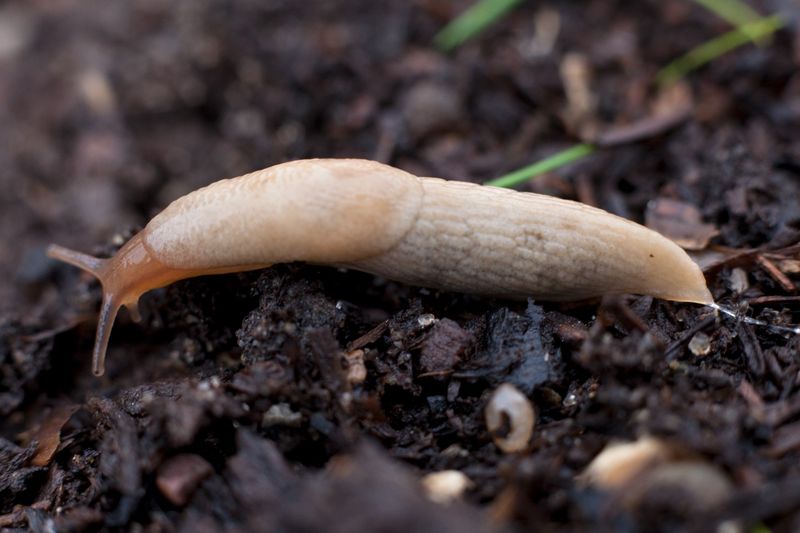
Slugs are a fact of life in Oregon. The wet climate makes the Pacific Northwest one of the most slug-friendly regions in the entire country.
But many gardeners unknowingly make their yards even more attractive to these pests by the way they apply mulch. Uneven, clumpy mulch creates dozens of dark, damp hiding spots that slugs use as daytime shelters.
Slugs are nocturnal. During the day, they need somewhere cool and moist to rest.
Loose, lumpy mulch gives them exactly what they need. They tuck in under chunks of bark or straw and come out at night to chew through leaves, seedlings, and stems.
A garden with messy mulch is basically a slug hotel.
Spreading mulch evenly helps reduce these hiding places. Keep the surface relatively flat and avoid leaving large gaps or clumps.
You can also check under your mulch every few days, especially after rain, to catch slugs before they cause damage. Some Oregon gardeners place copper tape or iron phosphate slug bait around vulnerable plants as extra protection.
Being aware of how mulch creates habitat for slugs is the first step toward keeping their numbers under control in your garden.
5. Letting Mulch Stay Soggy
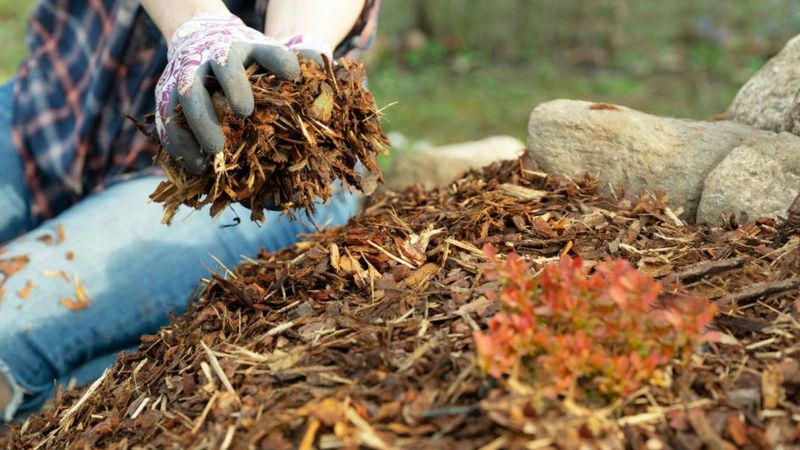
Oregon is famous for its rain, and that is exactly why soggy mulch is such a serious problem here. When mulch stays wet for days or even weeks at a time, it stops doing its job and starts causing harm.
Waterlogged mulch presses moisture into the soil continuously, which can lead to root rot and fungal disease spreading through your garden beds.
Soggy mulch also smells. That earthy, sour odor is a sign that the mulch is breaking down in an unhealthy way.
Anaerobic bacteria thrive in waterlogged conditions and release compounds that can actually harm plant roots. On top of that, slugs absolutely adore wet mulch.
It keeps their bodies from drying out, so they stay active and hungry for longer periods.
Choosing the right type of mulch helps a lot. Coarser materials like bark chips drain much better than fine materials like sawdust or packed straw.
You should also check your drainage. If water tends to pool in certain areas of your Oregon garden, consider raising those beds or improving drainage before adding mulch.
Turning or fluffing your mulch after heavy rains allows it to dry out faster and keeps conditions less friendly to slugs and rot.
6. Burying Plant Crowns
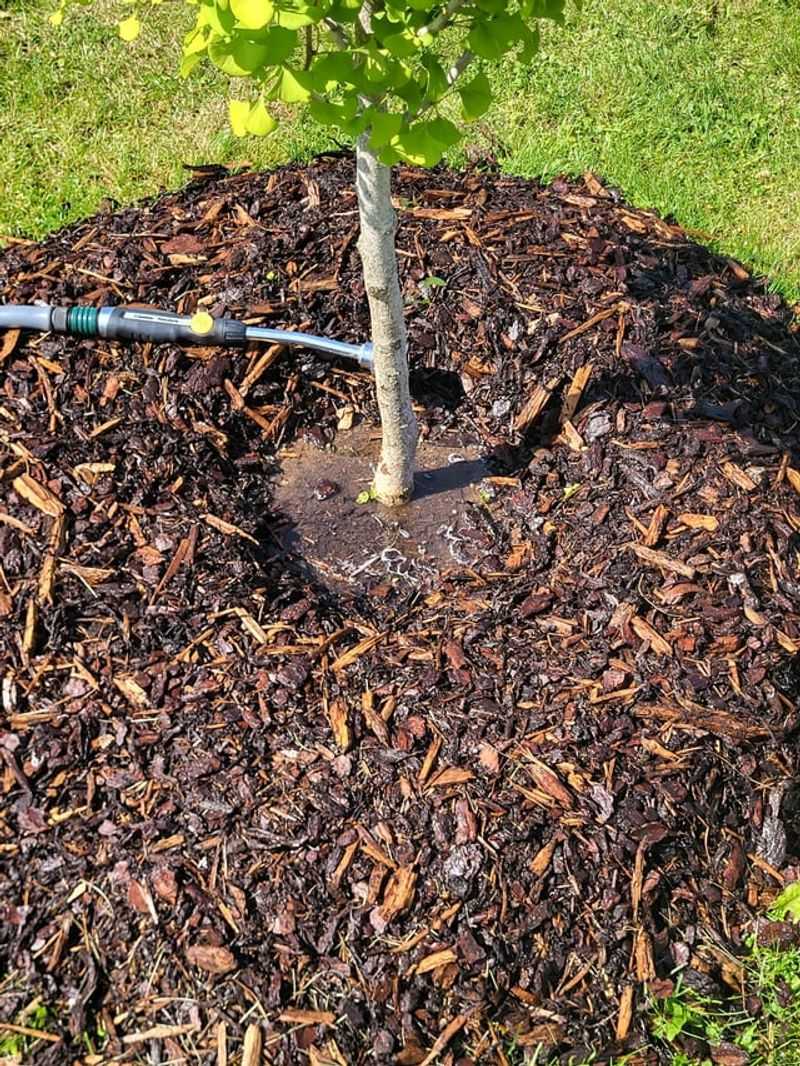
Every plant has a crown, and that crown needs to stay above ground. The crown is the point where the stem meets the root system, and it is one of the most sensitive parts of any plant.
Covering it with mulch is a fast track to crown rot, which is one of the most frustrating problems Oregon gardeners face in wet seasons.
Crown rot happens when moisture gets trapped around that vulnerable junction between stem and root. Fungi and bacteria move in quickly, and the damage spreads downward into the roots before you even notice anything is wrong.
Plants that are affected often look wilted or yellowed even when the soil seems moist enough. By the time the damage is visible, it can be difficult to reverse.
Always check where the crown sits before you mulch. The crown should be visible and sitting just at or slightly above the soil surface.
Mulch should be applied around the plant, not on top of it. If you are working with strawberries, perennials, or ornamental grasses in your Oregon garden, be especially careful.
These plants are particularly prone to crown issues when mulch is applied carelessly. A quick look before you spread mulch can save a plant that took months to establish.
7. Using Too Much Straw
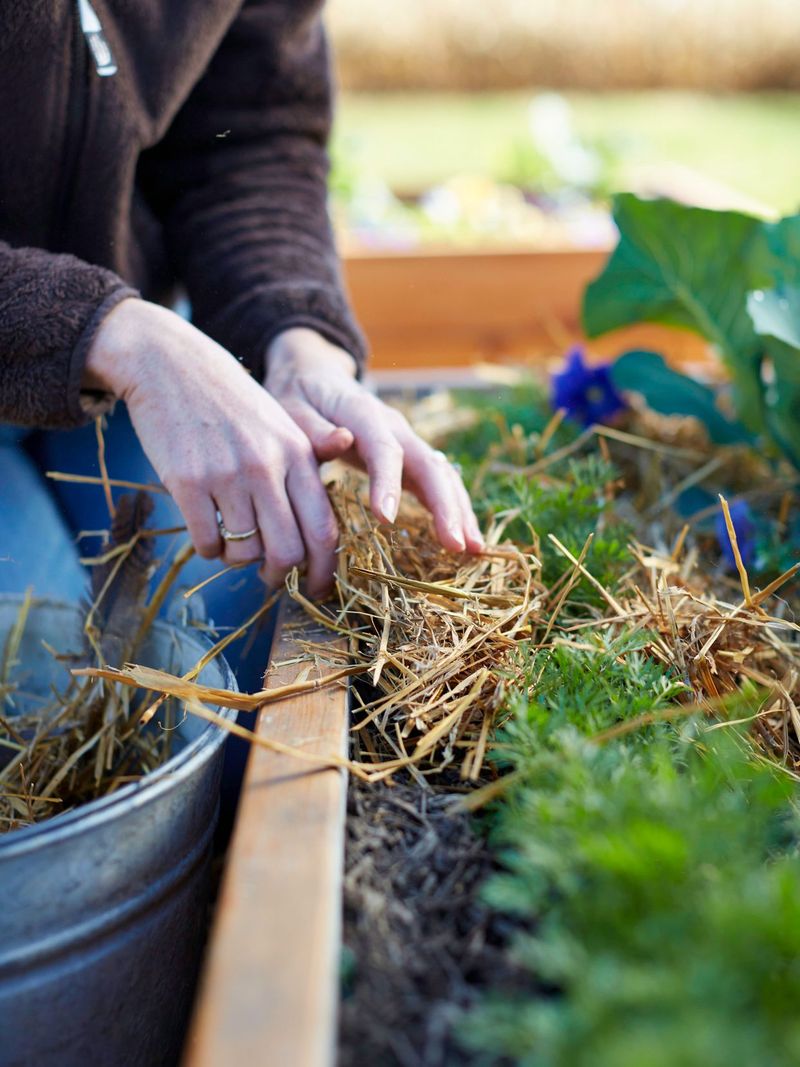
Straw is a popular mulch choice, especially in vegetable gardens. It is affordable, easy to find, and breaks down over time to add organic matter to the soil.
But Oregon gardeners who use straw need to be careful, because too much of it creates serious slug problems. Straw is light and airy, which sounds good, but those same qualities make it perfect slug habitat.
Slugs love to burrow into straw. It stays moist for a long time, provides great insulation, and gives slugs a sheltered place to lay their eggs.
In a climate as damp as Oregon’s, straw that is piled too thickly barely dries out between rain events. That means slugs can stay active in it almost year-round, especially in the western part of the state.
If you enjoy using straw in your garden, keep the layer thin, no more than two inches deep. Consider mixing it with coarser materials like bark chips to improve drainage and reduce the cozy factor for slugs.
Pull straw back from plant bases and check underneath it regularly for slug activity. Some Oregon gardeners switch to wood bark or compost in slug-prone areas and save straw for pathways instead, where it does less harm.
8. Skipping Slug Checks After Mulching
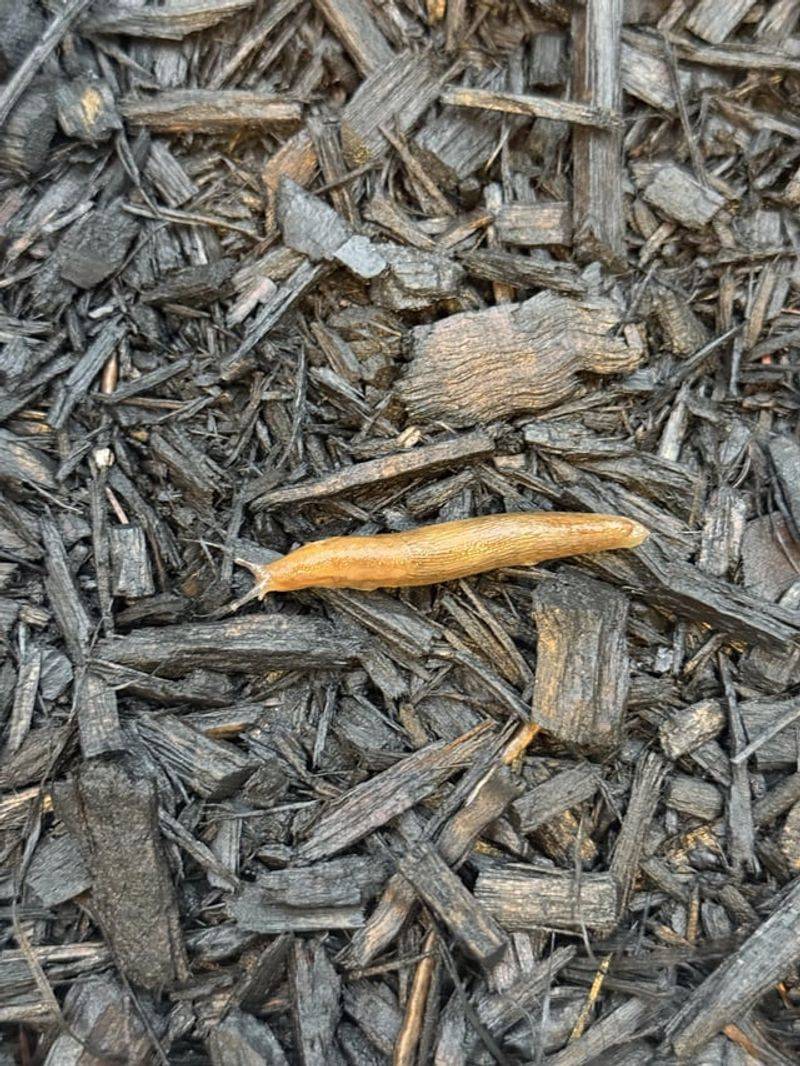
Fresh mulch is basically an open invitation to slugs. As soon as you lay down a new layer in your Oregon garden, slugs will find it.
They are fast movers at night and have a remarkable ability to sense new moisture and organic material. If you mulch and then walk away without checking, you could have a serious slug problem within just a few days.
Making slug checks part of your routine after mulching is one of the smartest habits an Oregon gardener can develop. Go out after dark with a flashlight and look under and around the mulch near your most vulnerable plants.
Seedlings, lettuces, hostas, and strawberries are common targets. Pick off any slugs you find and drop them into a bucket of soapy water.
You can also set up simple traps using shallow containers filled with beer or a mixture of water and yeast. Slugs are attracted to the smell and fall in.
Place these traps at the edge of freshly mulched areas and check them every morning. Iron phosphate bait is another safe and effective option that works well in Oregon’s damp conditions without harming pets or wildlife.
Staying on top of slug checks right after mulching keeps small problems from turning into big ones.