The 9 Native Oregon Plants That Require Almost No Watering
Oregon gardeners know the dream: a yard that looks full, fresh, and quietly beautiful without turning every summer into a nonstop watering routine. That is exactly why native plants keep winning people over.
Once they settle in, many of them are surprisingly unfussy and far better adapted to Oregon’s dry summer stretch than thirstier ornamentals that start acting dramatic the minute the rain stops.
That matters a lot in a state where one garden might sit in cool coastal air while another bakes inland for weeks. Native plants already know the deal.
They are built for Oregon’s rhythms, which makes them a smart pick for gardeners who want less work and more payoff. Some bring soft texture, some bring bright blooms, and some pull in birds and pollinators like they sent out invitations.
Best of all, they can keep the yard looking alive and intentional without making you drag a hose around like it is your full-time summer hobby.
1. Kinnikinnick
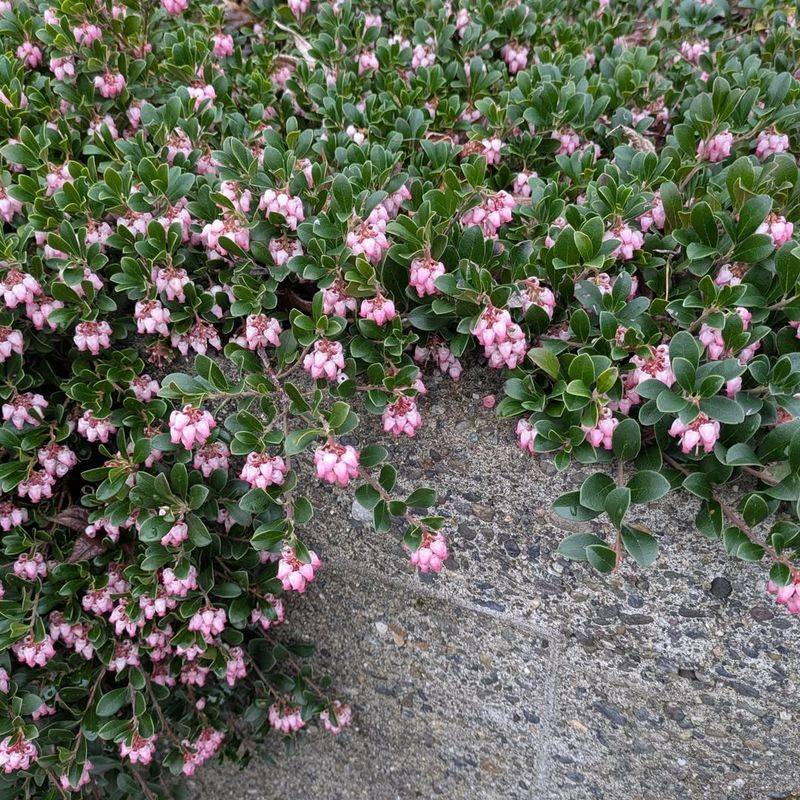
Tough as nails and low to the ground, Kinnikinnick is one of Oregon’s most reliable native groundcovers. It spreads slowly across the soil, forming a thick green carpet that chokes out weeds without any help from you.
This plant is a winner for slopes, rocky areas, and dry sunny spots where other plants simply give up.
Kinnikinnick loves full sun and well-drained soil, making it perfect for the dry eastern and southern parts of Oregon. Once it gets established, you can basically forget about watering it.
It handles drought like a champ, pulling through hot summers with ease.
In spring, tiny pink bell-shaped flowers appear and attract native pollinators. By fall, bright red berries show up and become a food source for birds and small animals.
Native wildlife across Oregon depends on this plant more than most people realize.
Planting Kinnikinnick along pathways or hillsides gives your yard a natural, polished look. It stays low, usually under six inches tall, so it never blocks views or crowds other plants.
For a low-effort, high-reward groundcover in your Oregon garden, this plant is hard to beat.
2. Coastal Strawberry
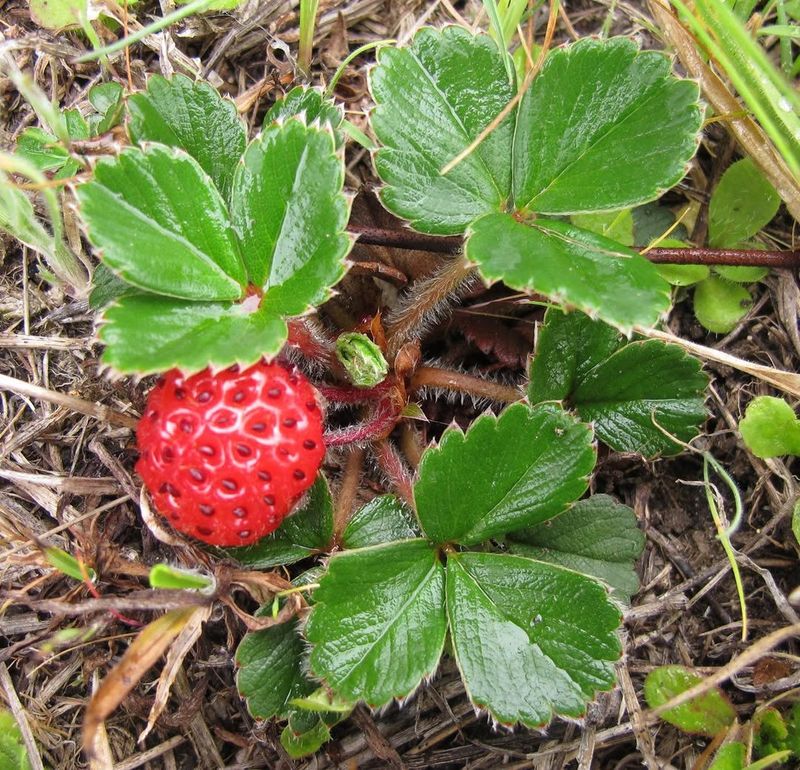
If you want a plant that is both beautiful and useful, Coastal Strawberry might be your new favorite. Found naturally along Oregon’s coastline and into inland valleys, this native groundcover produces small but real strawberries that birds and people both enjoy.
It is one of those rare plants that earns its place in the garden in more ways than one.
Coastal Strawberry spreads by sending out runners along the ground, filling in bare patches quickly and naturally. It grows best in full sun to partial shade and handles dry conditions well once it is established.
Oregon’s rainy winters give it a great head start before the dry summer season arrives.
The white flowers bloom in spring and are a magnet for native bees. After the flowers fade, small red fruits appear that taste sweet and slightly wild.
Planting this near pathways or garden edges makes for a charming, edible landscape feature.
Your Oregon Garden Changes Every Week. Your Plan Should Too.
Gardening in Oregon changes quickly throughout the season. Every Friday you’ll receive a simple weekly plan showing exactly what to plant, prune, fertilize, harvest, and protect so you never miss the right timing.
Coastal Strawberry stays low, usually only a few inches tall, and rarely needs any trimming. It is a wonderful choice for filling gaps between stepping stones or covering bare ground under trees.
For Oregon gardeners looking for a hardworking, low-water plant, this one delivers big results with almost no effort.
3. Common Yarrow
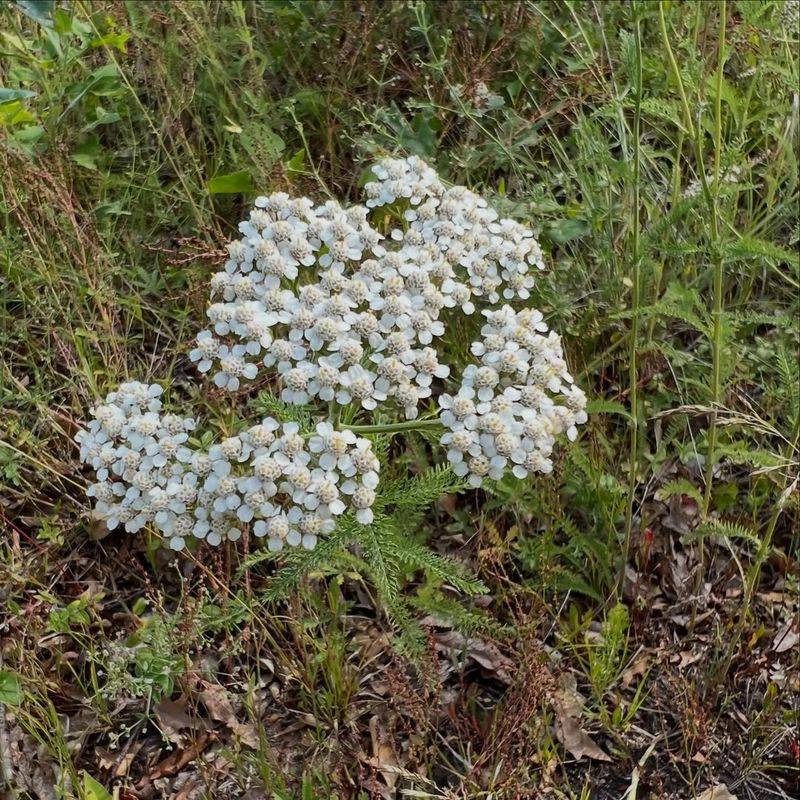
Few plants are as tough and cheerful as Common Yarrow. Walk through almost any wild meadow in Oregon and you will spot its flat-topped clusters of tiny white flowers swaying in the breeze.
It has been growing across North America for thousands of years and is one of the most adaptable plants you can add to a dry garden.
Yarrow thrives in full sun and tolerates poor, dry, or sandy soil without complaint. It does not need rich soil or regular watering to put on a great show.
In fact, too much water or fertilizer can make it grow too tall and flop over, so less is definitely more with this plant.
Pollinators go absolutely wild for Yarrow. Bees, butterflies, and beneficial insects flock to its flowers from late spring through summer.
Planting it in your Oregon garden is like setting out a welcome sign for helpful wildlife.
Yarrow also has a long history as a medicinal herb used by Indigenous peoples across Oregon and beyond. Its feathery leaves stay green most of the year, giving the garden texture even when it is not blooming.
Cut the flowers and dry them indoors for long-lasting bouquets that hold their color beautifully. Common Yarrow is a true garden workhorse.
4. Oregon Iris
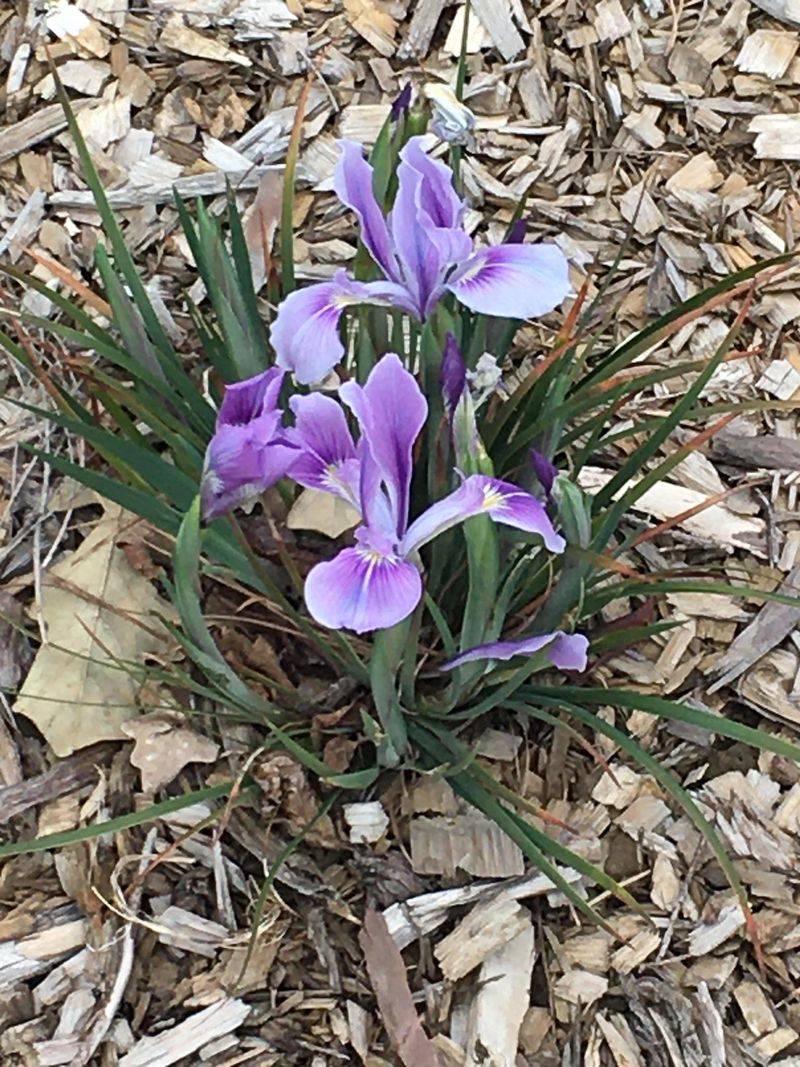
There is something almost magical about finding a cluster of Oregon Iris blooming along a shaded forest path. This native iris grows naturally in woodlands and open grasslands across western Oregon, putting on a stunning flower show each spring without needing much attention from gardeners.
Oregon Iris handles dry shade better than almost any other flowering plant. Once it is established, it rarely needs supplemental water, even during Oregon’s driest summers.
It grows in clumps that slowly expand over time, making it a great choice for naturalizing shaded corners of the yard.
The flowers are usually a rich purple with yellow and white markings, though color variations exist. They bloom in mid to late spring and attract native bees that are important pollinators in Oregon gardens.
After blooming, the slender green leaves remain attractive throughout the growing season.
Planting Oregon Iris under trees or along the north side of buildings is a smart strategy. It fills spaces where other plants struggle and adds real beauty without demanding much care.
Divide the clumps every few years to keep them vigorous and to share plants with neighbors. For a tough, gorgeous, and truly native Oregon flower, this iris is a standout choice that never disappoints.
5. Oregon Sunshine
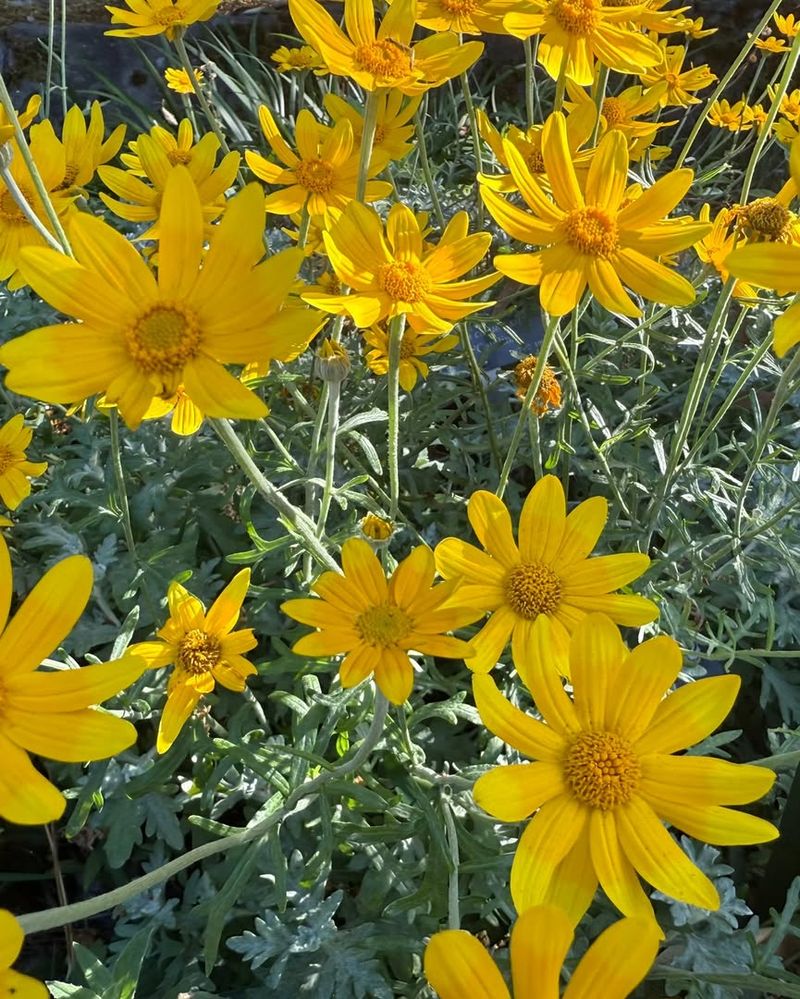
Bright, bold, and built for dry conditions, Oregon Sunshine is one of the most cheerful native plants you can grow in an Oregon garden. Its sunny yellow flowers look like small daisies and bloom from late spring into summer, covering the plant in color when many other plants are already struggling with the heat.
This plant is native to dry, open hillsides and rocky slopes across Oregon, especially in the eastern and central parts of the state. It loves full sun and thrives in poor, well-drained soil.
The more you ignore it, the better it seems to do, which makes it perfect for low-maintenance gardeners.
Oregon Sunshine’s leaves are covered in soft, woolly hairs that help the plant hold onto moisture during dry spells. This is one of its best survival tricks.
The silvery-green foliage looks attractive even when the plant is not blooming, adding texture and contrast to the garden.
Pollinators love the flowers, especially native bees that rely on this plant as an important food source. Plant Oregon Sunshine in rock gardens, along dry borders, or on slopes where erosion can be a problem.
It holds soil well and looks fantastic doing it. Few plants offer this much beauty with this little effort in Oregon’s challenging dry summers.
6. Common Self-Heal
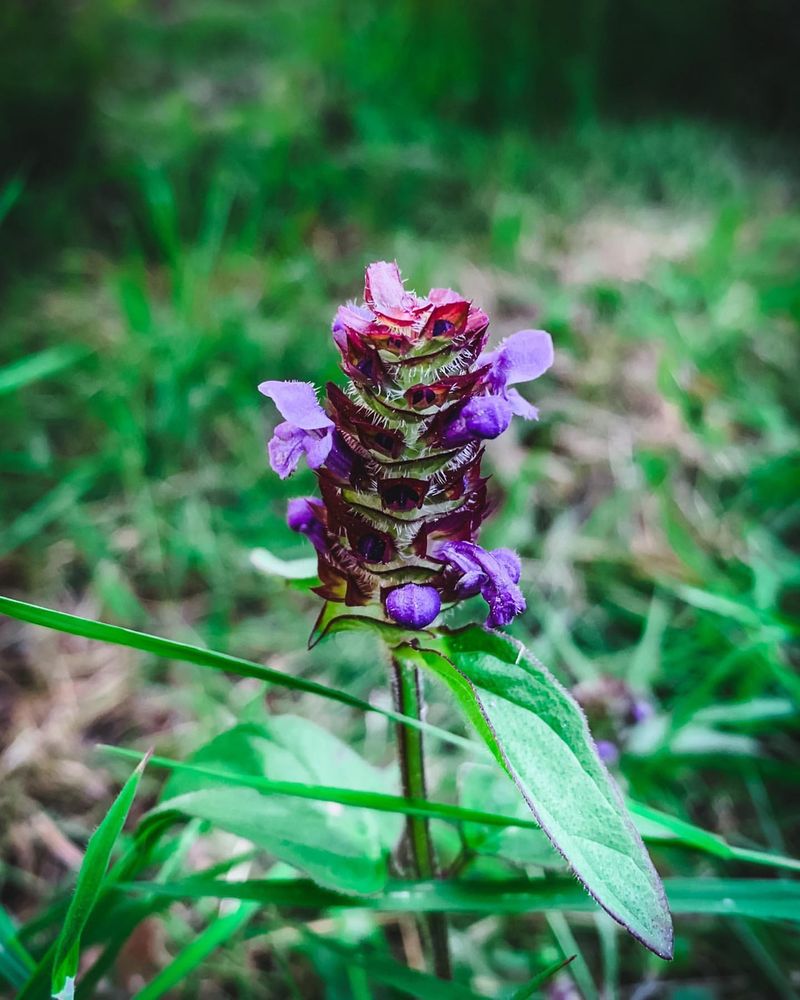
Not every garden hero is flashy, and Common Self-Heal proves that point beautifully. This small but mighty native plant has been used for centuries as a healing herb by Indigenous communities throughout Oregon and across North America.
Its dense spikes of purple flowers are modest but deeply attractive to bees and other pollinators.
Self-Heal grows naturally in moist meadows, open woodlands, and along roadsides across Oregon. Once established in a garden, it tolerates dry conditions surprisingly well.
It spreads gently by runners, filling in bare patches in a lawn or garden bed without becoming invasive or out of control.
One of the best things about Common Self-Heal is how versatile it is. It grows in full sun or partial shade and handles a wide range of soil types.
This adaptability makes it useful in many different spots around an Oregon yard, from sunny flower beds to shaded corners under trees.
The plant stays low, usually only six to twelve inches tall, and its dark green leaves stay looking fresh throughout the growing season. It blooms from late spring through early fall, giving pollinators a reliable food source for months.
For gardeners in Oregon who want a tough, low-water plant with real historical roots, Common Self-Heal is a wonderful and underappreciated choice.
7. Tall Oregon Grape
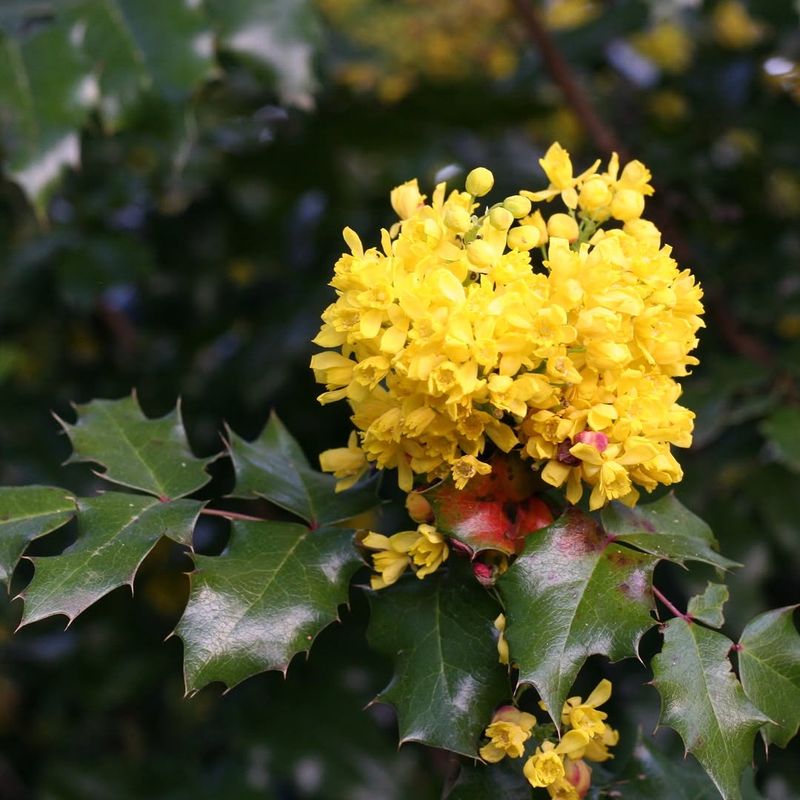
Walk through almost any forest in western Oregon and you are likely to spot Tall Oregon Grape growing in the understory. This tough evergreen shrub is actually Oregon’s state flower, which tells you a lot about how well it represents the spirit of the Pacific Northwest.
It is bold, resilient, and beautiful in every season.
Tall Oregon Grape grows well in partial shade to full sun and adapts to many soil types, including clay. Once established, it needs very little water, making it one of the best low-maintenance shrubs for Oregon gardens.
Its glossy, holly-like leaves stay green all year, providing structure and color even in winter.
Bright yellow flowers appear in early spring and fill the garden with a sweet fragrance. By late summer, clusters of blue-purple berries ripen and attract birds from all over the neighborhood.
The berries are tart but edible and can be used to make jelly or syrup.
Tall Oregon Grape can reach six to eight feet in height, making it useful as a privacy screen or backdrop plant. It pairs beautifully with other native Oregon plants like Oregon Iris and Common Yarrow.
For a plant that gives back to wildlife, looks stunning year-round, and asks for almost nothing in return, Tall Oregon Grape is truly one of a kind.
8. Creeping Oregon Grape
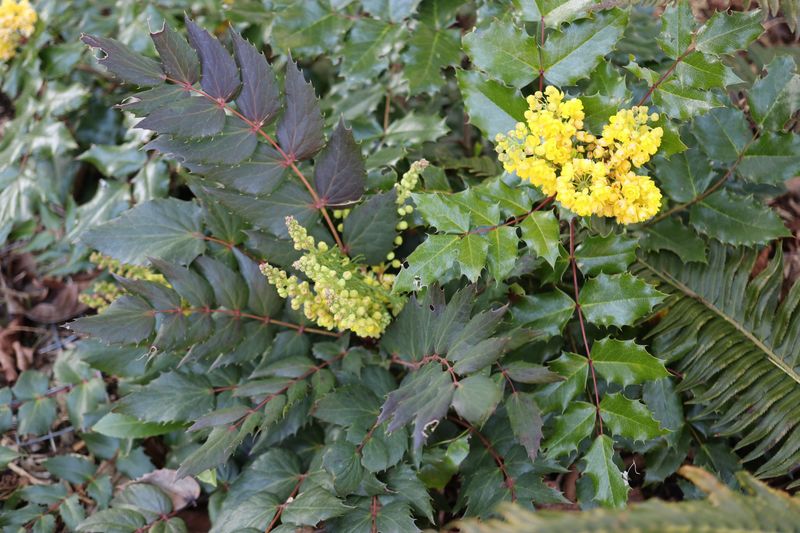
Creeping Oregon Grape is like the smaller, more laid-back cousin of Tall Oregon Grape. It hugs the ground, spreading slowly to form a dense, weed-suppressing mat that looks polished and tidy in any Oregon garden.
If you have a shaded area where nothing else seems to grow, this plant might be exactly what you need.
This native shrub typically stays under two feet tall and spreads outward by underground stems. It thrives in shade or partial shade and handles dry conditions well once established.
Oregon’s wet winters help it get a strong root system going before the dry season hits.
The leaves are small and holly-like, turning beautiful shades of red and bronze in fall and winter. This seasonal color change adds real visual interest to the garden during the cooler months.
In spring, cheerful yellow flowers emerge and attract early-season pollinators searching for food after winter.
Blue-purple berries follow the flowers and are a favorite snack for birds visiting Oregon gardens. Creeping Oregon Grape works especially well planted beneath trees, along shaded pathways, or on north-facing slopes.
It requires almost no maintenance once it settles in. Trimming it back occasionally keeps it neat, but even that is optional.
For shade, drought tolerance, and year-round beauty in Oregon, this plant is a reliable standout.
9. Red-Flowering Currant
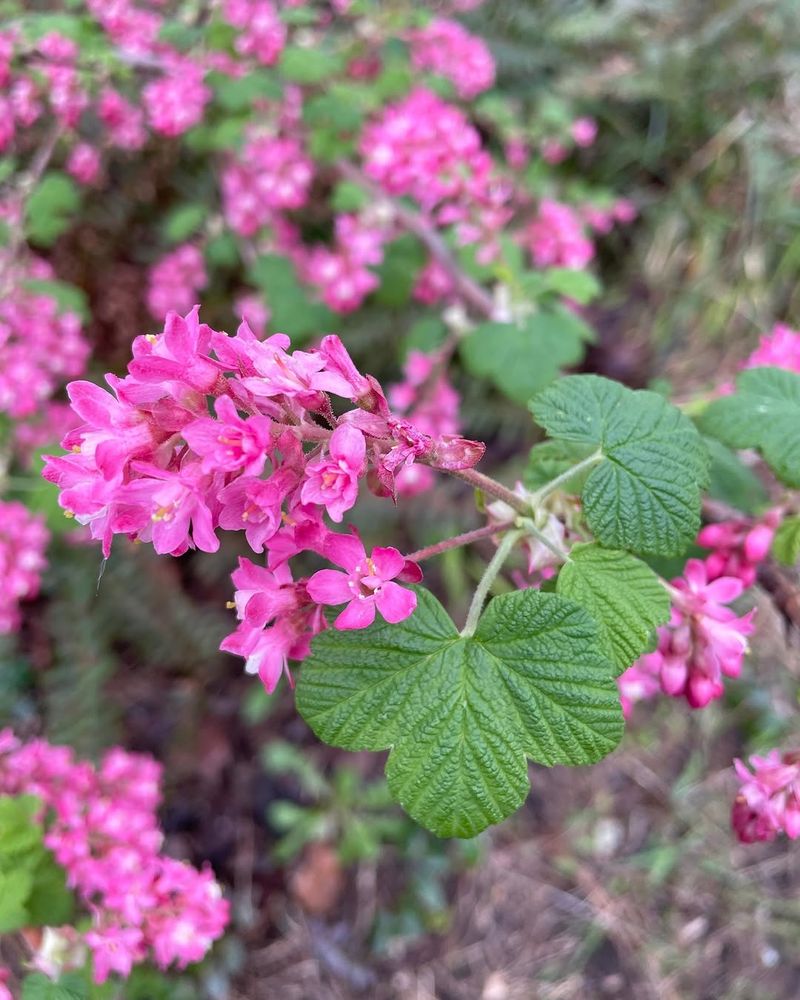
Every spring in Oregon, Red-Flowering Currant puts on one of the most spectacular flower shows in the native plant world. Clusters of deep pink to red flowers drip from the branches like tiny chandeliers, often appearing before the leaves fully open.
Hummingbirds arrive almost immediately, drawn by the bright color and sweet nectar.
This deciduous shrub grows naturally across western Oregon in open woodlands, along stream banks, and on hillsides. It handles full sun to partial shade and prefers well-drained soil.
Once established, it gets by on natural rainfall alone, making it a perfect fit for Oregon’s dry summer climate.
Red-Flowering Currant can grow six to ten feet tall, giving it real presence in a garden. It works well as a hedge, a backdrop for smaller plants, or a standalone specimen near a patio or window where you can watch the hummingbirds up close.
The show it puts on every spring is genuinely hard to top.
After the flowers fade, small dark berries appear that birds eat eagerly. The leaves turn yellow and orange in fall before dropping for winter.
Planting Red-Flowering Currant is one of the best things an Oregon gardener can do for local wildlife. It is beautiful, tough, and a true ambassador for native Oregon plants everywhere.