Fast-Growing Texas Privacy Plants That Survive Brutal Summers Without Irrigation
Some plants talk a big game in spring, then fold the second a Texas summer turns serious. When the heat settles in, the rain disappears, and the hose stays off, weak plants do not just struggle.
They quit. That is exactly why choosing privacy plants for Texas is about more than looks. You need something that can grow fast, fill in thick, and keep its cool when the weather feels downright punishing.
The good news is that plenty of tough, fast-growing plants are built for this kind of challenge. They can handle blazing sun, dry soil, and long stretches without extra watering once established.
Even better, they do not force you to babysit them through every heat wave just to keep your yard from looking bare.
If you want a natural screen that gives you more privacy without turning into a full-time project, you are in the right place. Some of the best options are stronger, easier, and better-looking than most people expect.
1. Texas Sage
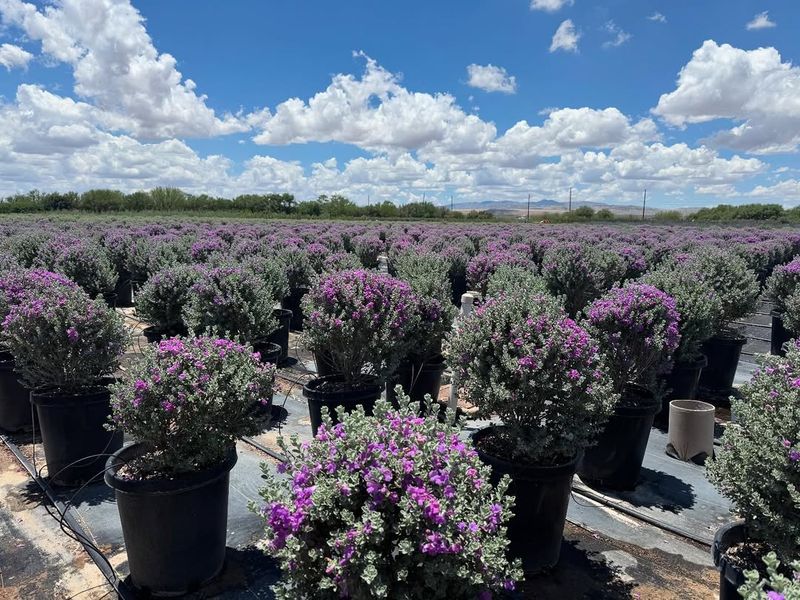
If there is one plant that truly belongs in a Texas yard, it is Texas Sage. Also called the barometer bush, this tough shrub has earned a legendary reputation across the Lone Star State for one very good reason: it blooms right after summer rain, almost like clockwork.
The silvery-gray leaves catch the eye even when it is not flowering, giving your yard a soft, natural look all year long.
Texas Sage grows fast in full sun and well-drained soil. Once established, it asks for almost nothing in return.
No extra watering, no heavy fertilizing, no complicated pruning schedule. It simply grows, fills in, and does its job as a privacy screen without complaint.
Mature shrubs can reach 6 to 8 feet tall, which is more than enough to block a neighbor’s line of sight or create a cozy outdoor space.
Planting Texas Sage along a fence or property line in Central or West Texas is one of the smartest landscaping moves you can make. It handles rocky, alkaline soil with ease and shrugs off the kind of heat that sends other plants into survival mode.
Space your plants about 4 to 5 feet apart to encourage them to fill in and form a solid, dense hedge.
In a few seasons, you will have a beautiful, low-maintenance privacy wall that practically takes care of itself. The purple flower show after summer storms is just a bonus that never gets old.
2. Wax Myrtle
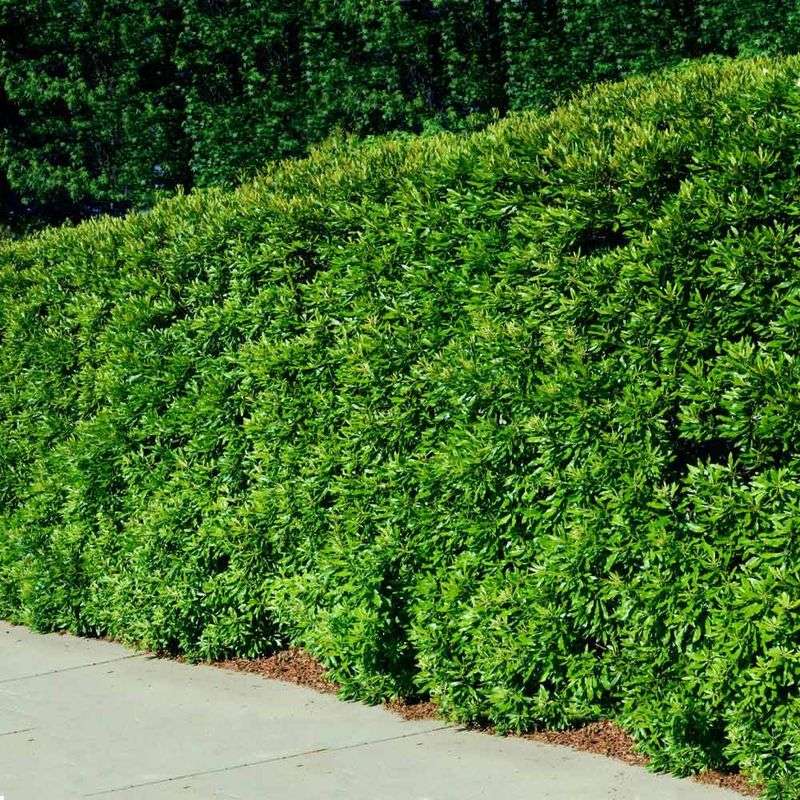
Wax Myrtle is the kind of plant that makes you look like a gardening genius without much effort at all. Popular in East and Central Texas, this fast-growing evergreen can shoot up several feet in a single growing season.
That kind of speed is exactly what you want when you are trying to create a natural privacy screen before the neighbors finish their new deck.
What makes Wax Myrtle stand out is its ability to handle a wide range of conditions. It grows well in full sun and partial shade, tolerates sandy soil, clay soil, and everything in between.
Your Texas Garden Changes Every Week. Your Plan Should Too.
Gardening in Texas changes quickly throughout the season. Every Friday you’ll receive a simple weekly plan showing exactly what to plant, prune, fertilize, harvest, and protect so you never miss the right timing.
It even handles humidity, which makes it a top pick for the eastern regions of Texas where sticky summer air is just part of life. Once it gets established, it requires very little supplemental water, even during long dry stretches.
Wax Myrtle can grow anywhere from 6 to 12 feet tall, and it stays evergreen in most parts of Texas, meaning your privacy screen does not disappear in winter.
The small, waxy berries that appear on female plants are a bonus because they attract birds, adding some extra life and movement to your yard.
Plant them about 5 feet apart for a full hedge effect. Trim them lightly once a year to keep the shape tidy if you prefer a more formal look, or just let them grow naturally for a relaxed, woodland-style screen that blends beautifully into any Texas landscape.
3. Yaupon Holly
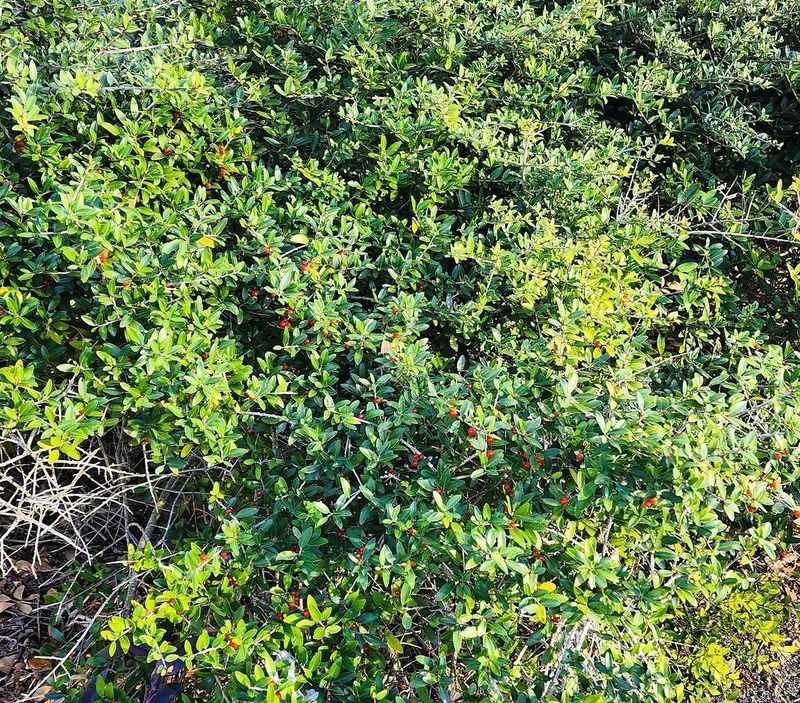
Yaupon Holly might just be the most underrated plant in all of Texas. Despite its unusual scientific name, this native evergreen is one of the toughest, most adaptable screening plants you can find anywhere in the state.
It grows in sun, partial shade, wet soil, dry soil, sandy ground, and heavy clay. Honestly, it is hard to find a spot in Texas where Yaupon Holly will not grow.
Growth speed is one of its biggest selling points. Yaupon Holly can reach anywhere from 12 to 25 feet tall over time, making it one of the tallest options on this list.
If you want a true wall of green that completely blocks the view from the street or a neighbor’s second-story window, this plant delivers. Its dense branching habit means it forms a solid screen without needing to be planted too close together.
One fun fact that surprises a lot of people: Yaupon Holly is the only caffeinated plant native to North America. Indigenous people across Texas and the Southeast brewed the leaves into a tea for centuries.
Of course, you are planting it for privacy, not for tea, but it is a cool piece of history to share with guests. The bright red berries that appear on female plants in fall and winter are a cheerful seasonal bonus that birds absolutely love.
For the best privacy results in Texas, plant Yaupon Holly in a staggered double row and watch it fill in beautifully over two to three growing seasons.
4. Desert Willow
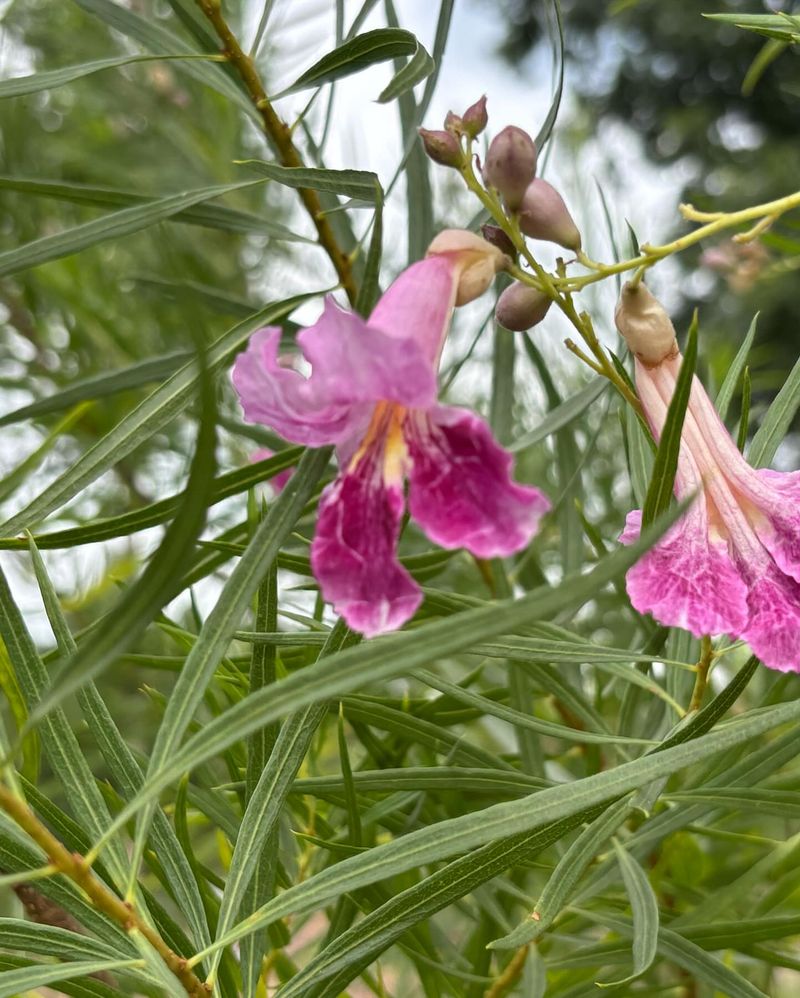
Picture a plant that grows fast, survives brutal Texas summers without irrigation, and rewards you with gorgeous trumpet-shaped flowers in shades of pink, lavender, and white all season long. That is Desert Willow in a nutshell.
Despite the name, it is not actually a willow at all. It is a native Texas tree that thrives in the exact conditions that send most plants into a downward spiral.
Desert Willow grows quickly in full sun and well-drained soil, often putting on 3 to 5 feet of new growth in a single year under good conditions. It can reach 15 to 25 feet tall at maturity, which gives you serious vertical coverage when you need it.
Because its form is a bit more open and airy compared to a dense shrub, planting Desert Willows in groups or clusters is the best strategy for creating a privacy screen that actually works.
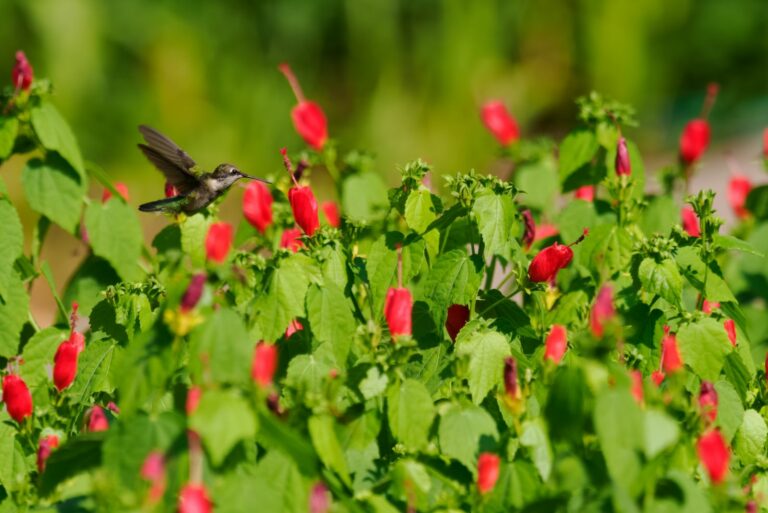
One of the most exciting things about using Desert Willow for privacy in Texas is the wildlife it attracts. Hummingbirds and butterflies flock to those colorful blooms all summer long, turning your privacy hedge into a living, buzzing, fluttering garden feature.
The long, slender leaves give it a graceful, tropical-looking appearance that stands out in the landscape. Plant them 6 to 8 feet apart in a loose grouping along a property line or fence for the best screening effect.
Once established, Desert Willow handles West and Central Texas heat and drought with remarkable ease, needing almost no help from you at all.
5. Eastern Red Cedar
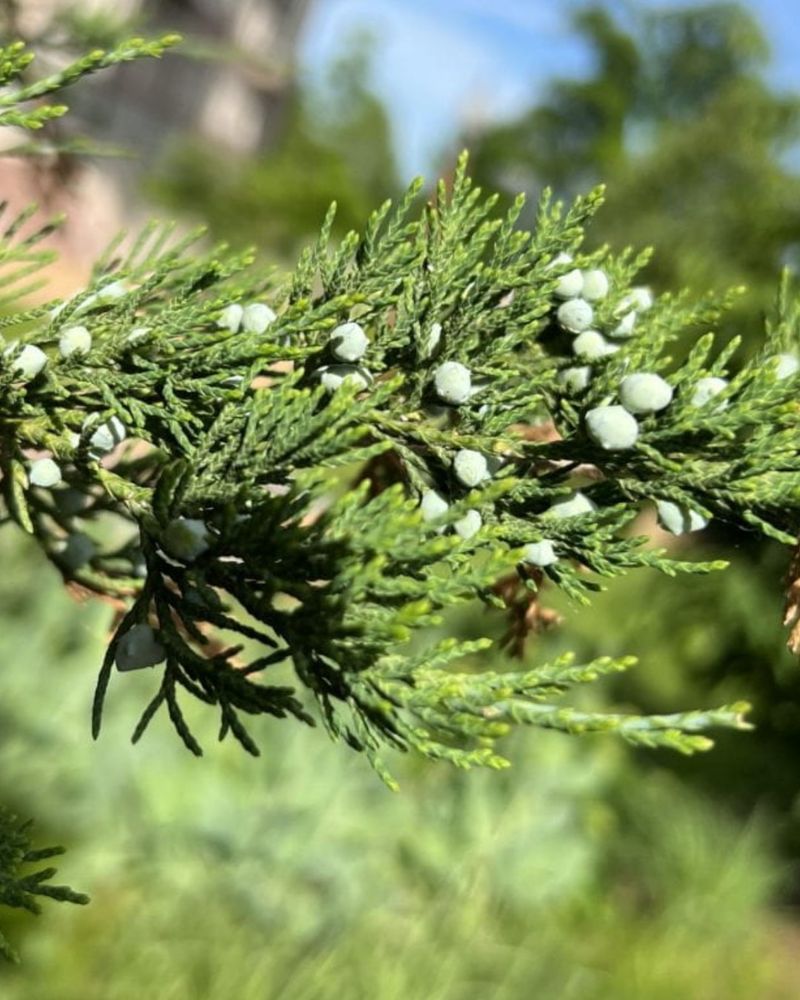
When you need serious height and year-round coverage, Eastern Red Cedar steps up to the challenge better than almost anything else native to Texas. Do not let the word cedar fool you.
This is actually a juniper, and it is one of the most widespread and hardworking native trees across the state. Drive through rural Texas and you will spot it growing on rocky hillsides, along creek beds, and on open prairies without a single drop of irrigation keeping it alive.
Eastern Red Cedar is fast-growing for a tree, often gaining 1 to 2 feet per year under decent conditions.
Over time, it can reach 40 to 50 feet tall, making it the go-to choice when you need to block a two-story building, screen out a busy road, or create a serious windbreak along an exposed property line.
The dense, dark green foliage stays on year-round, so your privacy screen never goes bare in winter like a deciduous tree would.
Plant Eastern Red Cedar trees about 6 to 8 feet apart in a single row for a solid screen, or space them 10 to 12 feet apart in a staggered double row for an even thicker barrier. They handle poor soil, rocky ground, and extended drought without skipping a beat.
One small thing to keep in mind: some people in Texas are sensitive to the pollen Eastern Red Cedar releases in late winter.
Planting male trees away from high-traffic areas is a simple way to manage that. Overall, this is a powerhouse privacy plant built for the Texas climate.
6. Evergreen Sumac
Rocky soil, steep slopes, blazing sun, and almost no rain. Most plants would give up under those conditions.
Evergreen Sumac does not even blink. This tough native shrub is one of the best-kept secrets in Texas landscaping, especially for homeowners dealing with challenging terrain in the Hill Country or the dry western parts of the state where other plants simply refuse to cooperate.
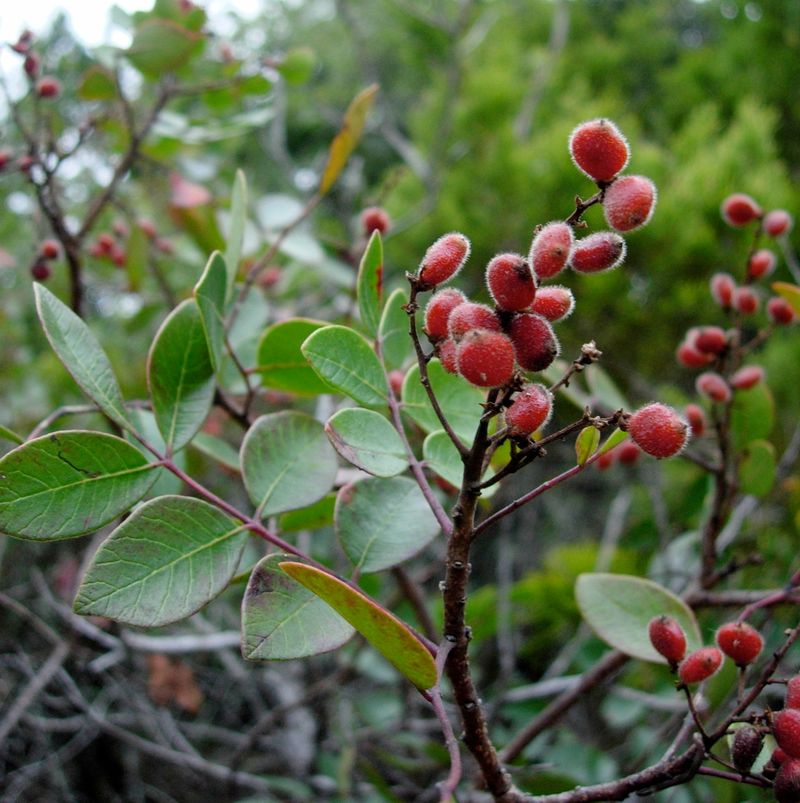
Evergreen Sumac grows 6 to 12 feet tall and spreads out to form a dense, rounded thicket of leathery, dark green leaves. That spreading habit is exactly what makes it so effective as a privacy screen.
Over time, a row of Evergreen Sumac plants will fill in and knit together into a solid wall of glossy foliage that blocks views, reduces noise, and adds a polished, structured look to your landscape. And it does all of this with very little water once established.
In fall, the plant produces small clusters of red berries that birds find irresistible. If you enjoy watching wildlife in your backyard, planting Evergreen Sumac along a fence or property line is a great way to attract native birds to your yard.
The dark, waxy leaves hold up beautifully through the summer heat and stay mostly evergreen even during mild Texas winters. Space plants about 5 feet apart to encourage them to merge into a continuous screen.
For dry, rocky areas of Central and West Texas where irrigation is not practical, Evergreen Sumac is simply one of the most reliable choices available to homeowners.
7. Arizona Cypress
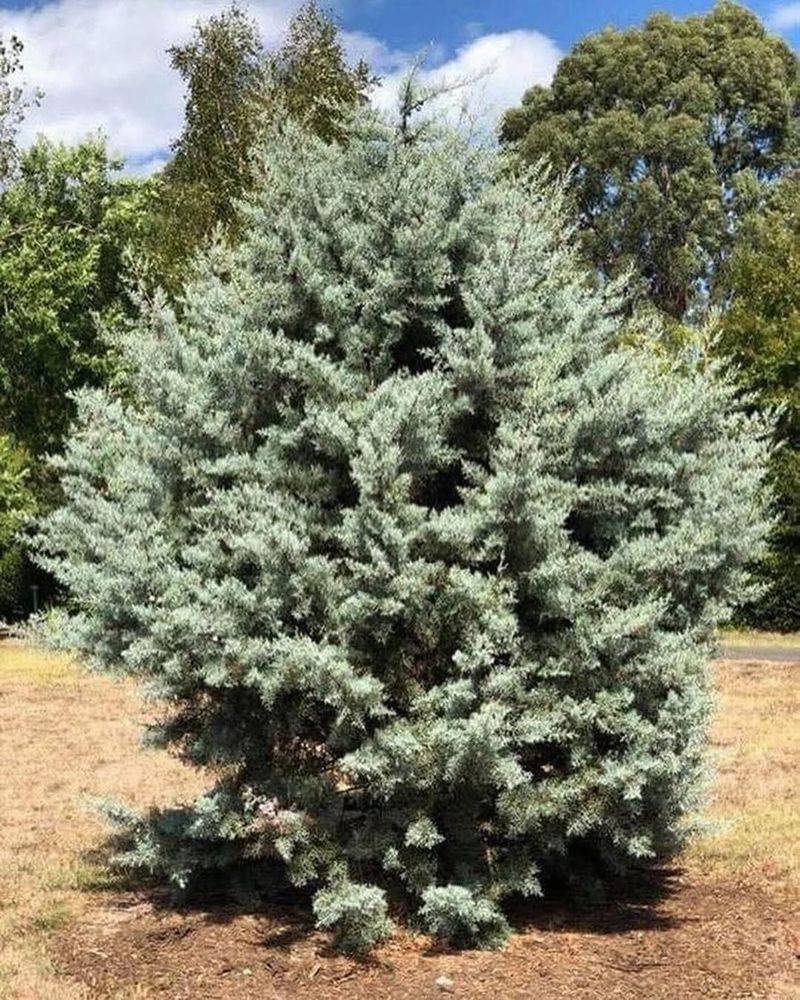
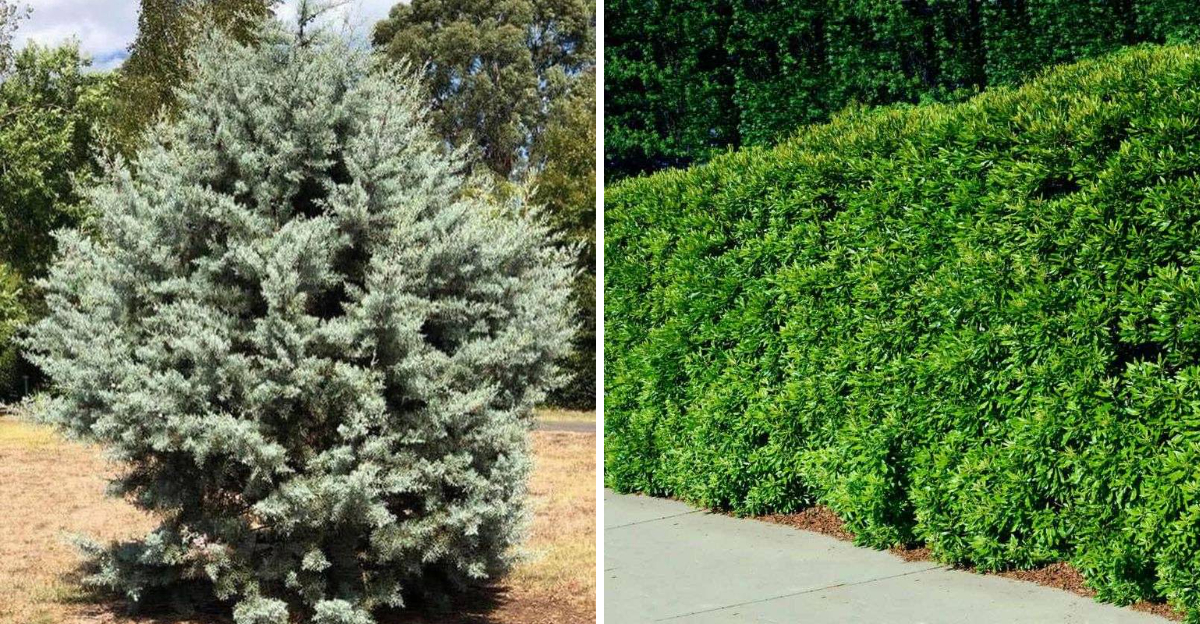
Few trees turn heads quite like Arizona Cypress. That distinctive blue-green, almost silvery foliage sets it apart from every other privacy tree you could plant in Texas.
While most evergreens lean toward dark green, Arizona Cypress brings a soft, cool color to the landscape that looks especially stunning against a clear Texas sky. It is the kind of tree that makes neighbors stop and ask what it is.
Beyond good looks, Arizona Cypress is a serious performer. It is one of the fastest-growing screening trees available for Texas landscapes, often putting on 3 or more feet of height per year in the right conditions.
At maturity, it can reach 40 feet tall or more, with a naturally narrow, conical shape that makes it ideal for planting in tighter spaces along a fence or property line. You get maximum height with a relatively small footprint, which is a huge advantage in suburban yards.
Heat tolerance and drought resistance are where Arizona Cypress really shines. Planted across West Texas and Central Texas, it handles months of dry weather without irrigation once it has had a full season to establish its root system.
The roots dig deep quickly, which is one of the reasons this tree bounces back from dry spells so well. Plant trees about 6 to 8 feet apart for a solid privacy screen, or space them 10 feet apart if you want a more open, park-like row.
Either way, within just a few years, you will have a tall, striking, and completely self-sufficient privacy barrier that looks incredible in any Texas landscape.