The 7 Best Low-Growing Plants For Pennsylvania Walkways That Stay Tidy
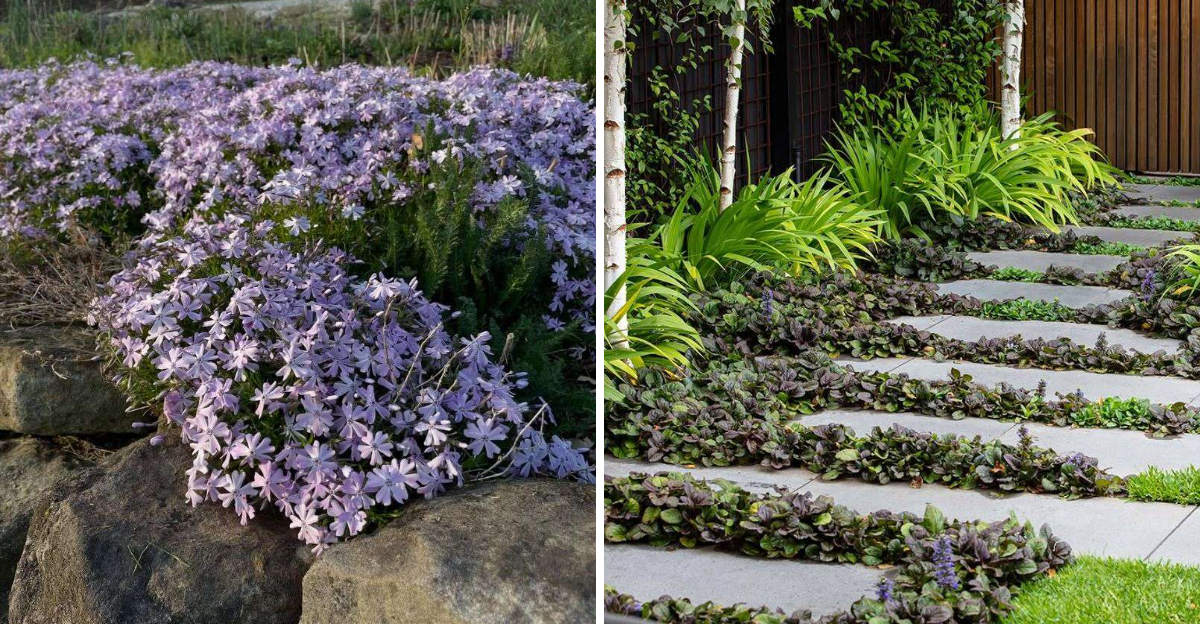
A walkway should feel inviting, not like something you have to dodge your way through by midsummer. That is where the right low-growing plants can make such a difference.
In Pennsylvania, walkway borders need to do more than look pretty for a few weeks. They have to stay neat through spring growth, summer rain, humid stretches, and the kind of seasonal changes that can make some plants flop, spread too far, or start looking ragged around the edges.
That is why tidy, low-growing plants are such a smart pick. They help define the path, soften the hard lines of stone or concrete, and add color and texture without taking over the space.
When chosen well, they can make the whole yard feel more polished with far less trimming and cleanup than taller or more aggressive plants.
For homeowners who want a path that stays attractive without becoming a constant chore, the plant choice matters more than people realize. A good low-growing border can keep everything looking clean, balanced, and well cared for from one season to the next.
1. Creeping Phlox (Phlox Subulata)
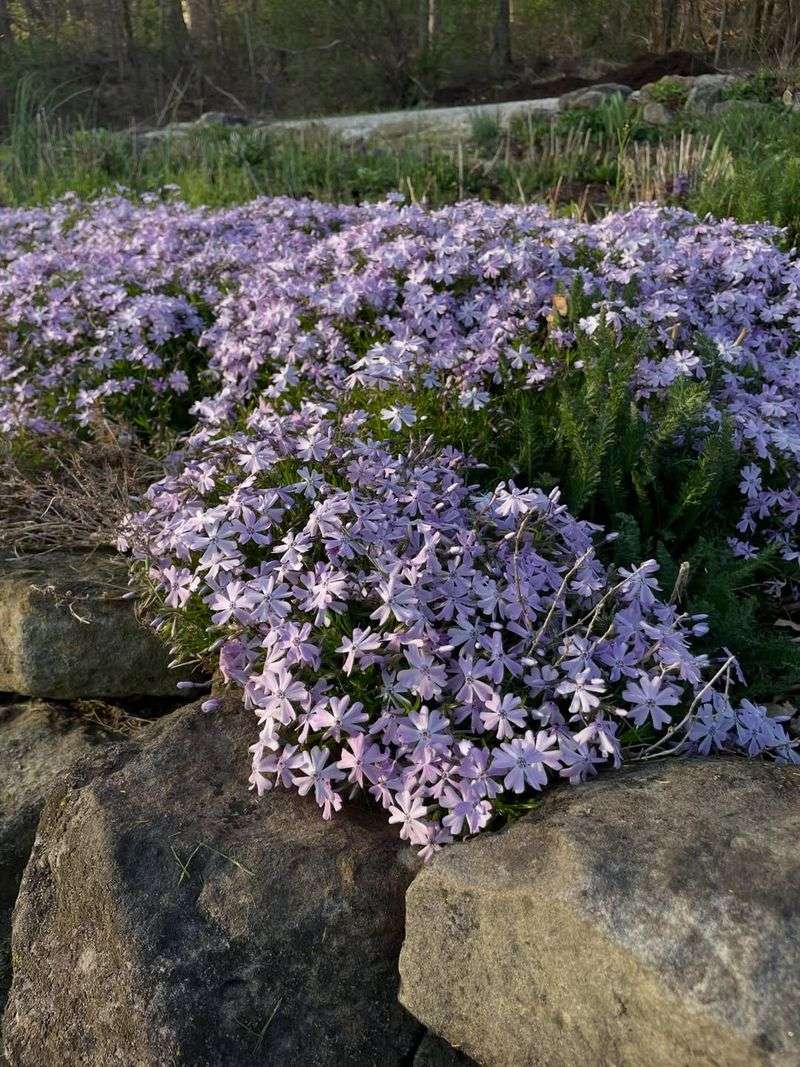
Every spring, creeping phlox puts on a show that stops people in their tracks. This low-growing plant explodes with vibrant pink, purple, lavender, or white flowers, turning walkway edges into something that looks like a painted landscape.
It forms a dense, carpet-like mat that stays just a few inches tall, which makes it one of the tidiest options for Pennsylvania homeowners who want curb appeal without constant upkeep.
Creeping phlox thrives in full sun and well-drained soil, both of which are easy to find along most Pennsylvania walkways. It handles cold winters well and bounces back reliably each spring.
Once established, it spreads gradually to fill gaps and choke out weeds, saving you time in the garden.
Planting it along slopes or path edges gives it room to cascade naturally without looking messy. After blooming, the foliage stays green and compact throughout the summer and fall.
Trim it back lightly after flowering to keep the shape clean and encourage healthy regrowth. This plant is a favorite among Pennsylvania gardeners for good reason.
It delivers stunning color in spring and a reliable, tidy green mat the rest of the year. If you want a walkway border that practically takes care of itself, creeping phlox deserves a spot at the top of your list.
2. Pennsylvania Sedge (Carex Pensylvanica)
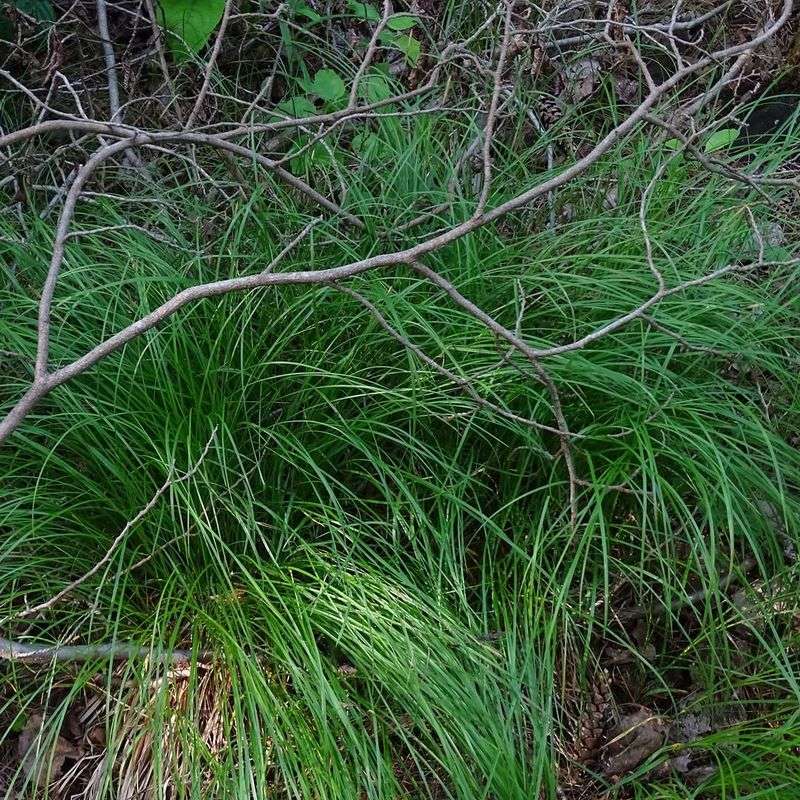
Named right after the state it loves most, Pennsylvania sedge feels like it was made for local gardens. This native, grass-like plant grows in soft, arching clumps that stay low to the ground, giving walkways a natural, woodland feel without looking wild or overgrown.
It is one of the few groundcovers that actually prefers dry shade, which makes it perfect for paths that run under trees or along the north side of a house.
Pennsylvania sedge rarely needs watering once it settles in, and it does not require fertilizer or heavy maintenance. It stays green for most of the year and handles Pennsylvania winters without any special protection.
Your Pennsylvania Garden Changes Every Week. Your Plan Should Too.
Gardening in Pennsylvania changes quickly throughout the season. Every Friday you’ll receive a simple weekly plan showing exactly what to plant, prune, fertilize, harvest, and protect so you never miss the right timing.
The fine-textured foliage adds a soft visual contrast next to stone or concrete walkways, making the path look more polished and intentional.
Because it spreads slowly through underground runners, it fills in over time without becoming invasive or jumping into unwanted areas. You can mow it once a year in early spring to refresh its look, but honestly, many gardeners skip that step entirely and still love the results.
For Pennsylvania homeowners who want a low-effort, native-friendly solution for shaded walkway edges, this sedge is a standout. It is tough, beautiful in a quiet way, and deeply suited to the Pennsylvania landscape.
3. Creeping Thyme (Thymus Spp.)
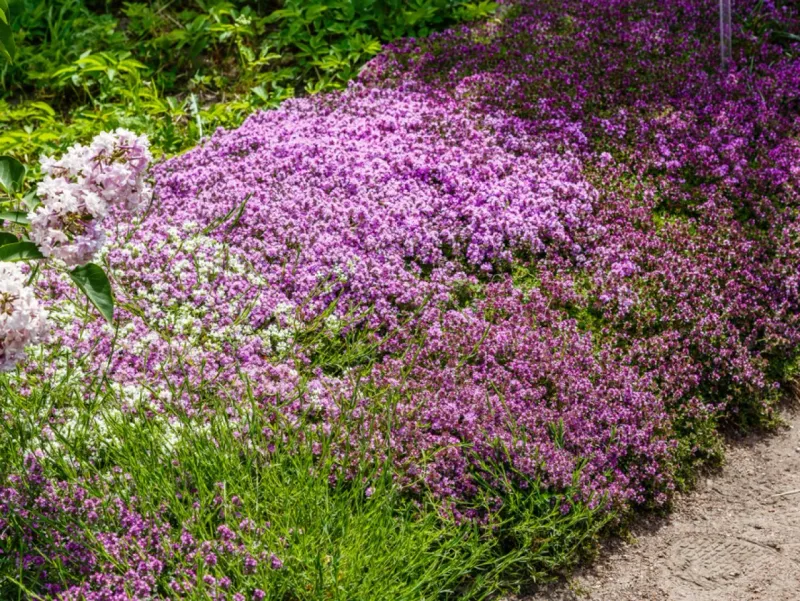
There is something special about a plant that smells amazing every time you walk past it. Creeping thyme is exactly that kind of plant.
It releases a fresh, herby fragrance when brushed or lightly stepped on, making your Pennsylvania walkway feel like a sensory experience rather than just a path from point A to point B. Gardeners across the state have used it for years because it checks every important box.
This compact perennial stays very low, usually under three inches tall, and produces tiny pink or purple flowers in late spring and early summer. It loves full sun and well-drained soil, which makes it ideal for sunny Pennsylvania walkways where other plants might struggle.
It also handles light foot traffic surprisingly well, so it works beautifully between stepping stones or along the edges of well-used paths.
Creeping thyme is drought-tolerant once established, meaning it can handle dry Pennsylvania summers without much watering. It spreads steadily but stays well-behaved, never turning into a takeover situation.
Trim it back after flowering to keep it looking neat and dense. Fun fact: thyme has been used in gardens for thousands of years, valued both for its looks and its usefulness in the kitchen.
Whether you grow it for beauty or flavor, creeping thyme earns its spot along any Pennsylvania walkway with ease.
4. Bugleweed (Ajuga Reptans)
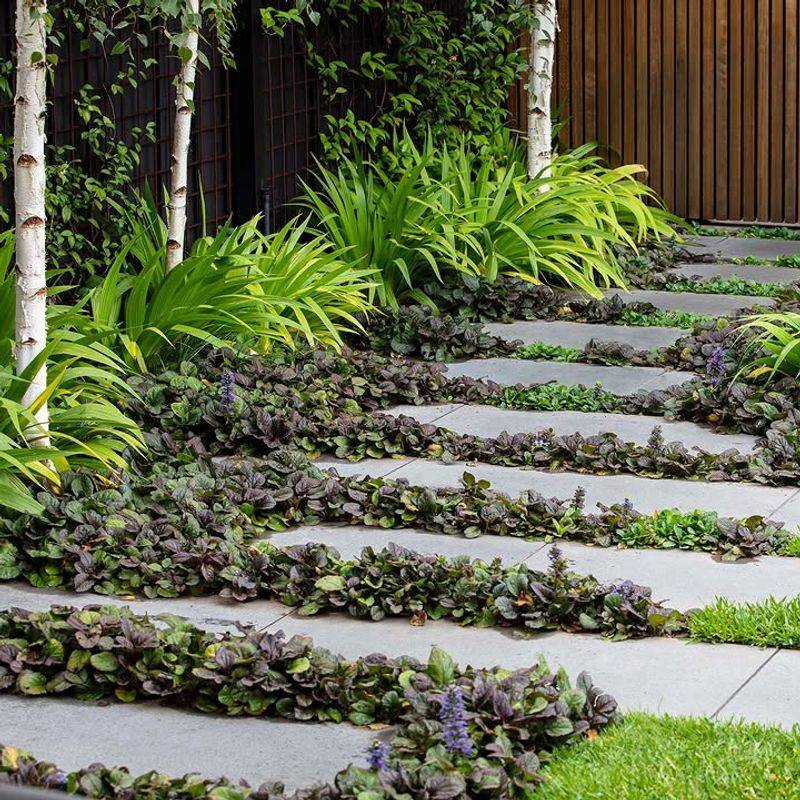
Bold foliage, fast coverage, and flowers that show up right when you need them most in spring. Bugleweed brings all three to Pennsylvania walkways without asking much in return.
The deep bronze, purple, or green leaves form a thick, low carpet that smothers weeds and keeps path edges looking clean and defined. When spring arrives, it sends up short spikes of blue or purple flowers that add a pop of color you did not even have to plan for.
One of bugleweed’s biggest strengths is its flexibility. It grows well in full shade, part shade, or even part sun, which means it works along Pennsylvania walkways that shift between light conditions throughout the day.
The foliage stays attractive through most of the year, and in milder Pennsylvania winters, it may stay semi-evergreen, giving you color even in the colder months.
Bugleweed spreads through runners, so it fills in quickly and creates a dense, uniform look without gaps. Keep an eye on it near lawn areas since it can spread into grass if left unchecked.
A simple border or edging strip keeps it exactly where you want it. For high-traffic yards with shaded or partially shaded walkways in Pennsylvania, bugleweed is one of the most reliable and visually rewarding options available to home gardeners today.
5. Barren Strawberry (Waldsteinia Fragarioides)
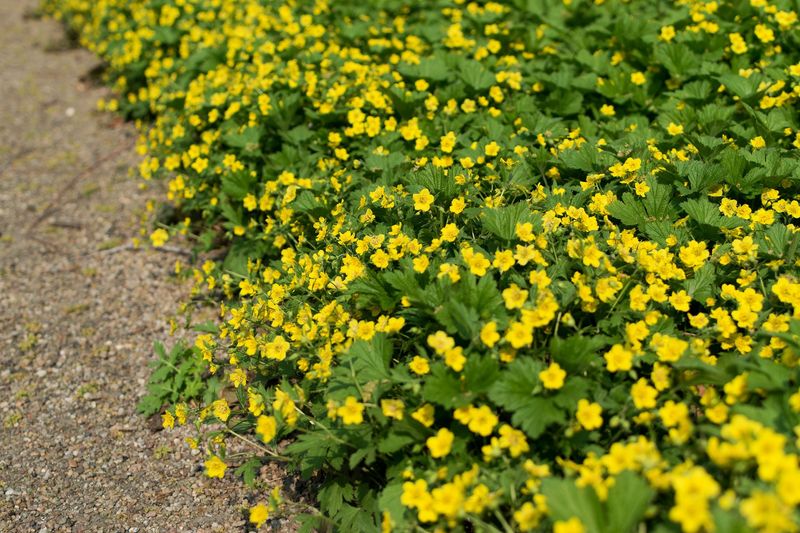
Not every great walkway plant needs to be flashy to earn its keep. Barren strawberry is the kind of reliable, hardworking groundcover that quietly keeps your Pennsylvania path edges looking sharp season after season.
Its glossy, dark green leaves look similar to wild strawberry foliage, giving it a charming, natural appearance that blends beautifully with stone paths and woodland garden styles.
In spring, it produces small, cheerful yellow flowers that add a gentle brightness without overwhelming the landscape. After the flowers fade, the foliage remains attractive and dense, staying low enough to never block your view or creep onto the walkway surface.
It grows well in part shade to full shade, making it a strong choice for Pennsylvania paths that run beneath large trees or along shaded house foundations.
Barren strawberry spreads at a moderate pace, filling in over time to create a weed-suppressing mat that reduces garden maintenance significantly. It is native to the eastern United States, which means it is naturally adapted to Pennsylvania’s soil, rainfall, and temperature swings.
It rarely needs supplemental watering once established and holds up through cold winters with no special care.
For gardeners who want a tidy, native-friendly option that looks good year-round with minimal effort, barren strawberry is a hidden gem worth planting along any Pennsylvania walkway this season.
6. Dwarf Mondo Grass (Ophiopogon Japonicus ‘Nana’)
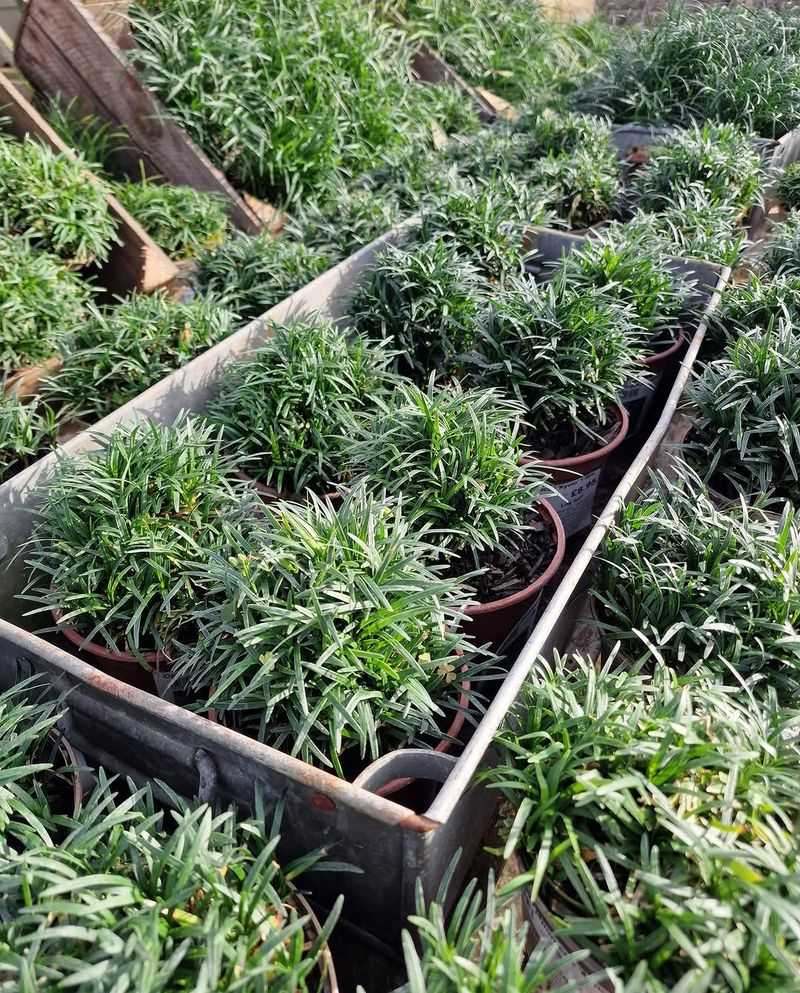
Clean lines and a uniform look are hard to achieve in a garden, but dwarf mondo grass makes it look effortless.
This compact, evergreen plant grows in tight, dark green tufts that stay under four inches tall, creating a polished, formal border that suits structured Pennsylvania walkways perfectly.
It does not flop, spread aggressively, or lose its shape over time, which is exactly what you want in a plant placed right along a path.
While it is not a Pennsylvania native, dwarf mondo grass has earned its place in local landscapes because of how reliably tidy it stays. It tolerates shade well and can handle part sun, giving it flexibility along walkways that receive mixed light throughout the day.
In milder Pennsylvania winters, it often stays evergreen, meaning your path edges look defined even in the coldest months.
Planting it in groups or rows along walkway borders creates a refined, intentional look that pairs well with brick, flagstone, or concrete paths. It grows slowly, so you will not need to trim it often, and it rarely has pest or disease problems.
Water it regularly during the first growing season to help it establish strong roots, then ease back as it settles in. For Pennsylvania homeowners who love a neat, structured landscape, dwarf mondo grass is a dependable and attractive long-term investment.
7. Sweet Woodruff (Galium Odoratum)
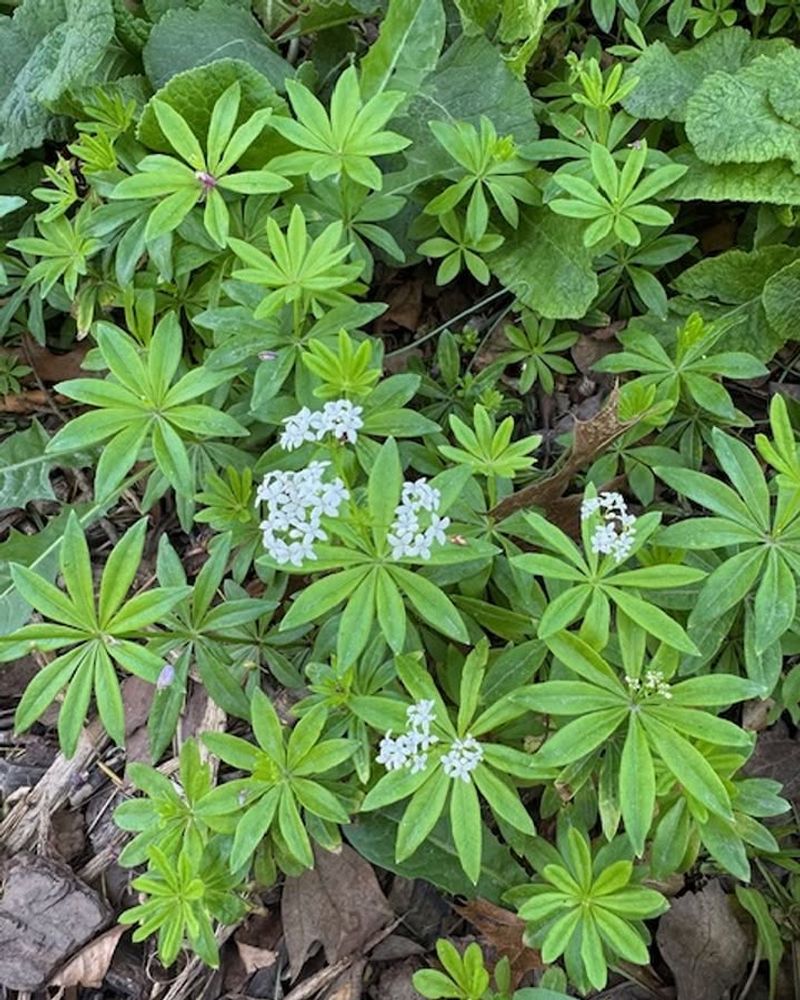
Walking along a shaded Pennsylvania path lined with sweet woodruff feels like stepping into a fairy tale.
The plant grows in delicate whorls of bright green leaves that spread evenly across the ground, creating a soft, lush carpet that stays surprisingly tidy without much intervention.
In late spring, it covers itself in tiny white star-shaped flowers that brighten up even the shadiest corners of your yard.
Sweet woodruff is a classic choice for paths that run under large trees or alongside shaded fences, where many other plants struggle to survive. It thrives in moist, well-drained soil and does best in part to full shade, conditions that are common in many Pennsylvania backyards.
The foliage has a pleasant, hay-like scent when dried, and it has historically been used to flavor wines and sachets, giving it a charming background story worth sharing with curious visitors.
It spreads at a manageable pace, filling in gaps over a few seasons to create a uniform, weed-resistant mat. Unlike some aggressive groundcovers, sweet woodruff stays relatively easy to control with simple hand-pulling if it wanders too far.
Cut it back in early spring to encourage fresh, clean growth for the new season. For Pennsylvania gardeners dealing with challenging shaded areas along walkways, sweet woodruff offers beauty, fragrance, and reliability all in one elegant little package.