These Native California Plants Survive Heat, Drought, And Poor Soil
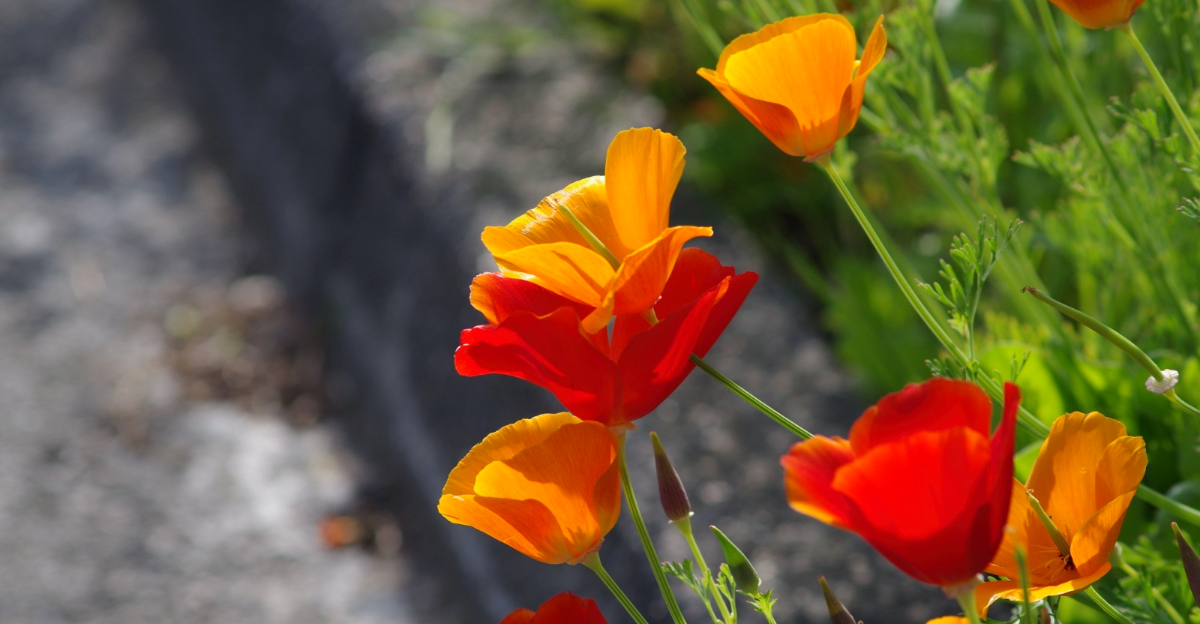
Have you ever looked at a sun-baked hillside or a patch of rocky dirt and wondered if anything could actually grow there?
California summers are famous for their intensity, but the combination of scorching heat and lean, sandy soil can make traditional gardening feel like a lost cause.
Fortunately, our state is home to a rugged collection of plants that treat these brutal conditions like a day at the beach.
These natives evolved to thrive in drought and poor soil, which makes them the perfect solution for tough spots in your yard.
From inland slopes to coastal bluffs, these resilient species offer low-maintenance beauty and vital support for local wildlife.
1. California Sagebrush Handles Heat With Silvery Native Texture
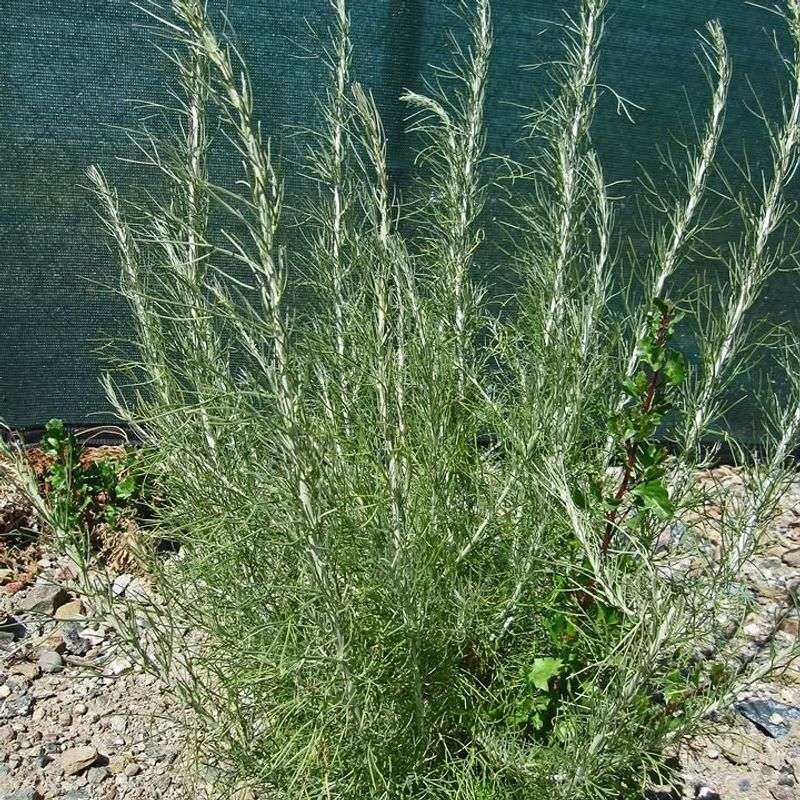
Few plants capture the spirit of a California hillside quite like the soft, silvery mounds of California sagebrush.
Known botanically as Artemisia californica, this native shrub thrives in full sun and lean, well-drained soil where most ornamental plants would struggle to survive through a single dry season.
Its finely cut, aromatic foliage releases a clean, sage-like scent that many gardeners find deeply satisfying, especially on warm afternoons when the breeze moves through.
Growing roughly two to five feet tall and wide, California sagebrush works well as a low hedge, a slope stabilizer, or a naturalistic filler between larger shrubs.
It handles reflected heat from walls and pavement with ease, making it a smart pick for those tough south-facing exposures common across inland California.
Once established, it needs very little supplemental water, though occasional deep watering during the first year helps roots settle in.
Wildlife also appreciates this plant. Several native sparrows and warblers use its branches for nesting cover, while its foliage supports specialist native insects.
Gardeners who want a low-water landscape that still feels rich in texture and scent will find California sagebrush a reliable and genuinely rewarding choice.
2. California Fuchsia Brings Bright Color Late In The Season
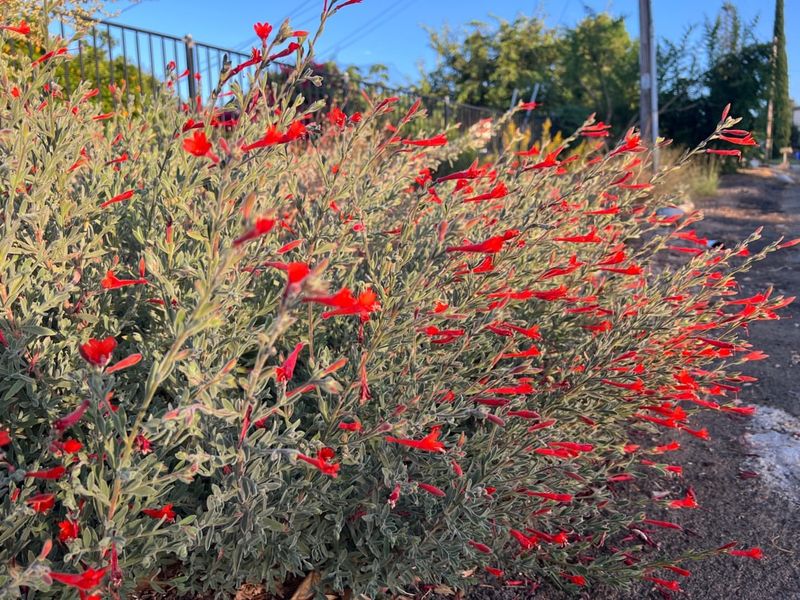
When most summer plants are fading under the heat, California fuchsia steps forward with some of the most vivid color in the late-season garden.
Epilobium canum, sometimes still listed as Zauschneria californica, produces brilliant red-orange tubular flowers from late summer into fall, exactly when hummingbirds are fueling up for migration.
Watching a rufous or Anna’s hummingbird dart between these fiery blooms is one of those California garden moments that feels genuinely special.
Adapted to dry, rocky slopes and sandy soils throughout much of California, this perennial groundcover or low shrub handles poor soil conditions without complaint.
It spreads slowly by underground runners, eventually forming attractive sweeping patches that work well on slopes or in between boulders.
Full sun brings the heaviest bloom, though it tolerates light afternoon shade in hotter inland areas.
Plan for plants to reach about one to three feet tall with a spread of up to four feet, depending on the selection. After flowering, cutting stems back by about half encourages fresh growth.
Overwatering is the most common problem, so let the soil dry between waterings once plants are established. In many California gardens, it asks for almost nothing after the first year.
Your California Garden Changes Every Week. Your Plan Should Too.
Gardening in California changes quickly throughout the season. Every Friday you’ll receive a simple weekly plan showing exactly what to plant, prune, fertilize, harvest, and protect so you never miss the right timing.
3. Manzanita Adds Strong Structure And Four Season Appeal
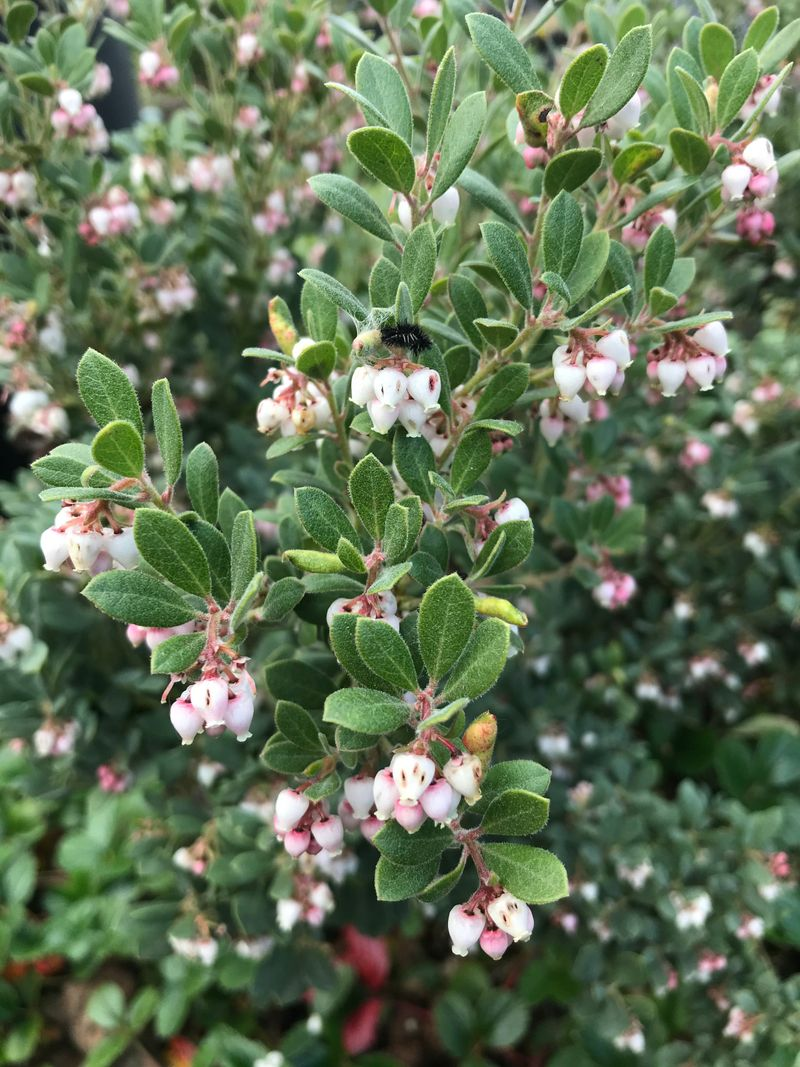
Walk through almost any chaparral in California and you will notice one plant that stands out for its sculptural beauty in every season: manzanita.
With smooth, mahogany-red bark that practically glows in winter light, clusters of small urn-shaped flowers in late winter, and deep green or gray-green leaves that hold through summer drought, manzanita earns its place in the garden year-round.
The genus Arctostaphylos includes dozens of California native species and cultivars, ranging from low groundcovers to multi-trunked small trees.
Gardeners dealing with rocky, shallow, or nutrient-poor soil will find manzanita surprisingly at home. It actually prefers lean, fast-draining soil and resents heavy clay or frequent summer irrigation once established.
In the right conditions, many selections need no supplemental water after the second or third year, making them excellent candidates for true low-water landscapes across California.
Sun exposure should be full to partial, and planting on slopes or raised beds helps with the drainage manzanita needs. Birds and native bees visit the flowers heavily in late winter, and the small apple-like berries that follow feed wildlife through spring and summer.
Choosing a locally native species or a regionally appropriate cultivar tends to give the best results in California gardens.
4. Toyon Supports Wildlife With Colorful Seasonal Interest
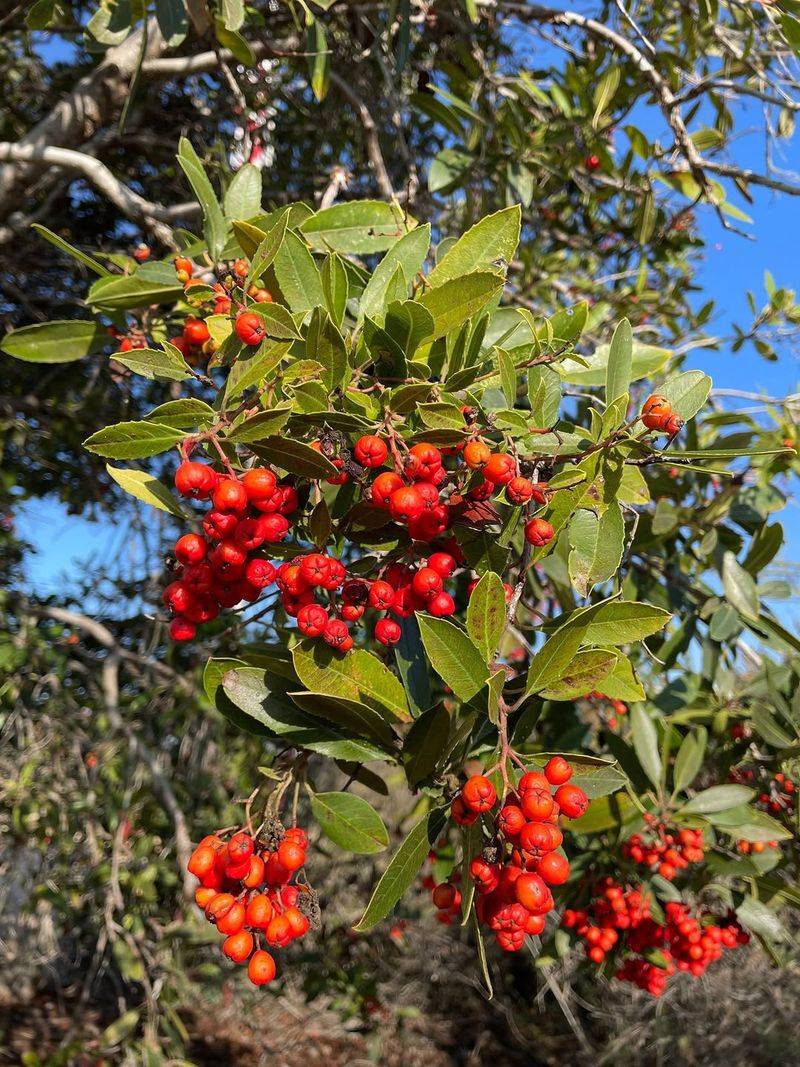
Bright red berries clustered against glossy dark green leaves make toyon one of the most visually striking native shrubs in California during winter.
Heteromeles arbutifolia is sometimes called California holly or Christmas berry, and it earns those nicknames honestly.
The berries ripen just as the season turns cold, attracting cedar waxwings, American robins, and other berry-loving birds that can strip a mature plant in just a few days of enthusiastic feeding.
Beyond its winter show, toyon offers clusters of small white flowers in summer that draw native bees and butterflies.
It grows into a large shrub or small multi-trunked tree, often reaching eight to fifteen feet tall under good conditions, though it can be kept smaller with selective pruning.
Full sun to partial shade works well, and toyon handles everything from coastal fog to intense inland heat across California.
Poor or rocky soil is no obstacle. Toyon actually performs well in lean, well-drained conditions and becomes highly drought-tolerant once established, typically after the first two seasons with regular deep watering.
It makes a strong privacy screen, a naturalistic hedge, or a focal point in a wildlife-friendly garden. Few California native plants offer this much seasonal interest while demanding so little from the gardener.
5. Santa Cruz Island Buckwheat Adds Soft Texture To Dry Beds
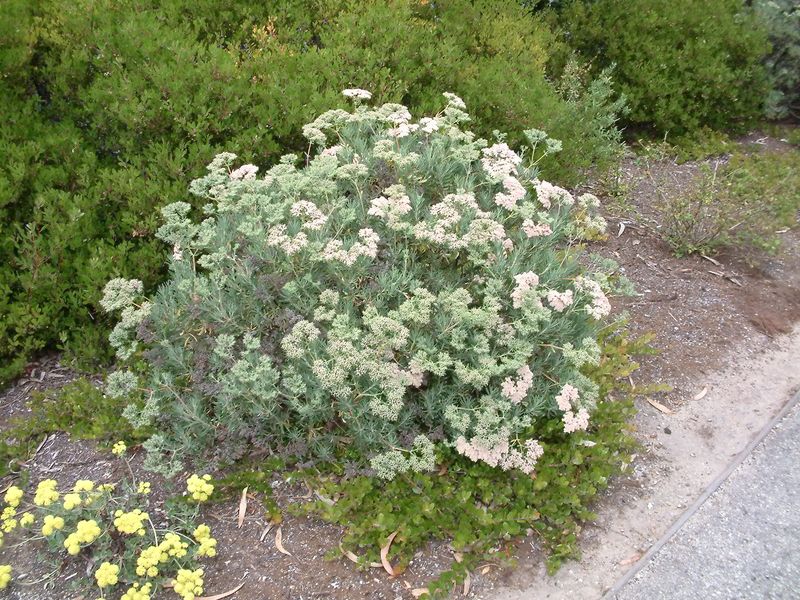
Gardeners who have struggled to fill a hot, dry bed with something that looks good without constant watering should get acquainted with Santa Cruz Island buckwheat.
Eriogonum arborescens is a native shrub from the Channel Islands off the Southern California coast, and it brings a soft, airy texture to the landscape that contrasts nicely with coarser plants like manzanita or toyon.
Its narrow gray-green leaves and flat-topped clusters of white to pale pink flowers have a relaxed, natural quality that feels right at home in a California dry garden.
Plants typically reach three to four feet tall and spread slightly wider, forming a rounded, open shape that works well as a specimen or in groupings along dry slopes and pathways. Full sun and fast-draining soil are the main requirements.
Like most buckwheats, this one handles nutrient-poor, sandy, or rocky soil without any amendments needed.
Flowers age from white to pink to rust as the season progresses, giving the plant a multi-toned look through summer and into fall. Native bees, butterflies, and other beneficial insects visit the blooms consistently.
Once established, supplemental water is rarely needed in coastal California and only occasionally required in hotter inland areas. It is a genuinely low-effort plant with a lot of quiet charm.
6. Deer Grass Brings Movement With Very Little Water
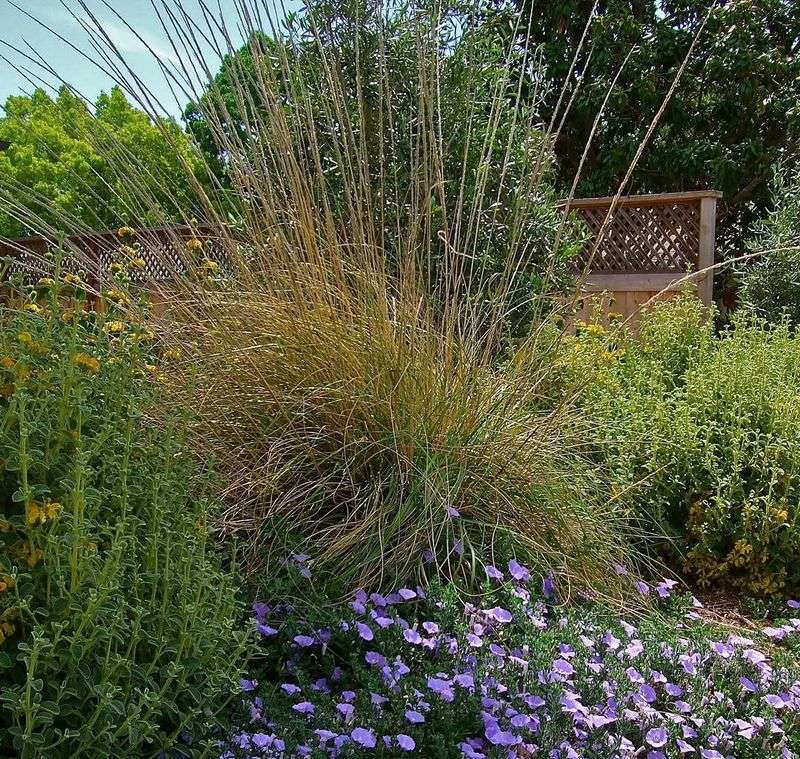
There is something calming about watching a clump of deer grass sway in a California afternoon breeze.
Muhlenbergia rigens forms graceful, arching mounds of fine-textured gray-green foliage that move with even the lightest wind, adding a sense of life and rhythm to dry landscapes.
Tall, slender seed spikes rise above the foliage in late summer and fall, catching light in a way that gives the plant an almost luminous quality in the late afternoon sun.
Native to much of California, deer grass naturally grows in dry meadows, rocky slopes, and chaparral edges where soils are often thin and water is scarce for months at a time.
It handles full sun and reflected heat well, which makes it a strong candidate for parking strips, roadside plantings, and south-facing slopes that bake through summer.
Plants typically grow two to three feet tall and three to four feet wide.
Establishment takes one to two seasons with regular deep watering, but after that, deer grass is remarkably self-sufficient. It does not need frequent dividing, fertilizing, or fussing.
Cutting it back by about half in late winter refreshes the plant and encourages dense new growth. For California gardeners who want movement and softness in a dry landscape, few native grasses deliver as reliably as this one.
7. Matilija Poppy Makes A Bold Statement In Dry Ground
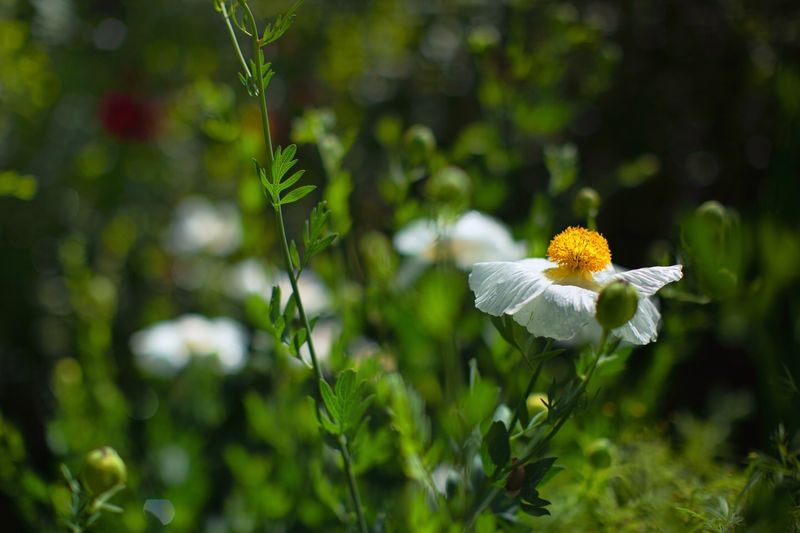
Nothing in the California native plant world quite prepares you for the sheer size of a matilija poppy in full bloom.
Romneya coulteri produces enormous white flowers with crinkled, tissue-paper petals and a bold yellow center, sometimes reaching six inches across.
The flowers appear in late spring and early summer on tall, blue-green stems that can easily reach six to eight feet in a single season, creating a dramatic presence that draws attention from across the garden.
Dry, rocky, or sandy soil is where matilija poppy truly thrives. It is native to dry chaparral and canyon slopes in Southern California and Baja California, meaning it evolved to handle poor drainage, intense heat, and summer drought without any help.
Clay soil or frequent watering can cause serious problems, so planting in raised areas or on slopes with fast drainage is strongly recommended.
Spreading by underground runners, matilija poppy can expand into a sizable colony over time, so give it room from the start or plant it where spread is welcome, such as a large hillside or open native garden.
After bloom, cutting stems back hard encourages fresh growth.
The combination of bold flowers, striking foliage, and genuine toughness makes this one of the most memorable California natives available to home gardeners.
8. California Poppy Adds Easy Color In Lean Sunny Soil
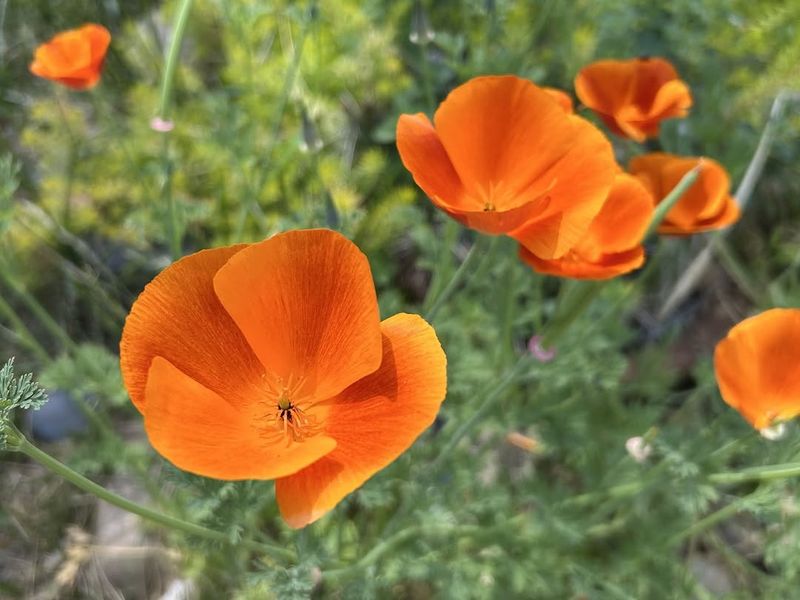
Bright orange cups of California poppy are one of the most recognizable sights across the state each spring, and for good reason.
Eschscholzia californica, the official state flower of California, has an almost effortless relationship with lean, sandy, or rocky soil baked in full sun.
Scatter seed on disturbed ground in fall, and winter rains often do the rest, producing cheerful blooms from late winter through spring with almost no intervention required.
The plant is a short-lived perennial that behaves like an annual in most garden settings, but it reseeds readily wherever conditions suit it. Over time, a well-placed patch can naturalize and return year after year without replanting.
Colors range from the classic vivid orange to softer shades of yellow, cream, and even red-orange depending on the seed source. Foliage is finely divided and blue-green, staying attractive even when plants are not in bloom.
For California gardeners trying to fill a sunny, dry slope or a neglected strip along a path, California poppy is one of the easiest and most rewarding starting points.
It needs no fertilizer, minimal water after germination, and very little attention.
Bees and other native pollinators visit the flowers regularly, adding ecological value to what is already a strikingly beautiful and genuinely low-maintenance wildflower.
9. Sugar Bush Holds Up Well In Heat And Harsh Conditions
Spots that get blasted by afternoon sun and rarely see a drop of supplemental water are exactly where sugar bush earns its reputation.
Rhus ovata is a robust California native shrub found naturally on dry chaparral slopes and canyon sides from Southern California into Baja California, and it carries that same toughness into the home landscape without missing a beat.
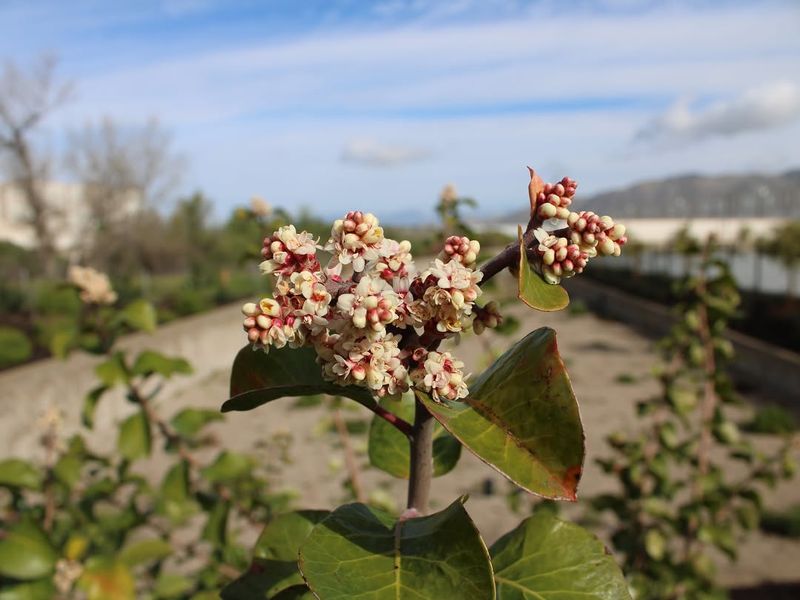
Glossy, leathery dark green leaves give it a polished look that stands out against the dusty tones of a dry summer garden.
Small clusters of pink to white flowers appear in spring, followed by small sticky red fruits that give the plant its common name. Birds and small mammals feed on the fruit, making sugar bush a quiet but reliable contributor to local wildlife habitat.
Plants grow into a large, rounded shrub, often reaching six to twelve feet tall and wide over time, so placement matters from the start.
Full sun and fast-draining soil are the key requirements. Sugar bush handles reflected heat from walls and pavement well and can manage with very little water once established, typically after the second season.
It makes a fine informal screen, a slope stabilizer, or a bold anchor plant in a California native garden. For challenging sites where other shrubs have struggled, sugar bush tends to hold its ground with steady, unhurried dependability.