The 9 Best Plants To Attract Hummingbirds In Oregon
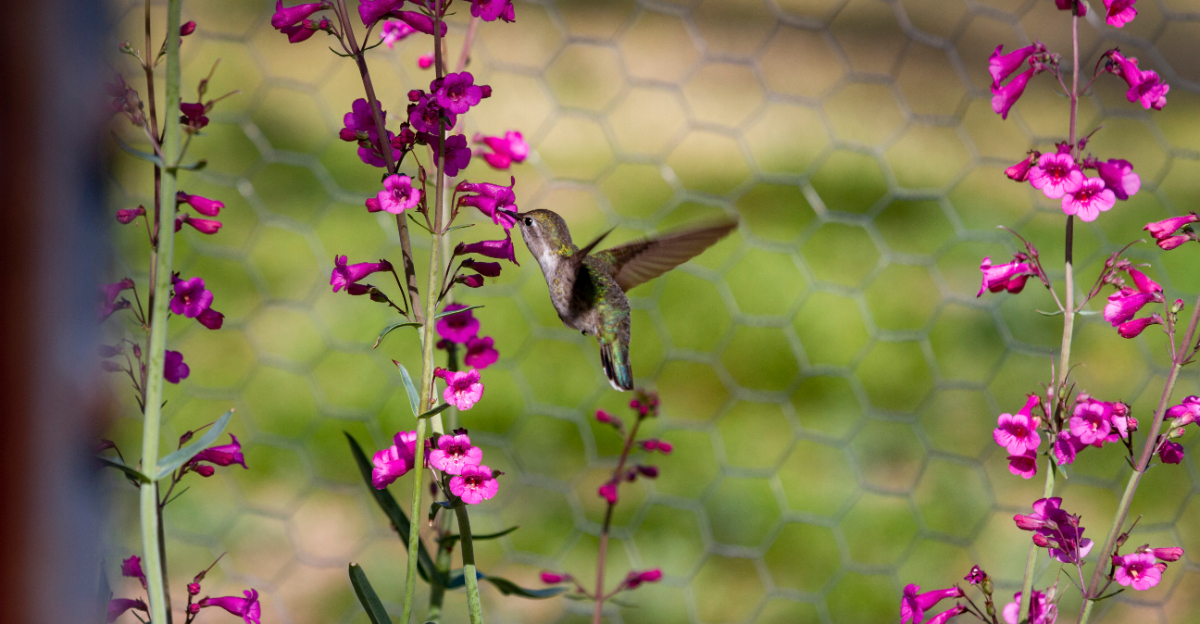
Hummingbirds do not waste time on boring yards. If a plant is not serving up bright color, easy nectar, or a good reason to stop mid-flight, they are already off to the next garden like tiny feathered critics with very high standards.
That is part of the fun, though. The right plants can turn an ordinary Oregon yard into a place hummingbirds actually want to visit, hover around, and come back to again.
That matters even more in Oregon, where spring and summer gardens can feel lush, layered, and full of motion when the plant choices are right. A few well-picked flowers can add color for you and a flying snack bar for your fastest garden visitors.
Some bloom early, some keep going deep into summer, and some seem to have hummingbirds checking in like regular customers.
Honestly, once you start spotting those little flashes of green and ruby zipping through the yard, it gets hard not to feel like your garden suddenly became the most exciting table in town.
1. Red-Flowering Currant
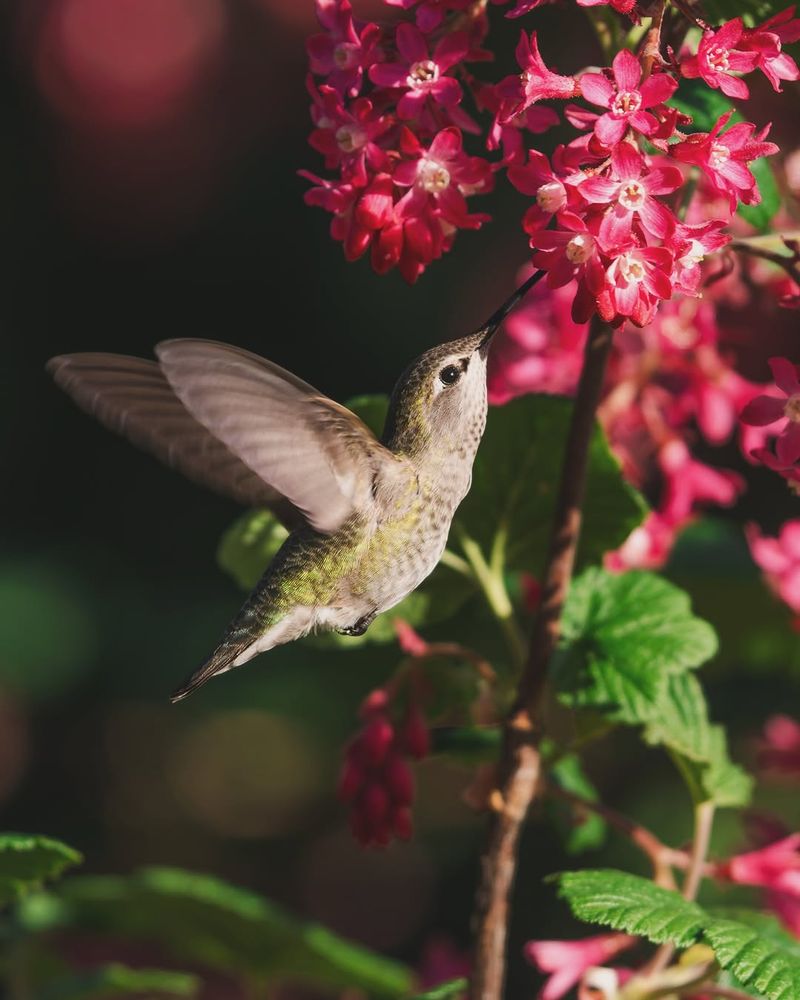
One of the first shrubs to bloom in Oregon each spring, Red-Flowering Currant is basically a welcome signal for hummingbirds returning from their winter migration. The deep pink to red clusters of tubular flowers appear as early as February or March, giving hungry birds a much-needed nectar boost right when they need it most.
This native shrub grows well across much of Oregon, from the Willamette Valley to the coast. It handles partial shade and average soil without much fuss, making it a low-maintenance pick for beginners and experienced gardeners alike.
Once established, it is quite drought-tolerant too.
Beyond hummingbirds, the plant also attracts butterflies and native bees. It can grow six to ten feet tall, so it works well as a natural privacy screen or garden backdrop.
Plant it in a spot where you can watch from a window, because once the hummingbirds find it, the show is absolutely worth watching.
2. Western Red Columbine
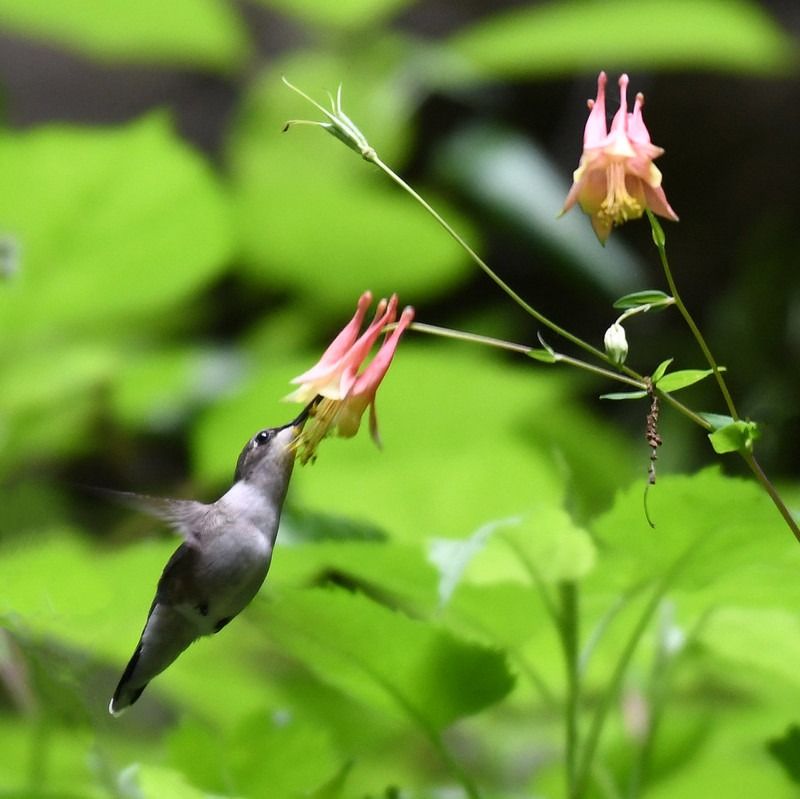
Few wildflowers in Oregon look as dramatic as the Western Red Columbine. Its nodding red and yellow blooms look almost like tiny lanterns hanging from slender stems, and hummingbirds absolutely love them.
The long spurs at the back of each flower are perfectly shaped for a hummingbird’s long bill.
This perennial thrives in partial shade, which makes it a great option for gardens with tree cover or north-facing beds. It typically blooms from April through mid-summer, giving hummingbirds a reliable nectar source during some of their most active months in Oregon.
The plant also self-seeds freely, so you may find new plants popping up nearby each year.
Western Red Columbine pairs beautifully with ferns and native grasses in a woodland-style garden. It grows naturally along stream banks and forest edges throughout Oregon, so it feels right at home in a naturalistic planting design.
If you want a plant that looks effortlessly wild and still brings hummingbirds in close, this one is a standout choice.
3. Pacific Or Coast Rhododendron
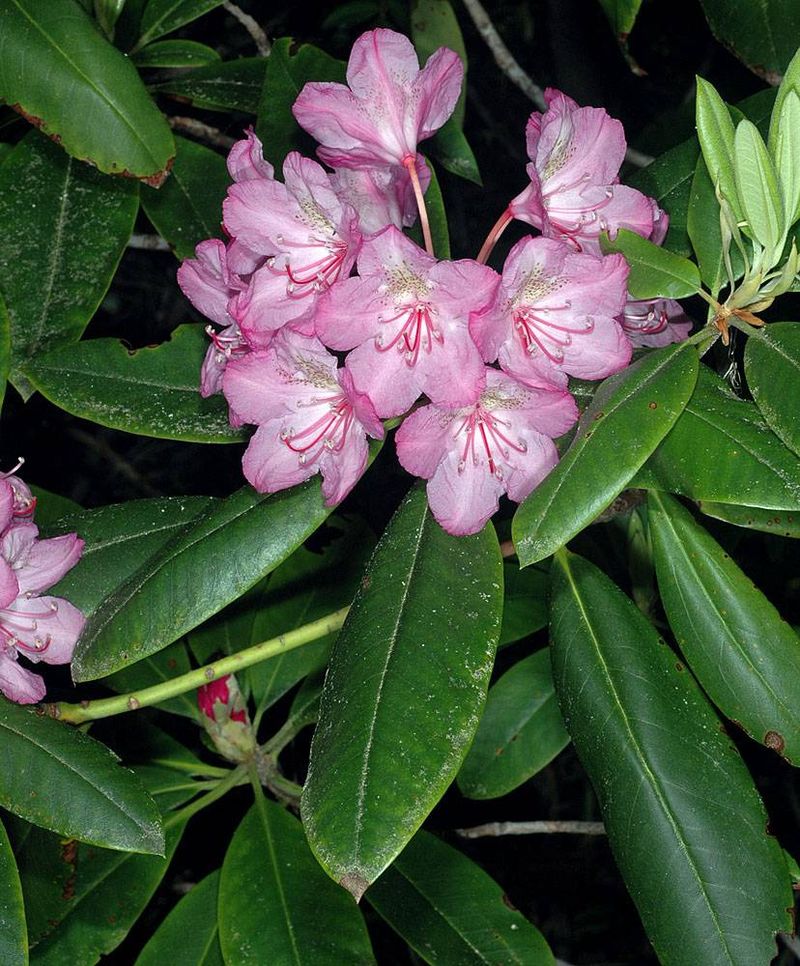
Oregon’s state flower is not just a pretty face. The Pacific Rhododendron, also called the Coast Rhododendron, produces large, showy clusters of pink blooms that hummingbirds find hard to resist.
Your Oregon Garden Changes Every Week. Your Plan Should Too.
Gardening in Oregon changes quickly throughout the season. Every Friday you’ll receive a simple weekly plan showing exactly what to plant, prune, fertilize, harvest, and protect so you never miss the right timing.
It typically flowers in late spring, bridging the gap between early-season bloomers and summer plants.
This evergreen shrub can grow quite large over time, sometimes reaching fifteen feet or more in the wild. In a home garden, regular pruning keeps it manageable while still allowing it to produce plenty of flowers.
It grows best in well-drained, acidic soil with some shade, conditions that are common in many parts of western Oregon.
Along the Oregon coast and in the Coast Range foothills, you can spot this plant growing naturally in forests alongside Douglas fir and western hemlock. Bringing it into your garden connects your yard to Oregon’s native landscape in a meaningful way.
Hummingbirds, bees, and other pollinators all benefit from its blooms, making it a genuinely valuable addition to any Pacific Northwest garden space.
4. Blueblossom
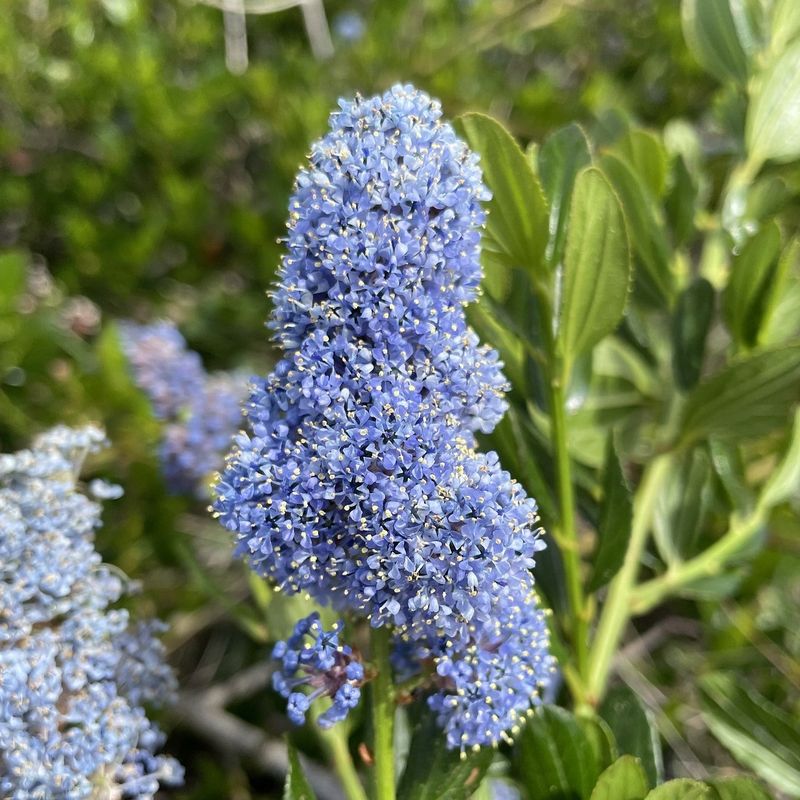
Covered in frothy clusters of bright blue flowers every spring, Blueblossom is one of the most eye-catching native shrubs you can grow in Oregon. Also known as Ceanothus, it blooms heavily from March through May and provides both nectar and pollen for a wide range of pollinators, including hummingbirds that are drawn to its abundant flower clusters.
This tough shrub loves full sun and well-drained soil, and once established, it handles dry summers like a champ. That makes it especially useful in parts of southern and central Oregon where summer rainfall is limited.
It can grow anywhere from a compact three feet to a sprawling twelve feet depending on the variety you choose.
Blueblossom also fixes nitrogen in the soil, which means it actually helps improve the ground around it over time. Plant it on a sunny slope or along a fence line where it can spread comfortably.
The fragrance of the flowers is a bonus, and watching hummingbirds hover around those vivid blue clusters on a warm Oregon spring morning is genuinely one of nature’s small but spectacular pleasures.
5. Oceanspray
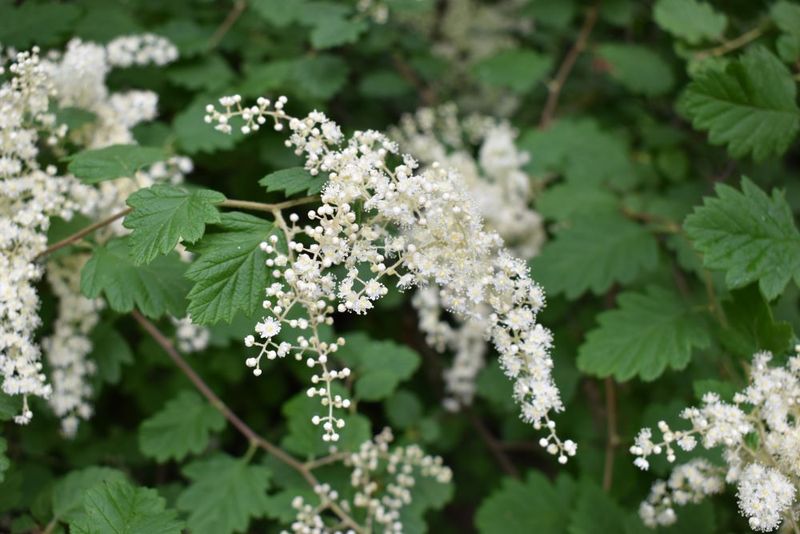
Named for the way its creamy white flower plumes seem to cascade like sea foam, Oceanspray is a native Oregon shrub with real character. It blooms in early to mid-summer, right when many spring bloomers are winding down, making it a valuable bridge plant that keeps hummingbirds coming back throughout the season.
The flowers are small but packed tightly into long, arching clusters that can reach a foot or more in length. Hummingbirds, butterflies, and native bees all visit the blooms regularly.
The plant grows naturally in dry, rocky areas and open woodlands throughout Oregon, so it handles poor soil and summer drought without complaint.
Oceanspray can grow quite large, sometimes reaching ten to fifteen feet tall, which gives it presence in a landscape. It works well as a background shrub or informal hedge.
In fall, the dried flower clusters stay on the plant and add visual texture through winter. If you are building a wildlife-friendly garden in Oregon that supports hummingbirds across multiple seasons, Oceanspray is a smart and often overlooked choice worth adding to your plant list.
6. Serviceberry
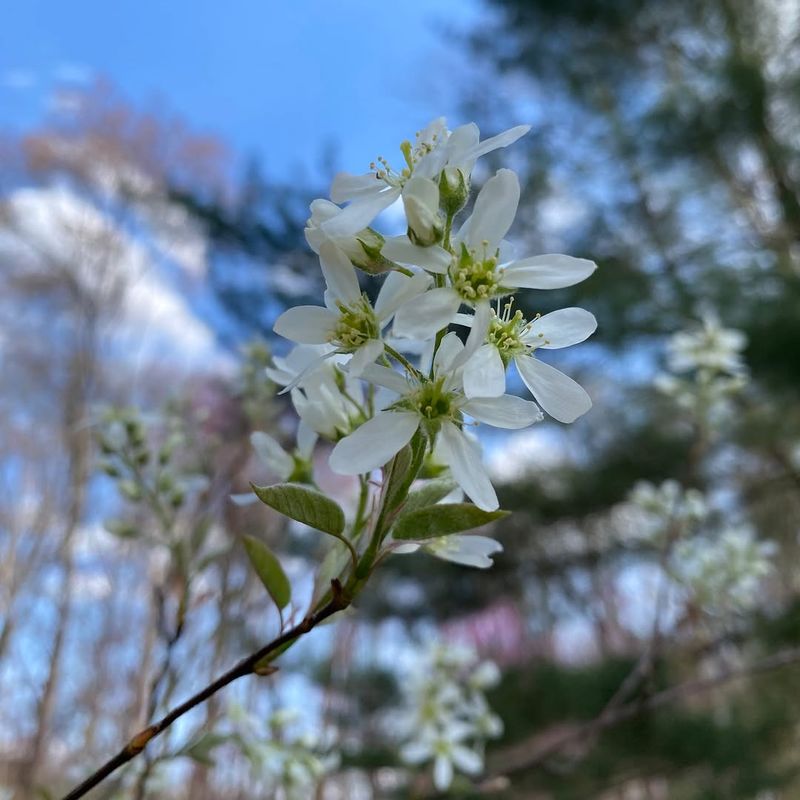
Early spring in Oregon gets a little more magical when Serviceberry bursts into bloom. The clusters of small, white star-shaped flowers appear before the leaves fully open, giving the whole shrub a delicate, lacy look that is hard to beat.
Hummingbirds are among the first visitors, drawn in by the early nectar at a time when food sources are still scarce.
Also called Saskatoon or Juneberry, this native shrub produces sweet, edible berries in early summer that birds of all kinds enjoy.
That means it pulls double duty in a wildlife garden, first attracting hummingbirds with its flowers, then feeding songbirds and other wildlife with its fruit.
It grows well in a wide range of Oregon conditions, from moist valley floors to drier hillsides.
Serviceberry can be grown as a multi-stemmed shrub or trained into a small tree, giving you flexibility in how you use it in your yard. Fall color is another bonus, with leaves turning orange and red before dropping.
For Oregon gardeners who want maximum wildlife value from a single plant, Serviceberry consistently delivers season after season with minimal care needed.
7. Penstemon
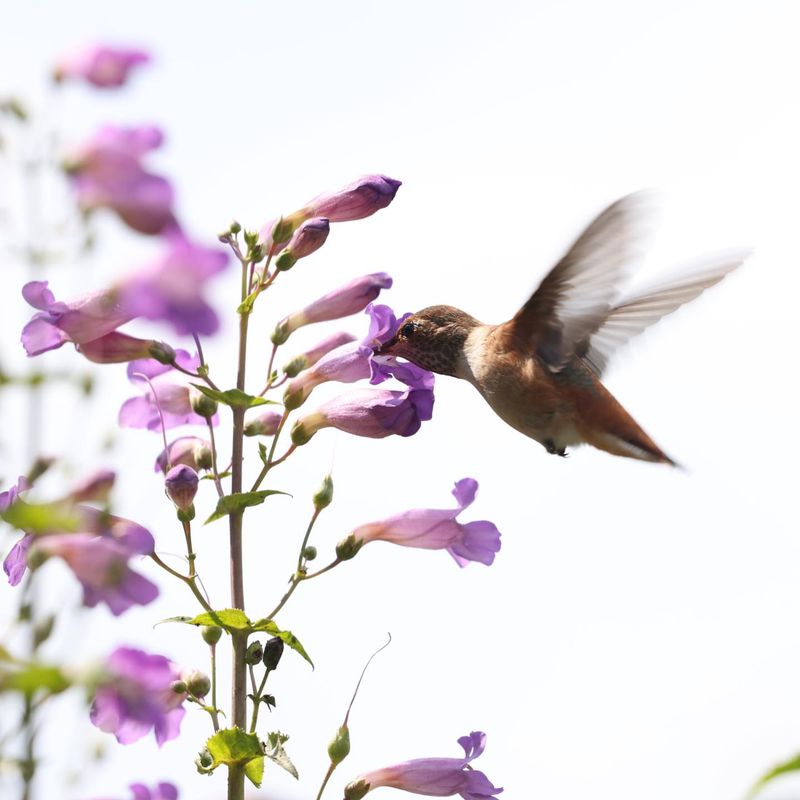
Ask any Oregon gardener which plant hummingbirds seem most obsessed with, and Penstemon is likely to come up fast.
These native perennials produce tall spikes of tubular flowers in shades of red, pink, purple, and white, and the shape of those blooms is practically custom-made for a hummingbird’s long, slender bill.
Oregon is actually home to several native Penstemon species, including Penstemon rupicola and Penstemon cardwellii, both of which grow beautifully in rock gardens and dry, sunny spots. Most varieties bloom from late spring through summer, giving hummingbirds a long and reliable nectar window.
They prefer well-drained soil and full sun, which makes them a natural fit for eastern Oregon landscapes as well as sunnier spots in the Willamette Valley.
Once established, Penstemon is incredibly drought-tolerant and requires very little maintenance. Cut back spent flower spikes to encourage a second flush of blooms later in the season.
Plant several varieties together to extend the bloom period and keep hummingbirds visiting from May all the way through August. Few plants offer this combination of beauty, toughness, and genuine hummingbird appeal in one reliable package.
8. Oregon Iris
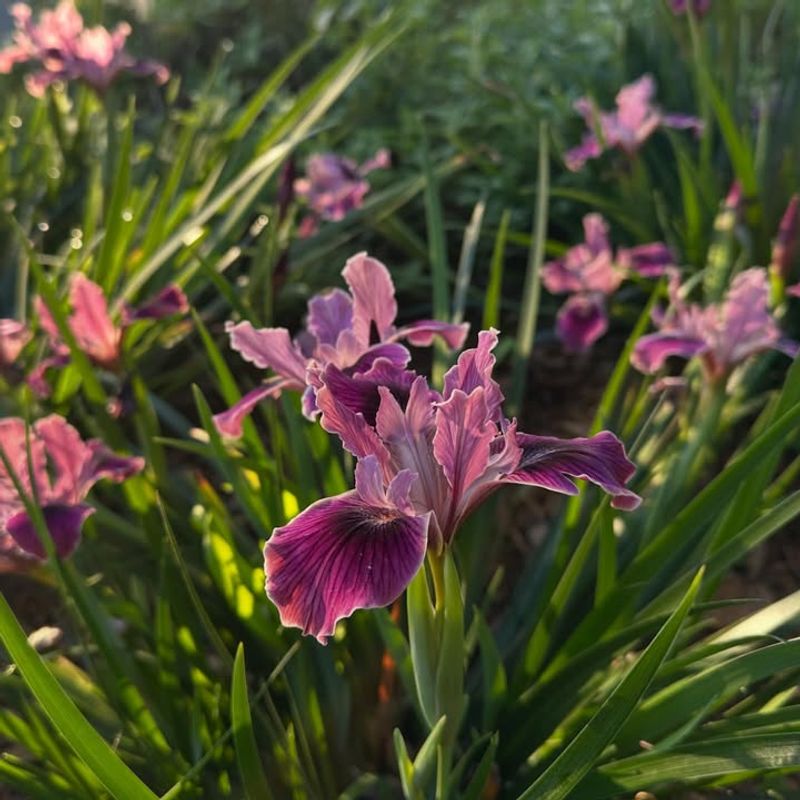
Tough as its name sounds, Oregon Iris is actually one of the most elegant wildflowers you can grow in the state.
Native to western Oregon’s prairies, open forests, and roadsides, this compact iris produces striking purple, lavender, or white flowers in mid-spring that attract hummingbirds along with native bees and butterflies.
What makes Oregon Iris special is how well it adapts to different garden settings. It tolerates both dry and somewhat moist conditions and grows in sun or light shade.
That flexibility means you can tuck it into spots where other plants might struggle. The slender, grass-like foliage stays attractive even after the flowers fade, adding texture to the garden through the rest of the season.
Oregon Iris is also a historically significant plant. Indigenous peoples in Oregon used its strong leaf fibers to make rope and snares, showing just how deeply connected this plant is to the region’s heritage.
Growing it in your garden is a small way of honoring that history while also supporting local wildlife. Hummingbirds hovering over a patch of Oregon Iris in full bloom is one of those quintessentially Pacific Northwest moments worth creating in your own backyard.
9. Douglas Iris
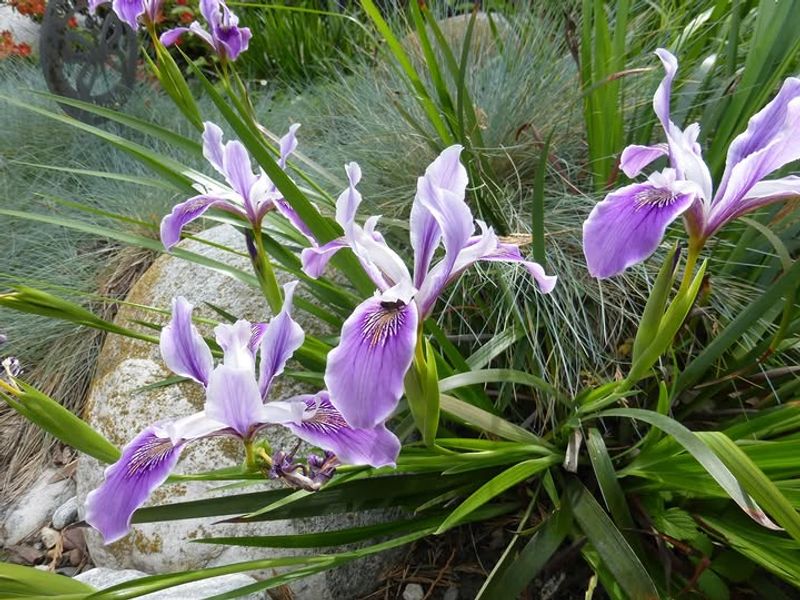
Along the Oregon coast and in coastal valleys, Douglas Iris is a familiar and beloved wildflower.
Its rich purple to blue-violet flowers, sometimes streaked with white or yellow, bloom in early to mid-spring and create stunning drifts of color on grassy slopes and in home gardens alike.
Hummingbirds are regular visitors, especially Anna’s Hummingbirds, which are year-round Oregon residents.
Douglas Iris is extremely tough for a plant that looks so refined. It handles coastal winds, salt spray, clay soil, and summer drought with equal ease.
Once a clump gets established, it spreads gradually to form a dense, weed-suppressing mat of evergreen foliage that looks good all year long. That makes it as practical as it is pretty.
Pair Douglas Iris with other coastal natives like Blueblossom or Oceanspray for a low-maintenance garden that hums with wildlife activity from early spring through summer. It also works beautifully as a ground cover on slopes where erosion can be a problem.
If you garden anywhere near the Oregon coast, this plant is practically a must-have, combining rugged durability with genuine floral beauty that benefits both your yard and the hummingbirds that call Oregon home.