The Native Georgia Shrub That Thrives In Red Clay Soil Without Any Amendments
Red clay in Georgia can stop a lot of plants before they even get established, and that struggle usually shows up fast through slow growth, poor color, or roots that never settle in properly.
Many shrubs look promising at first, then stall once they hit that dense soil.
One native shrub stands out for how well it handles those exact conditions without extra work. It settles in, adapts to the soil as it is, and keeps a steady, natural form without constant fixes or added materials.
A plant like that can change how a space feels, especially in areas where clay has always been a problem. The difference becomes clear once it starts to establish and hold its ground where others fail.
1. American Beautyberry Handles Heavy Clay Without Soil Changes
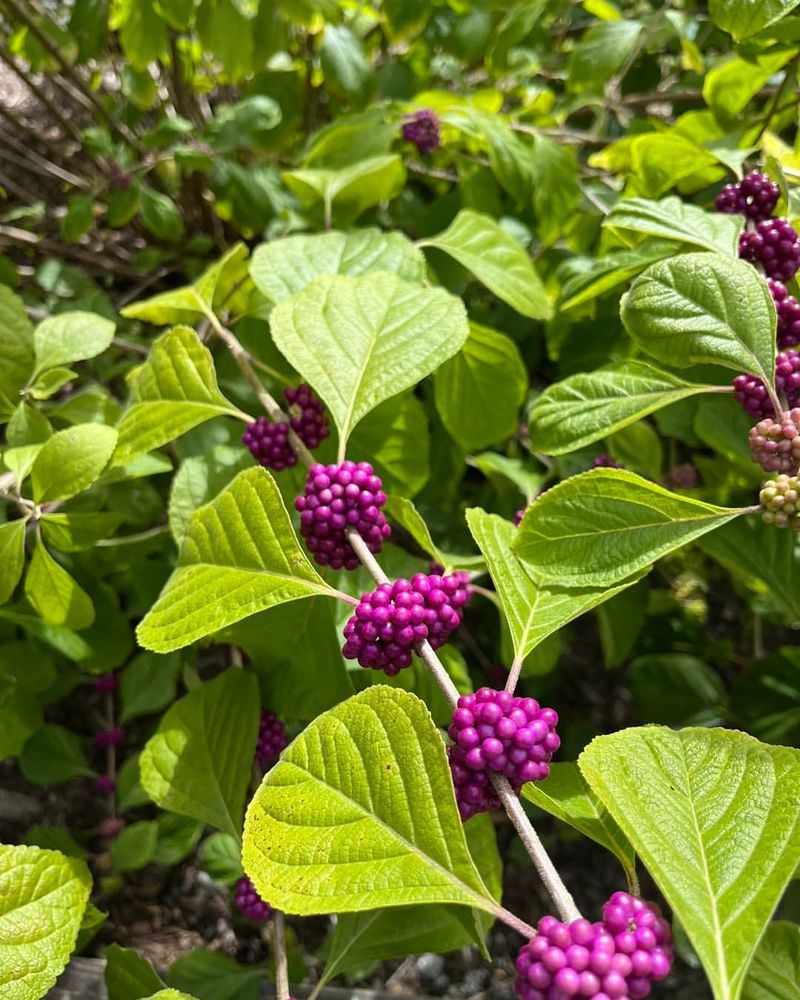
Few plants shrug off Georgia red clay the way American Beautyberry does. While most shrubs sulk in heavy, compacted ground, this one roots right in and gets to work.
No raised beds, no bags of topsoil, no mixing in sand or peat moss.
Callicarpa americana has been growing in Georgia woodlands long before anyone thought about amending soil. Its roots have adapted to dense, iron-rich ground that drains slowly and dries into something close to concrete during dry spells.
That kind of toughness is built in, not bought at a garden center.
What surprises most people is how fast it settles into clay. You dig a hole, drop it in, water it a few times during the first couple of weeks, and the plant starts figuring out the rest on its own.
There is no elaborate planting ritual here.
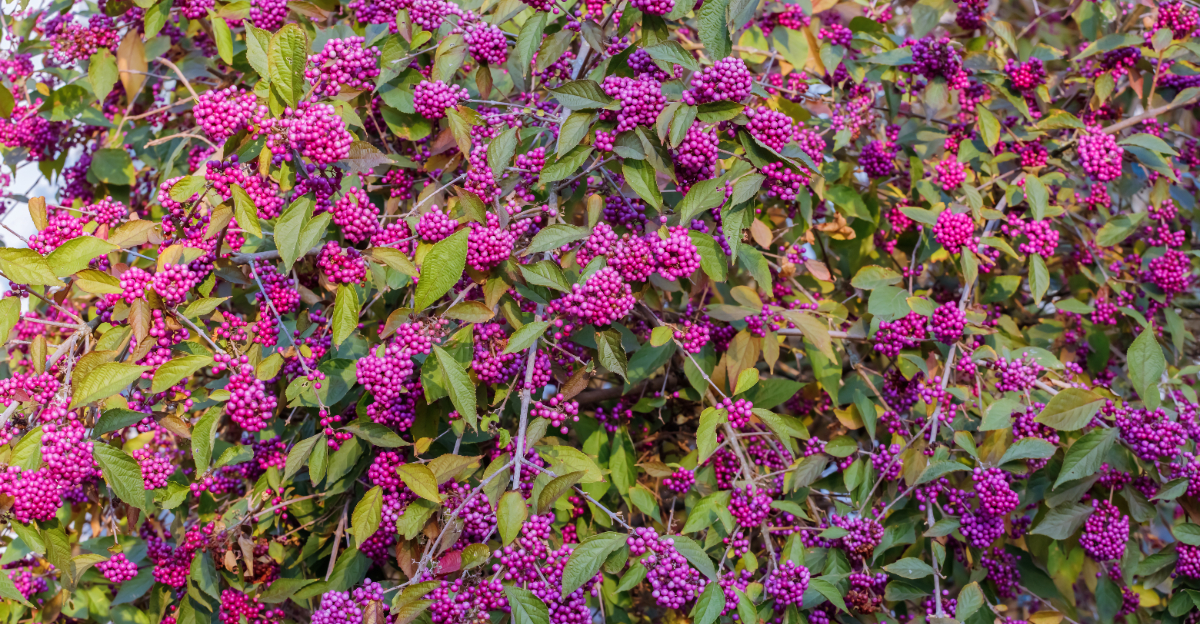
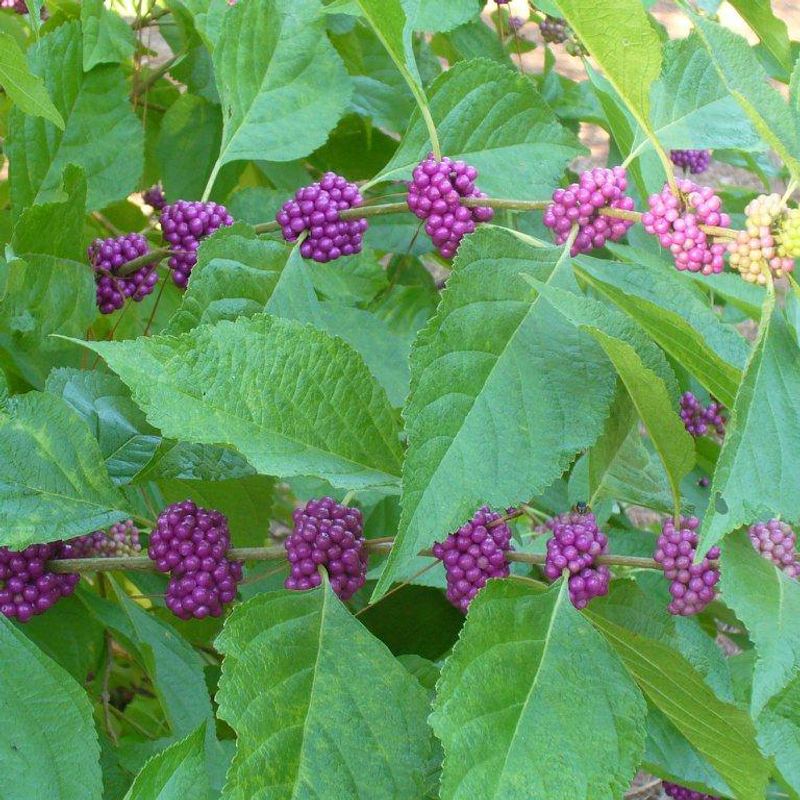
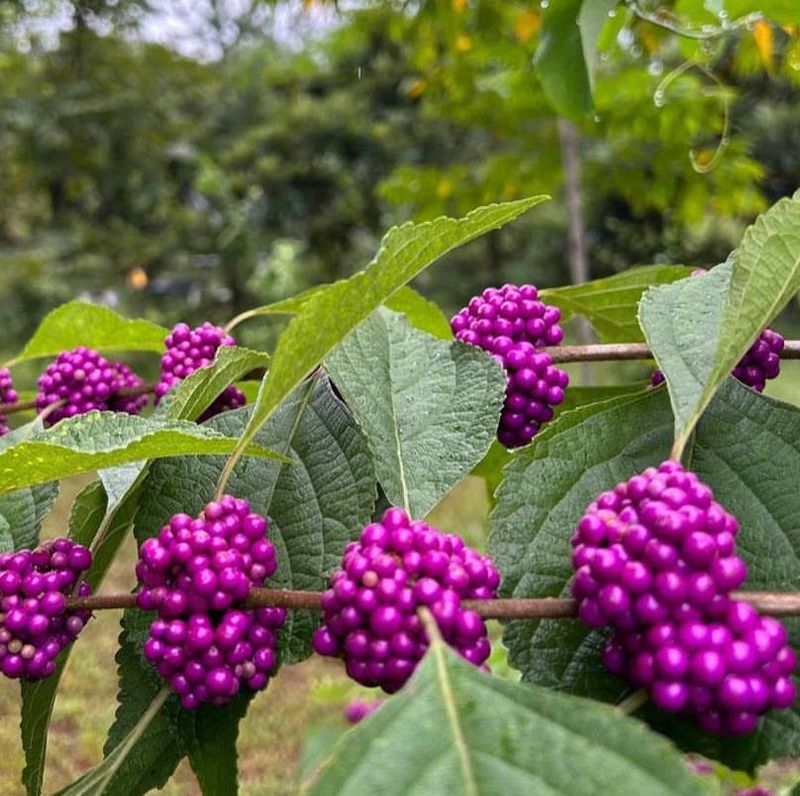
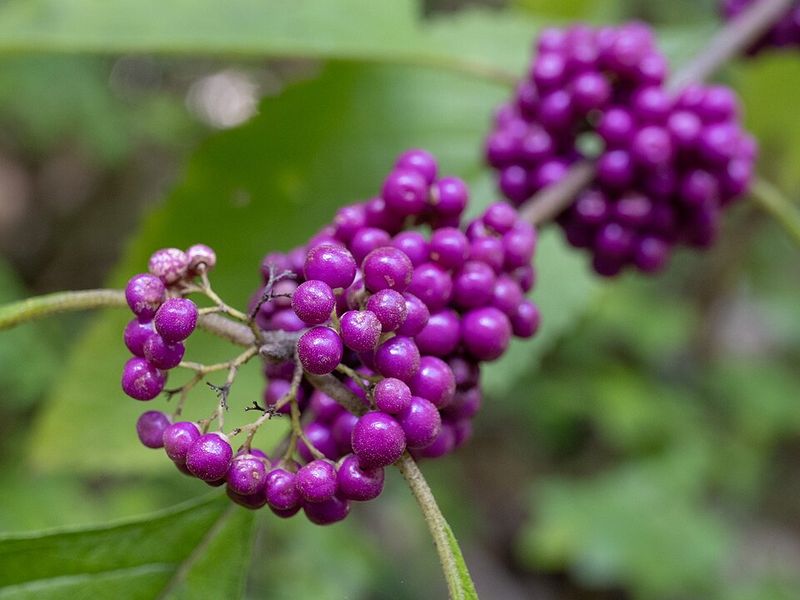
The payoff comes in late summer and fall when those famous clusters of electric purple berries appear. Against the red-brown Georgia soil, the color contrast is genuinely striking.
Birds and wildlife move in quickly, which keeps the yard feeling alive well into autumn.
Soil pH in Georgia clay typically runs between 5.5 and 6.5, which lands right in the range where American Beautyberry is comfortable.
2. Deep Roots Break Through Dense Ground And Settle In Fast
Root depth is what separates plants that just survive from plants that actually thrive in Georgia clay. American Beautyberry sends roots down through compacted layers that would stop most ornamental shrubs cold.
That deep reach is the real reason it holds on through dry Georgia summers without much help.
During the first growing season, the plant puts most of its energy underground rather than into visible top growth. A newly planted Beautyberry might not look like much above ground in year one, and that is completely normal.
Below the surface, those roots are working through clay, finding pockets of moisture and nutrients that shallower-rooted plants never reach.
By the second growing season, the difference shows clearly. Stems push out faster, the canopy fills in, and the plant stops needing regular watering except during extended dry stretches.
That shift happens because the root system has finally gotten a real grip on the soil beneath it.
Georgia clay is not all bad news for roots, either. Dense soil holds moisture longer than sandy ground, which actually benefits deep-rooted plants during hot, dry periods.
Your Georgia Garden Changes Every Week. Your Plan Should Too.
Gardening in Georgia changes quickly throughout the season. Every Friday you’ll receive a simple weekly plan showing exactly what to plant, prune, fertilize, harvest, and protect so you never miss the right timing.
Beautyberry uses that stored moisture well, drawing on it steadily rather than depending on frequent watering from above.
Planting in early spring or early fall gives the roots the best window to establish before extreme heat or cold arrives.
3. Native Growth Pattern Makes It Reliable In Tough Conditions
Wild plants that have grown in a region for thousands of years carry something that imported cultivars simply do not have: a deeply ingrained familiarity with local conditions.
American Beautyberry knows Georgia heat, Georgia clay, and Georgia humidity because that is exactly where it evolved.
That history shows in how it grows.
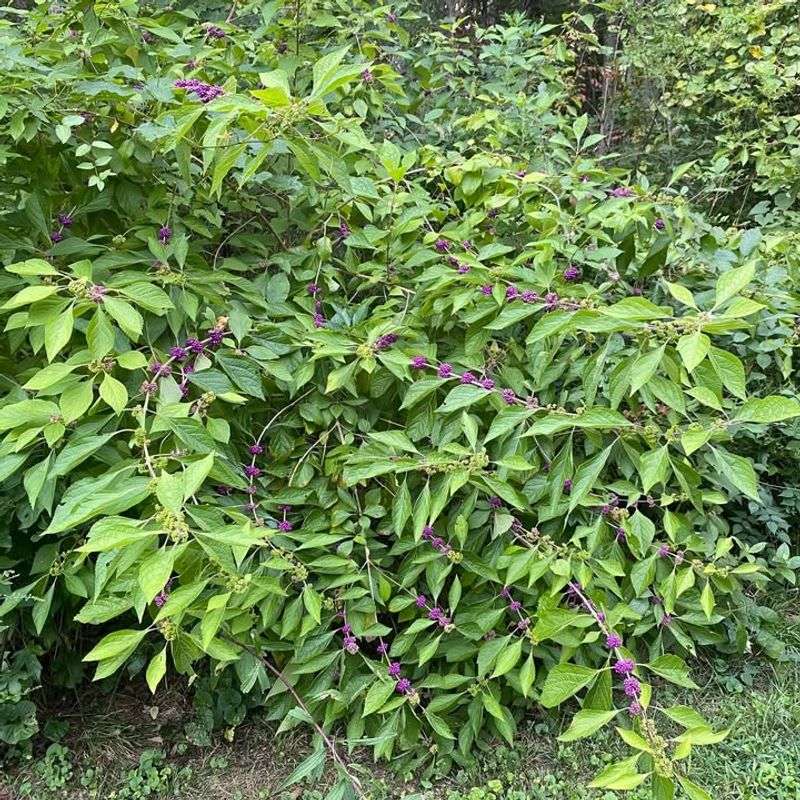
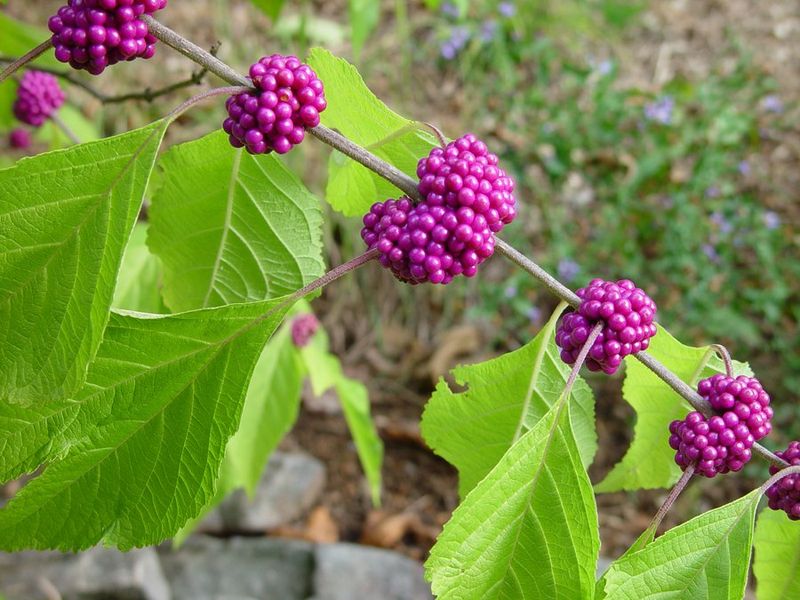
The natural growth habit is loose and arching, with long stems that bend slightly under the weight of berry clusters in fall. Some people try to force it into a tight, formal shape, but it looks and performs better when allowed to grow the way it wants to.
Pruning hard in late winter keeps the plant from getting too wide, but fighting the natural form takes more work than it is worth.
In Georgia, plants in full sun tend to produce heavier berry loads, while those in partial shade stay slightly more compact. Both situations work.
The shrub adjusts its growth pattern based on available light without needing any intervention from you.
Spacing matters more than most people expect. Planting too close together leads to crowding as the shrub matures, since a full-grown Beautyberry can spread four to six feet wide.
Giving each plant enough room from the start prevents problems later and keeps air moving through the canopy, which helps reduce fungal issues during Georgia’s humid summers.
4. Performs Well Without Extra Prep Or Added Materials
Skip the compost bags. Forget the soil conditioner.
American Beautyberry planted directly into Georgia red clay performs well without any of the extra prep work that most shrubs demand. That is not a sales pitch, it is just how this plant operates in its home territory.
Many gardening guides push heavily toward amending clay before planting anything. For most ornamental shrubs, that advice is sound.
For Beautyberry in Georgia, it is largely unnecessary. The plant has no expectation of loose, fluffy soil.
Dense, heavy ground is what it grew up in.
Fertilizer is another thing you can mostly leave out. A light application of a balanced slow-release fertilizer in early spring can give young plants a small boost, but mature specimens rarely need it.
Georgia clay holds nutrients reasonably well, and Beautyberry is not a heavy feeder. Overfeeding actually pushes excessive leafy growth at the expense of berry production, which is the opposite of what most people want.
Watering during the first season is the one area where some consistent effort pays off. New plants need moisture while roots are getting established, particularly during dry spells between May and September in Georgia.
After that first summer, supplemental watering becomes much less critical. Established plants handle dry periods without showing much stress, though a deep soak during prolonged drought is still a reasonable thing to do.
5. Holds Up Through Heat And Humidity Without Issues
Georgia summers are not gentle. Heat indexes above 100 degrees, weeks without meaningful rain, and humidity that makes everything feel heavier than it should be, those conditions push a lot of plants past their limits.
American Beautyberry handles that combination without dropping leaves or showing visible distress under most circumstances.
Heat tolerance in this shrub comes from the same evolutionary history that makes it comfortable in clay. Long Georgia summers shaped this plant over generations.
Its leaf structure, root depth, and growth timing are all calibrated to a climate that gets genuinely brutal between June and August.
Fungal problems are a real concern in humid Georgia summers, especially for shrubs with dense canopies that trap moisture.
Beautyberry’s naturally open, arching structure helps air move through the plant, which reduces the conditions that fungal issues need to take hold.
Good spacing between plants helps with this as well.
Leaves may show some scorching at the edges during extreme heat combined with drought, particularly on plants in full sun with very shallow root systems. That is a normal stress response rather than a sign of serious trouble.
A deep watering when the soil is completely dry usually brings the plant back around quickly.
6. Works Along Edges And Fences Where Soil Stays Compacted
Fence lines and property edges are some of the most neglected spots in any Georgia yard. Foot traffic, lawn equipment, and years of compaction leave the soil along those areas dense and difficult.
Most shrubs planted there struggle to get a foothold. Beautyberry does not seem to care.
Along fence lines, the shrub fills in naturally without needing much direction. Its arching stems soften hard edges, and the berry clusters in fall make those back-corner spots look intentional rather than forgotten.
It is a practical fix for areas that are genuinely difficult to plant anything else in successfully.
Compaction reduces pore space in soil, which limits both oxygen and water movement around roots.
Beautyberry’s deep, fibrous root system works around compacted layers by following natural cracks and channels through the clay rather than trying to push through solid ground all at once.
Over time, root activity actually helps loosen compacted soil somewhat, which benefits surrounding plants as well.
Planting along a south-facing fence in Georgia means full sun exposure and reflected heat from the fence structure itself.
Beautyberry handles that combination reasonably well, though plants in those spots may need slightly more water during the first summer than those in more open locations.
North-facing fence lines with partial shade produce plants with slightly fewer berries but fuller, softer foliage. Both exposures work.
7. Stays Low Maintenance Once Fully Established
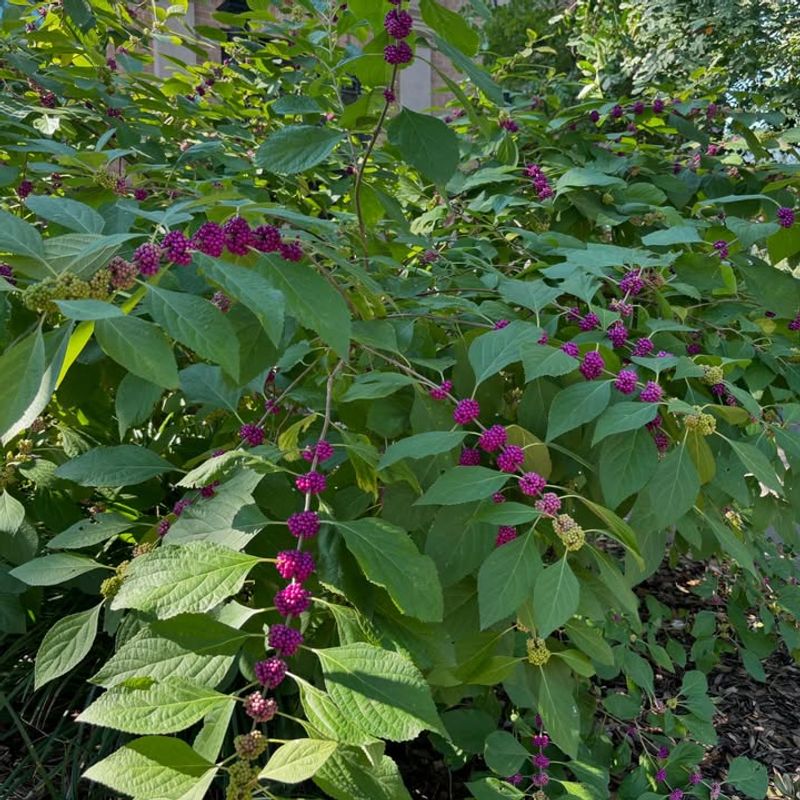
After the first full growing season, American Beautyberry asks very little. No regular fertilizing schedule, no pest spray routine, no worrying about soil pH every spring.
The plant settles into a steady rhythm that mostly runs itself through Georgia’s four seasons.
Pruning is the one task worth doing consistently. Cutting the shrub back hard in late winter, around February in most parts of Georgia, keeps it from getting leggy and encourages strong new growth that carries the best berry production.
Skipping pruning for a year or two does not cause serious harm, but the plant tends to produce fewer berries on older wood.
Pest pressure on Beautyberry is generally light. Deer will browse it occasionally, especially in suburban Georgia areas where deer populations are high.
They rarely cause lasting damage to a mature plant, though young shrubs in heavy deer zones may need some temporary protection during the first couple of years.
Leaf spot and other minor fungal issues can show up during particularly wet Georgia summers, but they are cosmetic rather than serious.
Improved air circulation through pruning and proper spacing handles most of those situations without any chemical treatment needed.