Mistakes Texas Gardeners Make With Fig Trees In Summer Heat
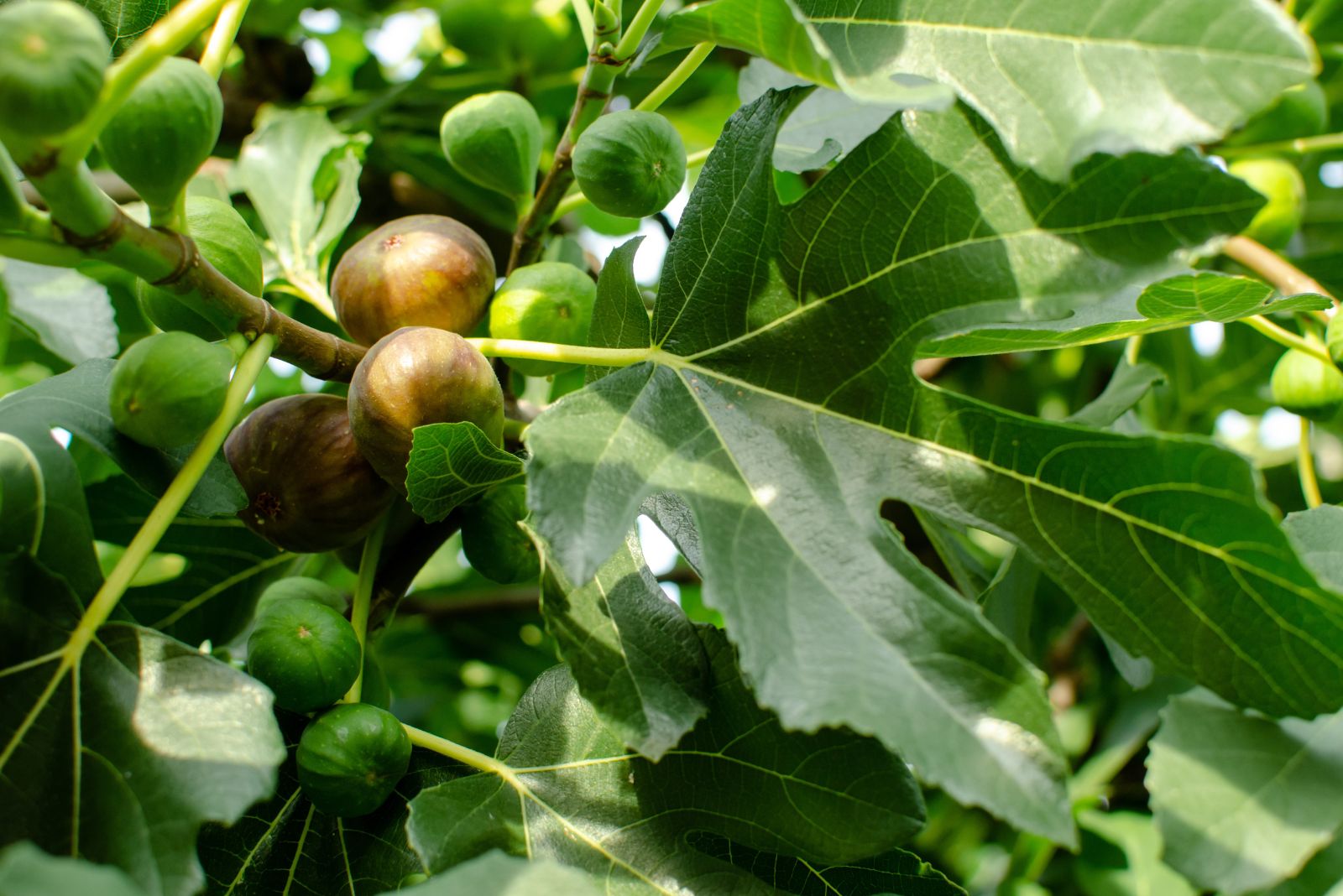
Fig trees have a reputation for being tough, and in many ways, they are. That is part of what makes them so appealing to Texas gardeners.
Plant one, give it some sun, and it seems like you are on your way to baskets of sweet fruit. Then summer shows up with blazing afternoons, hot soil, and long dry stretches, and suddenly that easygoing tree starts looking stressed, scorched, or stalled.
A lot of the trouble comes from simple mistakes that do not seem like a big deal at first. Too much water, not enough water, bad timing, heavy pruning, or exposing young trees to more heat than they can handle can all create problems fast.
What makes it frustrating is that many gardeners are trying to help, but their summer routine ends up doing the opposite.
The good news is that fig trees are not impossible to manage in Texas heat. Once you know what tends to go wrong, it gets much easier to protect your tree, keep it healthy, and give it a better shot at producing fruit through the hottest part of the season.
1. Letting Soil Dry Out Completely
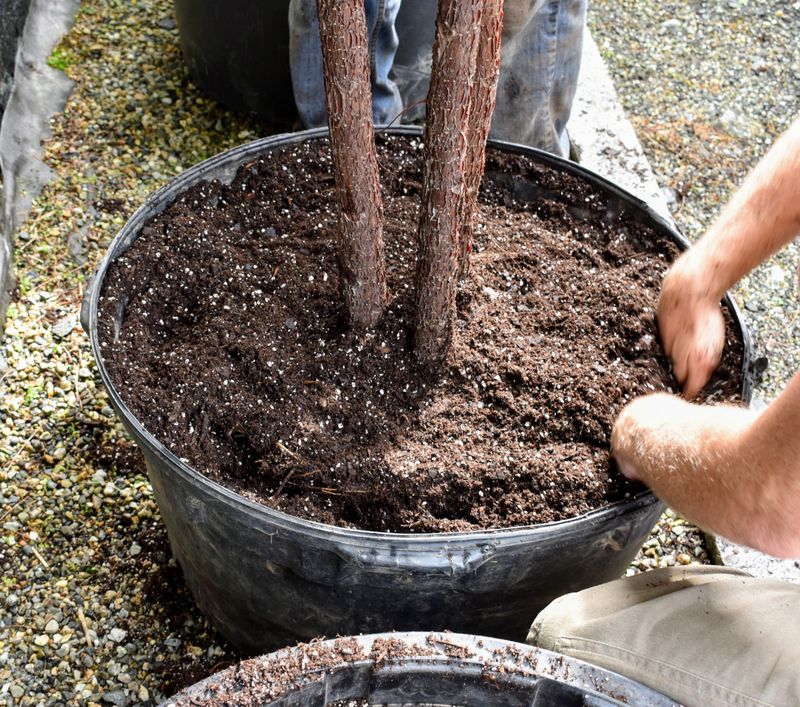
Many people think fig trees can handle just about anything, including weeks without water. And yes, figs are drought-tolerant in general.
But there is a big difference between a resting tree in fall and a fruiting tree baking in 105-degree Texas heat.
When you wait too long between waterings during peak summer, the tree starts to panic. It drops fruit to conserve energy.
The figs that do stay on the tree come out small, dry, or tough. Leaves start to curl and look tired, which is a clear sign the tree is under serious stress.
Deep, consistent watering is the key during fruiting season. In Texas, that usually means watering two to three times per week during July and August, depending on your soil type.
Sandy soils drain faster and need more frequent watering. Clay soils hold moisture longer but can also bake hard if they dry out completely.
A good rule of thumb is to water slowly and deeply, letting moisture reach at least 12 to 18 inches into the ground. Shallow watering only wets the surface and encourages weak, shallow roots.
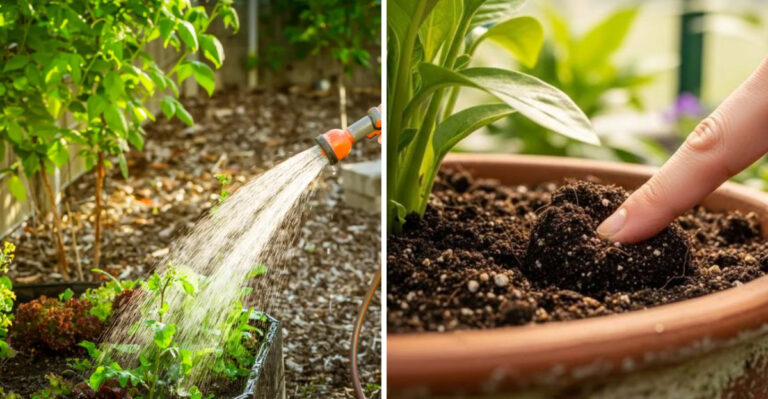
Use a soaker hose or drip irrigation system for the best results. Checking soil moisture with your finger before watering helps you avoid both extremes and keeps your Texas fig tree producing all summer long.
2. Overwatering In Heavy Soil
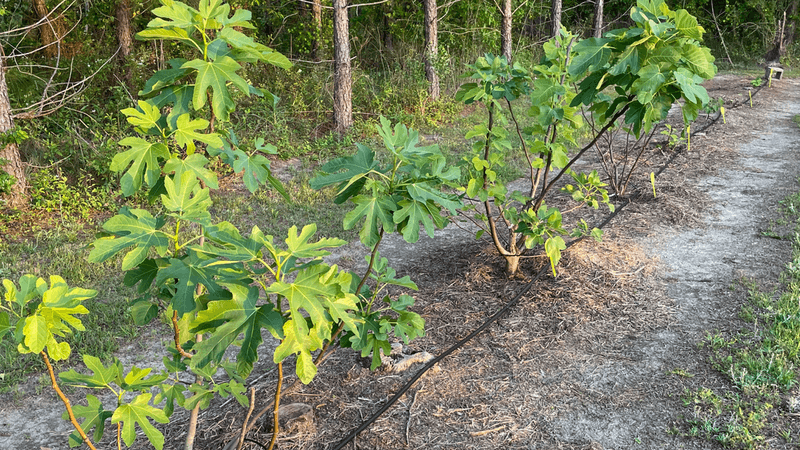
Here is a mistake that surprises a lot of new Texas gardeners. When the heat gets intense and the fig tree starts looking rough, the natural reaction is to water more.
But in heavy clay soil, that extra water has nowhere to go, and the roots end up sitting in a soggy mess.
Root rot is one of the most damaging things that can happen to a fig tree. The roots stop absorbing nutrients properly, and the tree starts showing yellowing leaves and weak, droopy growth.
Your Texas Garden Changes Every Week. Your Plan Should Too.
Gardening in Texas changes quickly throughout the season. Every Friday you’ll receive a simple weekly plan showing exactly what to plant, prune, fertilize, harvest, and protect so you never miss the right timing.
It can look a lot like heat stress, which is exactly why so many gardeners keep adding more water and make the problem worse.
Texas has a lot of clay-heavy soil, especially in the Dallas-Fort Worth area and parts of Central Texas. If your yard has that sticky, heavy clay, you need to be extra careful about drainage.
Before planting, mix in compost or coarse sand to improve soil structure. For existing trees, avoid watering every single day and let the top inch or two of soil dry out between sessions.
Raised beds or slightly mounded planting areas can also help water flow away from the roots naturally. Checking your soil drainage before summer arrives is a smart move.
Stick a shovel in the ground after watering and see how fast the water disappears. That simple test can save your tree a lot of trouble during the hottest months in Texas.
3. Skipping Mulch
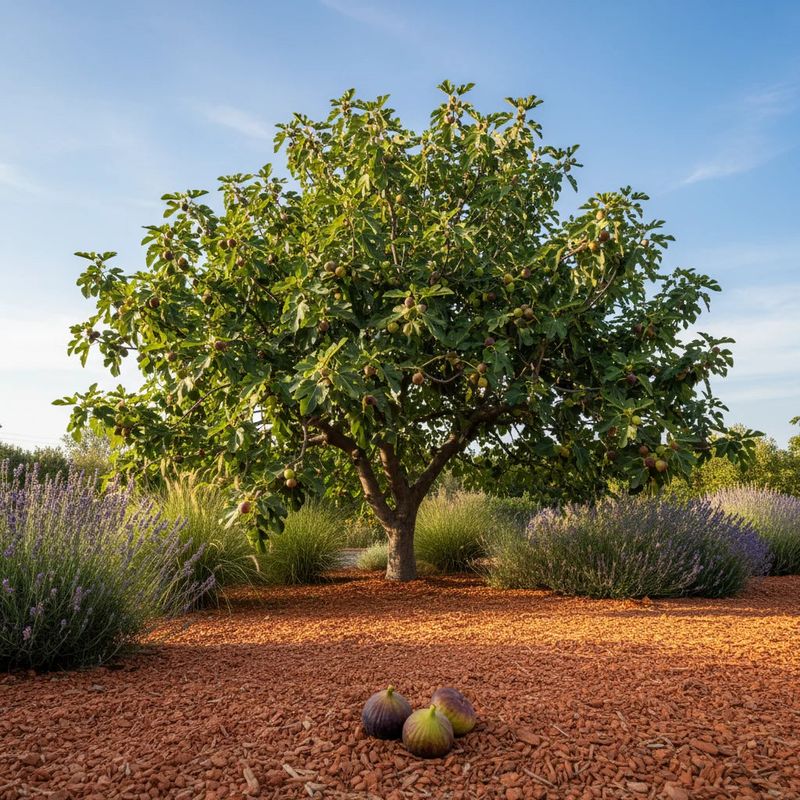
Bare soil and Texas summer sun are a terrible combination. When there is nothing covering the ground around your fig tree, the soil heats up fast, sometimes reaching temperatures that can actually harm the roots sitting just below the surface.
Skipping mulch is one of those mistakes that seems minor but causes a whole chain of problems.
Without mulch, moisture evaporates from the soil much faster. That means you end up needing to water more often, and the tree still may not get enough consistent moisture to support fruit production.
During Texas heatwaves, which can last for weeks at a time, this becomes a serious issue for fig tree health.
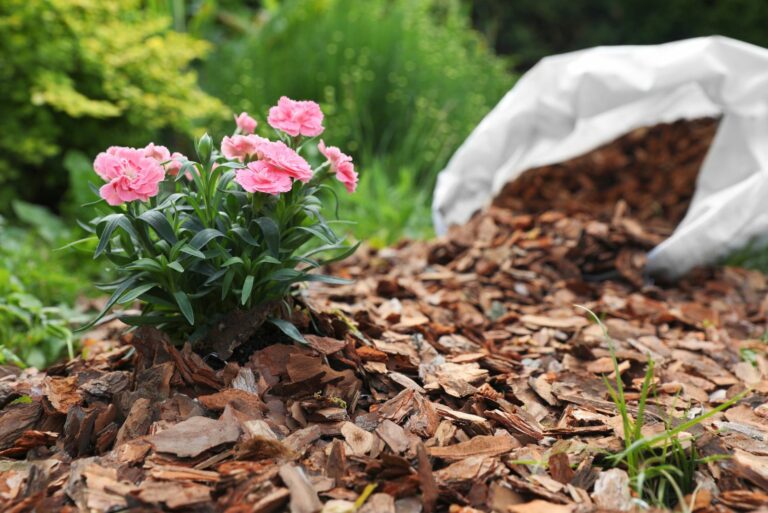
Mulch acts like a blanket for the soil. It keeps the ground cooler, holds in moisture, and even slowly breaks down to add nutrients over time.
Organic mulches like shredded wood chips, straw, or pine bark work great around fig trees. Aim for a layer about three to four inches thick spread out to the edge of the tree canopy.
One important detail: keep the mulch a few inches away from the trunk itself. Piling it right up against the bark can trap moisture and encourage fungal problems.
Pull it back just a little to leave some breathing room. Adding mulch in late spring, before the Texas heat really kicks in, gives your fig tree the best possible protection heading into those brutal summer months.
4. Pruning During Peak Heat
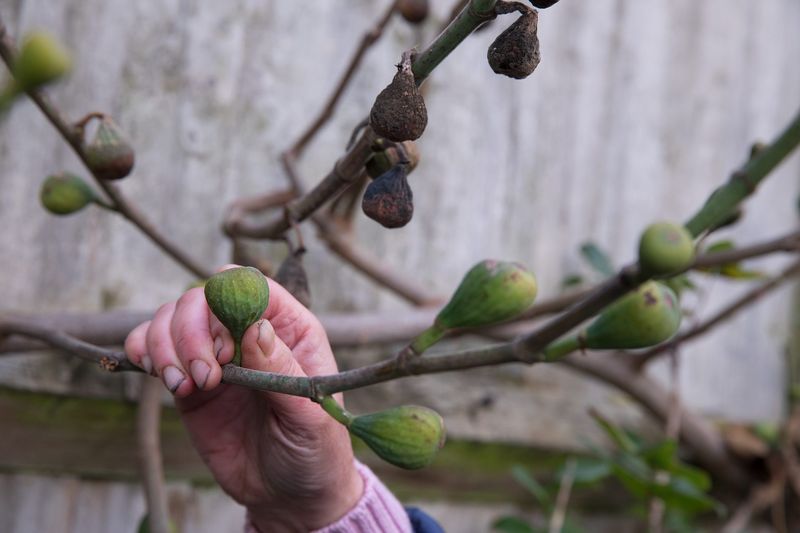
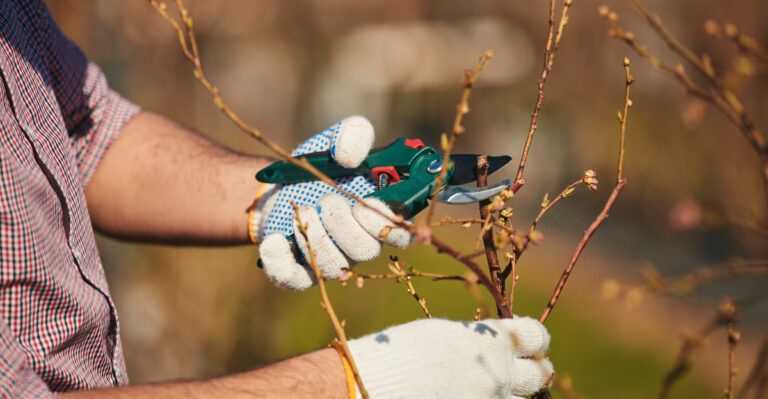
Grab the pruning shears in July and your fig tree will not thank you for it. Summer pruning is one of those habits that feels productive but actually works against the tree during the hottest, harshest time of year in Texas.
When you cut branches in mid-summer, the tree has to spend energy healing those fresh cuts instead of pushing that energy into fruit. New growth that sprouts after pruning is tender and soft, and it scorches quickly under the intense Texas sun.
You end up with sunburned branches, reduced fruit production, and a tree that is already struggling just to stay comfortable in the heat.
The best time to prune fig trees in Texas is late winter, right before new growth starts in early spring. That timing lets the tree heal quickly and channel all its energy into healthy new growth and fruit development.
Light cleanup, like removing a dry twig or two, is fine during summer, but major cuts should wait.
If you are unsure whether a branch needs to come off, wait until the cooler months to make that call. Patience really pays off with fig trees.
Texas gardeners who time their pruning correctly tend to see fuller canopies and much better fruit harvests.
Letting the tree focus on what it does best during summer, which is producing figs, is always the smarter move than reaching for the clippers when temperatures are at their peak.
5. Fertilizing In Extreme Heat
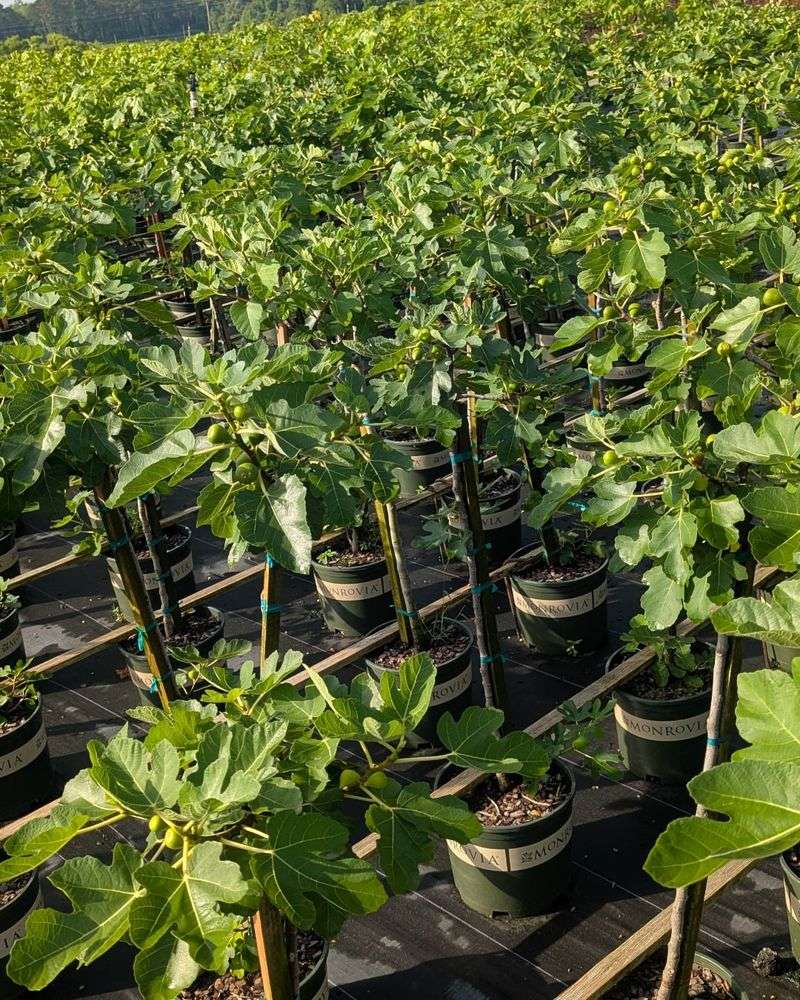
Fertilizer is supposed to help your plants, right? In most cases, yes. But timing matters a lot, and applying fertilizer to a fig tree during the hottest stretch of a Texas summer can actually backfire in a frustrating way.
When you feed a fig tree in extreme heat, it often responds by pushing out a flush of new leafy growth instead of putting energy into fruit. All those extra leaves increase the tree’s water demand at exactly the wrong time.
The tree is already working hard to stay cool and hydrated, and suddenly it has to support a bunch of new growth on top of that.
The result is a stressed tree with lots of leaves but not much fruit, and the heat stress can actually get worse because of the increased demand for resources. In Texas, where summer temperatures regularly hit triple digits, this is a real risk from June through August.
Feed your fig trees in early spring, around February or March, before the intense heat arrives. A second light feeding in late summer, once temperatures start to ease up a bit, can also be helpful.
Use a balanced fertilizer and avoid anything very high in nitrogen during the growing season. Nitrogen pushes leaf growth, which is not what you want when you are hoping for a big, sweet fig harvest.
Letting the tree coast through the hottest weeks without added fertilizer is often the wisest move for Texas growers.
6. Planting In Full Harsh Exposure Without Establishment Time
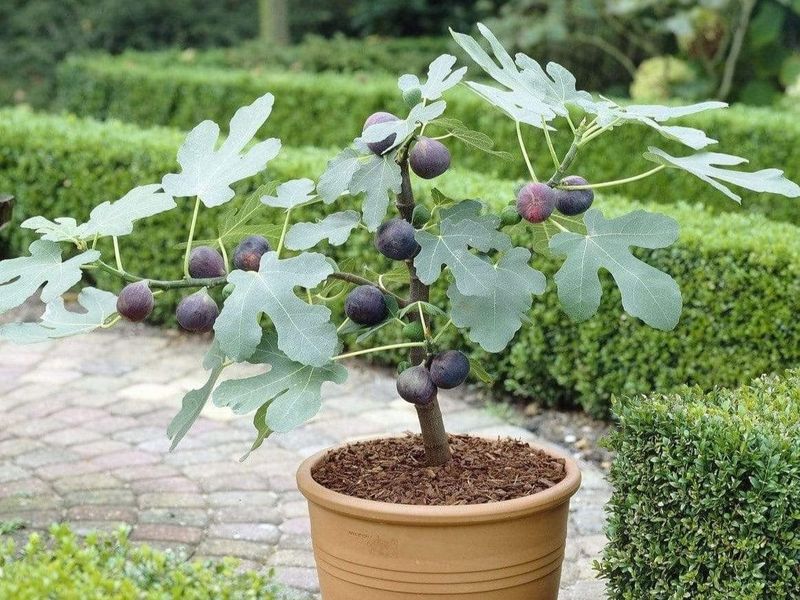
Timing a new planting in Texas takes some serious thought. A lot of enthusiastic gardeners pick up a fig tree from the nursery in June or July and pop it right into the ground, thinking the warm soil will help it get started fast.
Unfortunately, planting during peak summer heat is one of the roughest things you can do to a young tree.
New fig trees have not had time to build a strong root system yet. Their roots are still getting established, which means they can not pull enough water from the soil to keep up with what the Texas sun is demanding from the leaves.
Transplant shock kicks in fast. Leaves scorch at the edges, the tree looks wilted even after watering, and root development stalls out.
The best time to plant fig trees in Texas is in late winter or early spring, from February through April. That gives the tree several months to settle in and grow roots before the brutal heat arrives.
Fall planting, around October, is also a solid option since cooler temperatures make establishment much easier on the tree.
If you absolutely must plant during summer, do it in the evening when temperatures drop a bit, water deeply right away, and shade the young tree for the first few weeks using a shade cloth. Keep the soil consistently moist and be patient.
Young trees need extra care and attention during Texas summers, but with the right support, they can pull through and thrive in the long run.
7. Ignoring Sunscald On Young Trees
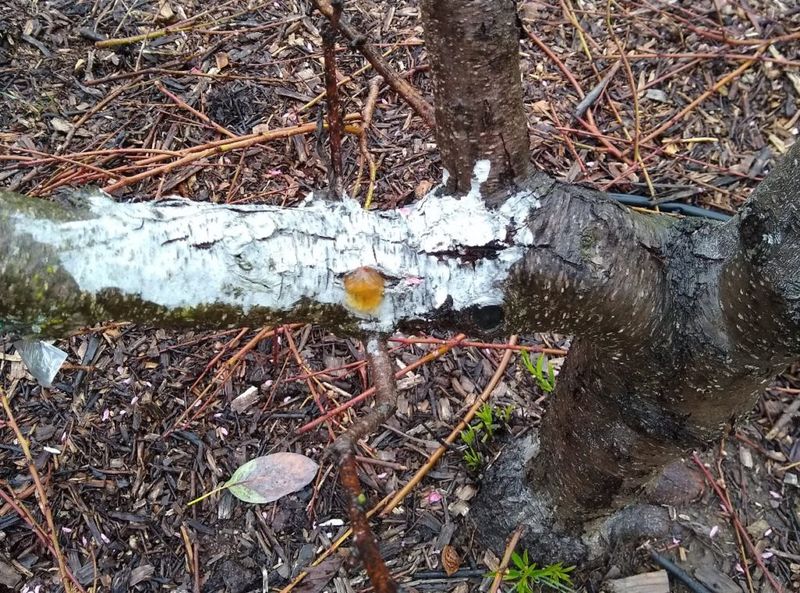
Texas sun does not mess around, and young fig trees with thin, smooth bark are especially vulnerable to something called sunscald. Most gardeners have never heard of it, but once you see it, you will not forget it.
Sunscald happens when the intense afternoon sun heats up the bark so fast that it causes cracking, splitting, or discoloration on the trunk.
It is most common on the south and west sides of the trunk, where the sun hits hardest during the hottest part of the day. Young trees are far more at risk than mature ones because older trees develop thicker, rougher bark that offers more natural protection.
In Texas, where summer afternoons can feel like standing next to an oven, this is a real concern for any newly planted fig.
Protecting the trunk is simple and inexpensive. Wrapping the trunk with tree wrap or white tree paint reflects sunlight and keeps the bark from overheating.
Some gardeners use burlap or even old bedsheets as a temporary shade cover during the worst heat of the day. These small steps can prevent long-term damage that slows the tree’s overall growth for years.
Check your young fig trees regularly during summer for any signs of bark damage. Catching it early makes a big difference.
Once the bark cracks deeply, it opens the door to pests and disease. Texas gardeners who protect their young trees from sunscald set them up for a much stronger, more productive future in the garden.
8. Expecting Perfect Fruit In Extreme Heat
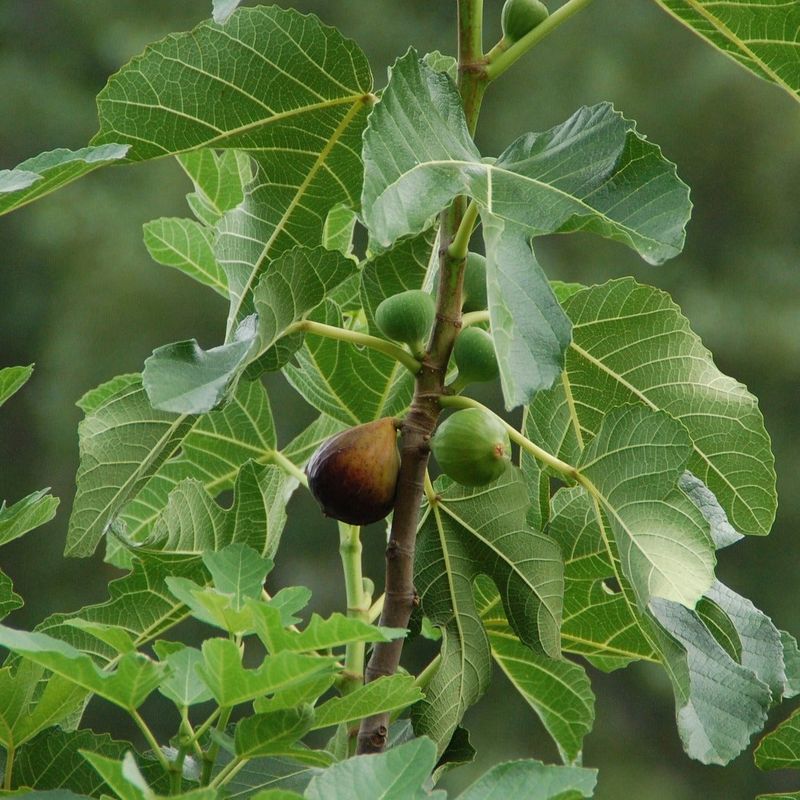
Even the toughest fig varieties have their limits when Texas summer heat hits its peak. One of the most common disappointments for Texas gardeners is expecting a picture-perfect fig harvest right in the middle of a brutal heat wave, and then feeling frustrated when the fruit does not measure up.
Extreme heat affects fig quality in several ways. Figs can split open on the tree when moisture levels fluctuate rapidly, which happens a lot during Texas summers when temperatures spike and then a surprise rain rolls through.
Split figs attract insects and mold quickly, so they need to be removed before they cause further problems on the tree.
Heat also reduces the sweetness of figs. Sugar development in fruit depends on a balance of heat and moisture, and when temperatures stay too high for too long, the fruit ripens unevenly or drops before it is ready.
Gardeners in Central and South Texas often notice this most during July and August when conditions are at their harshest.
Managing your expectations during peak heat is part of being a smart Texas fig grower. Harvest figs a little earlier than you think they are ready, then let them finish softening indoors at room temperature.
Keep watering consistent to reduce moisture swings that cause splitting. And remember, the early summer crop and the fall crop, if your variety produces one, are usually much better quality than anything ripening in the absolute peak of a Texas heat wave.