What Gardenias In Georgia Need Before Summer Humidity Hits
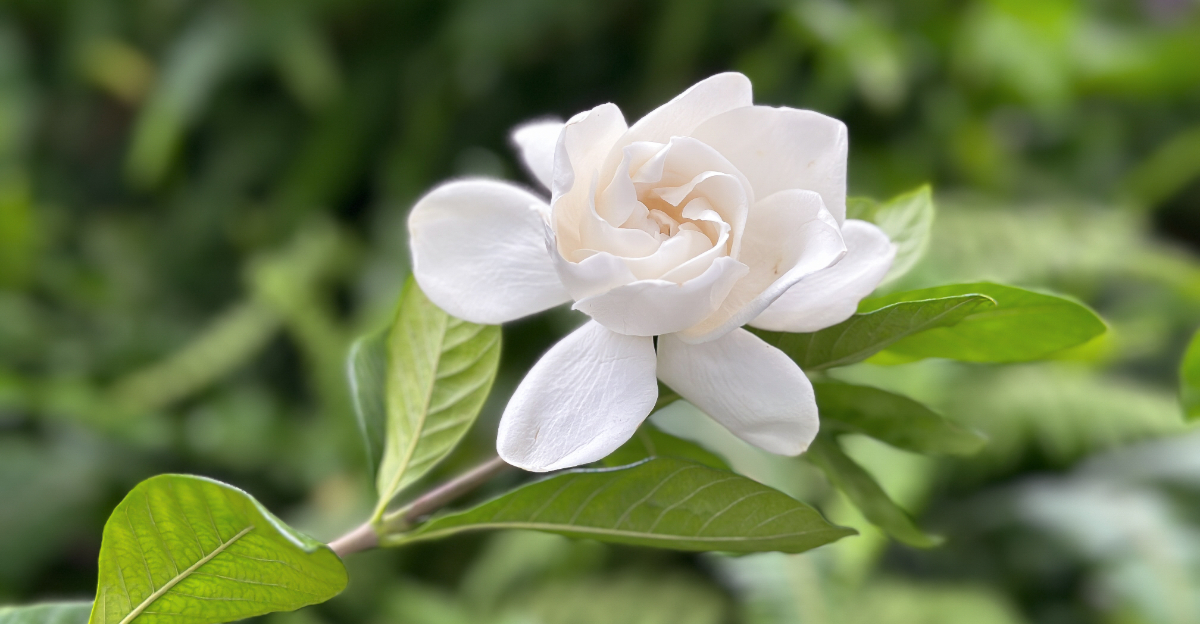
Gardenias carry a certain weight in a Georgia yard, especially once buds start to show and that deep green color stands out against everything else.
Spring often gives just enough calm for them to look settled, yet that calm never lasts as the air grows thicker and the season shifts.
Changes rarely happen all at once, yet the plant often reacts faster than expected when conditions turn less forgiving.
One small miss early on can echo later in ways that feel out of proportion, while a few quiet adjustments can keep everything on track without much effort.
Timing makes the difference more than anything else. Handle the moment right, and gardenias hold their look and presence with far less trouble as the season moves forward.
1. Keep Soil Acidic And Fast-Draining To Avoid Root Problems
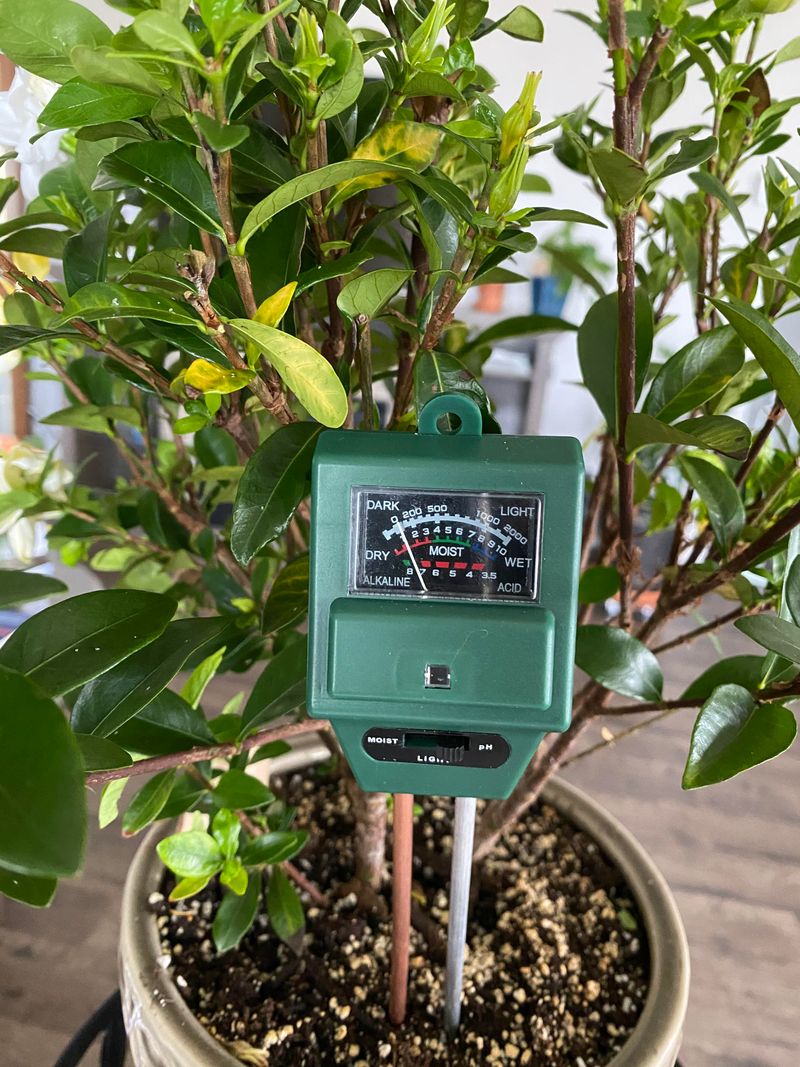
Gardenias are picky about their feet. Stick them in the wrong soil and they’ll show you fast, usually through yellowing leaves and stunted growth before summer even starts.
In Georgia, heavy clay soil is a real problem because it holds moisture too long and can choke roots over time.
Aim for a soil pH between 5.0 and 6.5. Anything above that range and your gardenia starts struggling to pull iron and other nutrients from the ground, even if those nutrients are actually present.
A simple soil test from your local extension office can tell you exactly where you stand.
If your pH is too high, work elemental sulfur into the soil a few weeks before planting or around established plants. Go slow with amendments because big pH swings can stress roots.
Mix in pine bark fines or composted pine needles to naturally nudge the pH down while improving drainage at the same time.
Sandy loam with organic matter added is about as close to ideal as you can get in Georgia. If your beds drain slowly after a hard rain, that’s a warning sign worth fixing now.
2. Maintain Even Moisture Without Letting Roots Sit In Water
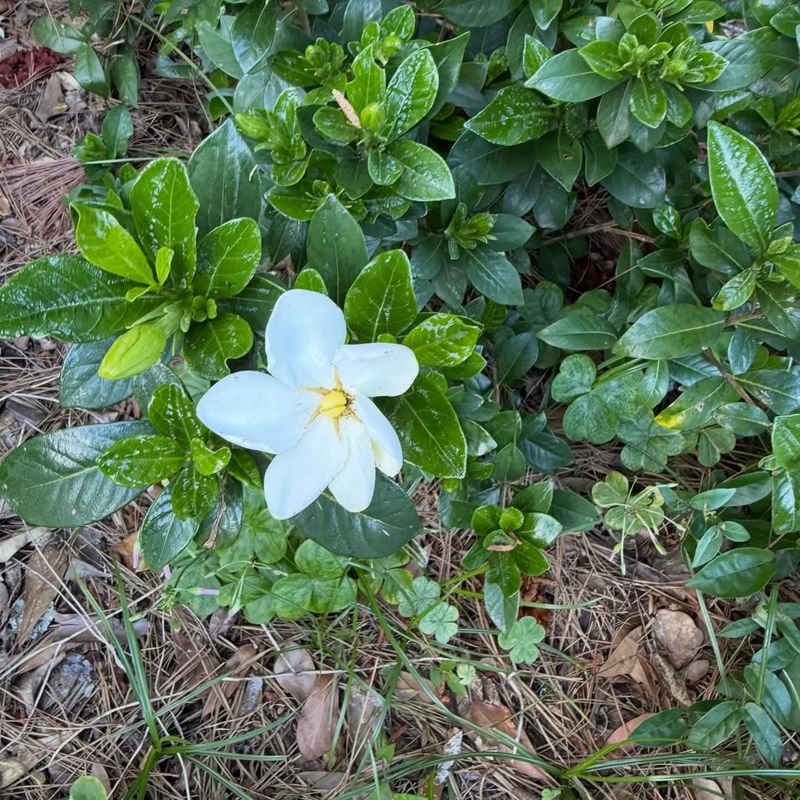
Watering gardenias is a balancing act that catches a lot of Georgia gardeners off guard. Too little and buds drop before they open.
Too much and roots start to suffer in ways you might not notice until the damage is already done. Consistency matters more than quantity.
Check the top inch of soil before you water. If it feels dry, water deeply and slowly at the base of the plant.
Overhead watering is worth avoiding because wet foliage in Georgia’s warm, humid air creates conditions that invite fungal problems. A soaker hose or drip line keeps moisture where it belongs.
During spring, before the heat really locks in, gardenias typically need about an inch of water per week, either from rain or supplemental watering. Keep track of rainfall and adjust accordingly.
A rain gauge is a cheap tool that saves a lot of guesswork over the season.
Once summer humidity arrives, the air itself holds more moisture, but that does not mean your soil stays wet. Hot afternoons in Georgia can dry out the top layer of soil quickly while deeper roots stay damp.
Your Georgia Garden Changes Every Week. Your Plan Should Too.
Gardening in Georgia changes quickly throughout the season. Every Friday you’ll receive a simple weekly plan showing exactly what to plant, prune, fertilize, harvest, and protect so you never miss the right timing.
That uneven moisture cycle stresses plants more than a steady dry spell would.
3. Add A Mulch Layer To Hold Moisture And Cool The Soil
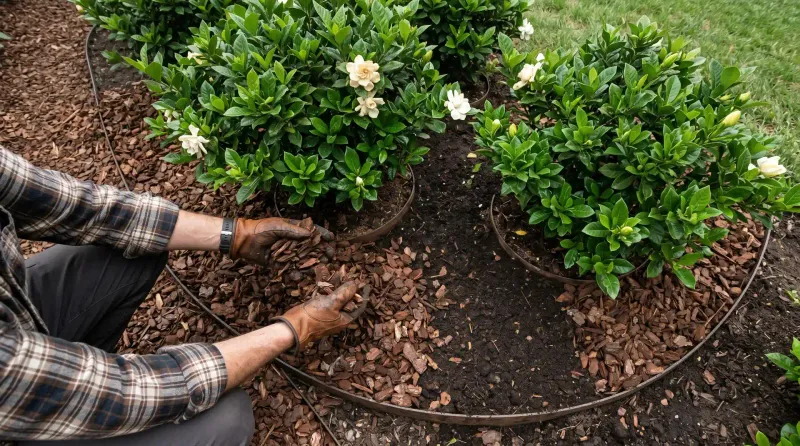
Bare soil around gardenias in Georgia is a missed opportunity. A solid layer of mulch does several things at once, and most gardeners who skip it end up dealing with problems that could have been avoided with one afternoon of work in spring.
Pine bark mulch or pine straw are both solid choices for gardenias because they break down slowly and contribute to soil acidity over time. Spread a two to three inch layer around the base of each plant, but keep it pulled back a few inches from the main stem.
Mulch piled against the stem can trap moisture against the bark and invite rot.
Soil temperature matters more than most people realize. Georgia ground heats up fast once summer arrives, and hot roots are stressed roots.
Mulch acts as insulation, keeping the soil several degrees cooler than it would be exposed. That buffer helps gardenias manage heat without shutting down their growth cycle mid-season.
Mulch also reduces how often you need to water by slowing evaporation from the soil surface. On a hot July day in Georgia, unprotected soil can lose a surprising amount of moisture within hours.
Refreshing your mulch layer each spring, before temperatures climb, is one of the most practical things you can do.
4. Provide Early Sun And Protect From Harsh Afternoon Exposure
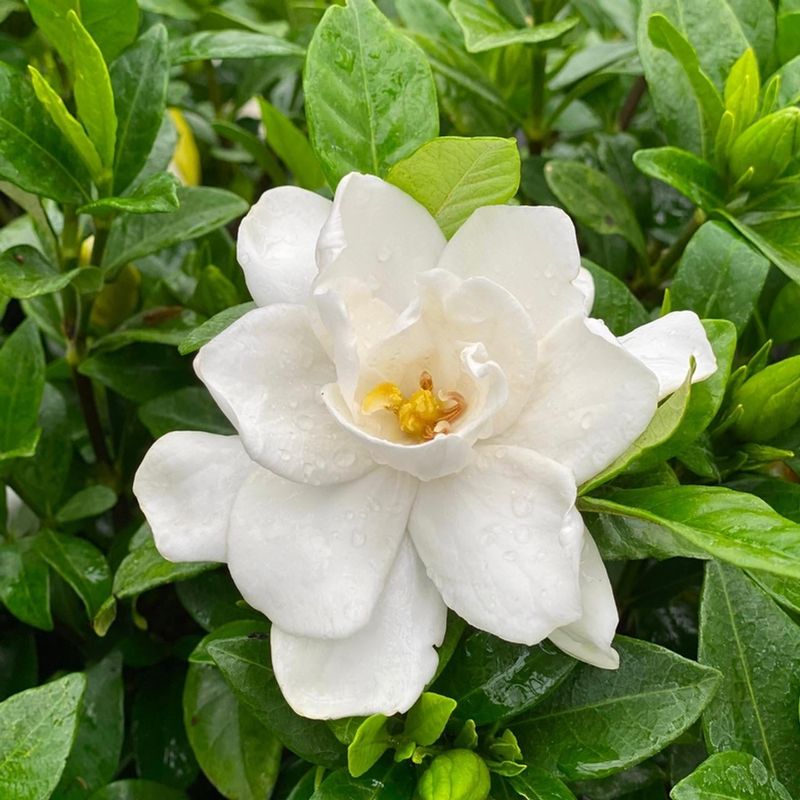
Sun placement is one of those decisions that plays out all season long. Get it right and your gardenias bloom well.
Get it wrong and you spend summer watching leaves scorch and buds drop without knowing exactly why. In Georgia, afternoon sun hits harder than most people expect.
Gardenias do best with morning sun and protection from the intense heat that builds after midday. East-facing beds are often ideal because plants get direct light during the cooler part of the day and natural shade as the sun shifts west.
South or west-facing spots can work if there is shade structure nearby, like a fence, a tree canopy, or a building.
Leaf scorch shows up as brown, crispy edges on otherwise healthy-looking foliage. It usually means the plant is losing water through its leaves faster than the roots can replace it.
This is especially common in late June and July in Georgia when heat and sun combine with low soil moisture.
If you are planting new gardenias this spring, take a few days to observe how sun moves across your yard before you commit to a spot. Existing plants that are struggling in a too-sunny location can sometimes be helped with a shade cloth during peak summer heat.
5. Feed With A Balanced Fertilizer Made For Acid-Loving Plants
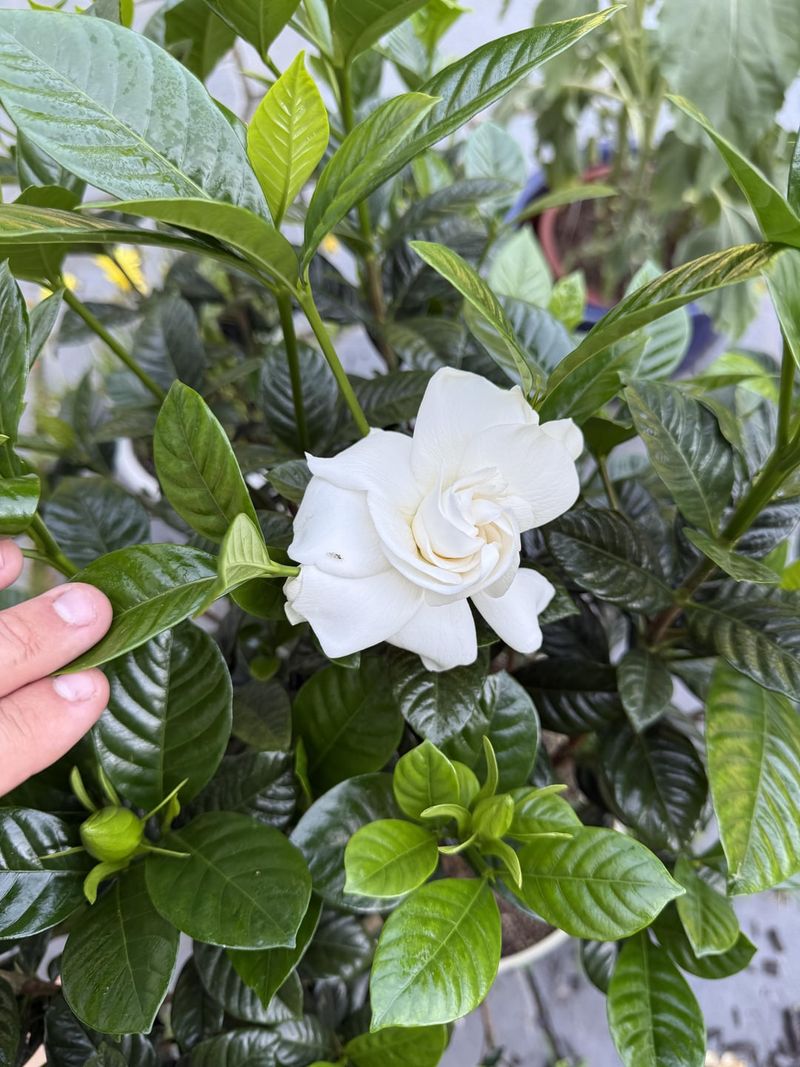
Hungry gardenias do not bloom the way they should. Feeding them correctly before summer sets in gives the plant the reserves it needs to push out flowers and handle heat stress without falling apart.
Timing and product choice both matter here.
Start feeding in April in Georgia, right as new growth begins to push. Use a fertilizer formulated for acid-loving plants, the kind marketed for azaleas or camellias works well.
These blends are designed to support plants that need lower pH conditions and include micronutrients like iron and manganese that gardenias use heavily.
Slow-release granular fertilizers are a practical choice because one application feeds steadily over weeks rather than delivering a sharp nutrient spike.
Liquid fertilizers work faster and can help if you notice yellowing leaves suggesting a deficiency, but they require more frequent application to maintain consistent feeding.
Avoid fertilizing too late in the season. Pushing new growth with heavy feeding in late summer can backfire because tender new shoots are vulnerable to stress and pest pressure.
In Georgia, most gardeners scale back or stop fertilizing by early August to let plants harden off before fall. Apply fertilizer evenly around the drip line of the plant rather than right at the stem, and water it in well after application.
Following a consistent schedule from spring through midsummer gives gardenias the nutritional foundation they need to perform reliably through the warm months ahead.
6. Space Plants Properly So Air Moves Freely Around Foliage
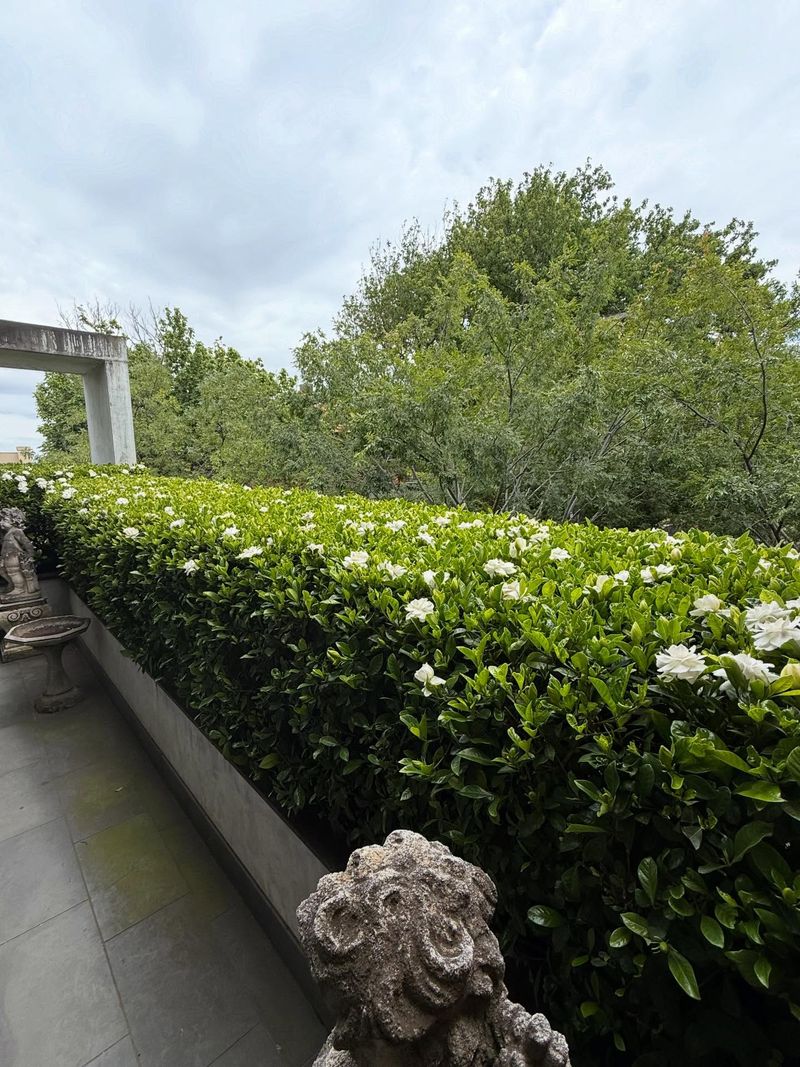
Crowded gardenias are an invitation for trouble, especially in Georgia where summer air turns thick and still. When plants grow too close together, moisture clings to leaves longer, airflow drops, and fungal issues find exactly the conditions they need to spread.
Standard gardenia varieties typically need four to six feet of space between plants, though this varies by cultivar. Compact varieties like Radicans can be planted closer, but even those benefit from breathing room.
Before you add new plants this spring, measure your existing spacing and be honest about whether things have gotten too tight as shrubs have filled in over the years.
Powdery mildew and sooty mold are two common problems that show up more often in dense plantings in Georgia. Both are linked to poor air circulation combined with humidity.
You can treat them, but preventing the conditions that allow them to spread is a smarter approach.
If existing plants are already crowded, selective pruning can open up the canopy and improve airflow without requiring you to remove entire shrubs. Thinning out crossing branches and interior growth lets air move through more freely.
New plantings should account for the mature size of the variety, not the size of the plant at purchase. A small container plant can become a six-foot-wide shrub within a few years in Georgia’s growing conditions.
7. Trim Right After Flowering To Support Healthy Growth
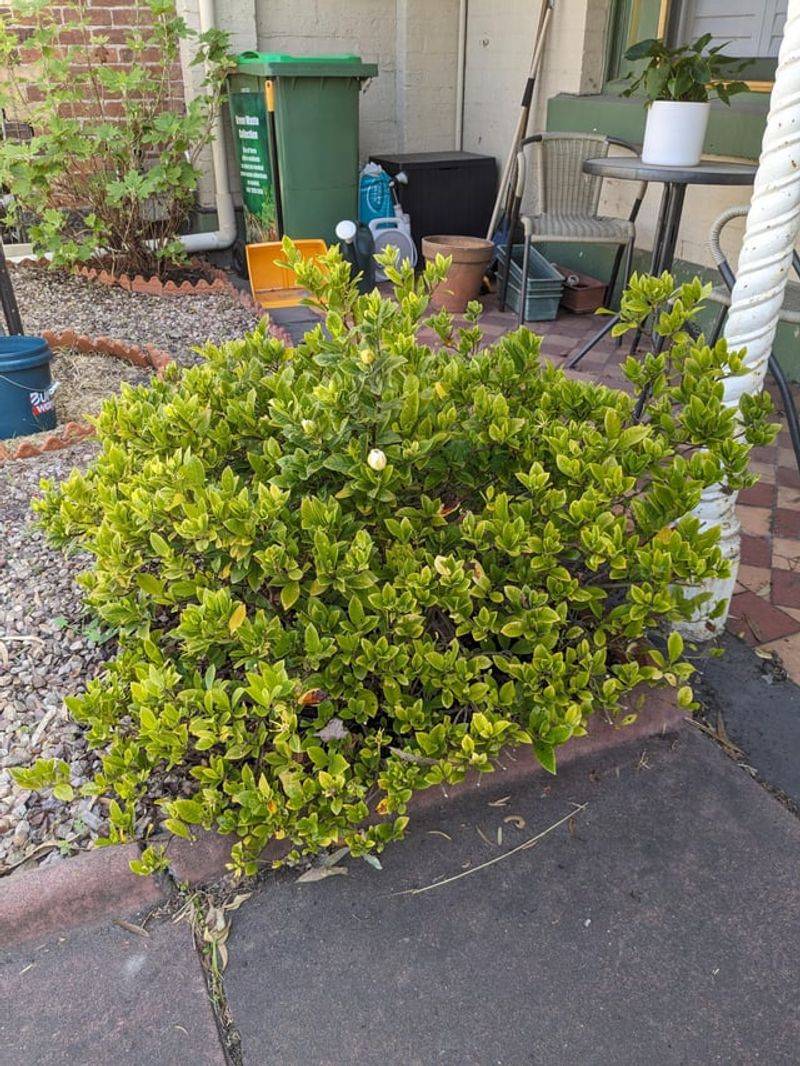
Pruning gardenias at the wrong time is one of the most common mistakes Georgia gardeners make, and it costs them blooms the following year.
Gardenias set next season’s buds not long after the current bloom cycle ends, so timing your cuts matters more than most people realize.
The right window is right after the main flush of flowers finishes, usually late spring to early summer in Georgia. Waiting too long pushes pruning into the period when new buds are already forming, which means cutting them off before they ever get a chance to develop.
A few weeks of patience makes a real difference in what you see next spring.
Focus your pruning on removing spent blooms, cutting back any leggy or uneven growth, and thinning branches that crowd the center of the shrub.
You are not trying to dramatically reshape the plant, just clean it up and encourage a fuller, more compact form going into summer.
Sharp, clean pruning shears reduce the risk of tearing plant tissue, which can create entry points for disease.
Avoid heavy pruning in late summer or fall in Georgia. New growth pushed by late-season cuts is soft and less able to handle the stress of seasonal transitions.
Light tidying is fine if you spot damaged or crossing branches, but save any significant shaping for that post-bloom window.