Things You Should Never Plant Near Your Texas House Foundation
A plant may look harmless in a nursery pot, but that does not mean it belongs next to your house. In Texas, where heat, drought, shifting soil, and sudden downpours can all work against your foundation, the wrong plant in the wrong spot can turn into a real headache.
What starts as a nice bit of greenery along the front of the house can lead to roots pushing where they should not, trapped moisture, blocked airflow, and constant maintenance you never planned for.
A lot of homeowners focus on how a plant looks when it goes in the ground. That part is easy. The harder part is thinking a few years ahead, when that small shrub is much bigger, thirstier, or more aggressive than expected.
Some plants grow too close, some spread too far, and some create conditions that are just not a great match for the area around a foundation.
Choosing wisely can save money, protect your home, and make your landscaping a lot easier to manage.
1. Large Trees With Aggressive Roots
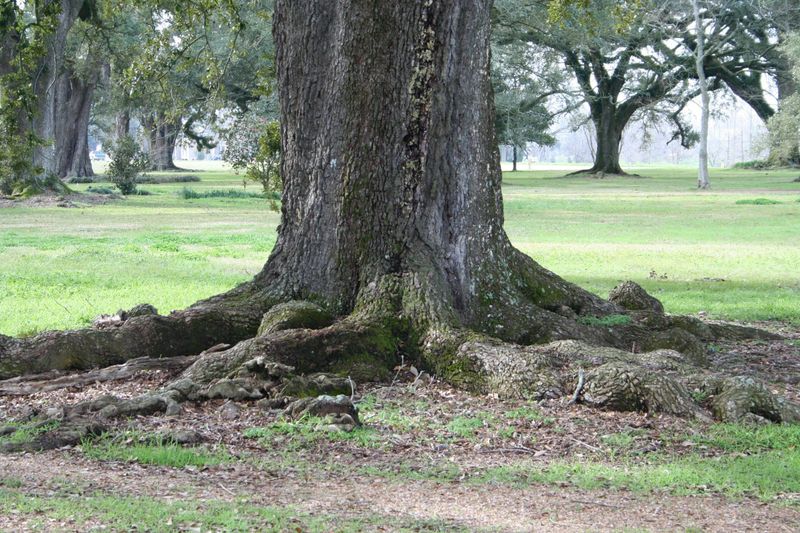
A live oak might look gorgeous in your yard, but planting one too close to your Texas house foundation is a decision you may regret for decades. Trees like live oaks, pecans, and willows have root systems that spread far beyond what you can see above ground.
In fact, the roots of a large tree can extend two to three times the width of its canopy, quietly creeping toward your home.
In Texas, the clay-heavy soil makes this problem even worse. When tree roots absorb moisture from the soil, they cause the ground to dry out and shrink unevenly.
That uneven shrinking puts serious pressure on your foundation, leading to cracks, shifts, and expensive structural damage over time.
Willows are especially aggressive when it comes to seeking out water. They will chase any moisture source, including the water that sits beneath your foundation.
Pecans are beloved Texas trees, but their large root systems can lift concrete and damage underground pipes without any visible warning signs above ground.
Foundation repair companies across Texas regularly trace damage back to trees planted too close to homes. Most experts recommend keeping large trees at least 15 to 20 feet away from your foundation.
Some species may need even more distance depending on their mature size. If you already have a large tree near your foundation, it is worth having a professional assess the situation. Root barriers can sometimes help slow the spread.
Choosing smaller, less aggressive trees for spots near your house is always the smarter move in Texas.
2. Thirsty Plants That Need Frequent Watering
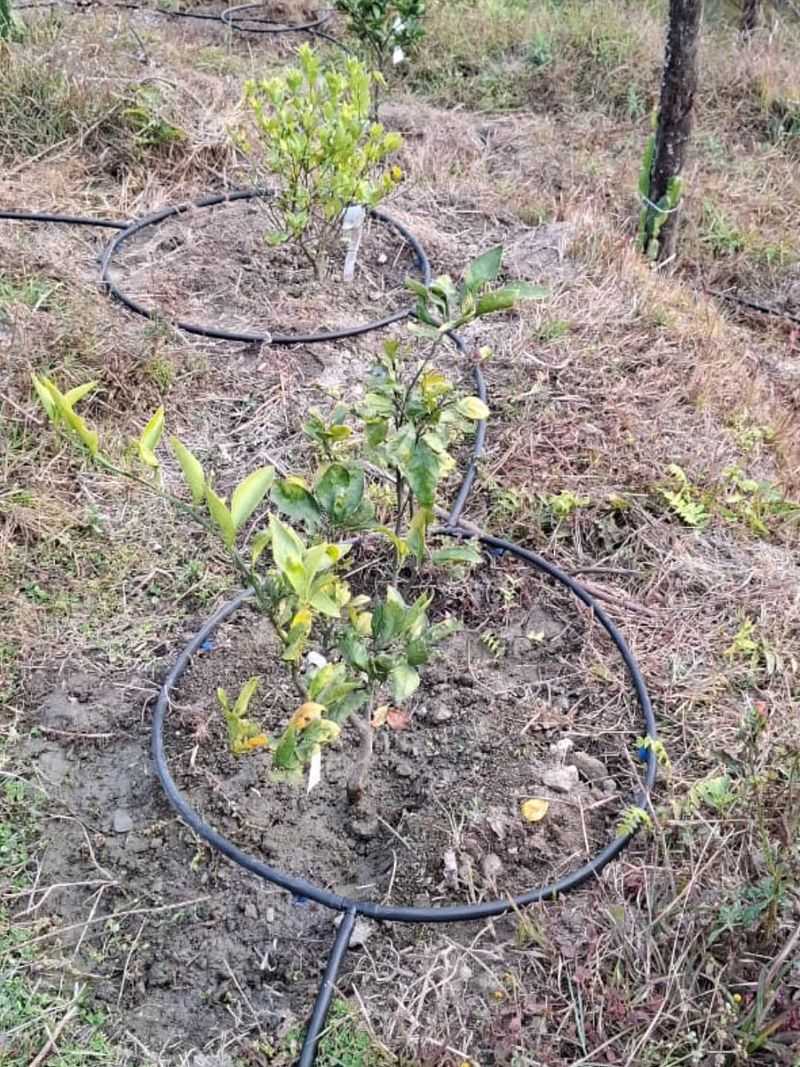
Hydrangeas are stunning, and tropical plants add a lush, vacation-like feel to any yard. But if you live in Texas, planting these water-hungry beauties right next to your house foundation is asking for trouble.
Plants that need frequent watering pull a lot of moisture into the soil around your home, and that constant wet-dry cycle can be seriously damaging.
Texas clay soil is already prone to swelling when it gets wet and shrinking when it dries out. When you add a row of thirsty plants along your foundation and water them regularly, you are creating repeated cycles of soil expansion and contraction.
Your Texas Garden Changes Every Week. Your Plan Should Too.
Gardening in Texas changes quickly throughout the season. Every Friday you’ll receive a simple weekly plan showing exactly what to plant, prune, fertilize, harvest, and protect so you never miss the right timing.
Over time, that movement weakens the concrete and can lead to visible cracks in your foundation or interior walls.
Constant moisture near your foundation also encourages mold and mildew growth. In the warm, humid conditions that parts of Texas experience, especially in spring and summer, mold can spread quickly once it finds a damp surface.
That can affect both the structure of your home and the air quality inside it. Another concern is drainage. When you water thirsty plants heavily and often, excess water can pool near the foundation instead of draining away.
Standing water is one of the biggest enemies of a stable Texas foundation. If you love hydrangeas or tropical plants, enjoy them in containers or in garden beds placed well away from the house. Pair them with good drainage solutions and water them carefully.
Keeping moisture-loving plants at a safe distance from your foundation is one of the easiest ways to avoid costly repairs down the road.
3. Invasive Or Spreading Root Systems
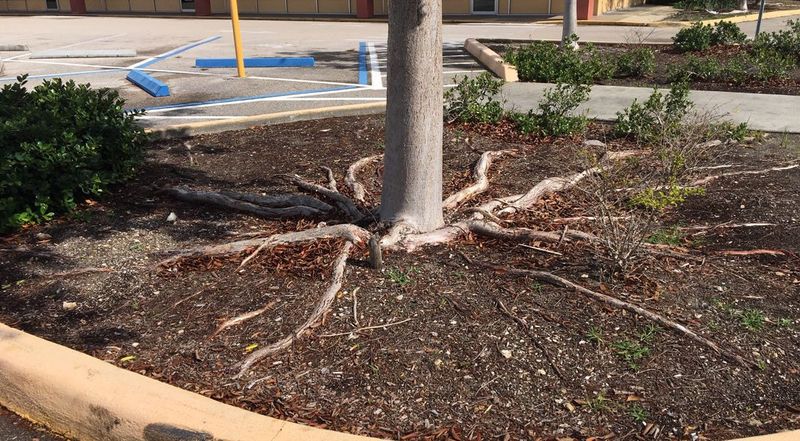
Bamboo looks exotic and grows fast, which makes it appealing to a lot of Texas homeowners. But once bamboo takes hold near your house, it can be nearly impossible to stop.
Running bamboo, the most common type sold at garden centers, spreads through underground stems called rhizomes that travel far and wide beneath the soil surface.
Those rhizomes do not stop at your foundation. They can push through cracks in concrete, work their way under hardscapes, and pop up in places you never expected.
Removing bamboo once it is established near a Texas home is a serious project that often requires professional help and multiple seasons of effort.
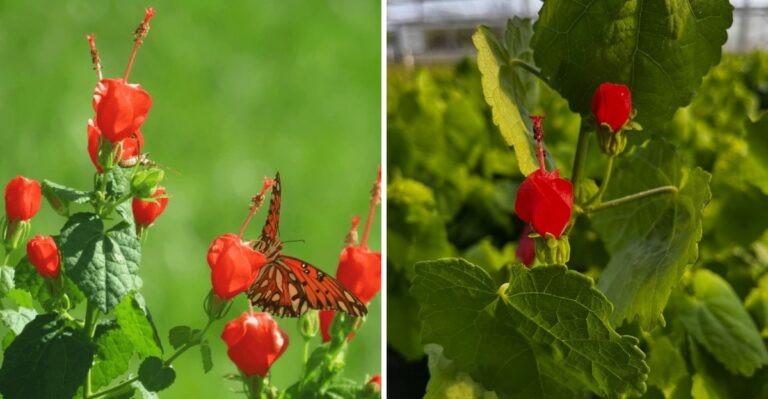
Invasive vines are another major concern. Plants like trumpet vine and English ivy might seem harmless at first, but their roots and stems can work their way into tiny cracks in your foundation or brick walls.
Over time, they widen those cracks, trap moisture against the surface, and cause both structural and cosmetic damage that is expensive to fix.
Across Texas, many homeowners have learned the hard way that fast-spreading plants near the foundation create long-term headaches.
Some invasive species are even regulated in the state because of how aggressively they spread into natural areas and damage surrounding landscapes.
If you want a privacy screen or a lush look near your home, choose clumping bamboo varieties instead of running types, and always plant them with root barriers.
Better yet, keep any fast-spreading plants well away from your foundation and hardscapes. A little planning now saves a lot of frustration later.
4. Tall, Dense Shrubs Planted Too Close
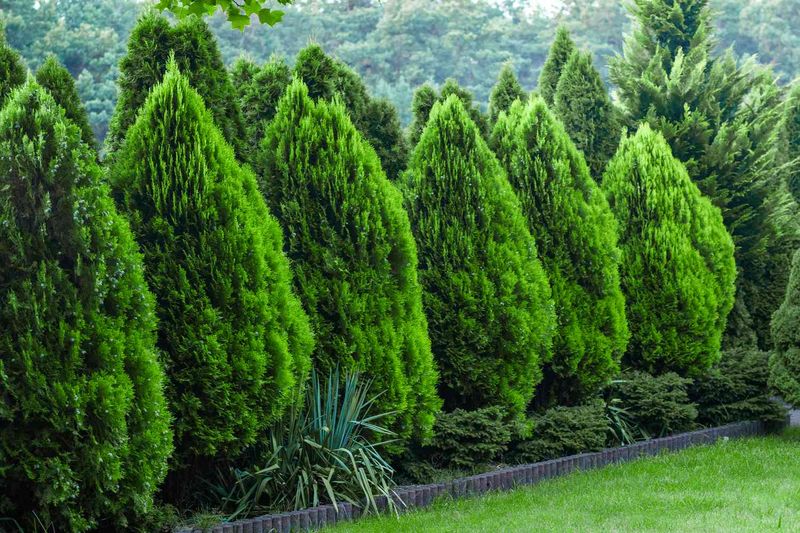
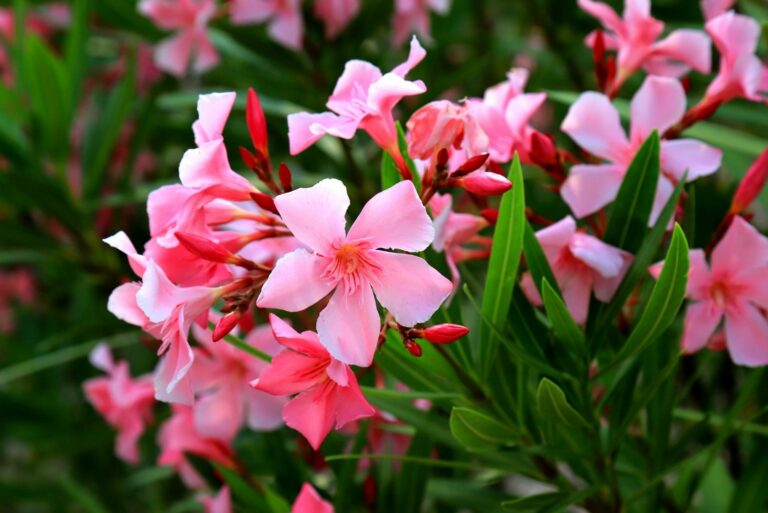
Planting big, dense shrubs right up against your house might look tidy and well-landscaped, but it can quietly cause a lot of damage to your Texas home. Shrubs like oleander and large ligustrum are popular in Texas yards because they grow quickly and provide privacy.
The problem is that when they are planted too close to the foundation, they trap moisture between the plant and the wall.
That trapped moisture creates the perfect environment for mold, mildew, and rot. In Texas, where summers are hot and humidity can spike after rain, that combination is especially harmful.
Moisture sitting against your foundation or exterior walls can seep into small cracks and slowly wear down the structure over time.
Dense shrubs also block airflow and sunlight from reaching the base of your walls. Without proper air circulation, wet spots stay wet much longer than they should.
That persistent dampness attracts wood-boring insects and other pests that can damage both the landscaping and the structure of your home.
Oleander is worth a special mention because it is one of the most commonly overplanted shrubs in Texas. It grows large and fast, and many homeowners underestimate just how big it gets.
When oleander is pressed tightly against a wall, its thick stems and leaves hold moisture like a sponge against the siding or brick.
A good rule of thumb is to plant shrubs at least two to three feet away from your foundation. Trim them regularly so air can flow freely between the plant and the wall. Keeping that gap open protects your home and helps your shrubs stay healthier too.
5. Plants That Attract Termites or Pests
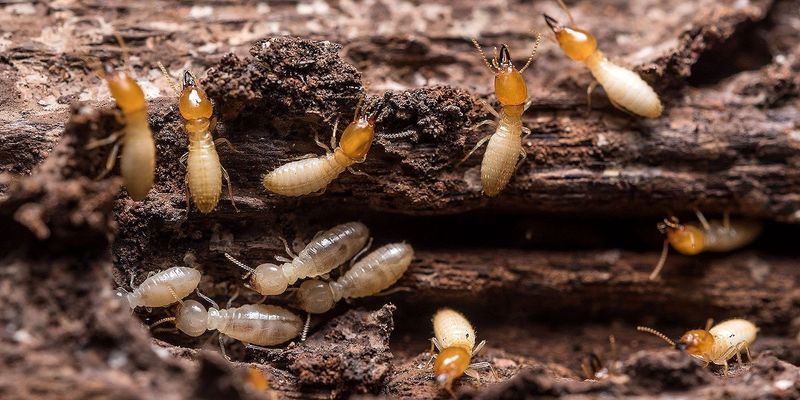
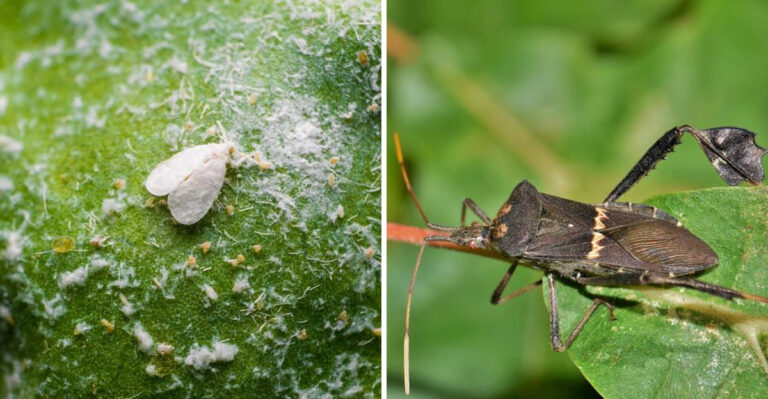
Termites are one of the most feared words in Texas homeownership, and for good reason. Texas is one of the most termite-active states in the entire country, and certain plants near your foundation can make an infestation far more likely.
Woody, moisture-loving plants create exactly the conditions that termites and other destructive pests find most attractive.
When you plant dense, woody shrubs or pile organic mulch directly against your foundation, you are essentially rolling out a welcome mat for termites.
They love moisture, darkness, and wood, and a thick planting bed pressed against your home provides all three. From there, it is a short trip into the wooden framing of your house.
Plants that hold moisture near the soil surface are also attractive to other pests like carpenter ants, roaches, and rodents. These pests use dense plantings as shelter and can find their way inside your home through tiny gaps near the foundation.
In Texas, where the warm climate keeps pests active for much of the year, this is a real and ongoing concern.
Organic mulch is a common landscaping material that homeowners in Texas use near foundation beds. While mulch has benefits for plant health, keeping it at least six inches away from the foundation is strongly recommended by pest control professionals.
The same goes for any plants with thick, woody stems that stay in contact with the ground near your home.
Choosing pest-resistant, low-moisture plants for the area directly around your Texas home is one of the smartest landscaping decisions you can make. It protects your structure and reduces the need for costly pest treatments over time.
6. Plants With Heavy Leaf Or Fruit Drop
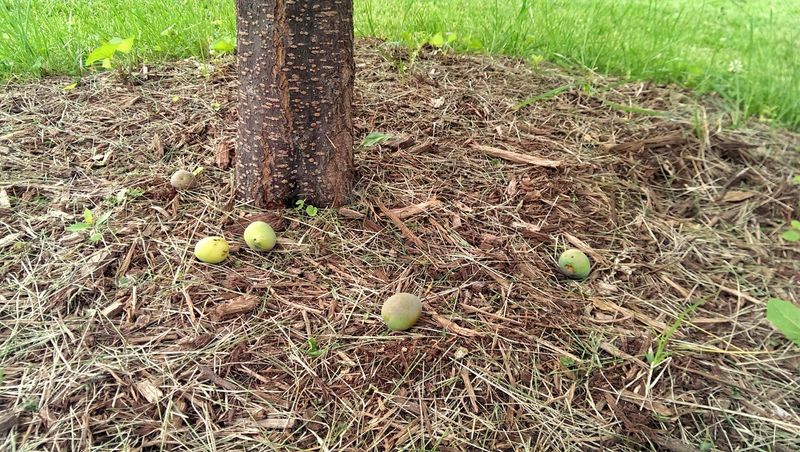
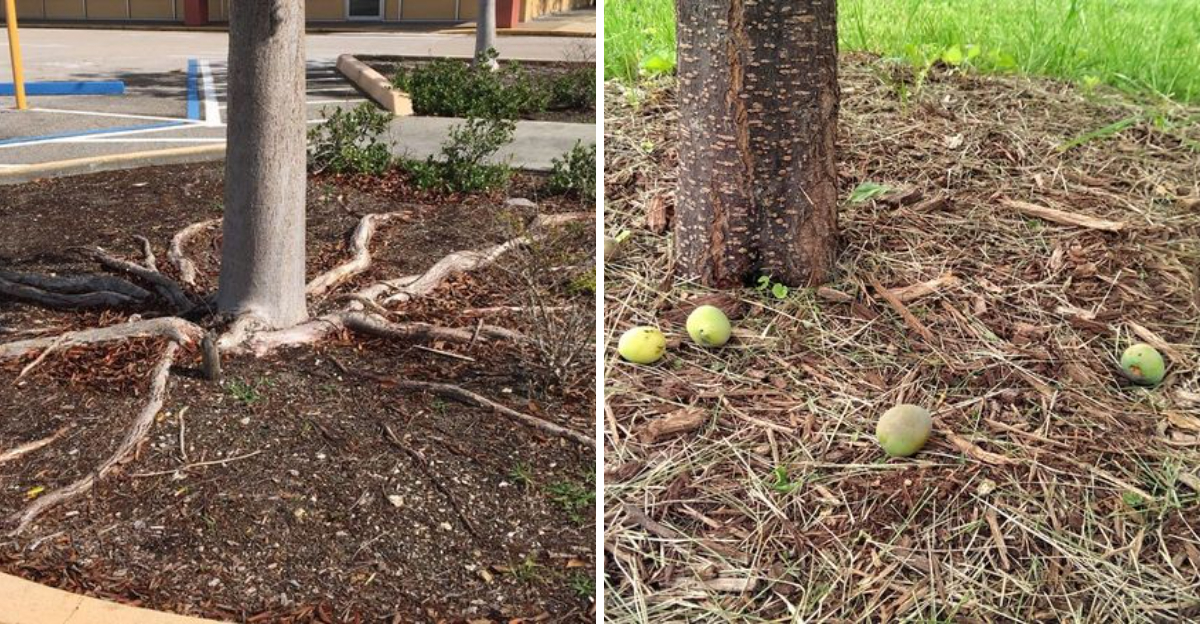
Some trees and plants are messy, and that messiness can cause real problems when they are planted near your Texas house foundation. Hackberry and mulberry trees are two of the most common offenders.
Both drop large amounts of leaves, berries, and other organic debris throughout the year, creating a constant cleanup challenge right next to your home.
When leaves and fruit pile up near the foundation, they hold moisture against the concrete or brick. That wet layer of debris slows down evaporation and keeps the soil around your foundation damp for much longer than it should be.
In Texas clay soil, that extra moisture can cause swelling and movement that stresses the foundation.
Debris buildup also clogs gutters and downspouts. When gutters overflow because of heavy leaf drop, water pours down the side of the house and pools right next to the foundation.
That is one of the most direct ways that poor landscaping choices lead to foundation damage in Texas homes.
Rotting fruit and wet leaves attract pests as well. Roaches, flies, and rodents are drawn to decomposing organic material, and when that material is sitting right against your home, those pests do not have far to travel before they find a way inside.
Mulberries are especially known for staining driveways, sidewalks, and walls while also creating a slippery mess.
If you want shade trees near your Texas home, look for species that are tidy and produce minimal debris. Native Texas trees like cedar elm or Mexican plum can offer beauty and shade without the constant mess.
Keeping your foundation area clean and dry is one of the best things you can do for your home’s long-term health.