How Often To Water Arizona Fruit Trees In April Before Temperatures Spike
April in Arizona brings that tricky stretch where warm days push trees forward while cooler nights slow everything down just enough to confuse timing.
Fruit trees often look steady on the surface, yet root activity does not always match what the top growth suggests.
Water needs can shift quickly during this phase, and habits that worked earlier in the season may not line up anymore. Soil can dry out faster than expected, but that does not always mean more water is the answer.
Balance matters more than routine right now. Getting that rhythm right can make a noticeable difference once temperatures start to climb.
1. Most Established Trees Need Deep Water About Once A Week
Roots do not go looking for water at the surface. Shallow watering is one of the most common mistakes Arizona gardeners make in spring, and it keeps roots near the top of the soil where they get cooked later in summer.
Deep watering pushes moisture down 18 to 24 inches, which is exactly where fruit tree roots need to reach.
For most fruit trees that have been in the ground for two or more years, watering once a week in April is a reasonable starting point. That schedule works well in sandy desert soil that drains fast.
You want to run water slowly long enough for it to soak in rather than run off across your yard.
A drip system set to run for a couple of hours works better than a quick spray. If you are using a hose, let it trickle slowly near the drip line of the tree, not right against the trunk.
Watering at the drip line encourages roots to spread outward and downward, which helps the tree stay stable during Arizona’s monsoon winds later in the season.
Mulching around the base of the tree with 3 to 4 inches of wood chips helps hold that moisture in the ground longer.
2. Newly Planted Trees Need More Frequent Deep Watering
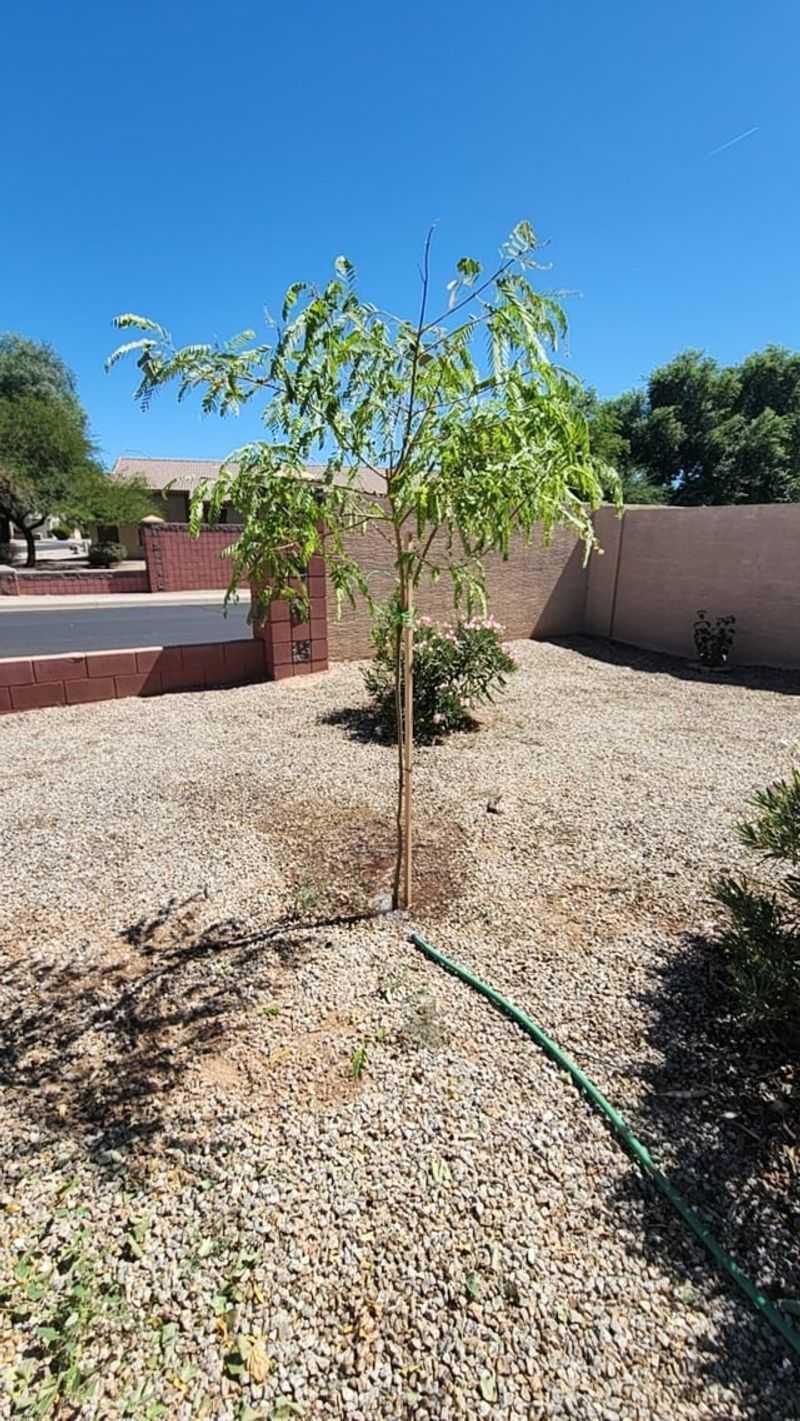
Planting a fruit tree in Arizona in early spring puts it in a tough spot right from the start. Roots that are just getting established have almost no buffer against dry soil, and April temperatures can already push into the 90s in many parts of the state.
Waiting a full week between waterings is too long for a tree that was just put in the ground.
New trees generally need water every two to three days during April. The goal is to keep the root zone consistently moist without turning it soggy.
Soggy soil cuts off oxygen to the roots, which causes just as many problems as dry soil does. Check a few inches below the surface before you water again to make sure the soil actually needs it.
Building a small watering basin around the base of the tree helps direct water exactly where it needs to go. Shape a low ring of soil about 18 inches out from the trunk to hold water in place while it soaks down slowly.
This is a simple trick that Arizona gardeners have used for generations because it actually works in sandy, fast-draining desert soil.
Your Arizona Garden Changes Every Week. Your Plan Should Too.
Gardening in Arizona changes quickly throughout the season. Every Friday you’ll receive a simple weekly plan showing exactly what to plant, prune, fertilize, harvest, and protect so you never miss the right timing.
Water in the early morning whenever you can. Watering at midday in Arizona means a good portion of that moisture evaporates before it ever reaches the roots.
3. Citrus Trees Do Best With Consistent Weekly Moisture
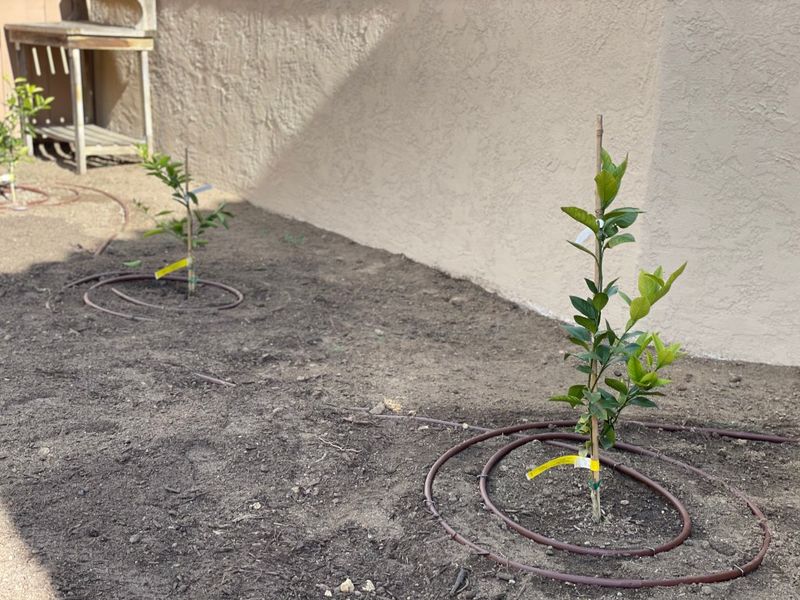
Citrus trees are a staple across Arizona, and they have specific preferences when it comes to water. Unlike some other fruit trees that can handle a bit of inconsistency, citrus really does better with a steady, predictable moisture schedule.
Letting the soil swing from bone dry to soaking wet stresses the tree and can cause fruit to split or drop prematurely.
In April, watering citrus once a week with a long, slow soak is the approach that tends to work well across most of the Phoenix metro and Tucson areas. The key is making sure water reaches deep into the root zone rather than just wetting the top few inches.
Citrus roots spread wide and shallow compared to some other trees, so watering out to the drip line matters more than watering close to the trunk.
Drip irrigation is genuinely useful for citrus in Arizona. A well-set drip system delivers water slowly enough for sandy soil to absorb it without runoff.
Running the system for two to three hours once a week in April gives the roots time to pull in what they need. Adjusting run time as temperatures climb through the month is a smart habit to build.
Watch the leaves for clues. Slightly curled or dull-looking leaves in the morning can signal that your citrus is getting dry.
4. Stone Fruit Trees Prefer Slightly More Frequent Watering
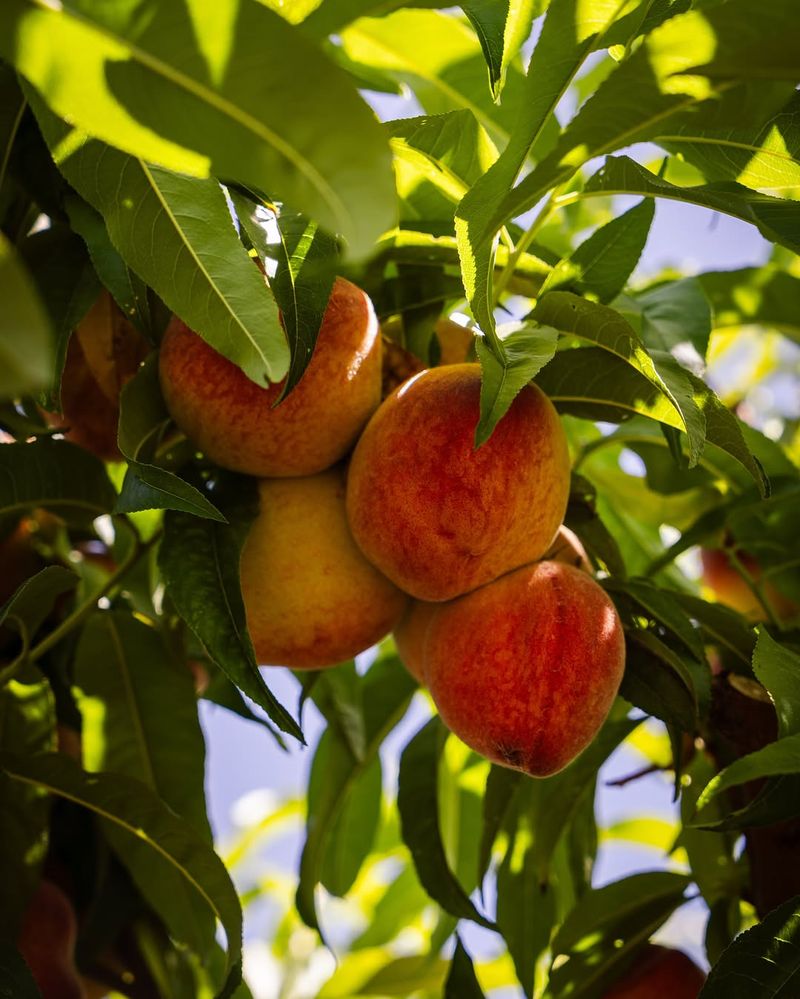
Peaches, plums, and apricots are popular fruit trees across Arizona, especially in higher elevation areas like Prescott and parts of the East Valley. Stone fruit trees tend to be more sensitive to moisture swings than citrus, particularly in spring when they are putting energy into developing fruit.
April is a critical month for these trees because the fruit is already sizing up and the roots need consistent support.
Watering every five to seven days in April usually works well for stone fruit in most Arizona locations. Sandy soils dry out faster than clay-heavy soils, so if your yard has particularly loose, fast-draining ground, leaning toward the shorter end of that range makes sense.
Checking soil moisture a few inches down before watering helps you avoid adding water when the tree does not actually need it yet.
Stone fruit roots tend to be somewhat shallower than other fruit trees, which means they respond quickly to both dry spells and overwatering. If fruit starts cracking or dropping early, inconsistent watering is often the first thing worth looking at.
Keeping the schedule steady through April sets the tree up to finish fruit development without major stress.
Mulching helps a lot with stone fruit trees in Arizona’s spring heat. A thick layer of organic material around the base slows down evaporation and keeps the root zone from getting too warm too fast.
5. Soil Type Changes How Often You Should Water
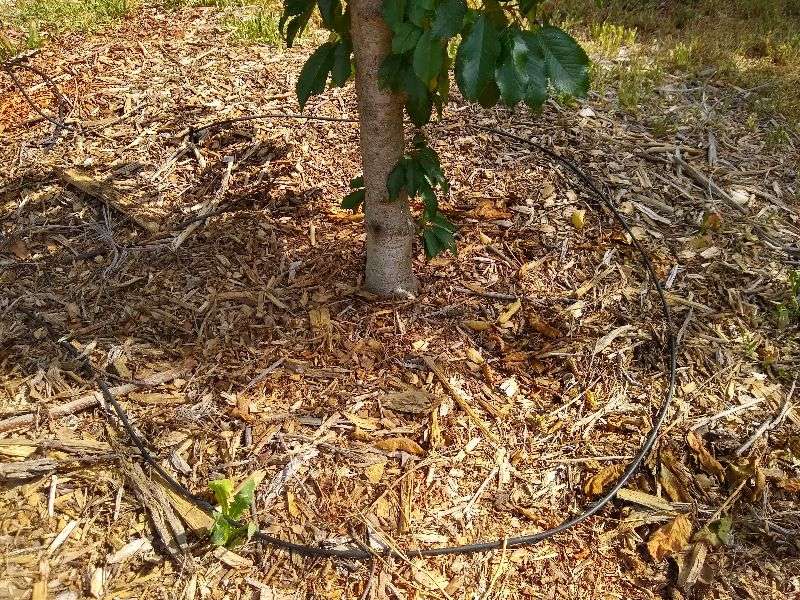
Sandy soil and clay soil behave completely differently when it comes to holding water, and Arizona has plenty of both. Most desert valleys like Phoenix sit on sandy, fast-draining soil that lets water pass through quickly.
That means fruit trees growing in those areas dry out faster and generally need more frequent watering than trees in areas with heavier, clay-rich soil.
In sandy soil, water applied at the surface can move down through the root zone in just a few hours. If you are only running your drip system for a short burst, the moisture may never reach deep enough to do much good.
Longer, slower watering sessions work better in these conditions because they give the soil time to absorb water before it drains past the roots entirely.
Clay soil holds moisture much longer, which sounds like a benefit but comes with its own risks. Waterlogged clay can suffocate roots and create conditions where root rot becomes a real concern.
In areas of Arizona with heavier soil, stretching out the time between waterings and checking moisture before adding more is especially important during April when temperatures are not yet extreme.
A simple screwdriver test works surprisingly well for gauging soil moisture. Push a long screwdriver into the ground near the drip line of your tree.
If it slides in easily, moisture is still present.
6. Watering Needs Increase As Heat Starts Building
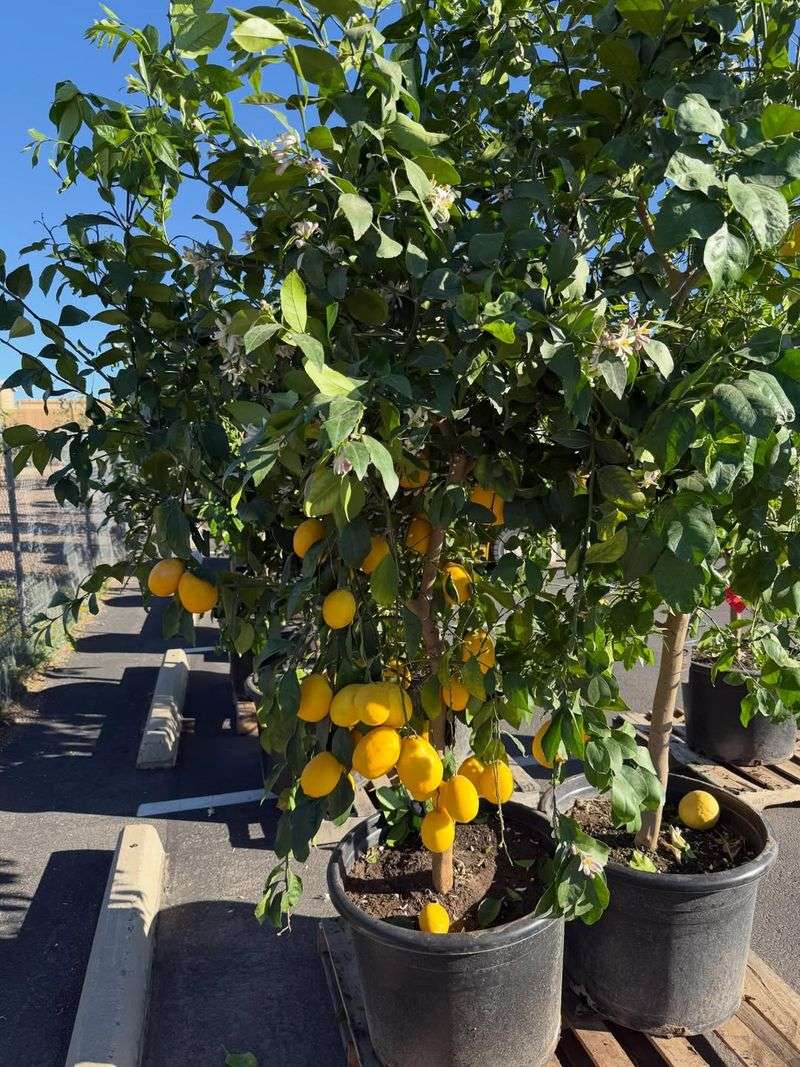
Early April in Arizona can feel manageable, with daytime temperatures in the 80s and nights that still cool down nicely. By the end of the month, things shift fast.
Highs in the low to mid-90s are common across the Phoenix area and parts of Tucson by late April, and that jump in temperature pulls moisture out of the soil at a noticeably faster rate.
A watering schedule that worked fine in the first two weeks of April may not be enough by the last week of the month. Paying attention to how quickly the soil dries between waterings gives you real information rather than just following a fixed calendar.
When you notice the soil drying out in four or five days instead of seven, that is a signal to adjust your frequency rather than stick rigidly to your original schedule.
Trees that are actively flowering or setting fruit in late April have higher water demands than trees that are just leafing out. Fruit development requires a steady supply of moisture moving through the tree, and stress during this stage can cause fruit drop that is hard to recover from.
Staying ahead of the heat rather than reacting to it is the smarter approach.
Running your drip system or hose early in the morning becomes even more valuable as April progresses.
7. Always Check Soil Moisture Before Adding More Water
Watering on a strict schedule without checking the soil first is one of the easier ways to run into trouble with fruit trees in Arizona. Overwatering is a genuine problem, not just a theoretical one.
Roots sitting in constantly wet soil struggle to get the oxygen they need, and that leads to poor fruit quality and weak growth over time.
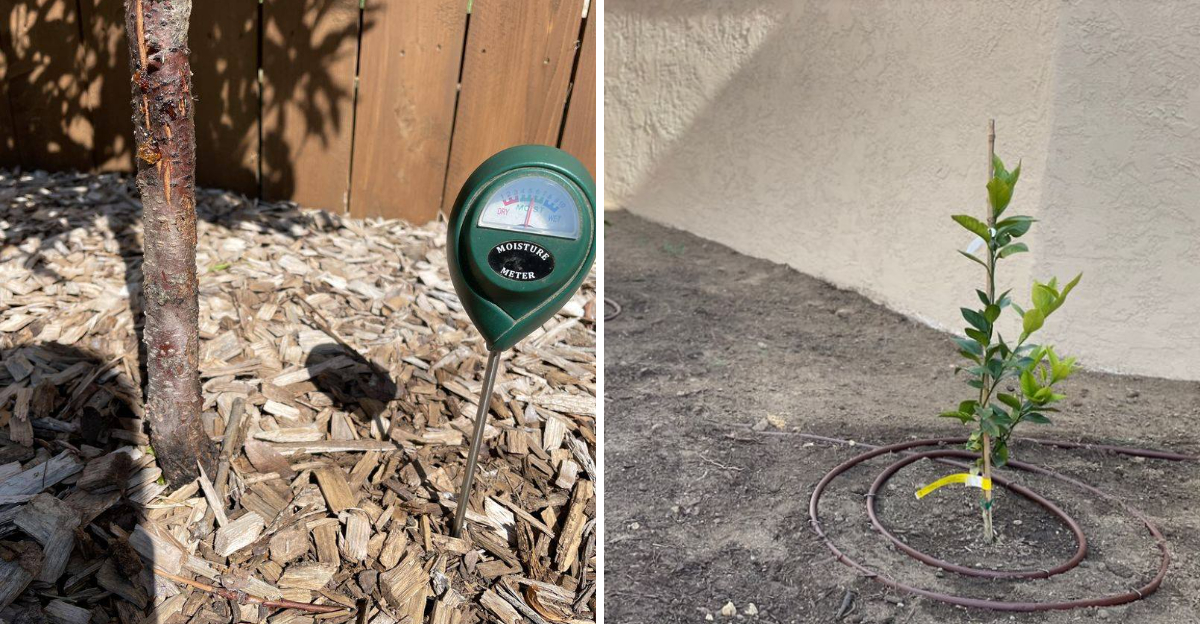
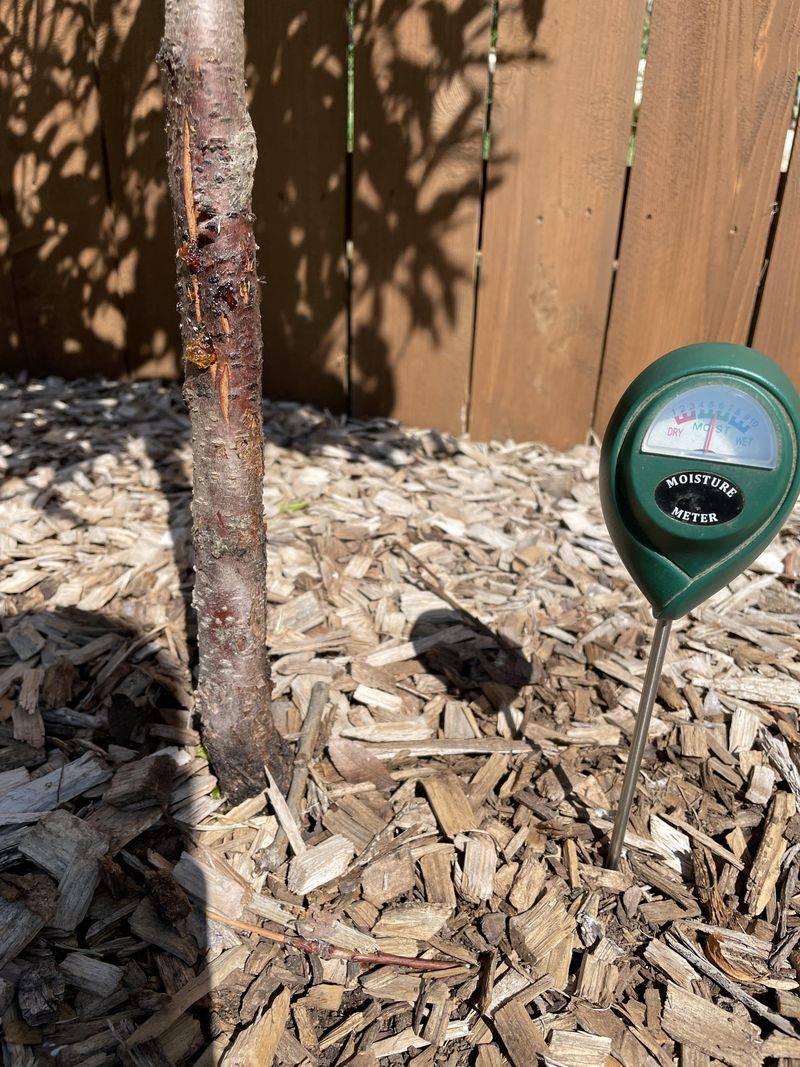
Before turning on the hose or starting your drip system, take 30 seconds to check what is actually happening underground. Push a finger, a wooden dowel, or a moisture meter a few inches into the soil near the drip line of your tree.
If the soil feels damp or the meter reads in the moist range, hold off for another day or two and check again. Fruit trees in Arizona are more forgiving of a slightly delayed watering than they are of constant overwatering.
Moisture meters are inexpensive and genuinely useful for Arizona gardeners. A basic analog meter costs just a few dollars at most garden centers and takes the uncertainty out of soil checks.
Over time, checking regularly teaches you how your specific soil holds water, which makes your whole approach more efficient and less wasteful.
Weather changes can also throw off a schedule you thought was dialed in. A cloudy stretch in April slows evaporation and means the soil stays moist longer than usual.