9 Plants That Bloom All Summer Long In Pennsylvania
Some flowers give you one beautiful moment, then fade into the background for the rest of the season. That can feel a little disappointing, especially when summer in Pennsylvania is long enough to want more from your garden.
If you are planting beds, borders, or containers, it makes sense to choose plants that keep the color coming instead of putting on a quick show and calling it a day.
That is where long-blooming plants really earn their place. The best ones can carry a yard through early summer, the hottest stretch of the season, and well into the weeks when many other flowers start looking tired.
They keep things lively, fill empty-looking spots, and make the whole landscape feel brighter and more inviting for months instead of days.
For Pennsylvania gardeners, that kind of staying power matters. Between changing temperatures, humid spells, rain, and summer heat, not every plant keeps performing the way you hoped.
The ones that do can make gardening feel a whole lot more rewarding. A yard packed with steady blooms always feels a little more cheerful, a little more finished, and a lot more fun to look at.
1. Black-Eyed Susan (Rudbeckia Hirta)
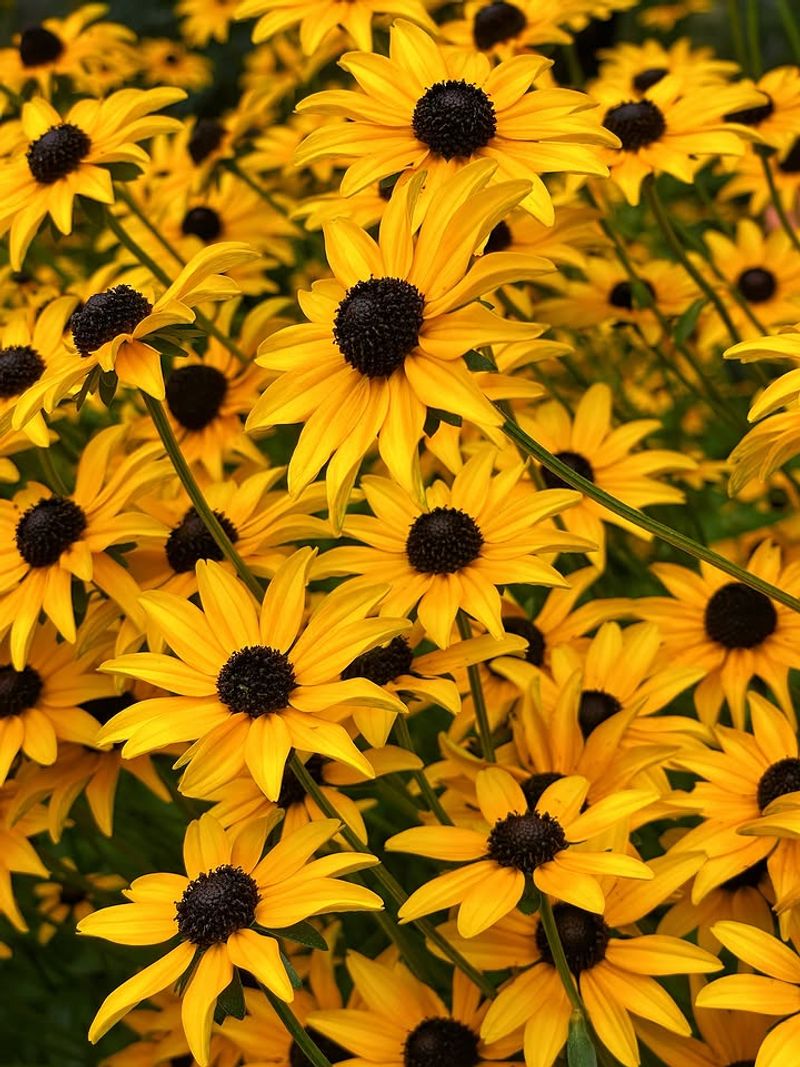
Few flowers say “summer” quite like the Black-Eyed Susan. Those bright golden-yellow petals surrounding a dark chocolate center are hard to miss in any Pennsylvania garden.
Native to North America, this plant has been bringing cheer to meadows and backyards for centuries.
Black-Eyed Susans bloom from mid-summer into early fall, giving you weeks of color without much work. They grow well in full sun and can handle poor, dry soil that would stress out many other plants.
Once they get settled in, they are surprisingly drought-tolerant, which is great during those hot Pennsylvania summers when rain can be unpredictable.
One of the best things about this plant is how much wildlife loves it. Bees, butterflies, and even goldfinches visit regularly.
You can plant them along fences, in garden borders, or mixed into a wildflower bed. They spread on their own over time, so your patch will actually get bigger each year.
Deadheading, which means removing spent blooms, can encourage more flowers. However, if you leave the seed heads standing at the end of the season, birds will thank you for the free meal.
Black-Eyed Susans also work beautifully as cut flowers in a vase. They are easy to find at most Pennsylvania garden centers and are very affordable.
For a low-effort, high-reward plant that blooms reliably all summer long, Black-Eyed Susan is hard to beat.
2. Purple Coneflower (Echinacea Purpurea)
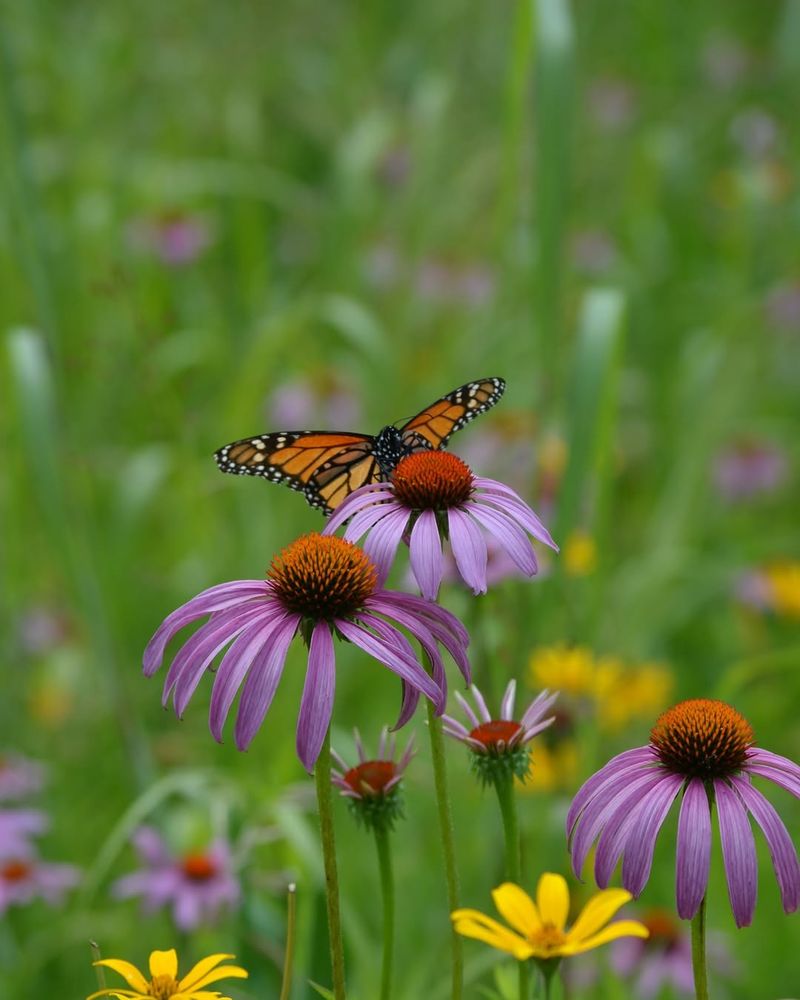
Walk through almost any Pennsylvania garden in July, and chances are you will spot Purple Coneflower standing tall and proud. With its rosy-pink petals drooping slightly around a spiky orange-brown center, this plant has a look that is totally its own.
It is bold, it is beautiful, and it blooms for a long time. Echinacea purpurea starts blooming in early summer and keeps going well into fall. That is a seriously long run for any flower.
Your Pennsylvania Garden Changes Every Week. Your Plan Should Too.
Gardening in Pennsylvania changes quickly throughout the season. Every Friday you’ll receive a simple weekly plan showing exactly what to plant, prune, fertilize, harvest, and protect so you never miss the right timing.
It thrives in full sun and well-drained soil, and once it gets established, it handles drought like a champ. Pennsylvania summers can bring stretches of dry heat, and Purple Coneflower takes it all in stride without needing constant watering.
Pollinators absolutely love this plant. Bees, butterflies, and hummingbirds flock to the blooms throughout the season.
When the flowers fade, the seed heads attract birds like finches, which adds life to your garden even after the petals drop. It is a plant that keeps giving long after its peak bloom.
Purple Coneflower is also a perennial, meaning it comes back every year without replanting. That makes it a smart investment for any Pennsylvania gardener.
It pairs beautifully with Black-Eyed Susans and ornamental grasses for a natural, meadow-style look.
You can find many varieties today, from deep magenta to soft white, so there is something to match any garden style. Low maintenance and stunning, this plant earns its place in the garden every single year.
3. Coreopsis (Coreopsis Spp.)
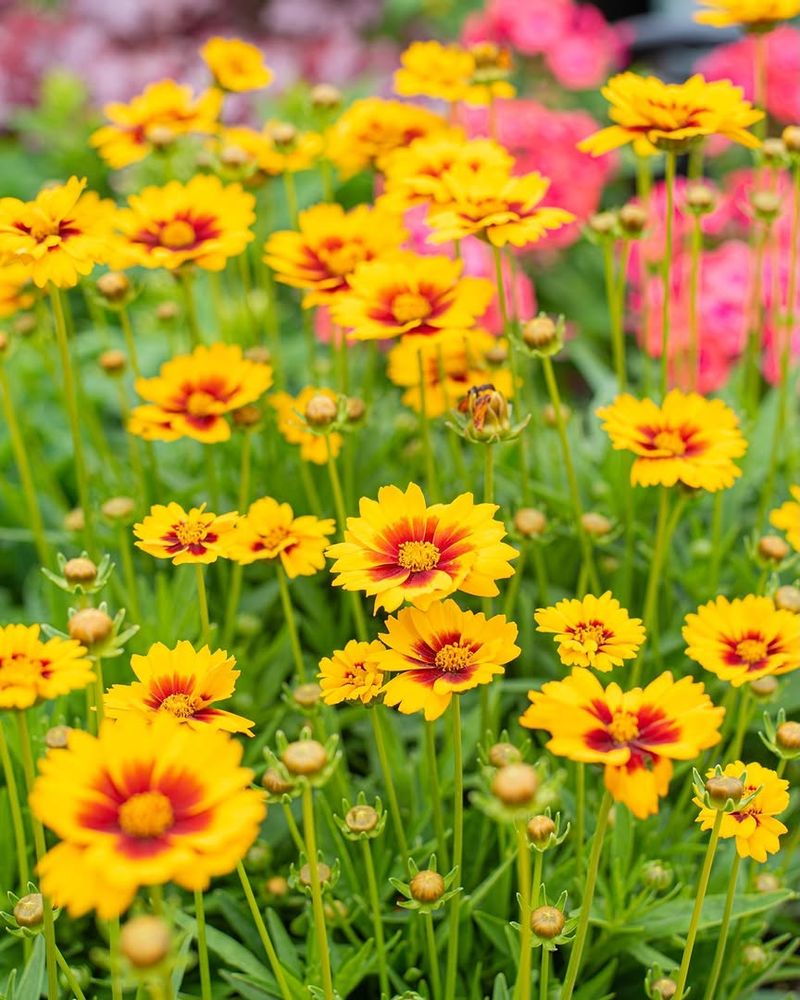
Coreopsis, also called tickseed, is one of those plants that just refuses to stop blooming. From late spring all the way through summer, it covers itself in cheerful, daisy-like flowers in shades of yellow, gold, and sometimes pink or red.
It is like a little burst of sunshine planted right in your garden. Pennsylvania gardeners love Coreopsis because it thrives in full sun and actually prefers lean, well-drained soil.
Rich, overly fertilized soil can make it floppy and reduce blooms, so less really is more with this one.
Plant it in a sunny border, along a pathway, or in a mass planting for a bold, eye-catching display that lasts all season long.
One of the coolest things about Coreopsis is how little attention it needs. Water it during dry spells, give it a light trim after the first big flush of blooms, and it will reward you with a fresh round of flowers.
Bees and butterflies are frequent visitors, making it a pollinator-friendly choice for any Pennsylvania yard.
Coreopsis is also a perennial in most parts of Pennsylvania, so it comes back reliably each spring. Some popular varieties include Moonbeam, which has soft yellow flowers, and Zagreb, which stays compact and tidy.
Both work great in smaller garden spaces. If you want a plant that is nearly foolproof, stays colorful for months, and asks very little in return, Coreopsis belongs in your garden. It is truly one of summer’s most dependable performers.
4. Bee Balm (Monarda Didyma)
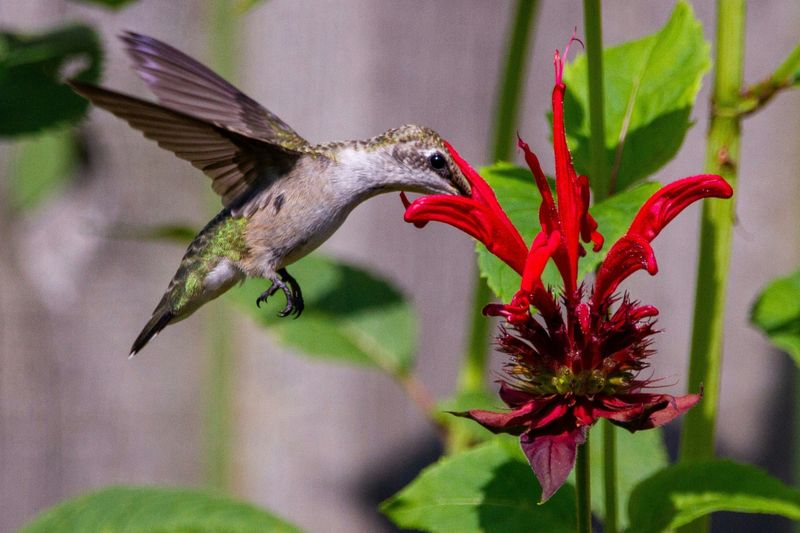
Bee Balm is the life of the party in any Pennsylvania summer garden. Its wild, spiky blooms in shades of red, pink, purple, and white look almost like fireworks frozen mid-burst.
Native to the eastern United States, this plant has a long history of use by Native Americans and colonial settlers alike, who brewed its leaves into a tea. Pretty cool for a backyard flower.
Blooming from mid-summer through early fall, Bee Balm puts on a show that lasts for weeks. It does especially well in Pennsylvania because it actually enjoys the state’s warm, humid summers.
Most plants struggle in that sticky heat, but Bee Balm just keeps going. It grows in full sun to partial shade and prefers moist, well-drained soil, making it flexible enough for many different garden spots.
Hummingbirds, bees, and butterflies are drawn to Bee Balm like a magnet. If you want to attract wildlife to your Pennsylvania yard, this plant is one of the best choices you can make.
Regular deadheading encourages new blooms and keeps the plant looking tidy throughout the season.
One thing to watch with Bee Balm is powdery mildew, a common issue in humid climates. Planting it with good air circulation and choosing mildew-resistant varieties like Jacob Cline or Marshall’s Delight can help.
Bee Balm spreads by underground runners, so it fills in a space nicely over time. Give it room to grow, and it will reward you with months of stunning color and buzzing activity.
5. Garden Phlox (Phlox Paniculata)
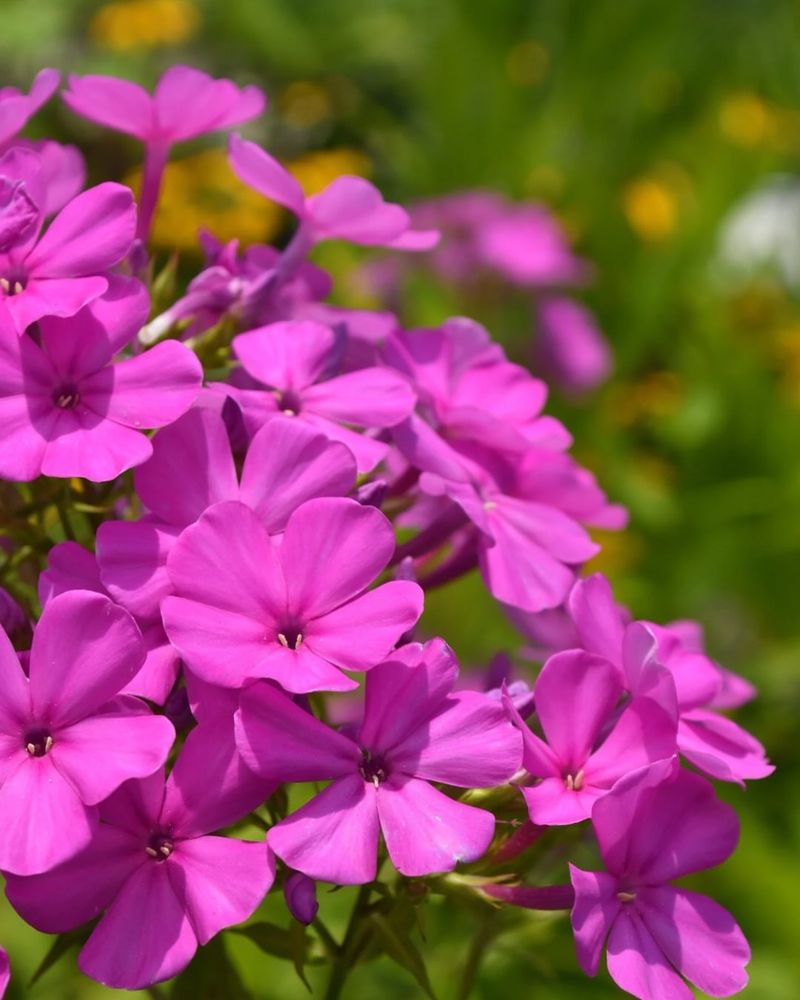
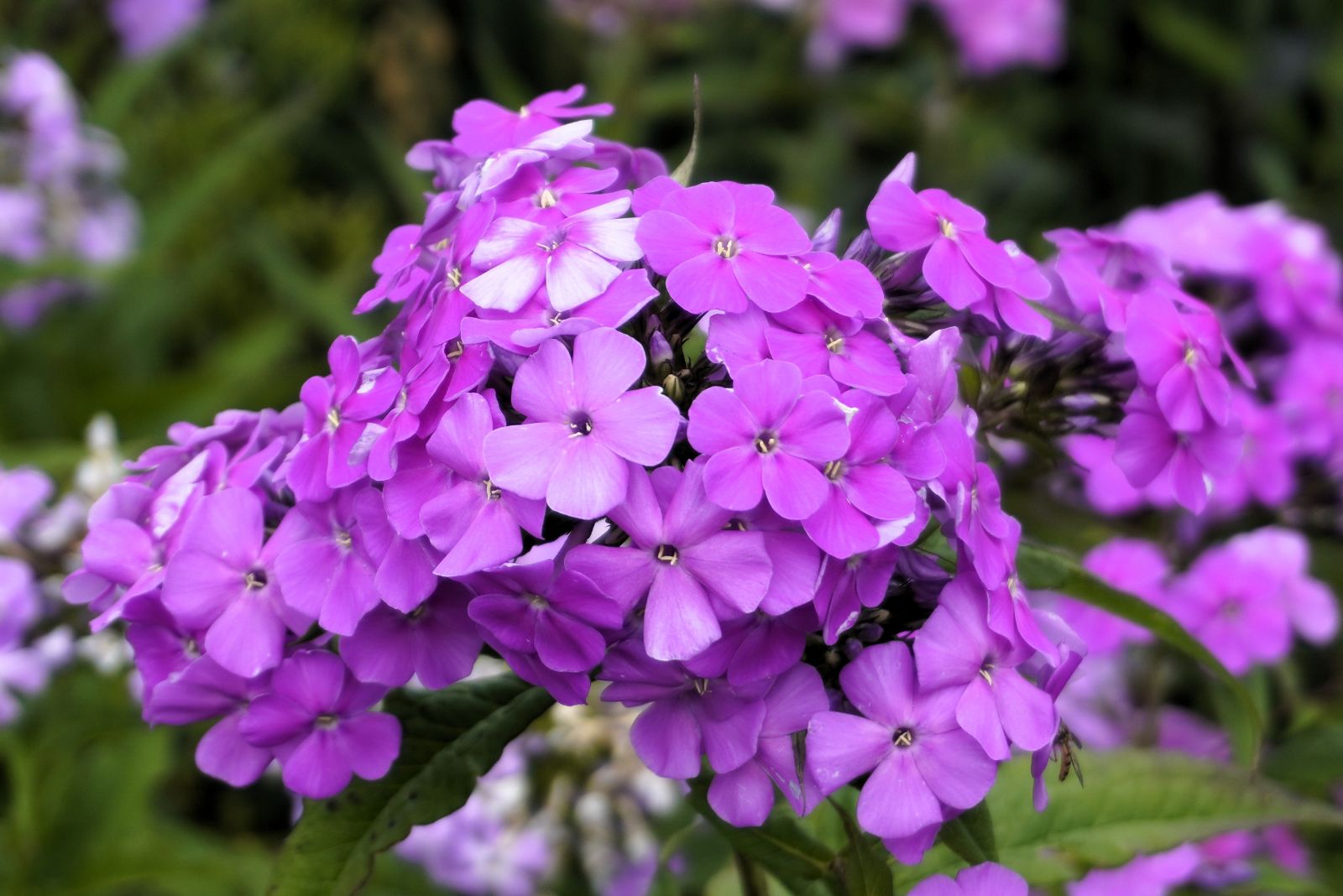
Garden Phlox is the kind of plant that makes neighbors stop and stare. Tall, fragrant clusters of flowers in shades of pink, purple, white, and red rise up on sturdy stems and fill the summer air with a sweet scent that is hard to describe but impossible to forget.
If you have ever walked past a Pennsylvania garden in July and caught a whiff of something wonderful, it was probably Phlox.
This classic summer bloomer starts flowering in mid-summer and, with the right care, keeps going well into late summer or even early fall. It loves full sun and performs best in fertile, moist, well-drained soil.
Pennsylvania’s summer conditions suit it well, though good watering during dry spells helps keep the blooms coming strong.
Deadheading spent flower clusters encourages the plant to push out new blooms instead of putting energy into seeds.
Cutting the plant back by about a third in late spring can also delay blooming slightly and extend the overall season. These small steps make a big difference in how long your Garden Phlox stays colorful.
Like Bee Balm, Garden Phlox can be prone to powdery mildew in humid conditions. Choosing mildew-resistant varieties like David, a classic white, or Jeana, which handles humidity especially well, makes a big difference.
Space plants with room to breathe to improve airflow. Garden Phlox is a perennial, so once it is planted, it comes back each year with minimal effort. For fragrance, beauty, and staying power, this plant is a Pennsylvania garden classic.
6. Blanket Flower (Gaillardia Spp.)
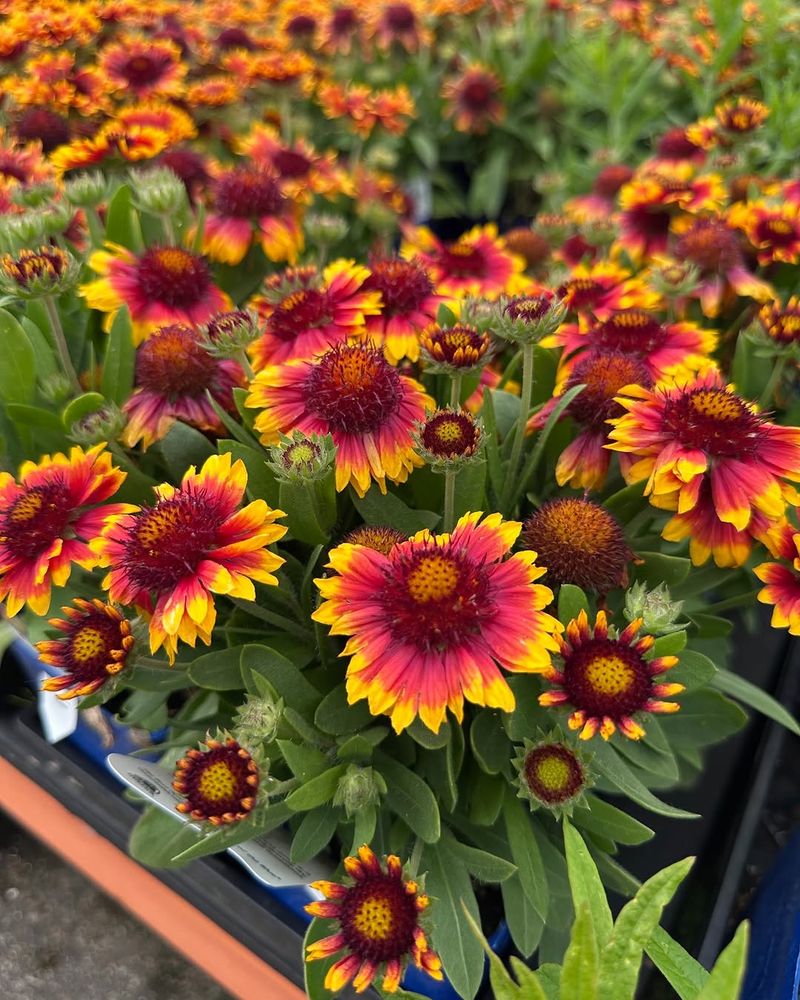
Blanket Flower is basically built for summer. Named after the colorful patterns found on Native American blankets, this plant produces bold, fiery blooms in combinations of red, orange, and yellow that look like little sunsets scattered across your garden.
It is one of those flowers that just radiates warmth and energy from across the yard. What makes Blanket Flower such a standout for Pennsylvania gardeners is its love of heat.
While some plants start to slow down when temperatures climb in July and August, Gaillardia keeps pumping out blooms nonstop.
It thrives in full sun and actually prefers sandy or poor soil with excellent drainage. Overwatering or heavy clay soil can cause root problems, so keep it on the drier side.
Deadheading regularly is the key to keeping Blanket Flower blooming all season long. Snip off spent blooms every week or two, and the plant responds with a fresh flush of color.
It is a simple habit that pays off in a big way. Butterflies and bees love visiting the flowers, so your garden will feel alive and buzzing throughout the summer months.
Blanket Flower is a short-lived perennial, which means it may not come back every year in Pennsylvania. However, it self-seeds freely, so new plants often pop up on their own to replace older ones.
Some gardeners treat it as an annual and simply replant each spring. Either way, the bold color and heat tolerance make it well worth including.
For a plant that thrives when summer turns up the heat, Blanket Flower delivers every time.
7. Zinnias (Zinnia Spp.)
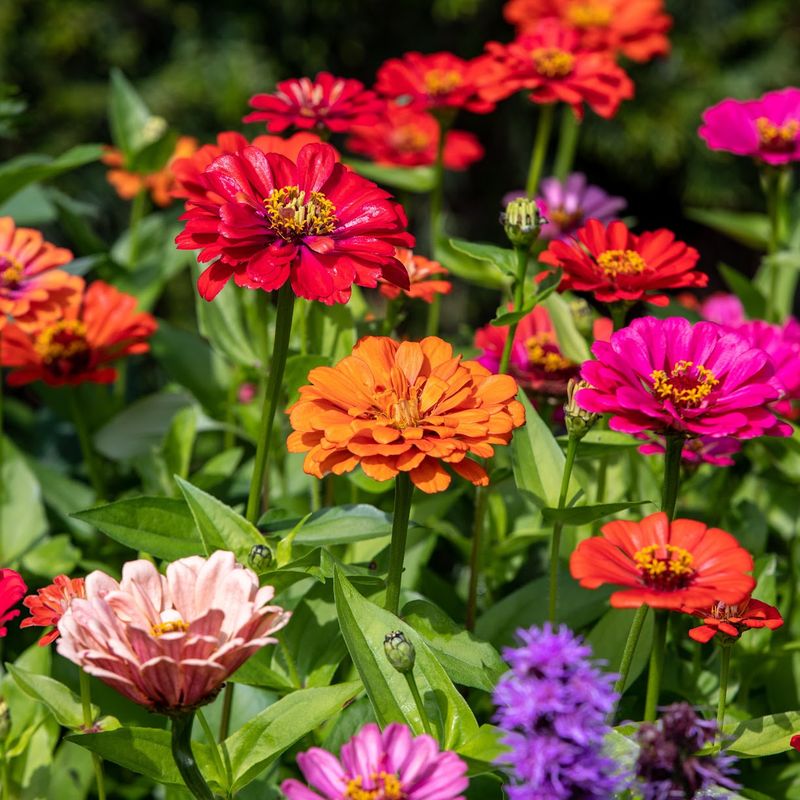
Zinnias are pure summer joy packed into one easy-to-grow plant. Bright, bold, and available in nearly every color of the rainbow, they bring instant life to any Pennsylvania garden from midsummer until the first frost arrives.
Few plants deliver as much color for as little effort, which is exactly why generations of gardeners have loved them.
Growing Zinnias from seed is almost effortless. You can sow seeds directly into the garden after the last frost, usually around mid-May in most parts of Pennsylvania, and they will sprout within a week or two.
They grow fast, bloom quickly, and just keep going all season long without much fuss. Full sun and average, well-drained soil are really all they need to thrive.
One of the best uses for Zinnias is as a cutting flower. Snipping blooms for a vase actually encourages the plant to produce more flowers, so the more you cut, the more you get.
Deadheading spent blooms has the same effect. This makes Zinnias a fantastic choice if you love having fresh flowers inside your home throughout the summer.
Butterflies, especially swallowtails and monarchs, are absolutely drawn to Zinnia blooms. Planting a patch of Zinnias in your Pennsylvania garden is a simple and colorful way to support butterfly populations.
They also work beautifully as a border plant or in containers on a porch or patio. With so many varieties to choose from, including tall types, dwarf forms, and even cactus-flowered styles, there is a Zinnia for every garden space and style.
8. Petunias (Petunia Spp.)
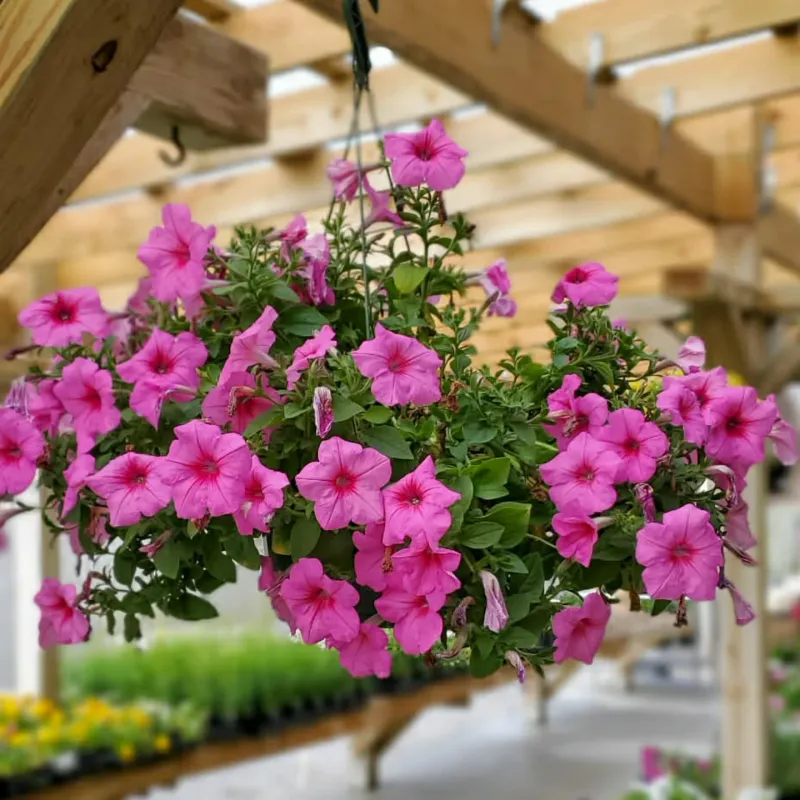
Petunias are a summer staple for good reason. Walk down any Pennsylvania neighborhood street in June, and you will see them spilling out of hanging baskets, tumbling over the edges of containers, and spreading across garden beds in every color imaginable.
They are reliable, cheerful, and almost impossible to mess up, which makes them a favorite for gardeners at every skill level.
These popular annuals bloom continuously from late spring all the way until the first hard frost, which in Pennsylvania usually comes in October. That is an incredibly long run for a flowering plant.
They thrive in full sun and well-drained soil, and they handle the warm, humid Pennsylvania summers without much complaint. Regular watering during dry periods keeps them looking their best.
Deadheading spent blooms is the main task that keeps Petunias flowering non-stop. Some newer varieties, like Wave Petunias, are self-cleaning, meaning they drop old flowers on their own without any help from you.
These spreading types are especially popular for containers and hanging baskets because they fill in quickly and create a lush, overflowing look.
Petunias come in an almost overwhelming range of colors, from pure white to deep burgundy, bright magenta, soft lavender, and even striped or ruffled varieties. Mixing colors in a single container or window box creates a stunning display that lasts all summer long.
Hummingbirds are sometimes attracted to the tubular flowers as well. For Pennsylvania gardeners who want reliable, no-fuss color from spring to fall, Petunias are always a smart pick.
9. Verbena (Verbena Spp.)
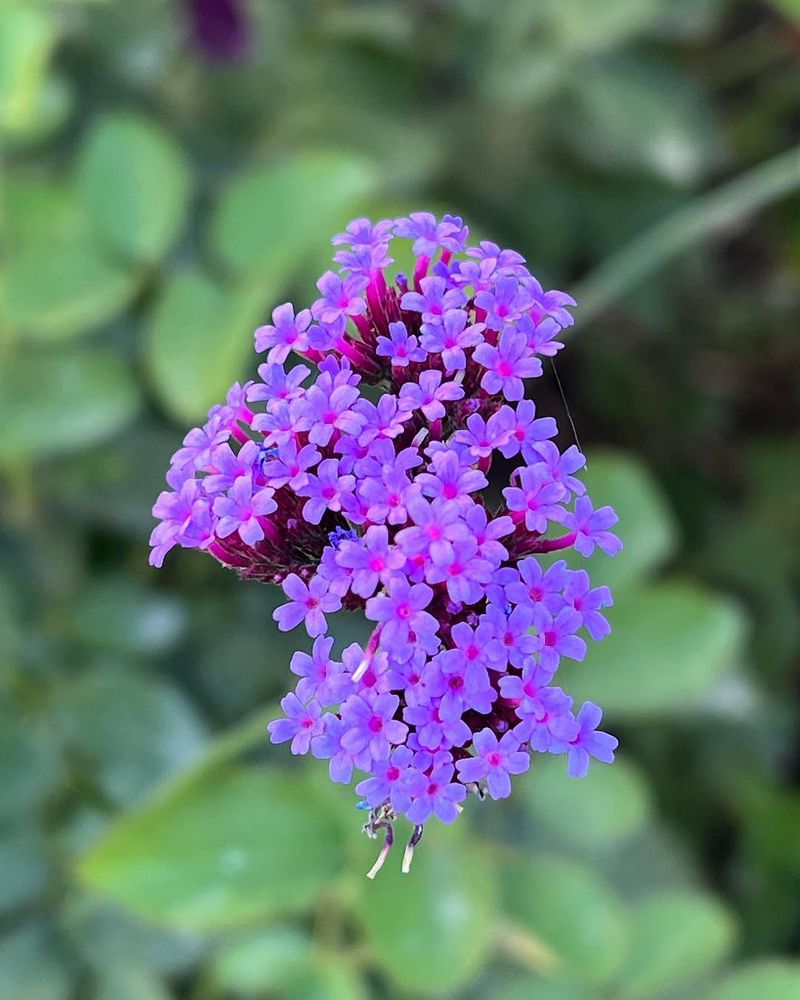
Verbena is one of those quiet overachievers that earns its spot in any Pennsylvania summer garden.
It does not scream for attention like a giant Zinnia or a towering Garden Phlox, but once you notice those clusters of tiny, jewel-toned flowers packed tightly together on spreading stems, it is hard not to fall for it. Purple, red, pink, coral, and white are just some of the colors available.
What really sets Verbena apart is its ability to handle heat and humidity without missing a beat. Pennsylvania summers can get sticky and hot, and many plants start to look tired by August.
Verbena just keeps blooming right through it. It thrives in full sun and well-drained soil, and it is more drought-tolerant than you might expect once it gets established in the ground.
Butterflies absolutely love Verbena. The flat-topped flower clusters are the perfect landing pad for swallowtails, skippers, and painted ladies.
If attracting butterflies to your Pennsylvania yard is something you enjoy, planting a few clumps of Verbena is one of the easiest ways to make it happen. The blooms are also long-lasting when used as cut flowers.
Verbena works beautifully as a ground cover, a trailing plant in containers, or a low-growing border along pathways and garden edges. Trailing varieties like Homestead Purple are especially popular because they spread quickly and fill in bare spots with color.
Light trimming mid-season can refresh the plant and encourage a fresh flush of blooms. For a heat-tough, butterfly-friendly plant that blooms all summer long in Pennsylvania, Verbena is a fantastic choice.