Native North Carolina Groundcovers To Plant In April Before It Gets Hot
April is the perfect time in North Carolina to plant groundcovers that can settle in before summer heat arrives.
As soil warms and spring rain helps keep moisture levels steady, young plants have a better chance to spread and establish strong roots. Choosing native groundcovers makes this timing even more effective.
These plants are already adapted to local conditions, so they often grow with less effort and handle heat, humidity, and changing weather more easily. They can fill in bare spots, reduce weeds, and add a soft, natural look to your landscape.
Some bring small flowers, while others offer rich green coverage that stays attractive through the season. Getting them planted in April gives them a head start before temperatures climb.
If you want a low maintenance way to cover space and improve your yard, these native groundcovers are a smart choice.
1. Green And Gold (Chrysogonum virginianum)
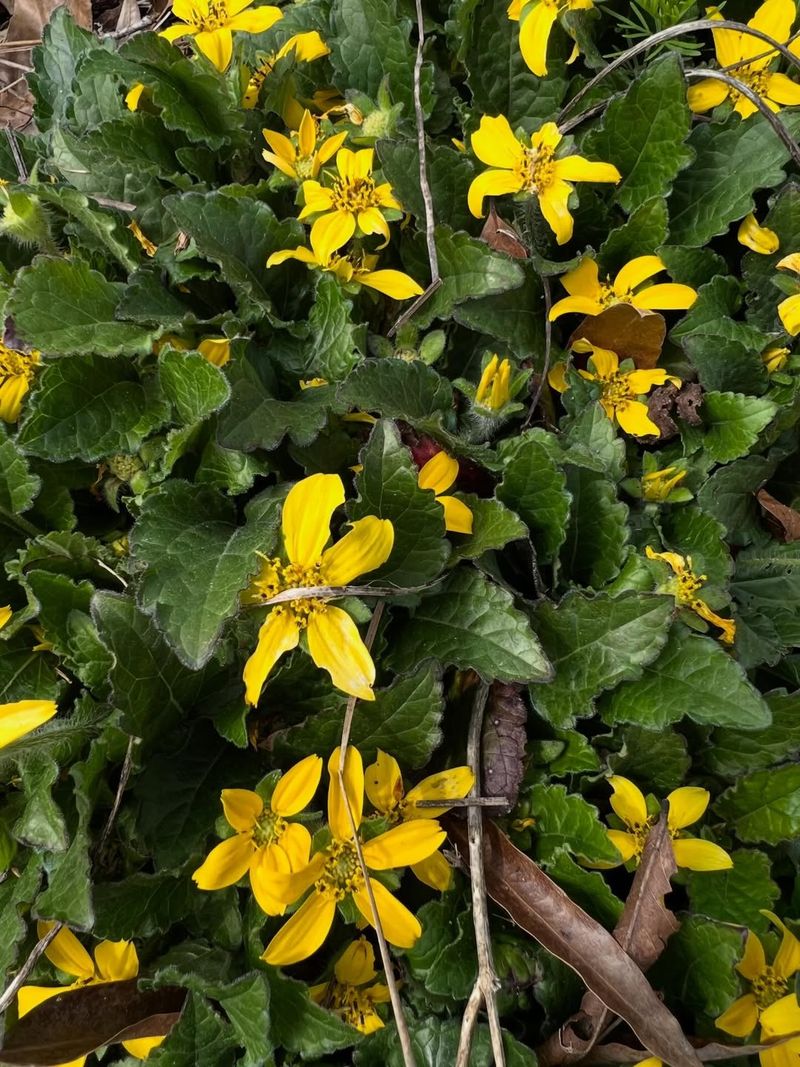
Bright golden-yellow flowers popping up in a shady corner of a North Carolina garden is one of spring’s best surprises, and Green and Gold delivers exactly that.
This native evergreen perennial blooms from late winter through spring, sometimes even pushing out flowers into early summer when conditions stay mild. It forms a low, spreading mat that fills in beautifully under trees or along shaded pathways.
Green and Gold grows best in part shade to full shade and prefers moist, acidic, humus-rich soil, which is easy to find in many North Carolina woodland gardens.
April planting gives the roots time to anchor before summer heat arrives and dries out the topsoil. Once settled in, it handles dry spells much better than it does when newly planted.
One of the best things about this plant is that it stays evergreen through most of North Carolina’s winters, giving your garden some color even in the coldest months. It spreads at a moderate pace, so it fills gaps without taking over nearby plants.
Gardeners across the Piedmont and mountain regions especially love how it brightens up spots where grass simply refuses to grow.
For a reliable, cheerful, low-maintenance groundcover that earns its keep all year long, Green and Gold is a standout choice worth planting this spring.
2. Foamflower (Tiarella cordifolia)
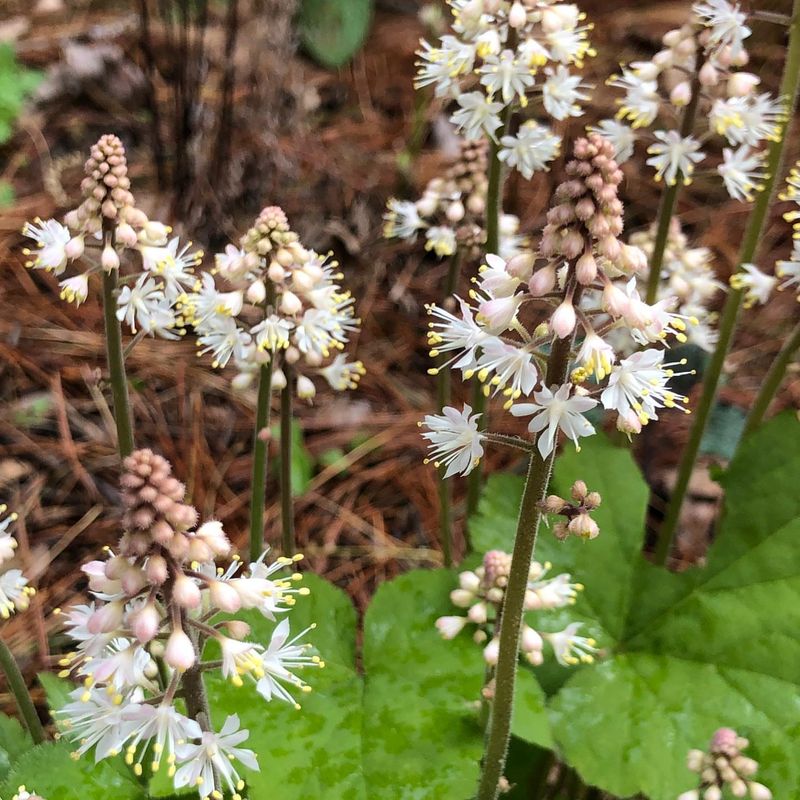
Few plants look as magical in a spring woodland garden as Foamflower, with its frothy white flower spikes rising above a lush carpet of heart-shaped leaves.
Native to the forests and bottomlands of North Carolina, this perennial groundcover is right at home in shady spots with rich, moist soil.
April is the perfect window to get it in the ground while the cool, damp conditions help its roots spread out quickly.
Foamflower spreads by runners, slowly forming a dense mat that does a wonderful job smothering weeds without any help from you.
It thrives in full to part shade and appreciates soil that stays consistently moist, especially during its first growing season.
Adding compost or leaf mulch at planting time gives it a strong start and mimics the forest floor conditions it naturally loves.
Your North Carolina Garden Changes Every Week. Your Plan Should Too.
Gardening in North Carolina changes quickly throughout the season. Every Friday you’ll receive a simple weekly plan showing exactly what to plant, prune, fertilize, harvest, and protect so you never miss the right timing.
Beyond its spring flowers, the foliage stays attractive all season and often develops reddish or bronze tones in fall, adding unexpected color to shaded beds.
Gardeners in the North Carolina mountains and Piedmont have long relied on Foamflower to fill in tricky shady spots where little else grows well. It pairs beautifully with ferns, wild ginger, and other native woodland plants.
If you want a groundcover that looks effortlessly natural and rewards you season after season, Foamflower belongs in your April planting plan.
3. Creeping Phlox (Phlox stolonifera)
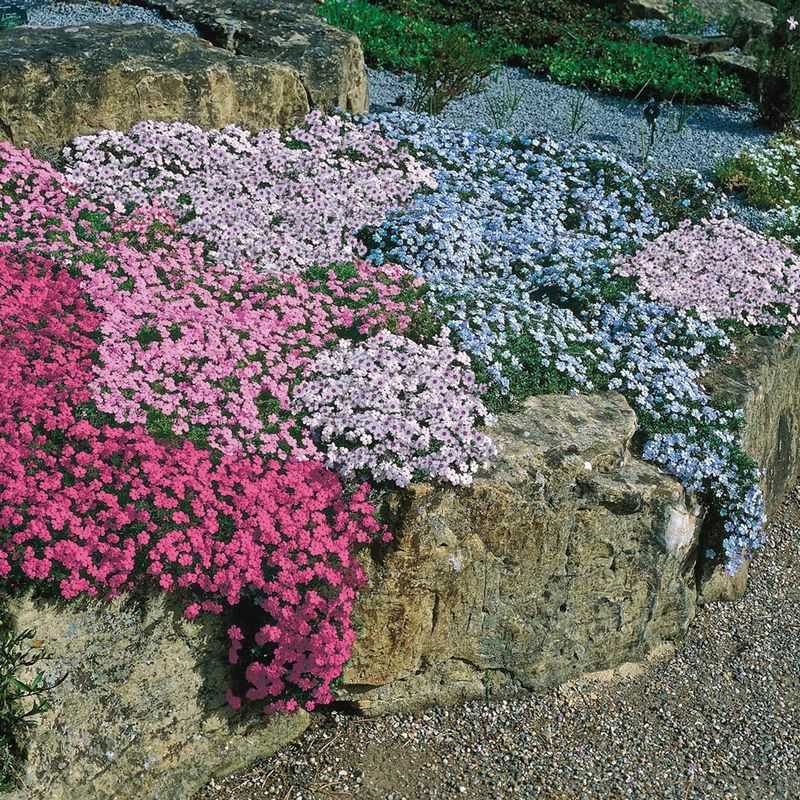
Imagine a carpet of soft lavender-blue flowers spilling across a shaded slope in April, looking like something straight out of a nature magazine.
Creeping Phlox makes that happen, and it does so reliably year after year in North Carolina gardens.
Unlike the more common moss phlox, this species prefers shaded to partly shaded spots and moist, slightly acidic, well-drained soil.
Phlox stolonifera spreads by stolons, which are horizontal stems that root at the nodes as they creep along the ground.
This gives it a natural, flowing look that fills in empty spaces beautifully without becoming aggressive.
April planting lets the stolons start rooting before summer heat makes the soil dry and hard, giving the plant its best chance to establish a strong network of roots.
Creeping Phlox works especially well on slopes and hillsides where erosion can be a problem, since its spreading stems hold the soil together as they grow.
It also looks stunning at the edge of woodland garden paths, where the flowers spill over borders in the most charming way.
North Carolina gardeners in the Piedmont and mountain regions will find it adapts well to local conditions with minimal fuss.
Pair it with native ferns or wild ginger for a layered woodland look that feels completely at home in the natural landscape surrounding your yard.
4. Moss Phlox (Phlox subulata)
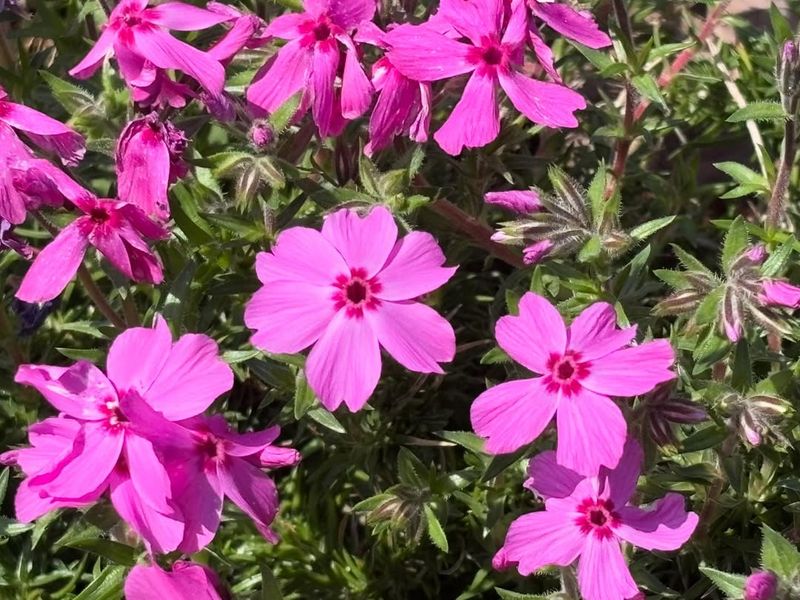
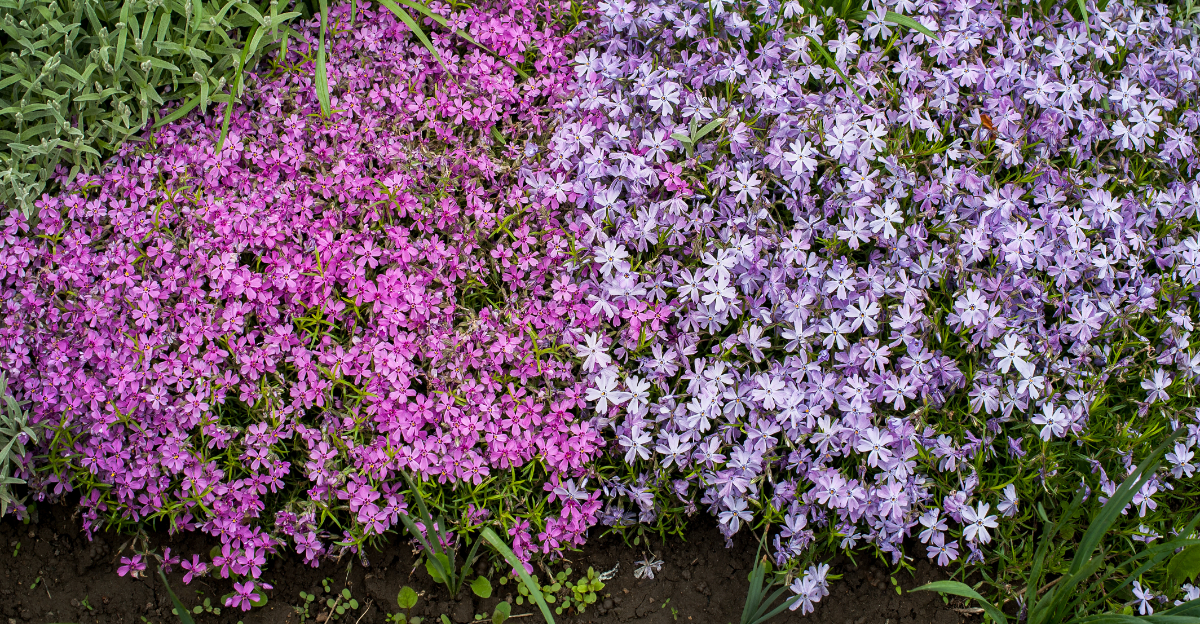
Drive through the North Carolina mountains in April and you might spot entire rocky hillsides blazing with pink and lavender color, all thanks to Moss Phlox putting on its annual show.
This tough little groundcover forms a dense, needle-leaved evergreen mat that explodes into bloom every spring, transforming even the most ordinary rock garden into something spectacular.
It is one of the most satisfying plants you can put in the ground this month. Moss Phlox naturally grows in dry, rocky, or sandy sites, which makes it a fantastic choice for areas where other plants struggle.
It prefers full sun and excellent drainage, so raised beds, slopes, and rocky outcroppings suit it perfectly.
April planting gives the roots time to spread through the soil before summer heat arrives, helping it establish the deep root system it needs to handle dry summer conditions.
Once established, this plant is remarkably self-sufficient and asks for very little attention beyond occasional trimming after it blooms to keep the mat tidy and encourage fresh growth.
Across the mountains and Piedmont of North Carolina, it thrives in spots that get baked by the summer sun.
Flower colors range from white and pale pink to deep magenta and lavender, so you can mix varieties for a patchwork effect.
For a groundcover that rewards you with a stunning spring display and then quietly takes care of itself, Moss Phlox is a clear winner.
5. Green-Leaf Wild Ginger (Asarum arifolium)
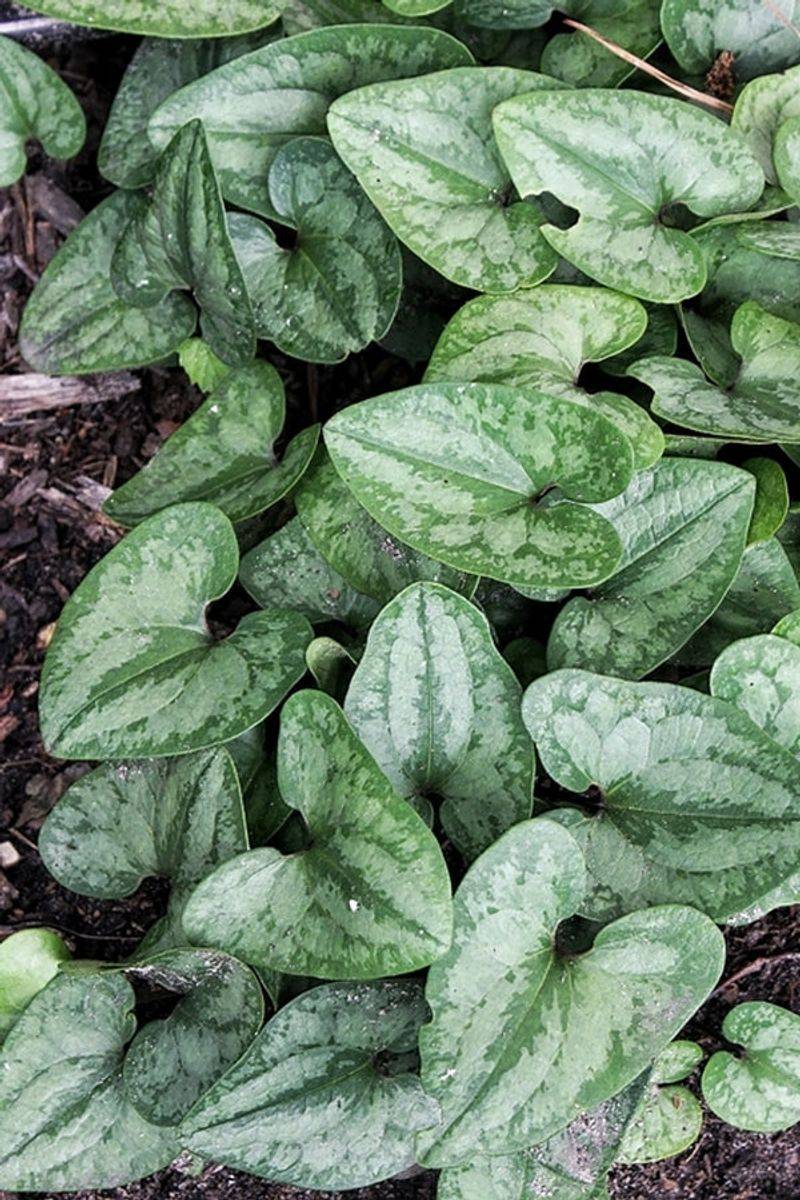
There is something deeply satisfying about a groundcover that looks polished and intentional without requiring much effort at all, and Green-Leaf Wild Ginger fits that description perfectly.
Native to the forests of the southeastern United States, including much of North Carolina, this evergreen perennial produces glossy, arrowhead-shaped leaves with subtle silver mottling that catches the light beautifully in shaded garden spaces.
Unlike its cousin Asarum canadense, which goes dormant in winter, Asarum arifolium holds its attractive leaves year-round, making it a four-season groundcover for shade gardens.
It grows best in full to part shade with moist, well-drained, humus-rich soil, and April planting lets it get established while the soil is still cool and full of moisture from spring rains.
Amending the planting area with leaf compost helps recreate the woodland floor conditions this plant loves most.
Wild Ginger spreads slowly by rhizomes, so it works best in smaller areas or as an accent beneath large trees where foot traffic is low.
It pairs wonderfully with ferns, Foamflower, and Trillium for a layered native woodland planting that looks completely natural.
Across the Piedmont and mountain regions of North Carolina, it fills shady spots with lush, weed-suppressing foliage that stays handsome through summer heat and winter cold alike.
For a sophisticated, low-maintenance shade groundcover, this native gem is one of the most underused options available to home gardeners.
6. Golden Ragwort (Packera aurea)
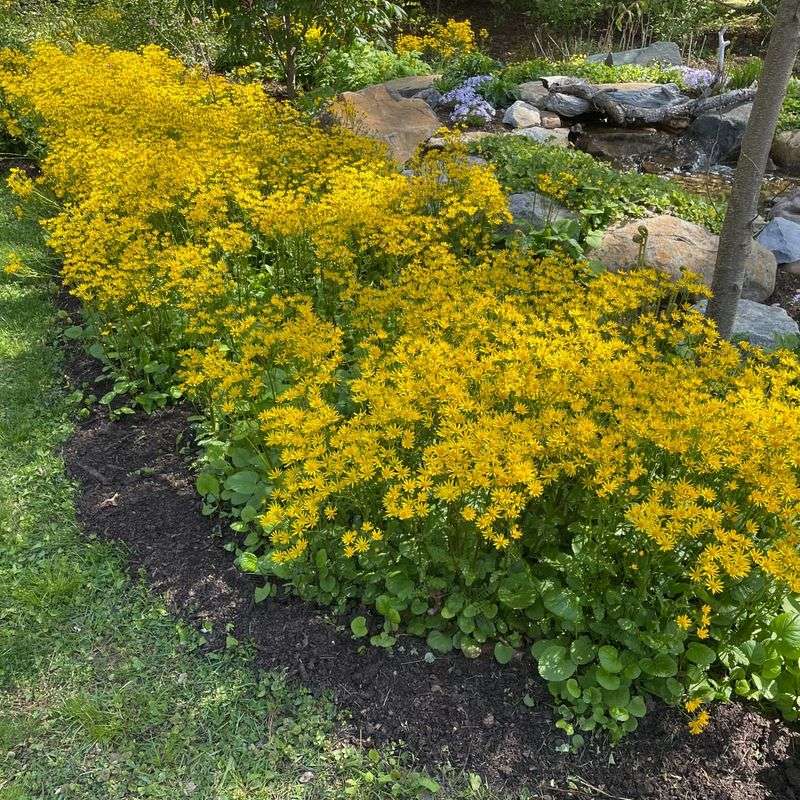
Bold, cheerful, and wildly useful, Golden Ragwort is one of the most underappreciated native groundcovers you can plant in North Carolina this April.
It produces bright yellow daisy-like flowers on tall stems above a rosette of heart-shaped basal leaves, and it blooms early enough to feed pollinators before many other plants even wake up.
Bees and butterflies absolutely love it, making it a powerhouse for supporting local wildlife.
Golden Ragwort thrives in moist, part-shade to full-shade settings, which makes it ideal for rain gardens, streamside plantings, and woodland edges across the Piedmont and mountains of North Carolina.
It spreads steadily by runners, forming a dense, weed-suppressing mat over time that requires almost no maintenance once established.
April is the right time to plant it because the cool, moist spring soil lets roots spread before summer warmth sets in.
One of its most impressive traits is its ability to handle wet, poorly drained spots where other plants simply give up. Few native groundcovers offer that kind of flexibility.
After the spring flowers fade, the foliage remains attractive through summer and fall, keeping the planting area looking tidy.
Did you know that Golden Ragwort was historically used by Native Americans for a variety of purposes? Today, gardeners value it purely for its beauty and ecological benefits.
Plant it in mass for the boldest visual impact and the greatest benefit to local pollinators visiting your North Carolina yard.
7. Mountain Stonecrop (Sedum ternatum)
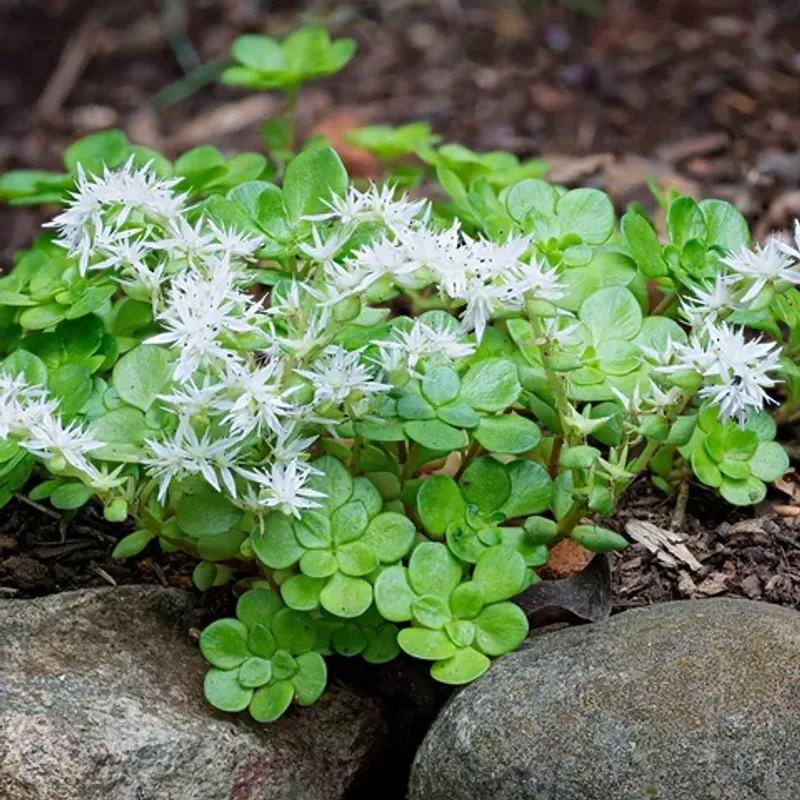
Most sedums get all the attention for sunny, dry spots, but Mountain Stonecrop quietly outperforms them all in the shaded, rocky terrain of North Carolina’s mountains and Piedmont.
This native succulent forms low, spreading mats of rounded, bright green leaves that look almost jewel-like tucked between rocks or along shaded garden paths.
In spring, small clusters of white star-shaped flowers cover the mat in a delicate, airy display.
What makes Sedum ternatum stand out from other groundcovers is its remarkable flexibility.
It handles shade and consistent moisture far better than most sedums, yet once established it also tolerates summer drought and heat without complaint.
April planting takes advantage of the cool, moist spring season to help the plant root in quickly before temperatures climb and soil moisture drops.
Mountain Stonecrop works beautifully in rock gardens, along shaded slopes, and at the base of stone walls where it can spill over edges in a natural, relaxed way.
It also pairs well with ferns and moss for a textured, layered woodland planting that looks completely at home in a North Carolina landscape.
The plant spreads at a manageable pace, filling in gaps without overwhelming neighboring plants. Maintenance is minimal once it gets going, needing little more than occasional tidying.
For a native groundcover that thrives in challenging shaded spots while still delivering spring flowers, Mountain Stonecrop is one of the most rewarding choices you can make this April.
8. Creeping Blueberry (Vaccinium crassifolium)
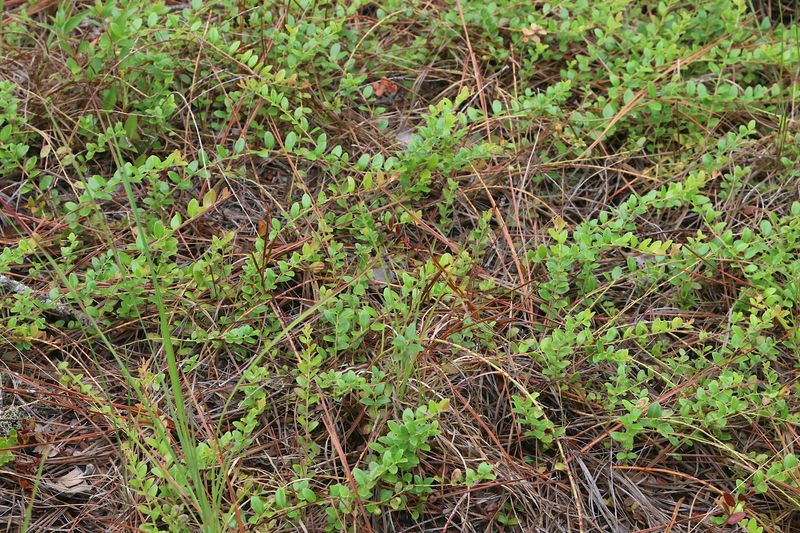
Not many groundcovers offer four full seasons of interest, but Creeping Blueberry pulls it off with style.
In spring, tiny pink bell-shaped flowers dangle from the stems like little ornaments. Summer brings small edible berries that birds go absolutely wild for.
Fall sees the foliage shift to rich bronze and red tones, and winter reveals a neat, dense evergreen mat that keeps the garden looking tidy even in the coldest months.
Native to the coastal plain and sandhills of North Carolina, Vaccinium crassifolium is perfectly adapted to the acidic, well-drained, sandy to loam soils found across much of the state.
It thrives in full sun to light shade and grows best in spots where the soil pH stays on the acidic side, which is common in many North Carolina gardens.
Planting in April gives the roots time to establish before summer heat arrives, setting the plant up for a strong first growing season.
Creeping Blueberry spreads to form a dense, weed-suppressing mat that stays low to the ground, making it ideal for slopes, open woodland edges, and sunny borders.
It also supports a wide range of pollinators, from native bees to butterflies, during its spring bloom period.
If you are looking for a native groundcover that works as hard as it looks good, this one belongs at the top of your April planting list for North Carolina gardens.
9. Partridgeberry (Mitchella repens)
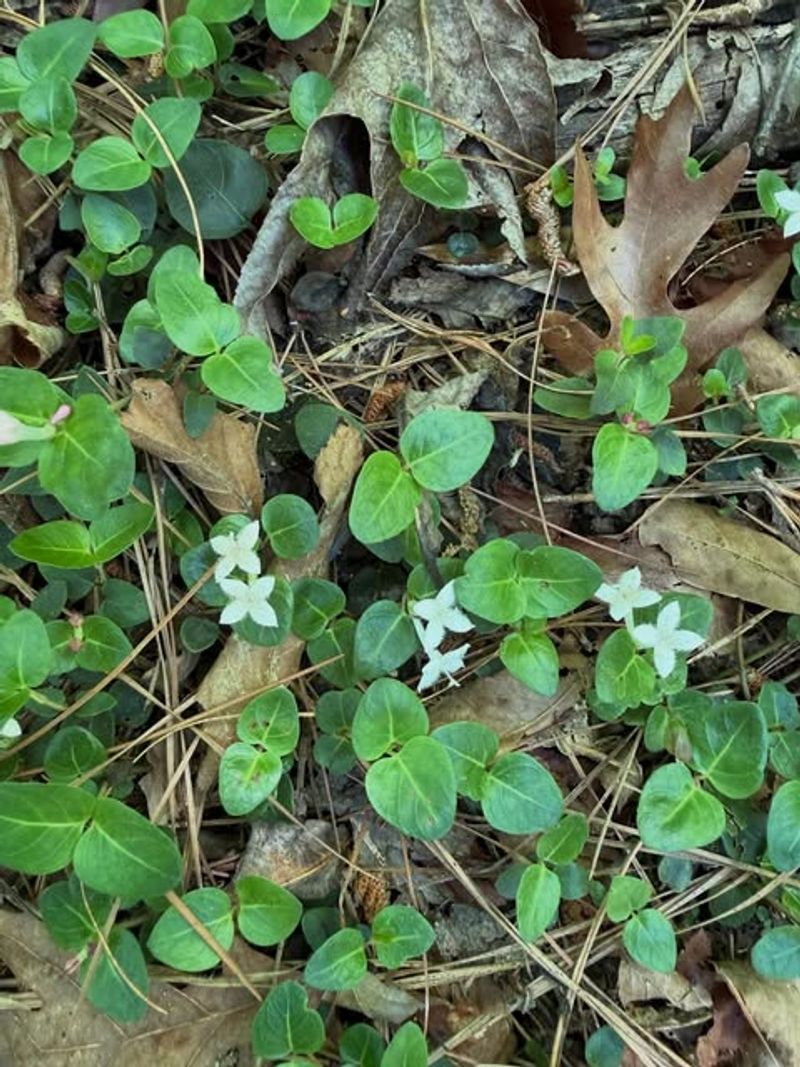
Tucked beneath towering oaks and hemlocks across North Carolina’s forests, Partridgeberry quietly does its thing year after year without asking for anything in return.
This charming native evergreen groundcover produces tiny paired white flowers in spring, followed by bright red berries in late summer and fall that birds love to snack on.
The small, glossy leaves stay green all winter, making it one of the most dependable year-round groundcovers for shaded spots.
Partridgeberry grows best in full to part shade with moist, well-drained, acidic soil rich in organic matter, conditions that are easy to find in many North Carolina woodland gardens.
It spreads slowly by trailing stems that root at the nodes, forming a neat, low mat that works beautifully beneath trees where lawn grass gives up.
April planting is ideal because the cool, moist spring conditions help the trailing stems root into the soil before summer dryness sets in.
Because it spreads at a gentle pace, Partridgeberry suits smaller garden areas better than large open spaces that need quick coverage.
It shines as an accent plant beneath native shrubs, along shaded woodland paths, or tucked around the base of mature trees.
Pairing it with ferns, wild ginger, or Foamflower creates a layered woodland tapestry that feels authentically North Carolinian.
For a groundcover with real four-season personality and genuine wildlife value, Partridgeberry is a spring planting choice you will never regret making.