Simple One Pot Plant Pairings Michigan Gardeners Can Grow Together
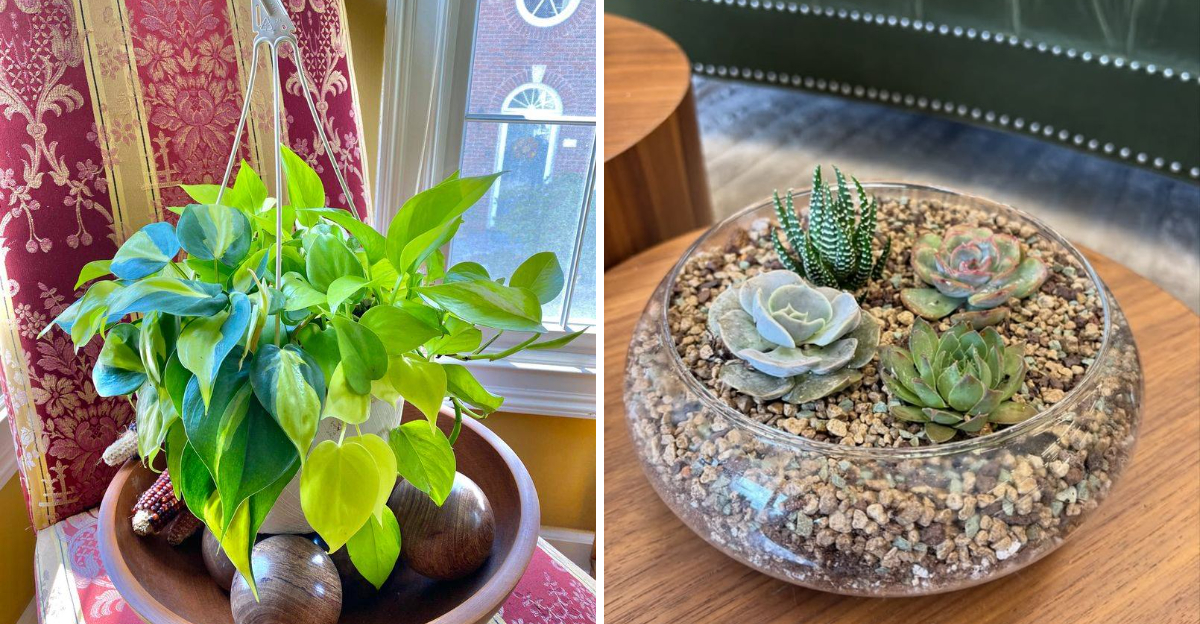
Did you know that most houseplants actually grow better when they have a roommate?
Michigan homes face unique indoor challenges, from the bone-dry air of a running furnace to the limited natural light that filters through our windows.
Many local plant lovers want a lush look but struggle to find species that can share a pot without one crowding out the other.
Combining plants with matching needs for light and moisture in a single container saves space and simplifies your daily routine.
These pairings create full, vibrant displays that make any room feel more alive. Whether you have a sunny window or a dim corner, smart plant combinations thrive together in Michigan homes year-round.
1. Pothos And Philodendron For Bright Indirect Light
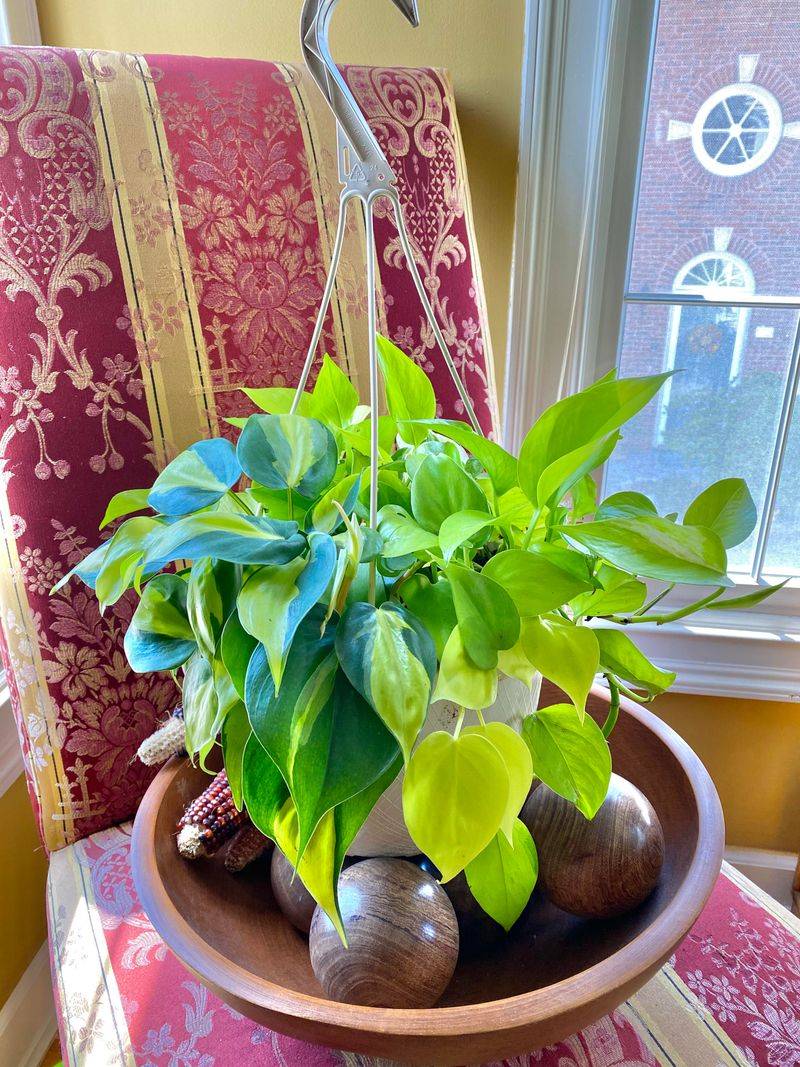
Few houseplant combinations feel as lush and rewarding as pothos and heartleaf philodendron growing side by side in a shared container.
Both plants have a naturally trailing growth habit, which means they spill beautifully over the edges of a pot or hanging basket, creating a full, layered look that is hard to achieve with a single plant alone.
Michigan homeowners who position this pairing near a bright, east-facing window during winter tend to see steady, satisfying growth even during the darker months.
Pothos and philodendron share nearly identical care needs, which is why they work so well together. Both prefer bright indirect light, consistent moisture without soggy roots, and average indoor humidity levels.
In Michigan, where indoor heating can pull moisture out of the air quickly, misting the leaves occasionally or placing a small humidifier nearby can help both plants maintain healthy foliage through the heating season.
One thing worth watching is how quickly both plants can grow in warmer months. During Michigan summers, this pairing may need trimming every few weeks to keep the vines from tangling into each other.
Using a pot with drainage holes and a quality indoor potting mix prevents waterlogging, which is the most common issue with these two together.
Fertilizing lightly once a month from spring through early fall supports steady leaf production without overwhelming the root space they share.
2. Peace Lily And Chinese Evergreen For Low To Medium Light
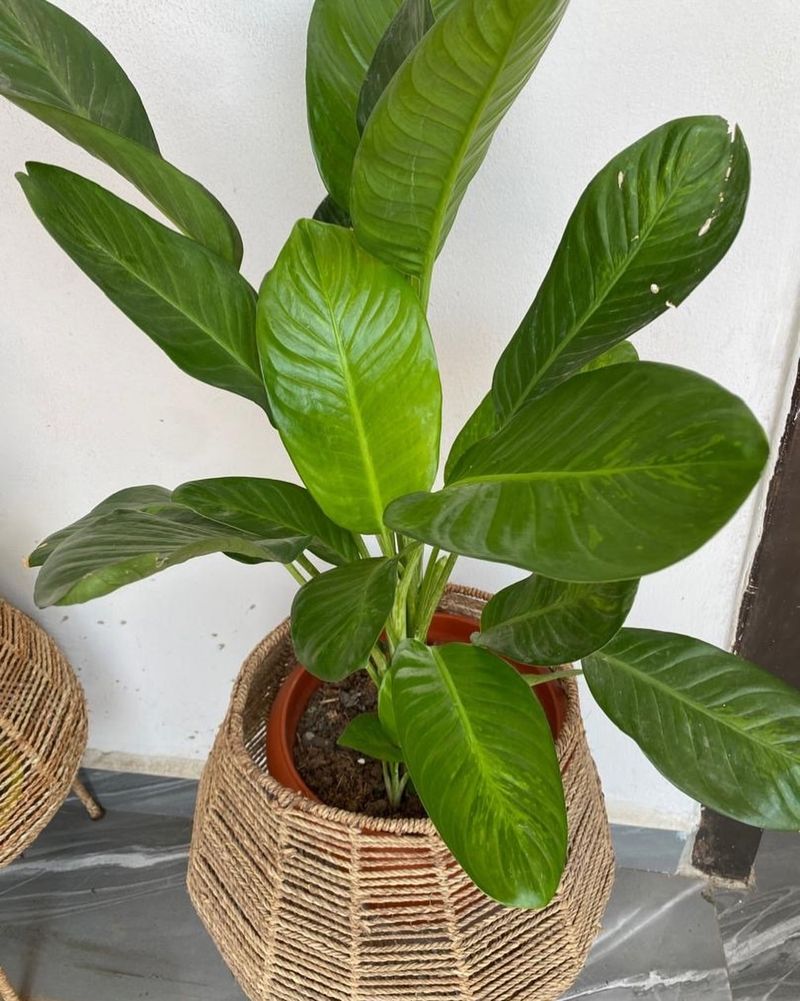
Walk into many Michigan homes and you will find a peace lily quietly thriving in a corner that most other plants would struggle in.
Peace lilies are one of the few flowering houseplants that can bloom in lower light conditions, and pairing them with Chinese evergreen creates a container display that looks intentional and polished without demanding much attention.
Chinese evergreens come in a wide range of leaf patterns and colors, from silvery green to deep burgundy, which adds visual contrast alongside the peace lily’s glossy dark foliage.
Both plants prefer consistently moist but not waterlogged soil, moderate indoor humidity, and protection from direct sun, which can scorch their leaves.
In Michigan, placing this combination near a north-facing or shaded east-facing window keeps both plants comfortable throughout the year.
During winter, when furnace heat reduces indoor humidity noticeably, setting the pot on a shallow tray filled with pebbles and water can help maintain some moisture in the air immediately around the plants.
Your Michigan Garden Changes Every Week. Your Plan Should Too.
Gardening in Michigan changes quickly throughout the season. Every Friday you’ll receive a simple weekly plan showing exactly what to plant, prune, fertilize, harvest, and protect so you never miss the right timing.
Growth for both species slows during Michigan winters, so holding back on watering and skipping fertilizer from November through February gives the roots a natural rest period.
Repotting every two years or so into a slightly larger container keeps both plants from becoming too root-bound.
Choosing a pot with reliable drainage is important, as standing water at the root zone is the most common cause of decline for both species in shared containers.
3. Spider Plant And Lemon Button Fern For Humid Indoor Spaces
Bathrooms in Michigan homes often become one of the few spots where indoor humidity naturally builds up during the colder months.
Warm showers and baths release moisture into the air, creating a softer environment that humidity-loving houseplants tend to enjoy more than the dry air found in heated living rooms.
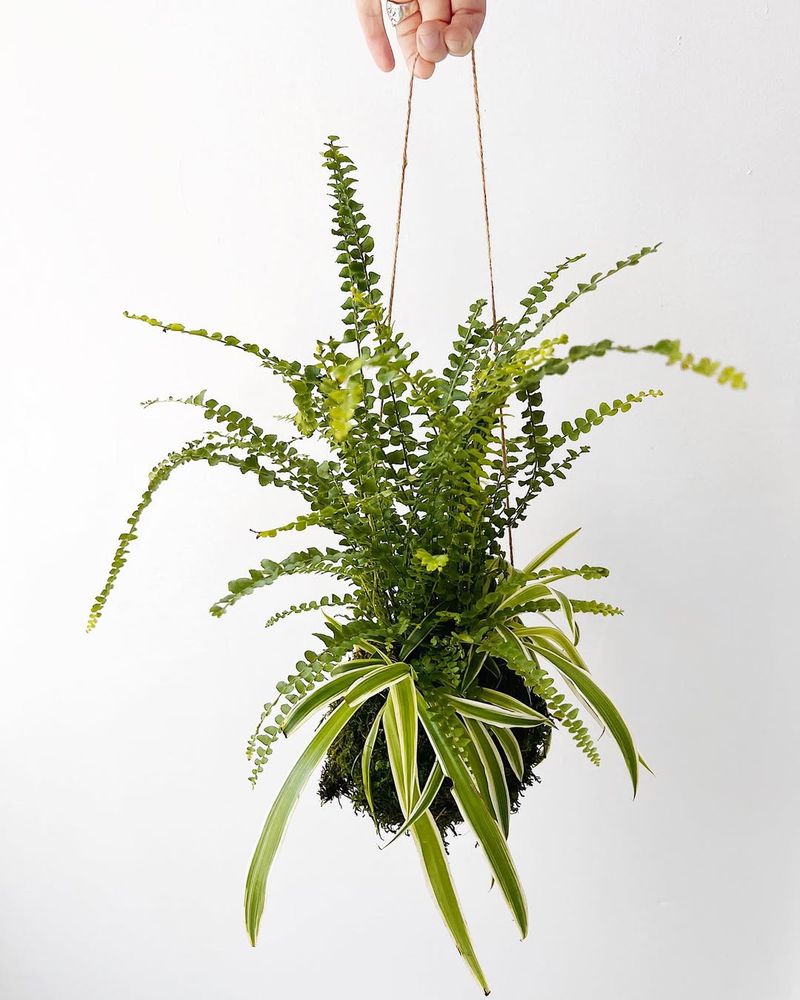
Spider plants and lemon button ferns can work well together in these conditions when placed near a bathroom window or on a hanging shelf where light stays bright but indirect.
Spider plants are known for their adaptability and can adjust to a range of indoor light levels, while lemon button ferns prefer similar lighting but rely more heavily on steady moisture in both soil and air.
When grouped in the same container, they create a layered look, with the spider plant’s arching leaves contrasting nicely against the small, rounded fronds of the lemon button fern.
In Michigan homes, the biggest challenge for this pairing comes during winter heating season when indoor air dries out quickly.
Keeping humidity steadier can make a noticeable difference, whether through a small humidifier nearby, grouping plants together, or placing the pot in a naturally humid bathroom space.
Watering should stay consistent so the soil remains lightly moist without becoming waterlogged, since both plants prefer even moisture but not soggy conditions.
Bright, indirect light from a bathroom window or nearby filtered light source helps support steady growth throughout the year.
4. Succulents Like Echeveria And Haworthia For Bright Dry Conditions
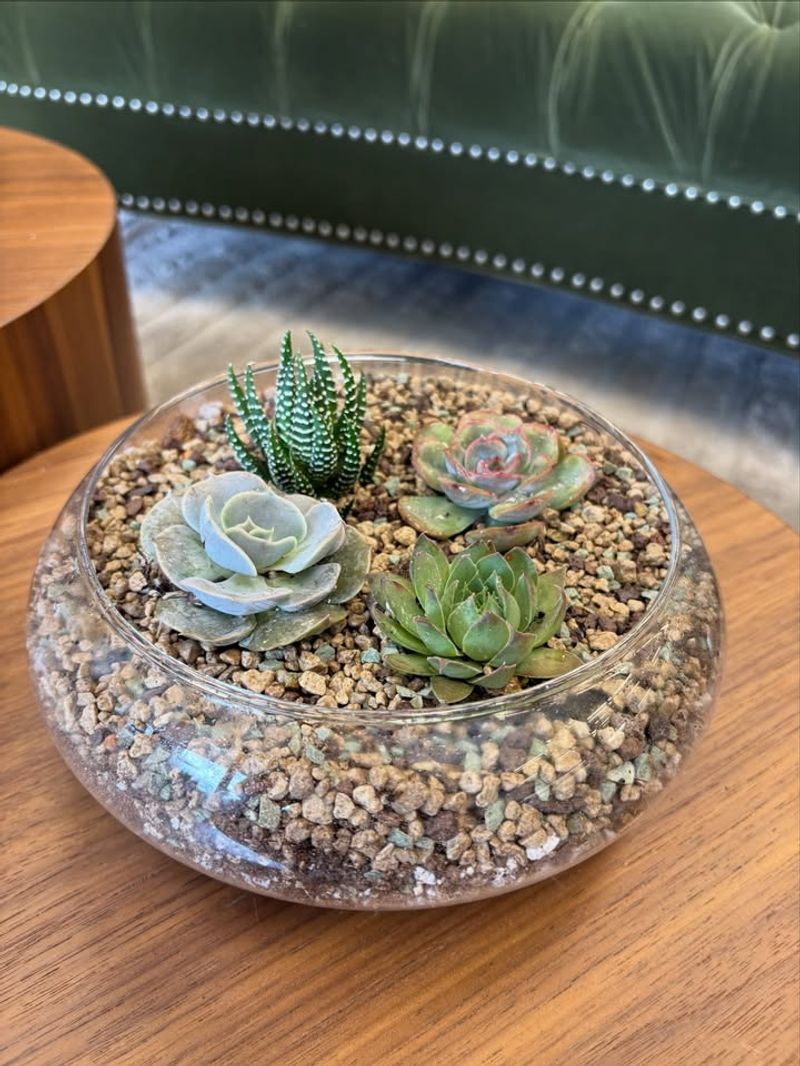
South-facing windows in Michigan homes are valuable real estate for plant lovers, especially during the winter months when sunlight angles lower and every bit of direct light counts.
Echeveria and haworthia are two succulent genera that genuinely enjoy being close to a bright, sunny window, and they share enough care preferences to coexist comfortably in a single shallow container without much fuss.
Echeverias form compact rosettes in shades ranging from pale green to dusty pink and deep purple, while haworthias stay smaller and offer a spiky, architectural look with distinctly striped or textured leaves.
Planted together in a gritty, well-draining succulent mix inside a terracotta pot, they create a low, layered display that suits a windowsill nicely.
Terracotta is particularly useful in Michigan homes because it wicks away excess moisture, which reduces the chance of root issues in a shared container.
Watering deeply but infrequently suits both plants well. During Michigan winters, monthly watering or even less is usually enough, since growth slows significantly and the plants need very little water to stay healthy.
In summer, when light levels improve and temperatures rise, watering every one to two weeks keeps both species looking full and vibrant.
Avoid placing this combination near heating vents, as the sudden blasts of dry, hot air can stress the leaves faster than natural dry conditions would.
A bright, stable window spot is the most reliable location for this pairing year-round.
5. Dracaena And Baby Rubber Plant For Medium Indoor Light
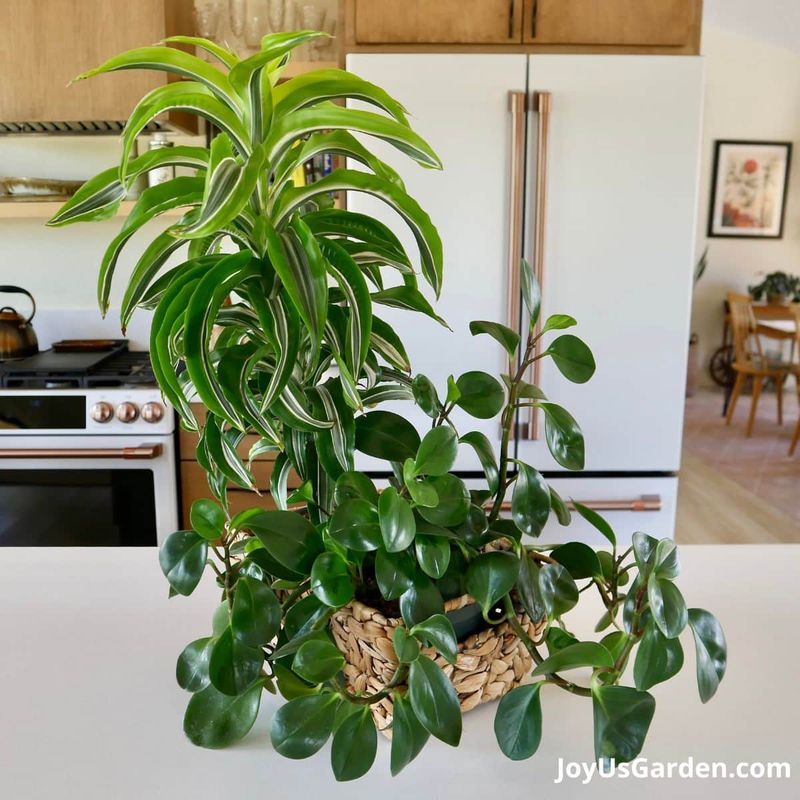
Medium light rooms are common in Michigan homes, especially during the long winter season when cloud cover and short daylight hours reduce natural brightness indoors for weeks at a time.
Dracaena and baby rubber plant are two houseplants that can handle these conditions fairly well, making them a practical pairing for living rooms, offices, or hallways that receive filtered or indirect light during part of the day.
Dracaenas are upright, architectural plants with long, strap-like leaves that may show green, cream, or red tones depending on the variety.
Baby rubber plant offers a more compact, rounded look with thick, glossy leaves that hold moisture well, giving it a slightly more drought-tolerant nature compared to many tropical houseplants.
When grown together in a shared container, the dracaena provides vertical structure while the baby rubber plant fills in lower space with dense, bushy foliage, creating a balanced layered appearance.
In Michigan homes, a key factor to keep in mind is that both plants slow their growth during winter when light levels drop and indoor temperatures near windows may fluctuate.
This is a normal response and not a sign of poor health.
Watering should stay moderate for both, allowing the top layer of soil to dry slightly before adding more moisture, which helps prevent issues in cooler indoor conditions.
Wiping the baby rubber plant’s leaves occasionally helps keep them clean so they can absorb as much available light as possible.
Placing this combination near a bright east- or west-facing window, or using a grow light during darker months, helps maintain steady, healthy growth throughout the year in Michigan homes.
6. Calathea And Prayer Plant For Low Light And Higher Humidity
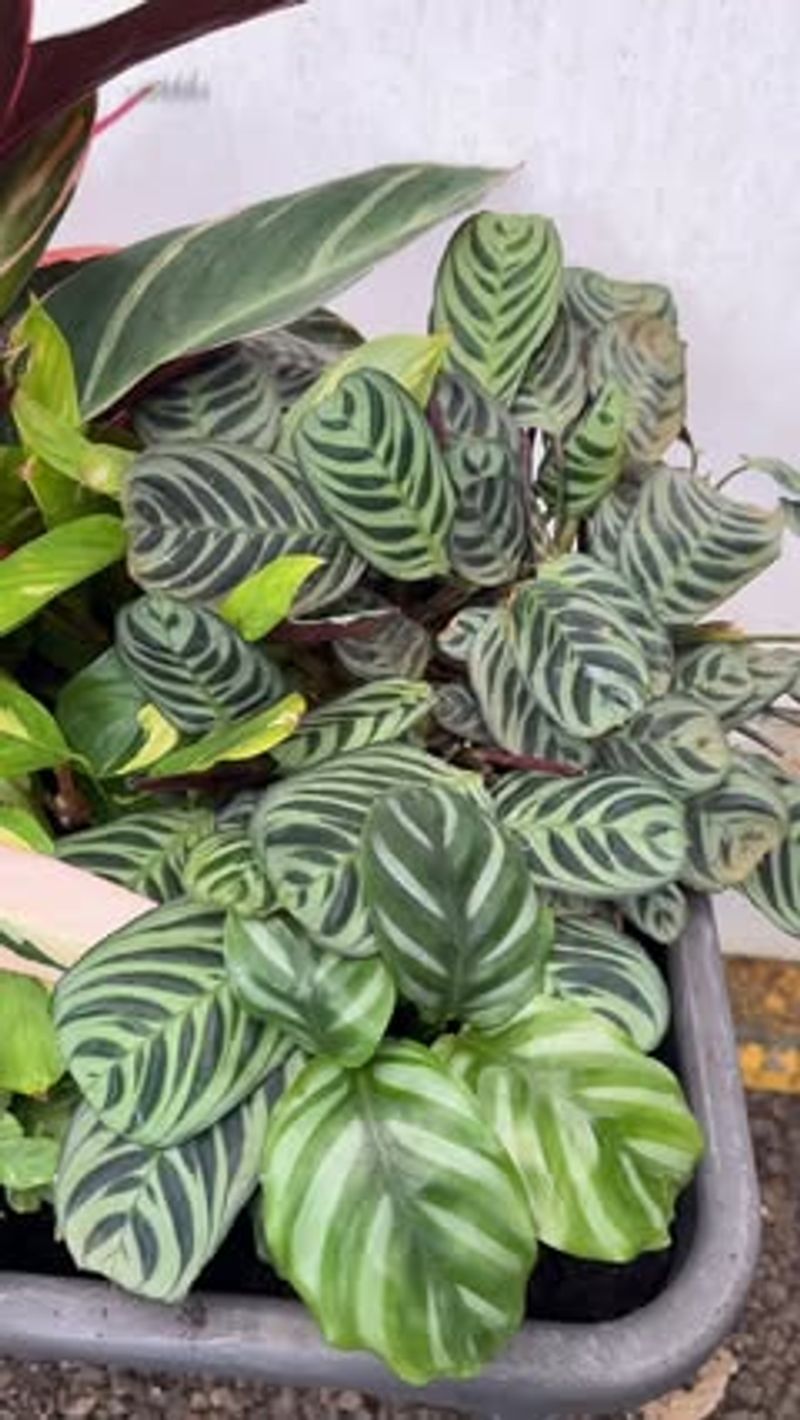
Calatheas and prayer plants are both known for their dramatically patterned leaves, and placing them together in a shared container creates a display that looks genuinely artistic.
Both plants belong to a group sometimes called prayer plants because of their tendency to raise and fold their leaves at night, a movement that can be surprisingly charming to notice in a quiet Michigan home on a winter evening.
What makes this pairing work from a care standpoint is that both species prefer low to medium indirect light, higher humidity than most common houseplants, and consistently moist but not soggy soil.
In Michigan, where furnace heat dries out indoor air from October through April, keeping this combination near a humidifier or in a naturally humid room like a bathroom or kitchen makes a noticeable difference in how the leaves look over time.
Dry air tends to cause leaf edges to turn crispy on both species, which is one of the most common complaints from Michigan plant owners who grow either plant indoors.
Using filtered or room-temperature water rather than cold tap water is a widely recommended practice for both calatheas and prayer plants, as both can be sensitive to minerals and temperature extremes.
Growth slows in winter, and fertilizing lightly from spring through early fall supports new leaf development without stressing the roots.
A pot with good drainage and a peat-free, moisture-retentive mix gives both plants a stable foundation to share comfortably through the seasons.
7. English Ivy And Ferns For Cool Humid Rooms
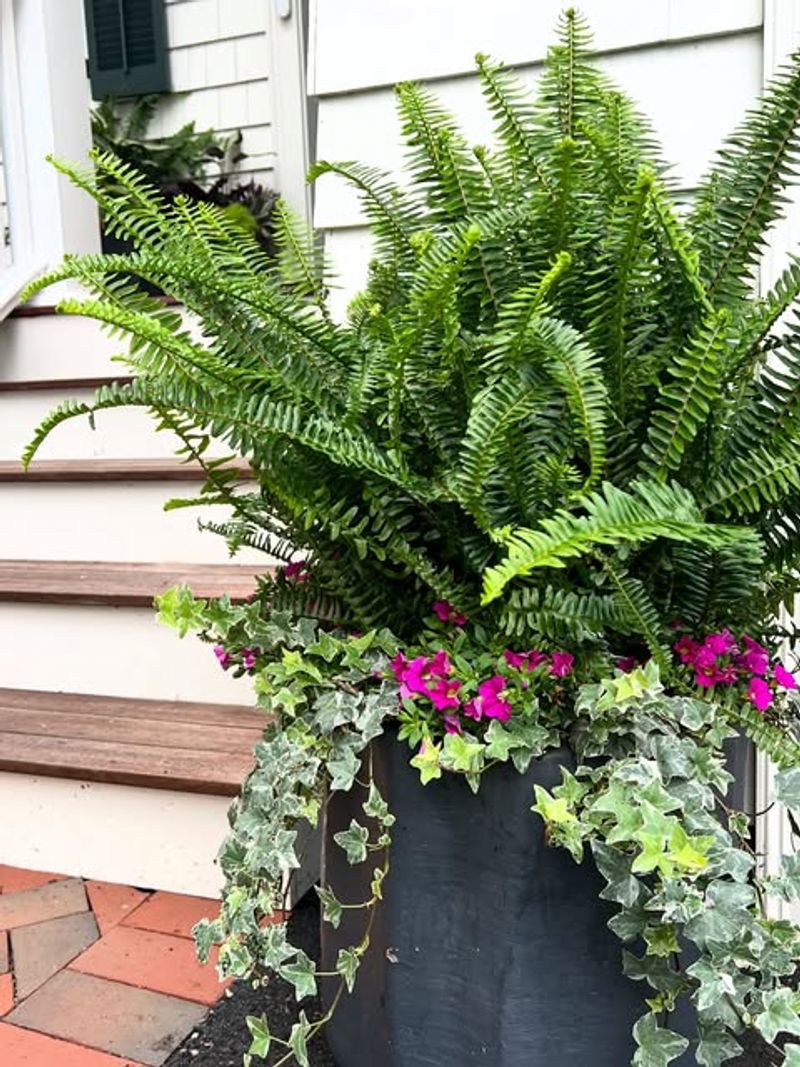
Cool rooms in Michigan homes, like enclosed porches, sunrooms, or north-facing spare bedrooms, can feel like a challenge for plant placement.
Many tropical houseplants struggle when temperatures drop below 60 degrees Fahrenheit, but English ivy and ferns actually appreciate the cooler, more stable conditions that these spaces offer, especially during the shoulder seasons of autumn and spring.
English ivy is a classic trailing plant with lobed leaves that come in green, variegated, or silvery tones depending on the variety.
Paired with soft-textured ferns such as maidenhair or button fern, the combination creates a layered, cottage-style display that suits cooler, slightly dimmer rooms well.
Both plants prefer indirect light, consistent moisture, and higher humidity than the average Michigan living room provides during the heating season, so a cool room with less aggressive heating is actually an advantage for this pairing.
Keeping the soil evenly moist without letting the pot dry out completely suits both plants in this combination.
Ferns in particular can show stress quickly when their soil dries out too much, so checking the top inch of soil every few days and watering when it feels dry is a reliable routine.
English ivy can spread quickly in favorable conditions, so occasional trimming keeps it from overwhelming the ferns in a shared container.
A bright but shaded window in a cool Michigan room, supplemented by a small humidifier nearby, supports both plants through the long indoor growing season.
8. Snake Plant And ZZ Plant For Low Light And Low Water
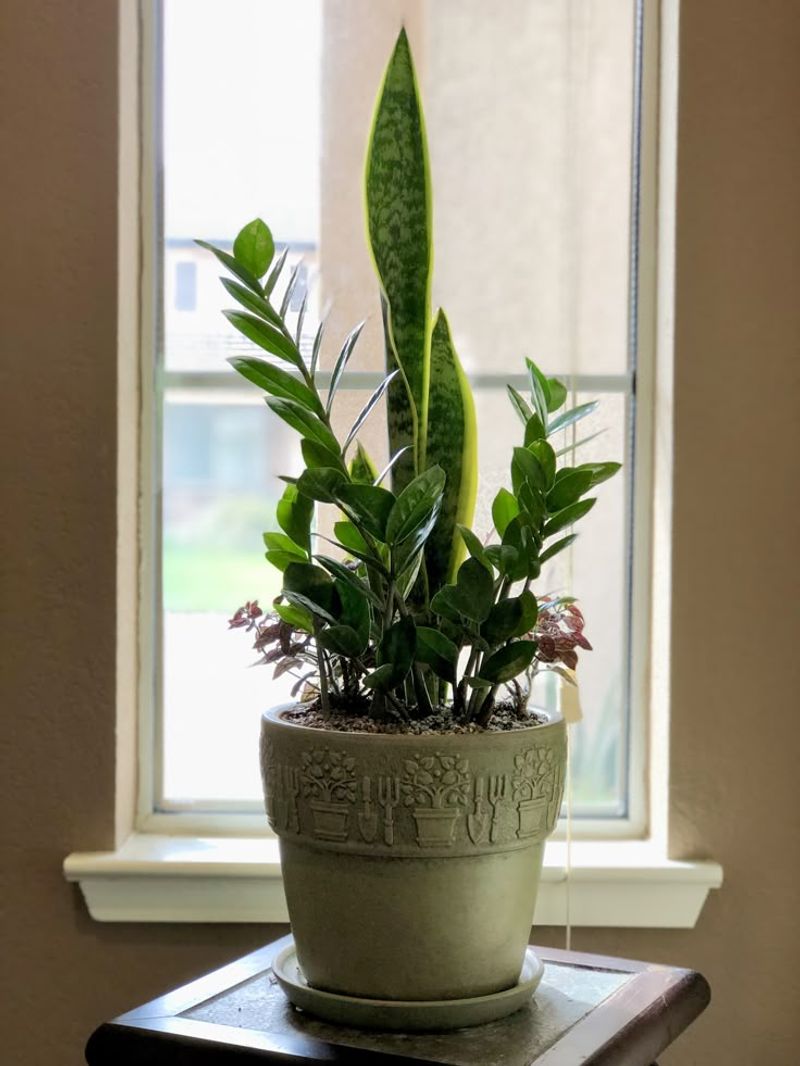
During Michigan winters, some rooms barely get enough natural light to read comfortably, let alone keep most houseplants happy. That is exactly where snake plants and ZZ plants earn their reputation as two of the most forgiving indoor plants available.
Both species store water in their roots and leaf structures, meaning they handle the dry, furnace-heated air that is common in Michigan homes without much complaint.
Planted together in a well-draining pot with a loose, gritty potting mix, these two plants settle in nicely without competing aggressively for resources.
ZZ plants grow from thick underground rhizomes, while snake plants spread through underground runners, so giving them a roomy container helps both establish comfortably over time.
Neither plant needs frequent watering, and overwatering is actually the most common way either one shows signs of stress.
A north-facing or east-facing window works well for this combination throughout the year. In Michigan summers, indirect light from a window with a sheer curtain suits both plants well.
Growth slows considerably during the darker winter months, which is completely normal and not a sign of trouble. Watering every two to three weeks in winter and roughly once a week in summer keeps both plants in good shape.
This low-maintenance pairing is a practical and attractive option for any Michigan home with limited natural light.