6 Arizona Mosquito-Repellent Plants Worth Growing This Season
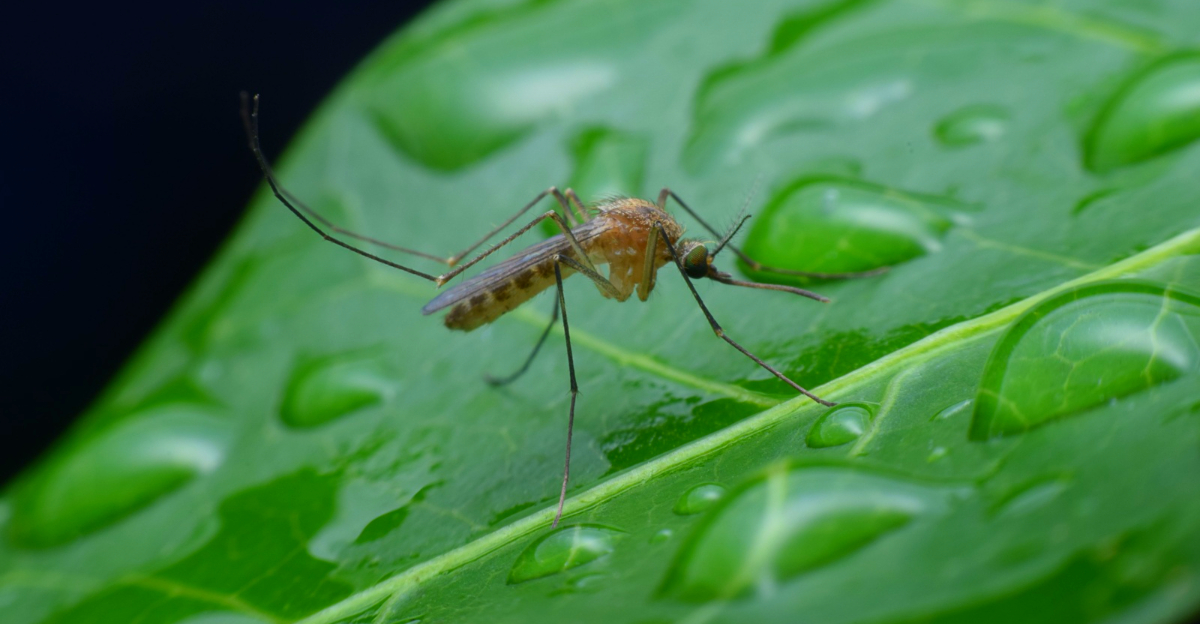
Arizona patios come alive this time of year as we all trade our living rooms for those perfect spring evenings. But as you dust off the outdoor furniture, you probably aren’t the only one looking for a place to land.
Mosquitoes are usually right behind us. Many Arizona gardeners choose aromatic herbs and ornamentals to make their entryways feel inviting while giving pests a reason to stay away.
These plants contain natural oils often found in repellents, though they work best as a team player in your yard rather than a total shield. They add incredible fragrance and color to your landscape.
This makes them a clever and multi-purpose addition to any desert garden.
1. Agastache Adds Color And Herbal Scent
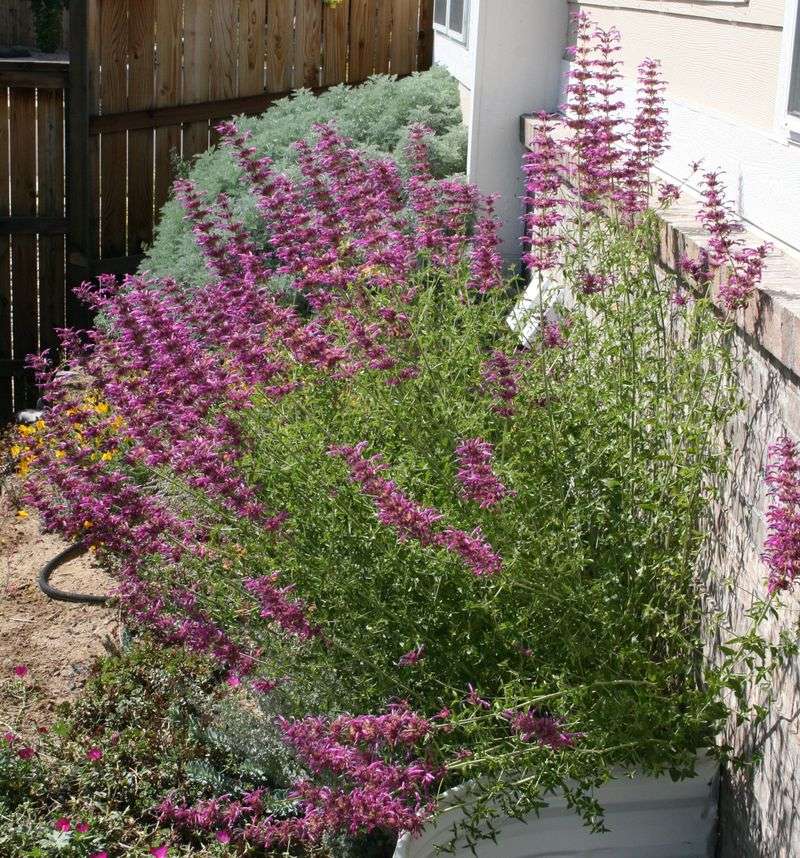
Few plants earn their place in an Arizona garden quite like agastache, a heat-tolerant perennial that blooms in shades of orange, purple, and pink while releasing a strong herbal scent that many gardeners find genuinely pleasant.
Sometimes called hummingbird mint or giant hyssop, it has been specifically identified as a “Mosquito Plant” in Arizona horticultural guidance due to its aromatic oils, which carry compounds associated with mosquito-repellent properties.
That dual appeal makes it a standout for Arizona patios and entry beds where people actually spend time.
Agastache tends to thrive in Arizona’s sunny, low-humidity conditions, especially in the low desert where heat reflects off walls and pavement all day. It handles reflected heat reasonably well and does not need heavy watering once it gets established.
In higher-elevation Arizona gardens, it may behave more like a true perennial and return season after season with minimal fuss.
The fragrance becomes most noticeable when you brush past the leaves or when a warm breeze moves through the plant. Planting agastache near a seating area means you get the scent where it matters most.
Pollinators, including hummingbirds and bees, are drawn to the flowers, so the plant earns attention from beneficial visitors while potentially discouraging less welcome ones.
Growing it in a well-draining bed or a large container both work well in Arizona yards.
Just keep in mind that scent alone will not create a mosquito-free space, but agastache absolutely earns its spot in any Arizona garden this season.
2. Basil Brings Fresh Flavor And Fragrance
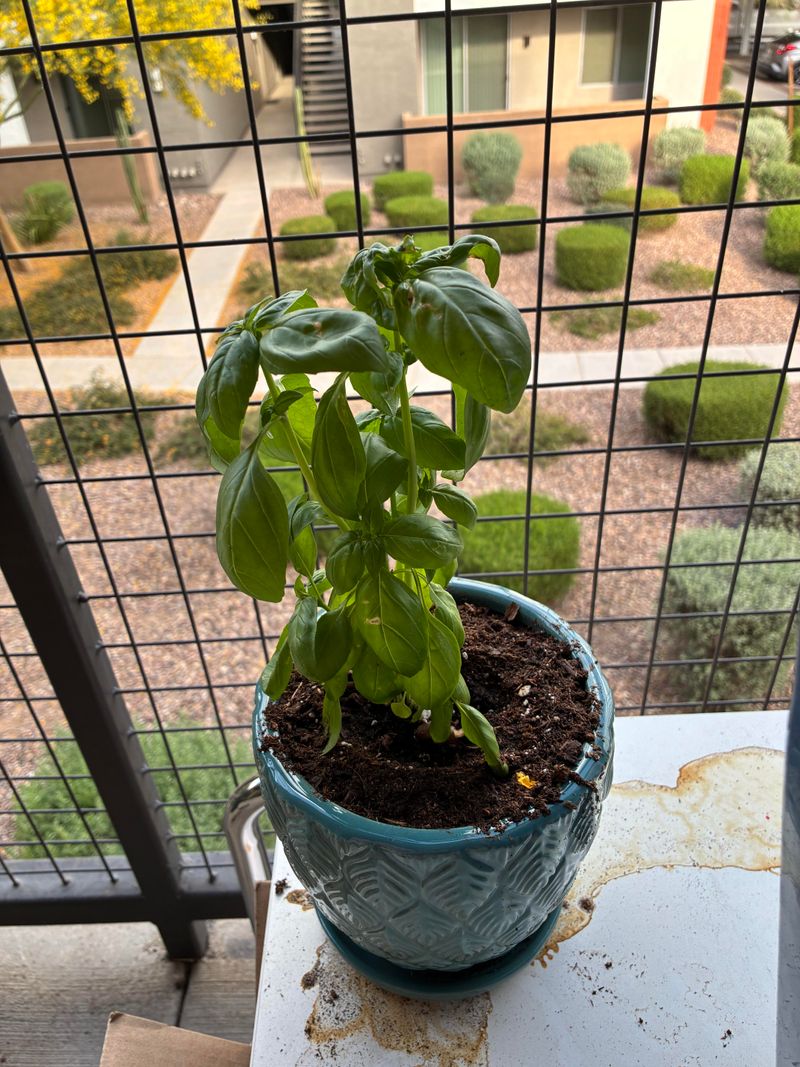
Walk past a pot of basil on a warm Arizona afternoon and the scent hits you immediately – sharp, sweet, and unmistakably herbal.
That strong fragrance comes from volatile oils, including linalool and eugenol, which have been studied for their association with mosquito-repellent activity.
Basil is one of the few plants that pulls double duty as both a kitchen staple and a fragrant addition to outdoor living spaces, which makes it especially practical for Arizona gardeners who want more from every plant they grow.
In Arizona’s low desert, basil grows best as a warm-season annual, thriving in the heat of late spring and early summer before intense midsummer temperatures can stress it.
Afternoon shade can help extend the growing season in the hottest parts of Arizona.
Your Arizona Garden Changes Every Week. Your Plan Should Too.
Gardening in Arizona changes quickly throughout the season. Every Friday you’ll receive a simple weekly plan showing exactly what to plant, prune, fertilize, harvest, and protect so you never miss the right timing.
Containers work particularly well because you can move basil to a shaded spot during the peak of summer heat and keep it close to where you cook or sit outside.
Sweet basil is the most familiar variety, but Thai basil, lemon basil, and cinnamon basil all bring slightly different aromatic profiles and add visual variety to a patio container arrangement.
Regular harvesting encourages bushier growth and keeps the plant producing fragrant leaves through the season.
Pinching off flower buds before they open helps maintain leaf quality and keeps the scent strong.
Basil will not eliminate mosquitoes from an Arizona yard on its own, but having it close at hand means you get fresh herbs for cooking and a fragrant, useful plant near your outdoor gathering spots all season long.
3. Catnip Offers Soft Texture And Minty Aroma
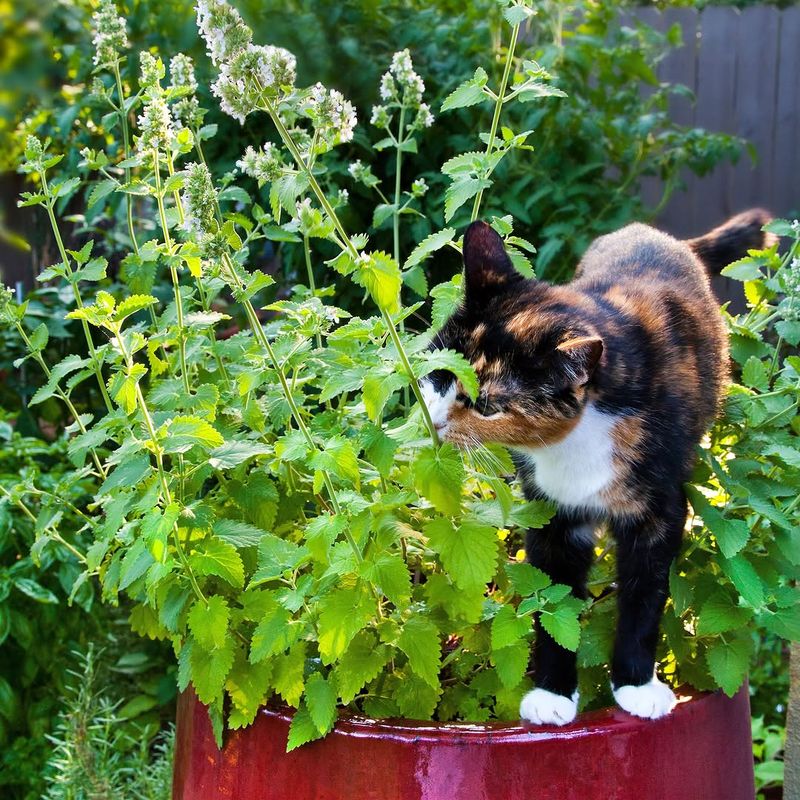
Among the plants linked to mosquito-repellent compounds, catnip stands out for having some of the most studied active chemistry.
The compound nepetalactone, found in catnip’s leaves and stems, has drawn attention in research settings for its association with repelling mosquitoes.
That makes catnip more than just a novelty plant for cat owners – it is a genuinely interesting addition to an Arizona container garden for anyone curious about plant-based approaches to making outdoor spaces a bit less inviting to mosquitoes.
Catnip belongs to the mint family and shares some of that family’s easygoing growth habits.
It tends to do well in containers, which is often the smarter choice in Arizona anyway since containers give you more control over soil moisture and allow you to move the plant if afternoon sun becomes too intense.
In Arizona’s low desert, catnip can struggle with the most punishing midsummer heat, so a spot with morning sun and afternoon shade tends to suit it well. Higher-elevation Arizona gardens may find catnip easier to maintain through the warmer months.
The soft, grayish-green leaves and small white to lavender flowers give catnip a gentle, textured look that pairs nicely with bolder plants in a mixed container arrangement.
Crushing a few leaves releases the minty, slightly earthy scent that makes this plant so distinctive.
One practical note for Arizona households with cats: if feline visitors are a concern, placing catnip in a raised bed or hanging container may help protect the plant.
Even so, catnip earns a spot on any Arizona patio for its aromatic character and its interesting horticultural story.
4. Lemongrass Adds Bold Form And Citrus Scent
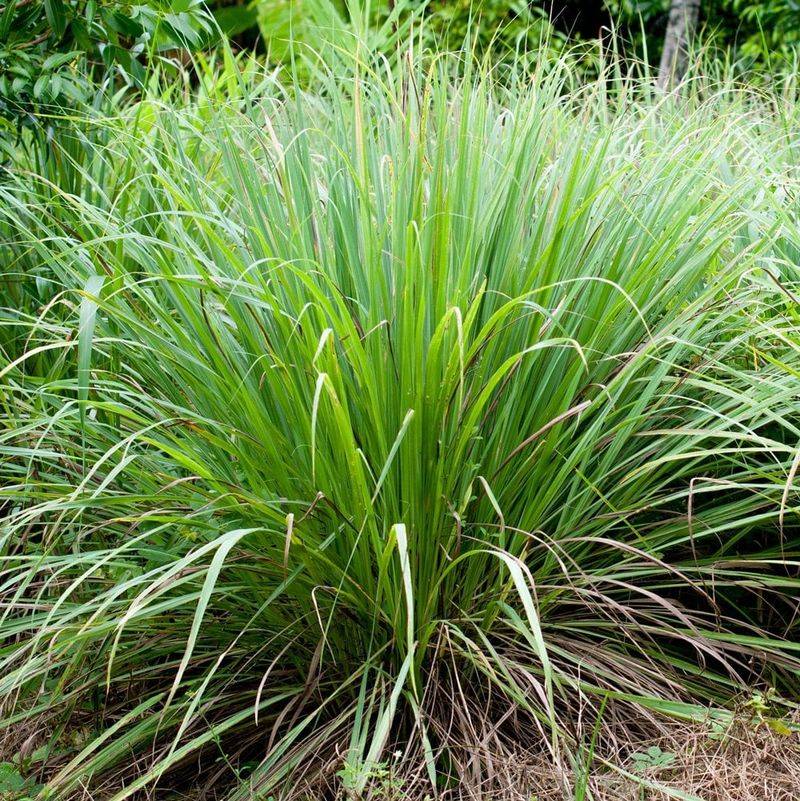
Lemongrass makes a statement in any Arizona garden.
Its tall, arching blades can reach several feet in height, giving it a bold, almost tropical presence that contrasts beautifully with the more compact herbs and ornamentals often grown in Arizona yards.
Beyond its striking form, lemongrass contains citronella oil – the same compound found in many commercial mosquito-repellent candles and sprays – which is why it has earned such a strong reputation as a fragrant plant associated with deterring mosquitoes.
Arizona’s heat suits lemongrass remarkably well.
It is a warm-season plant that genuinely thrives in full sun and high temperatures, making it one of the better fits for low desert gardens where many other plants struggle through summer.
Regular watering is important since lemongrass prefers consistent moisture, but it does not like sitting in waterlogged soil.
A large container works well in Arizona because it can be moved to a protected spot if an unexpected cold snap arrives, since lemongrass is frost-sensitive and does not handle freezing temperatures well.
The citrus scent is most noticeable when leaves are cut or bruised, so placing lemongrass near a seating area where people naturally brush against it can help release that fragrance into the space.
Lemongrass also has culinary uses in soups, teas, and marinades, adding another reason to keep it growing near the kitchen or patio.
As with all the plants on this list, it works best as one part of a thoughtful outdoor strategy rather than a complete solution for mosquito activity in an Arizona yard.
5. Peppermint Brings Cool Fragrance To Pots
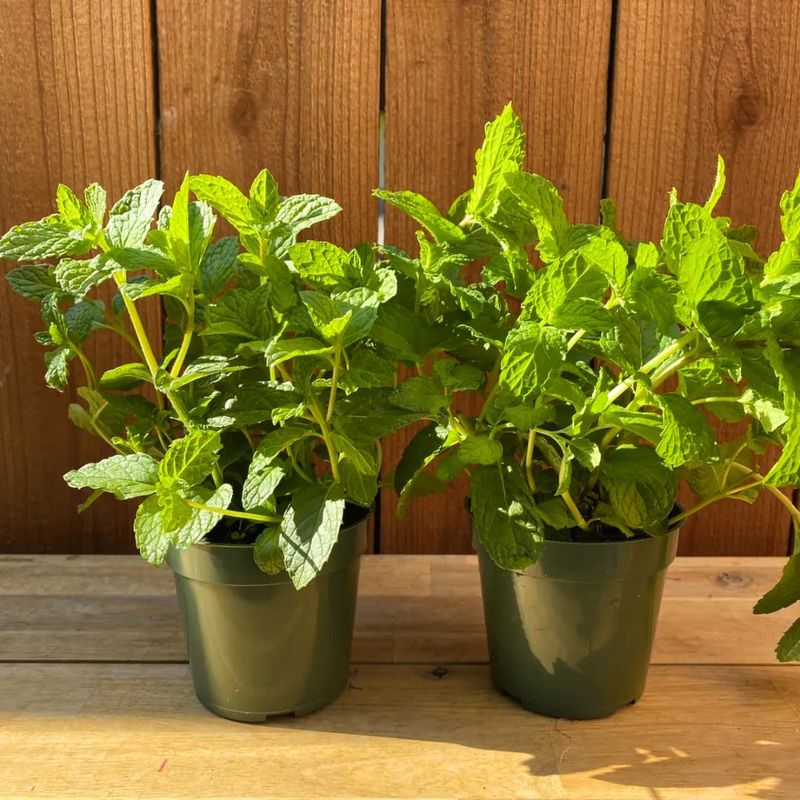
There is something immediately refreshing about the scent of peppermint, especially on a warm Arizona afternoon when the air feels thick with heat.
That sharp, cooling fragrance comes from menthol, a compound that gives peppermint its signature aroma and is among the plant-based oils that researchers have associated with mosquito-repellent activity.
For Arizona gardeners who want a plant that engages the senses while pulling some practical weight near a patio or seating area, peppermint is a genuinely satisfying choice.
Mint is famously vigorous, and peppermint is no exception.
In Arizona, growing it in containers is generally the smarter move since mint spreads aggressively through underground runners and can take over a garden bed faster than expected.
A large pot or a dedicated raised container keeps it manageable while still giving the plant room to grow.
Peppermint prefers some afternoon shade in Arizona’s low desert, where intense summer sun and heat can stress the leaves and reduce the quality of the fragrance.
Regular harvesting keeps peppermint bushy and productive. Pinching stems just above a leaf node encourages branching and helps the plant stay compact and fragrant through the growing season.
Fresh peppermint leaves are also useful in teas, cocktails, and cooking, so the plant earns its space on an Arizona patio beyond the mosquito angle alone.
Monsoon humidity in Arizona can occasionally encourage powdery mildew on mint, so good air circulation around the pot helps keep it healthy.
Used thoughtfully, peppermint adds a lively, aromatic layer to any Arizona outdoor space this season.
6. Rosemary Adds Evergreen Form And Herbal Scent
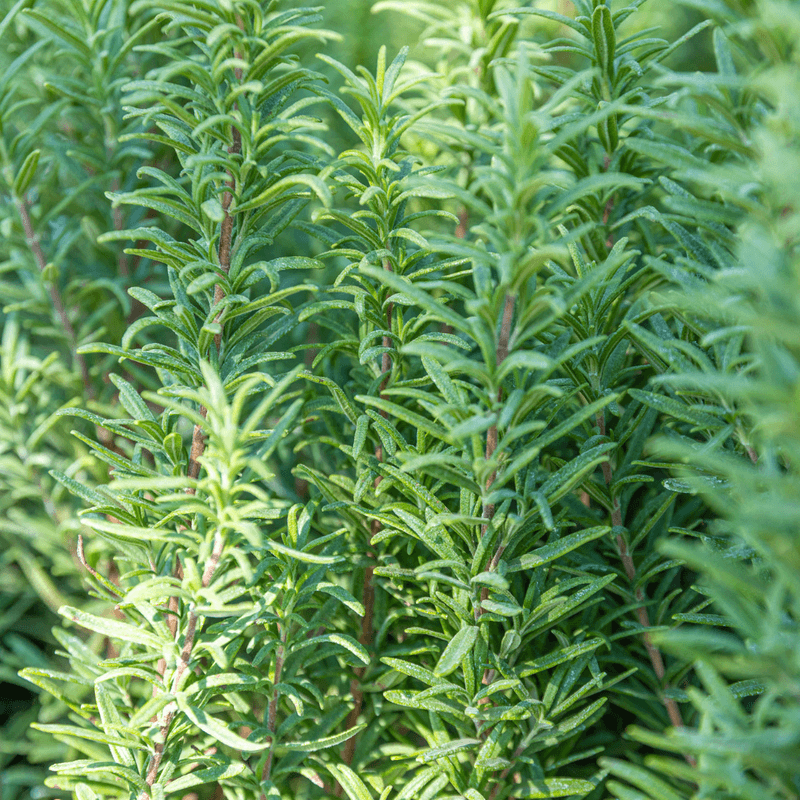
Rosemary feels right at home in Arizona.
Its needle-like leaves, silvery-green color, and naturally drought-tolerant habit make it one of the most reliable herbs for Arizona landscapes, whether planted in a xeriscape bed, a raised planter, or a large container near the front door.
Beyond its reputation as a culinary staple, rosemary contains aromatic compounds – including camphor, borneol, and 1,8-cineole – that have been linked to mosquito-repellent activity in research on plant-based botanical oils.
In Arizona’s low desert, rosemary thrives in full sun and handles the heat with remarkable composure.
It requires well-draining soil and minimal supplemental water once established, which fits naturally into Arizona’s water-conscious gardening culture.
Upright varieties can grow into substantial shrubs over time, while trailing varieties work well spilling over the edges of raised beds or containers.
Both types release their characteristic herbal scent when leaves are brushed or trimmed, making placement near walkways and seating areas a practical choice.
One of rosemary’s strongest arguments for an Arizona garden is its year-round presence. Unlike warm-season annuals that come and go with the seasons, rosemary stays evergreen and fragrant throughout the year in most Arizona climates.
In higher-elevation Arizona areas, it may need some protection during hard freezes, but it generally handles mild winter cold without much trouble.
Burning rosemary clippings on a patio fire feature can release concentrated aromatic smoke, a practice some gardeners use as an informal deterrent.
Whether grown for cooking, fragrance, or its tidy evergreen form, rosemary is a low-maintenance Arizona garden asset worth planting this season.