What Oregon Gardeners Should Be Pinching Back Right Now For Bushier Plants
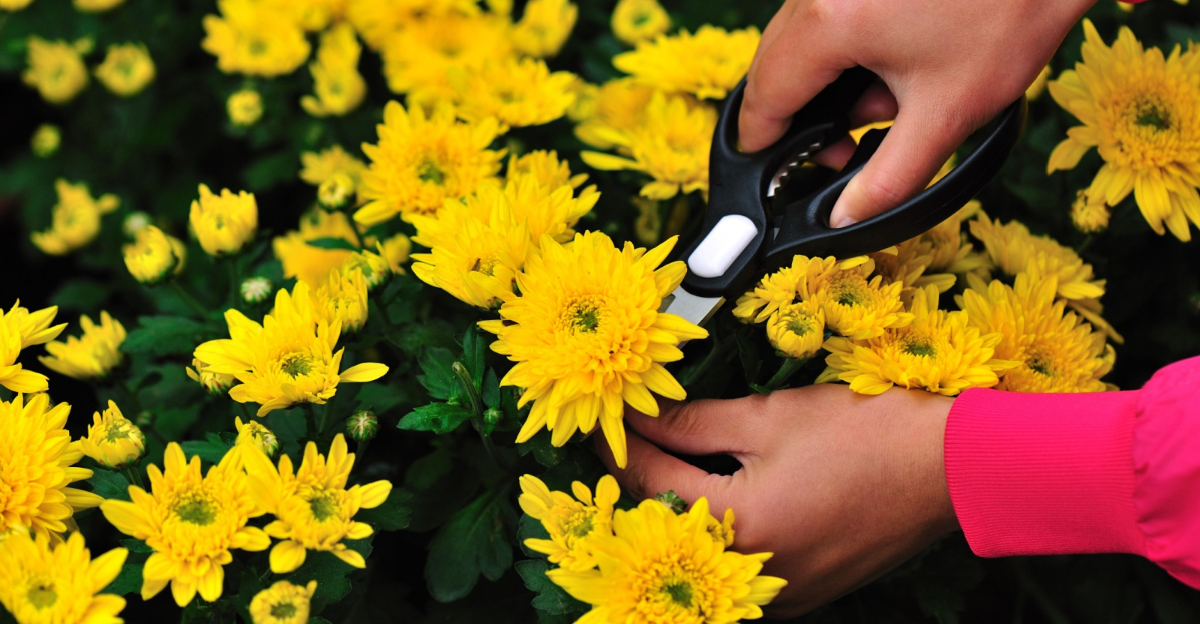
Spring has a funny way of hitting Oregon gardens all at once. One minute everything looks calm, and the next your plants are shooting up like they had three cups of coffee.
That is exactly when pinching back can come in handy. Snipping off a soft stem tip may seem tiny, but it can encourage fuller growth, more side branches, and a plant that looks a whole lot less lanky by summer.
If you have ever looked at a young annual or herb and thought, “Wow, you are getting a little leggy,” you are not alone. A quick pinch at the right time can help shift that awkward energy into a bushier, more balanced shape.
It is one of those simple garden jobs that feels almost too easy, yet it can make a big visual difference. And honestly, anything that takes seconds and helps plants look better deserves a little applause.
1. Sweet Peas Fill Out With A Simple Pinch Back
Few plants reward a small act of attention as generously as sweet peas do in an Oregon spring garden.
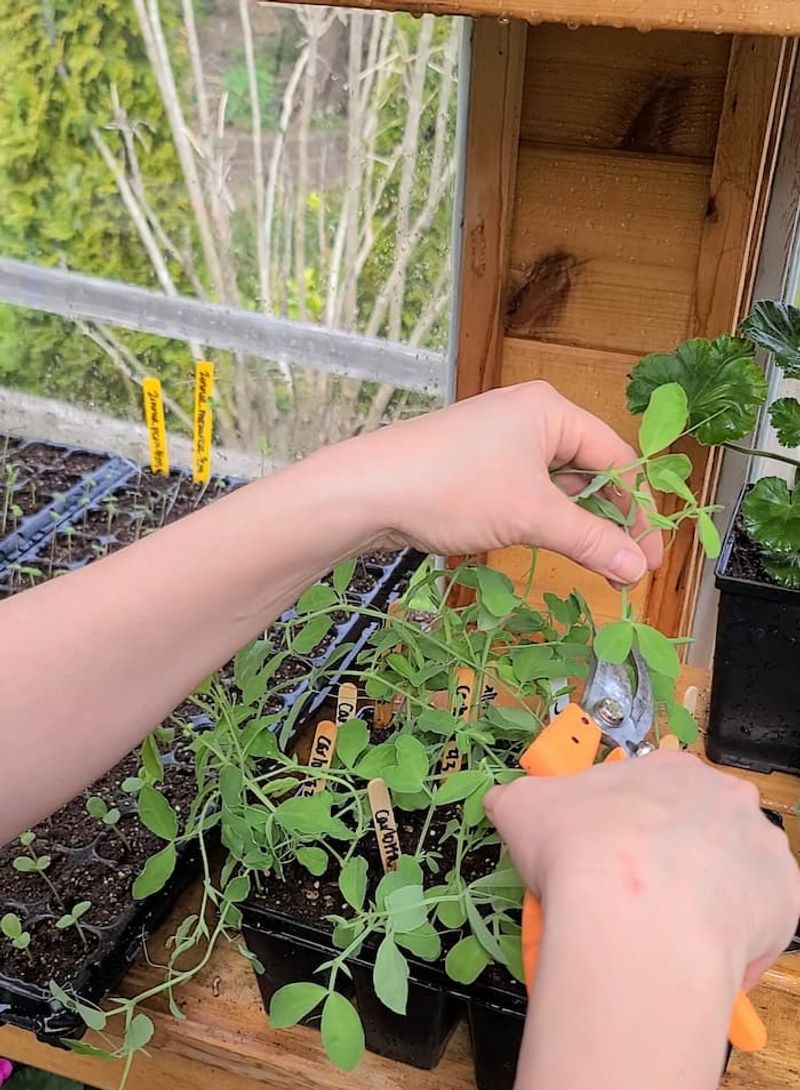
When those climbing vines reach somewhere around 10 to 12 inches tall – which can happen quickly once Oregon’s late spring warmth kicks in – removing the top growing tip encourages the plant to push energy outward into side shoots instead of racing straight up a single stem.
What you are looking for is a stem with a few sets of leaves and a soft, tender tip at the very top. Using your thumb and index finger, pinch that tip off just above a leaf node.
The plant responds by sending out two or more new lateral branches from the nodes below, which means more stems carrying more blooms later in the season.
Oregon gardeners in cooler coastal areas or higher elevations may find their sweet peas take a bit longer to reach that 10-inch mark. Following the plant’s actual growth stage rather than a fixed calendar date tends to give the best results.
Gardeners who skip this step often end up with tall, thin vines that produce fewer flowers and flop around on their supports more than expected.
Pinching sweet peas also helps the plant develop a stronger root system early on, since it slows that upward push and redirects resources.
One pinch at the right moment can genuinely change the way the plant grows for the rest of the season, producing a noticeably fuller and more productive vine.
2. Dahlias Grow Bushier After Their First Pinch
Walk through any Oregon garden center in late spring and you will see dahlia tubers and starter plants flying off the shelves – and for good reason.
Dahlias are spectacular summer performers, but many gardeners do not realize that one early pinch can dramatically change how full and branched the plant becomes before it even sets a single bud.
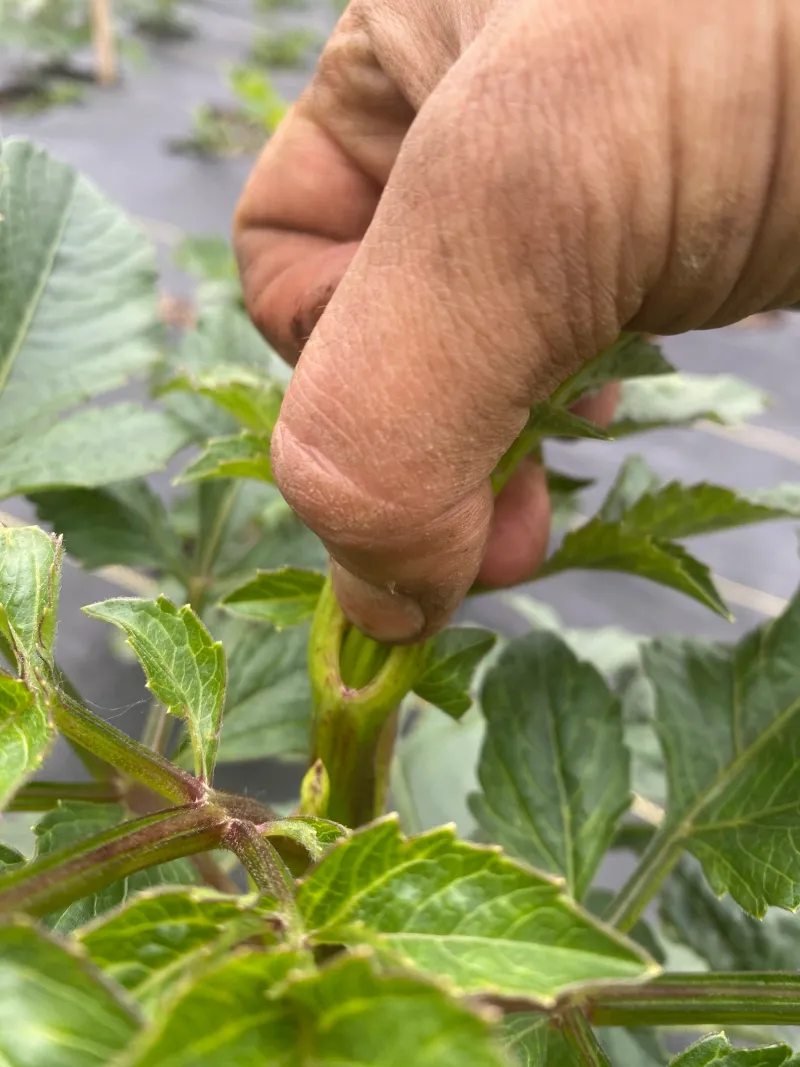
The right moment to pinch a dahlia is when the plant has developed three to four sets of leaves on its main central stem.
Your Oregon Garden Changes Every Week. Your Plan Should Too.
Gardening in Oregon changes quickly throughout the season. Every Friday you’ll receive a simple weekly plan showing exactly what to plant, prune, fertilize, harvest, and protect so you never miss the right timing.
At that point, removing the growing tip just above that third or fourth leaf node redirects the plant’s energy into the side shoots that are waiting at each leaf axil.
Those side shoots become the branches that carry the bulk of the blooms later on.
Oregon’s spring weather can vary a lot depending on where you garden. In the Willamette Valley, dahlias may reach pinching stage by late May, while gardeners in higher elevations around the Cascades might not see that same growth until June.
Watching the plant rather than the calendar is the smarter approach here.
After pinching, some gardeners notice the plant looks a little stunned for a few days, but that is simply the plant redirecting its energy.
Within a week or two, new side shoots will begin pushing out noticeably, and by midsummer the difference between a pinched dahlia and an unpinched one becomes quite obvious.
The pinched plant tends to be stockier, more branched, and loaded with far more blooms.
3. Hardy Fuchsias Respond Well To Tip Pinching
Hardy fuchsias have earned a loyal following among Oregon gardeners, partly because they handle the region’s cool, wet springs without much fuss.
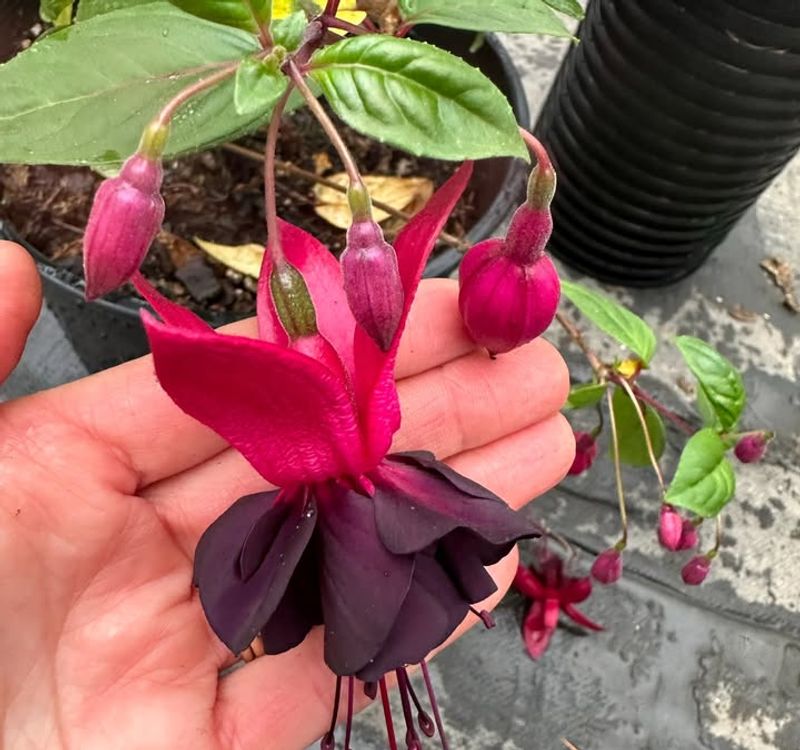
By the time late spring arrives and new growth is actively pushing out from the base and along last year’s stems, these plants are ready for a round of tip pinching that sets the stage for a much fuller summer display.
Tip pinching on hardy fuchsias means removing the very end of each new shoot – usually just the top inch or two – once a shoot has produced two or three sets of leaves.
That small removal encourages each pinched shoot to branch into two new shoots, and repeating the process on those new shoots a few weeks later multiplies the branching effect even further.
Oregon’s mild coastal climate tends to push fuchsias into active growth earlier than inland gardens, so the timing of that first pinch can shift by a few weeks depending on where you live.
Gardeners in the Portland metro area often start pinching in mid to late spring, while those in the Rogue Valley may find growth is already ahead of schedule by early May.
One thing worth noting is that hardy fuchsias are vigorous growers, so light and frequent tip pinching throughout late spring works better than one heavy cutback.
Removing just the soft tip keeps the plant’s energy distributed evenly across many branches rather than concentrated in a few long stems.
The result is a rounder, more compact shrub that blooms heavily from midsummer onward.
4. Garden Mums Branch Out After A Light Pinch Back
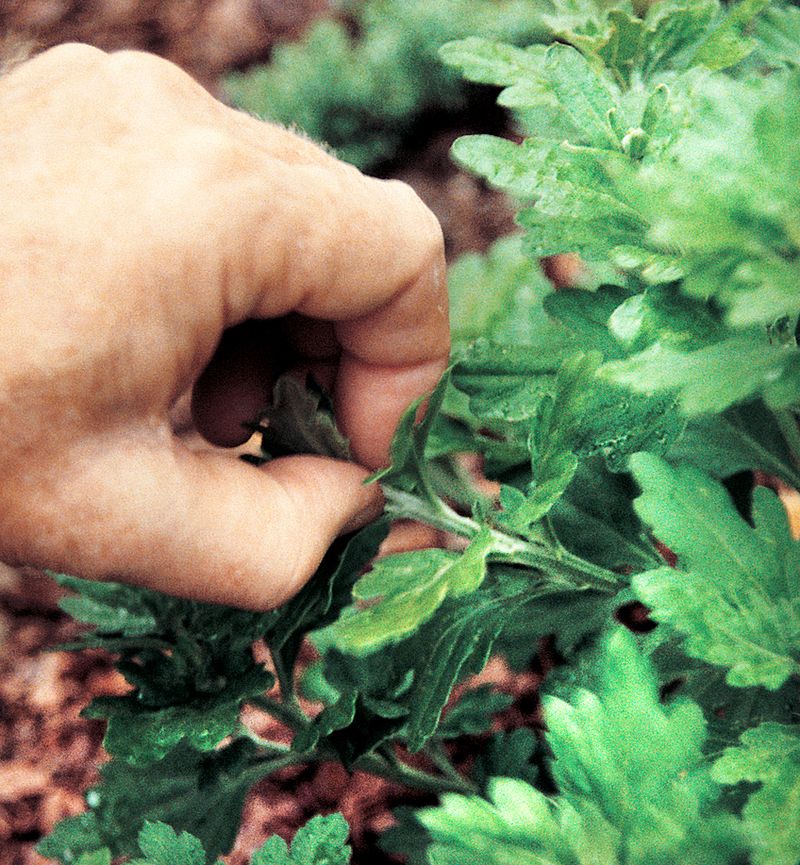
Garden mums might be best known as a fall staple, but the work that leads to those big, rounded autumn displays actually starts in late spring when the plants are still small and actively putting on new growth.
Oregon gardeners who catch their mums at the right stage and give them a light pinch back will notice a significant difference in how bushy and full the plants become before summer even arrives.
The general guideline is to start pinching when stems reach about 6 inches in length. Removing the top inch or so of each stem – just above a leaf node – encourages the plant to branch from lower down.
Repeating this process every few weeks through early summer multiplies the number of stems and, eventually, the number of blooms the plant can support by fall.
Oregon’s cooler spring temperatures can slow early mum growth a bit compared to warmer climates, which actually works in a gardener’s favor since it gives more time to get the pinching schedule right before the plant matures.
Gardens east of the Cascades, where temperatures warm faster, may need to start the pinching process a week or two earlier than those on the wetter western side of the state.
Stopping the pinching process by late July is generally a good idea so the plant has enough time to set flower buds for fall.
Pinching too late in the season can delay or reduce bloom, so keeping an eye on the calendar as summer progresses matters just as much as starting the pinching early.
Mums that get regular light pinches through spring tend to hold their shape far better through the season.
5. Snapdragons Grow Fuller With Early Pinching
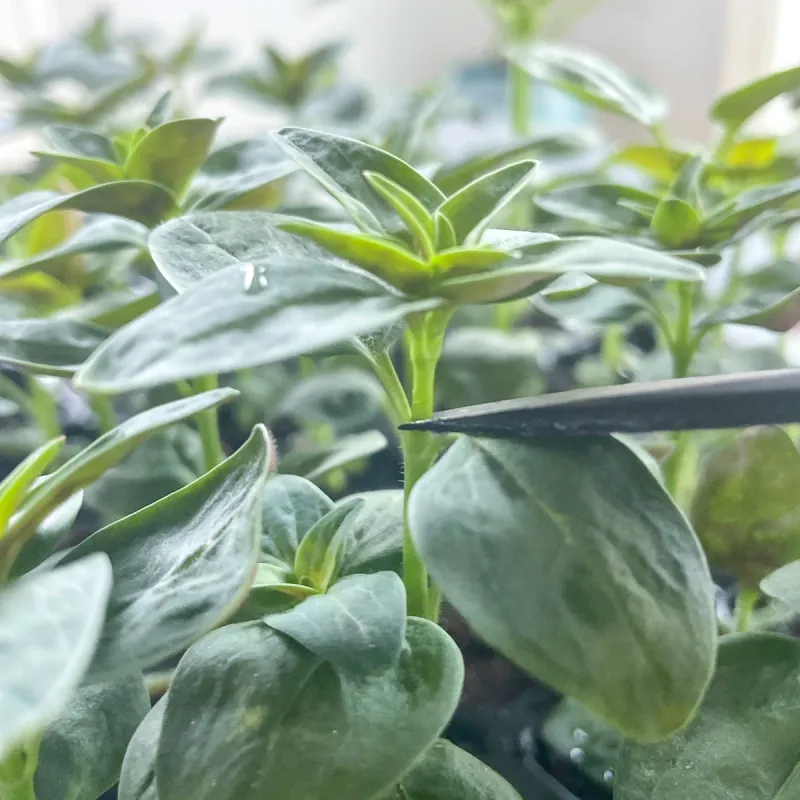
Snapdragons have a bit of a reputation for growing tall and leggy when left to their own devices, but Oregon gardeners who catch them early and give that central stem a pinch tend to end up with a much more satisfying plant.
The trick is catching them when they are still relatively short – somewhere around 4 to 6 inches tall – before the main stem starts pushing hard toward its first flower spike.
Pinching the central growing tip at that young stage redirects the plant’s energy into the side shoots growing along the lower stem.
Those side shoots develop into additional flowering stems, which means a plant that might have produced one or two tall flower spikes instead produces four, five, or even more.
The overall plant ends up shorter, broader, and covered with more blooms over a longer period.
Oregon’s cool spring nights actually suit snapdragons quite well since they prefer mild temperatures over heat.
Gardeners in the Willamette Valley and along the Oregon coast often get a longer window for early pinching because the cool weather keeps plants in that ideal young stage a bit longer.
Inland areas that warm up faster may need to act a little sooner to catch snapdragons before they bolt toward their first bud.
After pinching, snapdragons may pause briefly before new side growth becomes visible, but within a week or so the branching response is usually noticeable.
Gardeners who start with transplants from a nursery can pinch right at planting time if the plants are already reaching that 4 to 6 inch height, giving the bushing process a head start from day one.