Small California Conifer Trees That Attract Birds With Food And Shelter
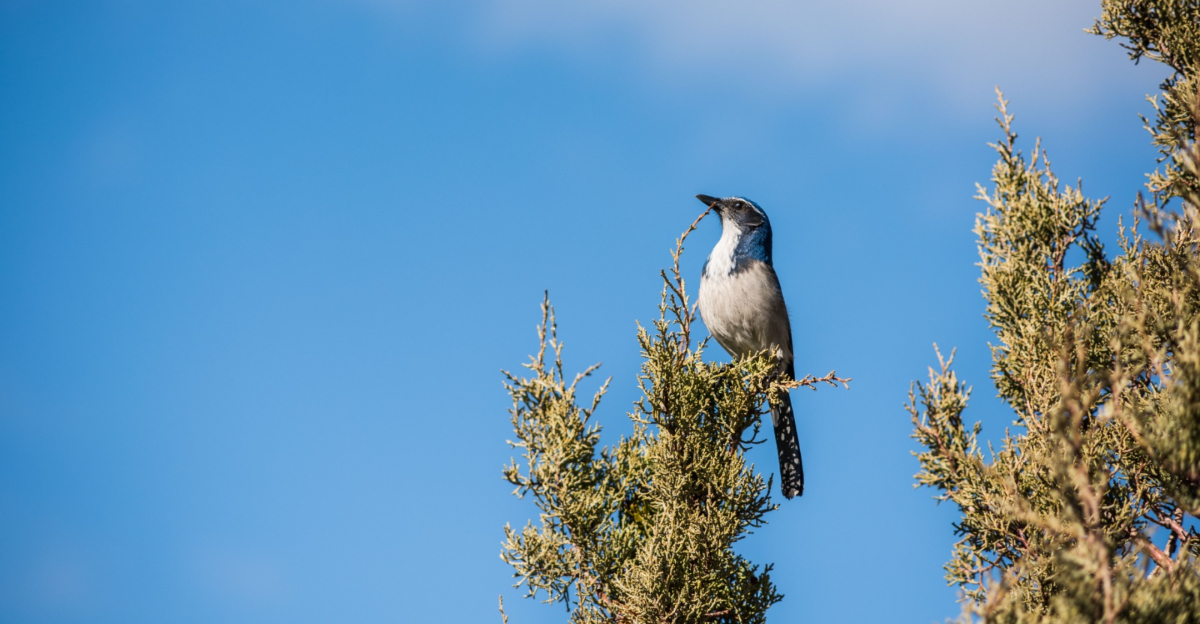
Some trees earn their keep, and native California conifers are high on that list. They stay green year-round, bring texture and structure to the yard, and give birds a place to snack, hide out, and settle in.
That is a pretty impressive résumé for a small tree, right? Even better, plenty of native options fit into modest gardens without crowding every last inch of space.
If your yard feels a little too small for a towering forest vibe, do not worry. Compact native conifers can add that wild California character without turning your garden into a pine-filled jungle.
Birds appreciate the dense cover, the seeds, and the safe nesting spots, while gardeners get a landscape that looks lively in every season. Not a bad deal.
For anyone trying to create a beautiful yard that also helps local wildlife, these small evergreen trees can make a surprisingly big impact. Tiny footprint, big garden personality, and the birds will likely notice too.
1. California Juniper Offers Food And Cover For Backyard Birds
Few native trees do as much quiet work for birds as the California Juniper.
Found naturally across dry foothill slopes and open woodlands throughout California, this compact evergreen has earned a loyal following among wildlife gardeners who want real habitat value in a smaller package.
California Juniper grows slowly and typically reaches somewhere between 10 and 20 feet tall, though many specimens stay on the shorter end in garden settings.
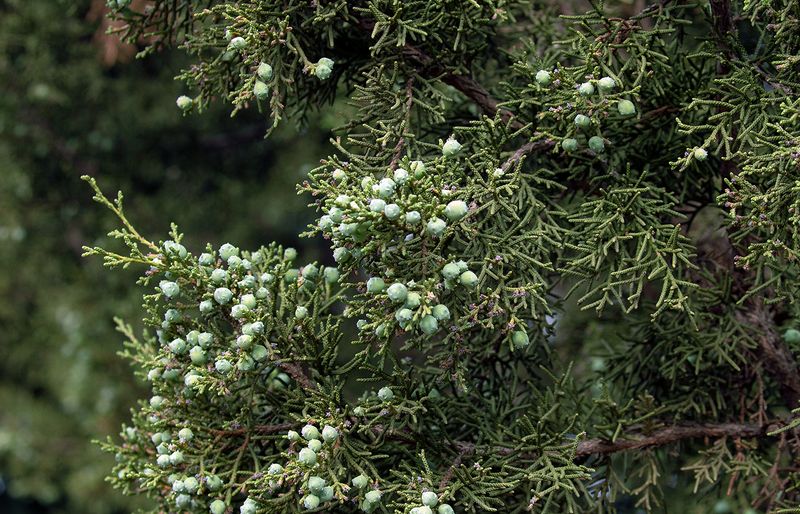
Its dense, scale-like foliage creates a thick canopy that gives birds excellent cover from predators and harsh weather.
That layered growth also helps create a calm, sheltered resting spot that many songbirds seem to appreciate during busy nesting and feeding seasons.
Robins, waxwings, bluebirds, and mockingbirds are among the species that visit regularly, drawn in by the fleshy, blue-gray berry-like cones that ripen in late summer and fall.
Those cones are not true berries but modified cones that function similarly as a food source. Birds consume them eagerly and often spread seeds across the landscape, which is part of how junipers naturally expand their range.
For California gardeners dealing with dry summers and poor, rocky soil, this tree is genuinely low-maintenance once established. It handles full sun and excellent drainage well, needing little supplemental water after the first couple of years.
Planting it near a fence line or at a garden edge gives birds easy access while keeping the tree’s natural shape intact.
If your goal is a bird-friendly yard that can handle California’s dry conditions without much fuss, California Juniper is a strong and honest choice worth considering.
2. McNab Cypress Creates Dense Shelter In Dry California Yards
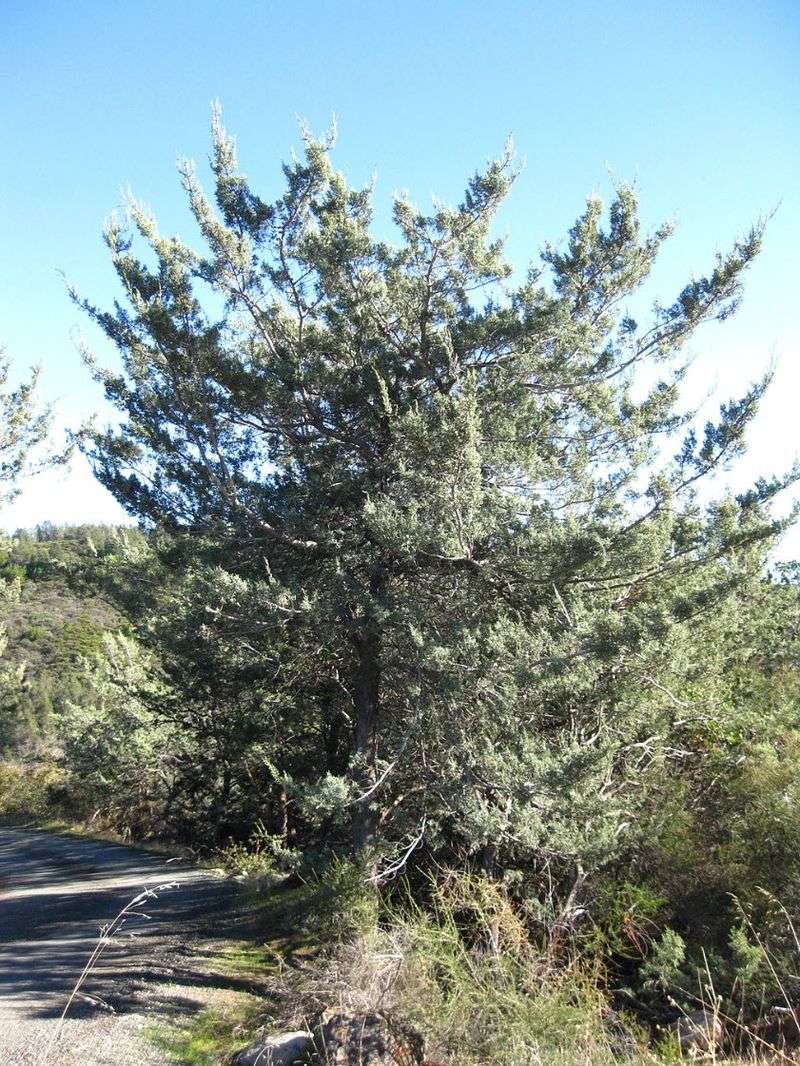
Gardeners who deal with hot, dry summers and fast-draining soils know how hard it can be to find an evergreen that holds up without constant attention.
McNab Cypress is one of those native trees that quietly solves that problem while also doing something genuinely useful for birds.
Native to the inner Coast Ranges and dry foothills of northern California, McNab Cypress is a compact, multi-stemmed tree that usually tops out somewhere between 10 and 30 feet depending on conditions.
Your California Garden Changes Every Week. Your Plan Should Too.
Gardening in California changes quickly throughout the season. Every Friday you’ll receive a simple weekly plan showing exactly what to plant, prune, fertilize, harvest, and protect so you never miss the right timing.
Its dense branching structure makes it one of the better native conifers for providing bird shelter, especially during nesting season when songbirds need thick, protective cover.
That tight, evergreen form can also help buffer wind and summer heat, giving smaller birds a more protected place to pause and move through the garden.
The small cones that develop on McNab Cypress provide a modest food source and also offer structural interest throughout the year.
Species like juncos, sparrows, and small finches tend to forage around and within the canopy. The tree’s naturally bushy growth habit creates the kind of layered shelter that ground-feeding birds appreciate when they need quick cover nearby.
In California gardens, McNab Cypress performs best in full sun with sharp drainage and very little supplemental irrigation once it has settled in.
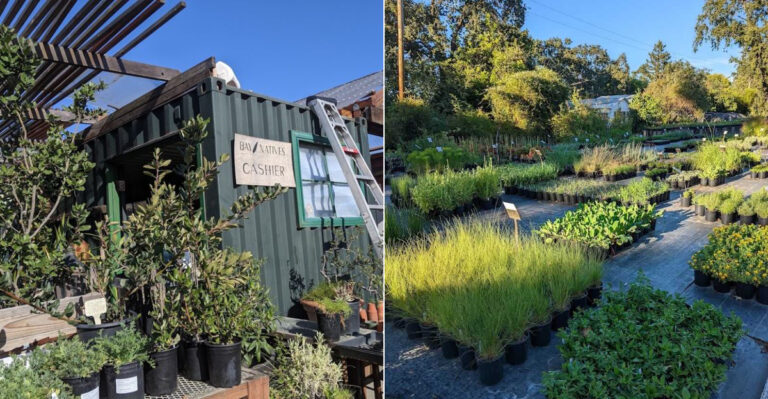
It is not the easiest tree to find at a standard nursery, so checking with native plant nurseries or California native plant sales is usually the better route.
For dry inland yards where most ornamental trees struggle, McNab Cypress brings both structure and genuine habitat value to a space that might otherwise feel bare and bird-unfriendly.
3. Tecate Cypress Gives Birds Seeds And Evergreen Protection
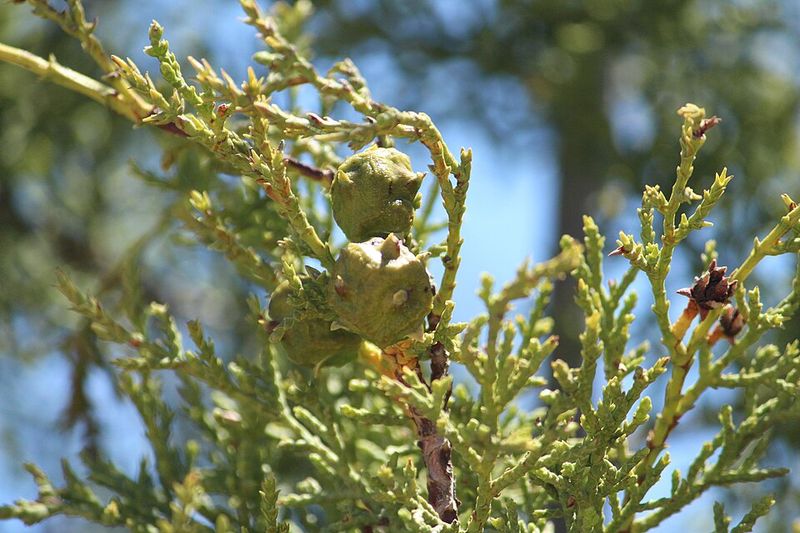
Southern California gardeners working with thin, rocky soil and intense summer heat have a surprisingly capable native conifer available to them in Tecate Cypress.
It is not a tree that shows up in every garden center, but for those who track it down, it brings real value for birds and for the landscape as a whole.
Tecate Cypress grows naturally in a handful of locations across San Diego County and into Baja California, making it one of the rarer native conifers in the state.
In garden settings, it typically reaches somewhere between 10 and 25 feet, forming a rounded to broadly spreading crown with dense, fine-textured foliage.
That density is part of what makes it so useful for birds looking for cover and nesting sites in an open, sun-exposed yard.
The small, clustered cones that Tecate Cypress produces are a reliable food source for seed-eating birds. Finches and sparrows in particular seem drawn to the cones as they mature and begin to open.
The evergreen canopy also provides year-round protection from heat and predators, which matters a great deal in exposed southern California yards where shade and shelter can be hard to come by.
Water needs are low once established, and the tree handles poor, well-drained soils with ease. Because its native range is limited, sourcing plants from a reputable California native nursery is important.
Planting Tecate Cypress where it gets full sun and good air circulation gives it the best chance of thriving long-term.
4. Piute Cypress Handles Tough Spots While Helping Local Birds
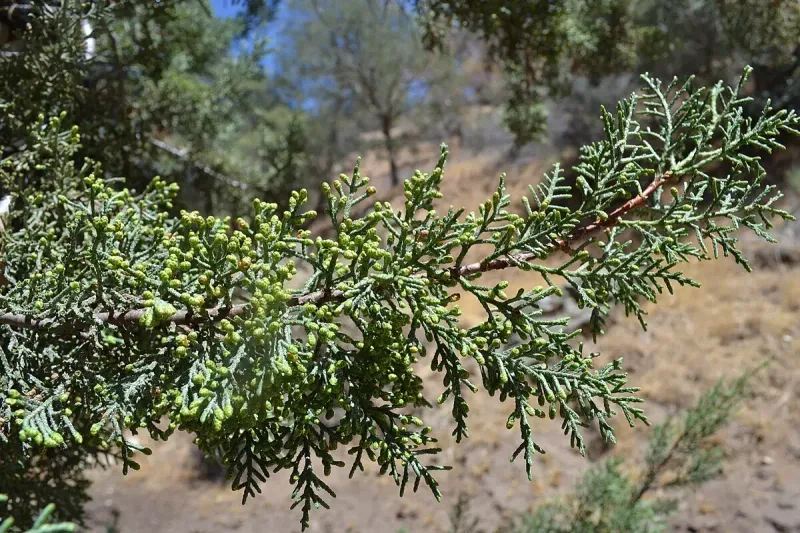
Not every corner of a California yard is easy to plant. Slopes, dry patches, and areas with poor soil can sit empty for years while gardeners try to figure out what will actually grow there.
Piute Cypress is one of the few native conifers that genuinely thrives in those kinds of tough conditions, and it brings meaningful bird habitat along with it.
Native to a narrow range in the southern Sierra Nevada foothills and Tehachapi Mountains, Piute Cypress is a small, compact tree that usually grows between 10 and 20 feet tall.
Its naturally dense, columnar to rounded form makes it a useful choice for gardeners who need vertical structure without a large footprint.
The foliage is fine-textured and blue-green, giving the tree a distinctive look that stands out in dry California landscapes.
Birds benefit from Piute Cypress in a couple of ways. The dense canopy offers reliable shelter and nesting cover, while the small cones provide a seasonal food source for seed-eating species.
Juncos, finches, and various sparrows are among the birds that tend to use this tree in naturalistic garden settings.
Piute Cypress prefers full sun and excellent drainage, and it handles dry summers with minimal supplemental water once established. Finding it at a standard nursery can be a challenge since it has a limited native range and lower commercial availability.
Specialty native plant nurseries in California are the most reliable source.
For difficult spots that demand a tough, bird-friendly evergreen, this cypress earns its place with ease, thriving in California’s dry, rocky soils while providing reliable year-round structure.
5. Cuyamaca Cypress Brings Native Shelter To Quiet Garden Corners
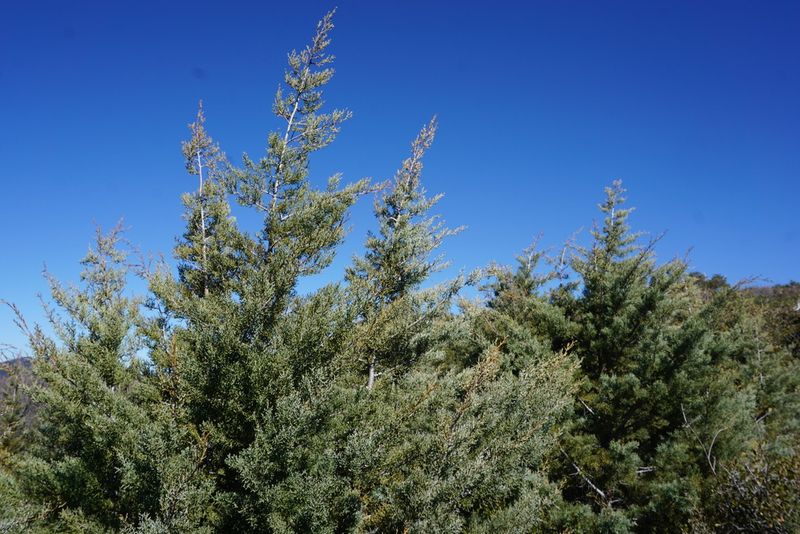
Some trees seem made for the quieter corners of a garden, places where you want something living and purposeful without a lot of drama.
Cuyamaca Cypress fits that role well, bringing native evergreen structure and genuine bird value to spots that might otherwise go unused.
This rare native cypress comes from a very limited natural range centered around the Cuyamaca Mountains in San Diego County, where it grows in chaparral and mixed woodland edges.
In garden settings, it typically reaches between 15 and 30 feet at maturity, though it tends to grow slowly and stay manageable for many years.
The dense, layered branching gives birds excellent cover and makes the tree a natural candidate for nesting activity during spring and early summer.
The small cones produced by Cuyamaca Cypress offer a modest but consistent food source for seed-eating birds.
Because the canopy stays full and evergreen throughout the year, it also provides reliable shelter during California’s cooler, wetter months when birds need protection from wind and rain.
Wrens, sparrows, and small warblers are among the species that tend to move through and around this type of dense native cypress.
Water needs are low after establishment, and the tree does best in full sun with well-drained soil.
It is not widely available at mainstream nurseries, so connecting with California native plant societies or specialty growers is the most practical way to find it.
For southern California gardeners who want a rare, ecologically meaningful tree in a garden corner, Cuyamaca Cypress is a thoughtful and truly rewarding option.