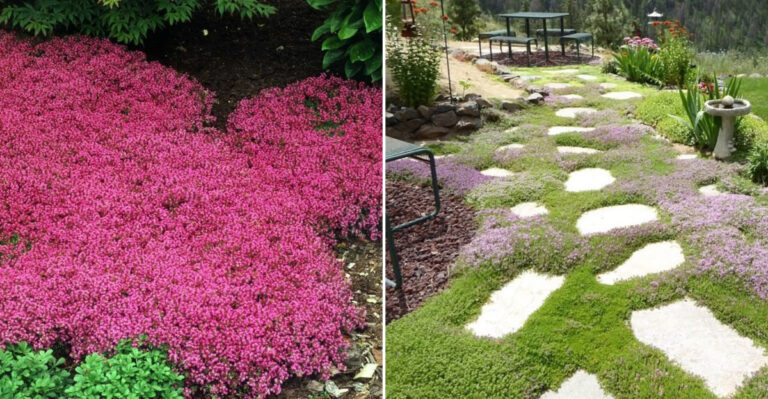
These Garden Chemicals Are Illegal To Use In Oregon

Not every garden product is fair game in Oregon, and that surprises a lot of people. One day you are trying to tackle weeds, bugs, or plant disease, and the next you find out that some chemicals are restricted, banned, or flat-out illegal to use. Yikes.
Oregon is pretty serious about protecting pollinators, waterways, pets, and people, so the rules around certain garden chemicals are not just technical fine print.
They matter. A lot. And if you are using the wrong product, your backyard cleanup project can get messy fast.
That does not mean gardening in Oregon has to feel like studying for a law exam. It just means knowing which chemicals are a no-go before you spray first and ask questions later.
A little knowledge now can save you a lot of trouble later, and your roses, tomatoes, and local bees will all be better off for it.
1. Chlorpyrifos
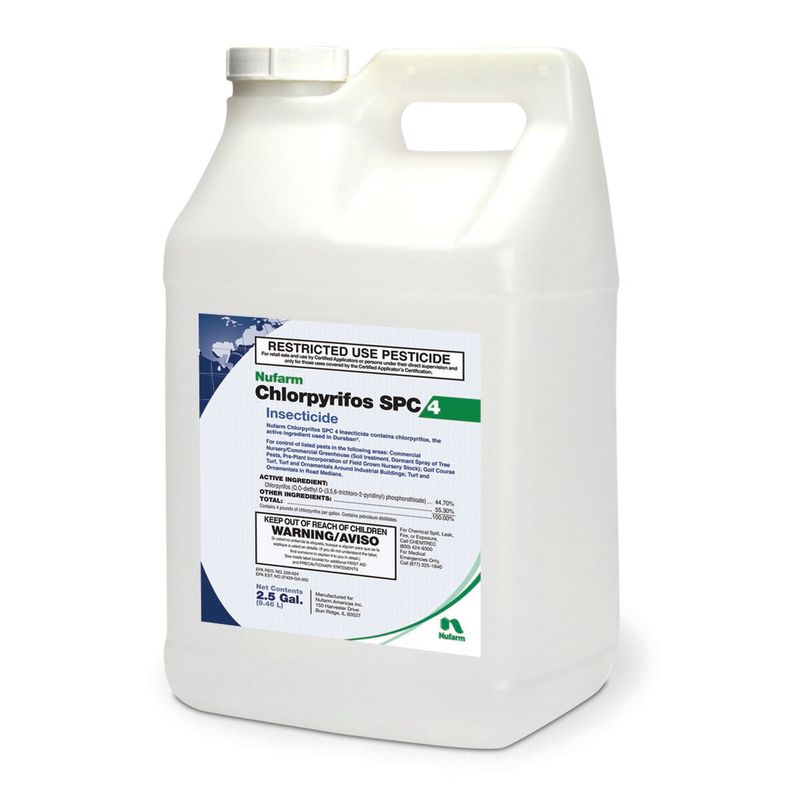
Once considered a go-to solution for backyard pest problems, chlorpyrifos has a dark side that Oregon refused to ignore. As of January 1, 2024, nearly all uses of this neurotoxic insecticide are banned in Oregon for home garden use.
That means you cannot legally spray it on your fruit trees, ornamental plants, or anywhere else on your residential property.
Chlorpyrifos belongs to a class of chemicals called organophosphates. These work by attacking the nervous system of insects, but research showed they do the same to young children.
Studies linked exposure to this chemical with brain development problems in kids, which pushed Oregon lawmakers to act fast.
The Oregon Department of Agriculture (ODA) enforced this ban after years of growing scientific concern. If you still have old bottles of chlorpyrifos in your garage, do not use them.
Contact your local Oregon hazardous waste facility for safe disposal. Safer alternatives like neem oil or insecticidal soap are widely available and fully legal across the state.
Making the switch protects your family, your neighbors, and Oregon’s local ecosystem without sacrificing results in the garden.
2. Unregistered “Natural” Pesticides
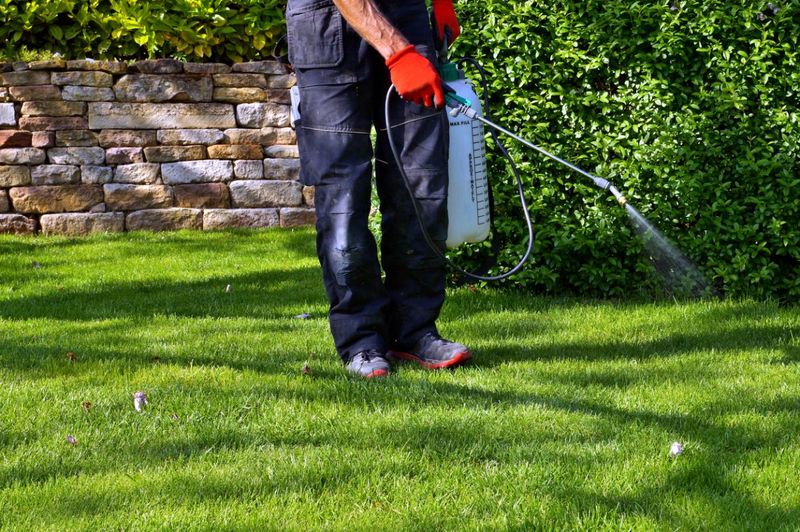
Many Oregon gardeners assume that if something is “natural,” it must be legal to use. That is a surprisingly common mistake.
Under Oregon law, any substance used to control pests must be registered with the Oregon Department of Agriculture, no matter how harmless it sounds. That includes high-concentration vinegar, certain essential oils, and cedar oil mixtures.
Think of it this way: if you mix up a homemade spray and use it to manage garden pests, you could technically be breaking state law. The ODA requires that all pesticide products, even plant-based ones, go through a formal registration process before they can be legally applied in Oregon gardens.
This rule exists to protect people and the environment from untested formulas that might seem safe but can harm beneficial insects, contaminate soil, or irritate skin. The good news is that many registered organic and natural pesticides are easy to find at Oregon garden centers.
Always check the product label for ODA registration before buying. When in doubt, the ODA website has a searchable database of approved products.
Your Oregon Garden Changes Every Week. Your Plan Should Too.
Gardening in Oregon changes quickly throughout the season. Every Friday you’ll receive a simple weekly plan showing exactly what to plant, prune, fertilize, harvest, and protect so you never miss the right timing.
Following this rule keeps your garden compliant and your conscience clear.
3. Neonicotinoids On Linden/Basswood Trees
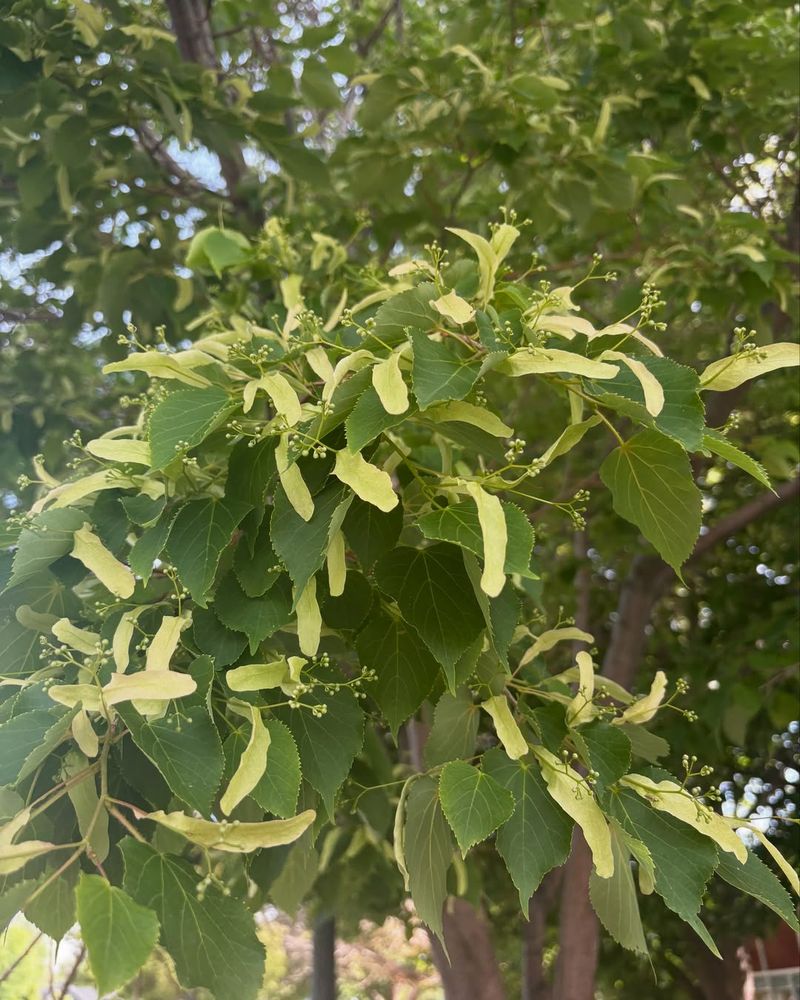
Back in 2013, Oregon made national headlines when tens of thousands of bumblebees were found on the ground beneath linden trees in a Wilsonville parking lot. The cause?
A landscaping crew had applied a neonicotinoid pesticide called dinotefuran to the blooming trees. It was a wake-up call that changed Oregon law forever.
Today, it is strictly illegal in Oregon to apply four specific neonicotinoids to any Tilia species, which includes linden and basswood trees. The four banned neonicotinoids are dinotefuran, clothianidin, imidacloprid, and thiamethoxam.
These chemicals linger in tree tissues and pollen, making them extremely hazardous to pollinators that visit the flowers.
If you have a linden or basswood tree in your Oregon yard, you must avoid using any of these four chemicals on it, even if the product label does not specifically mention Tilia trees. Oregon law is clear, and the ODA actively enforces this rule.
Protecting pollinators is not just a feel-good idea in Oregon, it is the law. Use physical pest barriers or approved biological controls instead to keep your trees healthy without harming the bees that keep Oregon’s gardens thriving.
4. Neonicotinoids In Residential Landscapes

Oregon is not stopping at linden trees. Under House Bill 2679, the state is moving to classify most neonicotinoids as Restricted Use Pesticides starting January 1, 2027.
Once that happens, homeowners across Oregon will no longer be able to legally apply these chemicals to their lawns, flower beds, or vegetable gardens without a professional license.
Neonicotinoids are currently found in many popular garden products, including certain systemic rose treatments and lawn grub controls. They work by spreading through plant tissue, which means pollinators can absorb them through pollen and nectar.
Scientists have linked widespread neonicotinoid use to declining bee populations across North America.
Oregon is getting ahead of this problem before it gets worse. If you currently use any neonicotinoid-based products in your residential yard, now is a great time to start looking for alternatives.
Many effective and legally approved options exist, including pyrethrin-based sprays and biological pest controls like beneficial nematodes. Making the switch before 2027 gives you time to learn what works best in your specific Oregon garden.
Staying informed about these upcoming changes is one of the smartest moves a gardener in Oregon can make right now.
5. Glyphosate (Roundup)
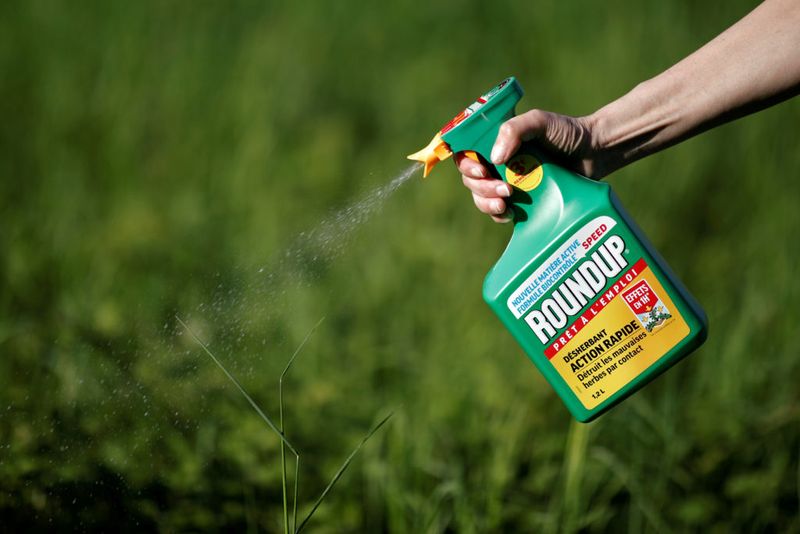
Glyphosate, sold under the brand name Roundup, is one of the most widely used weed killers in the world. But if you live in Portland or Eugene, Oregon, the rules around using it are much stricter than in most other places.
Both cities have banned glyphosate use on city-owned property, and local ordinances strongly discourage its use near protected waterways and residential green spaces.
Research has raised serious questions about glyphosate’s long-term effects on human health and the environment. Some studies suggest it may disrupt soil health and harm aquatic ecosystems.
Oregon’s larger cities have responded by limiting where and how this chemical can be applied within city limits.
Even if you live outside Portland or Eugene, it is worth knowing that Oregon’s attitude toward glyphosate is shifting. More communities across the state are considering similar restrictions.
Corn gluten meal, manual weeding, and mulching are all effective and legal ways to manage weeds in Oregon gardens. Flame weeding tools are also growing in popularity as a chemical-free option.
Staying ahead of local regulations in your Oregon city or county means fewer surprises and a garden that stays on the right side of the law all season long.
6. Paraquat

Paraquat is one of the most dangerous herbicides ever created, and Oregon takes that seriously. This chemical is classified as a Restricted Use Pesticide (RUP) at the federal level, which means it is completely illegal for an average homeowner in Oregon to purchase or apply it.
Only licensed, certified pesticide applicators are allowed to handle paraquat legally.
Even tiny amounts of paraquat can cause severe damage to the lungs, liver, and kidneys. Accidental exposure has led to serious outcomes in agricultural workers around the world.
Because of this, the Environmental Protection Agency and Oregon state regulators have placed it firmly out of reach for residential use.
Some gardeners have come across paraquat listed in old gardening books or websites as a fast-acting weed solution. Do not be tempted.
Using it without a license in Oregon is a violation of both state and federal law. If you spot a product at a swap meet or online listing that appears to be paraquat, report it to the ODA immediately.
For stubborn weeds in Oregon gardens, safer and legal herbicides exist that get the job done without putting you, your family, or your community at risk.
7. Atrazine
Atrazine is a powerful herbicide commonly used in large-scale corn farming, but it has no place in an Oregon home garden. It is heavily restricted in the state because of its well-documented ability to contaminate groundwater.
Studies have detected atrazine in drinking water supplies across the country, which has made regulators increasingly cautious about where it can be used.
In Oregon, atrazine is classified as a Restricted Use Pesticide. That means typical homeowners cannot legally buy or apply it.
Even licensed professionals must follow strict guidelines about where and how it can be used to prevent runoff into Oregon’s rivers, streams, and water tables.
One of the most concerning things about atrazine is how long it can stick around. It does not break down quickly in soil or water, meaning a single application can have lasting environmental effects.
Oregon’s many protected waterways and salmon-bearing streams make atrazine especially risky to use anywhere near residential landscapes.
If you are trying to manage weeds in your Oregon lawn or garden, check with your local garden center for registered alternatives that are both effective and safe for the surrounding ecosystem.
Protecting Oregon’s water means choosing the right products every single time.
8. Aminocyclopyrachlor

Not many homeowners have heard of aminocyclopyrachlor, but it made quite a splash in the gardening world after a string of incidents showed it was quietly harming mature trees it was never meant to touch.
This herbicide was designed to control invasive plants and broadleaf weeds, but it turned out to have an unsettling ability to move through soil and affect nearby non-target plants.
Oregon took action after reports emerged of mature trees across multiple states suffering serious damage following aminocyclopyrachlor applications nearby. The chemical can be absorbed through roots even when it is applied far from a tree’s base.
In Oregon, certain uses of this herbicide have been banned or severely restricted to protect urban trees and residential landscapes.
The ODA monitors aminocyclopyrachlor closely and has issued restrictions on its use in areas where tree roots could potentially absorb it through soil movement.
If you are dealing with invasive weeds in your Oregon yard, always check whether any herbicide you plan to use is approved by the ODA for residential application.
Using an unregistered or restricted product can result in fines and unintended damage to your own landscape. Oregon’s tree canopy is worth protecting, and this is one chemical to steer well clear of.