What To Do In Your North Carolina Garden The Last Week Of April

Is it just me, or did North Carolina skip right past “gentle spring” and dive straight into the gardening Olympics?
The last week of April is basically the Super Bowl for our soil.
Down in the Coastal Plain, you might already be sipping sweet tea while your tomatoes settle in, but my friends up in the mountains are probably still side-eyeing their frost blankets.
That is just the beauty of our state; we have a little bit of everything going on at once.
If you feel like your to-do list is suddenly a mile long, you are in good company. It is the perfect moment to refresh that mulch and finally get the mower out of hibernation.
Just remember that timing is everything here. What works for a backyard in Wilmington is a totally different game than a garden in Asheville.
Let’s dive into how to handle this late April madness without losing your cool.
1. Plant Tomatoes In The Piedmont And Coastal Plain
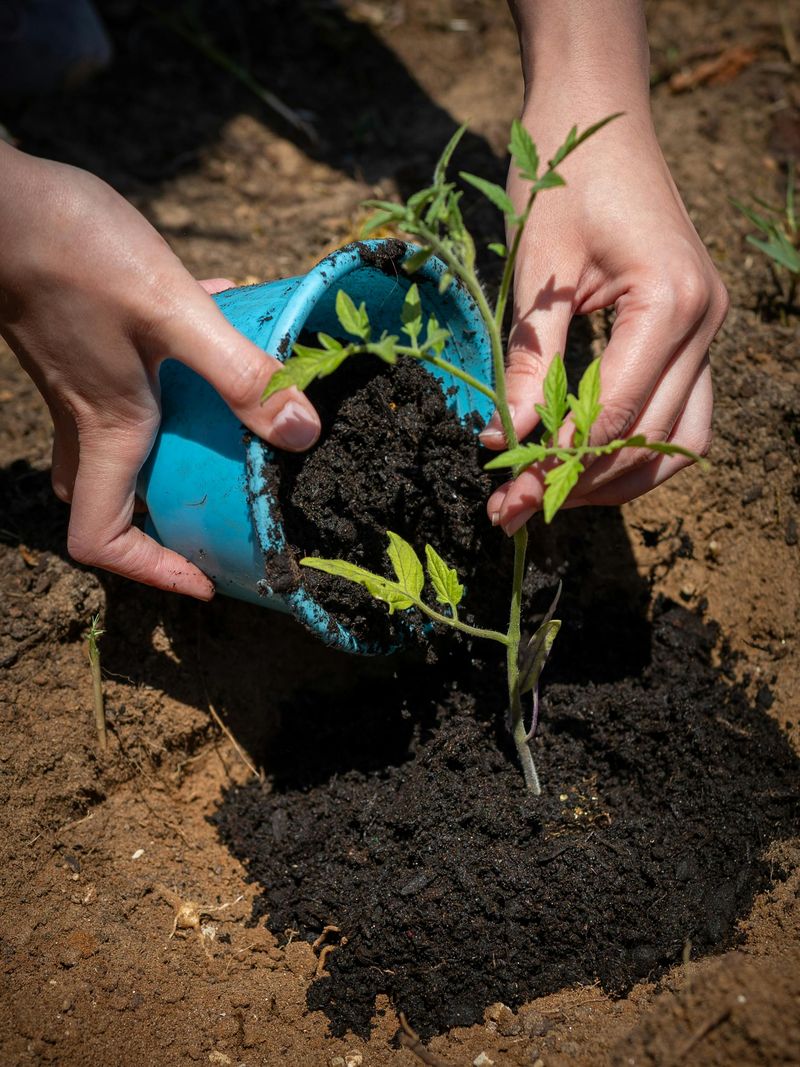
Late April is one of the most rewarding moments for vegetable gardeners across North Carolina’s Piedmont and Coastal Plain regions.
Soil temperatures in these areas tend to reach and hold above 60 degrees Fahrenheit by this point in the season, which is the threshold tomatoes need to settle in and begin growing strong root systems.
Transplanting before the soil is warm enough can stress young plants and slow their early development.
When choosing transplants, look for stocky, compact seedlings rather than tall, leggy ones. Tall transplants that have been stretched for light may struggle to establish themselves as well as shorter, sturdier ones.
Burying the stem a few inches deeper than the transplant was originally growing can help, since tomatoes develop roots along their buried stems.
Give each plant enough room to spread out, generally around two to three feet apart depending on the variety. Water transplants in well after planting and consider using a starter fertilizer solution to help them transition into the garden.
Staking or caging tomatoes at planting time is much easier than trying to support them after they have grown large.
Keep an eye on overnight temperatures for the first week or two, since a late cool snap in North Carolina can occasionally catch gardeners off guard even in late April.
2. Hold Peppers A Little Longer In Cooler Mountain Areas
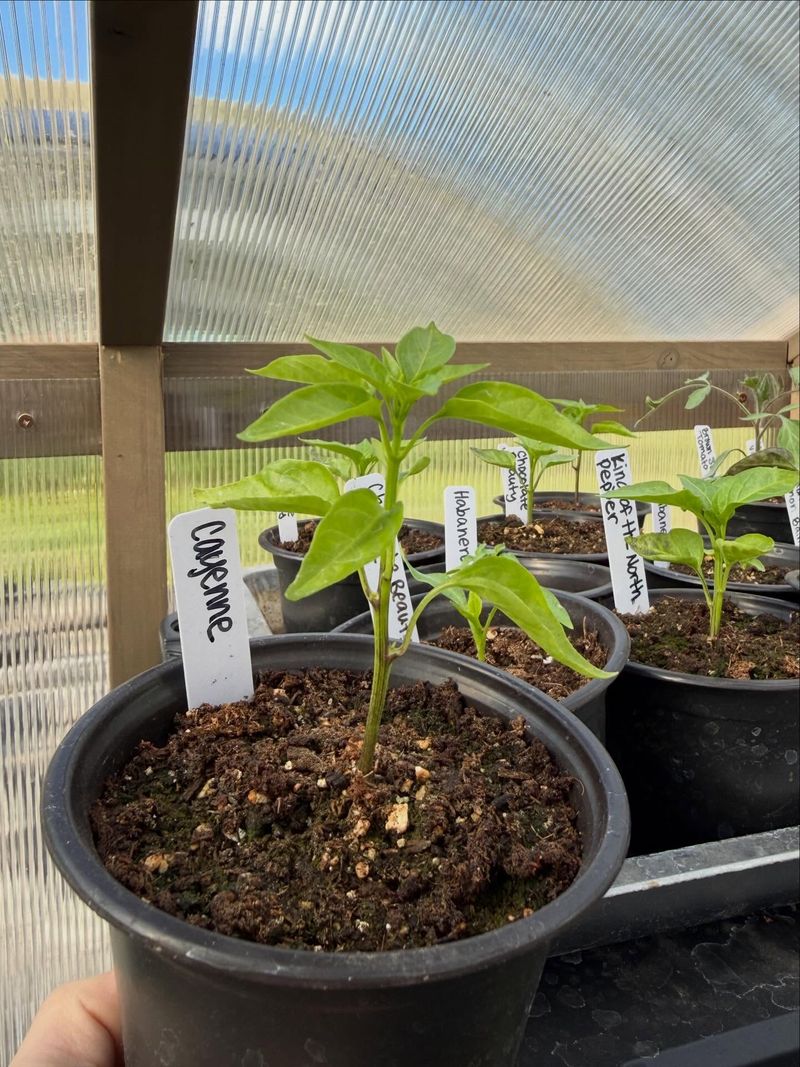
Peppers are warm-weather vegetables that are even more sensitive to cool soil and chilly nights than tomatoes, which means mountain gardeners in North Carolina should hold off a bit longer before transplanting them outdoors.
While Piedmont and Coastal Plain growers may feel confident putting peppers in the ground by the last week of April, elevations above 2,000 feet can still see overnight temperatures that dip low enough to set pepper plants back significantly.
Rather than rushing the process, keep pepper transplants in a sheltered spot where they can continue to grow without the stress of cold soil or unexpected cool nights.
A cold frame, unheated greenhouse, or even a covered porch can help bridge the gap between indoor growing and outdoor planting.
Your North Carolina Garden Changes Every Week. Your Plan Should Too.
Gardening in North Carolina changes quickly throughout the season. Every Friday you’ll receive a simple weekly plan showing exactly what to plant, prune, fertilize, harvest, and protect so you never miss the right timing.
Hardening off plants gradually by exposing them to outdoor conditions for a few hours each day over a week or so makes the eventual transition much smoother.
Peppers prefer soil that has warmed to at least 65 degrees Fahrenheit before transplanting.
Soil that is too cool can cause pepper plants to sit without much visible growth for weeks, which can be frustrating when the plants looked so healthy indoors.
Patience in the mountains pays off with stronger, faster-growing plants once conditions are genuinely right.
3. Direct-Seed Cucumbers And Summer Squash
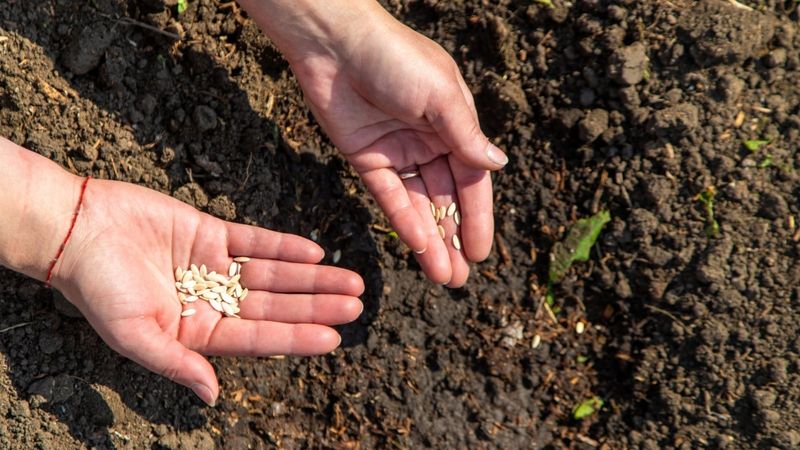
Cucumbers and summer squash are two of the most satisfying warm-season vegetables to grow from seed sown directly into the garden.
By the last week of April, soil temperatures across much of North Carolina’s Piedmont and Coastal Plain are warm enough to support quick germination, often within a week under good conditions.
Direct seeding skips the transplant shock that can sometimes slow these crops down when started indoors.
Both crops prefer loose, well-drained soil with plenty of organic matter worked in before planting. Sowing seeds in small groupings, sometimes called hills, is a traditional approach that improves drainage and can make spacing easier to manage.
For cucumbers, plan to provide some kind of vertical support such as a trellis or fence, which keeps fruit off the ground and makes harvesting much simpler.
Summer squash grows quickly and produces heavily, so most home gardeners only need a few plants to get a generous harvest.
Planting a couple of hills with two or three seeds each, then thinning to the strongest plant per hill once seedlings emerge, tends to work well.
Keep the soil consistently moist after planting until germination is underway.
Mountain gardeners in North Carolina should wait until soil temperatures are reliably warm before direct seeding these crops, as cool soil can delay germination and leave seeds sitting too long before sprouting.
4. Sow Snap Beans
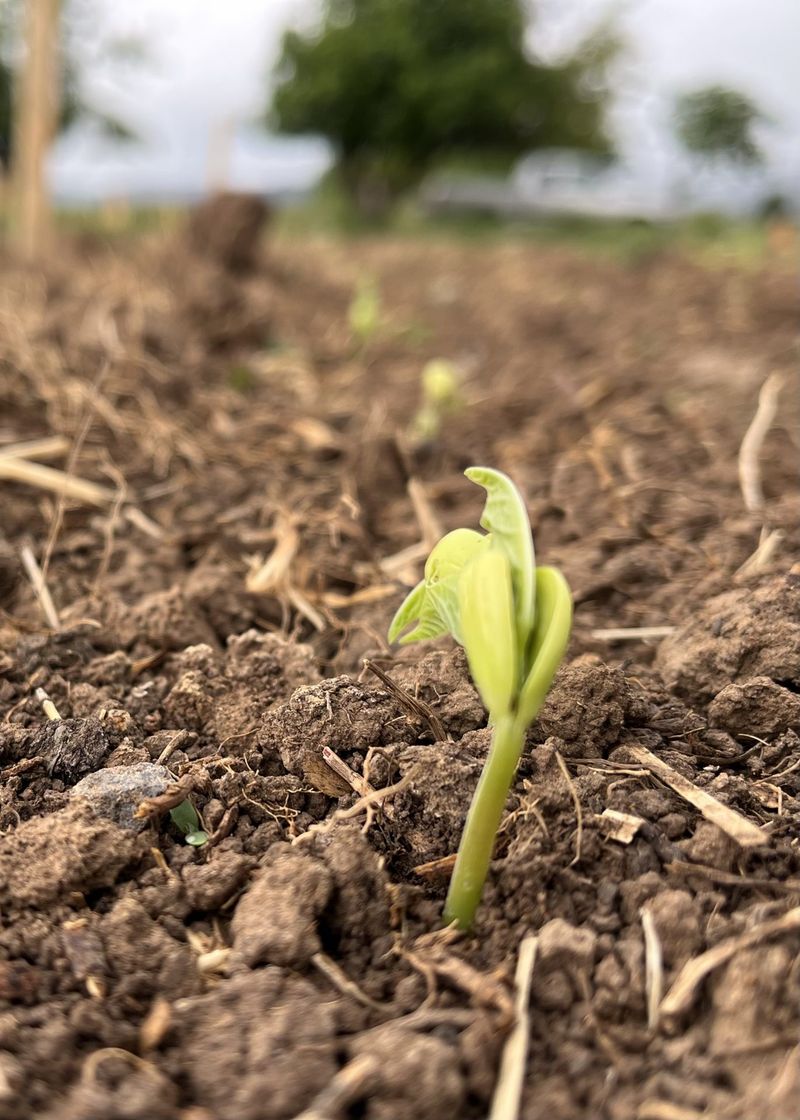
Snap beans are one of the easiest and most rewarding crops to grow from direct seed in a North Carolina vegetable garden, and the last week of April is a solid planting window across much of the state.
These beans do not transplant well, so direct seeding into the garden is the standard approach.
They germinate quickly in warm soil and can go from seed to harvest in as little as 50 to 60 days depending on the variety.
Both bush beans and pole beans are popular choices among home gardeners in North Carolina. Bush beans tend to produce their harvest in a concentrated period, which works well for gardeners who want to preserve or freeze a batch all at once.
Pole beans take a little longer to start producing but continue bearing over a longer stretch of the season, which suits those who prefer a steady, ongoing harvest throughout the summer.
Plant seeds about one inch deep and a few inches apart in rows, then thin or leave them as they grow depending on your spacing preference.
Snap beans do not need heavy fertilization and can actually struggle if given too much nitrogen, which encourages leafy growth at the expense of pods.
Water consistently after planting and keep an eye out for early pest activity once seedlings emerge. Mountain gardeners should wait until their soil is reliably warm before sowing snap beans outdoors.
5. Keep Cool-Season Crops Going Where They Still Look Good
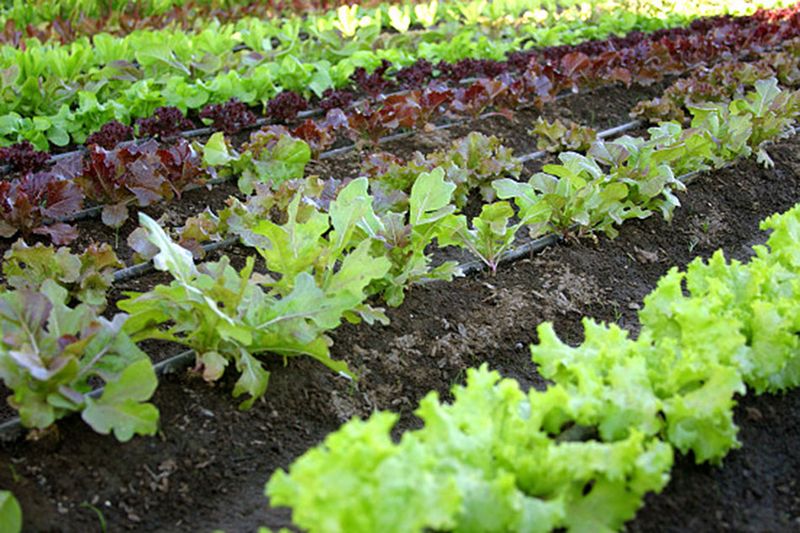
Not every part of the cool-season garden needs to be cleared out just because tomatoes are going in nearby.
Lettuce, spinach, kale, and other cool-season crops can keep producing well into late April and sometimes beyond in North Carolina, especially in areas where temperatures have not yet climbed into the upper range that triggers bolting.
If your plants still look healthy and are producing leaves worth eating, there is no reason to pull them.
Bolting, which is when plants send up a flowering stalk and shift their energy away from leaf production, is the main signal that a cool-season crop is winding down.
Lettuce and spinach bolt relatively quickly once daytime temperatures stay consistently warm.
Kale and collards tend to be a bit more tolerant and can sometimes hold on longer. Tasting leaves regularly is a practical way to monitor quality, since flavor often turns bitter just before or during bolting.
One useful strategy is to let cool-season crops occupy their space until you actually need the bed for a warm-season transplant. Succession planting earlier in the spring may mean some beds are still productive while others have already been transitioned.
In North Carolina’s mountain regions, cool-season crops may have a longer productive window than in the Piedmont or Coastal Plain, where warming happens earlier and more quickly.
Harvesting frequently encourages more leaf production and extends the useful life of these crops.
6. Prune Spring-Flowering Shrubs Soon After Bloom
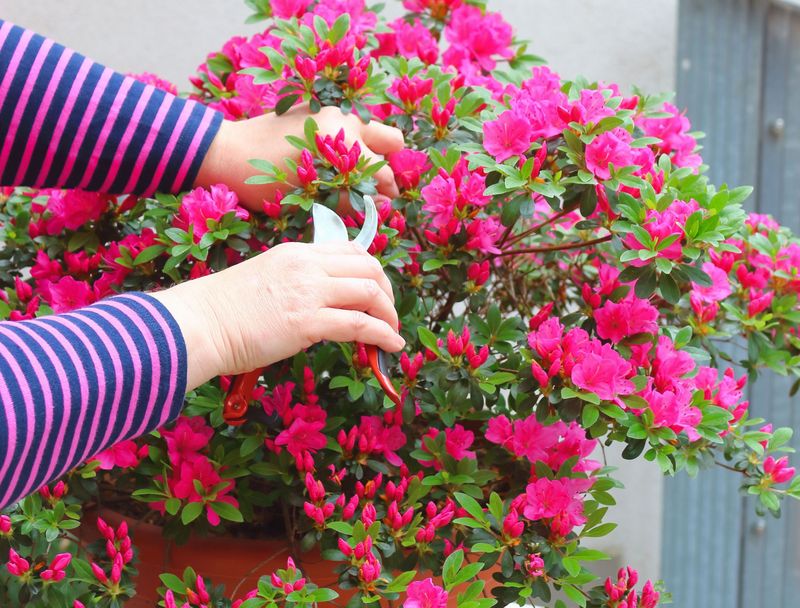
Azaleas, forsythia, spirea, and other spring-flowering shrubs set next year’s flower buds during the summer months, which means the window for pruning them is short and timing matters.
Once a shrub has finished blooming in late April or early May, pruning within the next few weeks gives the plant enough time to develop new growth and set those future buds before summer heat arrives.
Waiting too long into summer can mean cutting off the very buds that would produce flowers the following spring.
The goal of post-bloom pruning is not to dramatically reshape the plant but to remove damaged or crossing branches, reduce size if needed, and open up the interior a bit for better air circulation.
Removing spent flower clusters and any awkward or overly long stems is usually enough for most home landscapes.
Avoid shearing these shrubs into tight geometric shapes, since that approach tends to reduce flowering and can create dense outer growth that shades out the interior.
In North Carolina, azaleas are among the most common spring-flowering shrubs in home landscapes, and many gardeners are surprised to learn how quickly the pruning window closes after bloom.
A light, thoughtful trim right after the flowers fade is far more beneficial than a heavy cut later in the season.
Using clean, sharp pruners reduces the chance of tearing stems and helps wounds close more cleanly as the plant moves into its active summer growing phase.
7. Refresh Mulch In Landscape Beds
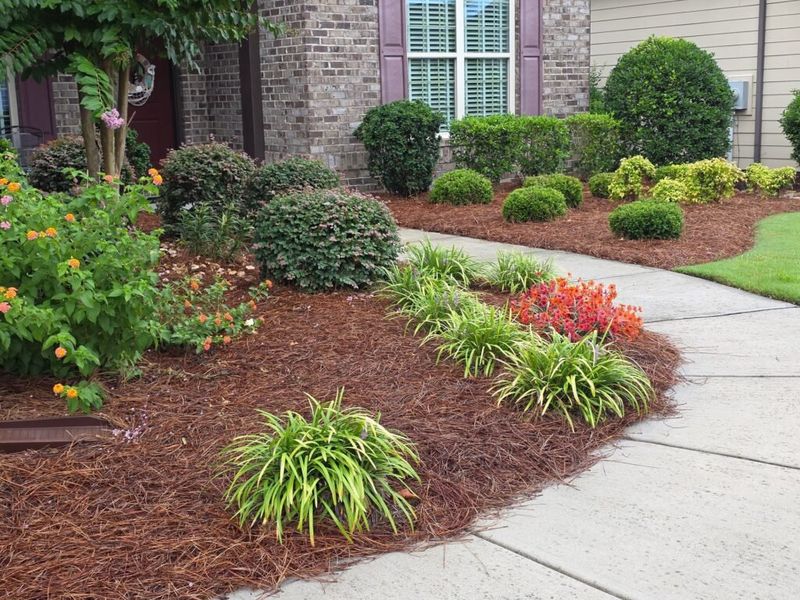
By late April in North Carolina, mulch applied the previous season has often broken down, shifted, or thinned out to the point where it is no longer doing its job as well as it should.
Refreshing mulch before summer heat arrives is one of the most practical things a homeowner can do to protect landscape plants and reduce maintenance needs over the coming months.
A proper mulch layer slows moisture loss from the soil, keeps weed pressure lower, and helps moderate soil temperature fluctuations.
A two to three inch layer of mulch is generally recommended for most landscape beds. Before adding new material, rake back what remains of the old mulch and check whether it needs to be fluffed or partially removed to prevent buildup.
Mulch that has accumulated to four or more inches can sometimes hold too much moisture against plant stems and crowns, which can encourage rot over time.
Pulling mulch a few inches away from the base of shrubs and perennials is a simple habit worth keeping.
Shredded hardwood mulch, pine bark, and pine straw are all commonly used options in North Carolina landscapes. Pine straw tends to be especially popular in areas of the state where it is locally available.
Whatever material you choose, applying it while soil moisture is reasonable rather than during a dry stretch helps lock in that moisture before summer heat begins to pull it out more aggressively.
Fresh mulch also gives beds a clean, well-maintained appearance that carries through the growing season.
8. Focus On Mowing, Not New Tall Fescue Seeding
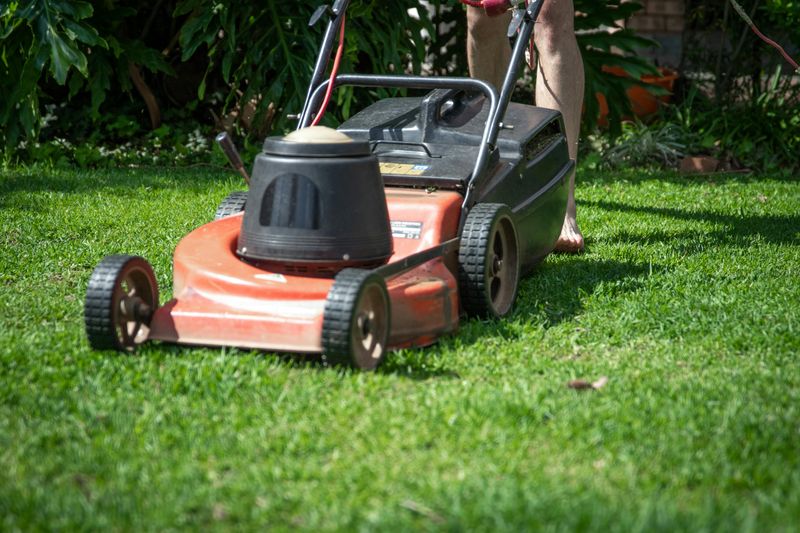
Tall fescue is the most widely grown cool-season lawn grass across North Carolina’s Piedmont and upper Coastal Plain, and it requires a different maintenance mindset in late April compared to the fall seeding season.
By the last week of April, soil and air temperatures are climbing toward the range where newly seeded tall fescue struggles to establish before summer stress sets in.
Seeding at this time of year is generally not recommended because young seedlings will face heat and drought before they have had enough time to develop deep root systems.
Instead of seeding, the focus for tall fescue lawns in late April should shift to consistent mowing at the right height.
Keeping tall fescue at around three and a half to four inches encourages deeper rooting and helps the turf shade its own soil, which reduces moisture loss and makes it more resilient heading into summer.
Cutting too short at this time of year puts unnecessary stress on the grass as temperatures rise.
Avoid the temptation to apply heavy nitrogen fertilizer to tall fescue in late April, since pushing rapid green growth right before summer arrives can actually weaken the lawn over time.
A light application may be appropriate in some situations, but the main priority is to let the lawn coast through spring in good condition rather than push it hard.
Fall remains the best season for overseeding, fertilizing, and major renovation work on tall fescue lawns across North Carolina.