15 Must-Visit Botanical Gardens And Public Green Spaces In Oregon
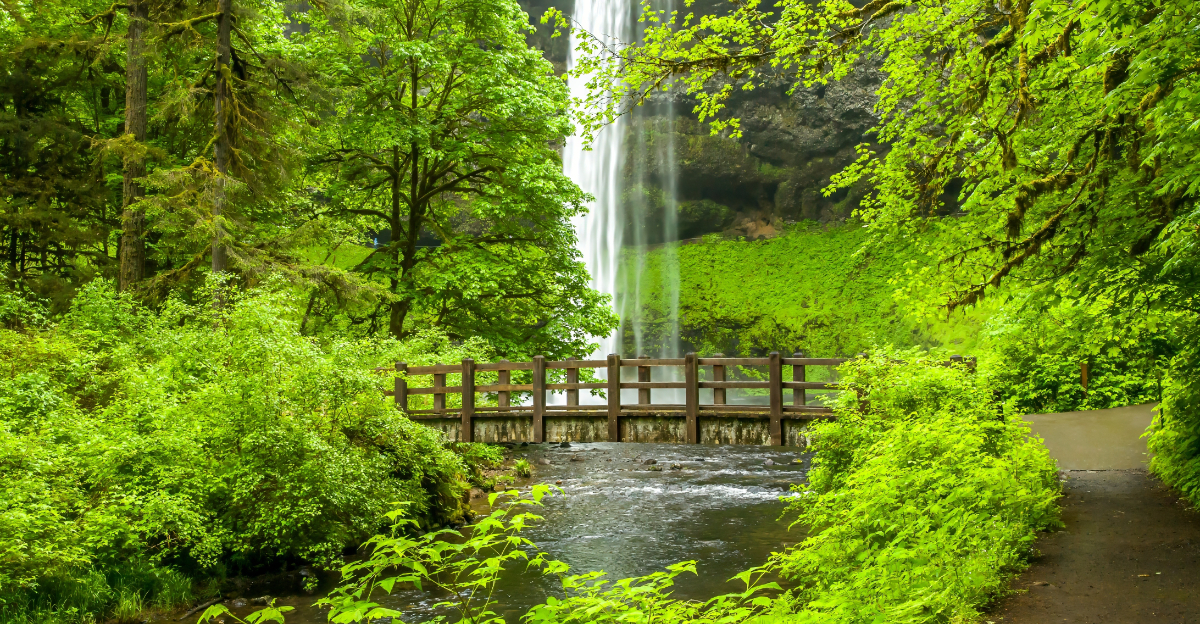
Oregon really shows off when it comes to lush, jaw-dropping green spaces. We are talking dreamy gardens, peaceful trails, and plant collections that make you want to suddenly become a “plant person” overnight.
Even if your houseplant track record is… questionable. Across the state, botanical gardens and public green spaces serve up everything from perfectly curated flower displays to wild, natural beauty that feels straight out of a movie.
Some spots are ideal for a slow stroll with coffee in hand, others are full-on adventures where you will forget you even checked your phone and each place has its own vibe.
One might be all about roses, another about native plants, and another about towering trees that make you feel tiny in the best way.
Get ready to explore some seriously stunning corners of Oregon that are absolutely worth the trip.
1. Portland Japanese Garden
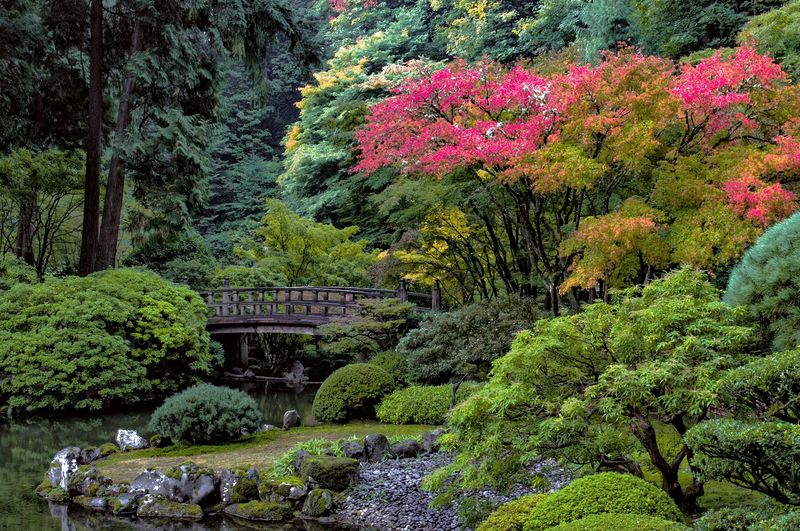
Perched on a hillside in Washington Park, this twelve-acre sanctuary transports visitors straight to Japan without leaving Portland.
Eight distinct garden styles blend seamlessly together, each one designed with careful attention to traditional Japanese principles of balance and harmony.
The Strolling Pond Garden invites you to wander along winding paths while the Sand and Stone Garden encourages quiet contemplation.
Garden enthusiasts find endless inspiration here, from the precise pruning techniques used on Japanese maples to the thoughtful placement of every stone and plant. Seasonal changes bring completely different experiences—cherry blossoms in spring, vibrant maples in fall, and serene snow-dusted landscapes in winter.
Educational programs teach visitors about bonsai cultivation, ikebana flower arranging, and Japanese gardening philosophy.
The garden’s authenticity comes from collaborations with Japanese designers and artisans who ensure every detail honors centuries-old traditions. Walking through the Heavenly Falls area or crossing the Moon Bridge feels like stepping into a painting.
For anyone interested in creating tranquil garden spaces at home, this living classroom offers countless lessons in using simplicity and natural materials to create profound beauty.
2. Lan Su Chinese Garden
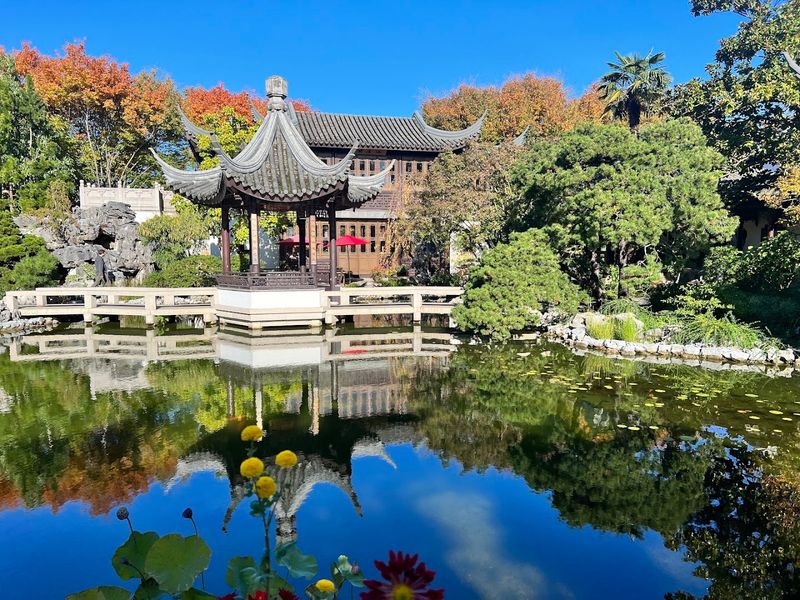
Right in the heart of Portland’s Old Town sits a walled garden that recreates the elegant estates of Ming Dynasty China. Craftsmen from Portland’s sister city Suzhou built this authentic space using traditional techniques and materials shipped directly from China.
Curved bridges arch over ponds where colorful koi glide beneath lotus blossoms, while carefully placed rocks and plants create miniature landscapes that represent mountains and forests.
Every element carries symbolic meaning, from the types of plants chosen to the poetry inscribed on moon gates and pavilions. Bamboo groves rustle in the breeze while flowering plum trees and peonies add seasonal color.
The garden’s design follows principles of balance between yin and yang, creating spaces that feel both energizing and calming.
Gardeners appreciate learning how Chinese landscape design uses fewer plant varieties but positions each one with intention to create maximum impact. The tea house offers a peaceful spot to rest while surrounded by fragrant osmanthus and jasmine.
Whether you’re sketching plant arrangements, photographing architectural details, or simply absorbing the serene atmosphere, this garden demonstrates how outdoor spaces can nourish both body and spirit.
Your Oregon Garden Changes Every Week. Your Plan Should Too.
Gardening in Oregon changes quickly throughout the season. Every Friday you’ll receive a simple weekly plan showing exactly what to plant, prune, fertilize, harvest, and protect so you never miss the right timing.
3. Leach Botanical Garden
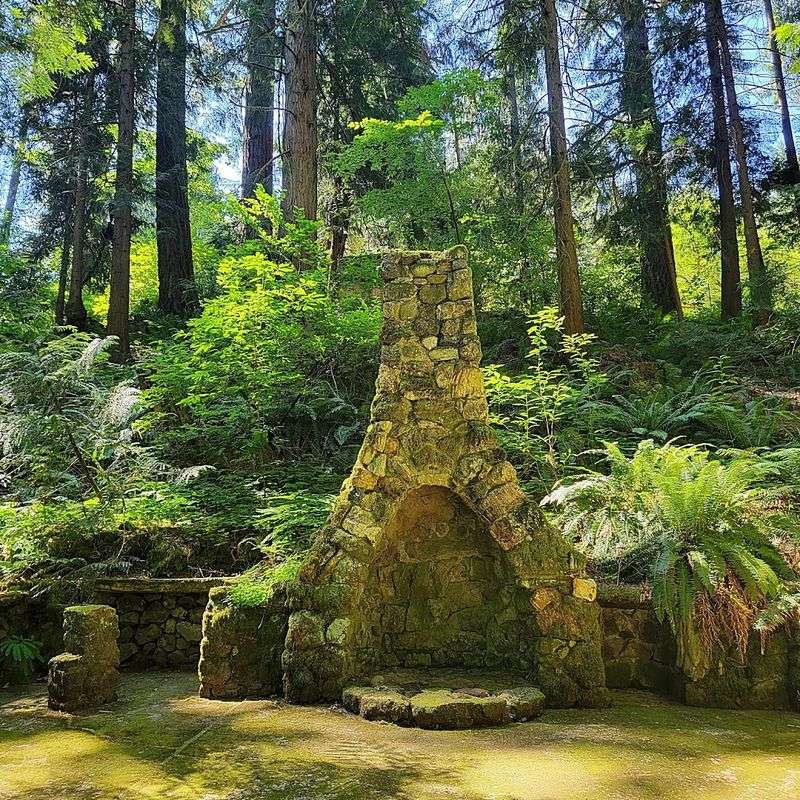
Hidden away in Southeast Portland, this seventeen-acre gem celebrates the native plants that make the Pacific Northwest so distinctive. Founded by botanist Lilla Leach and her husband John, the garden preserves their legacy of plant exploration and conservation.
Meandering trails wind through Douglas fir groves, past creek banks lined with ferns, and through meadows bursting with wildflowers.
The four-season pollinator garden demonstrates how to support bees, butterflies, and hummingbirds throughout the year using native species.
Educational displays explain which plants thrive in shady woodland conditions versus sunny open areas, helping home gardeners make smart choices for their own yards.
Special collections showcase plants discovered by the Leaches during their botanical expeditions across Oregon.
Spring brings trilliums and bleeding hearts blooming beneath the tree canopy, while summer highlights include colorful penstemons and lupines.
The garden’s focus on regional plants makes it incredibly valuable for anyone wanting to create sustainable, low-maintenance landscapes using species adapted to Oregon’s climate.
Workshops teach propagation techniques, garden design principles, and ecological gardening practices that work with nature rather than against it.
4. Hoyt Arboretum
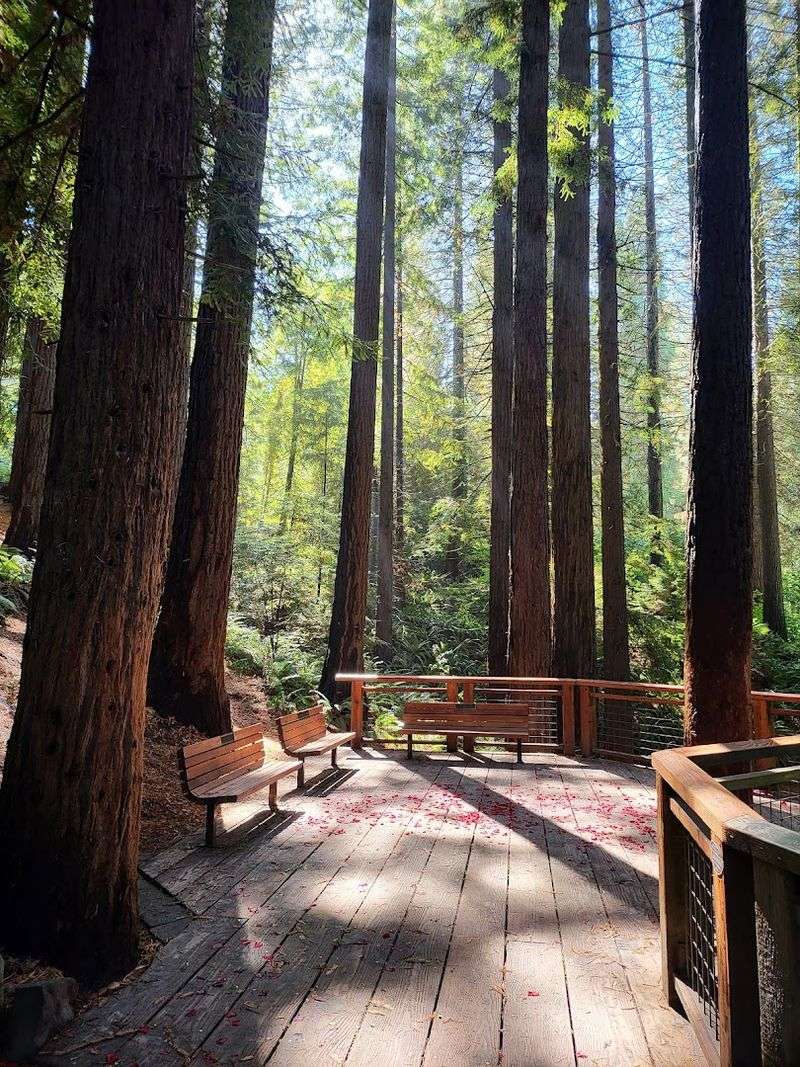
Sprawling across 189 acres in Portland’s West Hills, this living museum houses over 2,300 species of trees and shrubs from six continents.
Twelve miles of interconnected trails let you walk from Asian conifers to South American species to native Oregon forests without ever leaving the city.
Each collection area features labeled specimens that help visitors identify trees by their bark, leaves, and growth patterns.
The conifer collection alone contains more than 200 species, making it one of the largest in North America. Magnolia enthusiasts flock here in spring when dozens of varieties burst into spectacular bloom.
The arboretum serves as an outdoor laboratory where gardeners learn which trees perform well in Portland’s climate and how mature specimens look after decades of growth.
Trails range from easy strolls to challenging climbs that reward hikers with sweeping views of Mount Hood and downtown Portland. The Vietnam Veterans Memorial and other quiet spots offer peaceful places for reflection.
Whether you’re researching trees for your property, studying bark textures for artistic projects, or simply enjoying a nature walk, this arboretum provides year-round beauty and endless learning opportunities.
5. Forest Park
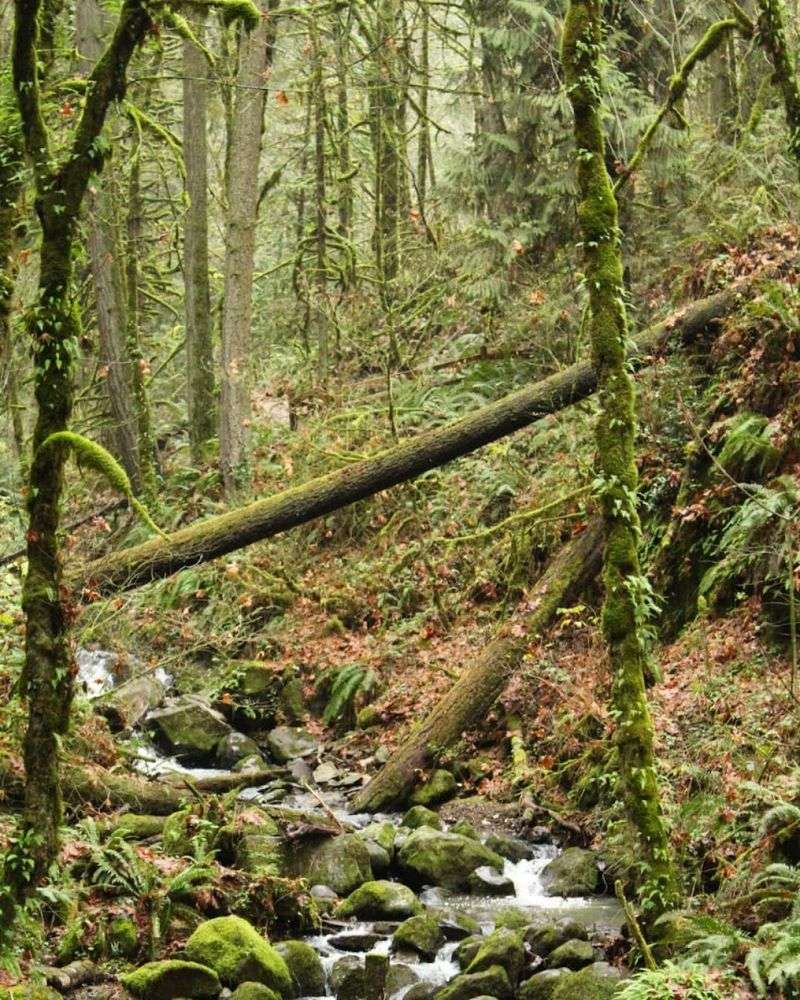
Stretching more than five thousand acres through Portland’s northwest hills, this urban wilderness ranks among the largest forested city parks in the United States.
Old-growth Douglas firs tower overhead while sword ferns carpet the forest floor, creating the quintessential Pacific Northwest woodland experience just minutes from downtown.
More than eighty miles of trails wind through this green sanctuary, offering everything from gentle walks to strenuous hikes.
Plant lovers discover incredible diversity here, from delicate wildflowers blooming in spring to massive cedars that have stood for centuries. The park demonstrates how forests naturally layer vegetation, with tall trees forming a canopy above smaller understory trees, shrubs, and ground-covering plants.
Observing these natural patterns helps gardeners understand how to create similar layered plantings in their own yards.
Seasonal changes transform the forest throughout the year—bright green new growth in spring, cool shade in summer, golden leaves in fall, and stark beauty in winter. Birds fill the air with song while salamanders hide beneath logs and leaf litter.
This living classroom teaches ecological principles and shows how native plants support entire ecosystems of wildlife.
6. The Oregon Garden
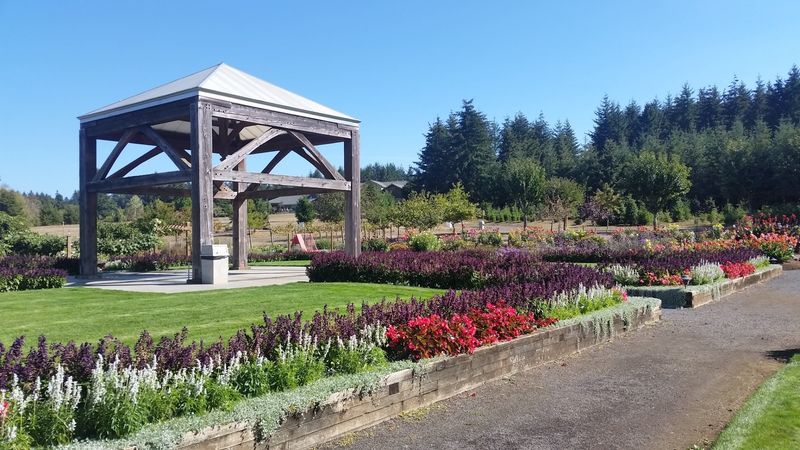
Nestled in the foothills near Silverton, this eighty-acre showcase celebrates the remarkable plant diversity of the Pacific Northwest.
More than twenty specialty gardens explore different themes, from a conifer garden featuring towering evergreens to a sensory garden designed for touch and fragrance.
Water features, sculptures, and carefully designed pathways connect these distinct areas into one cohesive experience.
The pet-friendly garden welcomes four-legged visitors, while the children’s garden engages young minds with interactive plantings and play areas. Serious gardeners appreciate the demonstration gardens that show successful plant combinations and design techniques adapted to Oregon’s climate.
The Lewis and Clark Garden recreates the types of landscapes and plants the explorers encountered during their historic journey.
Seasonal highlights include spring bulb displays that blanket hillsides with color, summer roses perfuming the air, and fall foliage creating a painter’s palette of reds and golds. Educational programs cover topics from organic vegetable gardening to native plant landscaping.
The garden’s expansive layout means you can spend hours exploring without retracing your steps, discovering new plant ideas and design inspiration around every corner.
7. Silver Falls State Park
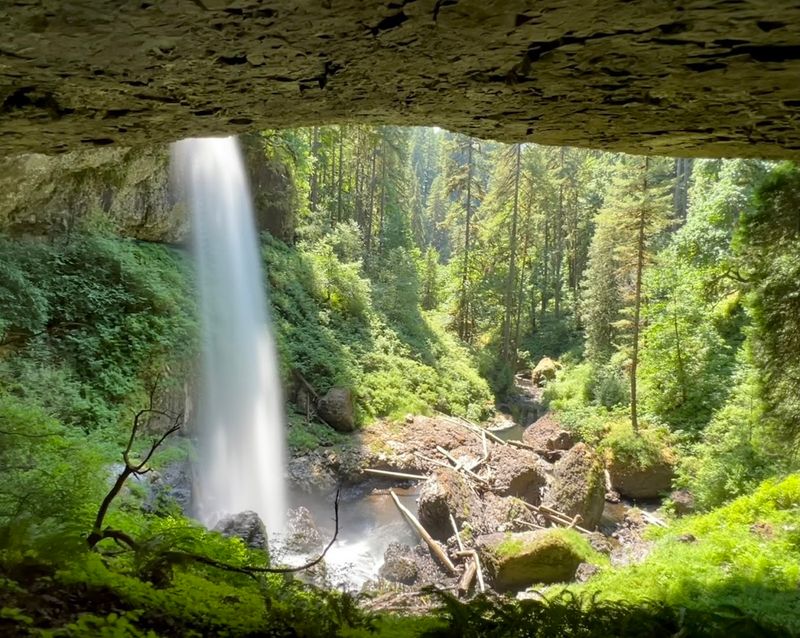
Known primarily for its stunning waterfalls, this state park east of Salem also offers remarkable opportunities to observe Pacific Northwest plant communities in their natural settings. The Trail of Ten Falls loops through old-growth forests where massive trees create cathedral-like spaces beneath their branches.
Moisture from the waterfalls supports lush moss gardens that drape over rocks and logs in shades of emerald and chartreuse.
Ferns thrive in the misty environment, displaying the elegant forms that make them popular in shade gardens. Watching how plants arrange themselves along the creek—from moisture-loving species right at the water’s edge to drier-adapted plants on higher slopes—teaches valuable lessons about matching plants to site conditions.
Wildflowers bloom in sunny openings while shade-tolerant species carpet the forest floor.
The park’s diverse habitats support everything from towering conifers to delicate woodland flowers, demonstrating plant succession and forest ecology in action.
Photographers find endless subjects, from water droplets clinging to leaves to the play of light through the forest canopy.
Anyone interested in creating woodland gardens at home will find inspiration in the natural plant combinations thriving throughout the park.
8. Mount Pisgah Arboretum
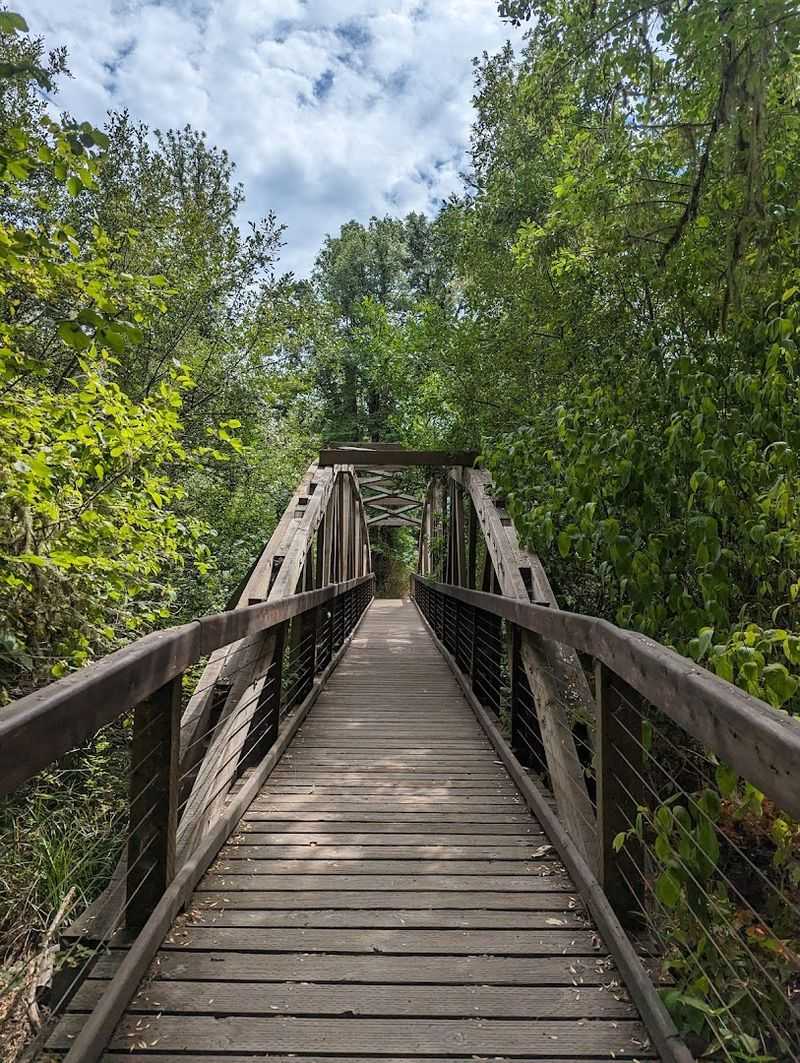
Rising from the valley floor near Eugene, this 209-acre arboretum serves as both a nature preserve and an outdoor classroom. Trails meander through remarkably diverse habitats including oak savannas, wetlands, and Douglas fir forests.
Each ecosystem supports its own community of plants adapted to specific conditions, from water-loving cattails and rushes in the marsh to drought-tolerant wildflowers in the open meadows.
Spring wildflower displays rival any cultivated garden, with native camas lilies painting entire hillsides purple-blue. The oak savanna demonstrates a rare habitat type that once covered much of the Willamette Valley before agricultural development.
Educational programs help visitors understand how these ecosystems function and why preserving native plant communities matters for wildlife and watershed health.
The arboretum’s focus on regional plants makes it invaluable for gardeners wanting to use natives in their landscapes. You can observe how plants look in different seasons, which species grow well together, and how native gardens support pollinators and birds.
The peaceful trails offer quiet spots for nature journaling, photography, or simply absorbing the beauty of Oregon’s indigenous plant life thriving in protected habitats.
9. Hendricks Park
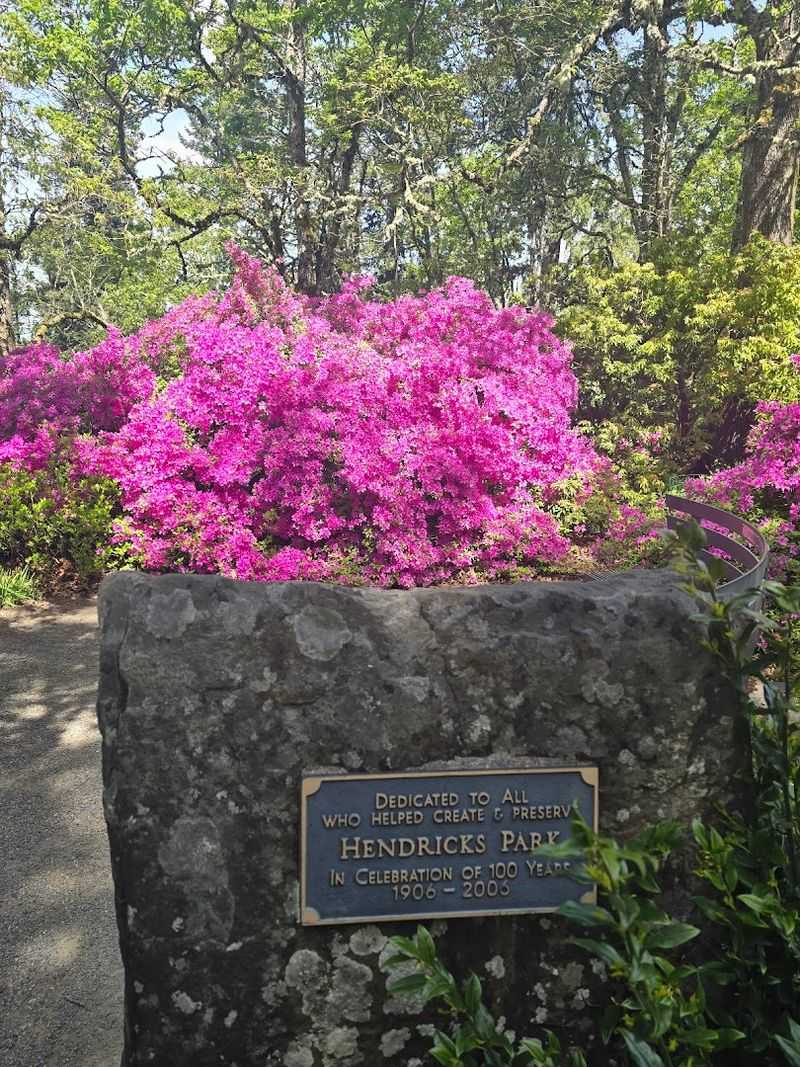
Tucked into Eugene’s southeast hills, this eighty-acre park centers around one of the oldest and most extensive rhododendron gardens west of the Mississippi. Each spring, thousands of rhododendrons and azaleas burst into bloom, creating an almost overwhelming display of color ranging from pure white to deep purple.
The collection includes rare species and hybrids that thrive in the Pacific Northwest’s mild, moist climate.
Beyond the rhododendron garden, trails wind through old-growth forest where ancient trees demonstrate the majesty of undisturbed Pacific Northwest woodlands. A native plant garden showcases species indigenous to the region, helping gardeners identify plants suitable for local conditions.
The contrast between cultivated garden areas and natural forest illustrates different approaches to working with plants and landscapes.
Peak bloom typically occurs in April and May, but the park offers beauty year-round with evergreen foliage, interesting bark textures, and seasonal changes in the forest canopy. Garden clubs and horticultural societies use the park for educational tours and workshops.
Whether you’re studying rhododendron cultivation, photographing spring blooms, or hiking forest trails, this park combines horticultural excellence with natural beauty in a compact, accessible package.
10. Shore Acres State Park
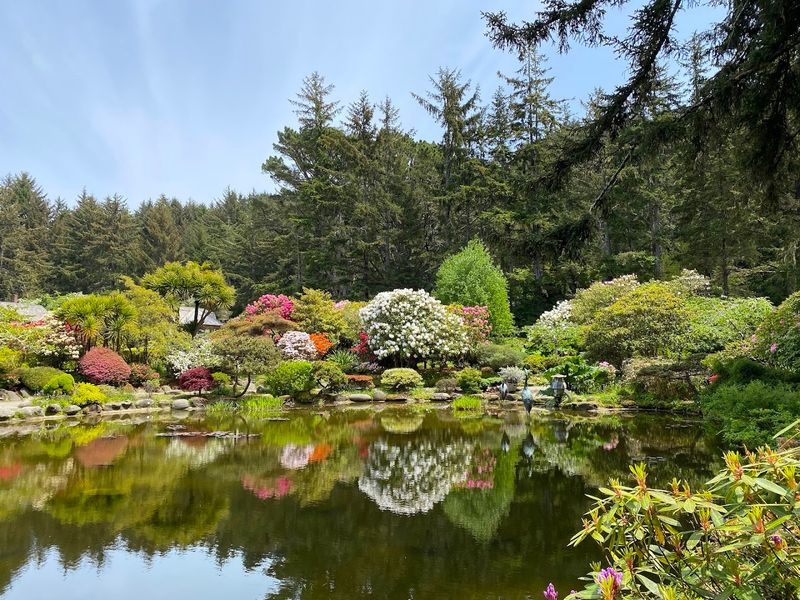
Perched on rugged coastal bluffs near Coos Bay, this unexpected garden combines formal plantings with wild ocean scenery. The original estate gardens, created by timber baron Louis Simpson in the early 1900s, have been lovingly restored and maintained as a state park.
Sheltered somewhat from coastal winds, the gardens support a surprising variety of plants including roses, dahlias, and even some subtropical species.
Five acres of formal gardens feature geometric beds edged with precisely trimmed hedges, creating a striking contrast with the untamed ocean crashing against rocks below.
Seasonal displays change throughout the year, with spring bulbs giving way to summer annuals and fall chrysanthemums.
The mild coastal climate allows plants to bloom later into the season than in most of Oregon.
Gardeners marvel at how the gardens thrive despite salt spray and coastal weather, learning techniques for protecting plants and choosing resilient species. The observation building offers panoramic views where you can watch winter storms while staying dry and warm.
Holiday lights transform the gardens each December, creating a magical wonderland. This unique combination of cultivated beauty and raw natural power demonstrates how gardens can thrive even in challenging coastal environments.
11. Cape Perpetua Scenic Area
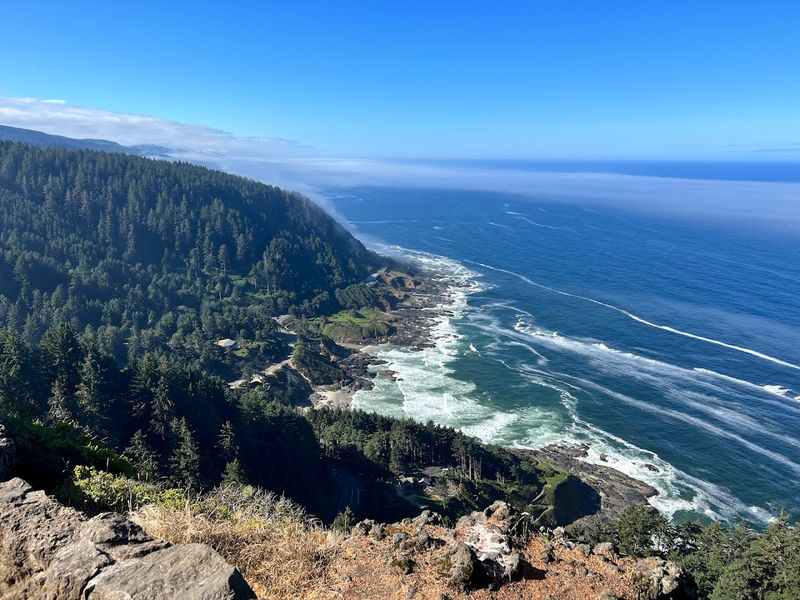
Along the central Oregon coast, this dramatic landscape protects old-growth forests that sweep down mountainsides to meet the Pacific Ocean. Giant Sitka spruce trees, some hundreds of years old, tower over trails carpeted with sorrel and ferns.
The coastal environment creates unique growing conditions where salt-tolerant plants thrive alongside species adapted to the moist forest interior.
Hiking trails lead through different plant zones, from windswept shore pines clinging to rocky headlands to lush spruce forests in protected valleys. Tide pools reveal marine algae and sea plants adapted to the rhythmic flooding and exposure of tidal cycles.
Observing how plants respond to extreme conditions—constant wind, salt spray, thin soils—offers lessons in resilience and adaptation.
The visitor center provides information about coastal ecology and the relationships between plants, animals, and their environment. Spring brings wildflowers blooming on coastal bluffs, while fall showcases the warm tones of deciduous shrubs against evergreen backgrounds.
Photographers and nature enthusiasts find endless subjects, from gnarled shore pines shaped by wind to delicate wildflowers somehow thriving in rock crevices. This scenic area demonstrates nature’s incredible ability to support plant life even in harsh coastal conditions.
12. Cape Blanco State Park
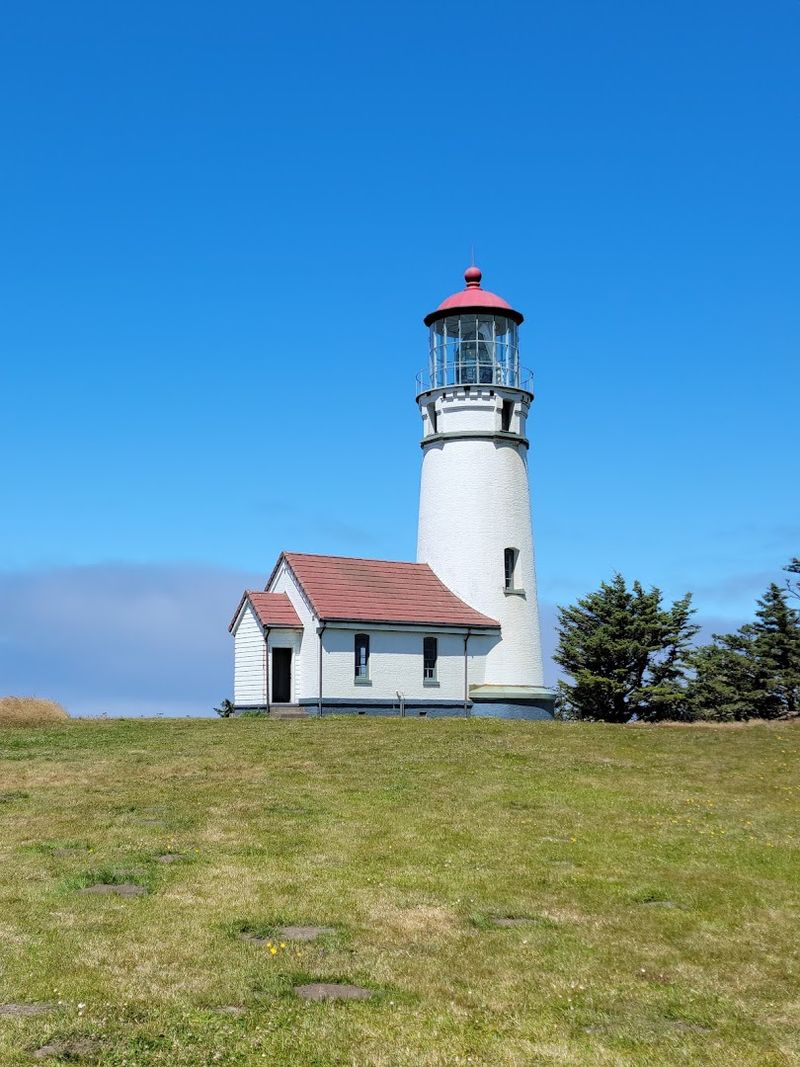
At Oregon’s westernmost point, this windswept headland showcases the beauty of coastal plant communities adapted to extreme conditions.
Meadows surrounding the historic lighthouse burst with wildflowers in spring and summer, their low-growing forms shaped by constant ocean breezes.
Sitka spruce forests grow in protected valleys while hardy shrubs and grasses colonize exposed slopes.
The park’s diverse habitats range from coastal bluffs to riparian corridors along the Sixes River, each supporting distinct plant communities. Beach strawberries, lupines, and seaside daisies demonstrate how native plants thrive in poor soils and harsh weather.
Watching these tough species flourish offers inspiration for gardeners dealing with difficult conditions like wind, drought, or challenging soil.
Trails wind through different ecosystems, allowing visitors to observe how plants change with elevation and exposure. The lighthouse area provides sweeping views where you can see how vegetation patterns shift across the landscape.
Bird watchers appreciate the park’s position along migration routes, while plant enthusiasts study how coastal species adapt to salt spray and strong winds.
This rugged park celebrates the understated beauty of plants that survive and flourish where conditions challenge all but the hardiest species.
13. Lithia Park
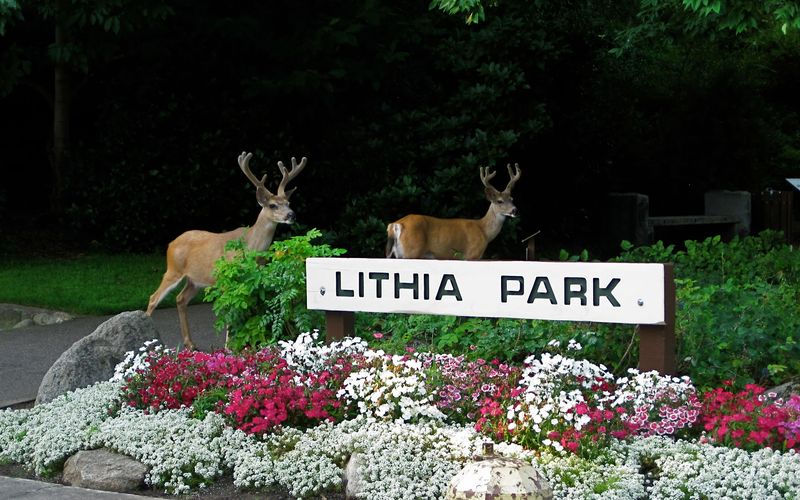
Flowing through the heart of Ashland, this hundred-acre park combines formal gardens with natural creek-side beauty. Lithia Creek tumbles through the park, its banks lined with sycamores and other water-loving trees that provide cooling shade in summer.
Formal rose gardens showcase classic varieties while a Japanese garden offers tranquil contemplation spaces with carefully pruned plants and traditional design elements.
Duck ponds attract waterfowl and provide habitat for aquatic plants, demonstrating how water features support biodiversity. The park’s varied topography creates microclimates where different plants thrive, from sun-loving perennials in open areas to shade plants beneath the tree canopy.
Mature trees throughout the park show how specimens look after decades of growth, helping gardeners envision long-term landscape development.
Picnic areas and walking paths make the park accessible for visitors of all abilities. Seasonal changes bring cherry blossoms in spring, cooling greenery in summer, and golden leaves in fall.
The park serves as Ashland’s green heart, hosting outdoor concerts and events while providing daily recreation and beauty for residents and visitors.
Garden enthusiasts find design inspiration in the blend of formal plantings and natural landscapes working together harmoniously.
14. Smith Rock State Park
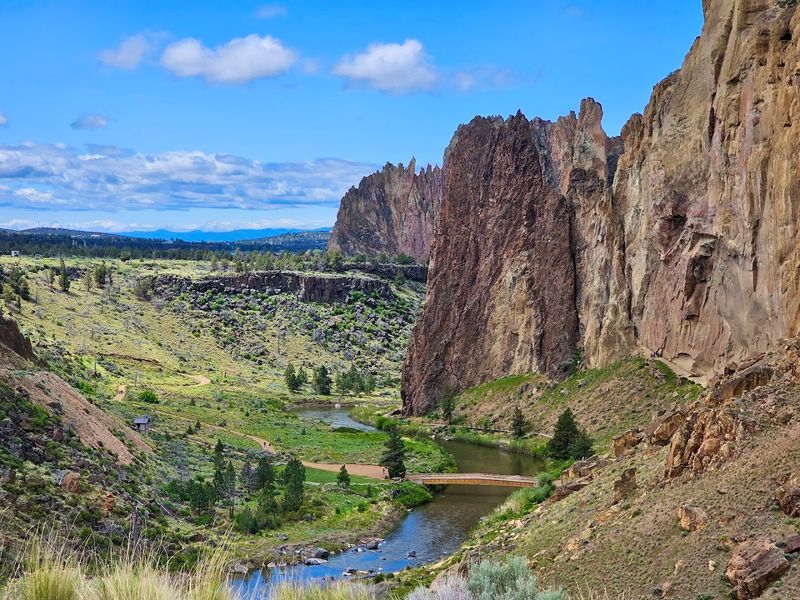
Rising from the high desert near Terrebonne, these dramatic rock formations create a completely different plant environment than western Oregon’s lush forests.
Sagebrush, juniper, and other drought-adapted species demonstrate how plants survive with minimal rainfall and intense summer heat.
The Crooked River winds through the canyon bottom, supporting riparian vegetation that contrasts sharply with the surrounding arid landscape.
Wildflowers adapted to desert conditions bloom in spring, their brief but brilliant displays timed to take advantage of seasonal moisture.
Watching how desert plants space themselves to reduce competition for scarce water teaches lessons about plant ecology and adaptation.
The park’s extreme conditions show what’s possible when you choose plants matched to your site rather than fighting natural limitations.
Rock climbers flock here for world-class routes, but plant enthusiasts appreciate the unique high desert flora. Photographers capture the contrast between golden grasses, green junipers, and red rock formations.
The park demonstrates that beauty exists in all ecosystems, not just traditionally lush gardens. Anyone gardening in dry climates will find inspiration in how native plants create textured, colorful landscapes without irrigation or intensive maintenance.
15. Wallowa Lake State Park
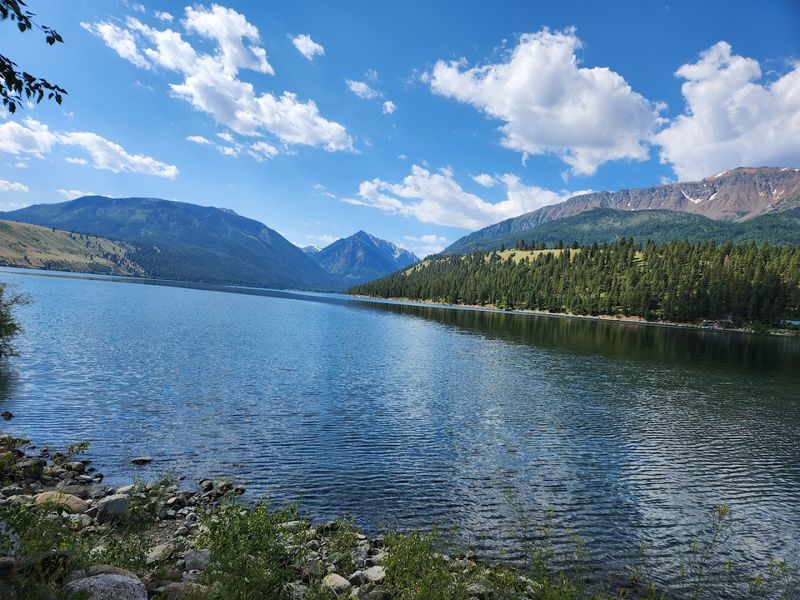
Cradled in the Wallowa Mountains of northeastern Oregon, this alpine park surrounds a glacial lake with towering peaks rising behind.
Mountain meadows explode with wildflowers in summer, their brief growing season producing intense displays of lupines, paintbrush, and countless other species.
Conifer forests of ponderosa pine, Douglas fir, and subalpine species create vertical layers of vegetation adapted to mountain conditions.
The high elevation and short growing season demonstrate how plants adapt to challenging climates with long winters and intense summer sun.
Alpine wildflowers have evolved strategies like low growth forms and brilliant colors to attract pollinators during the compressed blooming period.
Observing these adaptations helps gardeners understand plant biology and appreciate the diversity of strategies plants use to survive.
Trails around the lake and into the surrounding mountains showcase different elevation zones, each with characteristic plant communities. The transition from lakeside vegetation to alpine tundra illustrates how temperature and moisture shape plant distribution.
Whether you’re hiking mountain trails, paddling the lake, or simply relaxing amid spectacular scenery, this park offers a chance to experience Oregon’s incredible geographic and botanical diversity.
The untamed beauty reminds us why protecting natural spaces matters for future generations to enjoy and study.