Why You Should Plant Lemongrass Around Your Patio In Georgia
A patio in a Georgia yard should be easy to use once the day cools down. The seating is ready, the yard looks settled, and everything points to a quiet evening outside.
Still, it rarely lasts as long as expected.
The air starts to feel less comfortable, and staying outside becomes more of a hassle than it should be.
Nothing in the setup seems wrong, which makes the problem harder to figure out. Basic fixes only work for a short time, and the same issue keeps showing up night after night.
That moment tends to feel familiar after a while, especially when the space should be working better. The change that makes a difference often comes from what is planted nearby.
Lemongrass is one option that can shift how that patio area feels without needing constant effort.
1. Lemongrass Helps Deter Mosquitoes Naturally
Mosquitoes in Georgia are not a minor inconvenience — they can turn a pleasant evening on the patio into something you want to escape from quickly.
Lemongrass contains a natural oil called citronella, which is the same compound used in many commercial bug sprays and candles.
When the leaves brush against you or the wind moves through the plant, that scent gets released into the air around you.
Planting a few clumps near your seating area creates a kind of low-level scent barrier that mosquitoes tend to avoid. Crushing a leaf between your fingers releases even more of that oil, and some people rub it lightly on their arms before sitting outside.
It is not a guaranteed shield against every mosquito, but it does reduce how many show up around your space.
Georgia summers bring heavy moisture and warm nights, which are exactly the conditions mosquitoes love. Having a natural deterrent growing right beside your chairs and table adds a layer of protection without sprays or chemicals.
Most gardeners in the South who have tried it notice a real difference, especially when the plants are full and healthy.
2. Strong Heat Does Not Affect Its Growth Much
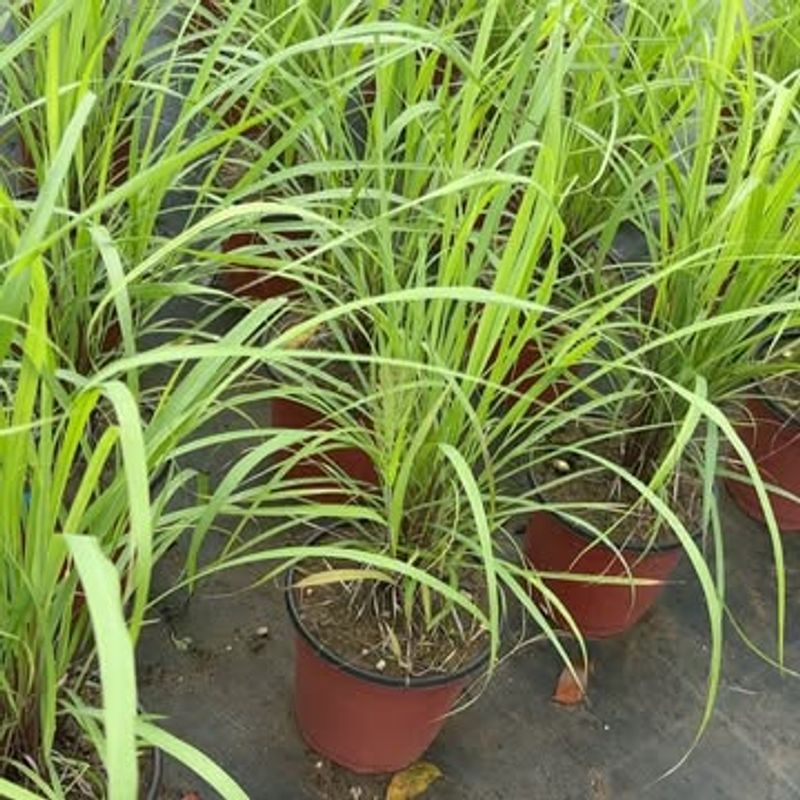
Georgia summers can push temperatures well past 95 degrees for weeks at a time, and a lot of plants simply struggle under that kind of heat. Lemongrass handles it differently.
High temperatures actually push it to grow faster, and the plant rarely shows stress the way other herbs do when the thermometer climbs.
The roots go deep, and the plant pulls moisture from lower in the soil even when the surface dries out. That said, it still benefits from regular watering during dry stretches, especially in Georgia’s red clay-heavy soils that can crack and harden fast.
Sandy or amended soil with good drainage will serve the plant better than heavy, compacted ground.
Full sun is where lemongrass performs best. A spot that gets six to eight hours of direct sunlight daily is ideal, and a south or west-facing patio edge in Georgia will usually deliver that without any trouble.
Partial shade slows growth noticeably and can cause the blades to look pale or thin over time. Planting in full sun from the start keeps the clumps dense and upright.
Your Georgia Garden Changes Every Week. Your Plan Should Too.
Gardening in Georgia changes quickly throughout the season. Every Friday you’ll receive a simple weekly plan showing exactly what to plant, prune, fertilize, harvest, and protect so you never miss the right timing.
By midsummer, a healthy plant started in spring can reach four to five feet tall and spread two to three feet wide.
3. Taller Blades Create Light Patio Screening
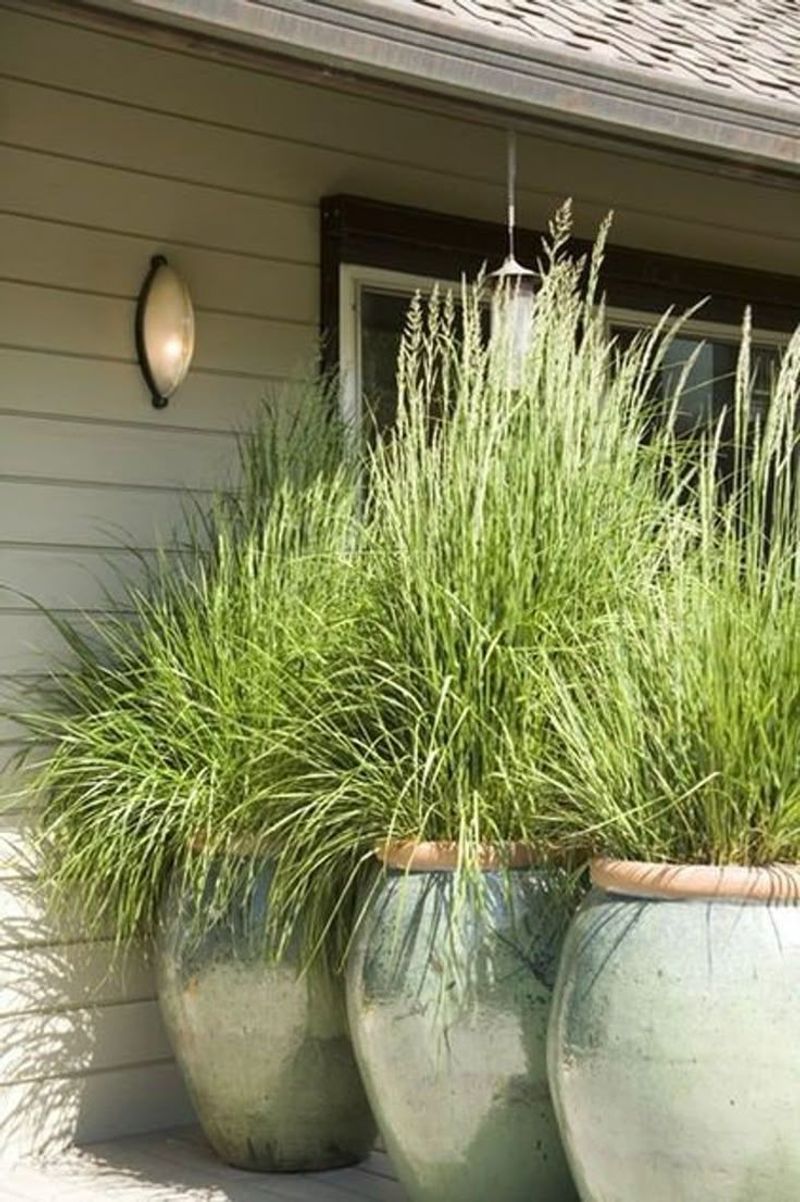
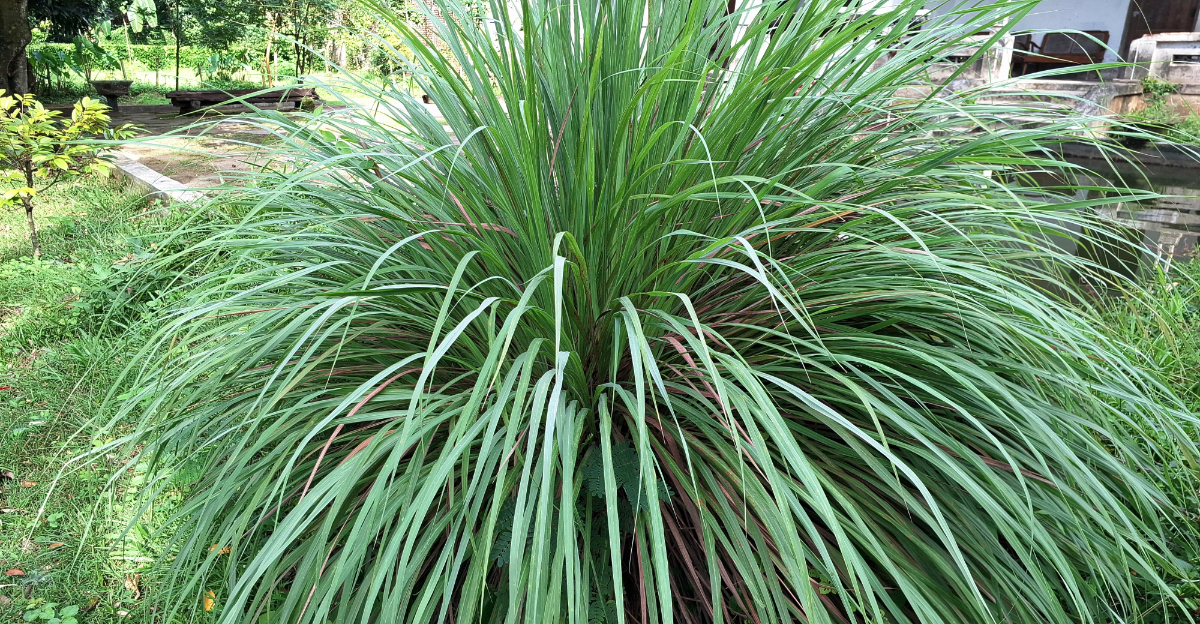
A full-grown lemongrass clump can reach four to five feet tall, and when you line several of them up along a patio border, they create a soft, natural screen between your space and the yard beyond.
It is not a solid wall, but the layered blades block sightlines and reduce that open, exposed feeling that some patios have.
Unlike a wooden fence or lattice screen, this kind of border moves gently in the breeze and looks alive. The texture of lemongrass is interesting up close, with long arching blades that overlap and shift.
Neighbors walking by or looking over will see a green, lush edge rather than bare ground or a hard structure.
In Georgia, where lots can sit fairly close together, even a partial visual buffer makes a difference in how private a patio feels. Spacing plants about two to three feet apart gives each clump room to fill out fully while still creating a reasonably continuous line.
Planting along one or two sides of the patio rather than all the way around keeps airflow moving through the space.
The screening effect builds through the season as the plants grow. A clump planted in April may be knee-high by June and well above your head by August.
4. Containers Work Well For Easy Placement
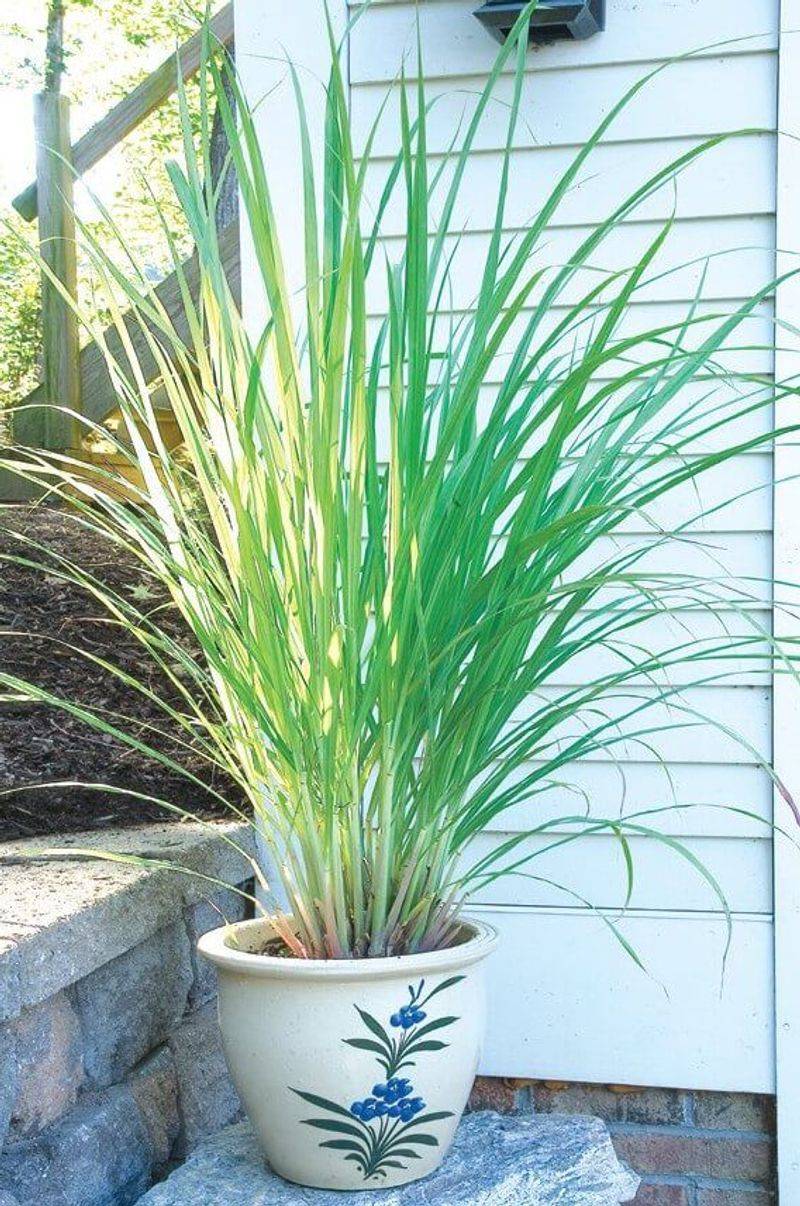
Not every Georgia patio has open ground around it. Concrete slabs, pavers, and decking are common, and that does not leave much room for in-ground planting.
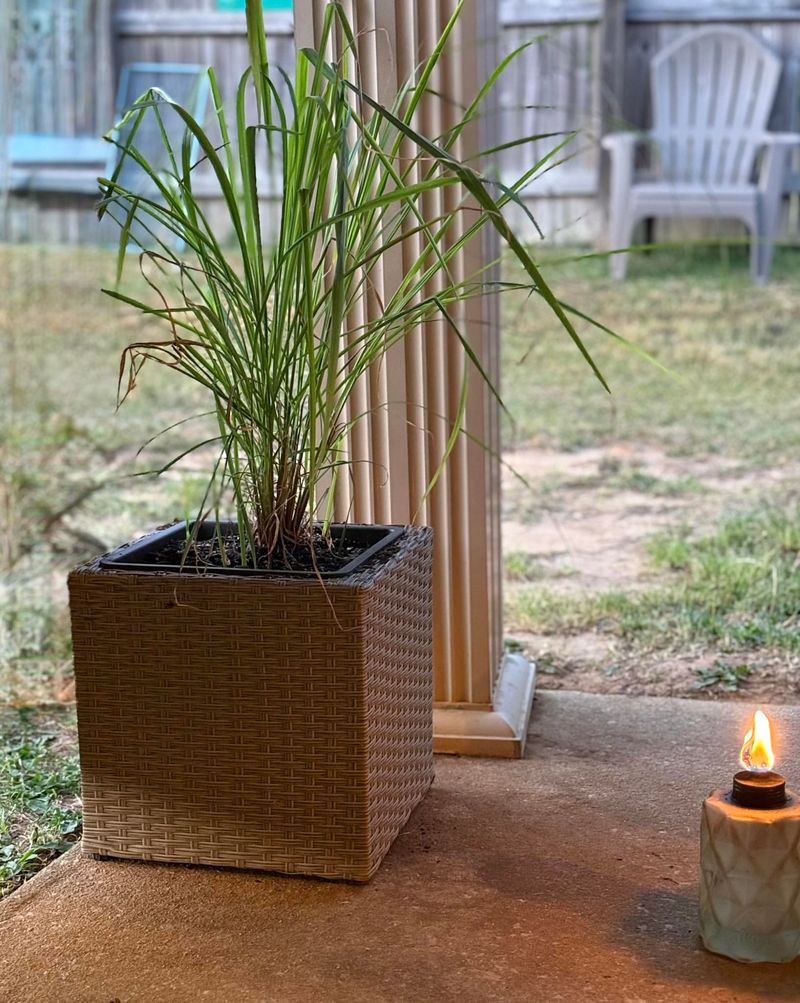
Containers solve that problem completely, and lemongrass actually does quite well in pots as long as they are large enough to support the root system.
A container at least twelve to fourteen inches wide and deep gives the roots enough space to spread. Wider pots allow the plant to grow larger and stay stable in wind.
Plastic or fiberglass containers are lighter and easier to move than clay or ceramic, which matters when the time comes to bring plants inside before a cold snap.
One of the real advantages of container growing in Georgia is flexibility. You can shift plants around the patio depending on where you need shade, screening, or mosquito deterrence most.
If you are hosting a gathering, cluster a few pots near the seating area. On regular days, spread them along the edges for a tidier look.
Watering container plants requires more attention than in-ground ones, especially during Georgia’s dry summer stretches. Pots dry out faster, and lemongrass in a small container can show stress quickly if watering gets skipped for too long.
5. Fresh Leaves Add Flavor In Cooking
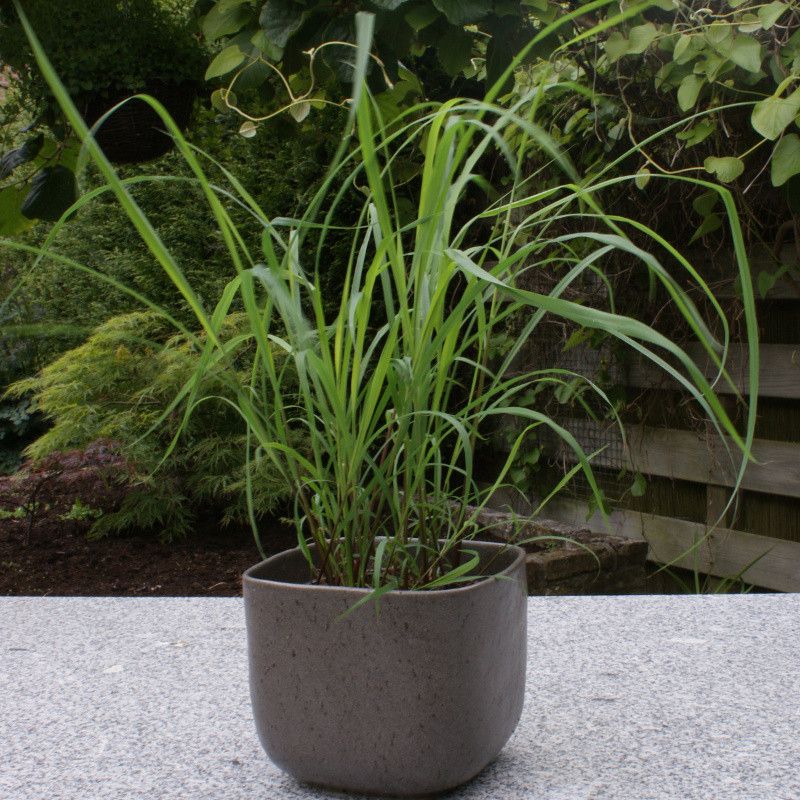
Having lemongrass growing a few steps from your back door is genuinely useful in the kitchen. The lower stalks, once peeled back to the firm inner core, carry a bright citrus flavor that works in soups, marinades, rice dishes, and teas.
You do not need much to notice it in a recipe.
Grocery stores in Georgia sometimes carry lemongrass, but it is not always easy to find fresh, and the quality varies. Growing your own means you can cut a stalk whenever you need it rather than planning a special trip.
The flavor in freshly cut stalks is noticeably more vibrant than what you typically find pre-packaged.
To harvest, pull or cut outer stalks at the base when they are at least a half inch thick. The inner stalks are more tender and flavorful.
Rinse them off, remove the tough outer leaves, and slice or bruise the lower portion before adding it to whatever you are cooking. The upper grassy blades can be dried and steeped as a tea with a mild lemon flavor.
Beyond cooking, lemongrass adds a pleasant scent to the air when you brush past it or cut into it. That fragrance alone makes the plant worth having near a patio in Georgia, even if you never cook with it.
6. Bright Light Supports Strong And Fast Growth
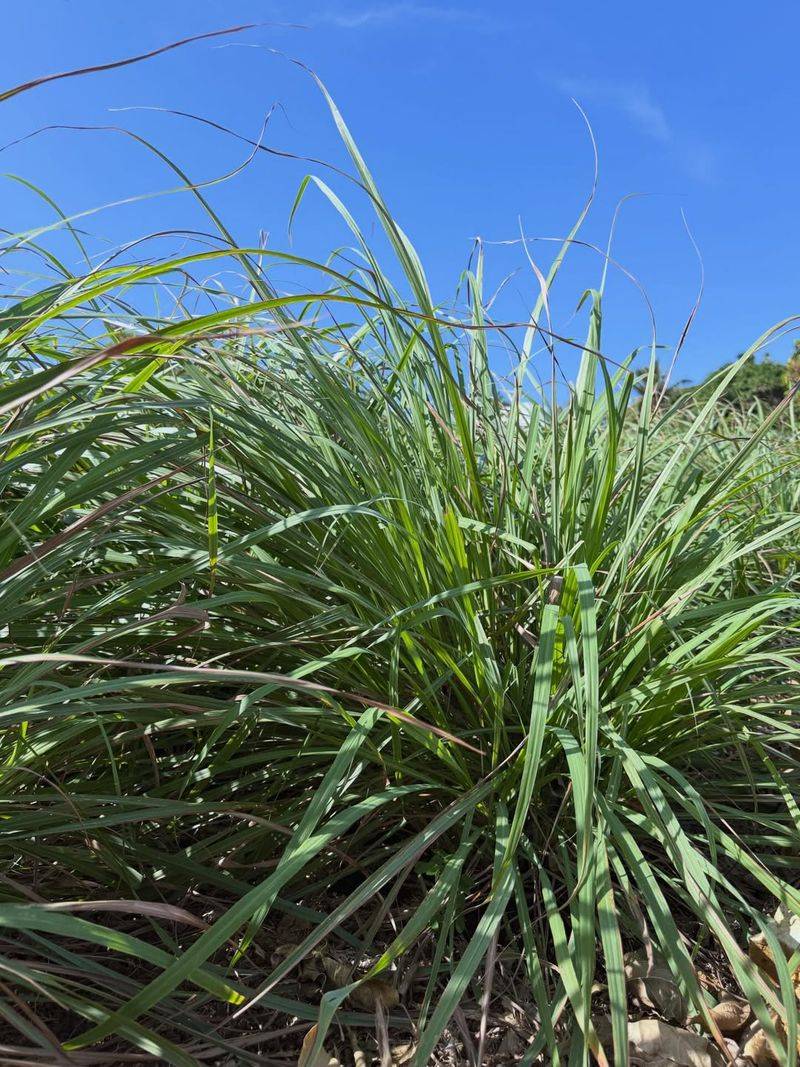
Lemongrass is one of those plants that responds visibly and quickly to direct sunlight. Put it in a shaded corner and it will survive, but the blades stay thin, pale, and slow to fill out.
Move it into full sun and the difference shows up within weeks.
Georgia’s long days from April through September give lemongrass exactly what it needs to bulk up fast.
A clump started from a division or a nursery transplant in late spring can go from a small starter plant to a full, impressive clump by late summer when it gets consistent sun exposure.
That kind of growth rate is part of what makes it satisfying to grow in this state.
Positioning matters more than most people realize. A spot that gets strong morning sun and open sky through the afternoon will outperform a spot that is partially shaded by a tree or structure.
South-facing patio edges in Georgia are often ideal because they receive the longest duration of direct light throughout the day.
Soil quality plays a supporting role alongside sunlight. Lemongrass planted in loose, well-draining soil with some organic matter added will grow more vigorously than the same plant stuck in hard, compacted clay.
Mixing in compost at planting time gives the roots a better environment to spread.
Once the plant is established and receiving full sun, the growth tends to take care of itself through the warm months, requiring little beyond occasional watering during dry periods and maybe a light feeding mid-season.
7. Cold Weather Requires Replanting Or Protection
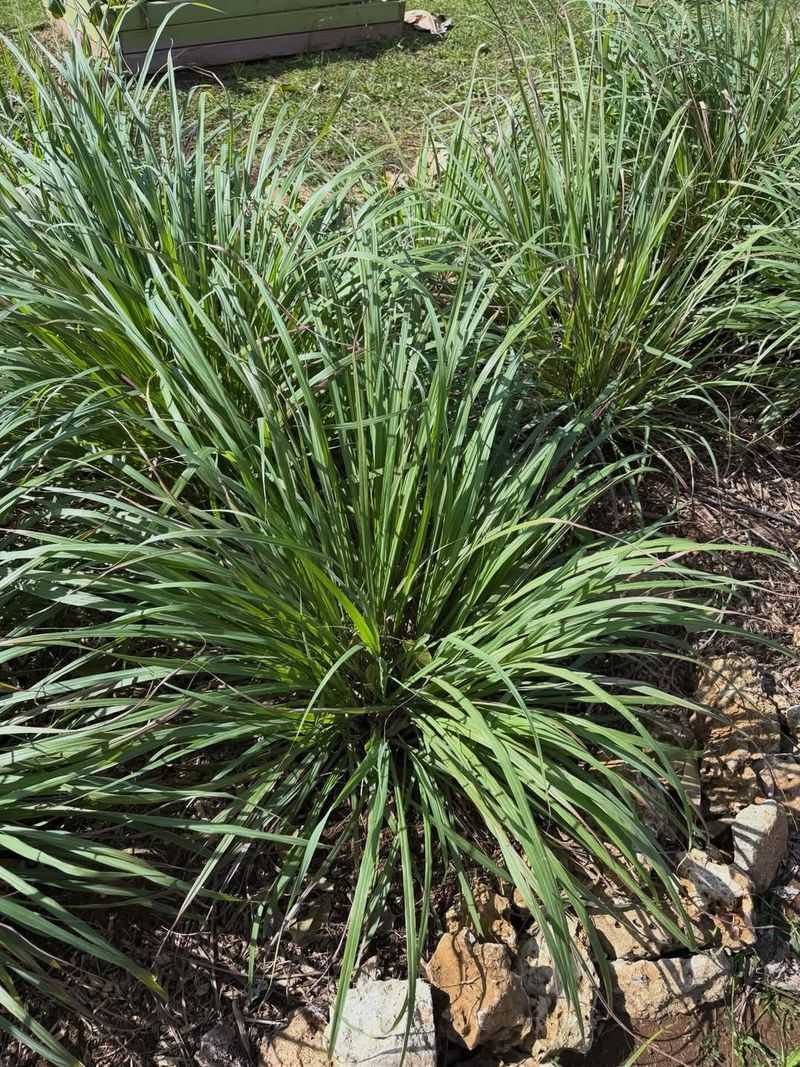
Georgia winters are mild compared to states further north, but lemongrass is still sensitive to freezing temperatures. In North Georgia, where hard freezes are more common, outdoor plants will likely not survive the winter without some form of protection.
In Central and South Georgia, a mild winter might let roots survive underground, but it is not something you can count on every year.
Container-grown plants have the clearest path through winter. Bring them inside before the first frost, set them near a sunny window, and water sparingly until warm weather returns in spring.
The plant will slow down considerably indoors but can stay alive and be moved back outside once temperatures stay reliably above 40 degrees at night.
In-ground plants in warmer parts of Georgia can sometimes be protected with a thick layer of mulch piled over the base of the clump once the top growth fades back.
This insulates the root zone and gives it a chance to resprout in spring. That approach works better in the Atlanta metro and south, where hard freezes are shorter and less frequent.