7 Night-Blooming Flowers Georgia Gardeners Can Grow Easily
Evenings in Georgia can feel completely different once the right flowers start to open after sunset. The garden does not lose its color when the sun goes down, it shifts into something softer and more interesting as certain blooms take over.
Some plants stay quiet all day, then open up later and bring a whole new look once light fades. That change can make outdoor spaces feel more inviting at night without adding anything extra during the day.
You notice it most when the air cools and the garden still feels active instead of fading into the background. Certain flowers keep that sense of life going long after sunset.
Choosing plants that bloom at night can add a new layer to how the garden feels and make evenings outside more enjoyable through the season.
1. Evening Primrose Opens At Dusk And Grows Easily
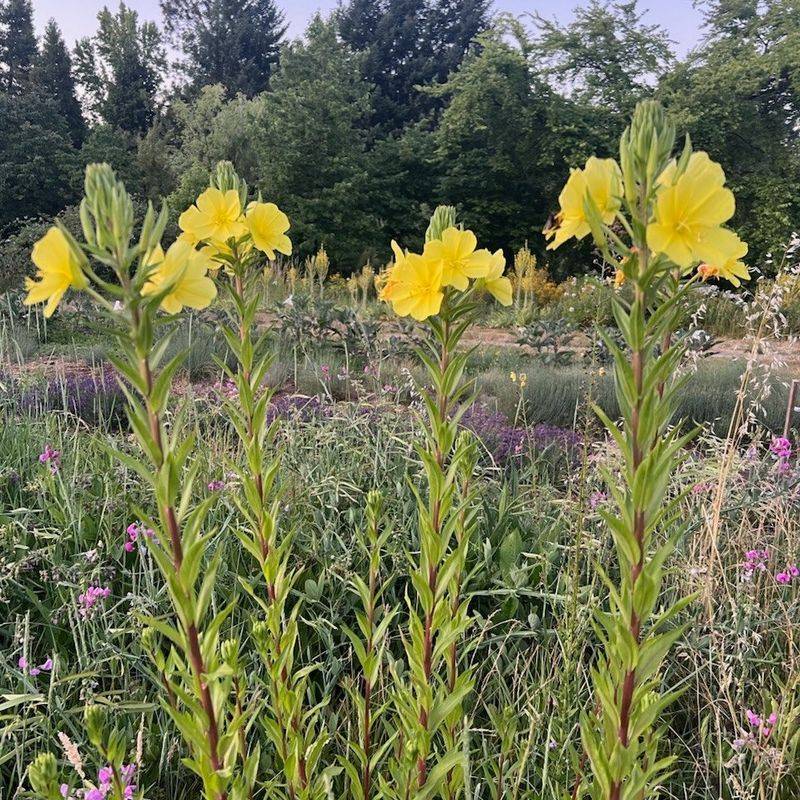
Yellow flowers that open right as the light fades — Evening Primrose has a kind of quiet drama that is hard to ignore. In Georgia, it handles the summer heat better than a lot of people expect, and it does not need much fussing once it gets going in your garden bed.
Evening Primrose (Oenothera biennis) grows well in full sun and does not demand rich soil. Sandy or average garden soil works just fine, which is good news for a lot of Georgia yards.
Water it regularly while it is getting established in spring, and after that, it can handle dry spells without too much trouble.
Each flower only lasts a single night, but the plant keeps pushing out new blooms throughout the season. Moths are especially attracted to those bright yellow petals, so expect some interesting insect activity around your garden after dark.
Butterflies will visit during the day too, which makes this a solid choice for anyone who enjoys watching pollinators.
Plant seeds or transplants in spring after frost risk passes, usually around mid-March in most parts of Georgia. Give plants about 12 to 18 inches of space so air can move around them.
Crowded plants tend to develop mildew issues during Georgia’s humid summers, so spacing really does matter here. Deadheading spent flowers is optional but can encourage more blooming through the season.
It reseeds fairly freely, so you may find new plants popping up on their own the following year.
2. Moonflower Climbs Fast And Blooms At Night
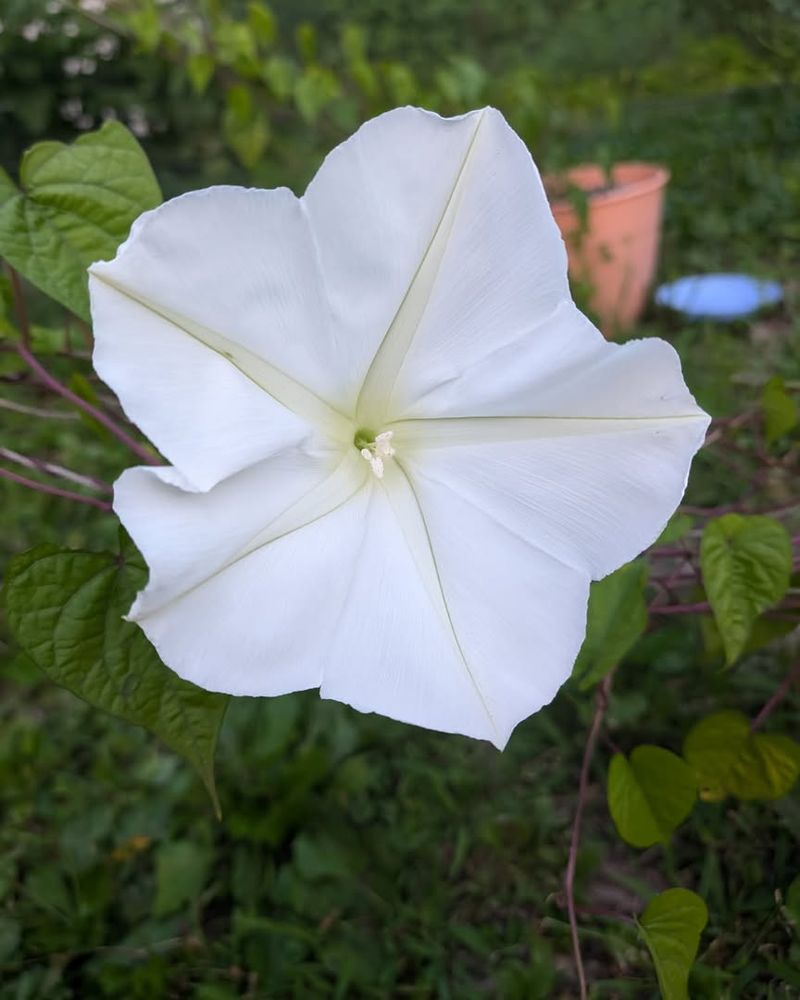
Few plants put on a show quite like Moonflower. Watch one of those big white blooms spiral open in under a minute at dusk and you will understand why people get hooked on growing it.
In Georgia, this vine takes off fast once the warm weather arrives, and it can cover a trellis or fence in a single season.
Moonflower (Ipomoea alba) is an annual in Georgia, but it grows so vigorously that it more than earns its spot in the garden. Start seeds indoors about four to six weeks before your last frost date, or direct sow outside after mid-March.
Nicking the seed coat with a nail file before planting helps with germination significantly.
Your Georgia Garden Changes Every Week. Your Plan Should Too.
Gardening in Georgia changes quickly throughout the season. Every Friday you’ll receive a simple weekly plan showing exactly what to plant, prune, fertilize, harvest, and protect so you never miss the right timing.
Full sun is ideal, and the plant wants well-drained soil — waterlogged roots are a problem, so raised beds or sloped areas work well. Once vines start climbing, they move fast.
A sturdy trellis, arbor, or fence post gives them something to grab onto, and they will reward you with blooms from midsummer through fall.
Flowers open in the evening and release a sweet, light fragrance that carries through the night air. By morning they have closed up again, but new buds open every evening.
Georgia’s long warm season gives Moonflower plenty of time to produce a heavy flush of blooms. If you want a dramatic focal point for a porch or backyard fence, this vine delivers results that are genuinely satisfying to watch unfold each evening.
Regular watering during dry stretches helps keep the vine producing steady blooms, especially once Georgia’s summer heat settles in.
3. Four O’Clocks Open In The Evening With Strong Color
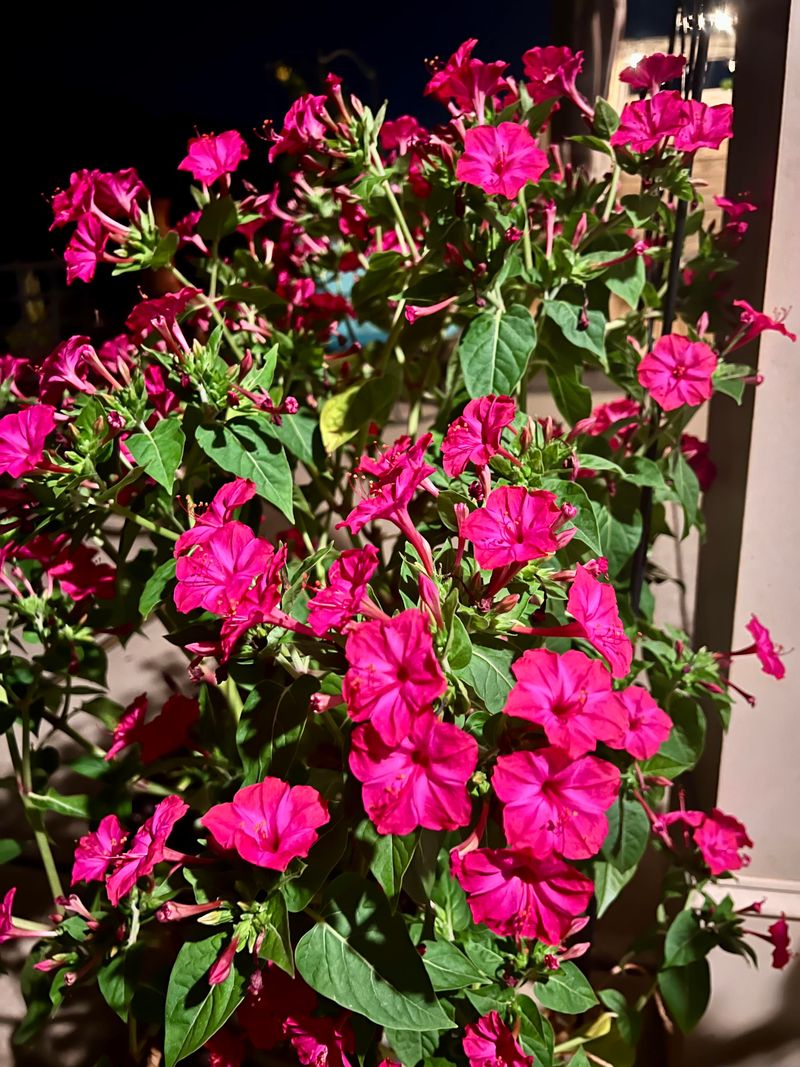
Named for the time they open, Four O’Clocks are one of those plants that feels almost like magic when you first notice the buds popping open around late afternoon.
Colors range from deep magenta to white to yellow, and sometimes a single plant carries more than one color on different flowers at the same time.
Mirabilis jalapa is tough, and Georgia summers do not slow it down much. Plant tubers or seeds after frost risk has passed — late March to early April works well across most of the state.
Full sun brings out the best blooming, though plants handle partial shade without completely shutting down on flower production.
Expect plants to reach two to three feet tall and spread out quite a bit. Give them room, because crowding reduces airflow and that matters in Georgia’s humid climate.
Blooms stay open through the night and close the next morning when the sun heats up, which is why they are such a good fit for evening gardens.
Hummingbirds and sphinx moths visit regularly, especially during the evening hours when flowers are freshest. Water during dry stretches, but avoid overwatering — these plants have tuberous roots that store moisture and do not appreciate soggy soil.
At the end of the season, you can dig up the tubers and store them over winter in a cool, dry spot, then replant the following spring. Or just let them reseed naturally, because Four O’Clocks drop seeds freely and often return on their own.
Pinching back the tips early in the season can help the plant branch out more, giving you a fuller shape and more blooms over time.
4. Night Phlox Releases Fragrance After Sunset
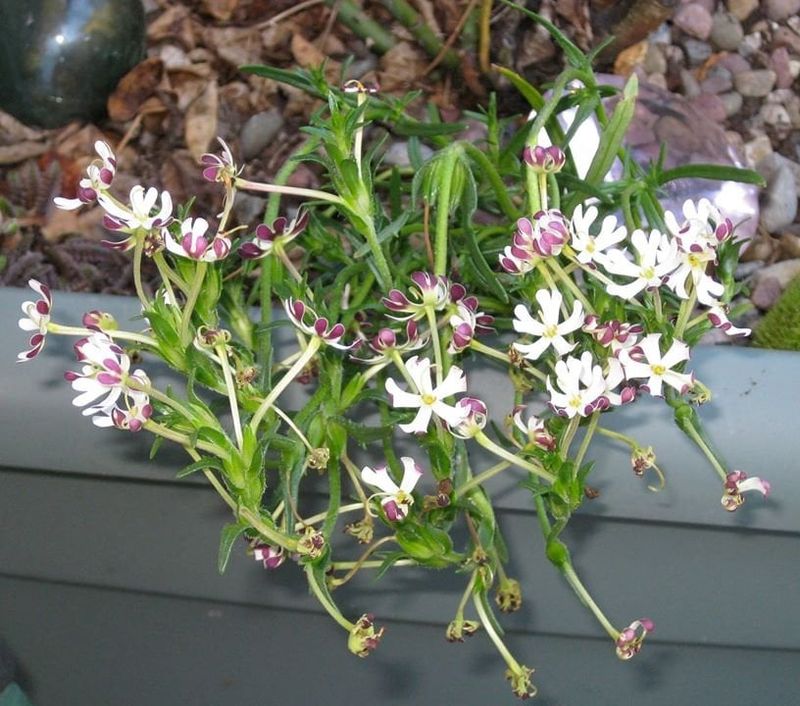
Night Phlox is not as well-known as some of the other plants on this list, but anyone who has caught a whiff of it after dark will tell you it earns a spot in the garden on fragrance alone.
Some people describe the scent as a mix of honey and vanilla — it is surprisingly strong for such a small flower.
Zaluzianskya capensis comes originally from South Africa, and it actually appreciates Georgia’s warm conditions. Daytime temperatures suit it well, and it blooms most heavily in the evening and overnight hours.
Flowers are small, white on top with a dark maroon underside, and they close during the day, which means the plant looks relatively plain until sunset rolls around.
Grow it in full sun with well-drained soil. It does not like sitting in wet ground, especially during Georgia’s rainier spring months.
Containers work really well for Night Phlox because you can control the drainage and move plants to a spot where you will actually enjoy the fragrance — near a patio, a doorway, or a seating area.
Start seeds indoors six to eight weeks before the last frost, or look for transplants at specialty nurseries. Plants stay compact, usually under 18 inches, making them useful along borders or in mixed containers.
Regular deadheading encourages continued blooming through summer. Fragrance peaks on warm, still evenings when there is little wind, so placing plants in a sheltered corner of your Georgia yard helps you get the most out of that evening scent.
5. Tuberose Produces Fragrant Night Blooms
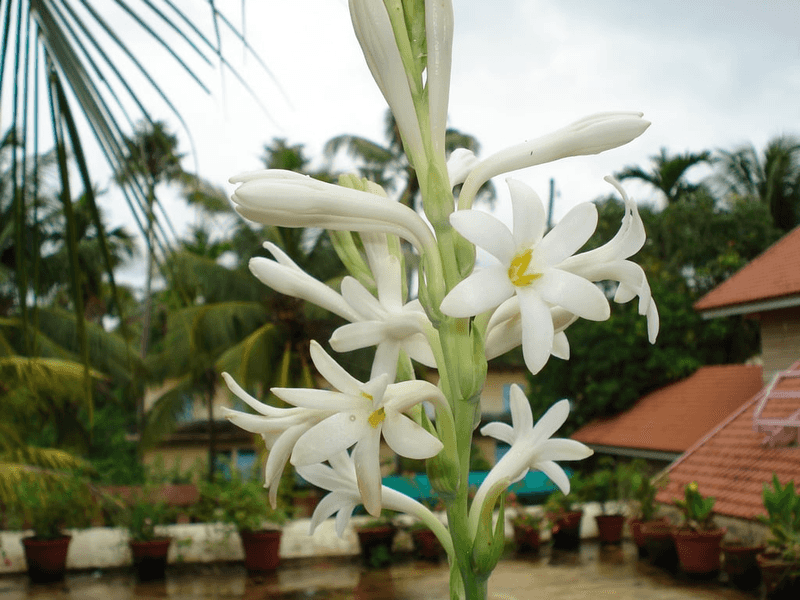
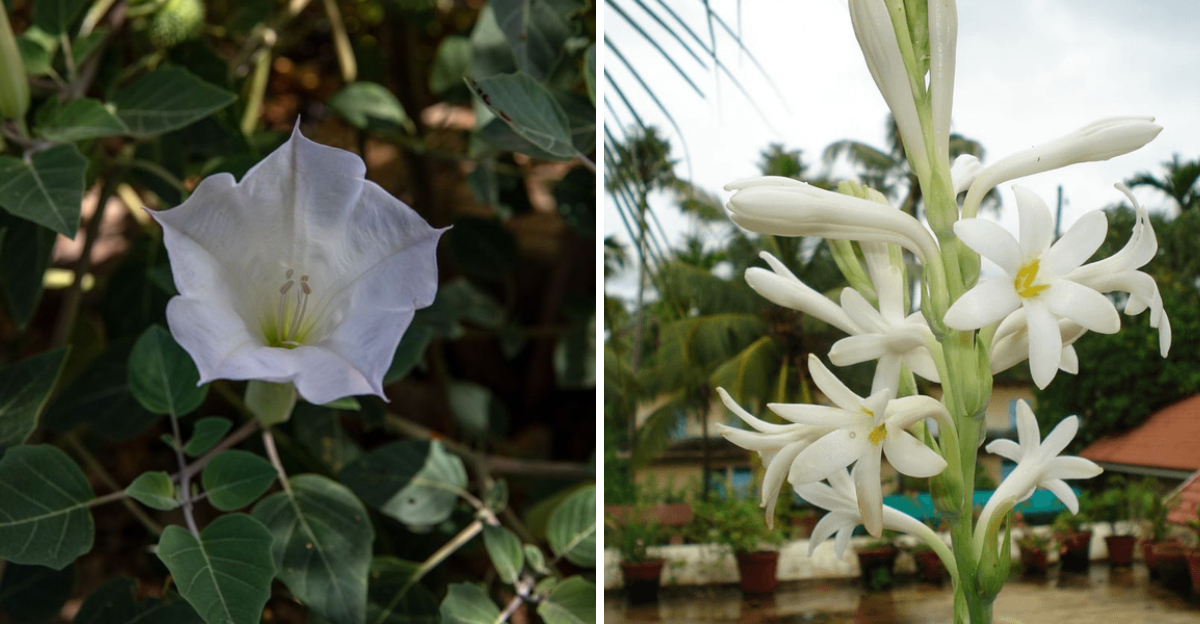
Tuberose has one of the most recognized fragrances in the floral world — heavy, sweet, and unmistakable. Perfume makers have used it for centuries, and growing your own in a Georgia garden means that scent comes free every evening from midsummer into fall.
Polianthes tuberosa grows from bulbs, and Georgia’s warm spring soil gets them moving fairly quickly. Plant bulbs in full sun after the last frost, usually in April across most of Georgia.
They want well-drained soil and consistent moisture while actively growing, but do not tolerate standing water. Raised beds or amended garden beds with good drainage give the best results.
Expect flower spikes to reach two to three feet tall. Blooms appear in late summer and continue into early fall, which lines up nicely with Georgia evenings that are still warm enough to sit outside comfortably.
Each spike carries multiple waxy white flowers that open progressively from the bottom up, extending the blooming window on each stem.
Cut flowers work beautifully in vases indoors, and even a single stem can fill a room with fragrance.
In Georgia, tuberose bulbs can sometimes survive mild winters if left in the ground with a layer of mulch, but digging and storing them in a cool, dry location is a more reliable approach in areas that see hard freezes.
Replant stored bulbs the following spring. With a little attention to timing and soil preparation, tuberose rewards Georgia gardeners with a truly impressive evening fragrance display season after season.
Fertilizing lightly once or twice during the growing season can help support stronger flower spikes and more consistent blooming
6. Datura Blooms At Night And Handles Heat Well
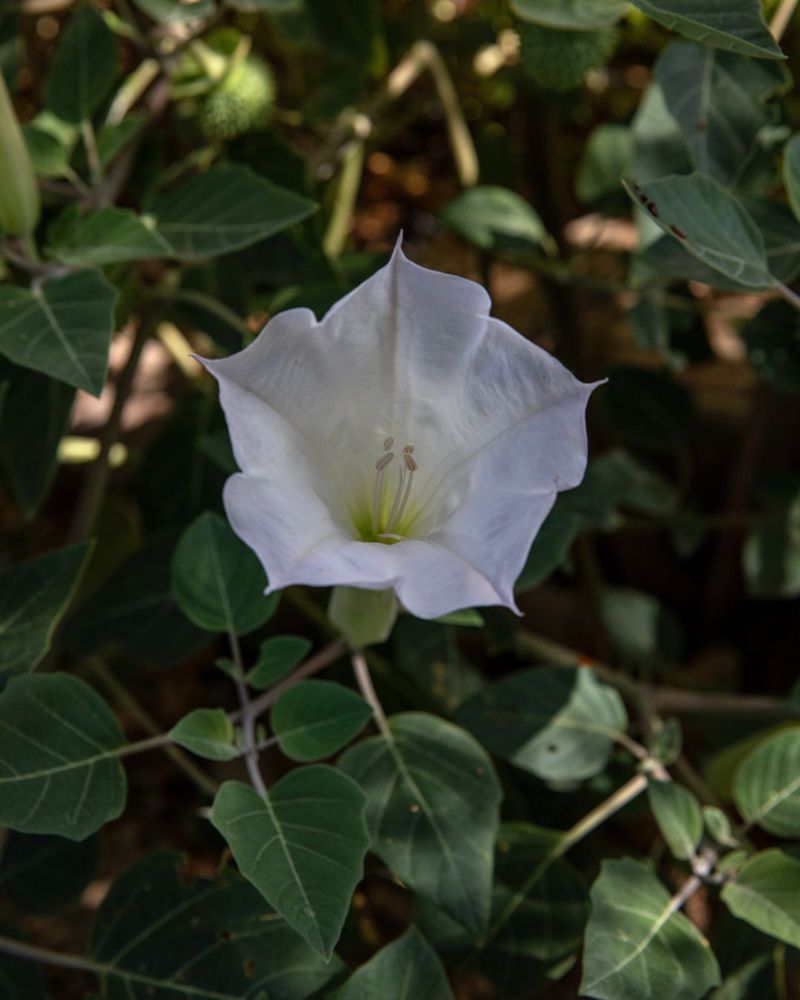
Datura commands attention. Those giant white trumpet flowers — some reaching six inches or more across — open in the evening and release a heavy, musky fragrance that you can smell from several feet away.
In Georgia, the summer heat does not faze this plant at all; it actually seems to thrive when conditions get extreme.
Datura is a fast-growing annual in Georgia and can reach four feet tall and equally wide in a single season, so give it space. Full sun and average to poor soil actually suit it better than overly rich beds — too much fertilizer pushes leafy growth at the expense of flowers.
Water during extended dry periods, but avoid overwatering, since established plants handle dry conditions reasonably well.
Start seeds indoors six to eight weeks before the last frost, or direct sow after mid-March. Germination can be slow and uneven, so patience helps.
Transplants are sometimes available at native plant nurseries or specialty garden centers in Georgia if you would rather skip the seed-starting process.
Flowers open in the evening and stay open through the night, closing by mid-morning. Sphinx moths are the primary pollinators, and watching them visit the blooms at night is genuinely impressive.
One important note: all parts of Datura are toxic if ingested, so keep that in mind if you have young children or pets who spend time in your garden. Plant it in a back border or a less-trafficked area of your yard where it can do its thing without being disturbed.
Deadheading spent blooms can help keep the plant looking tidy and may encourage it to keep producing new flowers through the season.
7. Nicotiana Releases Fragrance In The Evening
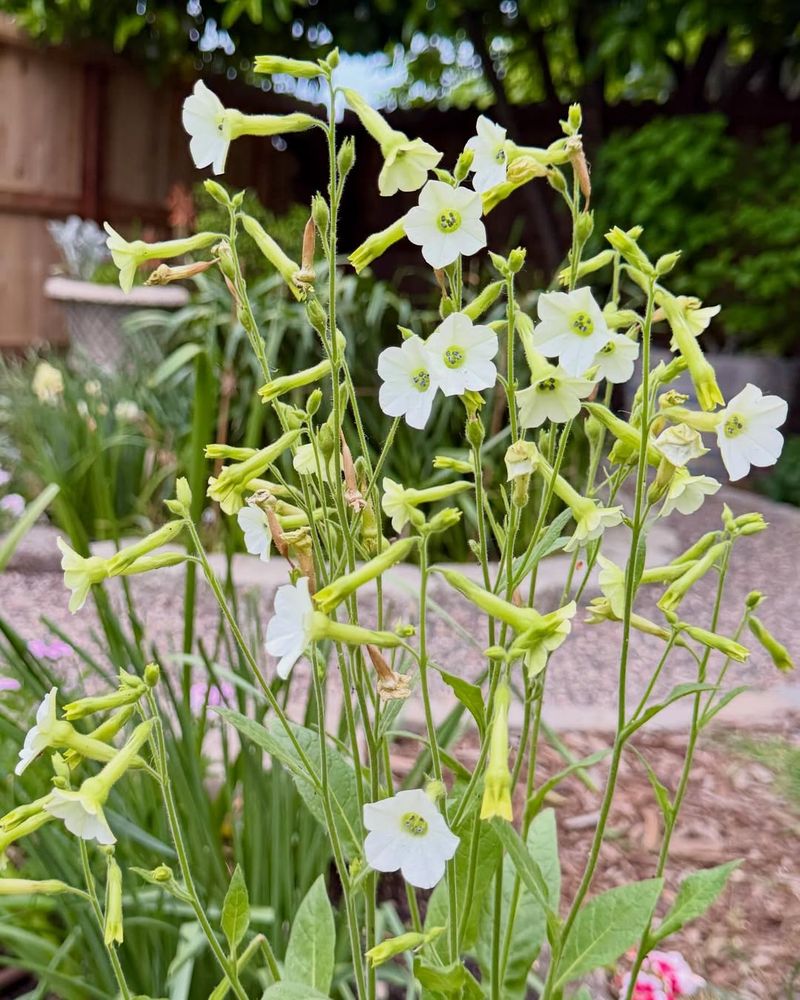
Nicotiana does not look like much during the day — the flowers are partially closed and the plant sits quietly in the border. But as evening arrives, those tubular blooms open up and release a sweet, jasmine-like fragrance that makes the whole area smell incredible.
It is one of those plants that rewards you specifically for spending time outside after dark.
Nicotiana alata, the flowering tobacco, is an annual in Georgia and grows well in both full sun and partial shade. Partial shade can actually be helpful in the hottest parts of the state, where intense afternoon sun sometimes stresses plants during July and August.
Average garden soil with decent drainage is all it really needs.
Start seeds indoors eight to ten weeks before the last frost, or look for transplants at garden centers in spring. Seeds are tiny and need light to germinate, so press them onto the surface of seed-starting mix rather than burying them.
Transplant outdoors after frost risk passes in mid-March to early April, depending on your location in Georgia.
Plants grow to about two to three feet tall and bloom continuously from late spring through the first frost, which gives Georgia gardeners a very long season to enjoy the evening fragrance.
Hummingbirds visit during low-light hours, and moths are frequent nighttime visitors too.
Deadheading spent blooms keeps plants looking tidy and encourages fresh flowering. Nicotiana reseeds in many Georgia gardens, so do not be surprised if volunteers pop up in the same spot the following spring.