The Mistakes That May Be Attracting Moles To Your California Yard
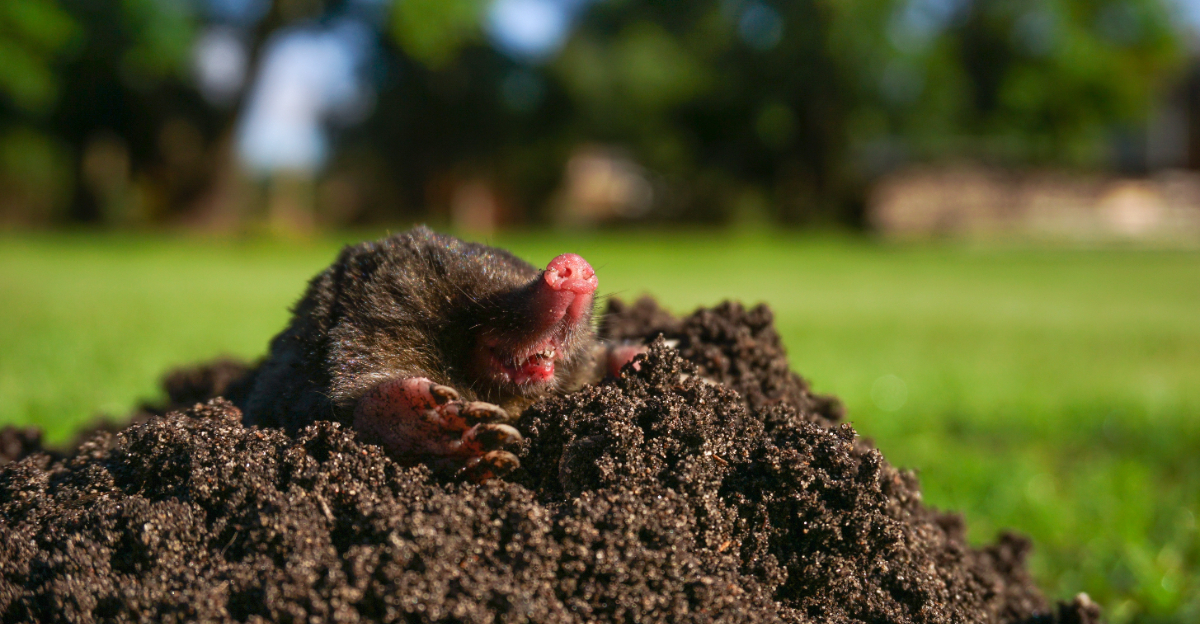
Moles do not show up for no reason, and the wrong yard habits can make your California property way more inviting than it should be. A few common mistakes can turn your soil into the perfect place for tunneling, feeding, and sticking around.
That is what makes mole problems so frustrating. You might think the issue is just the animal itself, but often the real problem starts with conditions in the yard.
Overwatering, excess lawn insects, rich loose soil, and neglected trouble spots can all roll out the welcome mat without you realizing it.
The good news is that moles are easier to discourage when you know what is pulling them in.
Fix the habits that attract them, and you have a much better shot at stopping the tunnels, the raised ridges, and the surprise ankle-twisting lawn craters. Because nothing says “great weekend” like stepping into a mole run while carrying coffee.
1. Overwatering Your Yard
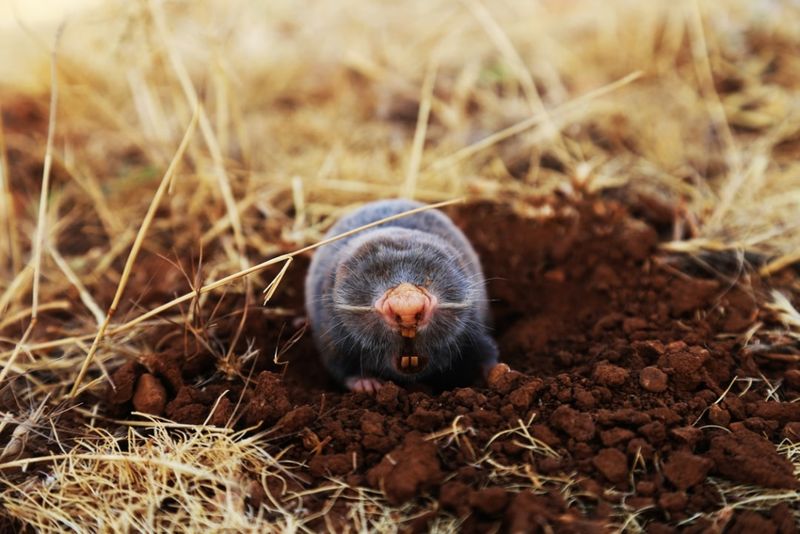
Water is life for your garden, but too much of it can quietly invite some unwanted visitors underground. When you overwater your California yard, the soil becomes soft and soggy.
That kind of wet, loose soil is exactly what moles love to tunnel through.
Moles move fast through damp ground. It takes much less effort for them to push through wet soil than dry, compact dirt.
So when your yard stays soaked after heavy watering sessions, you are basically rolling out a welcome mat for them.
Many California homeowners water on a set schedule without checking if the soil actually needs it. That habit can keep the ground moist even during dry spells.
A simple soil moisture meter can help you water only when needed.
Try watering deeply but less often. This encourages grass roots to grow deeper while letting the top layer of soil dry out between sessions.
Drier surface soil makes tunneling harder and less appealing for moles. Cutting back on overwatering is one of the easiest and most effective steps you can take to make your California yard less inviting to these burrowing pests.
2. Keeping A Large Irrigated Lawn
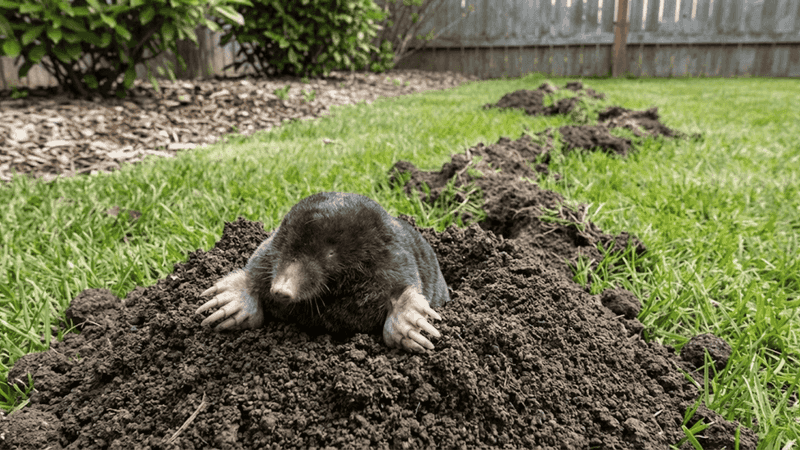
Big, beautiful lawns are a point of pride for many California homeowners. But the bigger and more irrigated your lawn is, the more attractive it becomes to moles looking for a place to set up tunnels.
Large irrigated lawns stay consistently moist across a wide area. That gives moles plenty of soft ground to move through while hunting for food.
The more square footage of damp soil you have, the more room moles have to roam without ever leaving your property.
Irrigation systems are especially tricky because they often run on timers and apply water evenly across the whole yard. Even areas that do not need water end up getting soaked.
Over time, this creates a large zone of perfectly moist, tunnel-friendly soil.
If you have a large lawn in California, consider breaking up your irrigation zones. Water different sections on different days so the entire lawn is never wet all at once.
Your California Garden Changes Every Week. Your Plan Should Too.
Gardening in California changes quickly throughout the season. Every Friday you’ll receive a simple weekly plan showing exactly what to plant, prune, fertilize, harvest, and protect so you never miss the right timing.
You can also let certain areas go slightly dry between watering cycles. Reducing the total moisture footprint of your yard makes it far less appealing as mole territory, without sacrificing the look of a healthy, well-maintained lawn.
3. Letting Soil Stay Too Moist
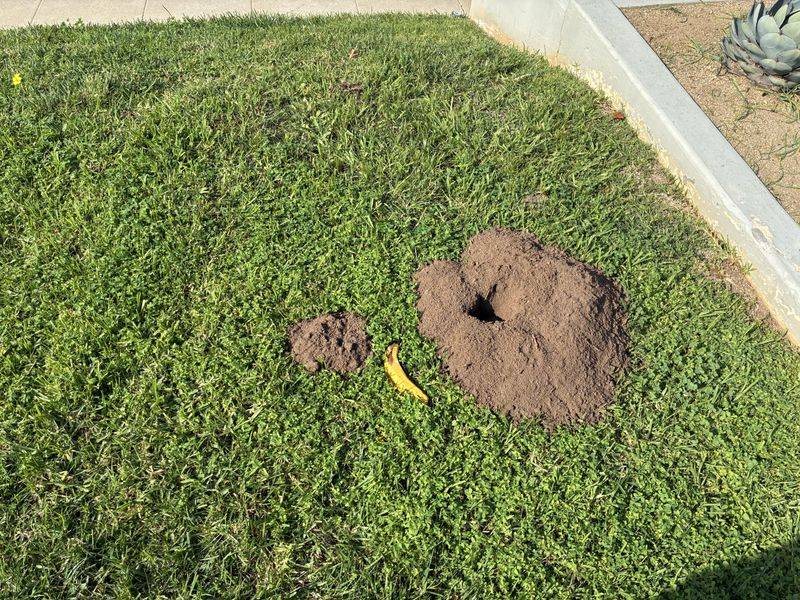
Soggy soil is one of the biggest reasons moles show up and stick around. When moisture just sits in the ground for days at a time, it creates the perfect underground environment for moles to tunnel through easily and find food.
Poor drainage is often the hidden culprit. Some California yards have clay-heavy soil that holds water instead of letting it drain away.
After rain or irrigation, that water stays trapped near the surface for a long time. Moles can sense this from a distance and head straight for it.
Beyond just tunneling comfort, moist soil brings worms and insects closer to the surface. That means moles do not have to work hard to find a meal.
Your yard basically becomes a well-stocked buffet right at the surface level.
Improving drainage can make a real difference. You can add compost or sand to heavy clay soil to help it drain faster.
French drains or dry creek beds are also useful in spots where water tends to collect. Taking steps to keep your California yard soil from staying waterlogged for long stretches will make it much harder for moles to find a comfortable place to live and feed.
4. Encouraging Worms And Soil Insects
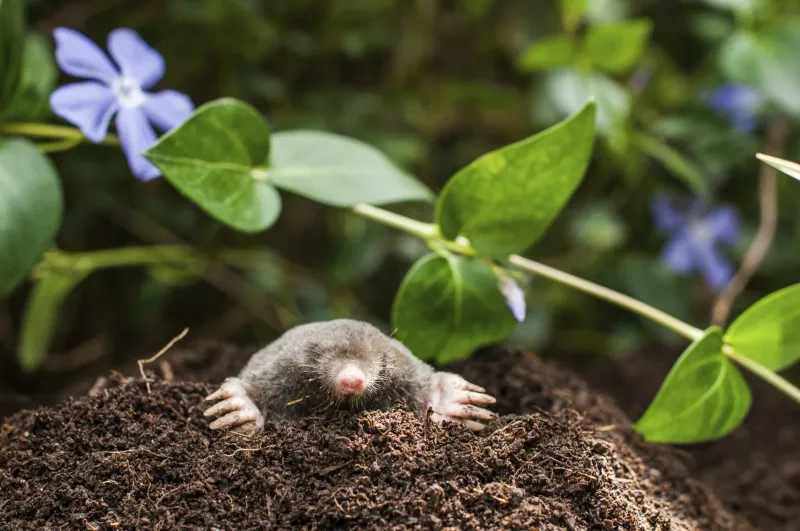
Earthworms are fantastic for your garden. They aerate the soil and break down organic matter, which helps plants grow.
But here is the catch: worms are also a mole’s favorite meal, and a yard full of them is practically a free restaurant sign for these burrowing mammals.
Moles have an incredible sense of smell and can detect earthworm activity underground. If your California yard has rich, organic soil packed with worms and soil insects, moles will find it.
It is just a matter of time.
Heavily composted garden beds, thick mulch layers, and organic fertilizers all help create environments where worms thrive. Those same conditions attract moles.
That does not mean you should stop composting, but it does mean being aware of how your gardening habits affect underground life.
One smart approach is to avoid applying heavy layers of organic material right next to open lawn areas where moles are likely to tunnel. Keep rich compost concentrated in raised beds or bordered garden sections.
You can also reduce grub populations by applying beneficial nematodes to the soil, which are safe for worms but help cut down on the beetle larvae that moles also love to eat across California yards.
5. Misreading What Moles Want
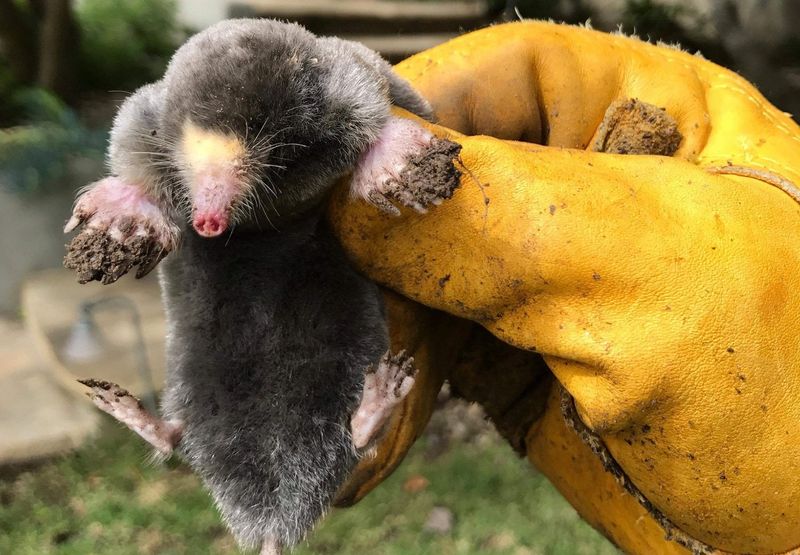
A lot of people assume moles are after their plant roots or bulbs. That is actually a common misunderstanding.
Moles are insectivores, which means they eat insects, grubs, and worms, not your vegetables or flower bulbs. Knowing this changes everything about how you approach the problem.
Because moles are chasing food underground, getting rid of them is not really about protecting your plants directly. It is about making your yard less food-rich and less tunnel-friendly.
If you focus only on plants and miss the soil and insect angle, you will keep seeing mole activity no matter what you try.
Another misread is thinking that one mole means a big infestation. In reality, a single mole can create an impressive network of tunnels that looks like the work of many animals.
One mole covers a surprisingly large area in search of food.
Understanding mole behavior helps California homeowners respond smarter. Instead of panicking or reaching for random solutions, focus on the root causes: moist soil and abundant food sources.
When you address those two things together, you take away the main reasons moles chose your yard in the first place. Knowledge really is the most powerful tool you have against these underground visitors.
6. Ignoring Early Tunnels And Mounds
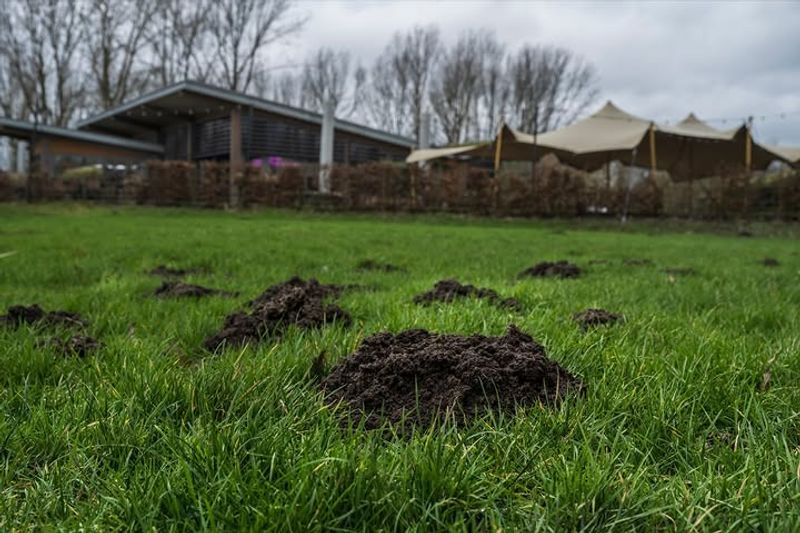
Spotting a small mound of dirt in your yard and brushing it off as no big deal is one of the most common mistakes California homeowners make. That first mound is a signal that a mole has already started moving in, and waiting too long to respond gives them time to expand their tunnel system significantly.
Moles are fast workers. Within just a few days, a single mole can create dozens of feet of tunnels beneath your lawn.
What starts as one or two mounds can quickly become a sprawling underground network that damages grass roots and creates uneven, spongy ground across your yard.
Early signs to watch for include raised ridges running across the lawn, soft spots when you walk, and fresh dirt piles that appear overnight. These are all signs that a mole is actively tunneling just below the surface.
Acting quickly when you first notice these signs gives you the best chance of addressing the problem before it spreads. Flatten the mounds and mark the active tunnels so you can track movement.
This helps you figure out where the mole is most active in your California yard and decide on the most targeted approach to encourage it to move on.
7. Treating For Grubs Without Proof
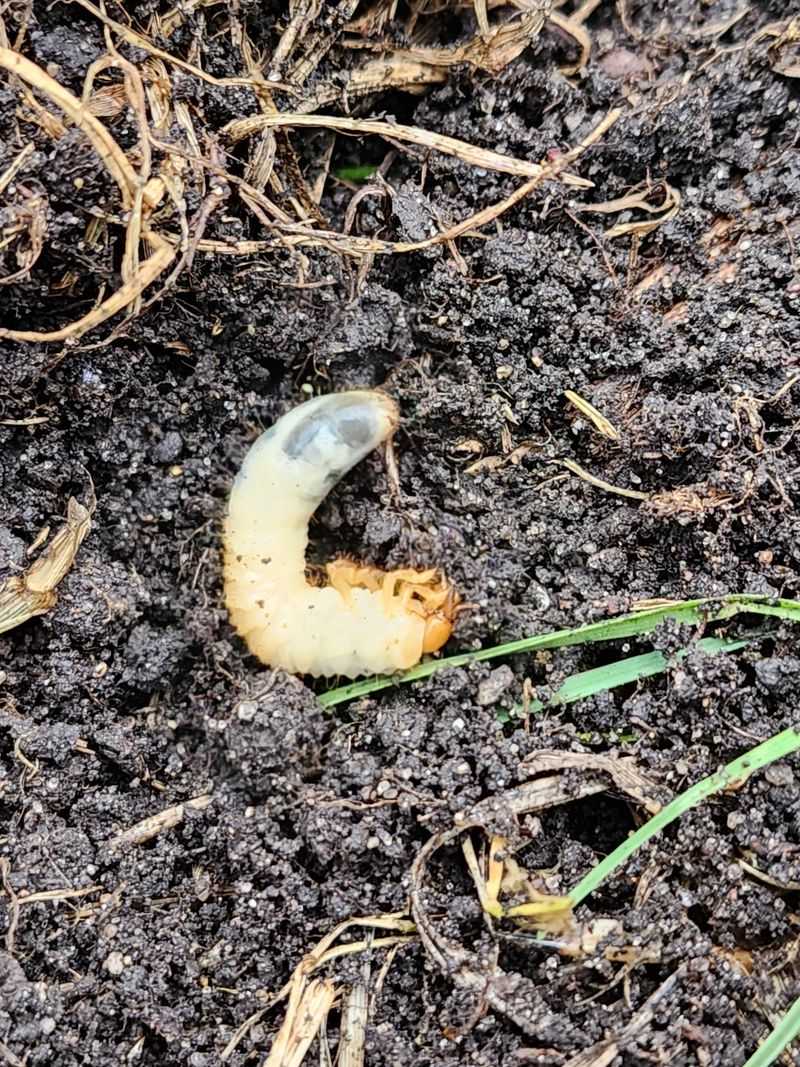
Grabbing a bag of grub treatment at the hardware store and spreading it across your lawn might seem like a smart move when you spot mole activity. But treating for grubs without actually confirming they are present can do more harm than good and will not solve your mole problem at all.
Here is why that matters: if grubs are not the main food source drawing moles to your California yard, treating for them will not change much. Moles may still be coming for earthworms or other soil insects that grub treatments do not affect.
You end up spending money on a product that does not address the real issue.
Worse, some grub treatments can disrupt the natural balance of your soil, harming beneficial insects along with the harmful ones. That can create other problems in your garden over time.
Before treating, do a simple soil test. Dig up a one-square-foot section of lawn about three inches deep and count the grubs you find.
Ten or more grubs per square foot generally indicates a real problem worth treating. If the number is low, focus instead on moisture management and other attractants.
Smart, targeted action always works better than guessing when it comes to keeping your California yard mole-free.