Spring Flower Pairings That Look Beautiful Together In North Carolina Gardens
Spring in North Carolina brings a burst of color, and pairing the right flowers together can make that display even more eye catching. Instead of planting flowers one by one, combining the right varieties can create layers of color, texture, and timing that keep your garden looking full.
Some flowers bloom at the same time and complement each other perfectly, while others take turns, extending color through the season. North Carolina’s mild spring weather gives many classic blooms a chance to thrive, especially when they are paired thoughtfully.
Mixing heights, colors, and bloom shapes can turn a simple planting into something that feels more designed and inviting. Whether you like soft, calming tones or bold, bright combinations, the right pairings can bring your garden to life.
With a little planning, your spring garden can stay vibrant and full of interest from early blooms into warmer days.
1. Daffodils And Creeping Phlox
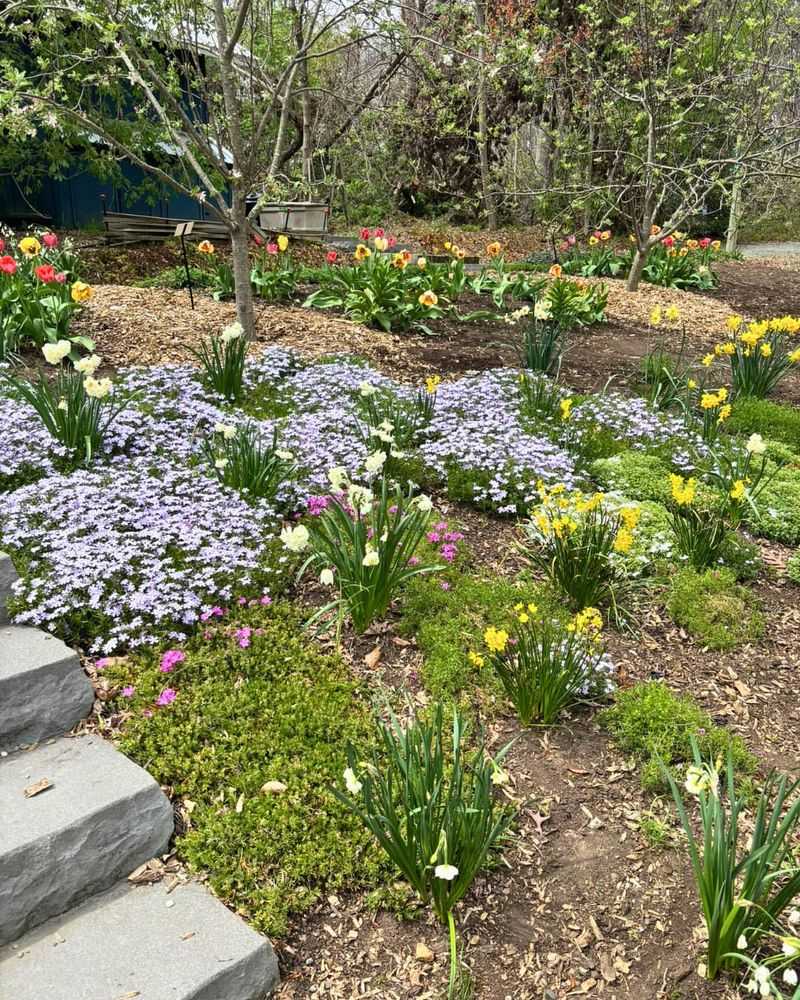
Few spring sights in a North Carolina garden beat the cheerful pop of bright yellow daffodils standing tall above a soft, colorful carpet of creeping phlox.
The contrast is bold but natural, and it works beautifully in both formal garden beds and casual backyard spaces.
Daffodils typically bloom from late February through April, which lines up perfectly with the creeping phlox bloom period.
Creeping phlox spreads low across the ground, reaching only about six inches tall, while daffodils shoot up to twelve to eighteen inches. That height difference creates a layered look that feels intentional and polished without requiring a lot of effort.
You can choose pink, purple, or white phlox depending on the daffodil variety you pick, and the combinations are almost endless.
Gardeners across North Carolina love this pairing because both plants are low maintenance and come back reliably each year. Daffodils are also naturally resistant to deer and squirrels, which is a big bonus in many parts of the state.
Plant your daffodil bulbs in fall and tuck creeping phlox plugs nearby, and by the following spring you will have a gorgeous, full display.
This pairing works especially well along walkways, slopes, or the front edges of garden borders where both plants can really show off their colors together.
2. Tulips And Pansies
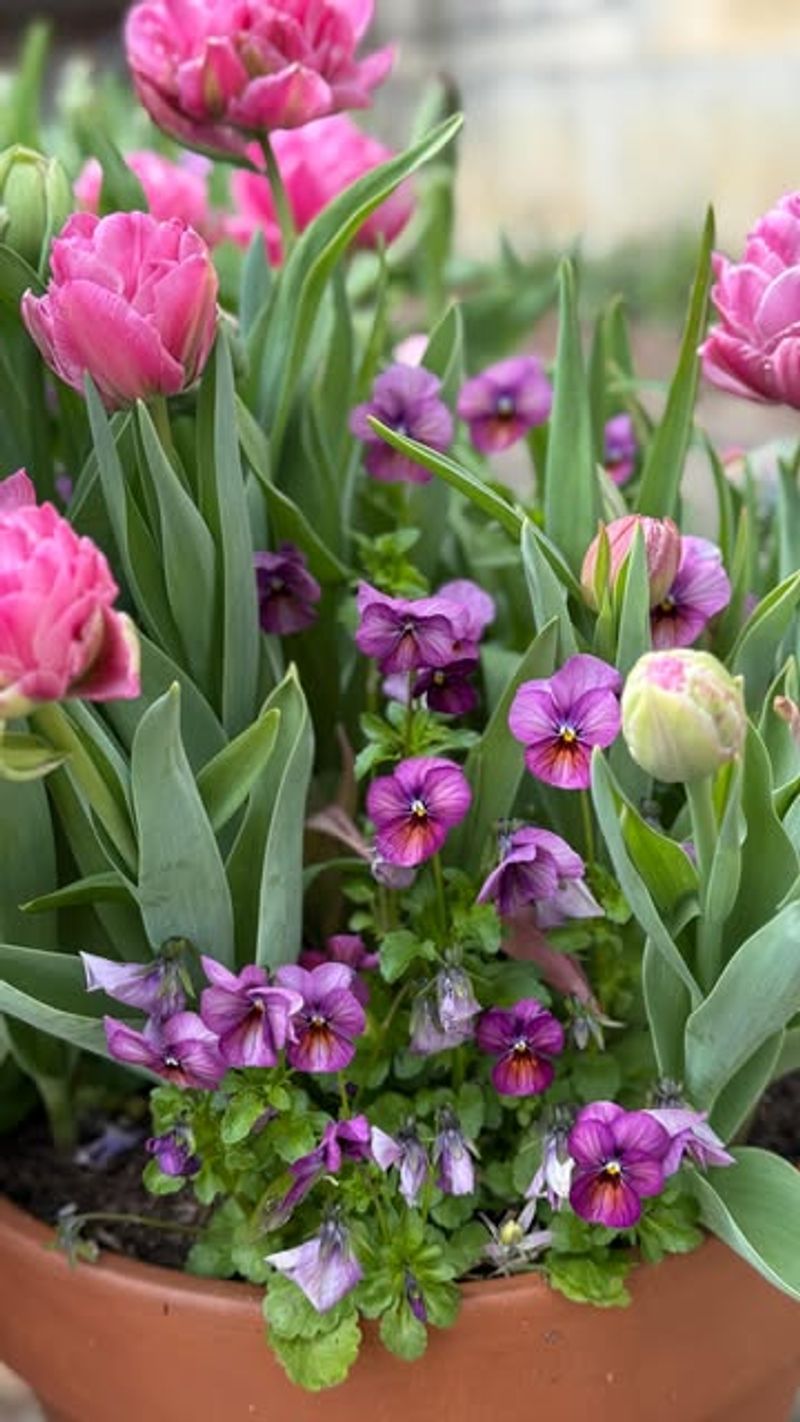
Walk through any neighborhood in Raleigh or Charlotte during early spring and you will likely spot this classic combination gracing front yards and garden beds.
Tulips bring bold, cup-shaped blooms in almost every color imaginable, while pansies fill in the space below with a dense, cheerful carpet of smaller flowers.
Together, they create a layered display that looks like it belongs on the cover of a gardening magazine.
Pansies are cool-season champions in North Carolina. They can handle light frost and often start blooming as early as late winter, which means they are already looking great by the time tulips begin to open.
Planting them together gives you a longer window of color, since pansies continue blooming even after tulip flowers fade. Choose pansies in complementary colors like deep purple under yellow tulips, or soft white under red tulips, for maximum visual impact.
Your North Carolina Garden Changes Every Week. Your Plan Should Too.
Gardening in North Carolina changes quickly throughout the season. Every Friday you’ll receive a simple weekly plan showing exactly what to plant, prune, fertilize, harvest, and protect so you never miss the right timing.
From a practical standpoint, both plants prefer well-drained soil and full to partial sun, making them easy companions in most North Carolina garden settings.
Tulip bulbs go in the ground in fall, while pansies are typically planted as transplants in early spring or even late fall.
One helpful tip is to plant tulip bulbs a bit deeper than usual in warmer parts of the state, since North Carolina winters can be mild. That extra depth helps bulbs stay cool long enough to bloom properly in spring.
3. Virginia Bluebells And Wild Columbine
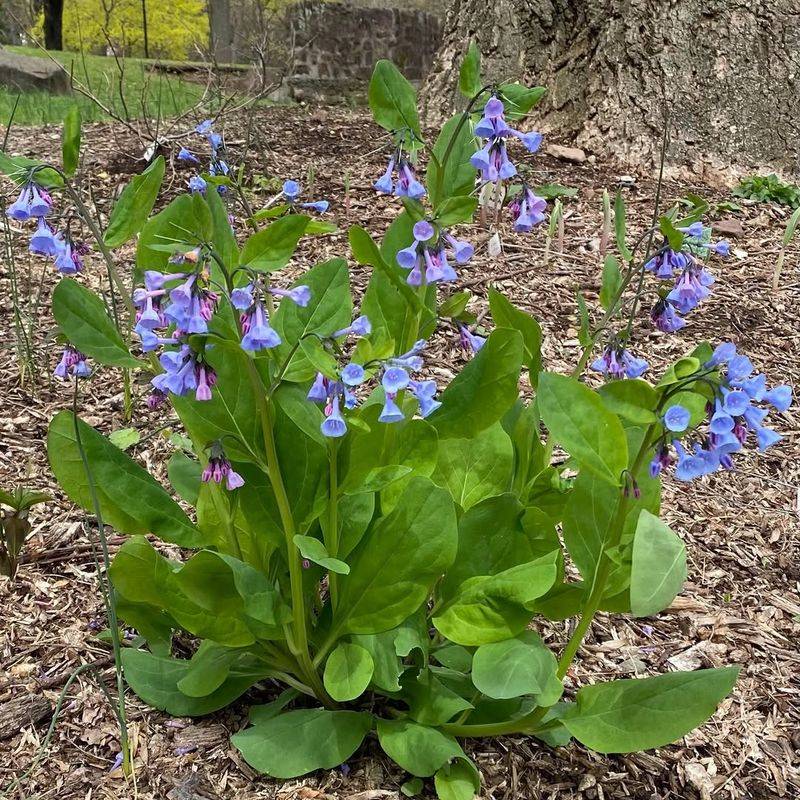
Tucked beneath a canopy of hardwood trees in a North Carolina woodland garden, Virginia bluebells and wild columbine make one of the most naturally stunning spring pairings you can grow.
Virginia bluebells open with soft lavender-pink buds that turn a clear sky blue as they mature, while wild columbine brings nodding red and yellow blooms that dangle like tiny lanterns above the foliage.
Together, the color combination feels wild, painterly, and completely at home in the landscape.
Both plants are native to eastern North America, which means they are naturally adapted to the conditions found across much of North Carolina.
They thrive in partial to full shade and moist, rich soil, making them excellent choices for woodland gardens or shaded borders near streams and tree lines.
Hummingbirds absolutely love wild columbine, so planting this pair near a window or patio gives you a front-row seat to some amazing spring wildlife activity.
One thing to keep in mind is that Virginia bluebells go dormant by early summer, leaving gaps in the garden. Planting ferns or hostas nearby helps fill those spaces naturally as the season progresses.
Wild columbine self-seeds readily, so over time your planting will spread and fill in on its own. For North Carolina gardeners who want a low-effort, high-reward native combination, this pairing checks every box and adds genuine ecological value to the yard at the same time.
4. Azaleas And Hostas
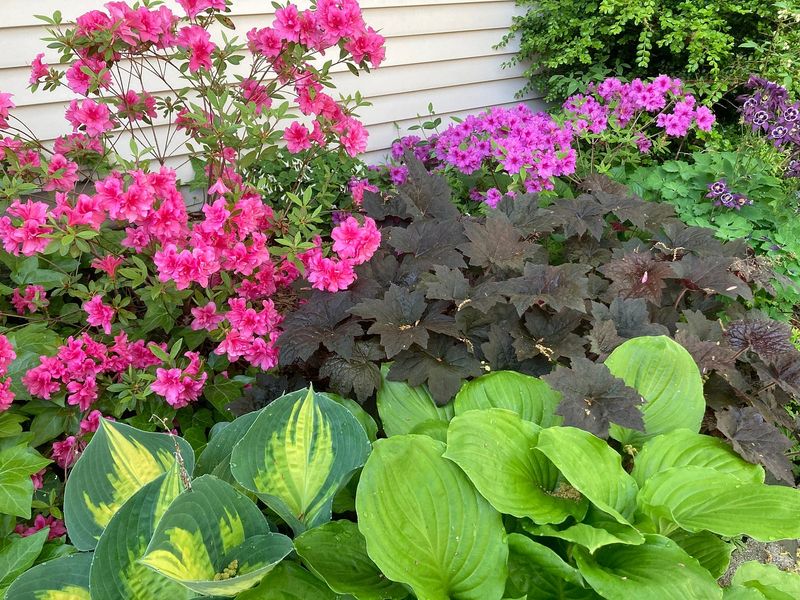
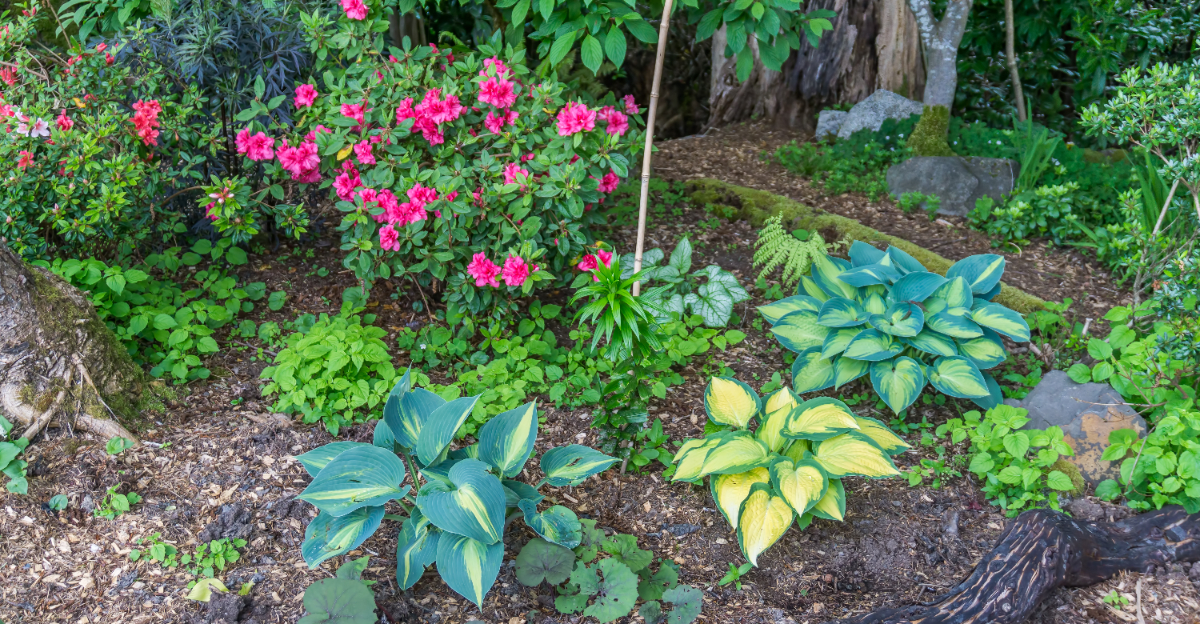
Azaleas are practically synonymous with spring in North Carolina. Drive through any neighborhood from Wilmington to Asheville in April and you will see them exploding with color in every shade of pink, red, white, and purple.
Pairing them with hostas is one of the smartest moves a North Carolina gardener can make, because the two plants complement each other across the entire growing season, not just during the spring bloom period.
When azaleas burst into flower, hostas are just beginning to push up their broad, lush leaves from the soil. The contrast between the vibrant azalea blooms and the fresh green hosta foliage is striking and elegant.
As spring transitions into summer and azalea flowers fade, hostas take center stage with their big, beautiful leaves in shades of green, blue-green, gold, and variegated patterns. The result is a planting that looks intentional and full from early spring all the way through fall.
Both plants prefer partial to full shade and moist, well-drained, acidic soil, which is very common in many parts of North Carolina. Azaleas already love the naturally acidic soil found throughout the Piedmont and coastal regions of the state.
Adding a layer of pine straw mulch around both plants helps retain moisture and keeps the soil slightly acidic, which benefits both. This is a no-fuss pairing that rewards gardeners with beauty season after season without requiring a lot of upkeep or replanting.
5. Iris And Peonies
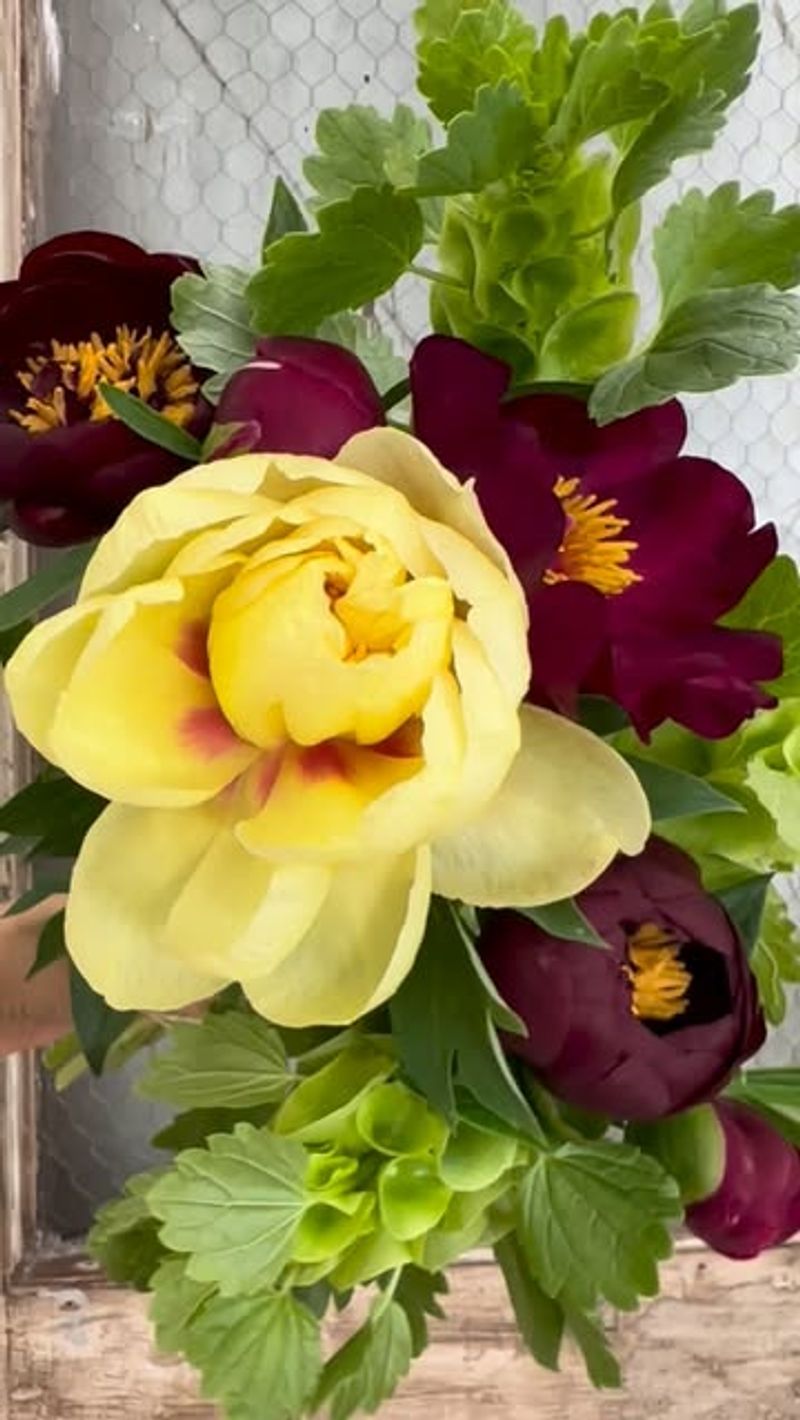
There is something almost old-fashioned and romantic about a garden bed filled with irises and peonies blooming side by side in late spring.
Both flowers have been beloved by gardeners for generations, and when you grow them together in a North Carolina garden, they create a display that feels grand and lush without being overdone.
Bearded irises typically bloom from mid-April through May, overlapping nicely with the peak bloom time of garden peonies.
The structural contrast between these two plants is part of what makes them work so well together. Irises have tall, sword-like leaves and elegantly ruffled blooms that stand upright on long stalks.
Peonies, on the other hand, grow into full, rounded mounds covered with enormous, fragrant flowers. Planting them side by side gives the garden bed a layered, full look with both vertical interest and soft, billowing texture.
For North Carolina gardeners, both plants perform best in a sunny location with well-drained soil. Peonies actually need a period of winter cold to bloom reliably, and most of North Carolina gets just enough cold weather each winter to satisfy that requirement.
Avoid planting peonies too deeply, as shallow planting encourages better flowering. Irises benefit from division every three to four years to keep them blooming at their best.
With a little seasonal attention, this stunning combination will reward you with a spectacular late-spring show year after year.
6. Bleeding Heart And Native Ferns
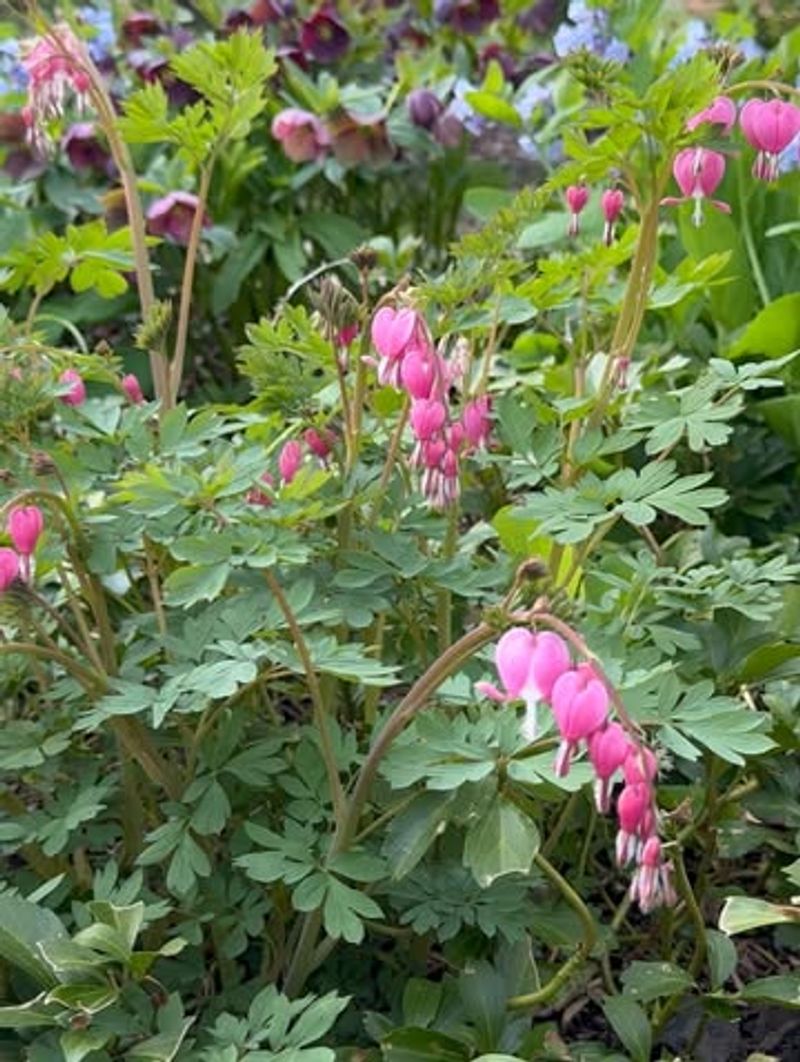
If you have a shaded corner in your North Carolina yard that feels bare and uninspiring in spring, bleeding heart paired with native ferns might be exactly the solution you have been looking for.
Bleeding heart produces arching stems loaded with delicate, heart-shaped pink flowers that dangle in graceful rows, creating a look that is soft, whimsical, and genuinely hard not to love.
It typically blooms from March through May across most of North Carolina. While bleeding heart provides the floral show, native ferns like Christmas fern or cinnamon fern contribute lush, textured greenery that fills the space beautifully.
Ferns unfurl their fresh fronds just as bleeding heart begins to bloom, and the two plants together create a layered, woodland aesthetic that looks completely natural.
The finely cut fern foliage contrasts nicely with the smoother, more rounded leaves of the bleeding heart plant.
Both plants thrive in moist, humus-rich soil with partial to full shade, which describes many backyard spots across North Carolina, especially in the Piedmont and mountain regions.
One practical advantage of this pairing is that ferns stay attractive all season long, even after bleeding heart goes dormant in summer heat.
Adding a thick layer of leaf mulch or compost each fall feeds both plants and keeps the soil moist during dry summer stretches. It is a pairing that rewards patience and brings genuine woodland beauty right into your own backyard.
7. Flowering Dogwood And Eastern Redbud
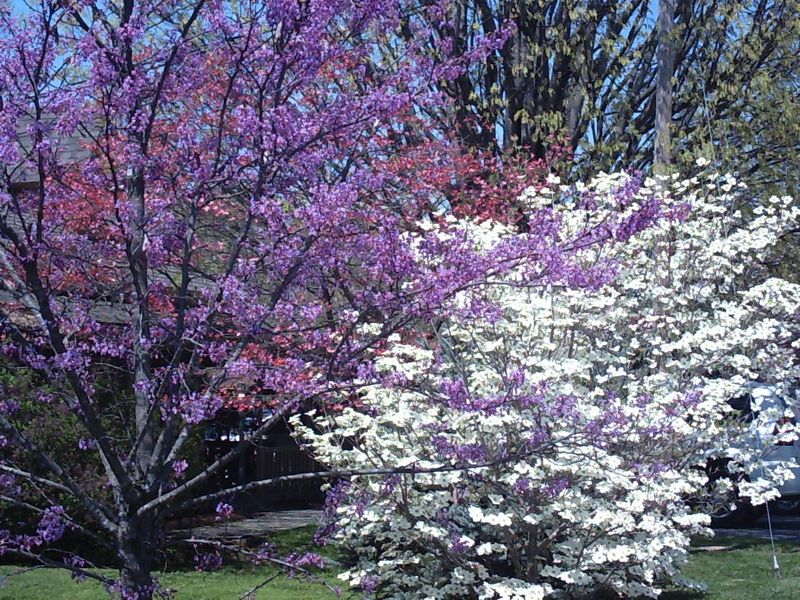
Ask any North Carolina gardener which spring bloom stops them in their tracks, and flowering dogwood is almost always near the top of the list.
Now imagine pairing that iconic white-flowered native tree with the vivid magenta-pink blossoms of an eastern redbud blooming right beside it.
The combination of white and pink flowers against the still-bare branches of early spring creates one of the most breathtaking natural displays the state has to offer.
Both trees are native to North Carolina and bloom at roughly the same time, usually from late March through April. Redbud flowers emerge directly from the branches and even the trunk in dense clusters, creating a cloud of color before the leaves appear.
Dogwood flowers open slightly later in some years, but in many North Carolina gardens the two overlap for at least a week or two, giving you a spectacular dual-tree display in your own yard.
From a practical standpoint, both trees are relatively small, reaching about fifteen to thirty feet at maturity, which makes them suitable for average-sized residential yards. They both prefer well-drained, slightly acidic soil and do well in partial shade or full sun.
Planting them where you can see them from a window or patio means you get to enjoy the show every single day during their bloom period. Few spring investments in a North Carolina garden pay off as visually as these two native trees planted side by side.
8. Allium And Salvia
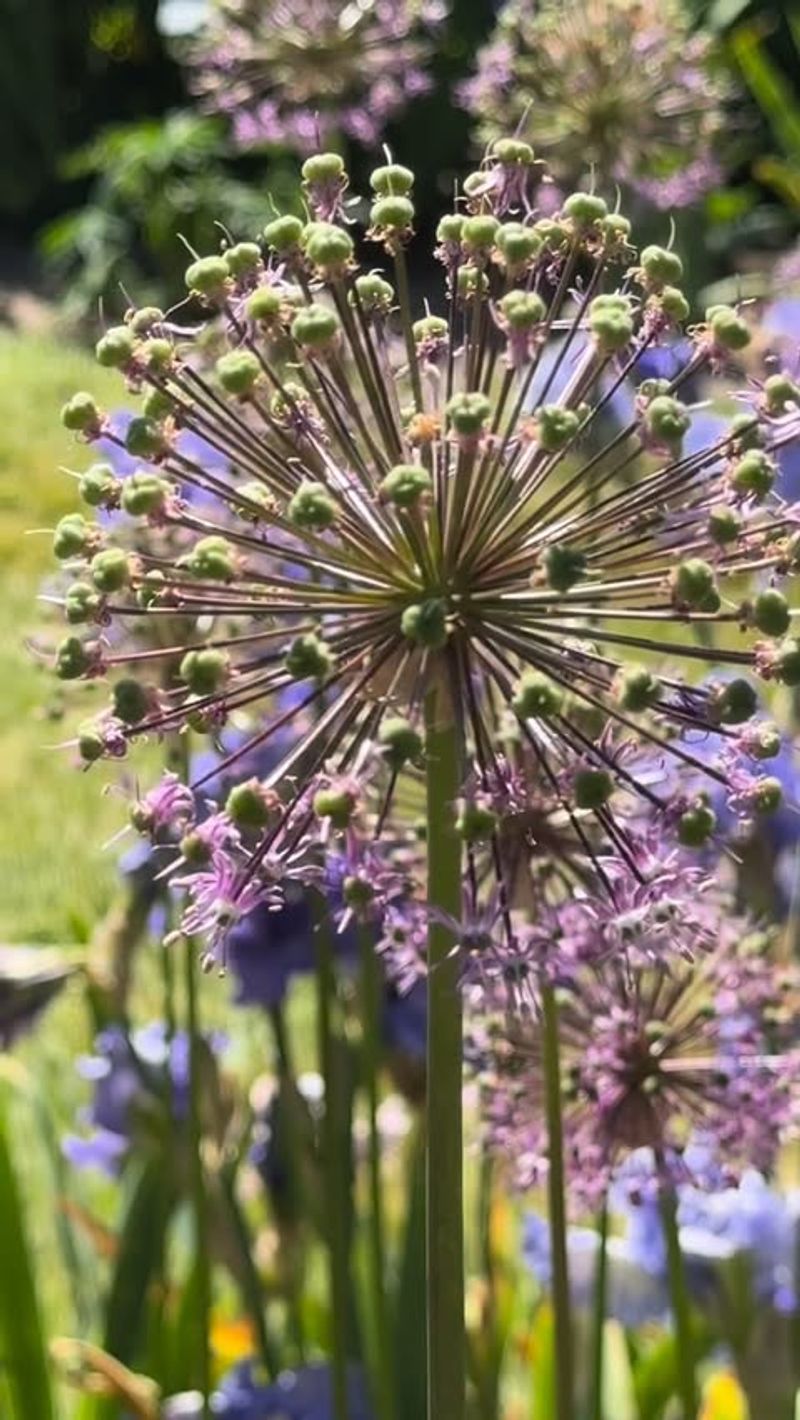
Purple globe-shaped allium flowers hovering above a sea of deep blue salvia spikes is one of those garden combinations that looks like it was designed by a professional. The contrast in flower shape is what makes it so visually interesting.
Allium produces perfectly round, ball-shaped blooms on tall, straight stems, while salvia sends up dense, slender spikes packed with tiny tubular flowers.
Side by side, they create rhythm, structure, and a rich range of purple and blue tones that are hard to replicate with any other pairing.
In North Carolina, ornamental alliums typically bloom from late April into June, which overlaps nicely with the spring bloom period of salvia varieties like Salvia nemorosa.
Both plants are sun-lovers that prefer well-drained soil, making them well-suited to the sunny borders and raised beds found in many North Carolina gardens.
Pollinators, including bees and butterflies, are drawn to both plants in large numbers, so this pairing does double duty as a beautiful border and a wildlife habitat.
Allium bulbs go into the ground in fall, while salvia transplants can be added in early spring. Once established, salvia is drought-tolerant and can handle the hot, dry stretches that sometimes arrive in North Carolina by late spring.
Cutting salvia back lightly after the first flush of blooms encourages a second round of flowering, extending the visual partnership between these two plants well into early summer and keeping the garden looking fresh and full.
9. Foxglove And Columbine
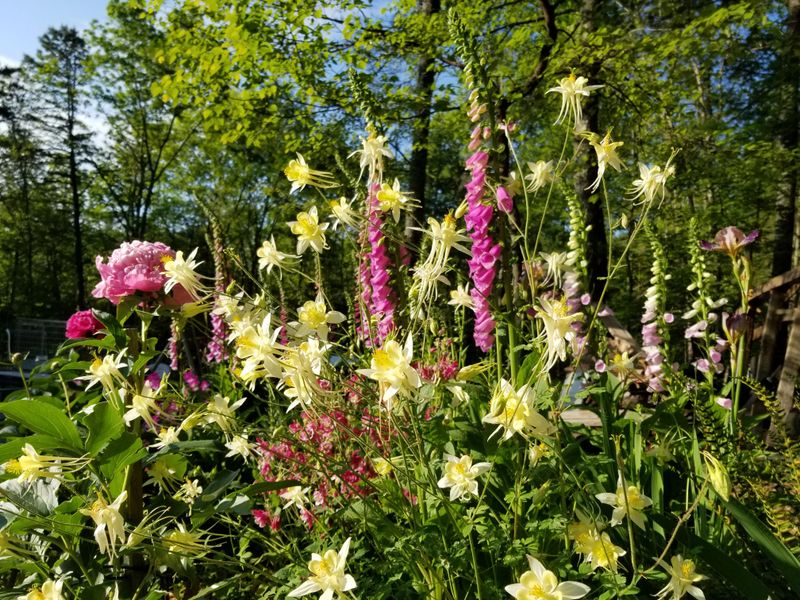
Foxglove has a way of commanding attention in any garden. Its tall, dramatic spikes covered in tubular blooms in shades of purple, pink, cream, and white rise boldly above surrounding plants, creating an instant focal point.
Pair those spikes with the airy, delicate flowers of columbine nodding gently in the breeze beside them, and you have a cottage garden combination that looks like something straight out of a storybook.
North Carolina gardeners who love a romantic, layered planting style will absolutely enjoy growing these two together.
Foxglove typically blooms from May into June in North Carolina, and many columbine varieties overlap with that window, especially if you choose early-blooming types. The height difference between the two plants adds to the appeal.
Foxglove can reach three to five feet tall, while columbine stays closer to one to two feet, creating a natural tiered effect that draws the eye upward through the planting. Both plants thrive in partial shade with moist, well-drained soil.
Foxglove is a biennial in most cases, meaning it grows foliage in its first year and blooms in its second, then self-seeds to keep the cycle going.
Columbine also self-seeds readily, so once you establish both plants in a North Carolina garden bed, they tend to naturalize and spread on their own over time.
That self-sustaining quality makes this pairing especially appealing for gardeners who want a beautiful, low-intervention planting that grows more lush and abundant with each passing spring season.
10. Coreopsis And Black-Eyed Susan
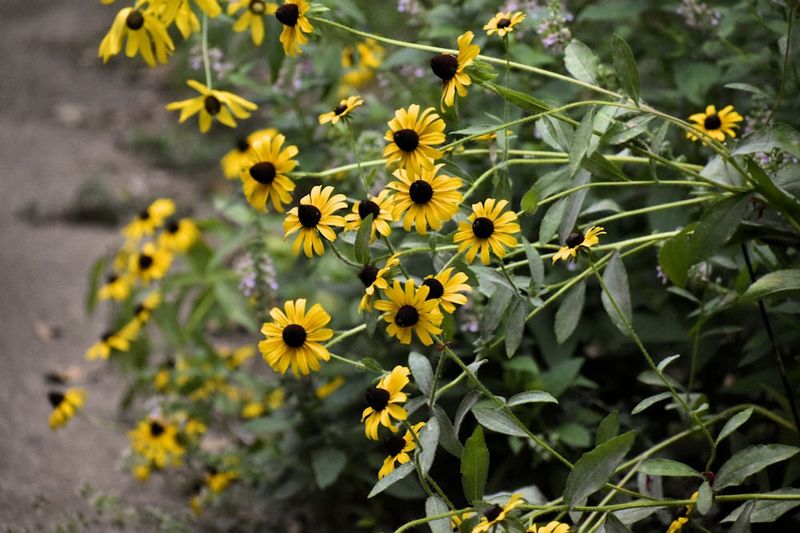
Sunny, cheerful, and almost effortlessly tough, coreopsis and black-eyed Susan are two of the hardest-working yellow flowers in North Carolina gardens.
Coreopsis lanceolata starts blooming in late spring, often as early as April in warmer parts of the state, while black-eyed Susan picks up steam in early summer.
Planting them together in the same sunny border ensures you enjoy a continuous wave of golden yellow color that carries your garden from spring well into the summer months without any gaps.
Both plants are native wildflowers that thrive in full sun and dry to average soil, which makes them a natural fit for the hot, sunny spots that can be tough to fill in many North Carolina yards. They are also incredibly low maintenance once established.
No deadheading is required for a good show, though removing spent blooms on coreopsis can encourage more flowers. Black-eyed Susans attract monarch butterflies, goldfinches, and a wide range of native bees, adding lively wildlife activity to the garden all season long.
From a design perspective, the similarity in flower color between these two plants creates a warm, cohesive look rather than a jarring contrast.
The slight difference in bloom time means the display shifts and evolves naturally as the weeks pass, keeping the border looking fresh.
For North Carolina gardeners who want native plants that practically take care of themselves while delivering months of bright, sunny color, coreopsis and black-eyed Susan are an unbeatable team that belongs in every sunny garden bed.