This Native Texas Shrub Is Replacing Privacy Fences In Yards
Not every privacy solution has to look like a hard line drawn across the yard. More Texas homeowners are starting to prefer something softer, greener, and a lot more inviting than a standard fence.
Instead of closing off the space with boards or panels, they are using plants that create privacy while still making the yard feel open, lived-in, and full of character.
One shrub getting a lot of attention for that job is yaupon holly. It has the kind of dense growth that can screen a space beautifully, but it also brings texture, movement, and year-round presence that a fence simply cannot match.
Whether it is shaped into a neat hedge or left a little more natural, it gives yards a polished look without feeling stiff or overly formal.
It also makes sense for Texas in a practical way. Yaupon holly is native, tough, and well adapted to local conditions, which means it can handle heat and weather swings better than many thirsty or fussy alternatives.
For homeowners who want privacy with a more natural feel, it is easy to see why this shrub is becoming such a favorite.
1. The Shrub Replacing Privacy Fences
Most people walk right past yaupon holly without knowing what it is, but this unassuming plant has a pretty impressive story.
Yaupon holly, known scientifically as Ilex vomitoria, is a native evergreen shrub that grows naturally across the southeastern United States, including much of Texas. It has been part of this landscape for thousands of years.
Unlike many ornamental shrubs you find at garden centers, yaupon holly actually belongs here. It evolved alongside Texas soils, Texas weather, and Texas wildlife.
That deep connection to the land is a big reason why it performs so well when other plants struggle.
As an evergreen, yaupon holly keeps its leaves all year long. That means it never goes bare and never leaves your yard looking exposed.
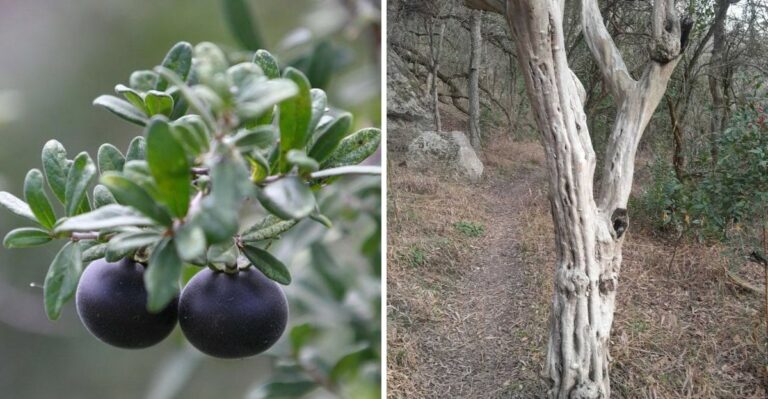
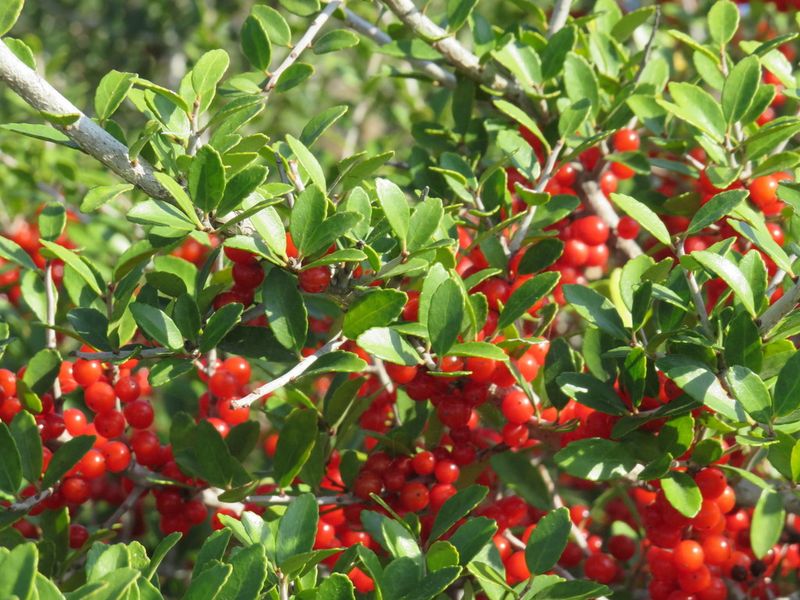
The leaves are small, glossy, and dark green, giving the plant a full and polished appearance throughout every season.
Yaupon holly can grow as a shrub or as a small tree, depending on how you manage it. Left on its own, it tends to grow in a naturally dense, multi-stemmed form that is perfectly suited for screening.
Trim it regularly and it shapes up into a tight, formal hedge. Let it grow more freely and it takes on a soft, naturalistic look that blends beautifully into the surrounding landscape.
The plant typically reaches anywhere from six to fifteen feet tall, though some varieties stay much smaller. Compact cultivars are available for tighter spaces.
No matter the size, the branching habit of yaupon holly is naturally thick and layered, which is exactly what you want in a privacy plant.
2. Why Homeowners Are Using It Instead Of Fences
Walk through almost any neighborhood in Texas and you will still see plenty of wooden privacy fences. They are everywhere.
But more and more homeowners are starting to ask a simple question: why build a wall when you can grow one instead?
Your Texas Garden Changes Every Week. Your Plan Should Too.
Gardening in Texas changes quickly throughout the season. Every Friday you’ll receive a simple weekly plan showing exactly what to plant, prune, fertilize, harvest, and protect so you never miss the right timing.
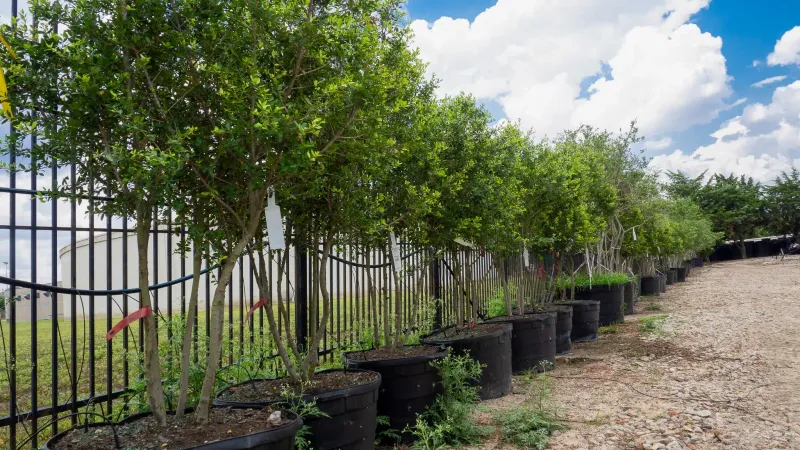
Yaupon holly creates a living privacy screen that feels completely different from a hard fence line. Instead of a flat wooden barrier, you get layers of green foliage that move gently in the breeze and change slightly with the seasons.
It softens the edge of your property rather than drawing a sharp line through it. One of the biggest reasons people make the switch is the look. A row of yaupon holly feels natural and inviting, not closed off.
It works equally well in formal landscapes where you want a clean, trimmed hedge and in relaxed, cottage-style gardens where a looser shape fits better. That flexibility is hard to find in a fence.
Privacy coverage is another major advantage. Because yaupon holly is evergreen, it provides a visual screen every single month of the year.
There is no off-season where your yard suddenly feels exposed. Whether it is July or January in Texas, the foliage stays full and green.
Cost is also worth mentioning. A wooden privacy fence requires regular painting, staining, or replacing boards over time.
Yaupon holly, once established, mostly takes care of itself. The upfront investment in plants pays off over time as maintenance costs stay low.
For homeowners thinking long-term, that trade-off makes a lot of sense in the Texas climate.
3. What Makes It So Effective As A Privacy Screen
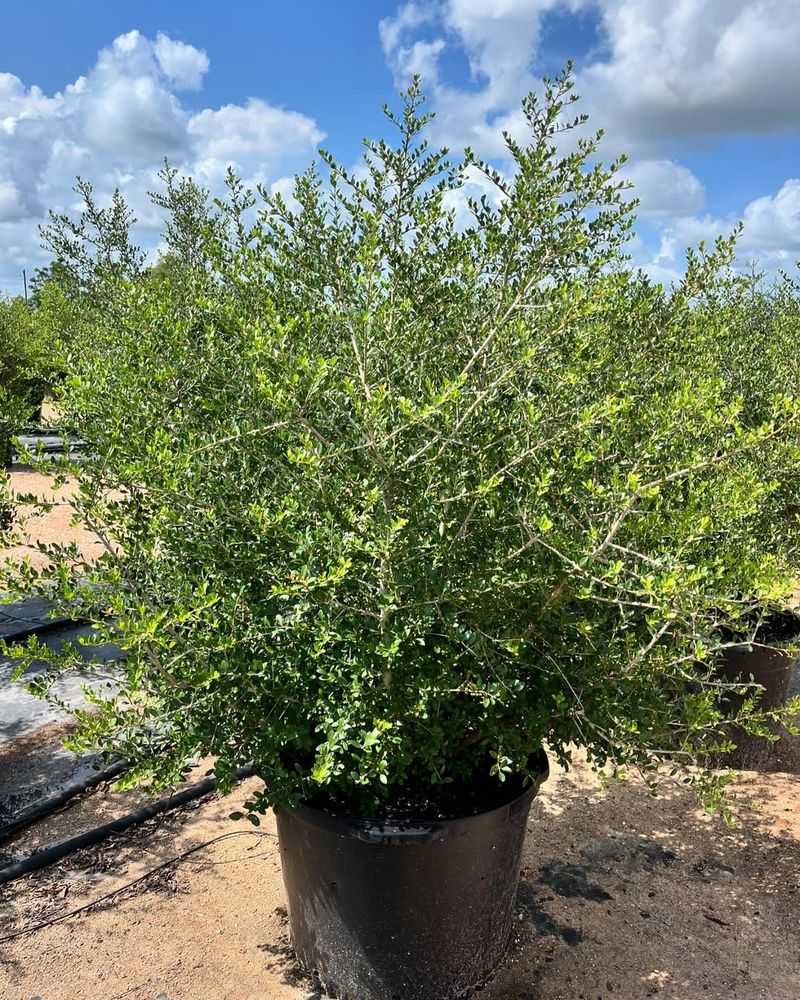
Not every shrub can pull double duty as a privacy screen. Some plants look great but grow too loosely.
Others fill in well but drop their leaves in winter. Yaupon holly manages to check every important box, and that is exactly why it works so well.
The branching habit of yaupon holly is naturally dense. Even without any trimming, the stems grow in tight, overlapping layers that make it very difficult to see through the plant.
This is not something you get from every shrub, and it is one of the first things people notice when they see a mature yaupon holly up close.
Because it is evergreen, it holds its foliage through every season without fail. You never have to worry about a cold snap or a dry spell stripping the leaves and leaving gaps in your screen.
That consistent coverage is one of the biggest practical advantages yaupon holly has over deciduous alternatives.
Trimming yaupon holly into a formal hedge is very straightforward. It responds well to pruning and bounces back quickly after a cut.
You can shape it into a tight wall of green that looks sharp and intentional. Many homeowners in Texas go this route for a cleaner, more structured appearance along their property lines.
On the other hand, if you prefer a softer, more natural look, yaupon holly handles that just as well.
Allowing it to grow with minimal shaping gives it a flowing, organic quality that blends nicely into native plantings. Either way, the result is a full, attractive screen that genuinely earns its place in the yard.
4. Why It Works So Well In Texas Yards
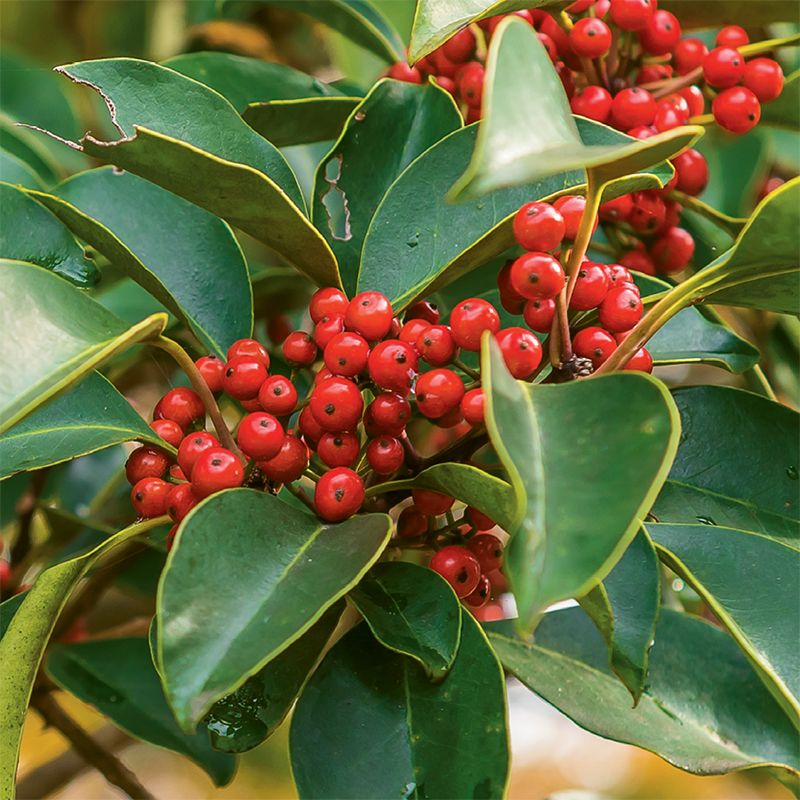
Texas weather is not easy on plants. Summer temperatures regularly climb past 100 degrees, rainfall can disappear for months at a time, and soils range from sandy coastal ground to heavy clay in the Hill Country.
Most plants from a standard nursery catalog were never designed to handle all of that at once.
Yaupon holly was. It evolved right here in this region over thousands of years, and it has the toughness to prove it.
Once established, it handles heat that would send many traditional hedge plants into serious decline. You can plant it in full sun and it will not flinch, even during a brutal Texas August.
Soil flexibility is another big strength. Yaupon holly grows well in sandy soil, clay soil, loamy soil, and rocky soil.
It even tolerates poor drainage better than most shrubs. That kind of adaptability is rare and genuinely useful in a state where soil conditions can vary dramatically from one neighborhood to the next.
Drought tolerance is probably the trait that gets the most attention. After yaupon holly gets established, which usually takes one to two growing seasons, it can survive extended dry periods with little to no supplemental watering.
For Texas homeowners dealing with watering restrictions or high water bills, that is a meaningful advantage.
Shade tolerance rounds out the picture nicely. Yaupon holly grows well in full sun but also performs in partial shade, which means it works along fences, under tree canopies, and on the north side of structures.
Very few privacy plants offer that kind of range, making yaupon holly one of the most versatile choices available across all of Texas.
5. Extra Benefits Beyond Privacy
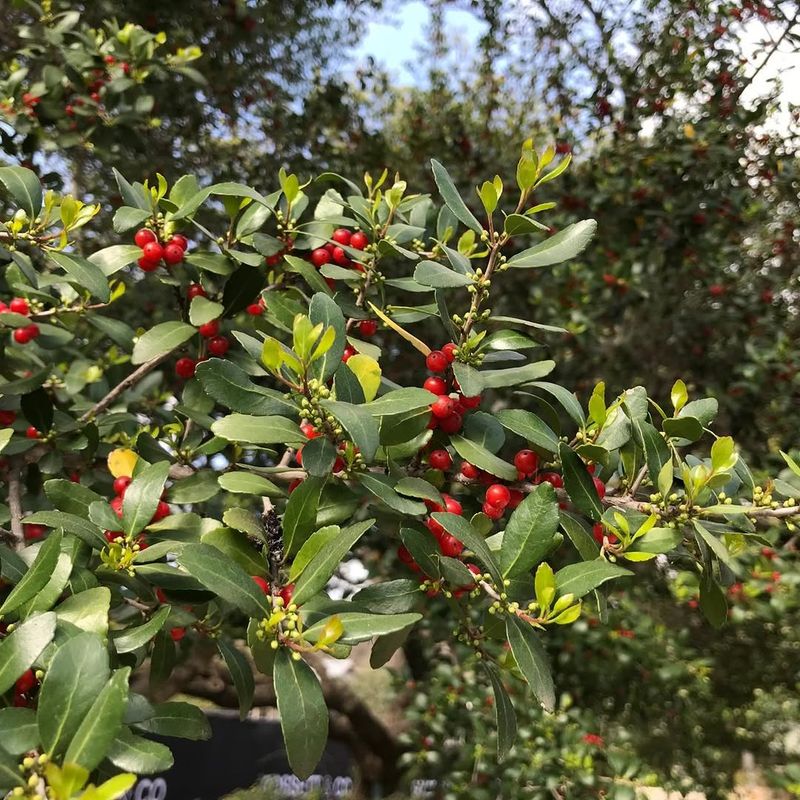
Privacy is the main reason people plant yaupon holly, but once you have it in your yard, you start noticing all the other things it brings to the table. This plant is genuinely generous in what it gives back to a landscape.
As a native Texas plant, yaupon holly supports the local ecosystem in ways that a wooden fence simply cannot. Native bees and pollinators visit the small white flowers in spring.
Birds rely on the dense branching for shelter and nesting. The plant fits naturally into the food web that has existed in this region for a very long time.
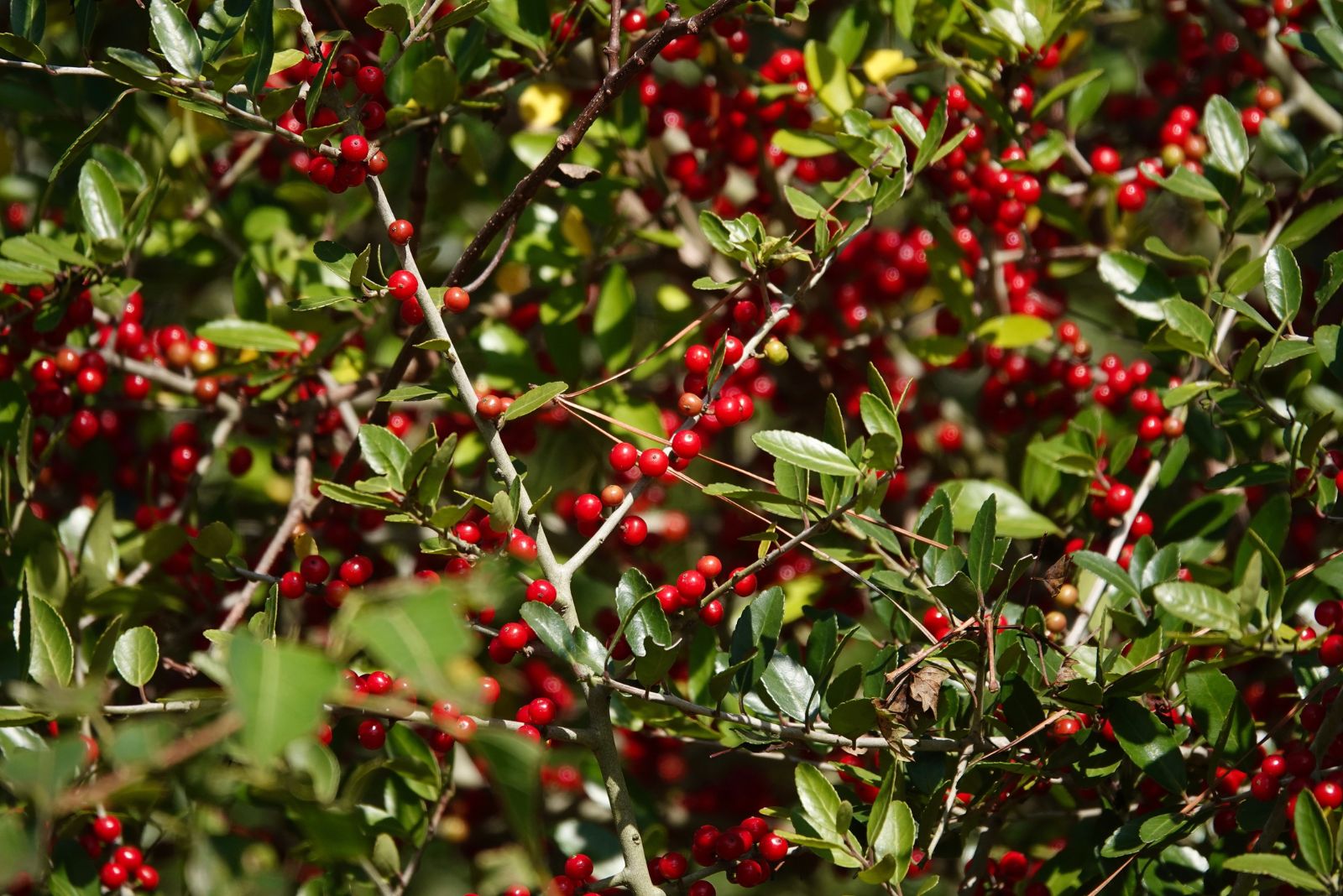
Female yaupon holly plants produce berries, and they are stunning. The bright red fruits appear in fall and persist well into winter, turning the plant into a seasonal showpiece.
Cedar waxwings, mockingbirds, and other native Texas birds flock to these berries and make for some fantastic backyard birdwatching. You need a male plant nearby to get berries, so plan accordingly when purchasing.
Long-term maintenance is noticeably lower compared to many other screening plants. Yaupon holly does not demand frequent fertilizing, does not need much water once established, and only requires occasional pruning to stay in shape.
Compare that to a wooden fence that needs sanding, staining, and board replacements over the years.
There is also something quietly satisfying about growing a plant that actually belongs in Texas. It feels right in a way that an imported ornamental never quite does.
Planting yaupon holly is a small but meaningful way to support the native landscape while also making your own yard look and function better every single year.
6. The Biggest Mistake To Avoid
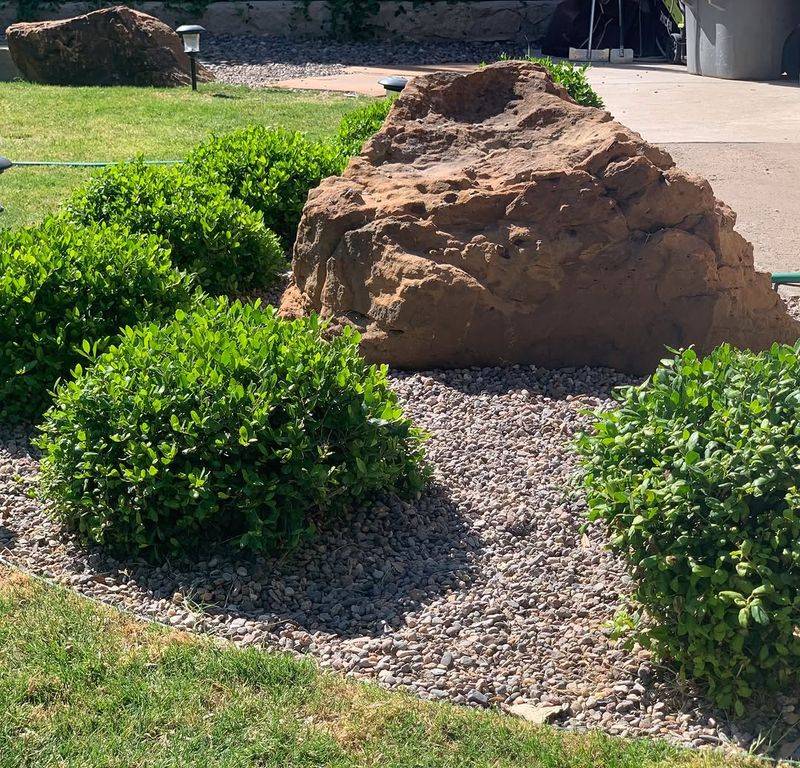
Planting yaupon holly is a smart move, but there is one mistake that trips up a surprising number of homeowners. Get this wrong and you could end up with a weaker, thinner screen than you bargained for, even though the fix is simple once you understand it.
The most common error is planting too close together to get fast privacy coverage. It makes sense on the surface.
More plants packed tightly means a fuller screen sooner, right? Actually, no. When yaupon holly plants are crowded, they compete for water, nutrients, and sunlight.
The result is often weaker growth, more susceptibility to pests, and a screen that never fills out the way you hoped.
Every yaupon holly needs room to reach its mature width, which can be anywhere from four to ten feet depending on the variety you choose. Spacing plants three to five feet apart gives each one enough room to develop properly.
Yes, it takes a little longer to look full, but within a few growing seasons you will have a much healthier and denser screen than if you had crowded them in from the start.
Overwatering during the establishment period is another trap to avoid. It feels natural to water a new plant often, but yaupon holly prefers well-drained soil and does not like sitting in soggy ground.
Water deeply but infrequently, and let the soil dry out between sessions. Patience truly pays off with this plant. Give it proper spacing, reasonable water during its first year in a Texas yard, and some basic pruning as it matures.
Do those three things and yaupon holly will reward you with a full, beautiful, long-lasting privacy screen that a fence could never match.