These Blooming Plants In Pennsylvania Love Baking Soda
Baking soda is probably not the first thing that comes to mind when you think about helping flowers grow better. For most people, it belongs in the kitchen, tucked next to flour and sugar, not out in the garden beside watering cans and trowels.
But in Pennsylvania gardens, some blooming plants can actually benefit from it when it is used the right way. That little box on the shelf has built a bit of a reputation among gardeners for a reason.
Part of the appeal is how simple it feels. You are not dealing with anything fancy or hard to find, yet it can play a role in keeping certain plants looking cleaner, healthier, and more productive through the season.
Of course, it is not some magic powder that fixes every garden problem. The trick is knowing which blooming plants respond well and how to use it without overdoing it.
For gardeners who enjoy practical tips that feel a little unexpected, this is one of those ideas worth paying attention to. Sometimes the most interesting garden helpers are the ones already sitting in your house.
1. Lavender
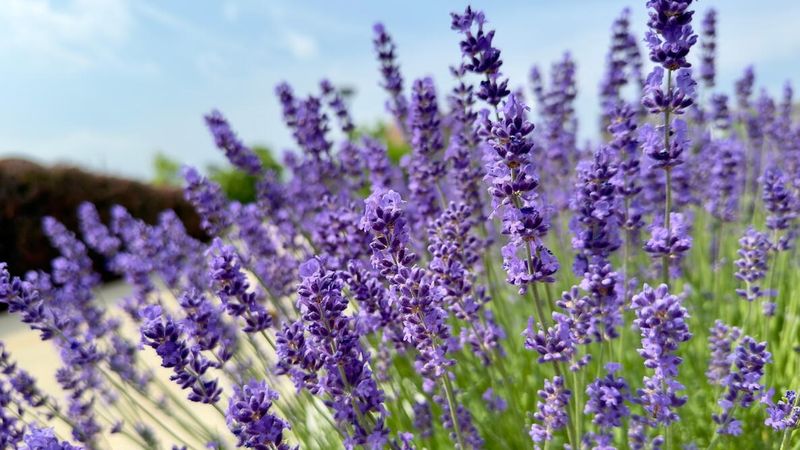
Few plants smell as wonderful or look as dreamy as lavender in full bloom. If you grow lavender in Pennsylvania, you are already working with a plant that absolutely loves slightly alkaline soil.
Baking soda can help nudge your garden soil in exactly the right direction, making lavender feel right at home.
Lavender naturally thrives in conditions similar to the dry, rocky hillsides of the Mediterranean. That means it wants well-drained soil with a pH between 6.5 and 7.5.
Pennsylvania soils can sometimes run a bit acidic, especially after heavy rains. A light baking soda treatment can help balance things out without overdoing it.
To use baking soda safely around lavender, mix one teaspoon into a gallon of water and apply it to the soil around the base of the plant every few weeks during the growing season. Avoid soaking the leaves or stems directly.
Too much moisture on lavender can cause problems you do not want. The fragrant purple blooms that lavender produces are not just beautiful. They attract bees, butterflies, and other pollinators that are great for your whole Pennsylvania garden.
Lavender also works wonderfully as a border plant along walkways or garden edges. Its silvery-green foliage stays attractive even when it is not in full bloom.
With the right soil pH and proper drainage, Pennsylvania gardeners can enjoy waves of purple color from late spring through summer. Baking soda is one easy tool that helps make that happen.
2. Dianthus
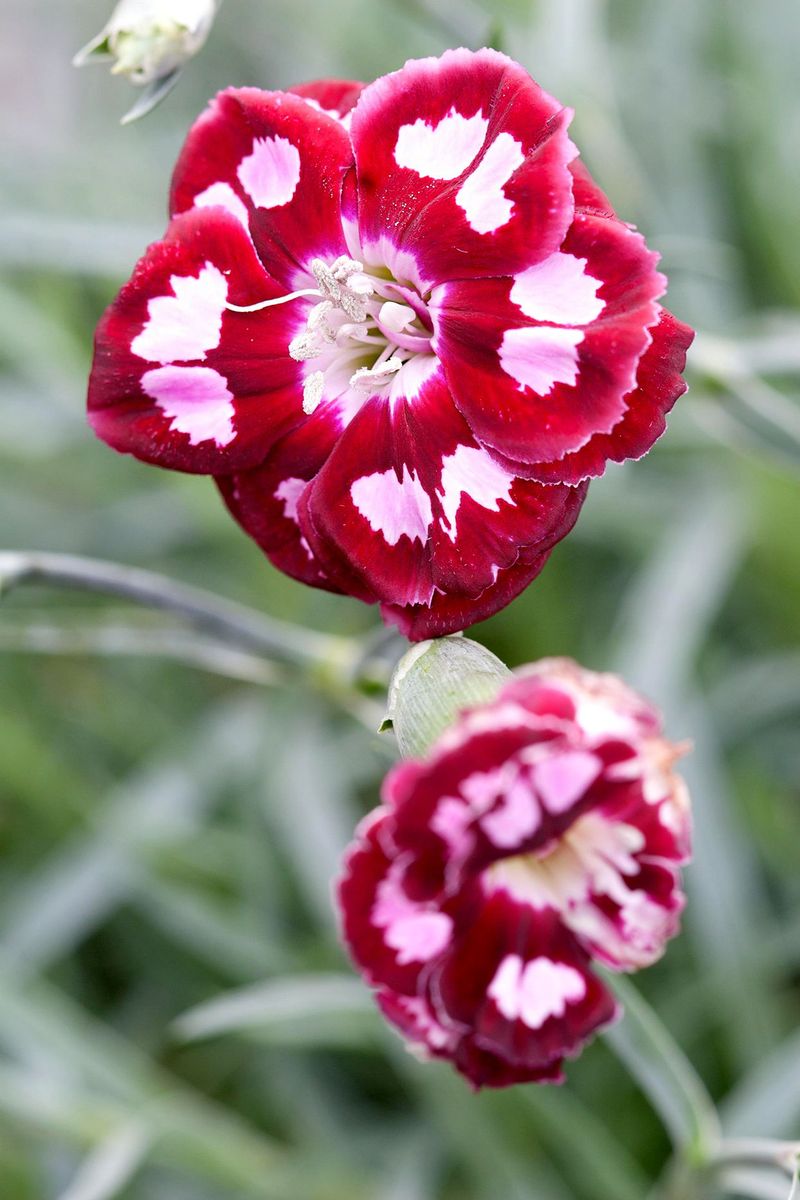
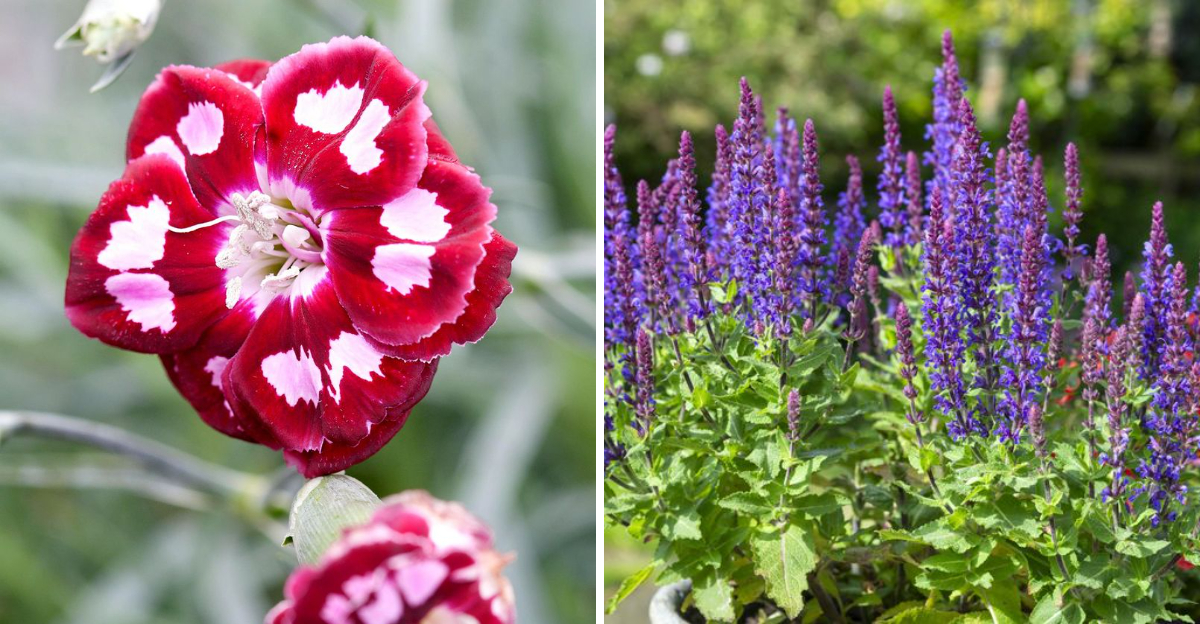
Gardeners in Pennsylvania have loved Dianthus for generations, and it is easy to see why. These cheerful, compact flowers come in shades of pink, red, white, and bi-color, and they carry a spicy, clove-like fragrance that is hard to forget.
Dianthus is an old-fashioned favorite that still earns its place in modern gardens all across the state.
What many growers do not realize is that Dianthus actually prefers neutral to slightly alkaline soil conditions. If your Pennsylvania garden soil is on the acidic side, your Dianthus plants may struggle to bloom as fully as they should.
Your Pennsylvania Garden Changes Every Week. Your Plan Should Too.
Gardening in Pennsylvania changes quickly throughout the season. Every Friday you’ll receive a simple weekly plan showing exactly what to plant, prune, fertilize, harvest, and protect so you never miss the right timing.
A gentle baking soda treatment can help shift the pH into the sweet spot that these flowers prefer.
Try mixing half a teaspoon of baking soda into a gallon of water and applying it around your Dianthus plants once or twice a month during the spring growing season.
Always water the soil, not the foliage, and test your soil pH before starting any treatment. Keeping the pH around 6.7 to 7.0 gives Dianthus the best chance to flourish.
Dianthus blooms mainly in spring and early summer, making it a perfect companion for other Pennsylvania garden plants that peak later in the season. Its low-growing, mounding habit makes it ideal for borders, rock gardens, and container plantings.
With a little baking soda support and good drainage, Dianthus will reward you with clusters of colorful blooms that brighten up any outdoor space.
3. Clematis
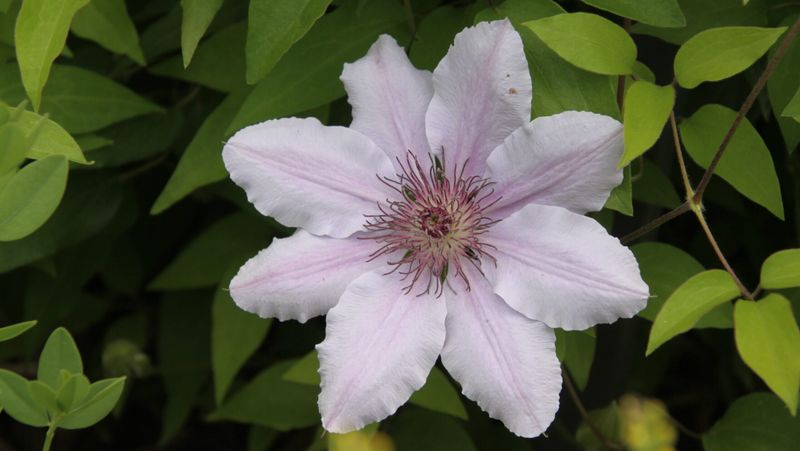
Clematis is one of those plants that makes you stop and stare. Its large, showy blooms can cover a fence, trellis, or arbor in a spectacular display that draws attention from across the yard.
Pennsylvania gardeners who want vertical interest in their gardens will find Clematis to be one of the most rewarding choices they can make.
There is an old gardening saying that Clematis likes its head in the sun and its feet in the shade. But here is something less talked about: Clematis also tolerates and even benefits from slightly alkaline soil conditions.
Baking soda can play a helpful role in maintaining stable soil pH, which Clematis needs for consistent, healthy growth throughout the Pennsylvania growing season.
Apply a diluted baking soda solution around the base of your Clematis vine every two to three weeks during active growth. Use about one teaspoon per gallon of water and always water deeply afterward to help the solution move into the root zone.
Avoid getting the mixture on the vine stems or leaves, since Clematis foliage can be sensitive to direct contact.
One fun fact about Clematis is that there are over 300 species in the genus, so Pennsylvania gardeners have plenty of options to choose from. From deep purple to bright pink to soft white, the color range is incredible.
Pairing Clematis with a wooden fence or garden wall creates a stunning focal point. Stable, slightly alkaline soil supported by careful baking soda use helps Clematis perform at its absolute best.
4. Shasta Daisy
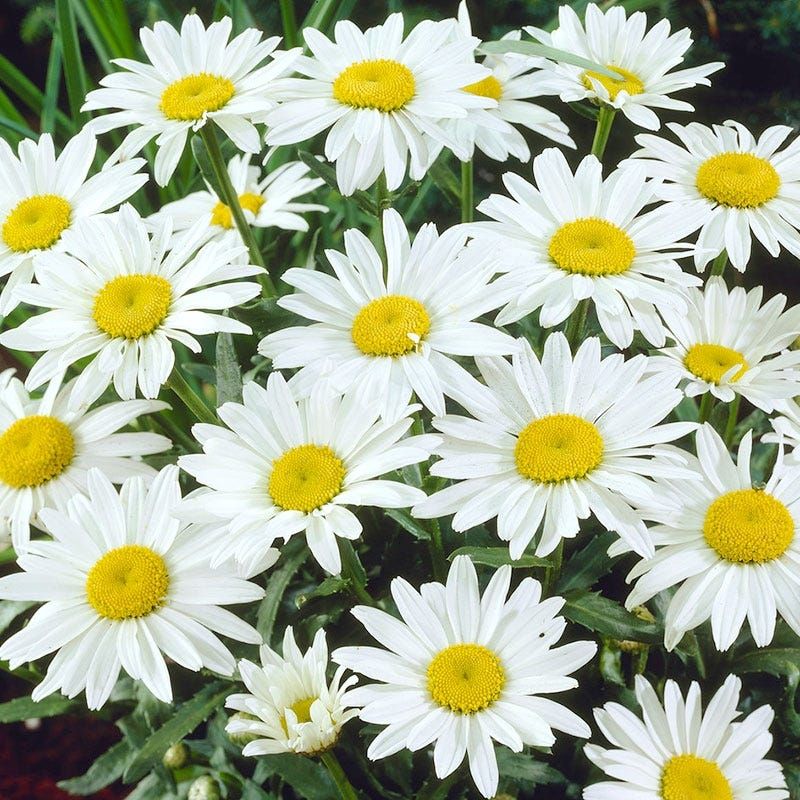
Bright white petals surrounding a cheerful yellow center make the Shasta Daisy one of the most recognizable flowers in any Pennsylvania garden.
This reliable perennial has been a garden staple for well over a century, and it keeps earning fans season after season because it is so easy to grow and so consistently beautiful.
Shasta Daisies perform best in neutral to slightly alkaline soil, which makes them a great candidate for a little baking soda support.
Pennsylvania gardens with naturally acidic soil can benefit from periodic baking soda treatments that gently raise the pH without shocking the plants.
A balanced soil environment helps Shasta Daisies develop strong root systems and produce more blooms per plant.
Mix one teaspoon of baking soda into a gallon of water and apply it to the soil around your Shasta Daisies every two to three weeks during the blooming season. Avoid overuse, since too much sodium can build up in the soil over time.
Testing your soil pH with an inexpensive kit from your local garden center is always a smart first step before adding any amendments.
One of the best things about Shasta Daisies is their long blooming period. In Pennsylvania, they typically bloom from early summer all the way through early fall with proper deadheading.
Removing spent flowers encourages the plant to keep producing new buds. They work beautifully in cut flower arrangements too, bringing that classic garden look right inside your home. Baking soda simply helps them reach their full, glorious potential.
5. Yarrow
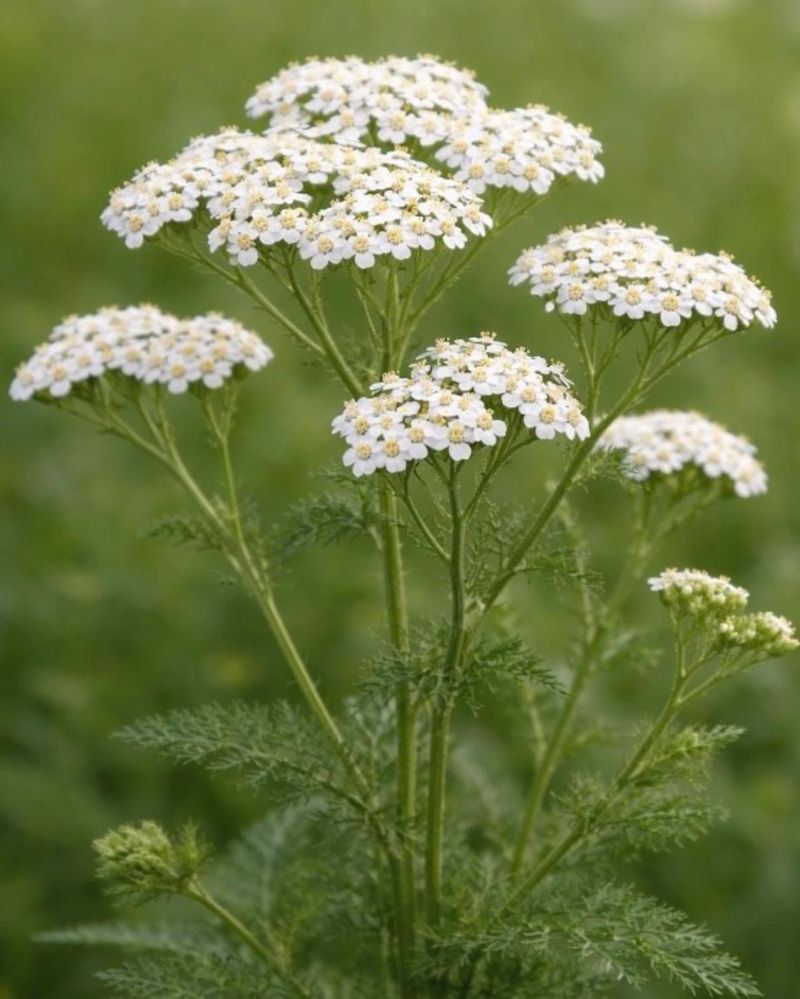
Yarrow is the tough kid on the block when it comes to Pennsylvania garden plants. It shrugs off drought, handles poor soil without complaint, and keeps producing beautiful clusters of flowers season after season.
If you have a challenging garden spot that other plants refuse to cooperate in, Yarrow might just be your answer.
What makes Yarrow especially interesting from a soil standpoint is that it actually thrives in poor, alkaline soils. Rich, overly amended soil can cause Yarrow to flop and produce fewer blooms.
Baking soda can be a smart tool for Pennsylvania gardeners who want to maintain the slightly alkaline conditions that Yarrow naturally loves, especially in garden spots where soil tends to drift toward neutral or acidic over time.
A light application of baking soda solution once a month during the growing season is usually enough to keep Yarrow happy. Use about half a teaspoon per gallon of water and apply it directly to the soil.
Because Yarrow is so low maintenance, it does not need much intervention at all. Just a little pH support goes a long way with this resilient bloomer.
Yarrow comes in a wide range of colors beyond the classic white, including yellow, red, pink, and orange. It blooms from late spring through midsummer in Pennsylvania and attracts a wonderful variety of butterflies and beneficial insects.
Its feathery, fern-like foliage stays attractive even when the plant is not flowering. Yarrow also dries beautifully, making it a popular choice for dried flower arrangements throughout the year.
6. Salvia
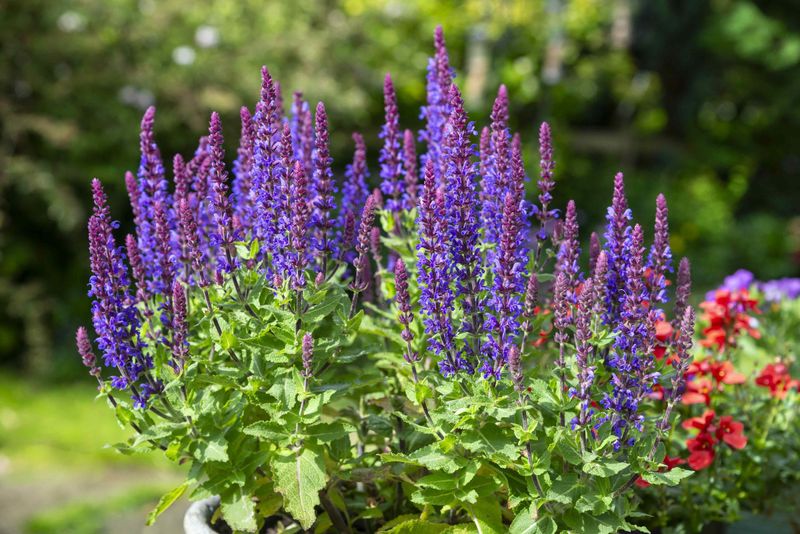
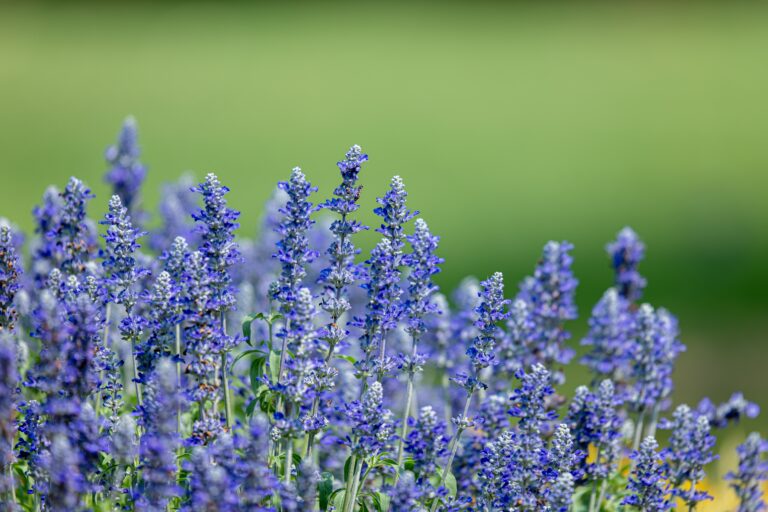
Walk through any thriving Pennsylvania garden in midsummer and you are likely to spot the tall, elegant spikes of Salvia reaching toward the sky.
This versatile flowering plant comes in dozens of hardy varieties that suit everything from formal garden beds to casual cottage-style landscapes.
Its long blooming season and pollinator appeal make it a standout performer across the state.
Salvia is notably adaptable when it comes to soil conditions. It tolerates a wide range of pH levels, including slightly alkaline soil, which makes it a natural fit for a baking soda gardening routine.
Keeping the soil in the 6.5 to 7.5 pH range encourages Salvia to produce more flower spikes over a longer period. Pennsylvania gardeners who tend toward acidic soils will find that a periodic baking soda treatment makes a real difference in bloom production.
Apply a baking soda solution of one teaspoon per gallon of water to the soil around your Salvia plants every two to three weeks during the active growing season.
Always check your soil pH before starting and recheck it every month or so to avoid over-alkalizing. A little consistency goes a long way with this plant.
Beyond its stunning blooms, Salvia is a powerhouse for pollinators. Bees, hummingbirds, and butterflies flock to its flowers, making it a valuable addition to any Pennsylvania wildlife-friendly garden.
Many Salvia varieties are also deer-resistant, which is a big bonus for gardeners in rural areas of the state. With the right soil support, Salvia blooms reliably from early summer through the first frost.
7. Coreopsis
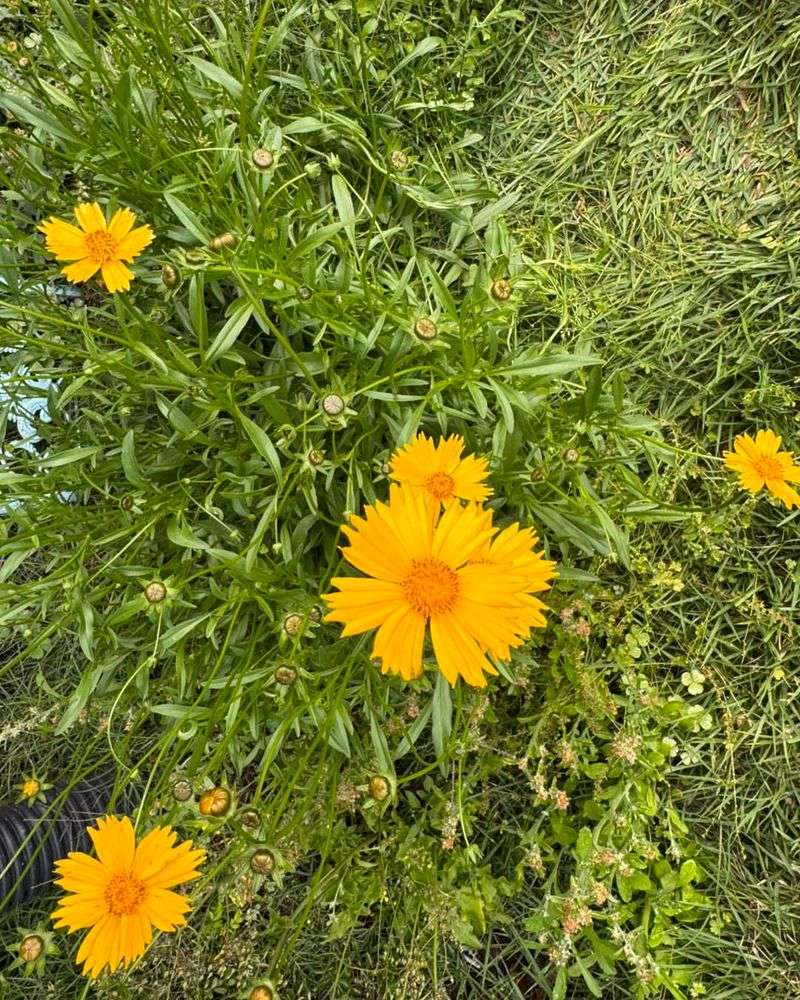
Sunny, bright, and almost impossible to stop once it gets going, Coreopsis is one of those flowers that just makes a Pennsylvania garden feel happy. Its golden yellow blooms light up garden beds from early summer well into fall, and it asks for very little in return.
Coreopsis is sometimes called Tickseed, and once you see how it cheerfully self-seeds and spreads, the name starts to make a lot of sense.
Coreopsis adapts well to a variety of soil conditions, which is part of what makes it such a reliable choice for Pennsylvania gardeners. It handles both poor and average soils without much fuss, and it performs nicely in neutral to slightly alkaline conditions.
Using baking soda to maintain a gentle alkaline lean in your garden soil can help Coreopsis produce more blooms over a longer stretch of the season.
A diluted baking soda solution of one teaspoon per gallon of water applied monthly to the soil around Coreopsis is a simple and effective approach. Because Coreopsis is naturally low maintenance, you do not need to overdo it.
Just a little pH support combined with full sun and decent drainage is all this plant really needs to shine.
Pennsylvania gardeners love Coreopsis for its extended bloom time and its ability to attract butterflies and other beneficial insects. It works beautifully as a border plant, in meadow-style gardens, or mixed into perennial beds for a pop of color.
Deadheading spent blooms keeps the plant producing fresh flowers right up until the cooler days of Pennsylvania autumn arrive.