6 Annual Flowers That Self-Seed In Ohio Gardens
Every spring, some Ohio gardeners get a surprise: flowers popping up exactly where they grew last year… even though no one planted them.
That is the magic of self-seeding annuals.
Instead of starting from scratch every season, these plants quietly drop seeds in fall and do the replanting for you. When conditions line up, they come back as new seedlings, filling in beds, borders, and empty spaces with almost no effort.
It is one of the easiest ways to save time, cut costs, and make a garden feel full and natural instead of carefully staged.
Of course, reseeding is never perfectly predictable. Some plants return lightly, others more enthusiastically, and things like weather, mulch, and soil disturbance all affect the outcome.
But once you know which plants are most likely to do it well, you can start letting your garden do some of the work for you.
These annual flowers are among the most reliable self-seeders in Ohio gardens, each with its own growth habits and quirks worth knowing before you plant.
1. Calendula Keeps Showing Up Year After Year
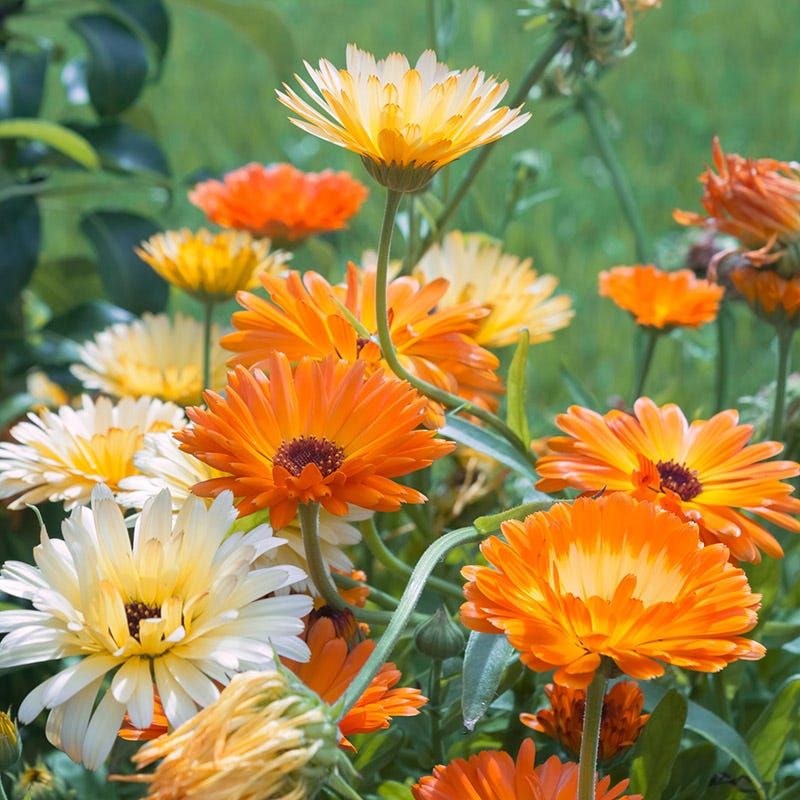
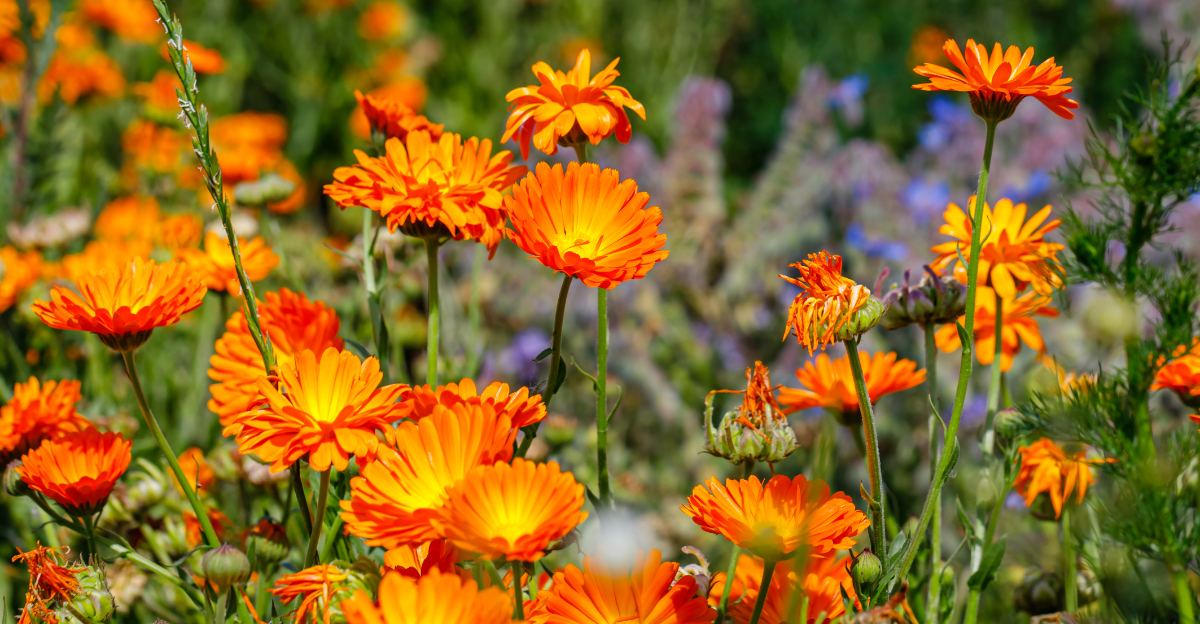
Few flowers are as cheerful or as quietly dependable as calendula. Sometimes called pot marigold, this sunny annual has been grown in cottage gardens for centuries, and for good reason.
Once calendula goes to seed at the end of the season, it tends to leave behind a generous supply of seeds that are well-suited to Ohio’s climate.
Calendula reseeds most reliably when seeds have direct contact with the soil. If you let the spent flower heads dry out and drop naturally rather than deadheading everything, you give the seeds the best chance to settle in.
A light layer of mulch is fine, but thick mulch can prevent germination, so keep it thin in areas where you want reseeding to happen.
In Ohio, calendula tends to germinate in cool weather, which means you might see seedlings appear in early spring, sometimes before or around the last frost date in milder years.
The plant actually prefers cooler temperatures for germination and early growth, so it is one of the first self-seeders to show up after winter.
That early-season color is a real bonus when most other flowers are still weeks away from blooming.
Calendula tends to return in the same general area where the parent plants grew, though seeds can drift a bit. You might find clusters near garden edges or along pathways where seeds rolled or washed.
Thin seedlings if they crowd each other, and let the strongest ones develop. Because calendula is not an aggressive spreader, it is considered one of the more manageable self-seeders.
You get the reward of returning color without much risk of the plant taking over. It is a great starting point for gardeners who are new to working with self-seeding annuals in Ohio beds.
2. Cosmos Fill In Fast Without Replanting
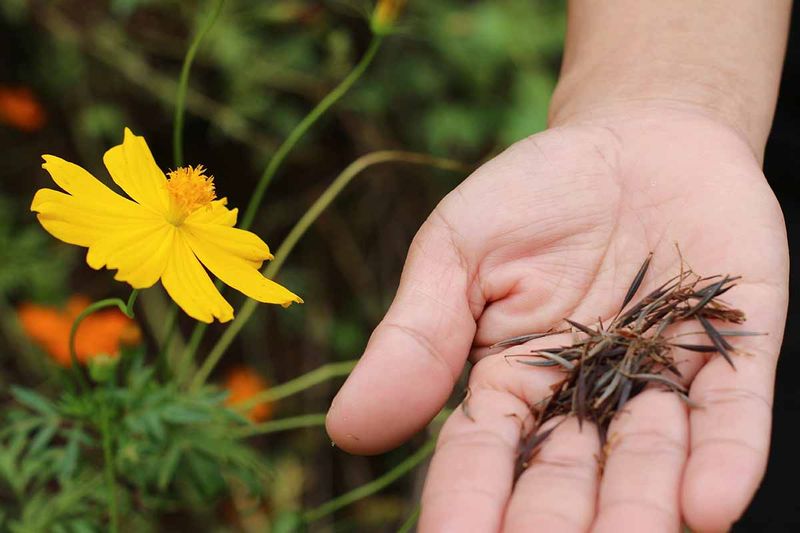
A garden full of cosmos has an almost effortless look, like wildflowers that decided to organize themselves. Those tall, wispy stems and bright blooms in pink, white, and magenta create a soft, airy texture that pairs well with nearly everything else in the garden.
Your Ohio Garden Changes Every Week. Your Plan Should Too.
Gardening in Ohio changes quickly throughout the season. Every Friday you’ll receive a simple weekly plan showing exactly what to plant, prune, fertilize, harvest, and protect so you never miss the right timing.
The good news is that cosmos are also reliable reseeders, especially in open, sunny spots with loose or bare soil.
Cosmos seeds germinate best when they remain near the soil surface, so they do best when they fall onto soil that has not been heavily mulched or disturbed.
If you till your garden beds every spring, you may disrupt or bury seeds before they get a chance to sprout.
Leaving a section of bed relatively undisturbed through late fall and early spring gives cosmos seeds the best opportunity to do their thing. You will likely start seeing seedlings in late spring once soil temperatures warm up.
In Ohio gardens, cosmos tend to fill in quickly once they get going. They are fast growers, and a patch can go from tiny seedlings to knee-high plants in just a few weeks under good conditions.
They thrive in full sun and actually perform better in average or poor soil than in rich, over-fertilized ground. Too much nitrogen pushes leafy growth at the expense of flowers.
Cosmos work especially well along fences, in cutting garden rows, or at the back of mixed borders where their height adds drama without blocking shorter plants.
Because they reseed in open ground rather than spreading aggressively, they are generally easy to manage.
Pull extras where you do not want them, and let the rest grow. With cosmos, a little patience in spring usually leads to a full, colorful display by midsummer that feels like it planted itself.
3. Larkspur Comes Back Before You Expect It
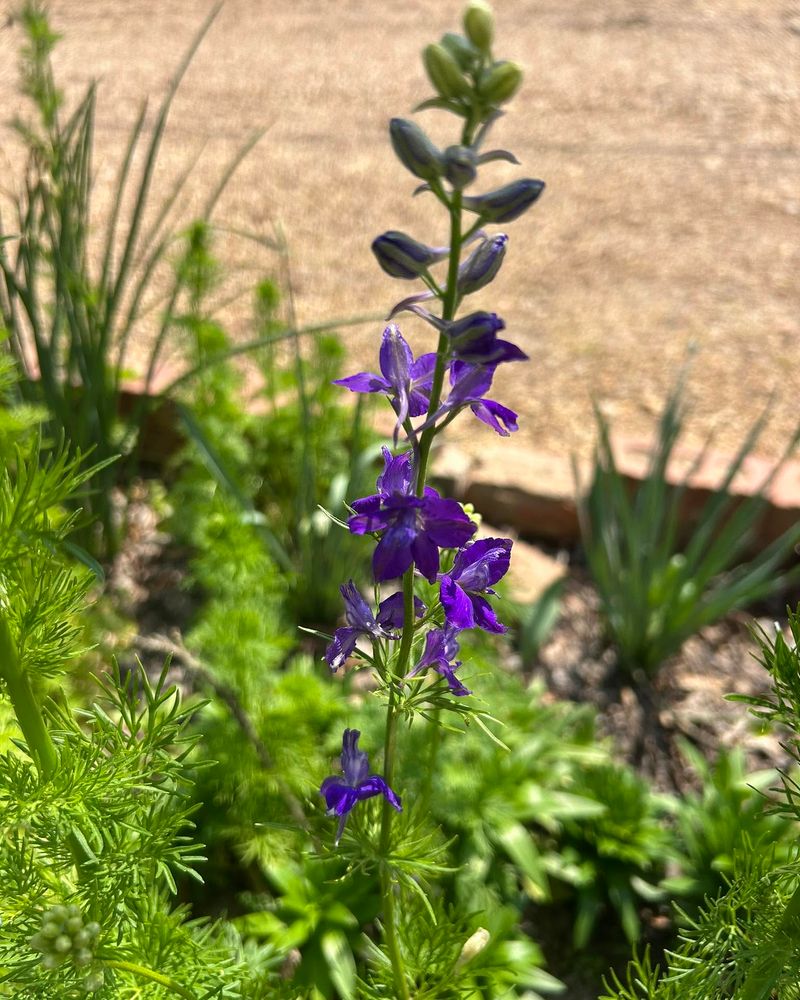
Larkspur has a way of catching gardeners off guard. You might be out checking on early bulbs or clearing winter debris in March, and there they are: small clusters of feathery larkspur seedlings already pushing up through the soil.
This plant often reseeds in fall, and the seeds germinate best after a period of cold, which makes Ohio winters a natural part of its growing cycle.
Unlike most annuals that wait for warm soil to sprout, larkspur is a cool-season grower. Seeds germinate in late winter or very early spring, and the plants develop quickly before summer heat sets in.
By late spring, larkspur can be in full bloom with tall, elegant spikes of purple, blue, pink, or white flowers that add real vertical interest to garden beds. The timing works out beautifully to bridge the gap between spring bulbs and summer annuals.
Larkspur tends to return most reliably when seeds are allowed to fall naturally and the soil is not heavily disturbed. It often shows up near the edges of beds, along pathways, or in spots with good drainage and partial to full sun.
The plants are slender and upright, so they fit into tight spaces without crowding neighbors. They also make excellent cut flowers, which is a nice bonus for Ohio gardeners who like to bring blooms indoors.
Because larkspur germinates so early, the seedlings can look a bit like weeds at first. Getting familiar with what the young foliage looks like helps you avoid accidentally pulling them.
Once you recognize the lacy, deeply cut leaves, it becomes easy to spot them and let them grow. Larkspur is a light-to-moderate reseeder and rarely becomes a problem, making it a rewarding and surprising addition to any Ohio cottage garden.
4. Nicotiana Returns In Quiet Garden Corners
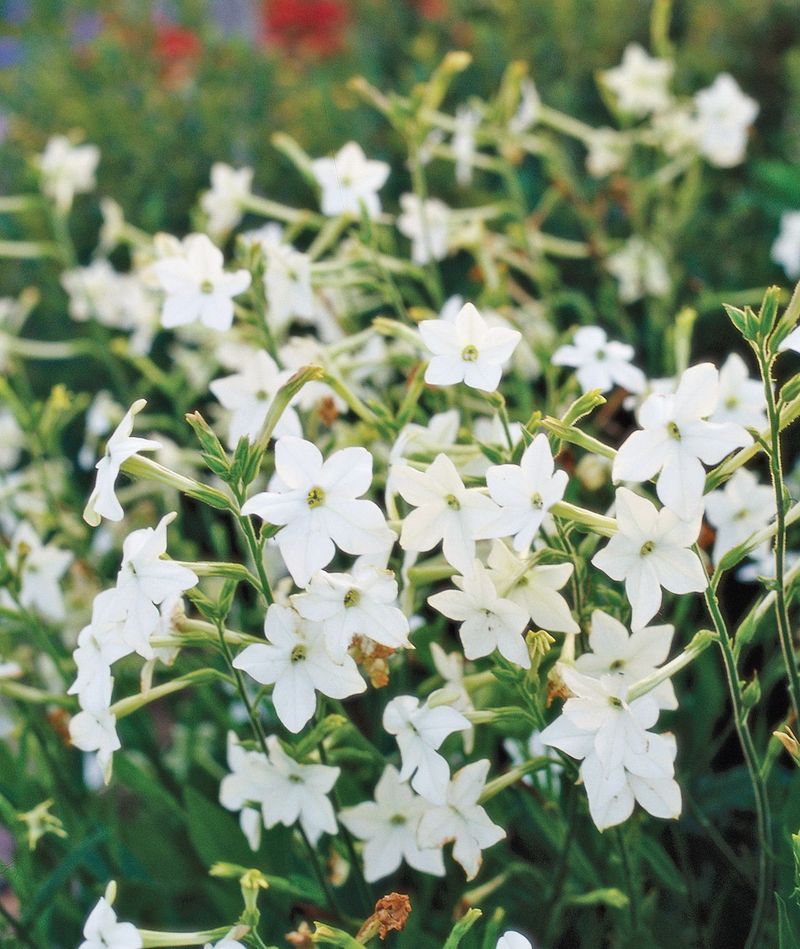
Not every garden plant needs to be the loudest one in the room. Nicotiana, also called flowering tobacco, earns its place through subtlety.
Its tubular blooms in white, soft pink, and pale lime green show up beautifully in lower light conditions, and the flowers release a sweet fragrance in the evening that makes sitting near the garden a real pleasure on warm Ohio nights.
Nicotiana is a fairly reliable reseeder, but it tends to favor sheltered spots rather than open, exposed areas.
You are most likely to find seedlings returning in corners where the soil stays a little more protected, along the base of fences or walls, under the canopy of taller plants, or in beds that do not get a lot of foot traffic or disturbance.
These less-disturbed areas allow seeds to stay where they fall and germinate without being moved around.
Nicotiana grows well in full sun to partial shade, which is part of what makes it so useful in Ohio gardens. Many gardeners struggle to find annuals that perform in spots that get only a few hours of sun each day.
Nicotiana handles those conditions gracefully and fills in areas that brighter, sun-hungry plants cannot handle. Some varieties reseed more reliably than others, so results can depend on the type you grow.
It grows at a moderate pace and rarely becomes overwhelming, making it a low-stress addition to mixed shade beds.
To encourage reseeding, let some plants go to seed at the end of the season rather than cutting everything back. The seed capsules are small but packed with tiny seeds that scatter easily with a little wind or rain.
In spring, watch for clusters of small, slightly sticky seedlings in sheltered spots. Thin them if needed, but nicotiana generally reseeds at a relaxed pace that most Ohio gardeners find easy to work with and appreciate for its understated charm.
5. Zinnias Pop Up When Conditions Are Right
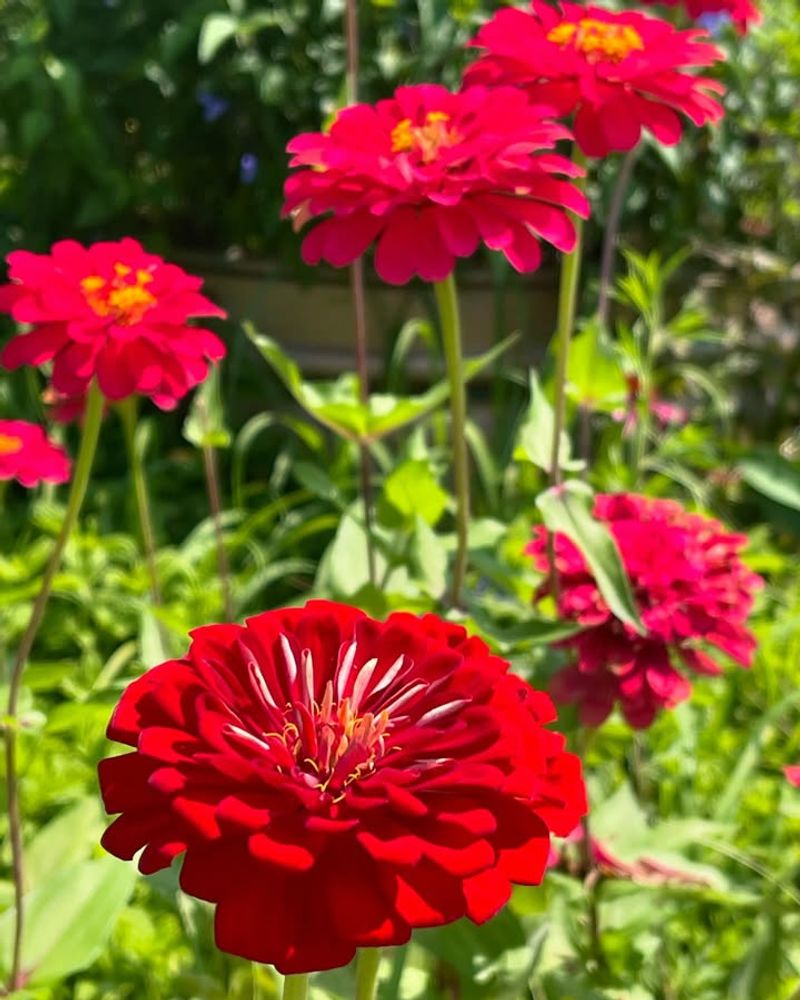
Zinnias are the garden’s most enthusiastic summer performers, and the possibility of them coming back on their own adds a layer of excitement to spring garden prep. Unlike some of the more predictable reseeders on this list, zinnias are a bit of a wildcard.
Whether they return and how many come back depends on a combination of factors that change from year to year in Ohio.
Soil temperature plays a big role. Zinnia seeds need warm soil to germinate, typically above 60 degrees Fahrenheit, so they will not sprout as early as cool-season self-seeders like larkspur or calendula.
In Ohio, that usually means waiting until late May or early June before seedlings appear. If spring is cold and wet, germination may be spotty.
A warm, dry spring with good sun exposure gives dropped zinnia seeds a much better chance.
Soil disturbance is another factor. If you rake, till, or heavily mulch your beds before zinnia seeds have a chance to sprout, you may not see many volunteers that year.
Leaving a section of your garden bed relatively undisturbed through late spring gives seeds the best shot at germination. Bare or lightly covered soil in a sunny spot is the ideal setup for zinnia reseeding to work.
Hybrid zinnia varieties are less likely to reseed true to the parent plant, so the seedlings may produce flowers in unexpected colors or shapes. Some modern hybrids may also produce fewer viable seeds.
Many gardeners actually enjoy this surprise element. Open-pollinated or heirloom zinnia varieties give more consistent results when reseeding.
Even in years when zinnias do not return in large numbers, a handful of volunteers scattered through the garden adds color and attracts butterflies and bees from midsummer all the way through Ohio’s first frost.
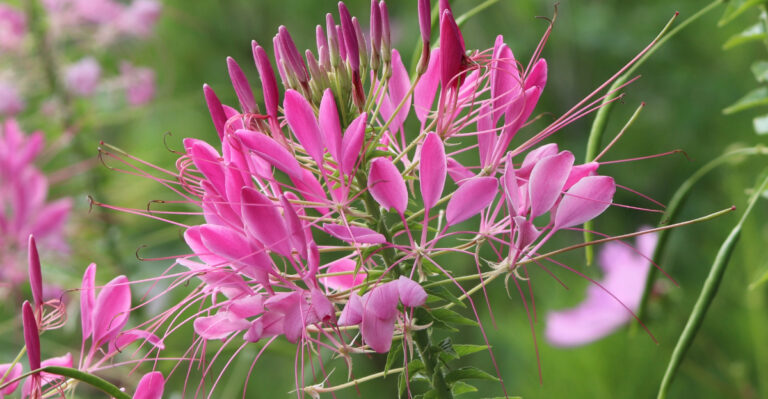
6. Cleome Comes Back Bold And Tall
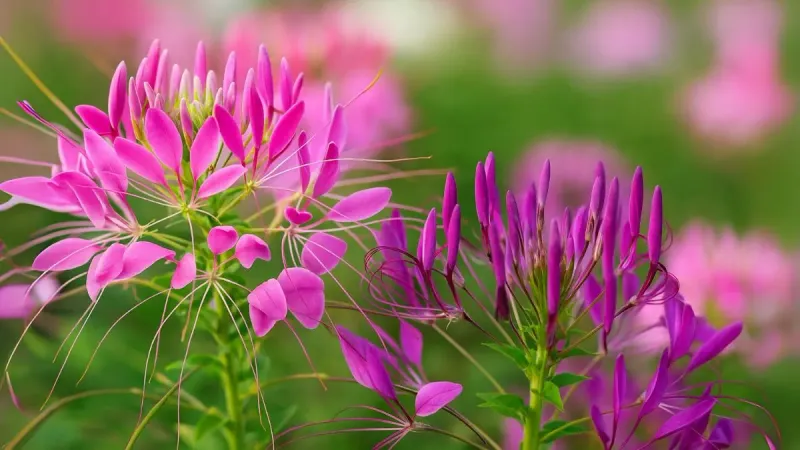
Walk past a mature cleome plant in late summer and you will understand immediately why some gardeners call it a statement plant.
Also known as spider flower, cleome grows tall, sometimes reaching four to five feet, with large, spiky flower heads in pink, purple, and white that tower over most other annuals.
The visual impact is hard to miss, and the plant’s reseeding ability means that impact tends to return the following year without any effort on your part. Some newer cleome varieties are sterile or produce fewer seeds, so not every type will reseed reliably.
Cleome is one of the more enthusiastic reseeders on this list, and that is worth knowing upfront. A single plant can produce a large number of seeds, and those seeds germinate readily in Ohio’s warm spring soil.
In a bed that is left undisturbed, cleome can return in large numbers under the right conditions, sometimes filling an entire section of garden if left unchecked.
The seedlings grow quickly and can crowd out smaller plants nearby if thinning is not done early in the season.
Managing cleome is not difficult, but it does require some attention in spring. Once you recognize the seedlings, which have a distinctive look with slightly sticky stems and palmate leaves, thin them to give each plant enough space to develop properly.
Removing unwanted seedlings while they are still small is much easier than waiting until they are established. Keeping cleome to a defined area of the garden helps you enjoy its dramatic height without letting it take over.
For Ohio gardeners who want bold vertical structure without replanting every year, cleome delivers reliably. It thrives in full sun, tolerates heat well, and attracts hummingbirds and butterflies throughout the season.
Plant it at the back of a border where its height works in your favor, and plan to spend a few minutes each spring thinning volunteers so the bed stays balanced and visually intentional.
Because reseeding depends on weather, soil disturbance, mulch, and plant variety, these annuals are best thought of as likely volunteers rather than guaranteed returners every year.