7 Ohio Plants That May Help Deter Mosquitoes Around The Patio
If you have ever tried to enjoy a quiet evening on your Ohio patio only to spend the whole time swatting mosquitoes, you are not alone. From June through September, backyards across the state can feel more like a bug buffet than a relaxing retreat.
Many Ohio gardeners have started turning to fragrant plants as a natural way to make outdoor spaces a little less inviting to mosquitoes.
The idea is simple: certain plants produce strong scents or natural oils that mosquitoes seem to dislike, and placing them around seating areas may help take the edge off.
Still, plants cannot do all the heavy lifting. They are not magic, and they will not wipe mosquitoes off the map by themselves.
A patio with standing water, deep shade, and damp hiding spots can still draw plenty of unwanted visitors. But for anyone hoping for a more comfortable, lower-buzz summer, starting with the right plants is a smart move and a good first step in the right direction.
1. Citronella Geranium Adds A Strong Scent In Patio Containers
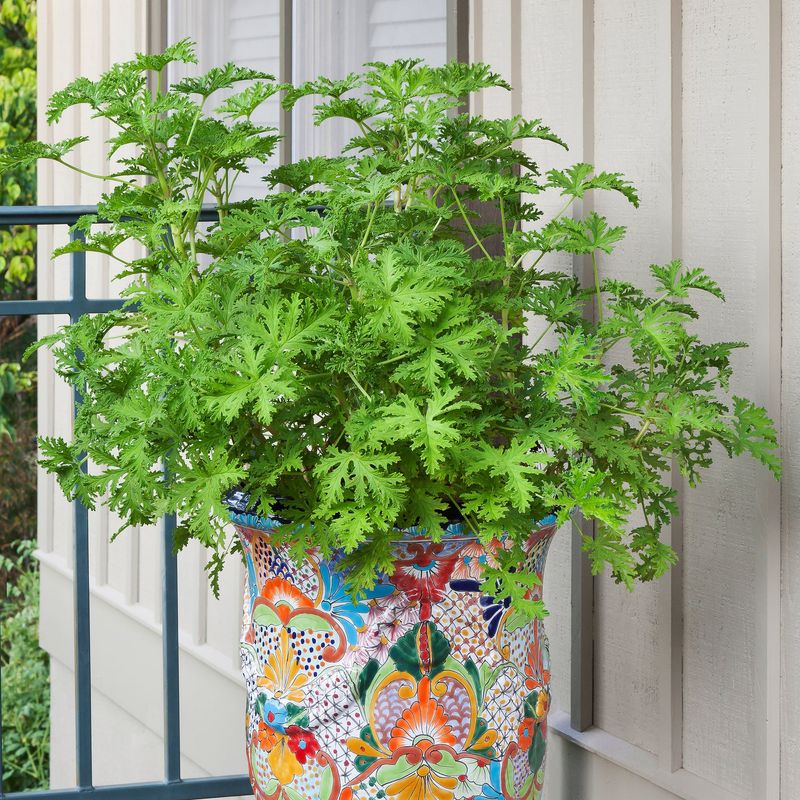
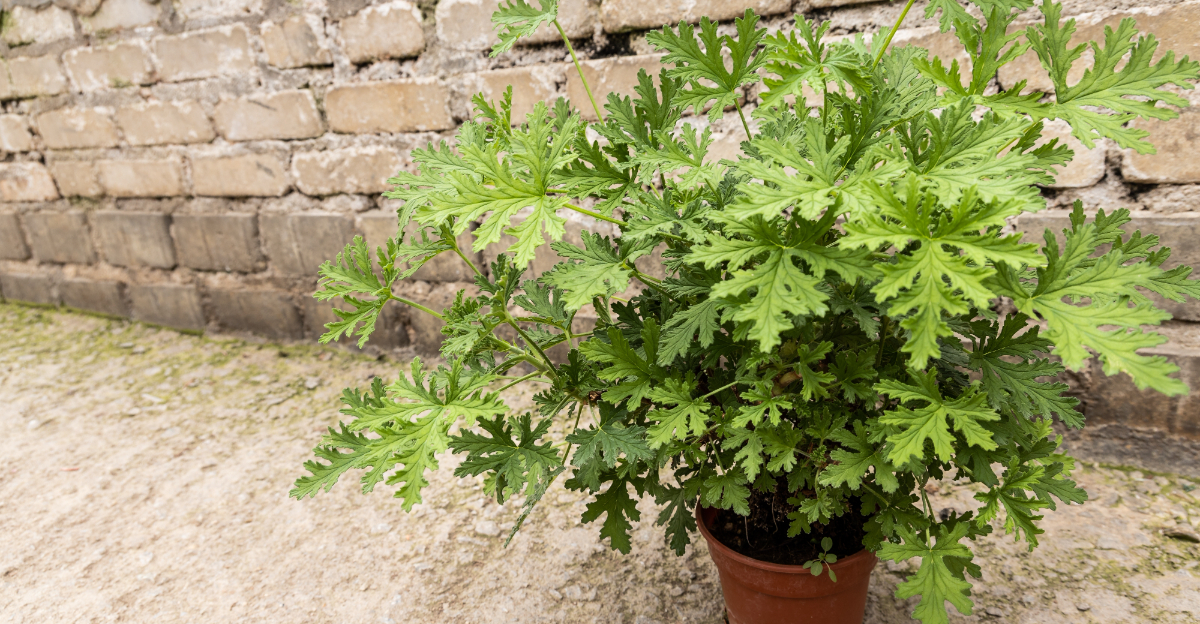
Walk past a pot of citronella geranium on a warm afternoon, and you will immediately notice a sharp, lemony scent rising from the leaves. This plant, known botanically as Pelargonium citrosum, is sometimes called the mosquito plant at garden centers, which can be a little misleading.
It is not the same as true citronella grass, and the scent it produces is not as concentrated as the citronella oil used in candles or commercial repellents.
Still, the fragrance is real and fairly strong, which is why many Ohio gardeners keep a pot or two near their patio chairs. The connection to mosquito deterrence comes from the plant’s aromatic oils, which share some chemical similarities with citronella.
Research has not shown it to be a reliable standalone repellent outdoors, but it can add a pleasant layer of scent to your patio setup while looking attractive in containers.
In Ohio, growing citronella geranium in the ground is not a good option. It is not winter hardy in most of the state, so container growing is the way to go.
Use a well-draining potting mix and choose a container with good drainage holes. Place it in a sunny spot since it does best with at least six hours of direct light each day.
Water regularly but let the soil dry out slightly between waterings to avoid root problems. Once temperatures start dropping in fall, bring the plant indoors to a bright windowsill.
Treat it as a seasonal patio plant and expect to replant or overwinter it each year. Pinching back the stems occasionally keeps it bushy and encourages fresh growth.
Paired with other strategies like removing standing water, it can be a fragrant and functional addition to your outdoor space.
2. Basil Releases Aroma When Brushed Near Seating Areas

Few herbs smell as immediately satisfying as fresh basil on a warm summer day. When you brush against the leaves or give them a gentle squeeze, the oils inside release a bold, spicy-sweet scent that mosquitoes reportedly find unpleasant.
Your Ohio Garden Changes Every Week. Your Plan Should Too.
Gardening in Ohio changes quickly throughout the season. Every Friday you’ll receive a simple weekly plan showing exactly what to plant, prune, fertilize, harvest, and protect so you never miss the right timing.
The key compounds responsible are estragole and citral, both of which have been studied for their insect-deterring potential. The scent is most noticeable when the leaves are touched, so placing basil where people naturally brush past it makes good sense.
Basil is one of the easier herbs to grow in Ohio, and it pulls double duty as both a cooking ingredient and a patio companion. It thrives in full sun, needing at least six to eight hours of direct sunlight each day.
Plant it in well-draining soil, whether in a container or directly in a garden bed near your seating area. Containers work especially well on patios because you can move them around as needed.
Regular harvesting is actually good for the plant. Pinching off the top leaves and flower buds keeps basil bushy and productive throughout the season.
Once it starts flowering heavily, the flavor and scent of the leaves tend to weaken, so stay on top of trimming. Water it consistently, keeping the soil moist but not soggy, and avoid getting the leaves wet when watering to reduce the risk of fungal issues.
As a mosquito deterrent, basil has some promise based on its aromatic oils, but the effect outdoors is limited. The scent released from an untouched plant sitting a few feet away is unlikely to create a mosquito-free zone on its own.
Rubbing the leaves before sitting outside may offer a slightly more noticeable effect. Think of it as a helpful bonus rather than a complete solution, and enjoy the fresh herb in your cooking as a reward for keeping it well-tended all season.
3. Catmint Brings Fragrance And Pollinators To Sunny Patios
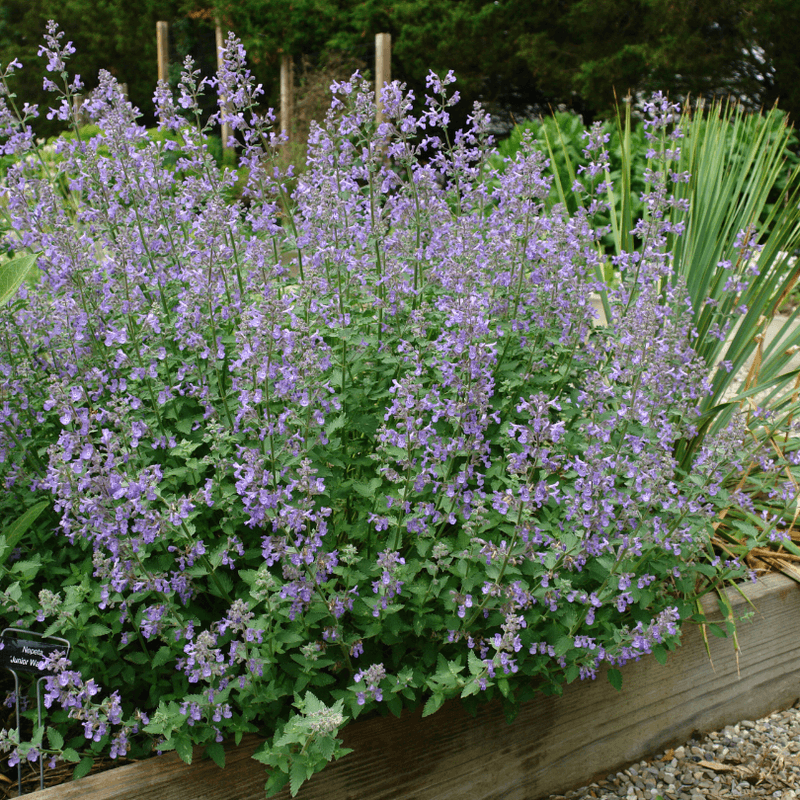
Catmint has a quiet kind of charm. It does not shout for attention the way some flashier plants do, but once you run your fingers along its soft, silvery-green leaves, you understand why gardeners love it.
The foliage releases a pleasantly sharp, herbal fragrance that comes from nepetalactone, the same compound found in catnip.
Research has suggested that nepetalactone may have some insect-deterring properties, though its real-world effectiveness as a mosquito repellent in outdoor settings is still limited.
Do not expect catmint to clear your patio of mosquitoes on its own. The scent released passively from the plant in open air is not concentrated enough to act as a strong barrier.
Where it does shine is in creating a sensory and visually appealing patio border that also draws in bees and butterflies throughout the growing season. That combination of beauty and fragrance makes it worth including in any Ohio patio garden.
Catmint is well-suited to Ohio growing conditions. It handles dry spells better than many plants once established, making it a solid choice for gardeners who do not want to fuss over watering every day.
Plant it in full sun for the best flowering and fragrance. It prefers well-draining soil and does not do well sitting in wet or heavy clay without amendment.
Give each plant enough room to spread since catmint can grow two to three feet wide depending on the variety. Cutting it back by about half after the first flush of flowers in early summer often encourages a second bloom in late summer or fall.
Popular varieties like Walker’s Low are widely available at Ohio nurseries and are reliably perennial in most parts of the state. It is a low-maintenance, rewarding plant that earns its spot near the patio for more reasons than mosquito deterrence alone.
4. Lemon Balm Works Best In Containers To Keep It In Check
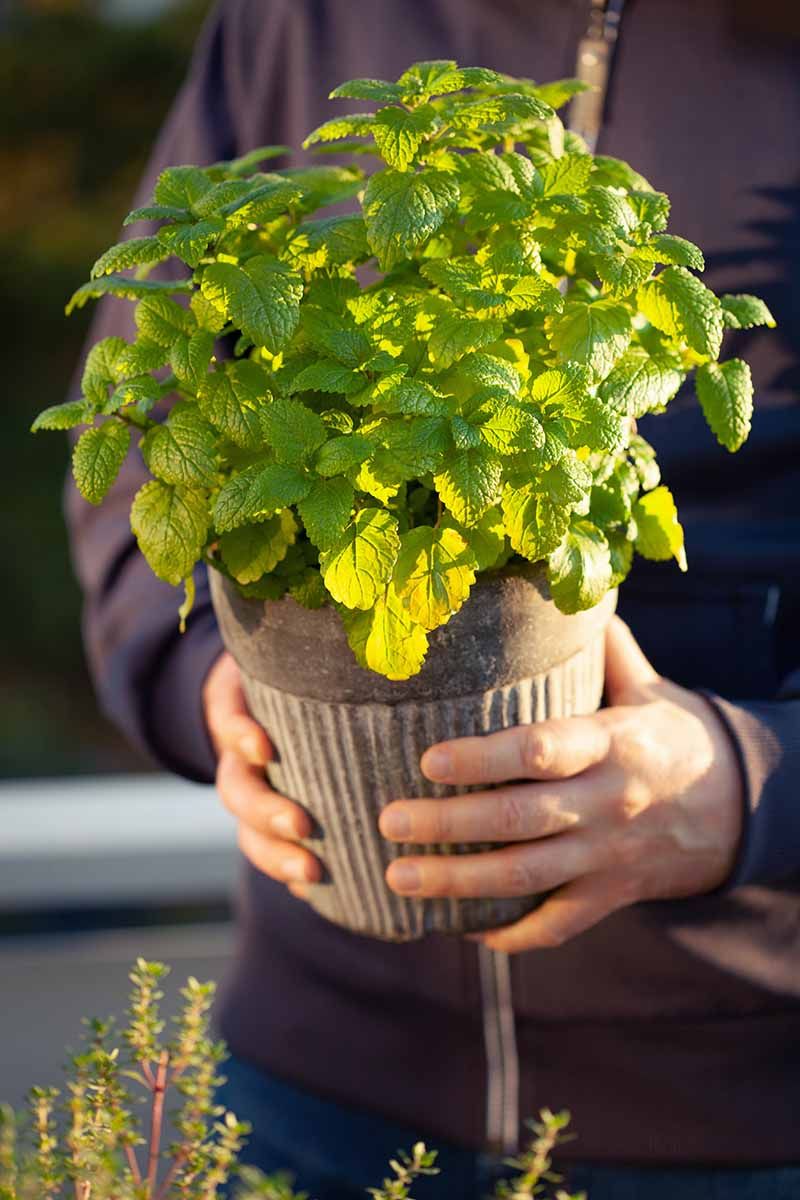
Lemon balm has a reputation for being enthusiastic, and that is putting it politely. Left unchecked in a garden bed, this member of the mint family spreads aggressively through both seeds and underground runners.
Within a season or two, what started as a single plant can take over a significant patch of your yard. For that reason, growing lemon balm in a container is strongly recommended for Ohio patios, where you can enjoy its benefits without giving it free rein.
The payoff for keeping it contained is real. Lemon balm produces a fresh, citrusy fragrance that comes from compounds including citral and citronellal.
When you crush or rub the leaves between your fingers, the scent becomes noticeably stronger and more concentrated.
Some gardeners rub a few leaves on their skin before sitting outside, which may offer mild, temporary relief from mosquitoes, though this has not been proven as a reliable or lasting repellent method.
For growing success, choose a pot that is at least twelve inches wide and deep, with good drainage holes. Lemon balm tolerates partial shade better than many herbs, making it a good option for patios that do not get full sun all day.
Water it regularly to keep the soil evenly moist, but avoid waterlogged conditions. Trim it back frequently to prevent it from going to seed and to keep the plant producing fresh, fragrant growth.
In Ohio, lemon balm is a perennial in most zones, so a containerized plant can be moved to a sheltered spot or garage during the coldest months and brought back out in spring. Regular trimming also keeps the plant compact and attractive in its pot.
Pair it with other fragrant herbs near your seating area for a layered approach to making your patio feel a little less appealing to mosquitoes throughout the summer season.
5. Lemongrass Grows Well In Pots For Warm-Season Use
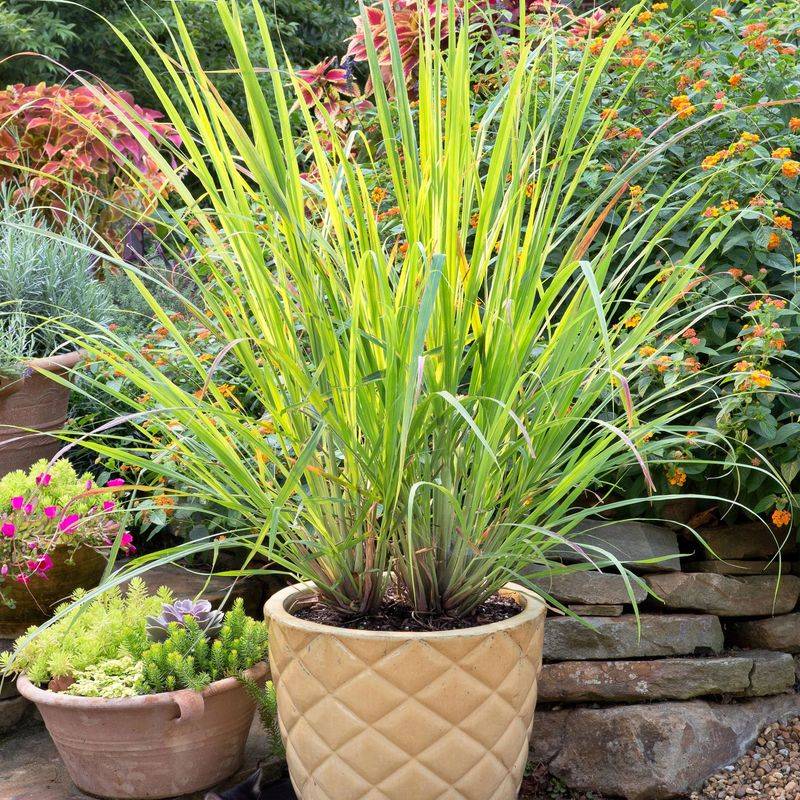
Lemongrass is a bold, architectural plant that looks striking on a patio with its tall, arching green blades and its unmistakably fresh citrus scent. It is worth clearing up a common point of confusion right away: lemongrass is not the same as the citronella plant used to make commercial citronella oil.
True citronella oil comes from Cymbopogon nardus, a different species. Lemongrass, or Cymbopogon citratus, does contain citral and some similar compounds, which is likely why the two are often mixed up in garden center conversations.
In Ohio, lemongrass must be grown in containers because it is not winter hardy in most of the state. Leaving it in the ground through an Ohio winter will not work.
Each spring, either purchase a new plant or bring an overwintered container back outside once nighttime temperatures stay consistently above 50 degrees Fahrenheit. It is a warm-season plant that really hits its stride in July and August when the heat builds up.
Choose a large container, at least 12 to 15 inches wide, filled with a well-draining potting mix. Lemongrass loves full sun and warmth, so place it in the sunniest spot on your patio.
Water it regularly during hot weather since it can dry out quickly in containers, but make sure the pot drains well to avoid soggy roots. Fertilize monthly during the growing season to keep it lush and full.
As a mosquito deterrent, lemongrass is more of a contributing factor than a solution. The scent is pleasant and strong, especially on warm days when the oils in the leaves are more volatile.
Brushing the blades or sitting close to the plant may make the surrounding air feel slightly less inviting to mosquitoes.
Used alongside standing water removal and good airflow, a well-placed lemongrass container can be a practical and attractive addition to your Ohio patio all summer long.
6. Mountain Mint Produces A Strong Natural Aroma Outdoors
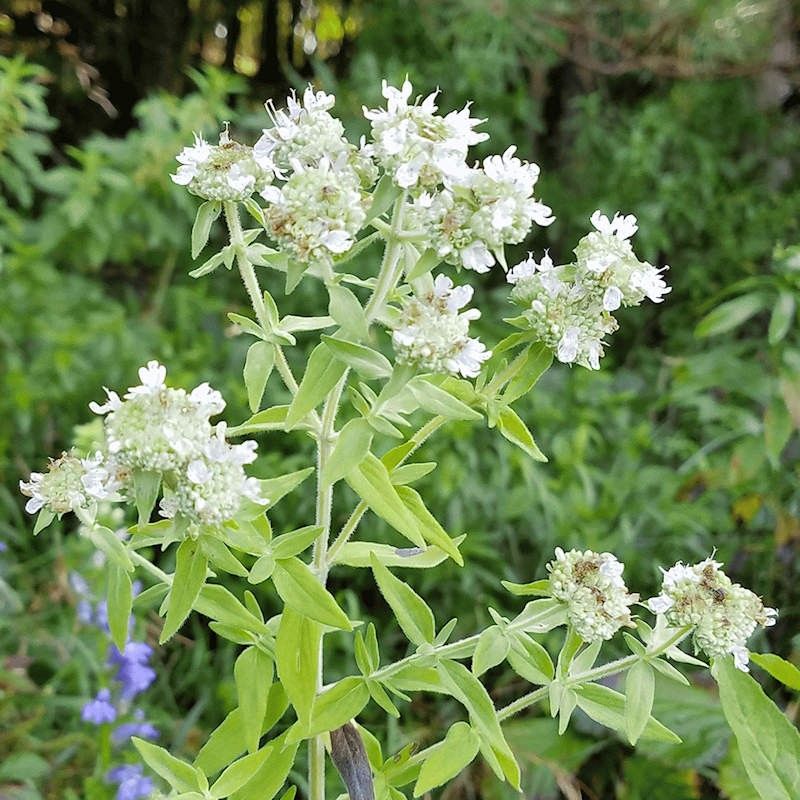
If you have ever walked past mountain mint in full summer growth and caught a sudden burst of cool, sharp fragrance, you already know why this plant stands out.
The scent is powerful and clean, almost medicinal, and it comes through even without touching the leaves.
Mountain mint, particularly Pycnanthemum virginianum, is a native Ohio plant, which means it is well-adapted to local soils and climate conditions without a lot of extra care from you.
The strong aroma comes from aromatic oils concentrated in the foliage and stems. Some gardeners and naturalists have noted that the intensity of the scent may make the surrounding area less appealing to mosquitoes.
That said, the deterrent effect is limited and not well-documented in controlled research.
Mountain mint is not a replacement for proven mosquito management strategies, but it contributes a genuine and noticeable fragrance to the patio environment.
One thing to plan for is its spreading habit. Mountain mint spreads through underground rhizomes and can fill in a large area over a few seasons.
That can be a great feature for filling a border or a naturalized area, but near a patio you may want to manage it by planting it in a contained bed, using root barriers, or growing it in a large container.
Giving it space to spread in a designated area is often the easiest approach.
Plant mountain mint in full sun for the strongest growth and fragrance. It tolerates a range of soil types and handles dry conditions reasonably well once established.
Beyond its scent, it is an exceptional pollinator plant. Bees, butterflies, and other beneficial insects cover it when it blooms in midsummer, making it one of the most ecologically valuable plants you can add to an Ohio patio garden.
The fragrance and the wildlife activity together make it a genuinely rewarding plant to grow near outdoor seating.
7. Lavender Thrives In Sunny Spots With Light Fragrance

There is something deeply calming about lavender. The soft purple flower spikes, the warm herbal fragrance on a sunny afternoon, the way it seems to belong in every kind of garden from formal to casual.
Beyond its beauty and scent, lavender contains linalool, a naturally occurring compound that some studies suggest mosquitoes find unappealing.
The evidence is not overwhelming, and lavender should not be considered a reliable mosquito barrier, but it may contribute a small deterrent effect in the immediate area around the plant.
Growing lavender successfully in Ohio comes down to one non-negotiable requirement: drainage. Lavender absolutely cannot tolerate soggy soil or heavy clay.
If your patio garden has poorly draining soil, amending it with coarse sand or gravel, or planting lavender in a raised bed or container with excellent drainage, is the right move.
Wet roots are the most common reason lavender struggles or fails in Ohio gardens, especially during rainy springs or humid summers.
Full sun is equally important. Lavender wants at least six to eight hours of direct sunlight each day to thrive and produce its best fragrance.
In shadier spots, it tends to get leggy and produces fewer flowers. Plant it where it gets maximum sun exposure, ideally with some air movement around it to reduce humidity around the foliage.
Good airflow helps prevent fungal issues that can affect the plant in Ohio’s humid summers.
English lavender varieties like Hidcote and Munstead are among the most reliably cold-hardy choices for Ohio and tend to perform well through most winters in zones 5 and 6.
Trim the plant lightly after flowering to keep it tidy and encourage fresh growth the following season.
Avoid cutting into old woody stems. Near a patio, lavender adds beauty, a gentle fragrance, and a small contribution to making the space feel a little more pleasant and a little less inviting to mosquitoes on warm summer evenings.