These 10 Pink Perennials Keep Blooming Through California’s Long Season
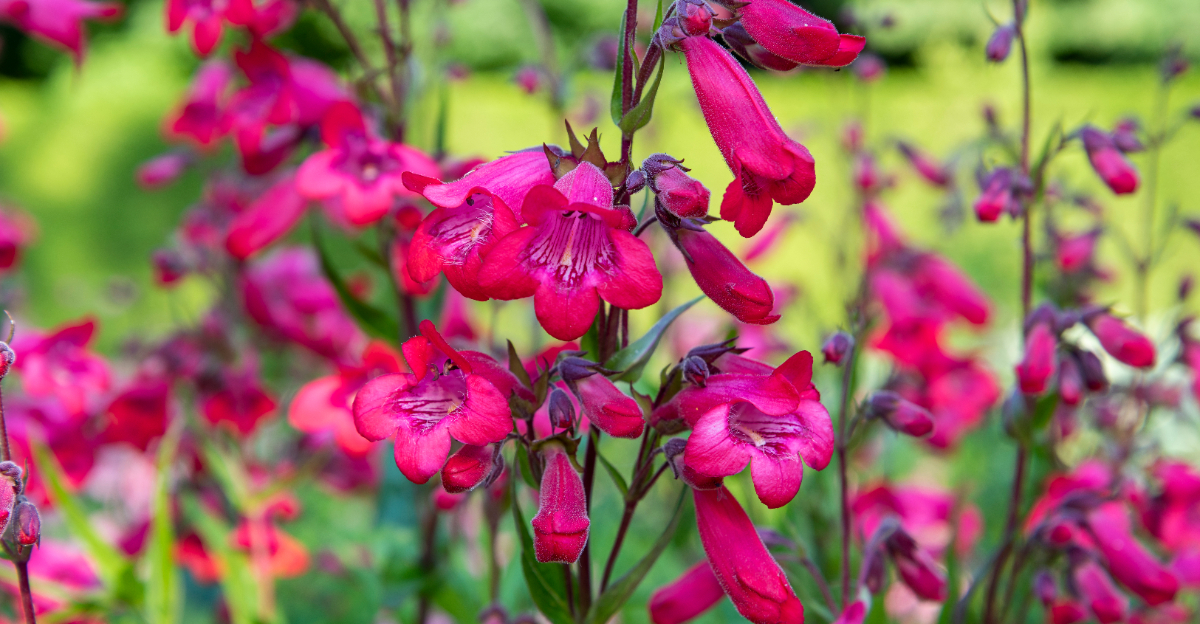
California’s long growing season can keep the color going for months, and the right pink perennials take full advantage.
These bloomers do not just flash for a minute and disappear. They keep showing up with fresh color long after fussier plants have tapped out.
That matters in California, where gardens often need to handle heat, sun, and dry stretches without losing their good looks halfway through the season.
A strong perennial earns its spot by blooming longer, asking for less, and keeping beds, borders, and pollinator patches looking alive instead of tired.
Pink just happens to make the whole thing even better. These plants bring more than a pretty pop of color. They add staying power, garden energy, and that bright cheerful look that makes a yard feel instantly more inviting.
More blooms, less replanting, and a lot more payoff out of every square foot. That is the kind of flower math California gardeners can get behind.
1. Red Buckwheat
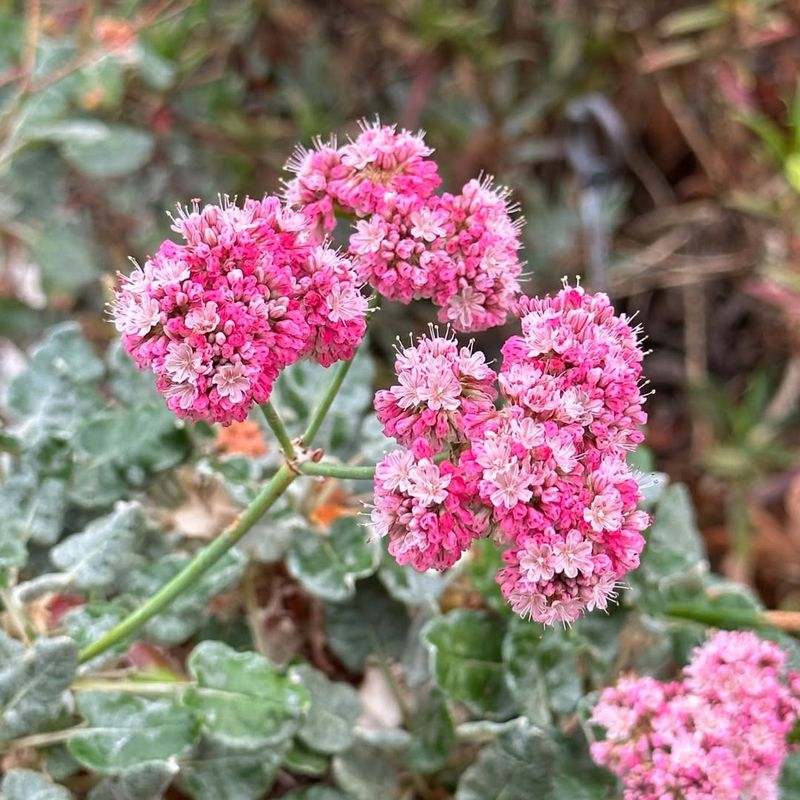
Tough, drought-tolerant, and surprisingly beautiful, red buckwheat is one of those plants that makes California gardeners smile. Its rounded clusters of rosy pink flowers show up in spring and often keep going well into summer.
Bees and butterflies absolutely love it, so your garden turns into a little pollinator party every time it blooms.
Native to the California coast, this plant is built for the state’s dry summers. Once it gets settled in well-drained soil and full sun, it barely needs watering.
That makes it a smart pick for gardeners who want color without the constant upkeep.
Red buckwheat grows into a compact, low mound that looks great along pathways or in rock gardens. It pairs beautifully with silver-leafed plants, making the pink flowers pop even more.
Even after the blooms fade, the dried flower heads stay on the plant and turn a warm rusty color that adds texture through fall. It is a reliable, low-fuss perennial that truly earns its spot in any California garden.
2. Silver Carpet Aster
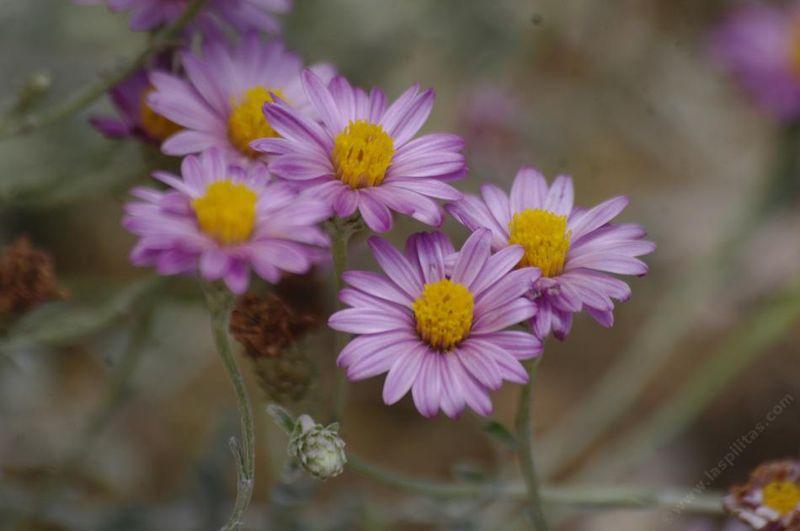
Imagine a plant that spreads like a soft, silvery blanket and then lights up with cheerful pink flowers. That is exactly what silver carpet aster does, and California gardeners are big fans.
The small daisy-like blooms appear in late summer and stretch into fall, filling in the color gap when many other perennials are winding down.
The silvery leaves are the secret weapon here. They reflect sunlight and give the plant an eye-catching look even when it is not in bloom.
This aster thrives in full sun and handles dry conditions well, making it well-suited to many parts of California where summers get hot and dry.
Planting silver carpet aster along garden borders or slopes is a smart move. It spreads slowly to fill space and helps prevent weeds from taking over.
The blooms also attract late-season pollinators like bees and small butterflies, which are always a welcome sight. Trim it back lightly after flowering to keep it tidy.
It is one of those easygoing plants that rewards you with color year after year without asking for much in return.
Your California Garden Changes Every Week. Your Plan Should Too.
Gardening in California changes quickly throughout the season. Every Friday you’ll receive a simple weekly plan showing exactly what to plant, prune, fertilize, harvest, and protect so you never miss the right timing.
3. California Sea Pink
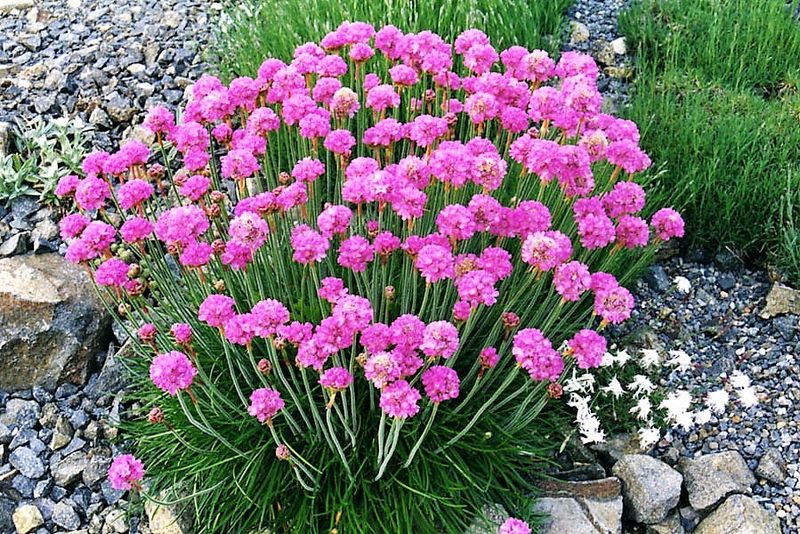
Few plants feel as connected to California as sea pink. Also called sea thrift, this cheerful coastal native produces round, bright pink flower heads that bob on slender stems in the ocean breeze.
It blooms from spring through early summer, and in cooler coastal areas of California, it often keeps going even longer.
Sea pink loves sandy, well-drained soil and full sun, which makes it a natural fit for coastal gardens. It forms neat little grass-like clumps that stay tidy without much pruning.
The flowers are a rich, vivid pink that stands out beautifully against the silvery greens and blues of a beachside planting.
Beyond the coast, sea pink also does well inland as long as it gets good drainage and enough sun. It is drought-tolerant once established, so it fits right into water-wise garden designs across California.
Planting it in groups of five or more creates a striking display that draws the eye from across the yard. Deadheading spent blooms encourages more flowers to follow.
It is a small plant with a big personality, and it brings a relaxed, coastal vibe to any garden space it calls home.
4. Checkerbloom
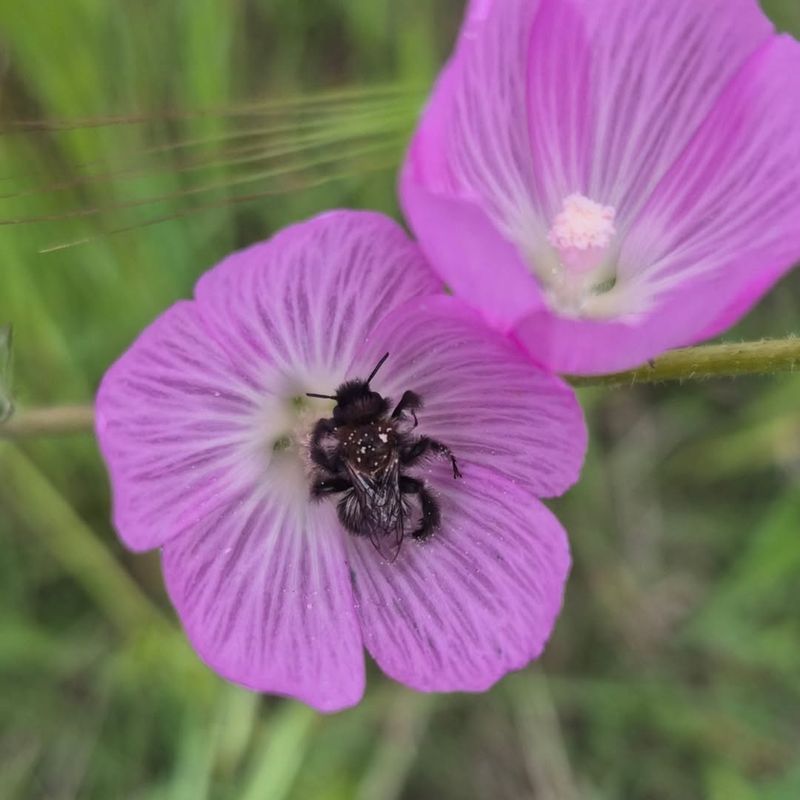
There is something almost storybook about checkerbloom. The flowers are a soft, rosy pink with subtle veining that gives them a gentle, checkered look, which is exactly how the plant got its name.
It is a California native wildflower that has been charming gardeners for generations, and it fits beautifully into both wild-style and traditional garden designs.
Checkerbloom blooms from spring into early summer, sending up tall, slender stems covered in flowers. In cooler parts of California, it may keep blooming longer, especially near the coast or in areas with mild summers.
It prefers full sun to partial shade and does well in average, well-drained soil without needing extra fertilizer.
One of the best things about checkerbloom is how it self-seeds. Once it feels at home in your garden, it will quietly scatter seeds and return year after year without much help from you.
Hummingbirds and native bees are drawn to the flowers, which adds even more life to your outdoor space. Cut back the stems after the first flush of blooms to encourage a second round of flowering.
For gardeners across California looking for a native plant with real visual charm, checkerbloom delivers every single season.
5. Rose Penstemon
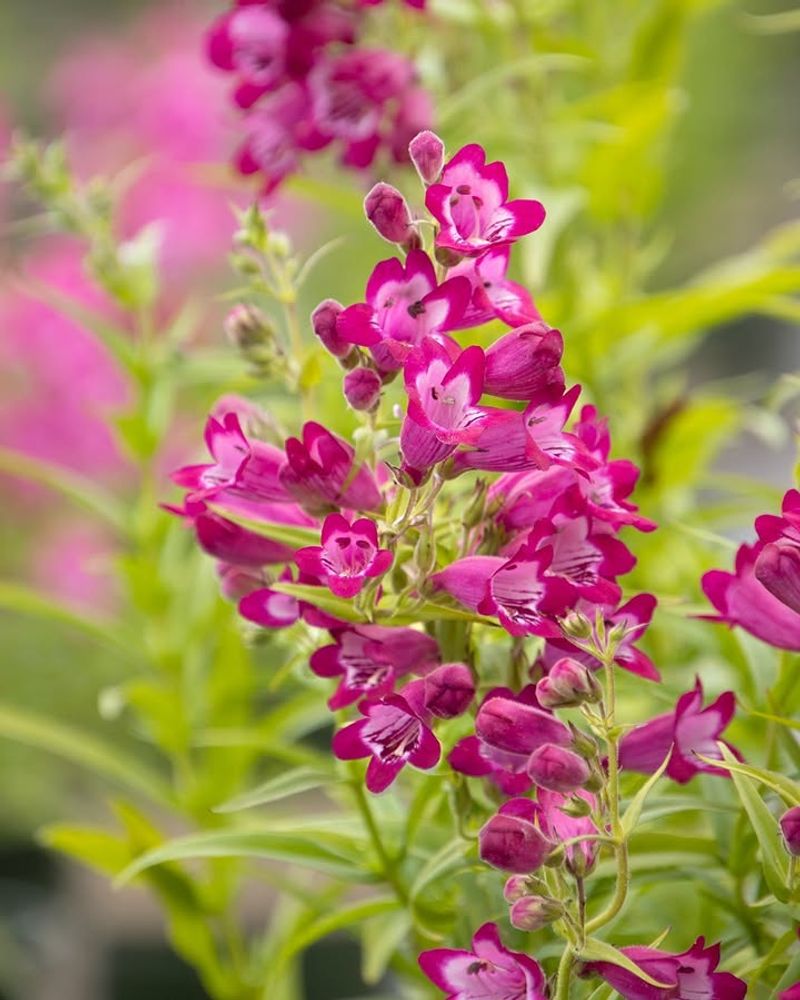
Hummingbirds go absolutely wild for rose penstemon. The long, tubular flowers are shaped like tiny trumpets, and they come in shades ranging from soft pink to deep rose.
Blooming from spring through early summer, this California-friendly perennial brings both color and wildlife activity to any garden space it occupies.
Rose penstemon thrives in full sun and well-drained soil, and it handles California’s dry summers with ease once it gets established. It grows upright with tall, elegant flower spikes that add vertical interest to garden beds.
Planting it near shorter, mounding plants creates a layered look that feels both natural and intentional.
Did you know that penstemon is one of the most diverse plant groups native to North America? There are hundreds of species, and many of them call California home.
Rose penstemon in particular is a standout for its rich color and long-lasting blooms. After the flowers fade, leave the seed heads on the plant for a bit.
Birds will visit to snack on the seeds, extending the garden’s wildlife value well into fall. A light trim after blooming keeps the plant looking fresh and may encourage a second flush of color before the season ends.
6. Rosy Apricot Mallow
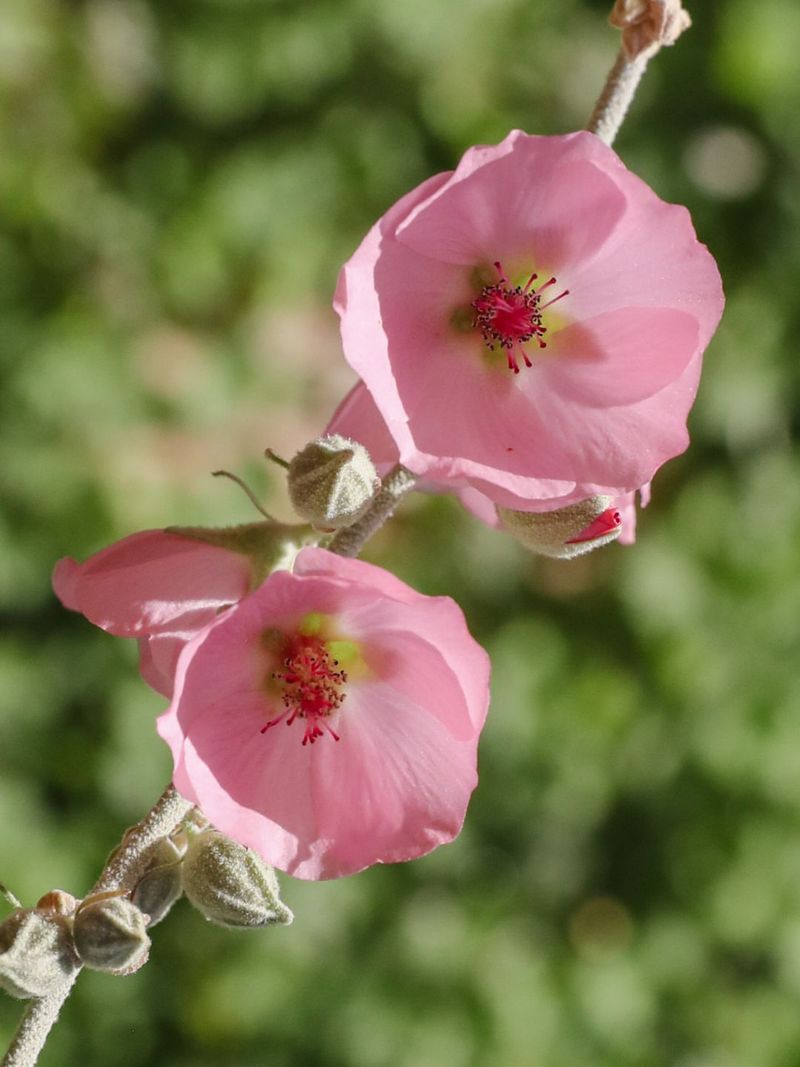
Warm, soft, and almost peachy at times, rosy apricot mallow brings a color that is hard to pin down in the best possible way. The large, open-faced flowers shift between pink and apricot depending on the light, giving the plant a warm glow that looks stunning in afternoon sun.
It blooms generously from spring through fall in many parts of California.
This mallow thrives in full sun and is highly drought-tolerant once established, which makes it a great fit for California’s water-conscious gardeners. It grows into a medium-sized shrubby mound and works well as a focal point in garden beds or along fences.
The flowers are big enough to be noticed from a distance, so even a single plant makes an impression.
Pollinators are huge fans of rosy apricot mallow. Bees, especially native bees, visit the flowers constantly throughout the blooming season.
Deadheading regularly keeps the plant looking its best and encourages continuous flowering. In warmer inland areas of California, it may need a bit of afternoon shade during the hottest weeks of summer to stay at its best.
Overall, it is a showy, reliable perennial that earns its place in any California garden with very little fuss.
7. California Four O’Clock
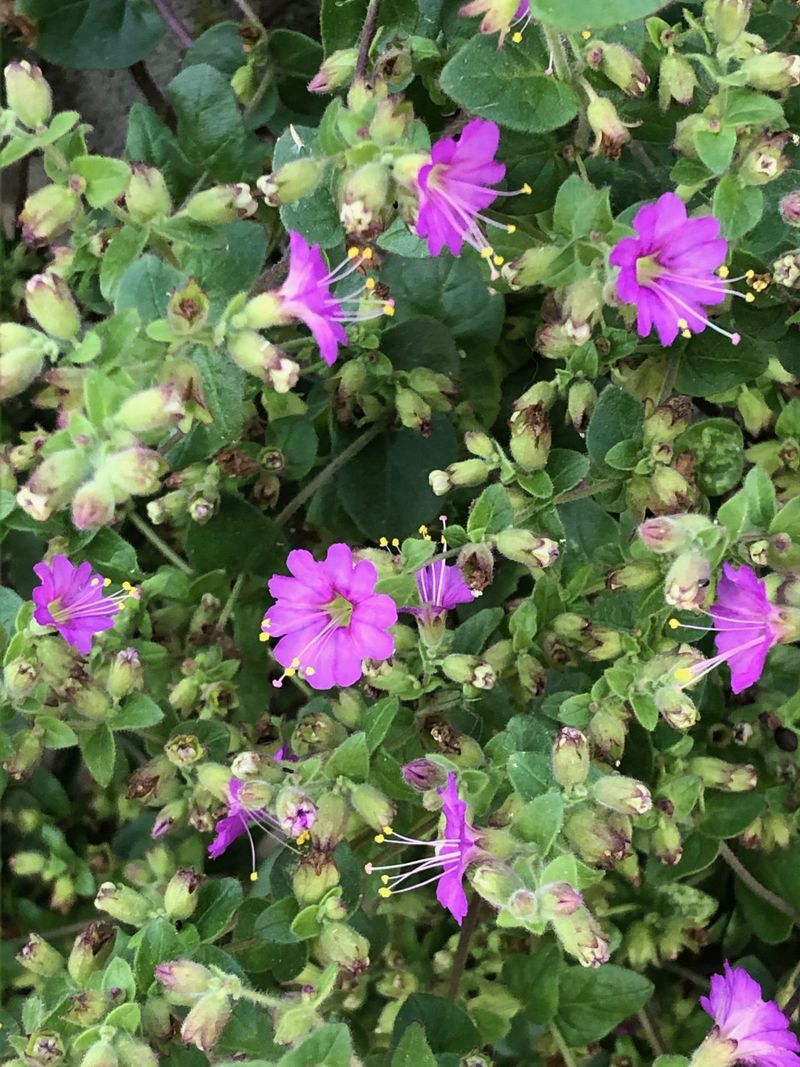
Here is a fun plant fact: California four o’clock gets its name because the flowers tend to open in the late afternoon, around four o’clock. They stay open through the evening and into the night, which makes this perennial a wonderful choice for gardeners who enjoy spending time outside after work.
The blooms are a vivid magenta-pink that practically glows in low evening light.
This California native thrives in hot, dry conditions and full sun, which suits much of the state perfectly. It grows from a thick, tuberous root that stores water and nutrients, helping the plant bounce back strong each spring.
Once established, it needs very little supplemental watering, making it a smart choice for sustainable California gardens.
California four o’clock spreads gradually and can form large, leafy clumps over time. The bold, tropical-looking foliage adds texture even when the plant is not in bloom.
Hummingbirds and sphinx moths are especially fond of the flowers, visiting them in the evening hours when the blooms are freshly open. Plant it near a patio or seating area so you can enjoy both the flowers and the wildlife visitors up close.
It is a truly unique perennial that adds a bit of evening magic to California gardens.
8. Hummingbird Sage
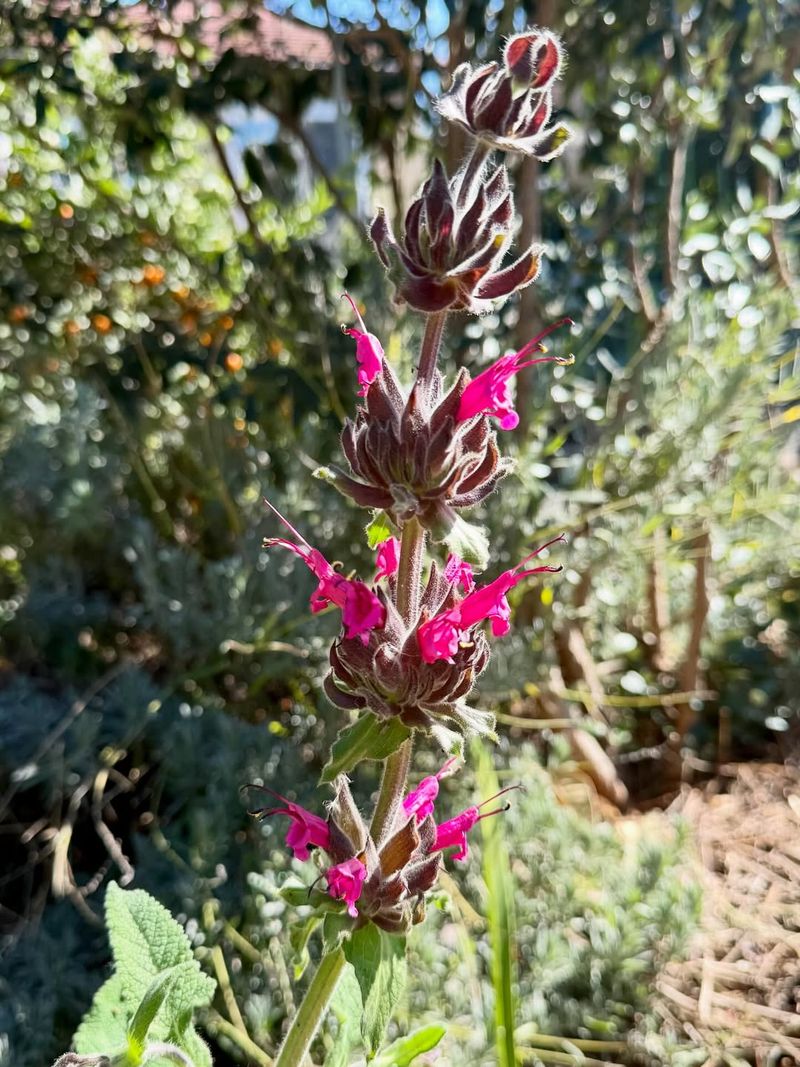
Walk past a patch of hummingbird sage in bloom and you will likely hear the buzz of hummingbird wings before you even see the flowers. This California native has a magnetic pull on hummingbirds, and watching them dart from flower to flower is one of the simple pleasures of gardening in this state.
The blooms are a bright, rosy pink and appear on tall spikes above large, textured leaves.
Unlike many perennials on this list, hummingbird sage actually prefers partial to full shade. That makes it incredibly valuable for gardeners dealing with shady spots under oak trees or along north-facing fences.
It blooms from late winter through spring in many parts of California, making it one of the earliest sources of pink color in the garden.
The leaves of hummingbird sage have a pleasant, herbal scent when brushed. Some gardeners use them in cooking or tea, adding a bonus use to an already hardworking plant.
It spreads slowly by underground runners to form a tidy ground cover over time. Water it occasionally during dry summers to keep it looking lush, but avoid overwatering since it prefers well-drained soil.
For shady California gardens that need color and wildlife appeal, hummingbird sage is an outstanding choice.
9. Pink Muhly Grass
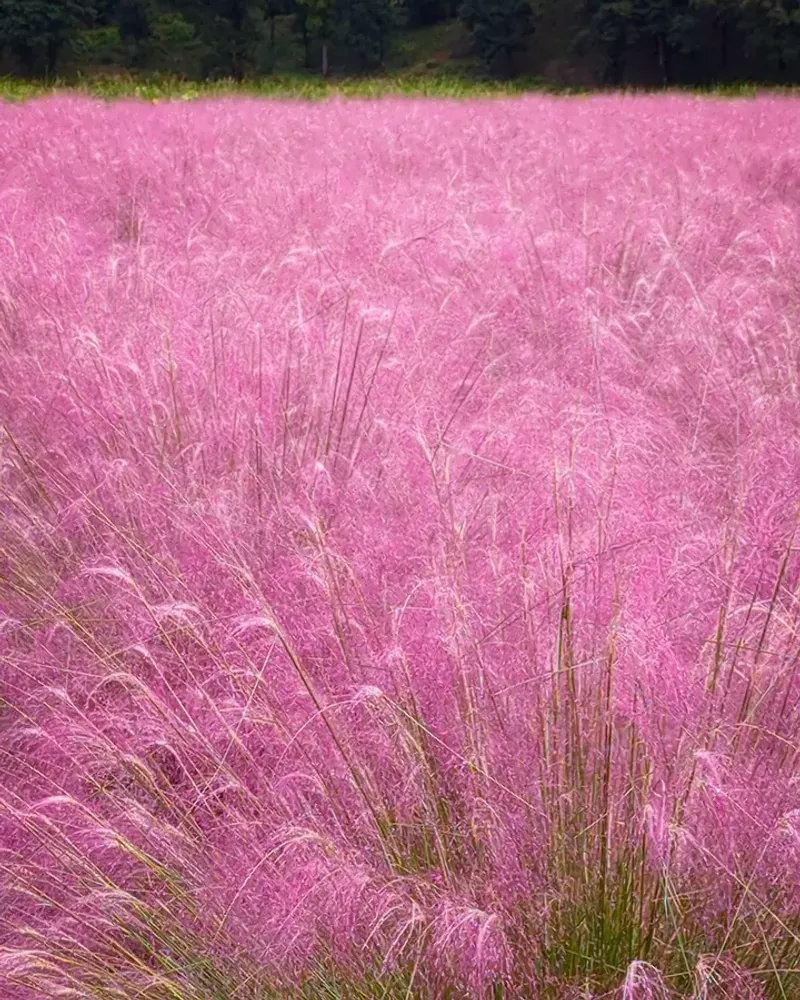
Every fall, pink muhly grass puts on one of the most dramatic shows in the plant world. The plant sends up enormous, cloud-like plumes of soft pink that seem to float above the ground like cotton candy.
It is the kind of plant that stops people in their tracks, and it has become increasingly popular in California gardens for exactly that reason.
Pink muhly grass thrives in full sun and well-drained soil. It is drought-tolerant once established and handles California’s hot summers without much complaint.
The grassy foliage stays green and tidy throughout spring and summer, and then the pink plumes emerge in late summer and peak through fall, extending the season’s color beautifully.
This ornamental grass works well in both contemporary and naturalistic garden designs. Plant it in mass groupings for maximum visual impact, or use single clumps as accent plants near boulders or along pathways.
The feathery plumes also look incredible when backlit by morning or evening sun, creating an almost magical glow in the garden. Cut the plant back to a few inches above the ground in late winter to make way for fresh new growth.
For California gardeners wanting late-season color, pink muhly grass is practically unbeatable.
10. Narrowleaf Milkweed
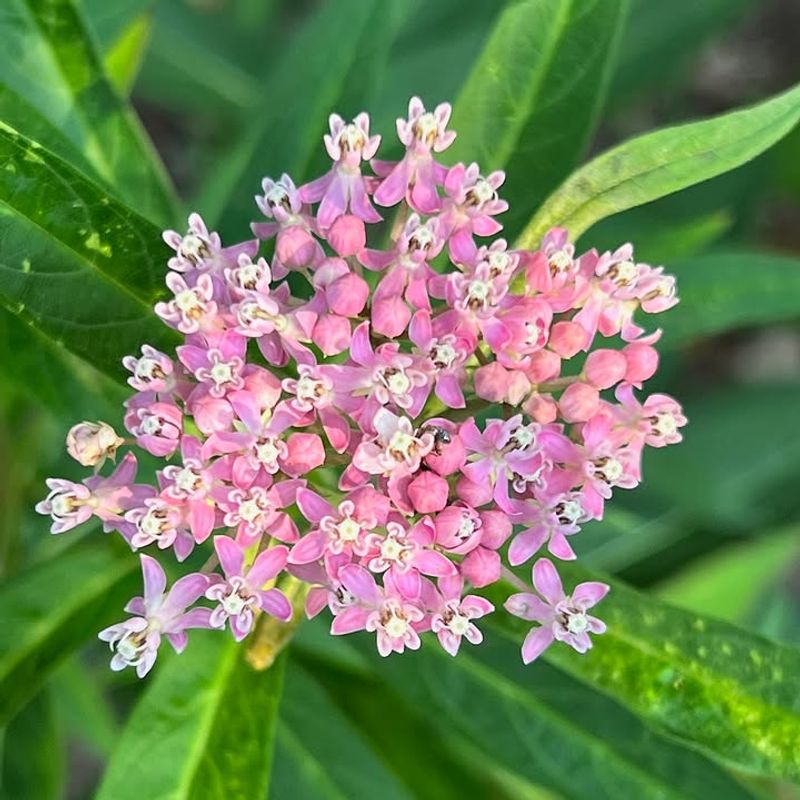
Growing narrowleaf milkweed is one of the most meaningful things a California gardener can do right now. It is the native host plant for monarch butterflies, whose populations have dropped sharply in recent decades.
Planting it in your yard gives monarchs a place to lay their eggs and gives caterpillars a food source they cannot live without. The small, clustered flowers are a pretty soft pink with orange accents, blooming from spring through summer.
Narrowleaf milkweed is well-adapted to California’s dry climate. It grows naturally in open fields, roadsides, and sunny slopes across the state, so it is comfortable in full sun with minimal water once established.
The slender leaves and upright growth habit give it a clean, airy look that fits into many garden styles.
Beyond monarchs, narrowleaf milkweed attracts a wide range of other pollinators, including bees, wasps, and various butterfly species. It spreads by underground rhizomes, slowly forming larger colonies over time.
Cutting it back in late fall encourages fresh, vigorous growth the following spring. If you live anywhere in California and want to support local wildlife while adding genuine pink color to your garden, narrowleaf milkweed is a plant that truly matters.
It is beautiful and purposeful at the same time.