Unique Succulent Plants You Can Plant In Your Pennsylvania Garden
Succulents are not usually the first plants people picture when they think about a Pennsylvania garden, and that is exactly what makes them so interesting. In a landscape filled with familiar perennials, shrubs, and annual color, succulents bring something different to the table.
They add bold shapes, unusual textures, and that clean, sculptural look that can make a garden feel instantly more memorable. Even a small patch of them can stand out in the best way.
What surprises many gardeners is that some succulent varieties can handle Pennsylvania conditions far better than expected.
With the right choices, these plants can thrive outdoors and bring a fresh twist to rock gardens, borders, containers, and sunny corners that need a little personality.
They are not just conversation starters either. Many are easy to care for, visually striking, and perfect for gardeners who want something outside the usual lineup.
If your garden has started to feel a little predictable, unique succulents can shake things up fast. They offer color, structure, and a look that feels both playful and polished without demanding constant fuss.
1. Eastern Prickly Pear
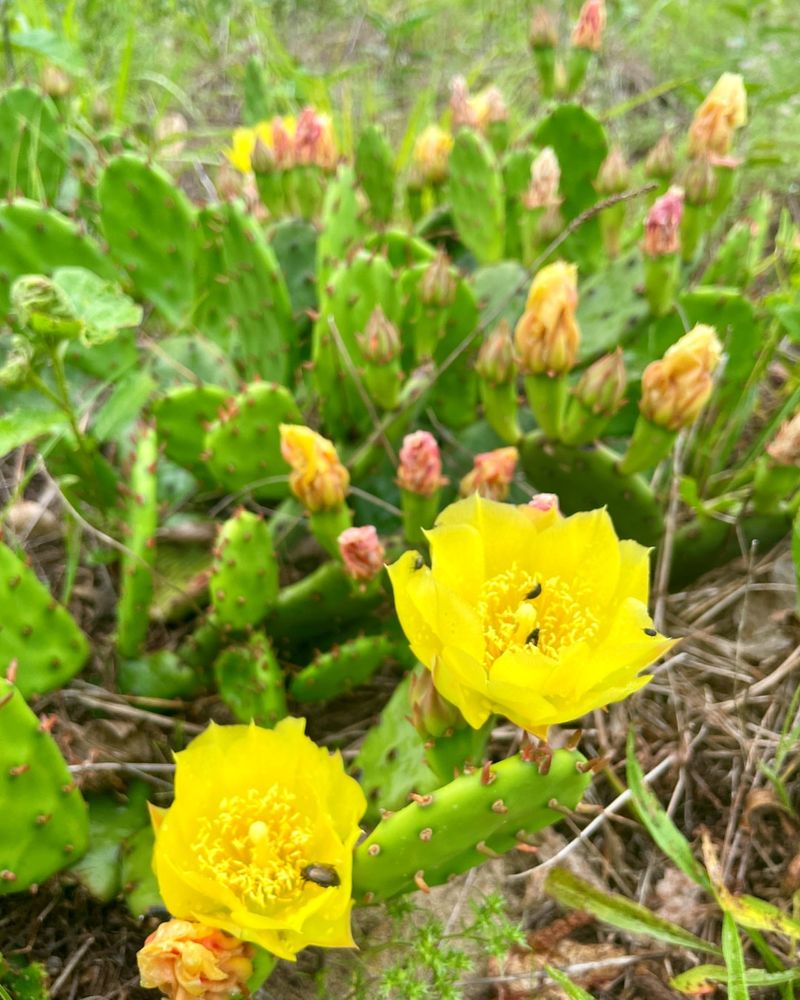
Most people are shocked to learn that a real cactus grows wild right here in Pennsylvania. The Eastern Prickly Pear is not some tropical import that needs coddling inside during winter.
It is a native plant that has been thriving in this state for a very long time, long before anyone called it a garden plant.
This low-growing cactus spreads into wide, flat mats of fleshy green pads. In late spring and early summer, it puts out big, cheerful yellow flowers that look almost too tropical for a Pennsylvania yard.
Those flowers are followed by small reddish fruits that are actually edible and have a mild, sweet flavor.
Because it is native here, it knows how to handle the freeze-thaw cycles that Pennsylvania winters bring. Plant it in a spot with full sun and very well-drained soil, like a rocky slope or a raised gravel bed.
It handles dry spells without any fuss, making it one of the most low-maintenance plants you can add to your garden.
Watch out for the spines, though. Even the small, hair-like ones called glochids can irritate your skin. Use thick gloves when handling it. Beyond that, this plant is remarkably easy to grow.
It spreads slowly on its own over time, filling in gaps between rocks beautifully. If you want a truly authentic Pennsylvania native succulent with serious wow factor, the Eastern Prickly Pear is hard to beat.
2. Adam’s Needle
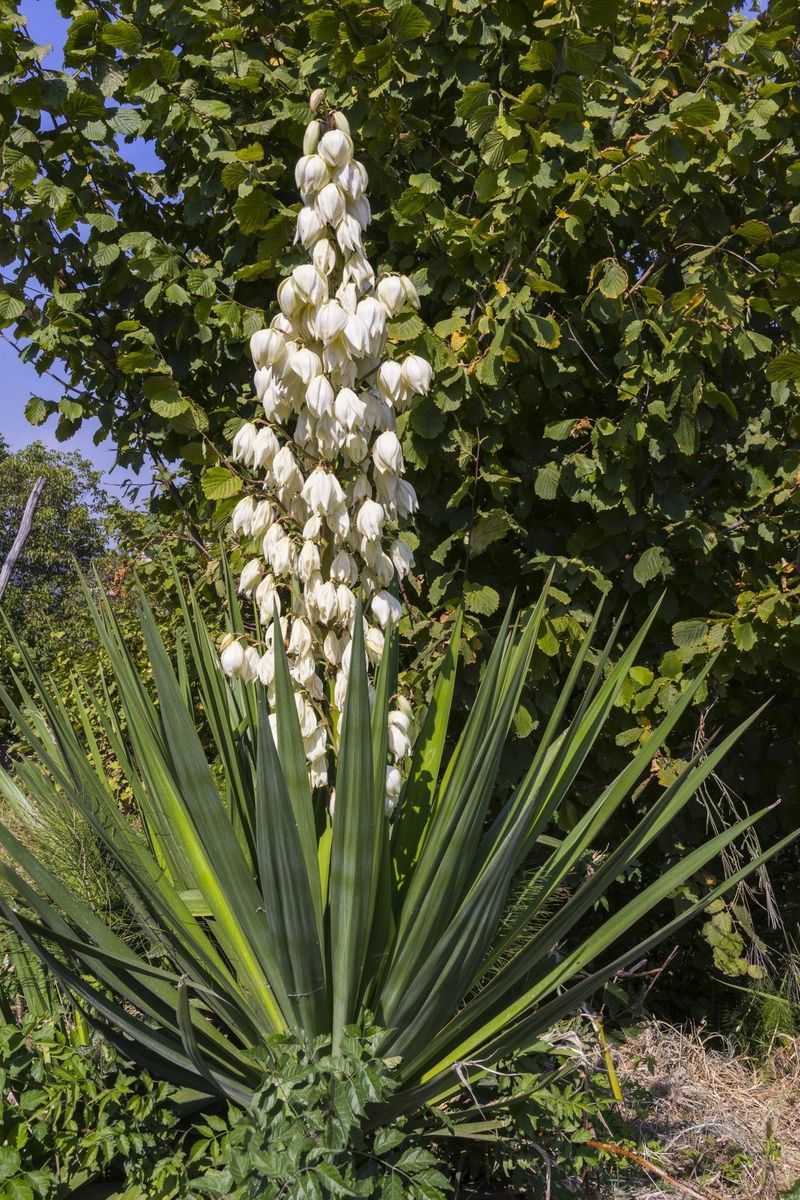
Picture a plant so bold and dramatic that your neighbors will stop their cars just to ask what it is. Adam’s Needle is exactly that kind of showstopper.
With long, sword-shaped leaves that stay green all year and towering flower spikes that can reach six feet tall, this plant commands attention in any Pennsylvania garden.
The curly white threads along the leaf edges give it a slightly wild, untamed look that sets it apart from typical perennials. Each summer, it sends up a massive stalk loaded with creamy white, bell-shaped flowers.
Your Pennsylvania Garden Changes Every Week. Your Plan Should Too.
Gardening in Pennsylvania changes quickly throughout the season. Every Friday you’ll receive a simple weekly plan showing exactly what to plant, prune, fertilize, harvest, and protect so you never miss the right timing.
Those blooms are not just pretty, they are also fragrant, especially in the evenings when moths come to pollinate them.
Hardy well into Zone 5 and sometimes even Zone 4, Adam’s Needle handles Pennsylvania winters without needing any extra protection in most parts of the state. It does best in full sun and soil that drains quickly.
Heavy clay soil that holds water can cause problems, so amending your planting spot with coarse sand or gravel is a smart move.
Once established, this plant is incredibly tough. It rarely needs watering, shrugs off heat, and even tolerates some drought.
It takes a few years to bloom for the first time, but the wait is absolutely worth it. Plant it as a bold focal point in a dry border, at the edge of a driveway, or in a rock garden. Few plants give Pennsylvania gardeners this much drama with so little effort.
3. Hens-And-Chicks
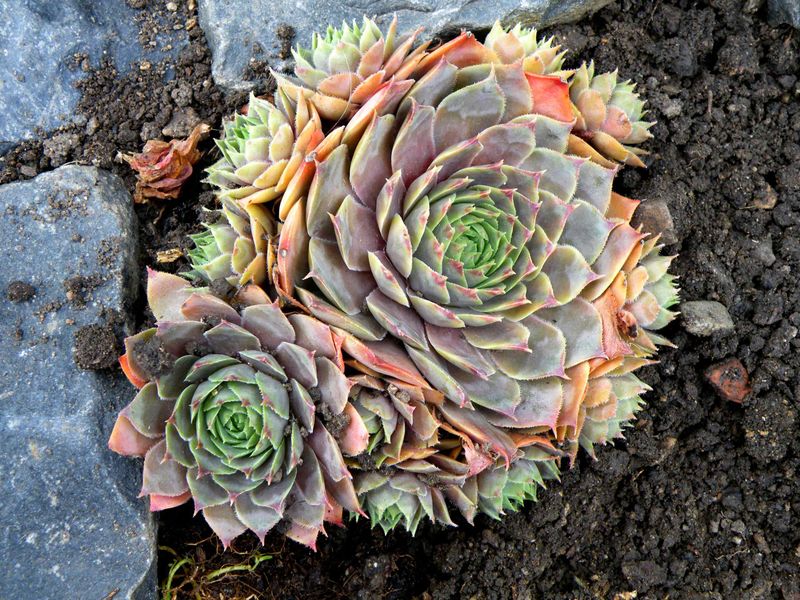
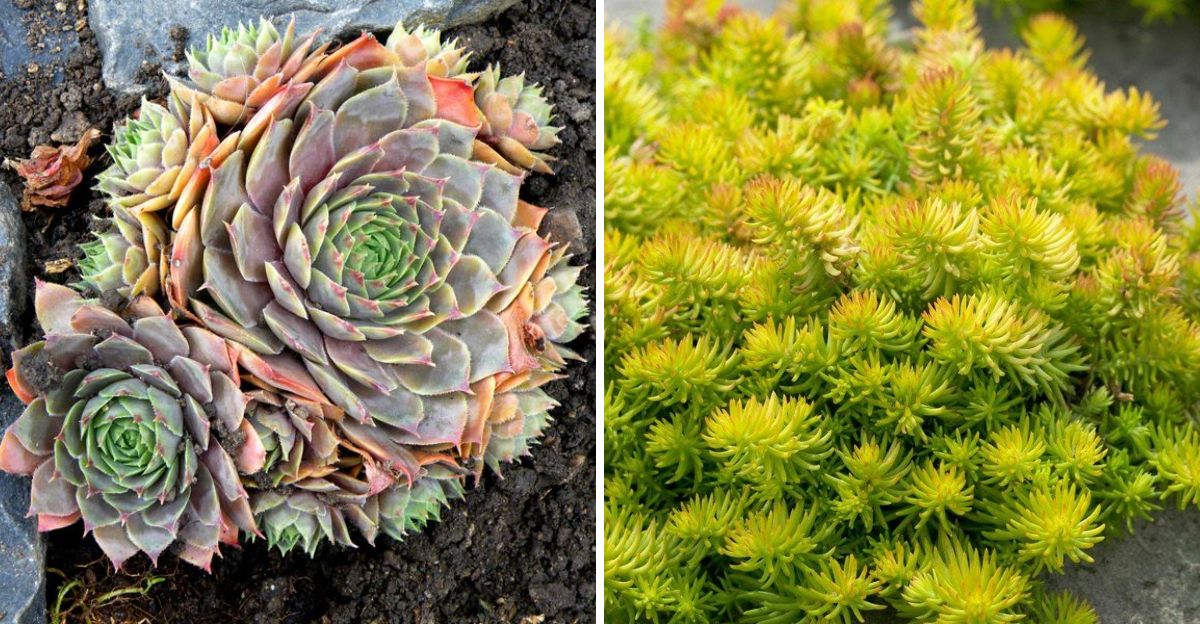
Few succulents are as beloved or as forgiving as Hens-and-Chicks. Gardeners across Pennsylvania have been tucking these cheerful rosettes into rock walls, stone troughs, and sunny borders for generations, and for good reason.
They are almost impossible to get wrong. The name comes from the way the plant grows. One large central rosette, the hen, sends out a steady stream of smaller offsets around itself.
Those babies, the chicks, root easily and fill in gaps between rocks or along garden edges in a very satisfying way. Over time, a single plant becomes a dense, colorful colony.
Hardy from Zone 4 to Zone 9, Sempervivum tectorum is well-suited for nearly every part of Pennsylvania, including the colder northern regions. It handles freezing temperatures, snow cover, and even ice without missing a beat.
The only thing it truly dislikes is sitting in wet, soggy soil, so good drainage is essential. One of the best things about this plant is the sheer variety available. Rosettes come in shades of green, red, purple, bronze, and silver, sometimes all on the same plant.
Mixing several varieties together in a shallow container or a stone wall creates a living tapestry effect that looks stunning all year long. They also work beautifully in between stepping stones where most other plants struggle to survive.
For beginner gardeners in Pennsylvania looking to try succulents for the first time, Hens-and-Chicks is the perfect starting point.
4. Caucasian Stonecrop
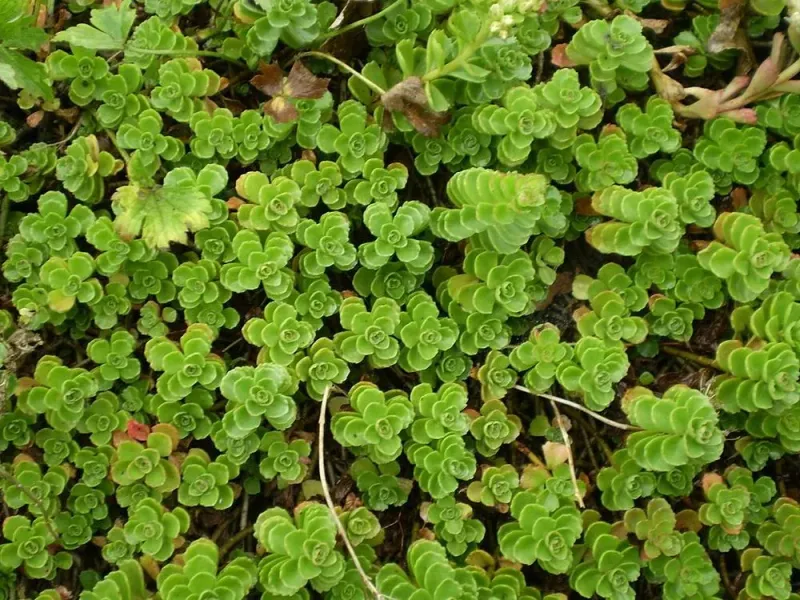
If you have a dry, sunny slope in your Pennsylvania yard that refuses to grow anything decent, Caucasian Stonecrop might just be the answer you have been looking for.
This mat-forming succulent spreads enthusiastically across the ground, weaving between stones and filling bare patches with colorful, textured foliage.
The leaves are small, rounded, and often flushed with shades of red, burgundy, or bronze, especially in cooler weather or when the plant gets plenty of sun. In summer, clusters of star-shaped pink or red flowers appear above the foliage, adding another layer of color to your garden.
Popular varieties like Dragon’s Blood have especially rich, jewel-toned coloring that looks stunning against gray stone.
Hardy in Zones 4 to 9, this sedum handles Pennsylvania winters without any special treatment.
It stays semi-evergreen in many parts of the state, meaning the foliage holds on through most of the cold season before refreshing itself in spring. That extended visual interest makes it more valuable than many other ground covers.
Plant it between stepping stones, along dry walls, or at the front of a sunny border where it can spill over edges naturally. It grows only a few inches tall but spreads sideways quite readily, which is exactly what you want from a ground cover.
Watering is minimal once it gets established. Avoid planting it in shaded or constantly moist areas, as it prefers lean, dry conditions.
For Pennsylvania gardeners wanting a colorful, carefree ground cover, Caucasian Stonecrop delivers every season.
5. Moss Stonecrop
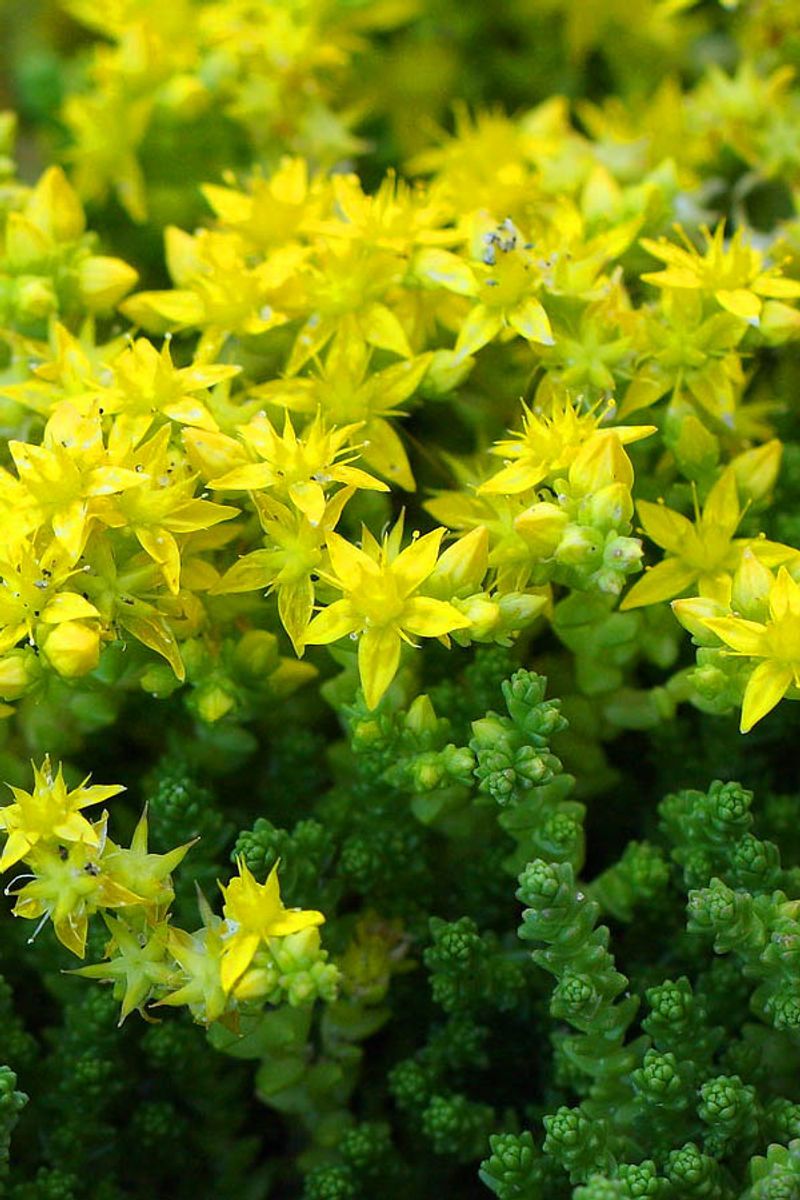
Tiny but mighty, Moss Stonecrop is one of those plants that quietly takes over a space in the best possible way. Its miniature, bright green leaves grow so densely packed together that the plant genuinely looks like a soft, living carpet.
When it blooms in late spring and early summer, it covers itself in a cheerful blanket of small yellow flowers that practically glow in the sunlight.
This little succulent thrives in the kinds of spots where most plants refuse to grow. Cracks between flagstones, gaps in dry stone walls, rocky outcroppings, and gravel beds are all places where Sedum acre feels completely at home.
It is hardy in Zones 4 to 9, making it a solid choice for Pennsylvania gardeners from the warmest southern counties all the way up to the colder northern regions.
One thing to keep in mind is that Sedum acre can spread fairly aggressively once it gets comfortable. In a contained rock garden or between pavers, that spreading habit is a genuine asset.
In a mixed border with more delicate plants nearby, you may need to trim it back occasionally to keep it in its lane.
It asks for very little in return for all the beauty it provides. Full sun, sharp drainage, and occasional neglect are basically its ideal growing conditions.
Even during dry Pennsylvania summers, it rarely needs supplemental watering once established. For anyone wanting a no-fuss carpet effect in a sunny, rocky spot, Moss Stonecrop is a reliable and charming choice.
6. Stonecrop Angelina
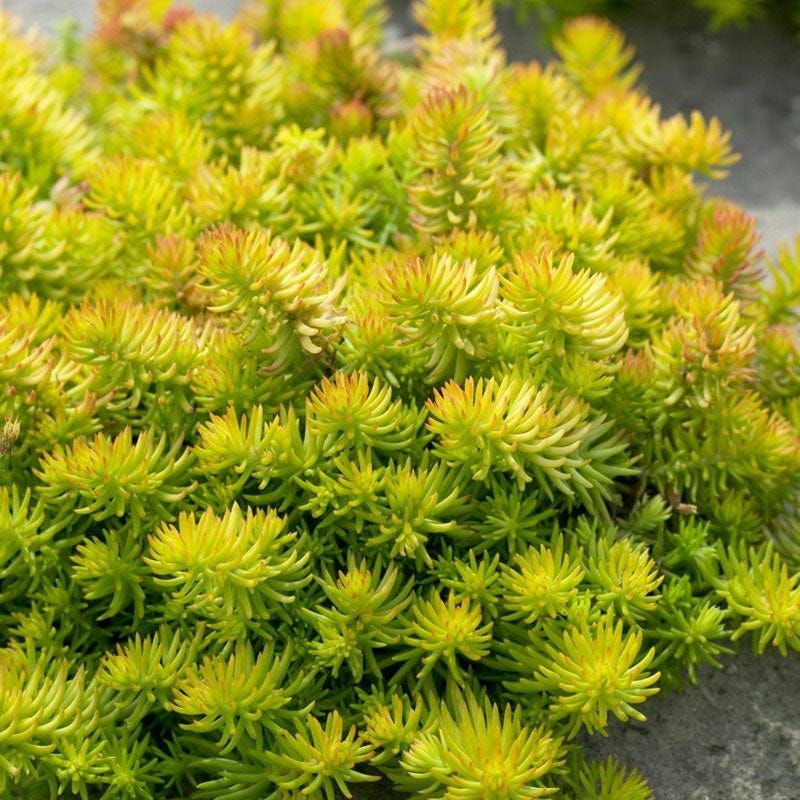
Bright gold foliage that practically lights up a garden bed? That is exactly what the Angelina form of Sedum rupestre brings to the table.
Unlike the flat, mat-forming sedums, this one has a slightly more upright, needle-like texture that gives it a spiky, almost whimsical look. It is one of the most visually distinct succulents you can grow in Pennsylvania.
The foliage starts out golden yellow in spring and summer, then shifts toward burnt orange and copper tones as temperatures cool in fall.
That seasonal color change makes it one of the most interesting plants in the garden from April all the way through November. In summer, it also produces small yellow flowers that complement the foliage beautifully.
Sedum rupestre is hardy in Zones 5 to 8, which covers a large portion of Pennsylvania comfortably. It grows best in full sun with well-drained soil and handles dry spells with ease.
Planting it in rich, moist soil tends to make it grow too loose and floppy, so lean soil actually produces a more compact and attractive plant.
Angelina works wonderfully as a ground cover, a border edging plant, or spilling over the edge of a raised bed or container. It pairs beautifully with purple-leaved plants and dark-colored stones, creating high-contrast combinations that feel bold and intentional.
Dividing it every few years keeps it looking fresh and encourages dense, healthy growth. For Pennsylvania gardeners who want color all season long without much effort, Angelina Stonecrop is a genuinely exciting option.
7. Hardy Ice Plant
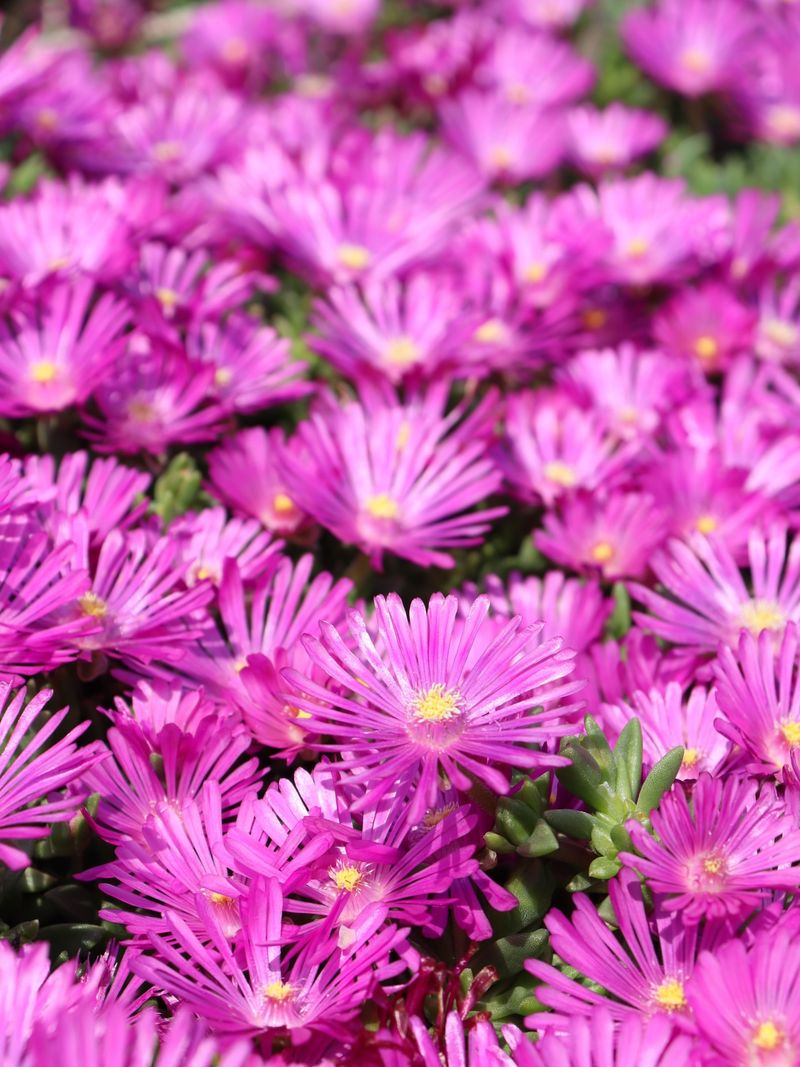
At first glance, the Hardy Ice Plant looks like it belongs in a Mediterranean garden rather than a Pennsylvania backyard.
Its shimmering, crystal-studded leaves catch the light in a way that genuinely looks like tiny ice crystals are clinging to the plant. Then the flowers open, and that is when things get really exciting.
Delosperma cooperi produces an almost unbelievable number of vivid magenta to purple daisy-like flowers from early summer right through fall. The blooms are so bright and so numerous that they can completely cover the foliage during peak bloom.
Few plants at this size pack as much color punch as the Hardy Ice Plant does during a Pennsylvania summer.
Hardy in Zones 6 to 10, this plant is best suited for the warmer southern parts of Pennsylvania or for spots with exceptional drainage where cold air does not pool. Raised beds, south-facing slopes, and rocky outcroppings are ideal planting locations.
Wet soil in winter is the main challenge, so if your garden has clay or poor drainage, amending the soil heavily before planting is a must.
It stays low, usually only two to three inches tall, and spreads outward steadily to form a colorful mat. Once established, it needs very little water and almost no maintenance.
Pairing it with other drought-tolerant plants like sedums or ornamental grasses creates a low-care, high-impact planting combination.
For Pennsylvania gardeners in the right zone who want something truly eye-catching and unusual, the Hardy Ice Plant is a bold and rewarding choice.