10 Common California Garden Weeds You Can Actually Eat
Some of the plants taking over your California garden are not just weeds. They are edible. Before you rip them out and toss them aside, it is worth knowing that a few of the most common backyard intruders can actually end up on your plate.
That twist makes weeding a lot more interesting in California, where long growing seasons help all kinds of wild plants pop up fast and often.
Some bring a peppery bite, some taste fresh and mild, and some have been used in kitchens for generations. Not bad for plants most people treat like uninvited guests.
Of course, this is the part where plant ID really matters. You want the right weed, picked from the right place, and not something questionable growing next to a driveway or sprayed flower bed.
But once you know what you are looking at, your garden starts to feel a little less like a battle zone and a little more like a surprise snack aisle.
1. Dandelion
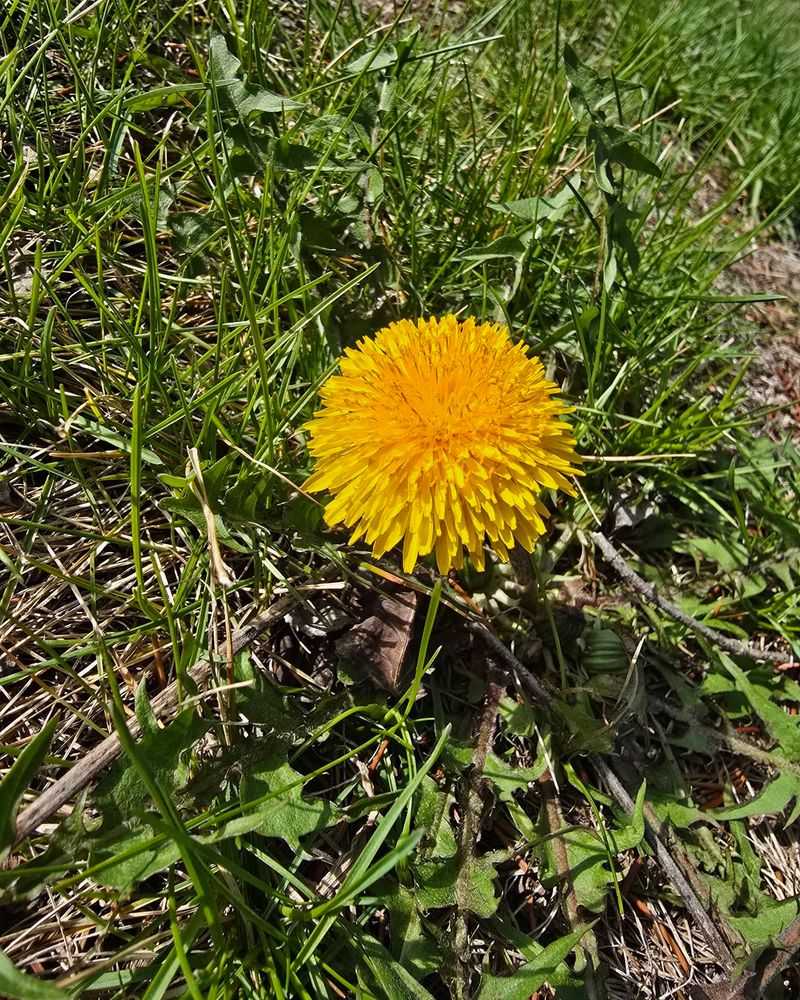
You have probably blown on a dandelion puffball at least once in your life, making a wish as the seeds floated away. What most people do not know is that dandelions are one of the most useful edible weeds growing in California gardens today.
Every single part of the plant is edible, from the roots all the way up to the bright yellow flowers.
The leaves are a little bitter, kind of like arugula, and they taste great tossed into a salad or sauteed with garlic and olive oil. Younger leaves are less bitter, so pick them early in the season for the best flavor.
The flowers can be battered and pan-fried into fritters or even turned into a sweet syrup.
Dandelion roots are where things get really interesting. Roast them in the oven, grind them up, and you have a caffeine-free coffee substitute that many people in California actually enjoy.
The roots are also used in herbal teas and wellness drinks. Dandelions are rich in vitamins A, C, and K, plus calcium and iron.
Next time one pops up in your yard, think twice before pulling it out.
2. Common Purslane
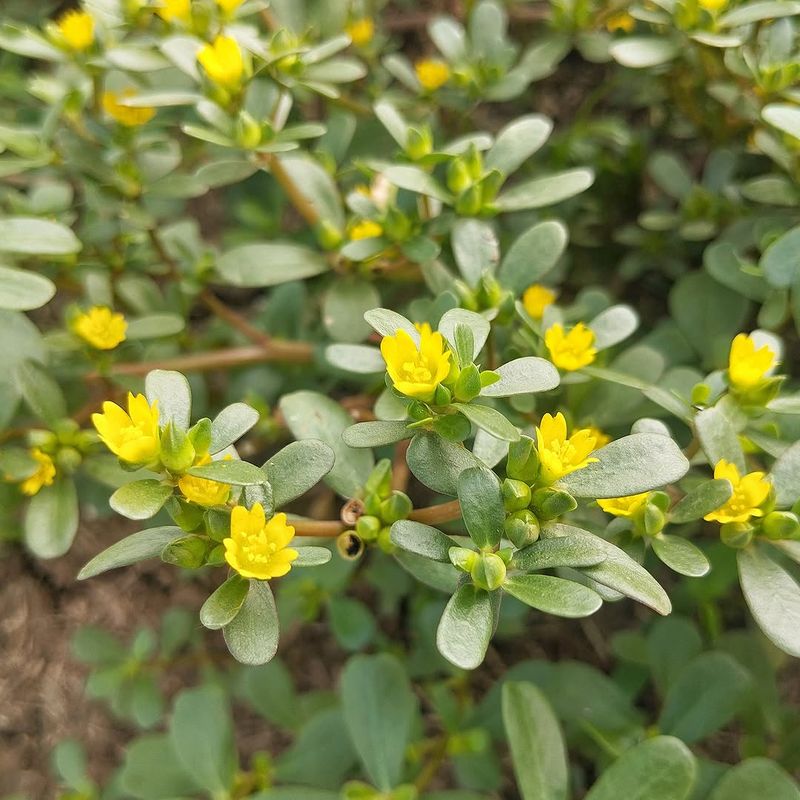
Purslane is one of those plants that sneaks into gardens across California without anyone inviting it. It has thick, fleshy, oval-shaped leaves and reddish stems that spread low along the ground.
At first glance, it looks like a small succulent, and in a way, it kind of is.
What makes purslane truly special is its nutritional profile. It contains more omega-3 fatty acids than almost any other leafy plant, which is pretty remarkable for something most people step on without thinking twice.
It is also loaded with vitamins A, C, and E, plus magnesium and potassium.
The flavor is mild with a slight lemony tang and a satisfying crunch. Raw purslane works wonderfully in summer salads, especially when paired with tomatoes, cucumbers, and a light vinaigrette.
It can also be stirred into soups or lightly stir-fried with a little sesame oil and garlic for an easy side dish. In many parts of the world, purslane is considered a prized vegetable rather than a weed.
Your California Garden Changes Every Week. Your Plan Should Too.
Gardening in California changes quickly throughout the season. Every Friday you’ll receive a simple weekly plan showing exactly what to plant, prune, fertilize, harvest, and protect so you never miss the right timing.
California foragers are starting to catch on, and it is showing up at farmers markets and even in some restaurant kitchens. Keep an eye out for it in sunny, dry spots in your garden.
3. Miner’s Lettuce
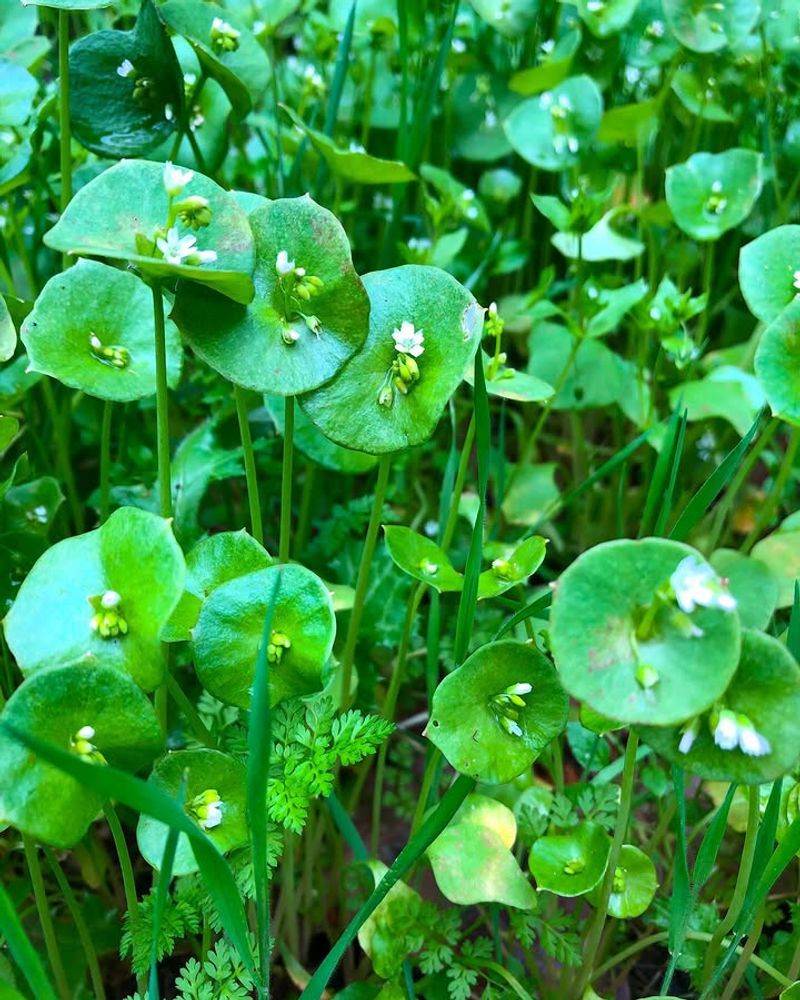
Back during the California Gold Rush, miners discovered they could eat this little plant to prevent scurvy, a disease caused by low vitamin C. That is exactly how miner’s lettuce got its name, and it has been a foraging favorite in California ever since.
It is one of the easiest edible weeds to recognize because of its unique round, disc-shaped leaves with a tiny stem poking through the center.
Miner’s lettuce loves cool, shady spots and tends to pop up in California gardens from late winter through early spring. It has a mild, slightly sweet flavor that makes it one of the most pleasant-tasting edible weeds you will find.
Toss the whole plant, leaves, stems, and small white flowers, directly into a salad without any preparation needed.
Kids especially tend to enjoy eating miner’s lettuce because of how fun the round leaves look on a plate. It pairs well with a simple lemon and olive oil dressing.
You can also blend it into smoothies or layer it into sandwiches as a fresh green. It is high in vitamin C, vitamin A, and iron.
In California, you are most likely to find it growing under trees, along shaded fence lines, or in cool garden corners from January through April.
4. Lamb’s Quarters
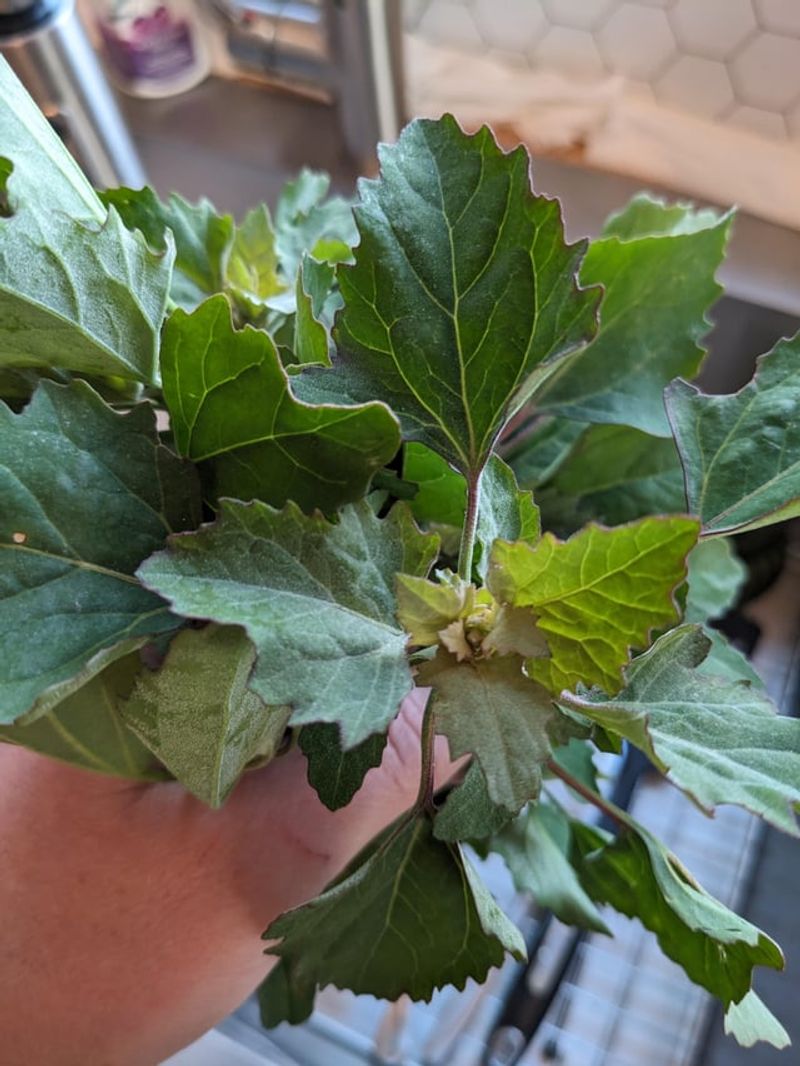
Sometimes called wild spinach, lamb’s quarters is one of the most nutritious weeds you can find growing in a California garden. The leaves have a distinctive dusty, grayish-green look because they are coated in a fine white powder.
That powdery coating is completely natural and harmless, just give the leaves a rinse before eating.
Lamb’s quarters taste remarkably similar to spinach, which makes them incredibly easy to use in the kitchen. Saute them with butter and garlic, blend them into a green smoothie, or fold them into scrambled eggs.
They soften nicely when cooked and hold up well in soups and stews. Young leaves can even be eaten raw in salads.
Nutritionally, lamb’s quarters punch well above their weight. They are rich in vitamins A and C, calcium, iron, and protein.
Some studies suggest they contain more calcium than kale, which is saying something. In California, this weed thrives in disturbed soils, garden beds, and compost-rich areas.
It grows fast and can reach several feet tall if left alone. Harvest the young shoots and tender upper leaves for the best taste and texture.
Once you try it cooked with a little lemon juice, you might actually start leaving a few plants standing on purpose.
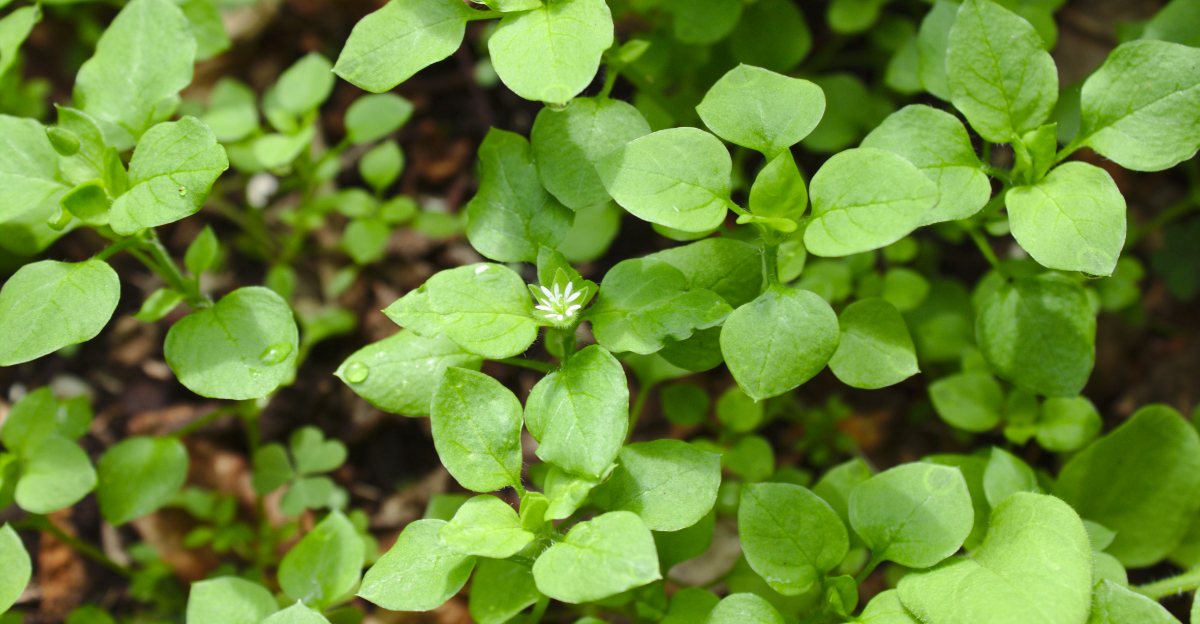
5. Chickweed
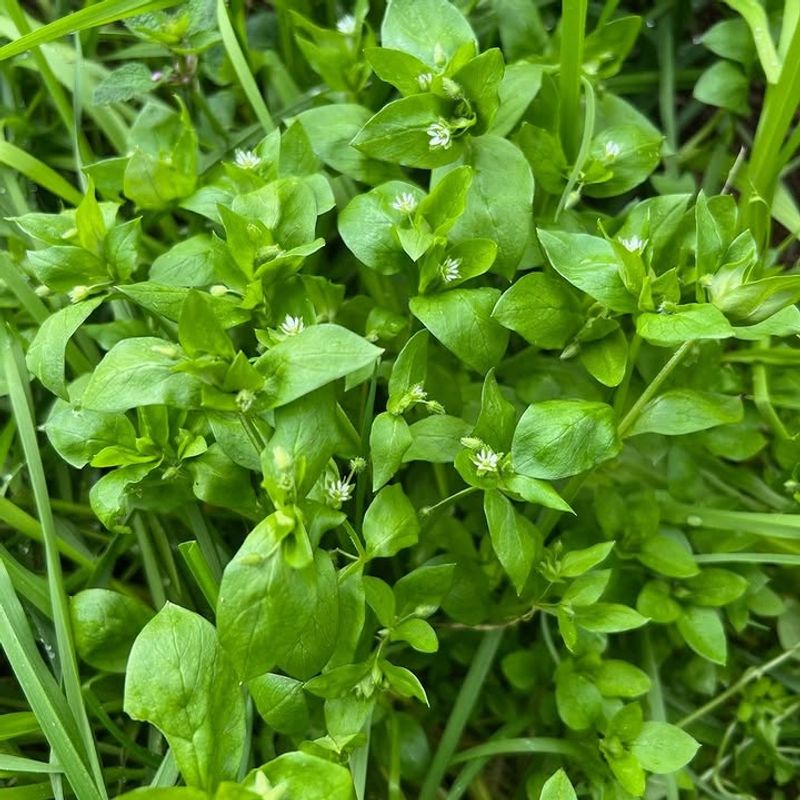
Chickweed is a cheerful little plant that tends to carpet California garden beds during the cooler months of the year. It has tiny star-shaped white flowers and soft, delicate leaves that form a dense, low-growing mat.
Chickens absolutely love eating it, which is actually how it got its common name.
For humans, chickweed has a mild, slightly grassy flavor that works really well in fresh salads. The entire plant is edible, including the stems, leaves, and flowers.
Because the texture is so tender, chickweed also blends smoothly into pestos and herb sauces. Try it in place of basil with pine nuts, garlic, olive oil, and parmesan for a bright, fresh result.
Nutritionally, chickweed offers a solid dose of vitamins A, C, and several B vitamins, along with calcium and magnesium. It grows best in cool, moist conditions, so in California you will typically find it thriving from late fall through early spring.
It loves shady garden spots and tends to grow near other cool-season plants. Harvest it before it flowers for the most tender texture, though the flowering plant is still perfectly edible.
It wilts quickly after picking, so use it fresh. Chickweed is proof that some of the most nutritious plants in your garden are the ones you never planted.
6. Stinging Nettle
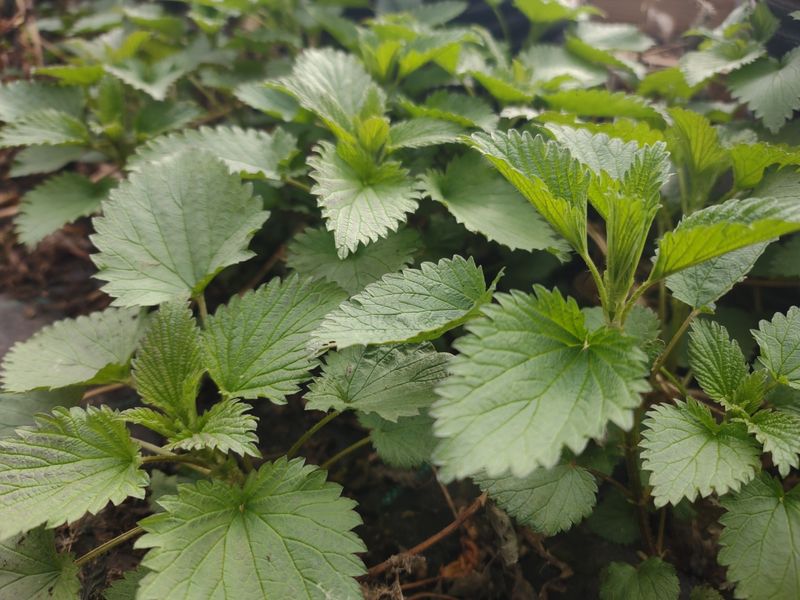
Stinging nettle has a bit of a bad reputation, and honestly, it has earned it. Brush against the leaves with bare skin and you will feel a sharp, burning sting that can last for several minutes.
Those tiny hollow hairs on the leaves inject a mix of chemicals that irritate the skin. It sounds unpleasant, and it is, but here is the good news: cooking or drying the plant completely removes the sting.
Once neutralized by heat, stinging nettle becomes one of the most nutritious greens you can eat. It is loaded with vitamins A, C, and K, along with iron, calcium, and magnesium.
The flavor is rich and earthy, similar to spinach but with a slightly deeper, more complex taste. Nettle soup is a classic dish enjoyed across Europe and increasingly popular among California foragers.
In California, stinging nettle tends to grow in moist, shaded areas near streams, compost piles, and garden borders. Wear gloves when harvesting and use kitchen tongs to handle the raw plant.
Blanch it in boiling water for just two minutes, then drain and squeeze out the liquid. From there, use it in soups, pasta fillings, or stirred into risotto.
Nettle tea is also a popular option and has a pleasant, grassy flavor when brewed with a little honey.
7. Burning Nettle
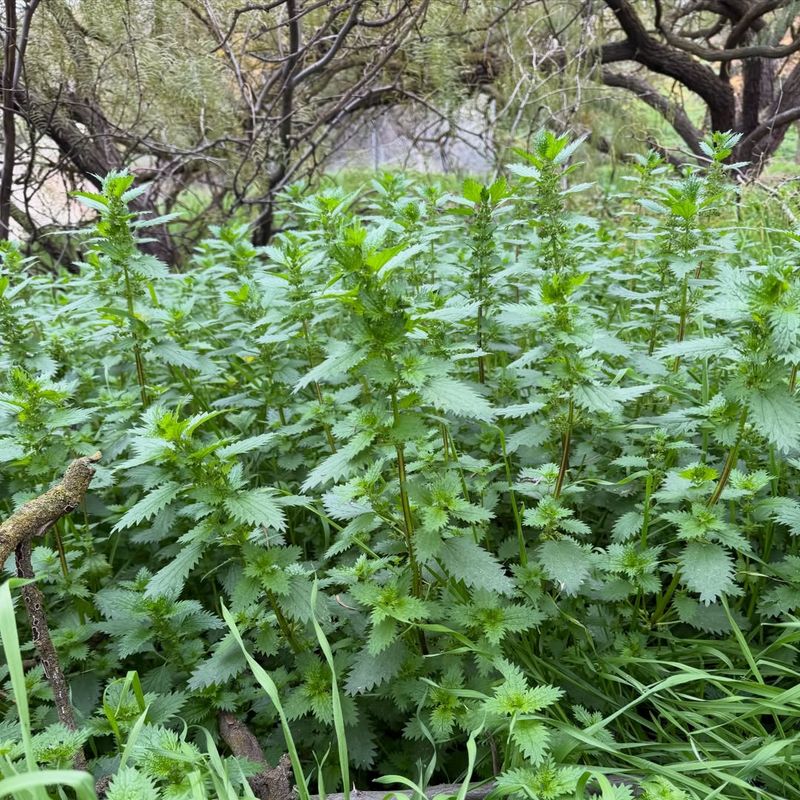
Burning nettle, also called small nettle, is the shorter, scrappier cousin of stinging nettle. It tends to pop up in drier, sunnier spots across California gardens, particularly in sandy or disturbed soils.
Like its larger relative, it has fine stinging hairs on the leaves and stems that cause a sharp, temporary irritation on contact with bare skin.
Despite that prickly personality, burning nettle is completely edible once cooked. Blanching the leaves in boiling water for a couple of minutes neutralizes the sting and leaves behind a tender, mild green that can be used just like cooked spinach.
The flavor is slightly grassy and earthy, and it works well in omelets, quesadillas, pasta dishes, or blended into a simple green soup.
Burning nettle is smaller than stinging nettle, usually only reaching about a foot tall, which makes it easy to overlook in a busy garden bed. It tends to grow in clusters and spreads quickly if left unchecked.
Wearing gloves during harvest is a must. Nutritionally, it offers many of the same benefits as stinging nettle, including vitamins A and C, iron, and calcium.
In California, it is most commonly found in coastal and inland garden areas from late winter through summer. Once you know what to look for, you will start spotting it everywhere.
8. Fennel
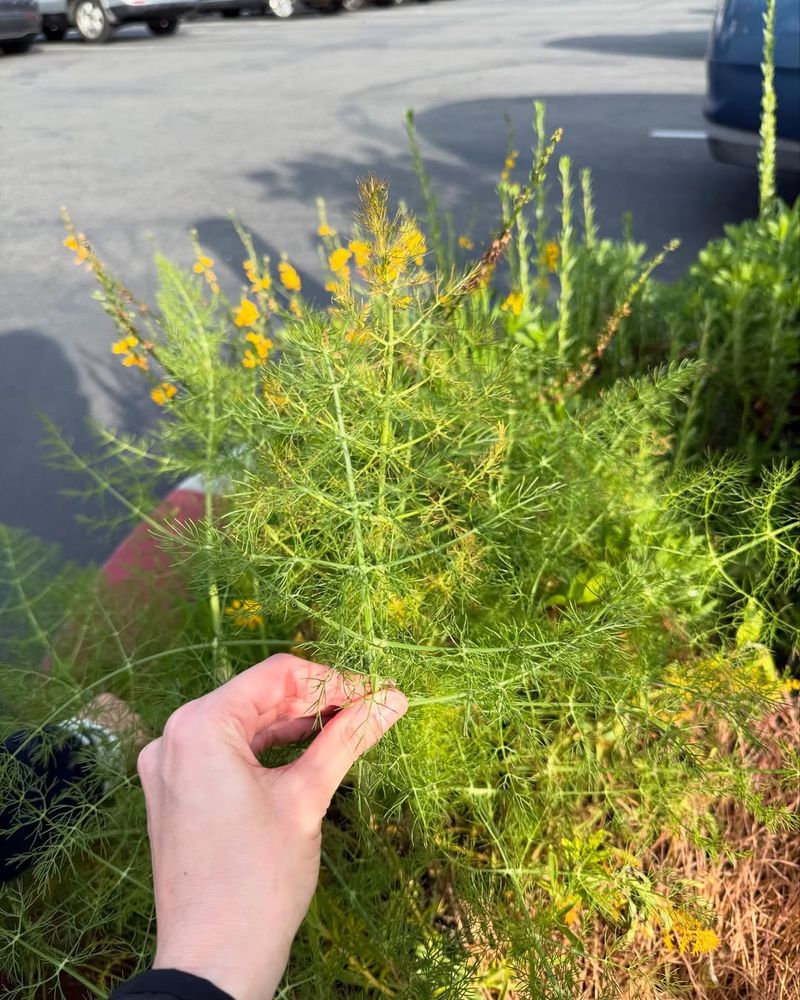
If you have ever driven along a California highway and noticed tall, feathery green plants with a faint licorice smell, you have already met wild fennel. It is one of the most recognizable edible weeds in the state, and it grows with impressive enthusiasm along roadsides, hillsides, and garden edges throughout California.
The entire plant smells and tastes like anise or licorice, which people tend to either love or find surprisingly pleasant.
Every part of wild fennel is edible. The feathery fronds can be chopped and used as an herb, similar to dill.
The yellow flowers make a beautiful garnish and carry a sweet, aromatic flavor. The seeds, which develop after flowering, are excellent for seasoning breads, sauces, and roasted vegetables.
Even the thick, hollow stalks can be used to flavor stocks and broths.
In California, wild fennel is considered an invasive plant in some areas, which means foraging it is actually a good thing for the local ecosystem. It thrives in full sun and dry conditions, making it perfectly suited to California’s warm climate.
Nutritionally, fennel provides vitamin C, potassium, and fiber. It also contains compounds known to support digestion.
Try adding fresh fennel fronds to a simple pasta with olive oil, garlic, and lemon for a dish that tastes like it came from a California restaurant menu.
9. Broadleaf Plantain
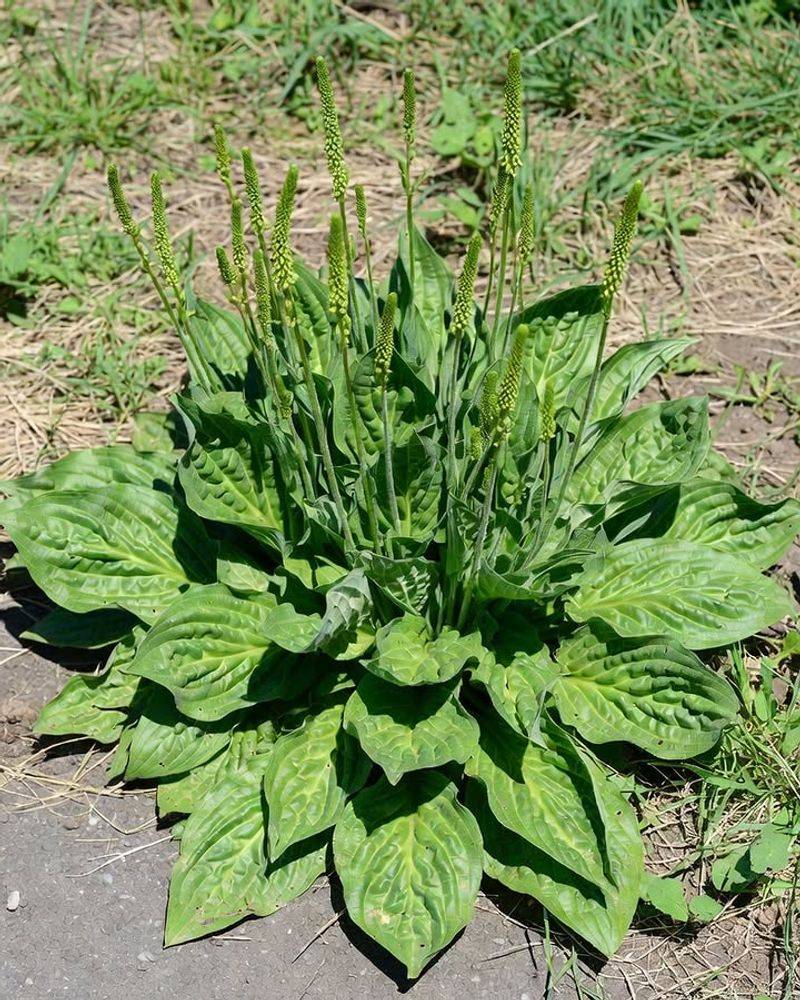
Broadleaf plantain is one of those weeds that seems to grow everywhere humans do. You will find it pushing up through sidewalk cracks, spreading across California lawns, and settling into garden pathways with no invitation whatsoever.
It has wide, oval leaves with prominent parallel veins and a tough, fibrous texture. Despite that toughness, it is completely edible.
Young leaves are the most tender and can be eaten raw in salads, though they have a slightly bitter, earthy flavor. Older leaves get chewier and are better suited to cooking.
Try sauteing them with olive oil and a pinch of salt, or toss them into soups where they will soften nicely. The seeds that grow on the tall, slender stalks are also edible and can be ground into a flour or used as a fiber supplement.
Broadleaf plantain is not related to the banana-like plantain you find in grocery stores. It is a completely different plant with its own distinct nutritional benefits, including vitamins A, C, and K, plus calcium and fiber.
In California, it grows year-round in most regions, making it one of the most reliable edible weeds available no matter the season. It also has a long history of use in traditional herbal medicine for soothing minor skin irritations.
Both practical and nutritious, it is a weed worth knowing.
10. Buckhorn Plantain
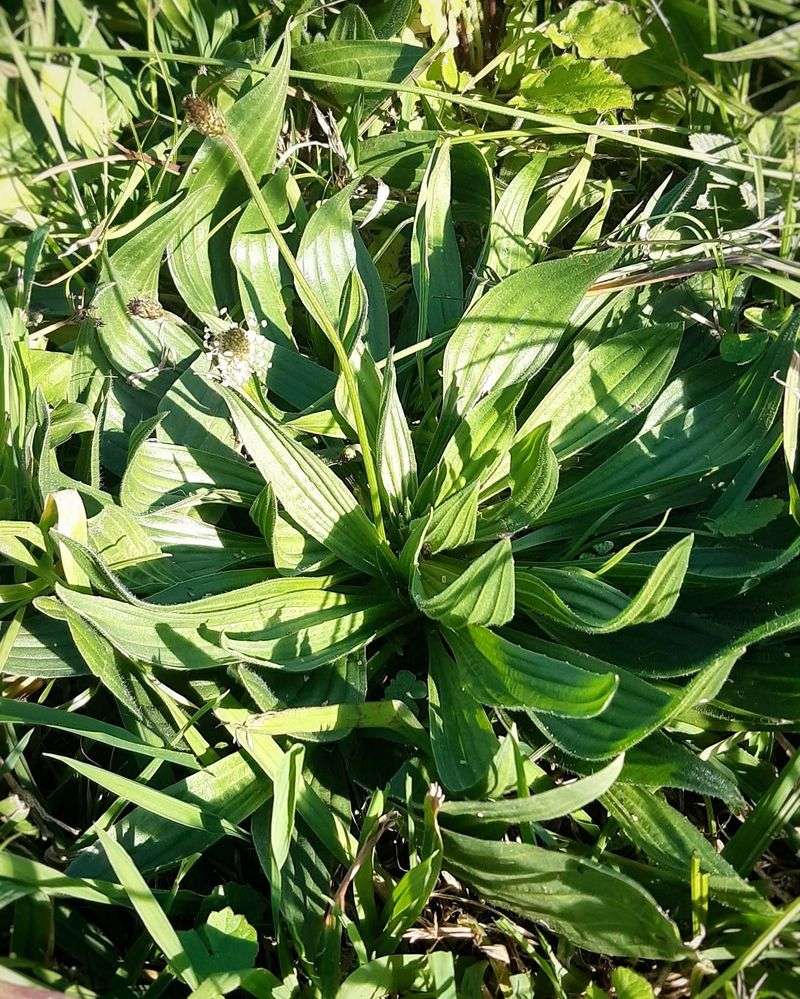
Buckhorn plantain is the slimmer, more elegant sibling of broadleaf plantain. Instead of wide oval leaves, it grows long, narrow, lance-shaped leaves with distinct parallel veins running from base to tip.
The seed heads are cylindrical and ringed with small white flowers, which gives the plant a quirky, almost otherworldly look when it is in bloom. In California, it is a very common sight in dry lawns, garden edges, and open fields.
Like broadleaf plantain, the young leaves of buckhorn plantain are edible and mildly nutritious. They have a slightly bitter, earthy flavor and work best when chopped and added to cooked dishes rather than eaten raw in large amounts.
Stirring them into soups, grain bowls, or egg dishes is an easy way to use them without the bitterness becoming too noticeable. The seeds are also edible and high in fiber.
Buckhorn plantain contains vitamins C and K, along with compounds that have been used traditionally to support respiratory health. It is drought-tolerant and thrives in the warm, dry conditions common across much of California, especially during summer months.
Because it grows so widely across the state, it is one of the most accessible edible weeds for beginning foragers. Just make sure to harvest from areas that have not been treated with herbicides or pesticides before eating any part of the plant.